
(I’ve been meaning to publish this in response to the dénouement of Style on Trial for a while now, so here it is….)
The Seventies won out in the end. I thought it was a lost cause, quite frankly, because people are so biased against a decade they associate with polyester and bad taste. Irritatingly and blatantly ignoring the fact that man made fibres in various forms have been in steady use in clothing since the 1930s. And bad taste is always with us. As much in the Fifties and Sixties as it was in the Seventies and Eighties, our specs have just got rosier with time passing.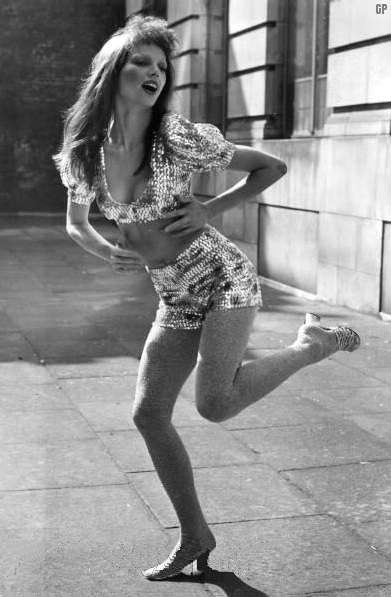 Wayne Hemingway’s impassioned plea for glam, punk, northern soul and disco was certainly appealing to me, but I could also see why Celia Birtwell would question whether any of those clothes look remotely appealing on older ladies. My response to that would have been that I know many women who still wear their Ossie dresses well into their forties and fifties and still look incredible. Everything permitting, I hope I’ll be one of those ladies myself. She commented that forties styles were far more wearable for people of all ages, possibly forgetting that the Seventies (and specifically the likes of her ex-hubby) incorporated a lot of forties silhouettes and styles, updating them and making them sexier and more modern. All of which look gorgeous on older women as well.
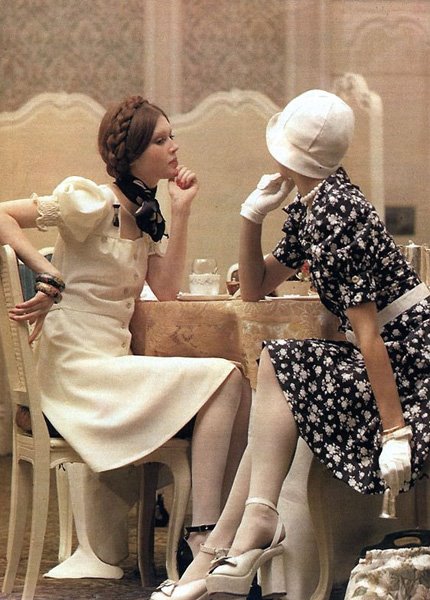 So, perhaps the Forties should have won? I certainly enjoyed Lawrence Llewellyn-Bowen’s case for the decade, and was convinced that they would all vote for his era of choice. But in terms of the most rounded decade for fashion, I actually think the Seventies had it all.
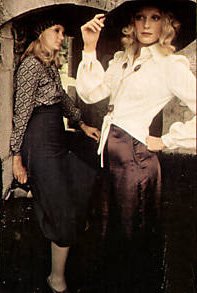 Affordable clothing for those who wanted it, in the days before it was all farmed out to children in a sweatshop in Sri Lanka. Vivid, fun, sexy clothes for teenagers and twenty-somethings. Glamorous eveningwear and wearable separates for older, working women. Polyester has its place, and revolutionised the lot of the housewife, but you could just as easily get delicious crepes, jerseys and wool.
 Platforms were infinitely superior to spindly little stiletto heels, and they didn’t have to be 6 inches high (unless you were a member of Slade or a very brave woman). Different styles and cultural groups or identities were plentiful. You could wear the general style of the era, or you could choose who you wanted to be.
Hair was fairly low maintenance if you so wished. And there was a style for all hair types. Every other decade (and trend within that decade) seems to have beaten everyone’s hair into submission to one overarching style. Likewise with make-up, there was a general look but fewer rules than before. The preferred female silhouette was natural. Curved but never to excess. Softness prevailed. No corsetted waists, but no severe straightness either.
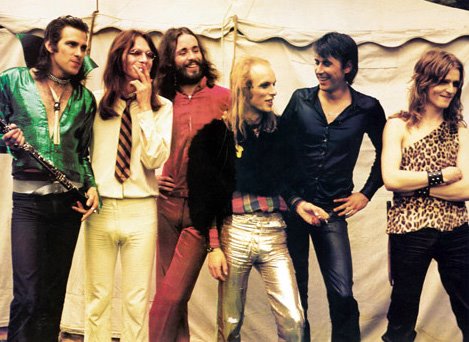 Men actually cared about clothes. Not about labels in the way they do now. Clothes. They cared about fabric, colour, silhouette. They didn’t give a rat’s behind about looking overly feminine, and to my eye actually look more appealing and masculine in all their satin and tat.
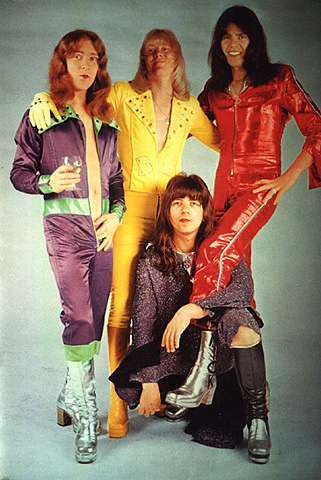 Okay, perhaps not in the case of The Sweet….but I still adore them!
Ultimately it was the best attitude to style we’ve seen for a long time. Trying everything. Experimenting, being brave, making your own choices and not necessarily the same choice as anyone else. There was a good reason the New Romantics were harking back to Glam Rock and, to a lesser extent, disco. There was always a general ‘look’, but no one slavishly followed rules (unlike the mods, rockers, teddy boys and so on). You were expressing yourself.
While I don’t think any era can really be truly hailed as the greatest, and certainly style is a very subjective concept (the word stylish, in fact, makes me think of the word timeless….and thus, a bit dull and safe), I think the Seventies was a very brave but very well rounded choice to make.
 Liz Eggleston