Hairy and melodic: Marc Bolan

1970s, glam rock, Honey Magazine, marc bolan, t-rex

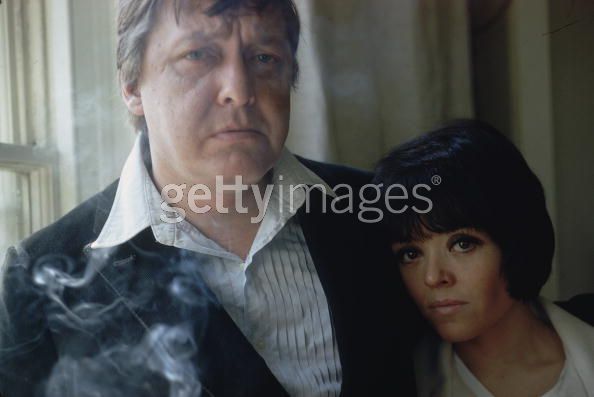
Happy Birthday to my beloved Mr Bolan, who would have been 63 today. Spread the sparkly love around…. This interview is from Honey, November 1970. I love that the interviewer describes Marc and Mickey as “hairy and melodic”.

Tyrannosaurus Rex is alive and well and living off Ladbroke Grove

If the Revolution is anywhere, it’s somewhere between Notting Hill and Ladbroke Grove. You walk through scruffy streets filled with big houses filled with bedsitters filled with either enormous black families, or else pale young people in velvet trousers who burn joss sticks and spend their lives trying to get it together; and no doubt when they succeed something’s going to give like it hasn’t given before.

This is where the Underground is, with all its religions, philosophies, prejudices, freedoms, newspapers, organisations and music. And this is where Marc Bolan lives, which is where the Underground is as well.

Marc Bolan is the original founder of Tyrannosaurus Rex, that twosome who warbled their way into the lives of millions when Top Gear first came on the radio. A lot of people switched off immediately and signed up with Tony Brandon or Jimmy Young. But a few people kind of clutched their heads and went ‘Wow!’ and have been seen at the Roundhouse ever since, where they listen to T.Rex singing how they want it sung, and J. Peel saying it how they want it said.

Marc Bolan lives, as has been said, just off Ladbroke Grove. You go up through a house where bits of prams and peeling paintwork set the tone of the place, and then you go into his flat, which is all plain colours with music drifting out of the bedroom and a nice bunch of flowers on the scrubbed wood table, and the smell of incense hanging in the air around the colour television set. There you see Bolan Child sitting at the table in velvet trousers and a little jumper which ties up in the front, and in shoes with straps on them, and he’s really the prettiest little thing you ever did see.

Over a pleasant cup of coffee we got to talking about the past. Before Marc got into music, his main claim to fame was as King of the Mods in Stamford Hill.

“I never liked school very much, so I started getting into clothes when I was about twelve. Clothes were then, I suppose, wisdom and knowledge and getting satisfaction as a human being. In those days all I really cared about was creating a sort of material vision of what I wanted to be like. If I go out and buy clothes now, it’s either because I feel down or because something looks nice. And if I wear that to do something it’ll make me do it better. But it’s not the goal any more, you see. At that point if you designed a new suit or a pair of light green shoes with buckles all over them, it was like you conceived it and saved up for it—which might take you three months—and then you got the shoes, and those shoes were, for three months, the only thing that made you go. Whereas now, it’s just a day, or like I’ve just bought a new guitar which cost me £400, which I’ve always wanted, but it’s a practical thing. I don’t sit there going ‘Wow!’; whereas then, a pair of shoes was like meeting God—it was a very strong buzz.”

Not exactly chain-store sales talk, but he had me more convinced than any sweating little man measuring my inside leg might hope to achieve. He talks a bit like he sings, with his voice going up and down, almost bubbling.

We got on to integrity next, which is one thing these fellows from Notting Hill are very hot on, seemingly unbesmirched by the nasty ploys of money-crazed businessmen.

“When I was fifteen it was very important for me to be in the public eye. Now it’s important only as a means to an end—I write now, and that’s what gives me pleasure. The end product is getting it to the people and having them appreciate it, but not worshipping it, because that’s very boring.

“A lot of kids I speak with are very sheltered—they’ve never had the experiences that I’ve had or that someone else that writes has, just because they’ve had strict parents and they’ve never read anything,can’t afford anything, and they look to you as someone they want to be like. They don’t really know what you are, any more than I know what I’m like. They just see the shell which you create, which perhaps is more real than the real thing—it’s what you want to be like. I’m very truthful as a person really, so I’m like what I appear to be. Whether that’s nice or not I don’t know.

“I try to be the same on stage as I really am. The only way it’s worth being successful is when you’re exactly what people think you are, otherwise you’re not successful, you’re the product of something. Which is only exciting when you are the product, because then you eliminate all the pressures—you are what you appear to be.

“The whole Top Twenty thing must be an incredible pressure. It’s like every time you put out a new single your career’s in the balance. You have 25 hits and one bomber and you’re finished. If you’re an LP seller like me, it’s important that you maintain a momentum of excitement, but it’s not a great pressure. Fortunately we’ve been lucky with that.”

Tyrannosaurus Rex, if you didn’t know it, consists of Marc and new member Mickey Finn, both of whom are hairy and melodic, singing about joy and love rather than street fighting (“I can’t get into Mick Jagger’s head”), and they manage to get very close, if not right into, their audience, because the audience and group are all very much a part of the same thing, and that’s what the talk turned to next.

“Gigs in England are like meeting friends instead of performing, although London is the least exciting place to play of all—we get better receptions in Scotland than we do in London, where it’s always nice but quite reserved ; whereas out of town they really freak. It’s only vibrations. You’re playing the sounds on instruments that men designed two thousand years ago to satisfy their fingers—it’s just pieces of string on wood—and you plug in and you’re doing it for them. No matter how much you enjoy the performance, if the audience don’t, you’re brought down. I believe people should be joyous.

“I think that to probably 75 per cent of the people who listen to us, the things that I’m saying are very new, but it’s only what I’ve read and thought and know about.

“I think people that come across as very humble are just insecure really, and they do believe they’re a bit of a groove but they’re frightened to say it. You’ve got to basically enjoy yourself because that’s all you have to start with—awareness of yourself is an up.”

Time was drawing to a close and Marc’s wife came in wearing a patch over one eye, with a dollar sign on it, covering a scratch recently inflicted by some unhip dog. We chatted a little bit more about how people refuse to accept things, how they question everything and how Marc chose the name of the group as a reminder that there were once animals walking this earth which were so fantastic and beautiful that they made fools of people who didn’t believe in dragons and the like. We listened to T. Rex’s new album A Beard of Stars, where they’ve gone electric and have shown that they can do much more than the gentler sounds of Unicorn and Prophets. (“There are spirits that live in chords and if you do a C to A minor chord, it’s magic—like every rock song is that chord”), And then we closed with some serious discussion.

“I do believe very much in the immortality of the spirit, I believe—I know for me it’s real—in reincarnation. I know this is only a lifetime for me to work out the Karma—it’s a thing I’ve got to do.”

So I went out into Ladbroke Grove knowing that there is a little corner of W. 11 that is forever India and, until I’d waited 20 minutes fo a number 52 bus, I was living on Cloud Nine.

IAIN STEWART

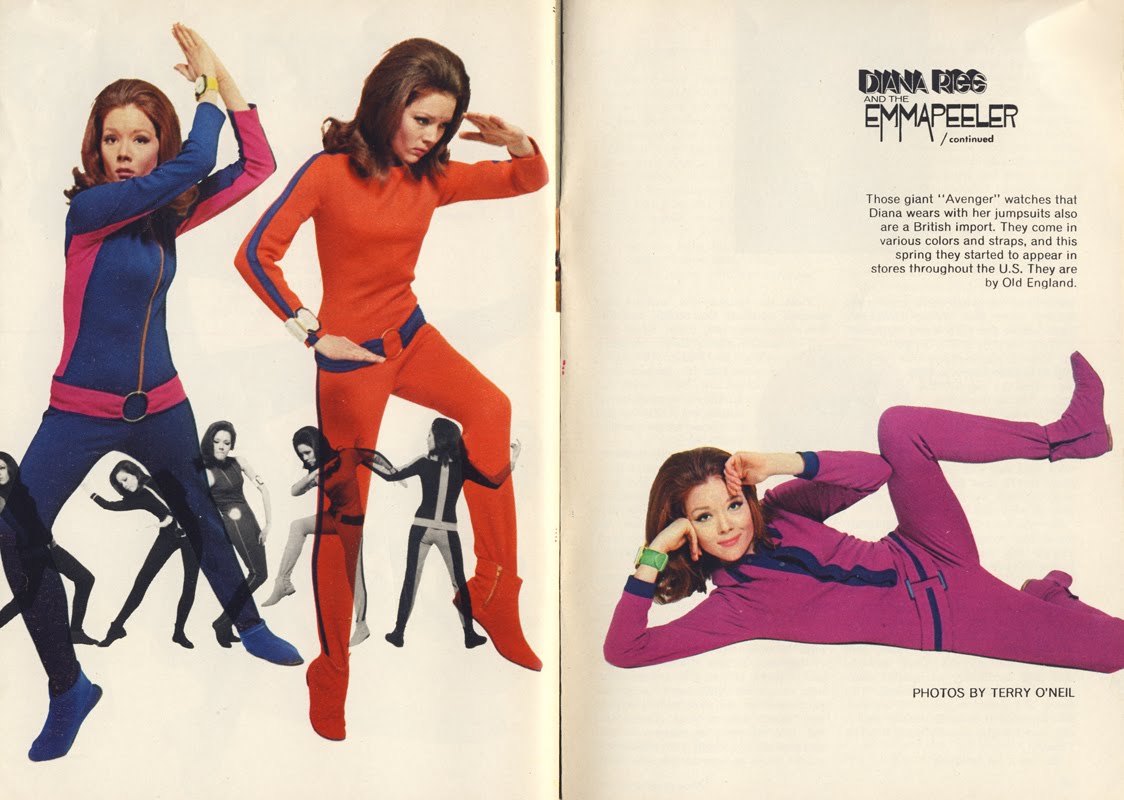
Emmapeelers by Terry O’Neill

1960s, avengers, avengerswear, diana rigg, emma peel, terry o'neill

I am hoping to get to see the Terry O’Neill exhibition this weekend, if I’m feeling up to it. Although I doubt it will feature these photos of Diana Rigg in all her Emmapeeler Glory, more’s the pity. Enjoy!

(I’d rather have a Bates Avengerswear piece, but I certainly wouldn’t say no to an Emmapeeler!)

Photos by Terry O’Neill. TV Guide, June 1967

Epic

Honey Magazine, janice wainwright, radley, sixties
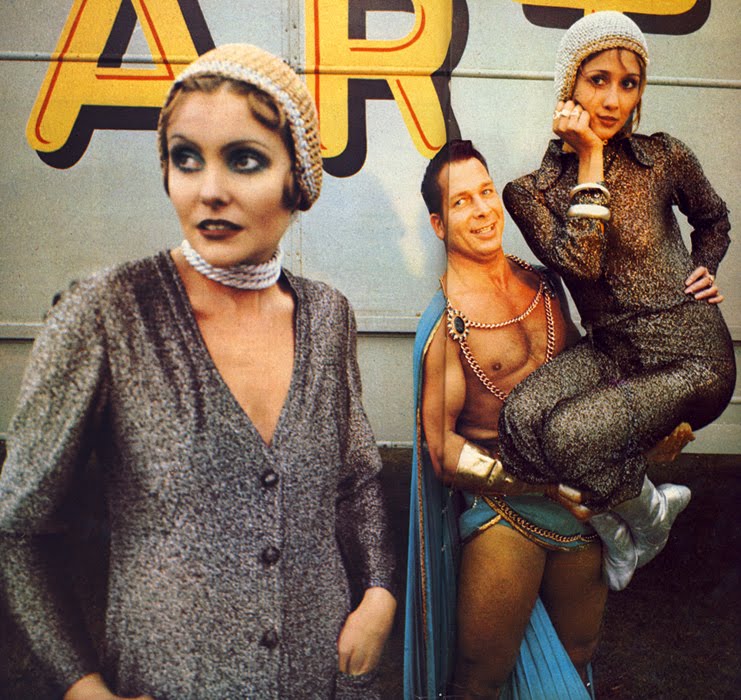
Left: Janice Wainwright at Simon Massey / Right: Kadix


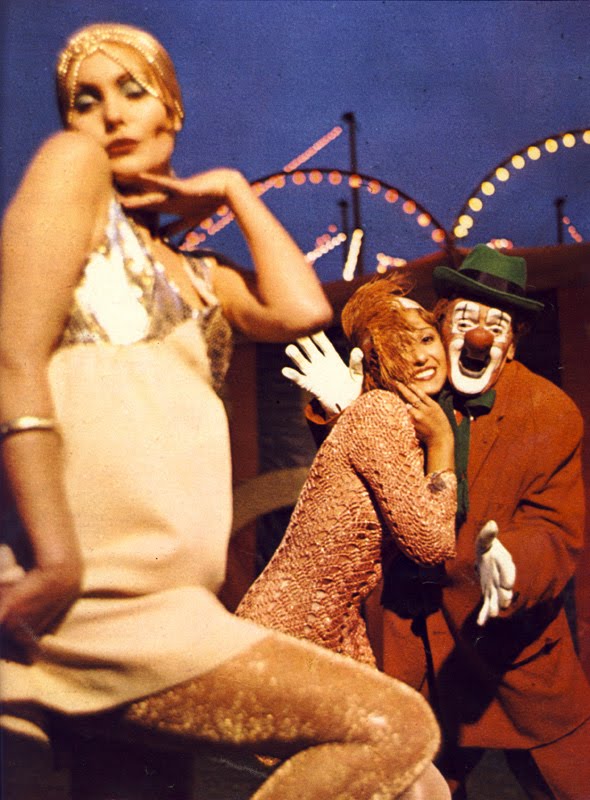
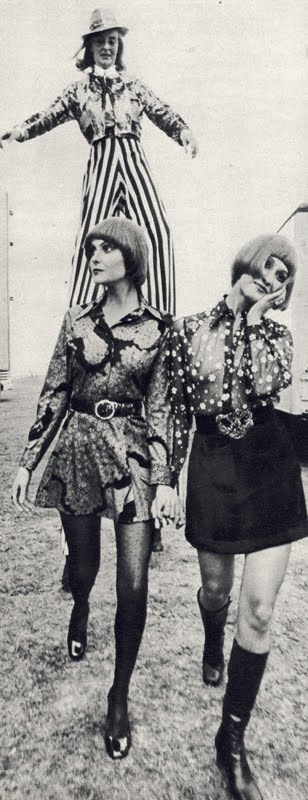
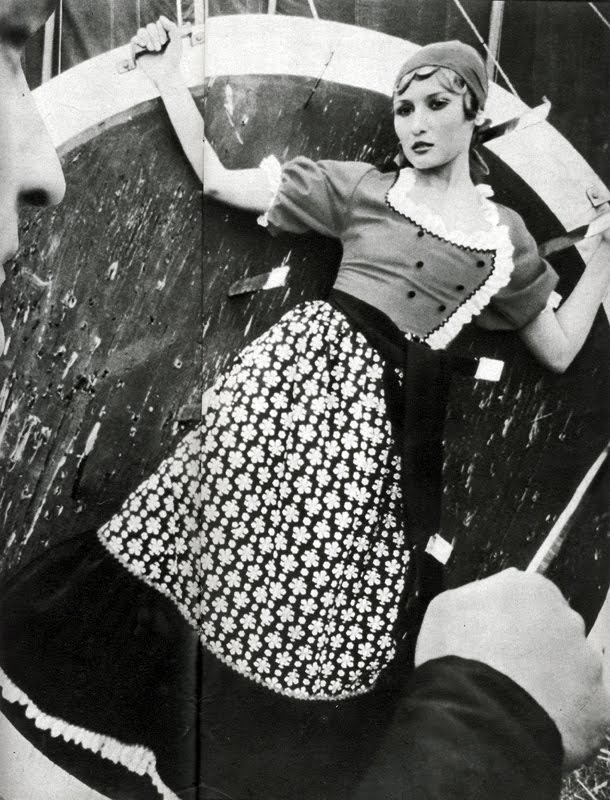
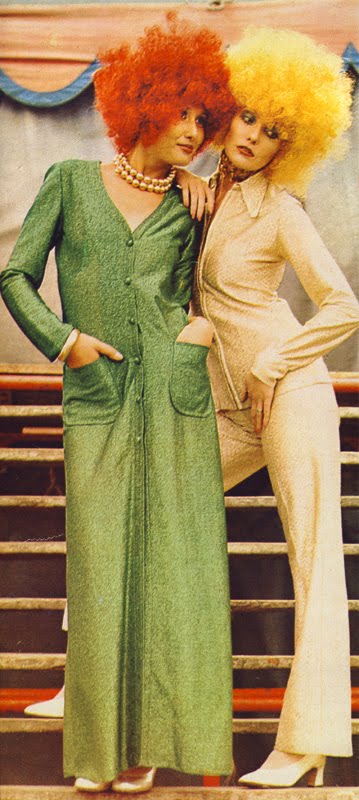
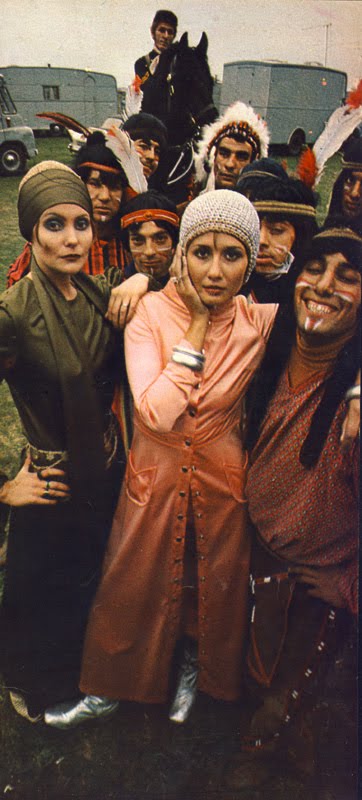
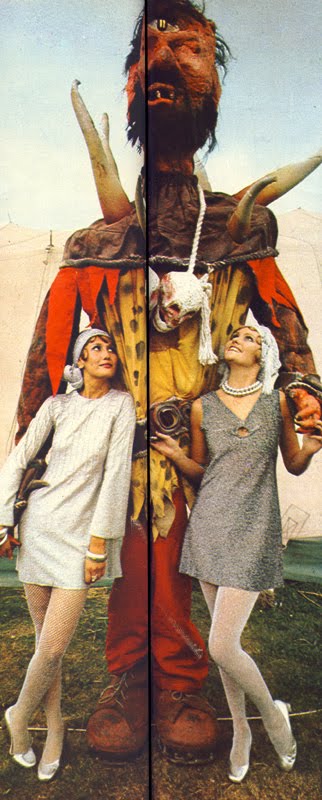
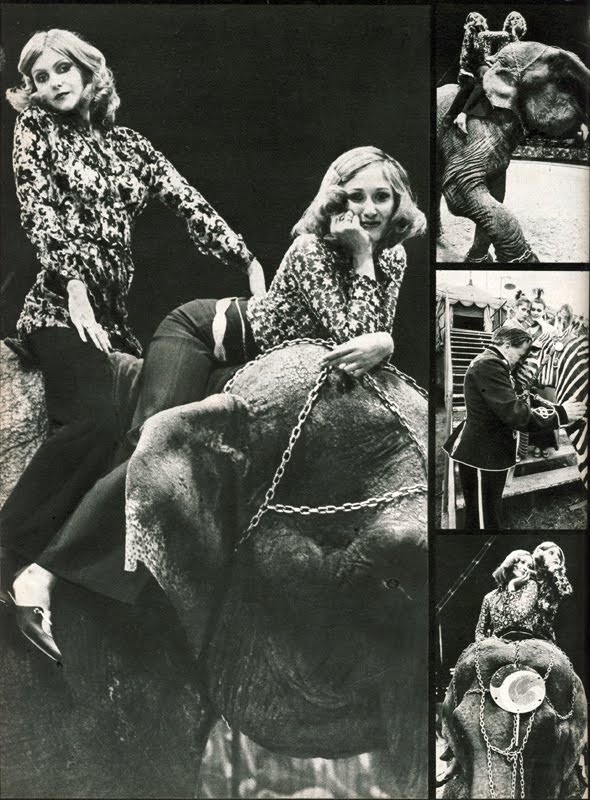
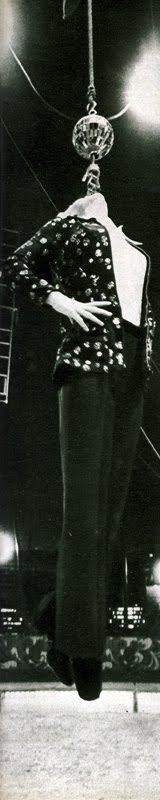
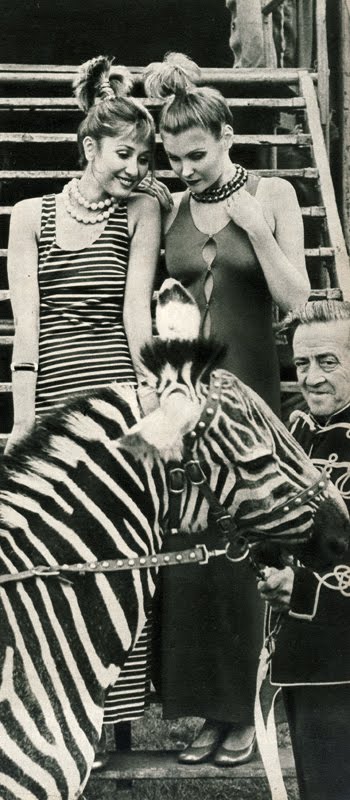
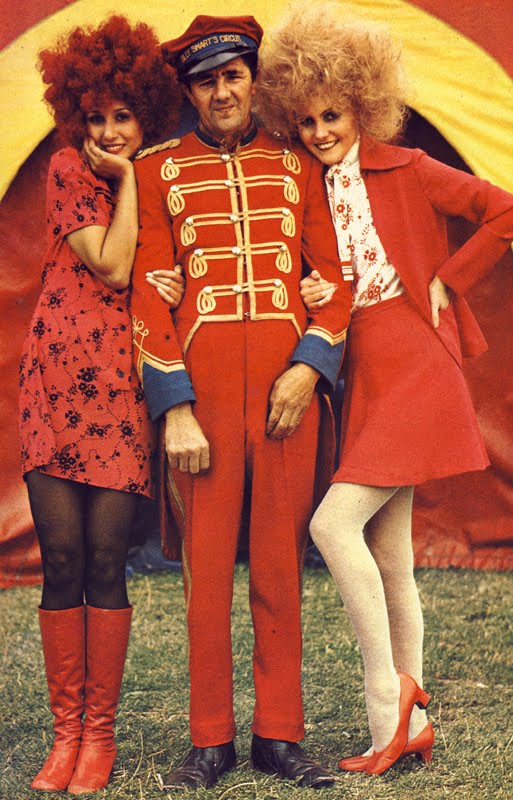
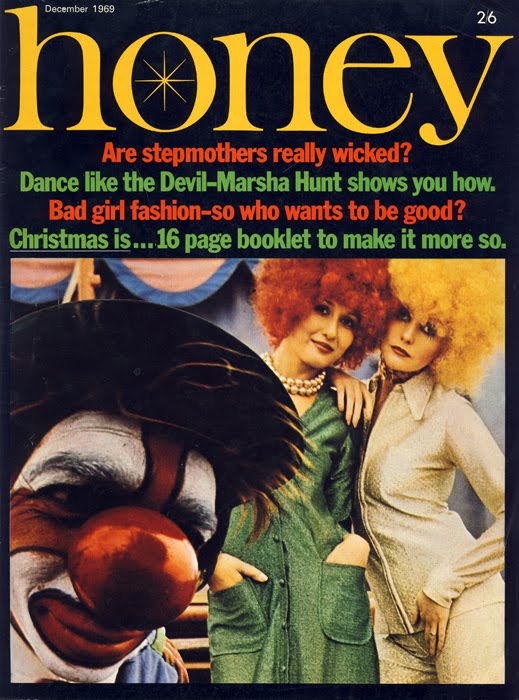
I didn’t quite realise how HUGE this spread in Honey, from December 1969, was until I began to scan it. And you can see for yourself. But I think it was worth it, because it’s a really gorgeously done shoot with a delightful conceit. One of these days I’m going to run away and join a circus. Although I’d have to be a clown, considering how clutzy and goofy I am (and my lack of all other circus skills…)
.

Since scheduling this blog post the other day, I have accidentally proven my total clumsiness by falling over and hitting my head very hard. I’m going to have to take it easy for a couple of weeks, so posts here and listings on the website may be erratic, depending on how I’m feeling day-to-day. Thank you for bearing with me….

Left: John Marks / Right: Clobber


Left: Louis Caring / Right: Lizzy Carr

Angela Gore


Above, below and cover:- Left: Janice Wainwright for Simon Massey / Right: Marlborough


Both: Janice Wainwright at Simon Massey


Left: Angela at London Town / Right: Dolly Day


Left: Lizzy Carr / Right: Shirt by John Craig, trousers by Gordon King

Marlborough

Left: Paul Sebastian at Gordon King / Right: Pourelle

Both by Radley

Photos by Roy A. Giles taken at Billy Smart’s Circus

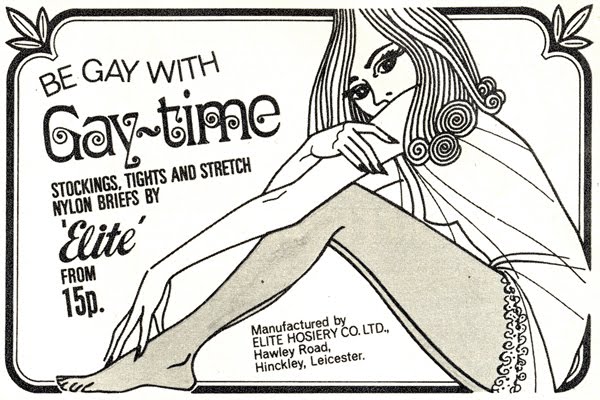
Please Illustrate

Illustrations
Some more illustrations I’ve spotted on my travels through time and magazine space….


Peek Inside The Boutique: marrian-mcdonnell

brian duffy, british boutique movement, christopher mcdonnell, marrian mcdonnell, seventies fashion, telegraph magazine

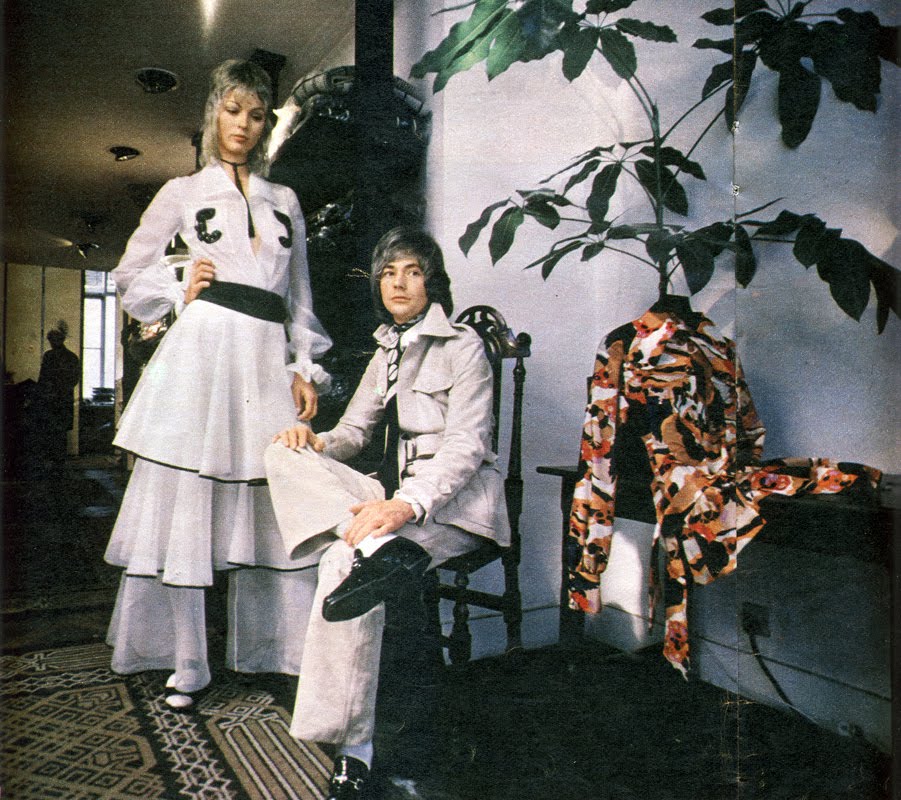
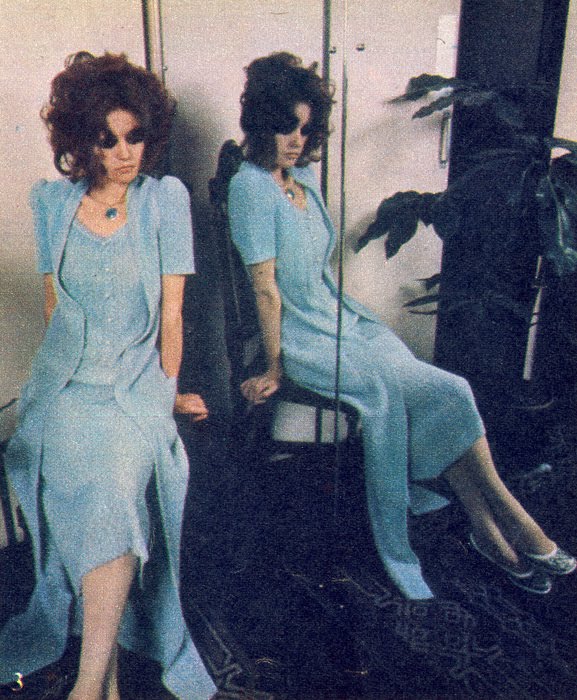
Christopher McDonnell in the South Molton Street boutique. The model wears a blouse and layered culottes in organza, 42 gns.

I love these sparse and splendid boutique insights you can occasionally glean from vintage magazines. A while ago, to my shame, I promised that I would scan the entire of this July 1970 Telegraph Magazine article on London boutiques. Slap my wrist and call me Kate Moss, I clean forgot. I intend to amend, starting with marrian-mcdonnell.

marrian-mcdonnell

45 South Molton Street, W1 and 80 Sloane Avenue, SW3

The first Marrian-McDonnell boutique opened in Sloane Avenue in April 1966. Christopher McDonnell, who had been a fashion editor with Queen magazine, where he met Mary Ann Marrian, designed clothes that were casual but elegant. A whoesale range was produced soon afterwards to meet the demand from other stores, and now the partners export to the U.S. and Scandinavia, too.

In 1968 the second boutique opened in South Molton Street, and its success emphasises Christopher’s flair for giving a touch of glamour to classic fashion.

The Daily Telegraph Magazine, July 17th 1970

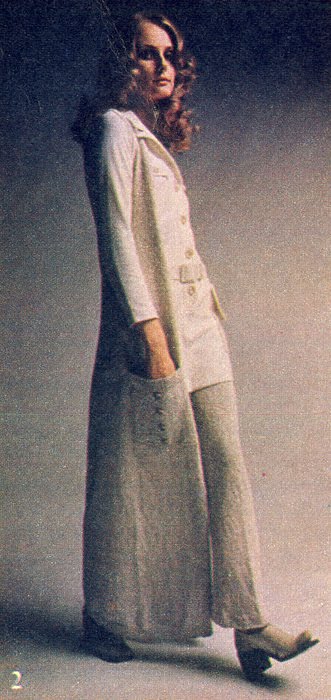
(This photo by Guy Cross) Safari jacket, 13 gns, knitted trousers and floor length coat, 19 gns.

Typical Marrian-McDonnell ensemble is this cotton midi-dress with matching sleeveless coat, 20 gns.

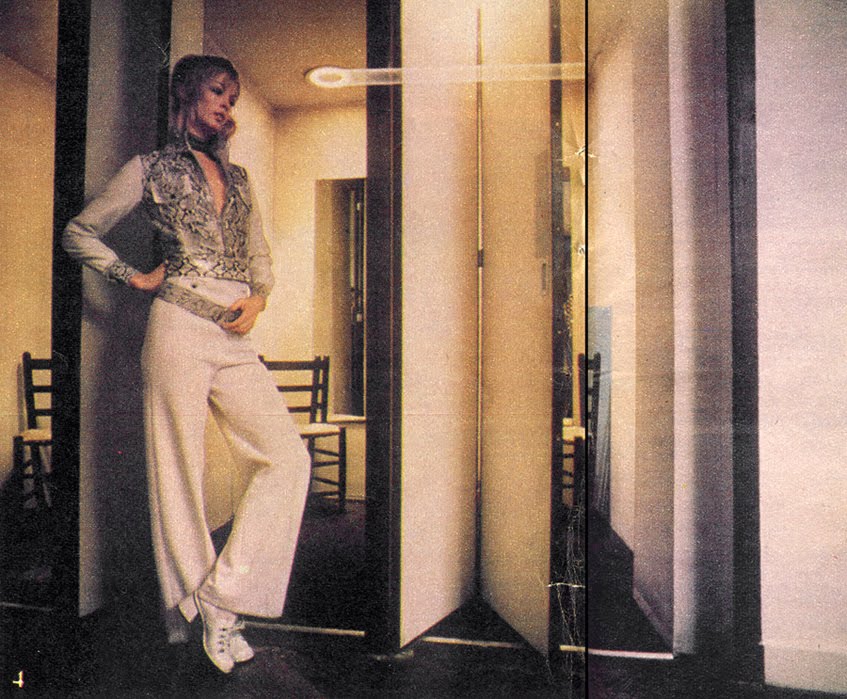
Outside the dressing rooms, jersey jumpsuit, 13½ gns, worn with zip-fronted snakeskin jacket, 45½ gns.

Hair by David at Michaeljohn. Photos by Duffy.

Boo-ga-loo Flick Book

flick colby, Honey Magazine, marsha hunt, pan's people
A brilliant dancing feature from Honey magazine, December 1969


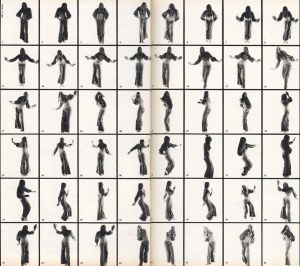
Boo-ga-loo-ing, as Marsha Hunt says, is emotional. You can dance if you feel good and know what you’re doing but, if you feel nervous and inhibited, you’ll just look that way. Around Christmas there are always a lot of parties and you want to look groovy. You want to look hip-with-it, not all gawky. So, to make you feel kind & confident, we’ve devised a special Flick Book. It’s the latest dancing and it’s really simple. All you have to do is cut out each picture carefully. Pile them high starting with no. 1 at the bottom and bulldog clip ’em together. Then flick the pages and see how it’s done.

Pretty Flick Coleby [sic] is the young choreographer and lead dancer of Pan’s People — six girls and sometimes two men — who dance on “Top of the Pops” and other pace-setting programmes. They are easily the best group around, so Flick’s advice is really hot.

“When you’re dancing, bypass your head, by-pass your mind and dance from your middle. The minute you start to concentrate on the effect you are making, you are not ‘sent’. You look uptight and stiff.”

Probably the biggest give-away, explained Flick, is keeping your head straight. Let your head relax and move with your body. It won’t fall off. Also, be aware of the expression on your face.

“Don’t look like a dancing machine; have some expression.” Flick suggests practising in front of a mirror at home.

“It’s essential to know what you look like,” she says. “Once you know exactly what happens — when you move your arm in a particular movement, you will feel more confident. You can’t make a fool of yourself.” Flick was cool about clothes.

“Wear as little as possible. Remember it’s hot dancing. If you’ve got good legs, wear a short, short skirt; if you’ve got a good midriff, wear it bare. Make the most of what you’ve got and wear something that flatters you. Fringes on things will accentuate your movement, and so will a belt with a big buckle hung on the hips. Don’t wear something dark; try to swing in something light, or sequined, so you show up and don’t just melt into the shadows. Shoes with a clumpy heel are good, but boots support your ankles. Listen to lots of pop. It helps if you know a record. You’re prepared. You know what’s going to happen next. You can relax land enjoy it.” Above all, Flick says, “Don’t fling your arms around. Keep it neat and tidy. Keep it close. You want to look good, not pretentious.”

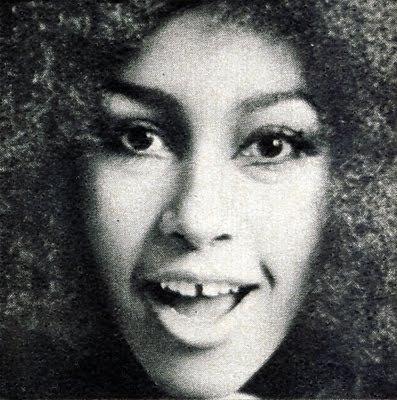
Marsha Hunt is a sensational dancer. “I got recognition because of my appearance,” she says. “You see, my hair floats around like candyfloss when I move.” It looks quite fantastic, but apparently taxi-cab drivers don’t think so. They drive straight past, pretending not to see her. “I guess my hair is a bit awesome,” she went on. Still, her promoters don’t agree. They reckon it’s very valuable; they even tried to insure it with Lloyds. Marsha says that her style of dancing is entirely emotional, not contrived at all, so she doesn’t quite know how to tell anyone else how to do it. She just knows that if the music is going in a particular direction she wants her body to go too. But exercises are important.

“People just aren’t aware of the different parts of their bodies. If you ask them to move their hands, they move their fingers. If you ask them to move their hips, sure, they move their hips, but their bodies too. You must be aware of your whole body and the only way is with exercises. I do them every day but I’m not religious about it. Maybe I can’t get it together one day.

Still, if I miss one day a week, in thirty years” time my body will be much healthier than someone who has never done any. I always do my exercises to the same record, You Can’t Always Get What You Want. (That song title sums up a little of Marsha’s philosophy. “I think ‘hope’ is a waste of energy,” she says.). “And I always dance to music I know. Then I know what to say with my body. I can express the lyrics. Otherwise it’s just boo-ga-loo-ing around to sound. But of course my kinds dancing is very egotistic. I am on the stage trying to project something. It’s unnecessary in a club to do such big movements.”

Geeky Games

Foale and Tuffin, janice wainwright, lps, pimm's

Sincerest apologies for the lack of posting, I’ve been on a little trip down to the West Country and (as yet) don’t have much in the way of mobile internet access. I’m lining up some [hopefully] fabulous blog posts to make amends, and some new website listings, but until then I thought I would share my new charity shop game. Since there’s a distinct lack of interesting gear in charity shops these days (especially the Portassed ones), even in the middle of nowhere, I have to make do with geeking out over LP covers.

So.

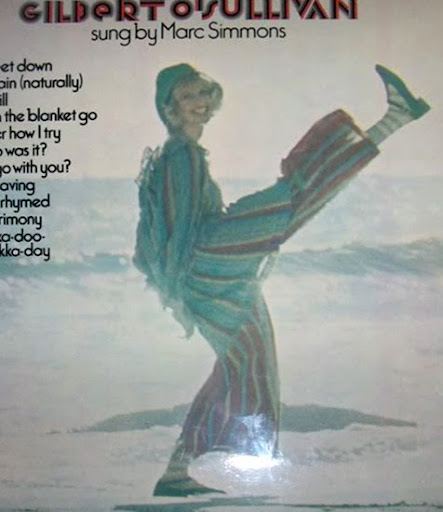
Look!! It’s Foale and Tuffin on the cover of a naff Gilbert O’Sullivan covers album (the back cover credits the photo to Pimm’s so it must be from the aforementioned Pimm’s and Tuffin shoot).

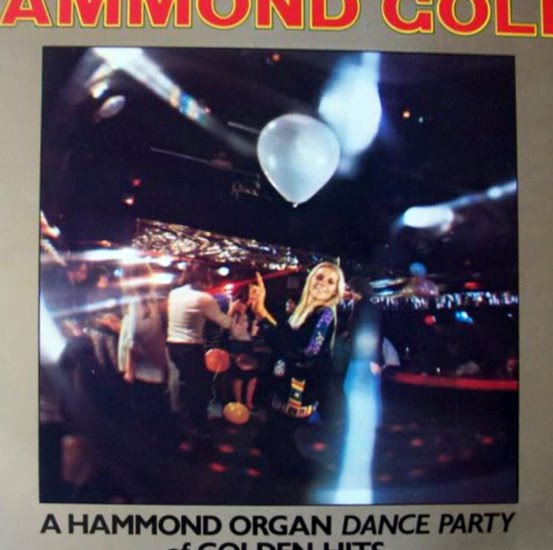
Look!! It’s Janice Wainwright for Simon Massey!!! On a Hammond Party Album!!

More to come when I find them…

Inspirational Images: Stripy Oliver and a mesh panel Varon

jean varon, john bates, oliver reed, sixties

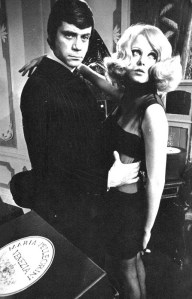
I am dying of envy over here. She has a mesh panel Jean Varon LBD and a stripy Oliver Reed with his sexy paws all over her. Lucky lucky lucky…..

Photo by Hans Feurer. Vogue, April 1968. Via the amazing Youthquakers site.

Put some Vintage-a-Peel into your Autumn wardrobe….

bus stop, catherine buckley, forbidden fruit, frank usher, janice wainwright, john bates, kiki byrne, lee bender, sixties, strawberry studio, wallis, website listings
Janice Wainwright


Ongoing, as ever, but I’ve put up some new listings over at Vintage-a-Peel for your delectation. Two things have already sold (hurrah for me and my gorgeous buyers, not so hurrah if you wanted them, but there’s plenty more to come!) but there’s just a whole host of beautiful new pieces to choose from.

Forbidden Fruit

Jacqui Smale for Spectrum

Wallis Shops

Catherine Buckley

Frank Usher


Hang Ups, Too

Lee Bender for Bus Stop

unsigned 1970s moss crepe

Sportaville

Bridget at Strawberry Studio

Yvonne Jacovou at Cornelius

Pret-a-Porter


unsigned 1930s


John Bates for Jean Varon

Kiki Byrne

Byrne, baby, Byrne….

kiki byrne, king's road, sixties, website listings

My poor puns know no bounds. I’ve just listed some new items over at Vintage-a-Peel, but wanted to concentrate a blog on just one dress today. It’s as rare as it is beautiful.

There’s not a great deal of information out there on Kiki Byrne, but only a fool would underestimate her importance. Her King’s Road boutique Glass and Black was contemporaneous to Mary Quant’s Bazaar, and the few references around are extremely fond and complimentary about her clothing. She was heavily involved in the Chelsea scene in the Sixties, and her partner was iconic graphic designer Robert Brownjohn. Virginia Ironside’s book ‘Chelsea Girl’ references Byrne’s boutique thus:

We stumbled up the Kings Road back home. We looked, as usual, in Sportique and Kiki Byrne and said how pretty the clothes were, and was Kiki Byrne better than Bazaar.

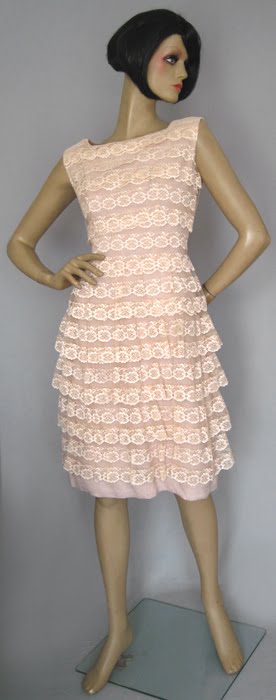
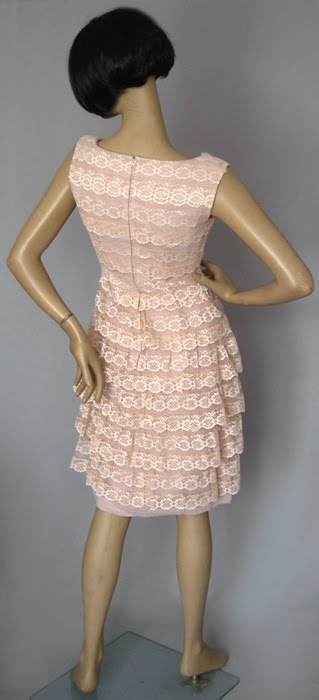
This dress is a rare example of Byrne’s work, and is utterly representative of her style. She was known for elegant, wearable dresses and often used lace (as you can see in the photo below). This piece is a beauty in horizontal strips of peach lace, on a beige linen base, which are used to cleverly slim where they are stitched down around the waist and then loosen up into the skirt section. Very wearable and in remarkable condition for its age.


A typical Kiki dress.

Kiki and Robert. Isn’t she gorgeous??

Kiki is sitting just in front of Foale and Tuffin