

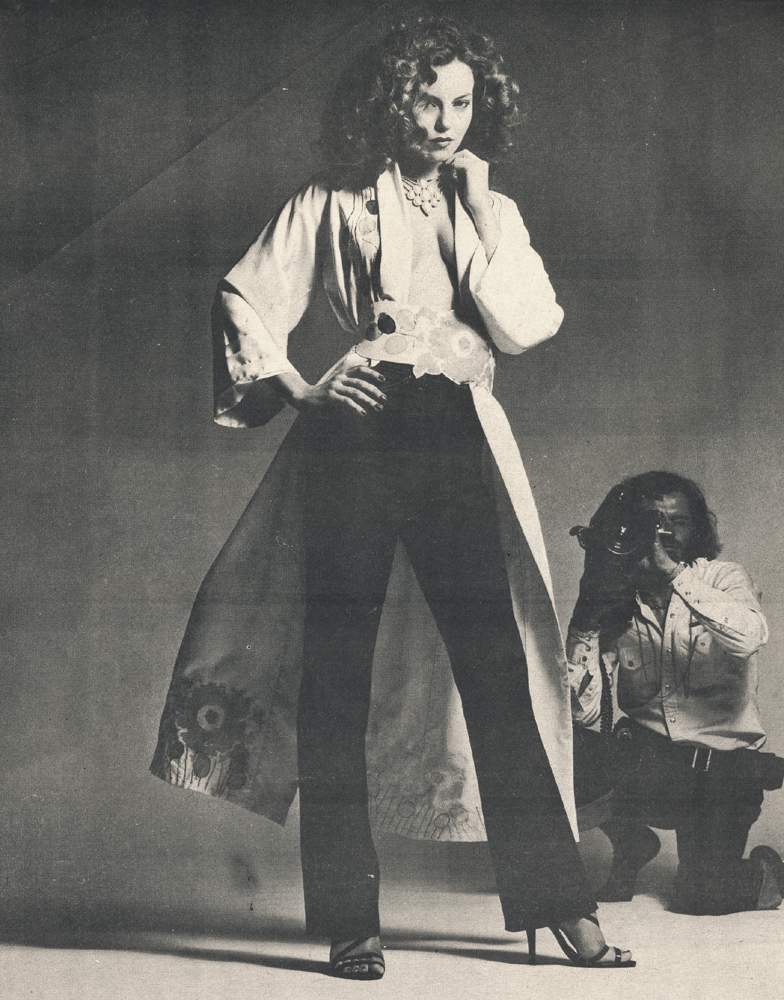
Clothes available from Sheridan Barnett and Sheilagh Brown.
Shoes available from Zapata.
Jewellery available from The Purple Shop.
Model is Gael McKay.
Make-up and styling by Yvonne Gold.
Photographed by Neil Kirk.
Scanned from Ritz, no.15 1978.


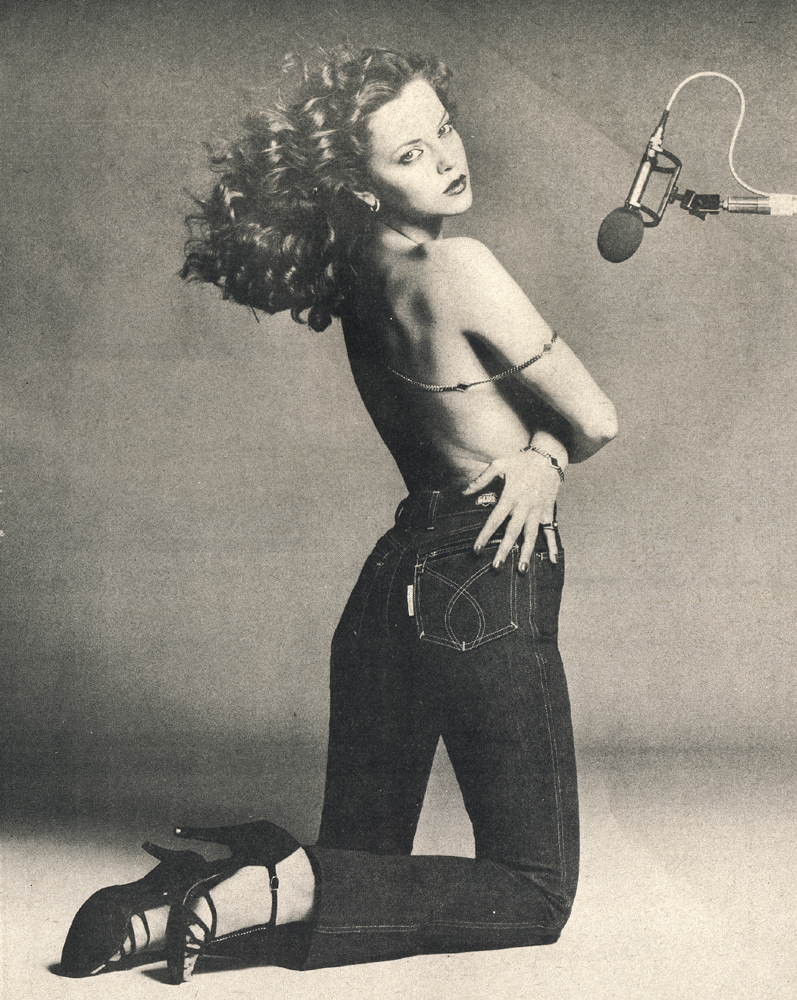
Clothes available from Sheridan Barnett and Sheilagh Brown.
Shoes available from Zapata.
Jewellery available from The Purple Shop.
Model is Gael McKay.
Make-up and styling by Yvonne Gold.
Photographed by Neil Kirk.
Scanned from Ritz, no.15 1978.
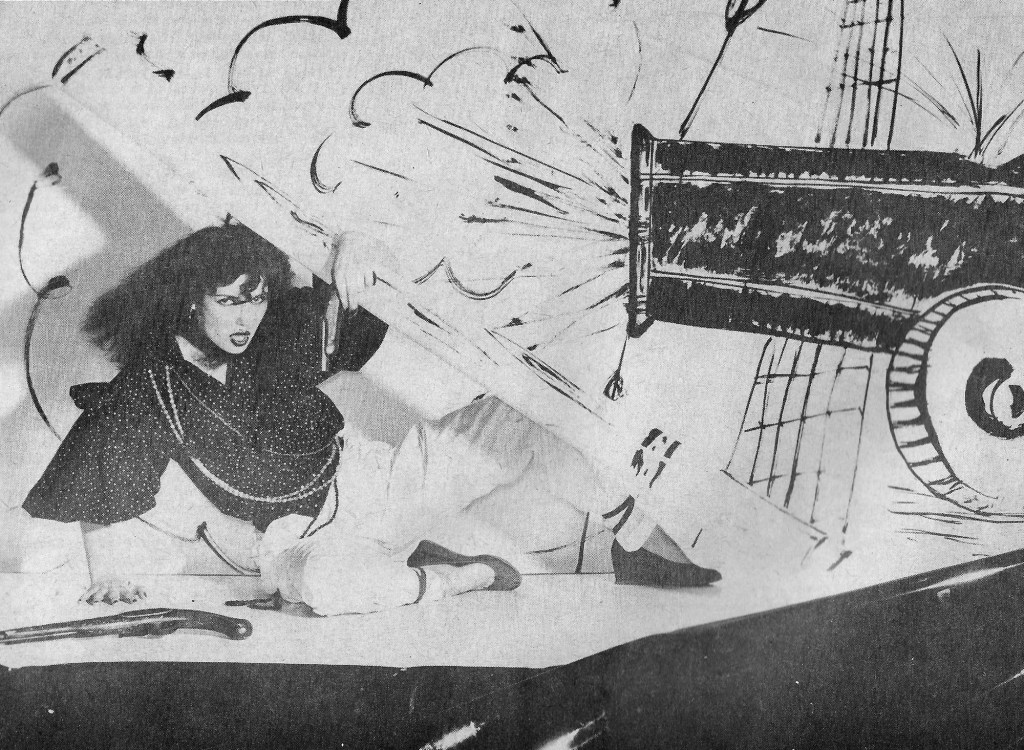
Intriguingly styled editorial from 1978, with the latter two images rather suggestive of the Westwood ‘Pirate’ collection that came a mere three years later. Also featuring some shoes by Manolo Blahnik under his ‘Zapata’ brand. I’m also surprised to see them still using the name ‘Jungle Jap’, which had been changed to Kenzo around 1976 I believe, but perhaps Jungle Jap was still the preferred name in the UK.
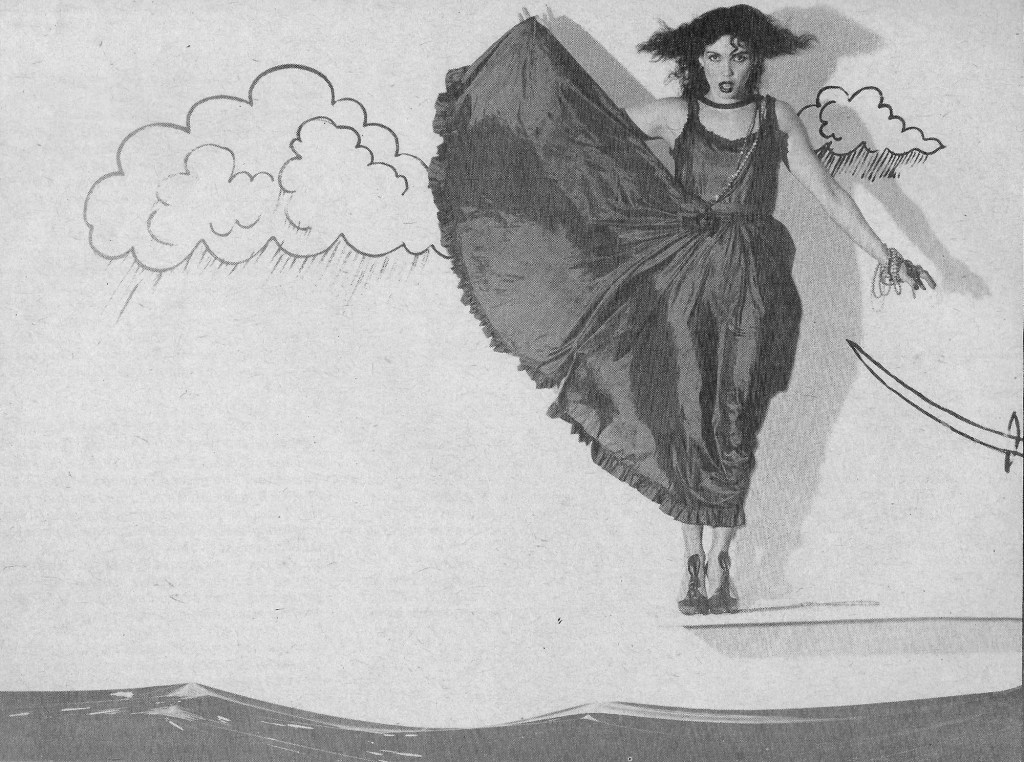
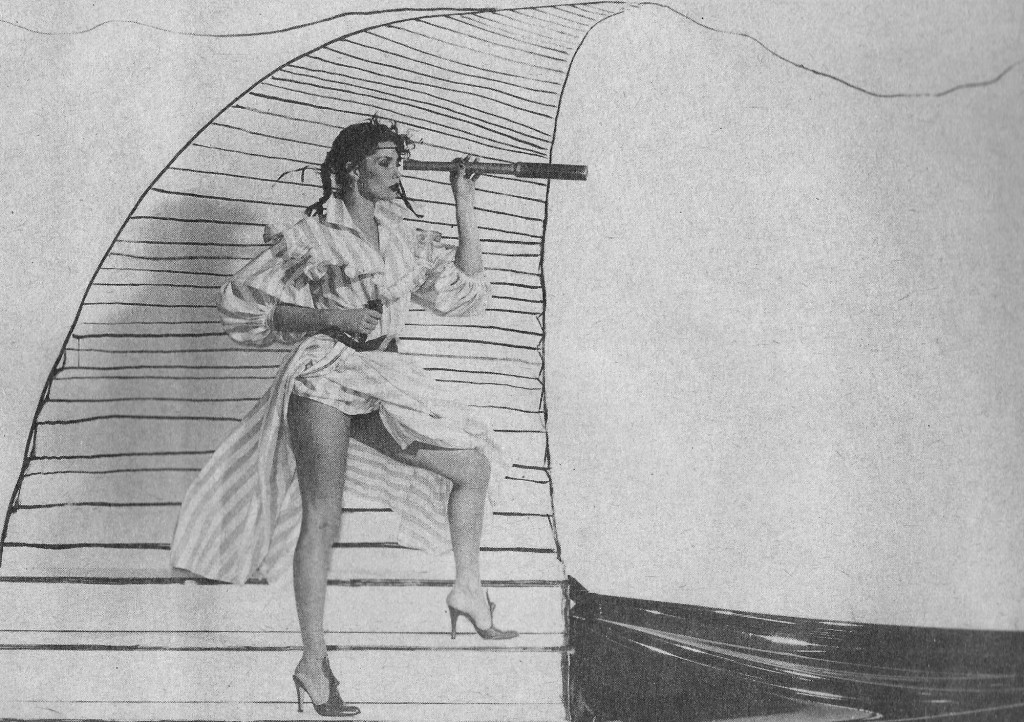
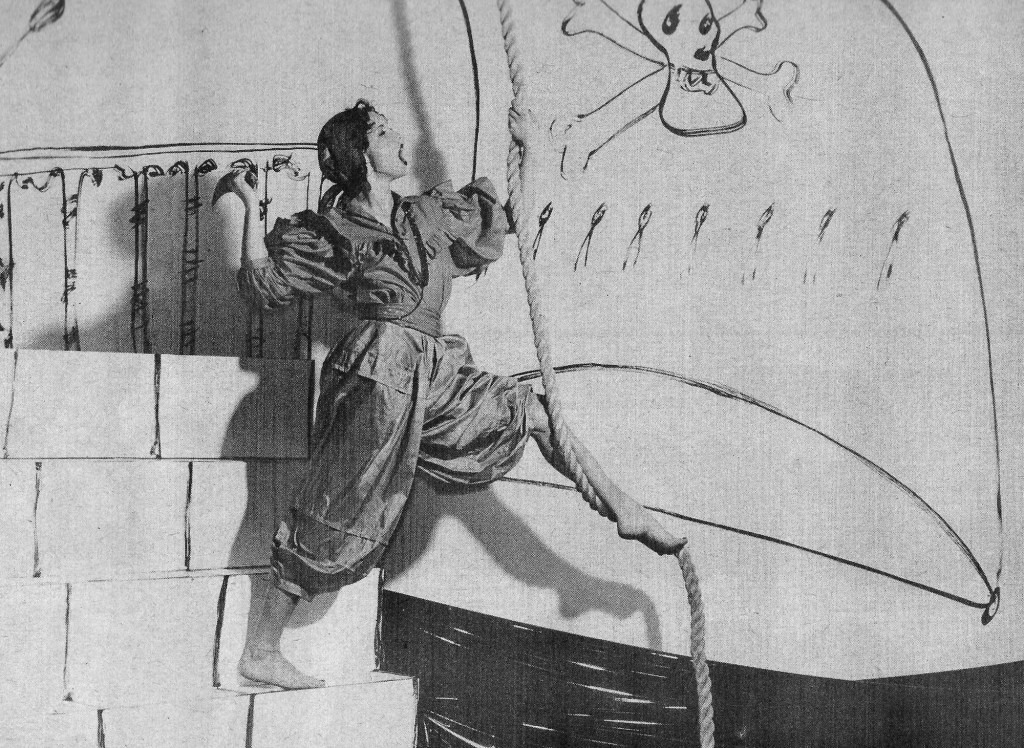
Clothes and Jewellery from Jungle Jap.
Shoes from Zapata and Jungle Jap.
Model Dagamar at Laraine Ashton.
Styled by Catkin Villiers.
Hair by Robert at Schumi.
Photographed by Graham Hughes.
Scanned from Ritz, No.18 1978.
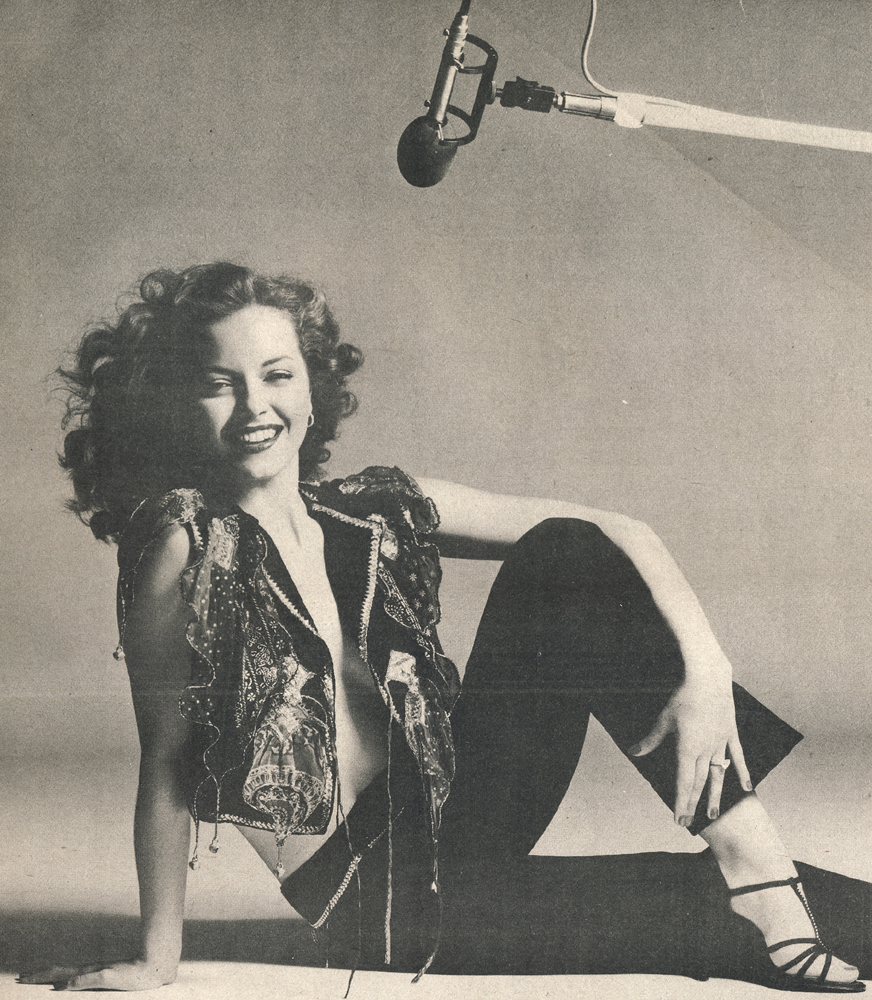
Further adventures in Midnight Blue…
You may, or may not, remember my earlier posts about Peter Burden’s Midnight Blue shop of 186 Fulham Road. Here is a superb shoot by Clive Arrowsmith of a young Greta Scacchi wearing Midnight Blue clothes from 1978. Looking at Peter’s email again, I can’t help but wonder if the ‘Carol Lee’ he mentions might be the same Carole Lee who designed this exquisite silk top (still available to buy) at Vintage-a-Peel?
Photographed by Clive Arrowsmith.
Assisted by Bo.
Model Greta at Models One.
Styled by Catkin & David.
Hair by Leonard.
Shoes by Saxone. All jewellery available from Graff.
All clothes available from Midnight Blue.
Cameraman, Camera and Microphone by courtesy of Thames Television.
Scanned by Miss Peelpants from Ritz, Issue 18 1978


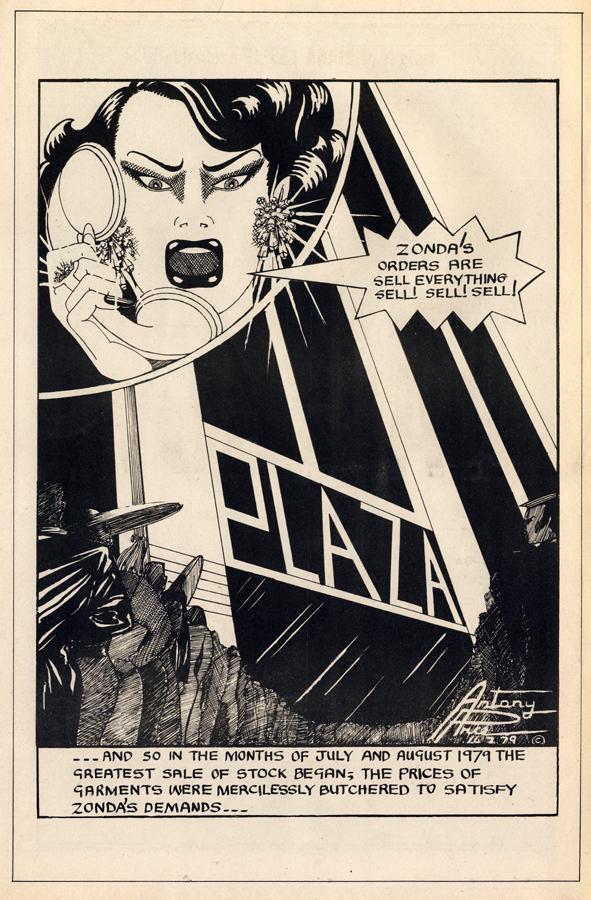
Illustrated by Antony Price.
Scanned by Miss Peelpants from Ritz, Issue 32 1979
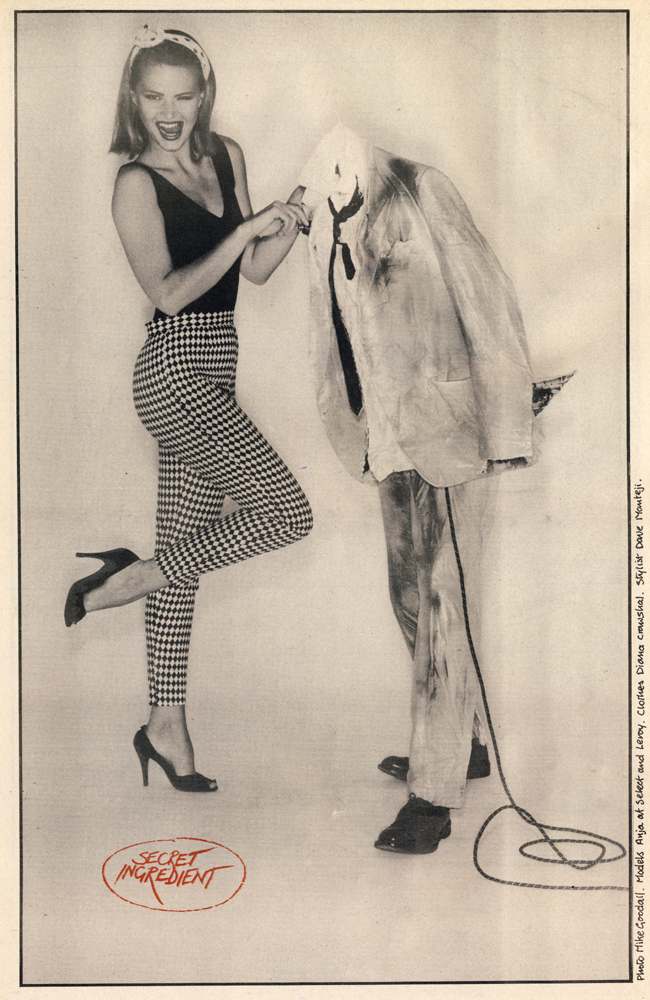
Can’t say I know much about Secret Ingredient, beyond the pieces I’ve seen in Ritz, but I was delighted to see that Diana Crawshaw (who was also one of the key designers for Mr Freedom) designed the clothes featured in this advert.
Photo by Mike Goodall. Scanned by Miss Peelpants from Ritz, Issue 31 1979
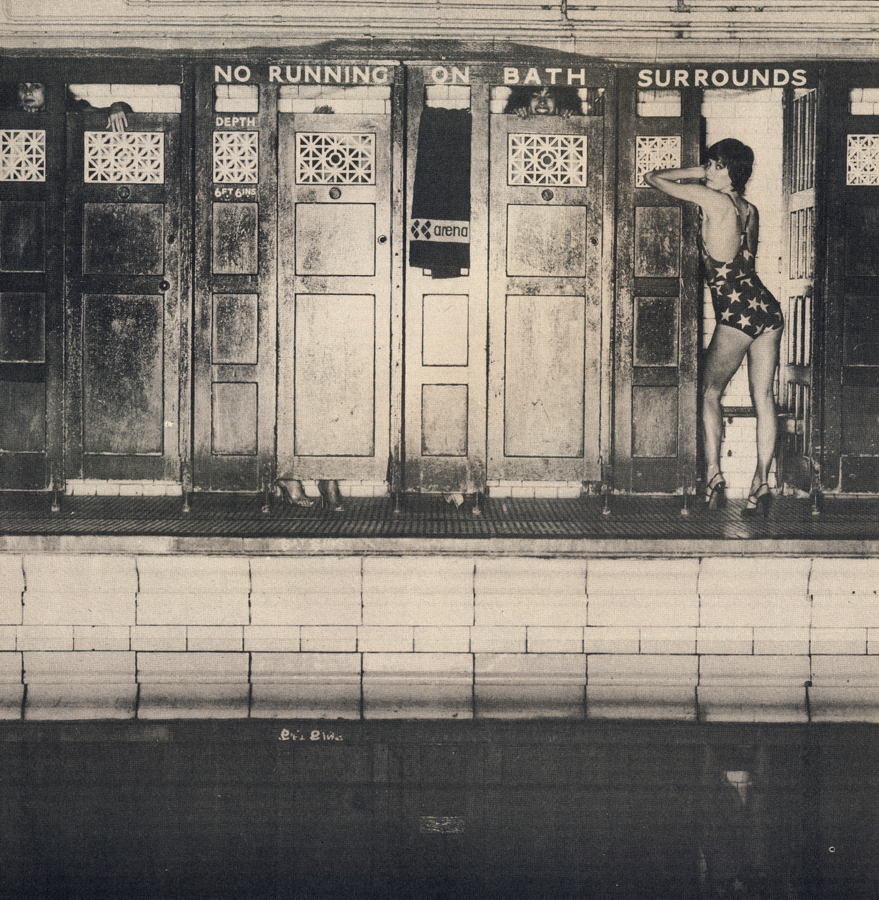
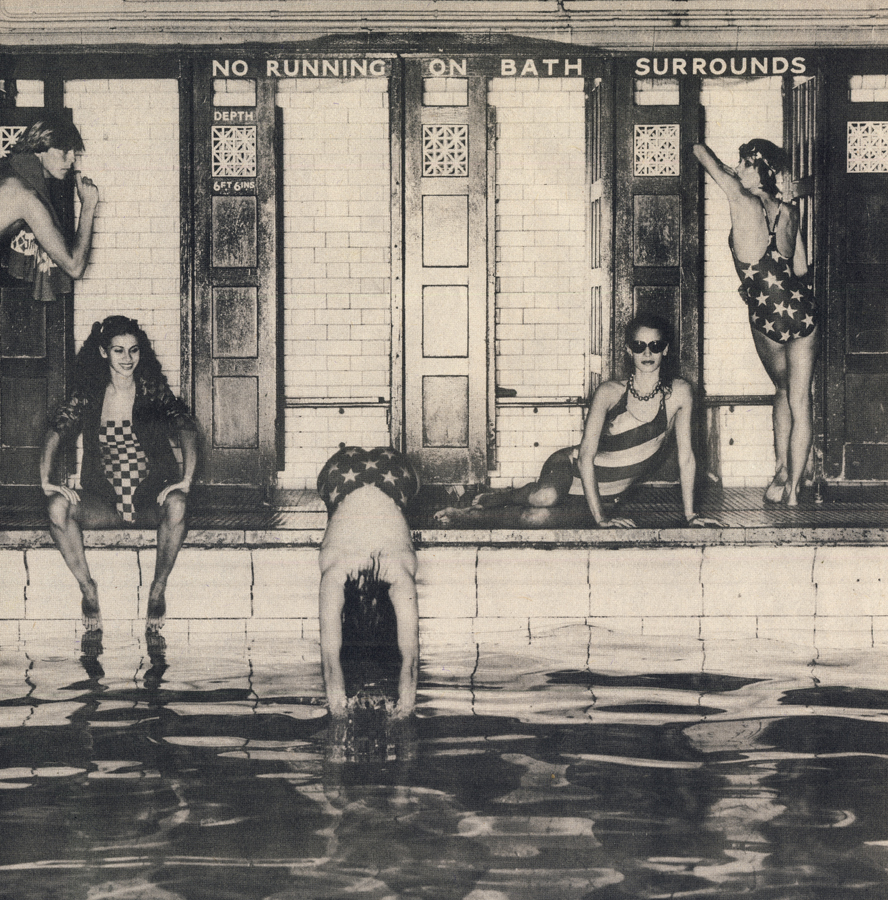
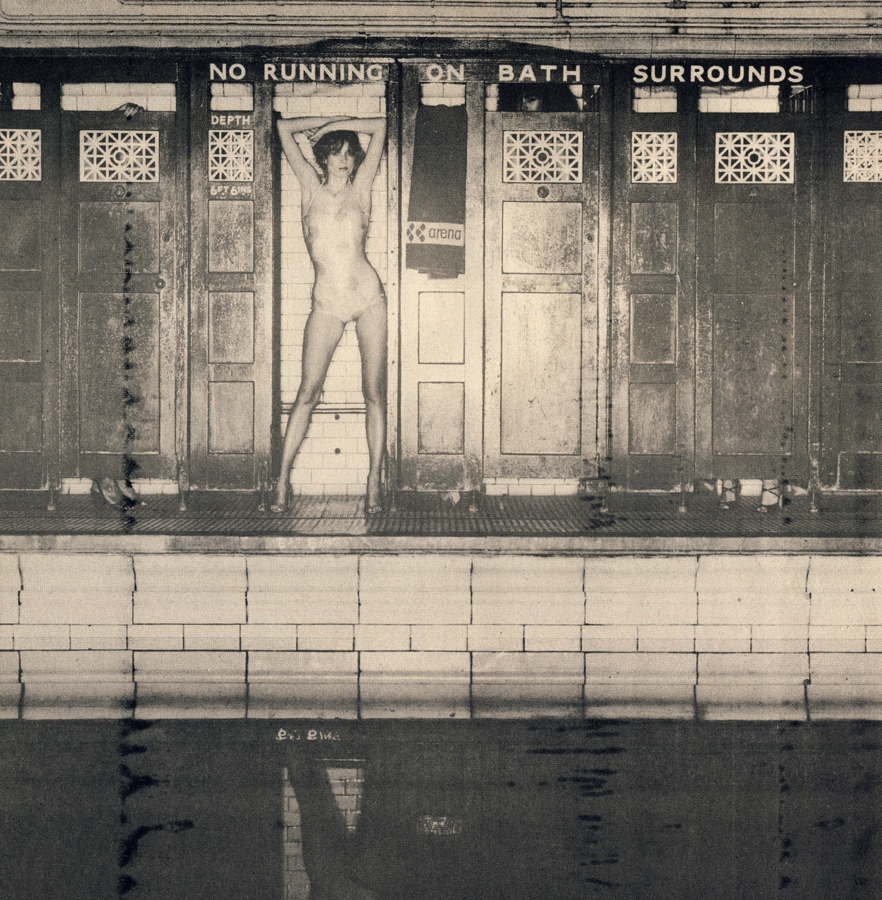
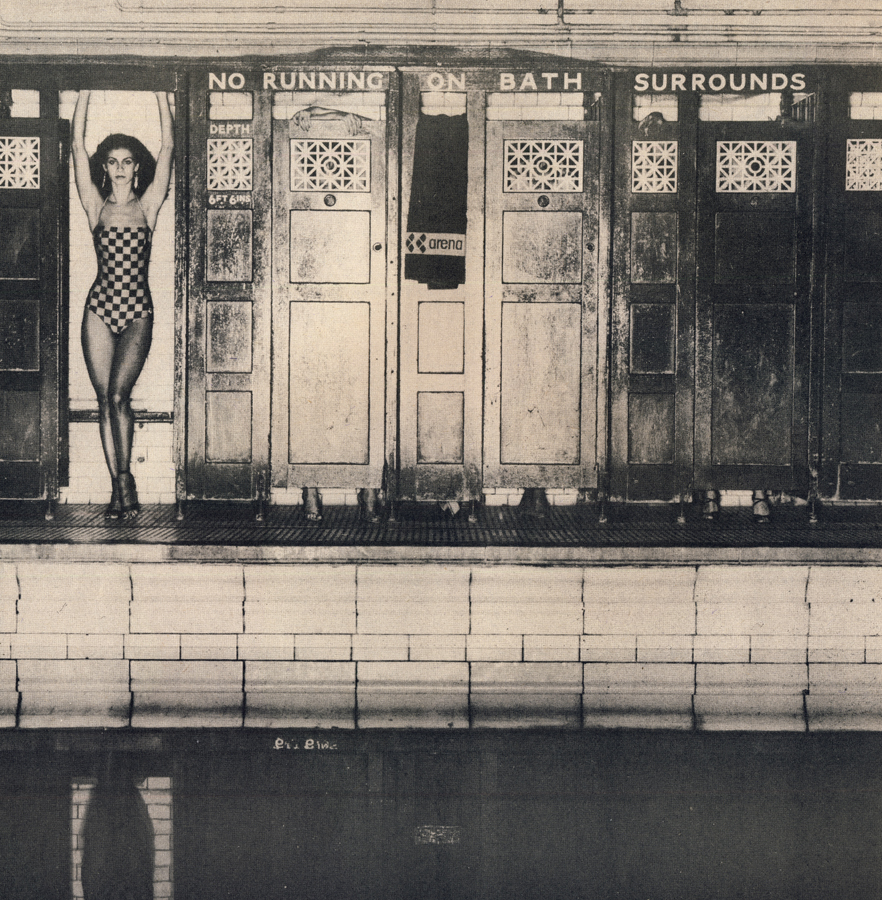
Photographed at the Porchester Turkish Baths by Jonathan Trapman.
Models: Christina Viera, Susie Juul, Rio and Pamplemousee.
Jewellery by Adrian Mann. Swimwear by Arena.
Scanned by Miss Peelpants from Ritz, No. 31 1979
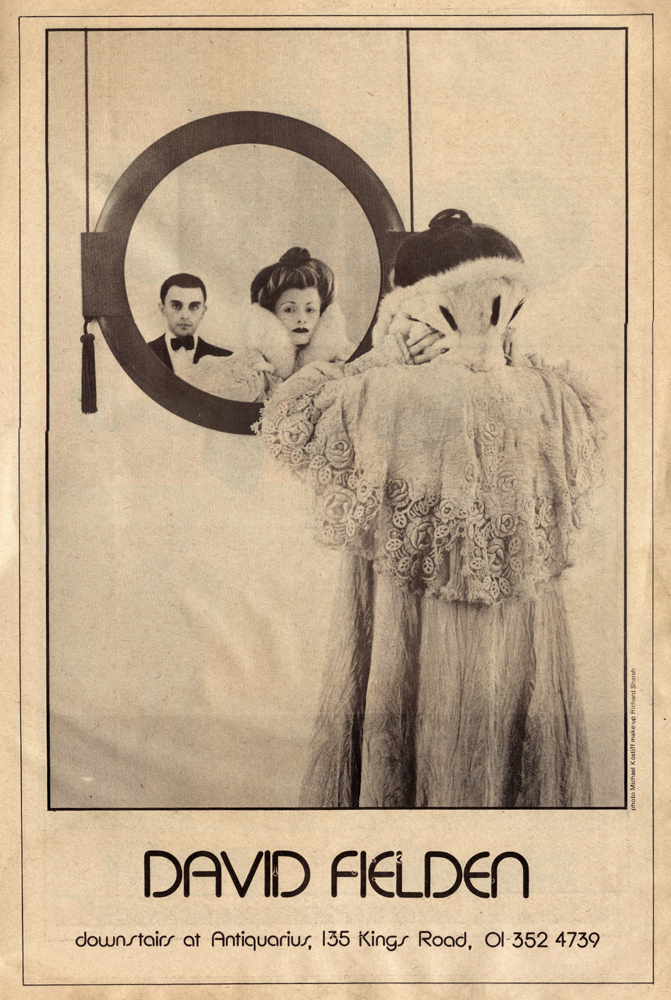
David Fielden: downstairs at Antiquarius, 135 King’s Road, 01 352 4739
Photographed by Michael Costiff. Make-up by Richard Sharah.
Scanned from Ritz, Number 15 1978
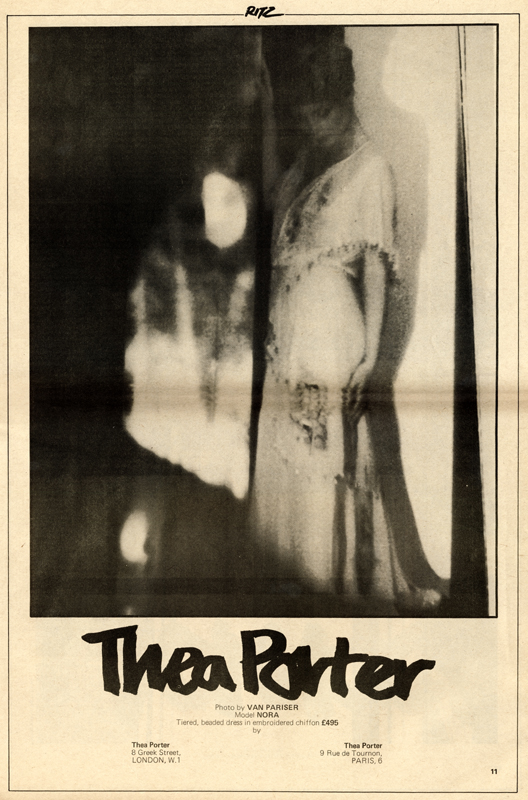
Thea Porter advert from Ritz Magazine, Number 14, 1978. Scanned by Miss Peelpants.
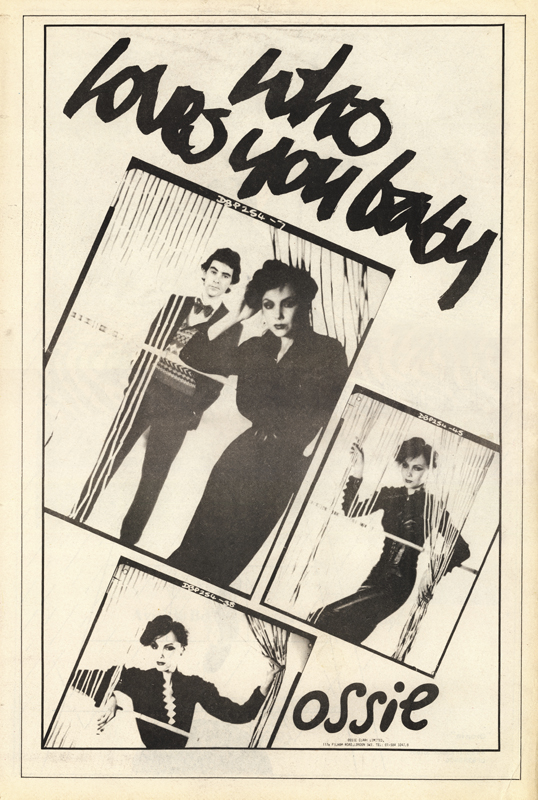
Ossie Clark and Marie Helvin. Advert scanned from Ritz magazine, No.14 1978.
Incredible, rare late Seventies Ossie advert. It is of the greatest frustration to me that Judith Watt’s otherwise fantastic book cuts off sharply at 1975. I know his final years were difficult, frustrating and ultimately tragic, but he didn’t simply stop designing in 1975 – and I’m sure many of us would like to read, see and understand more about the later years.
 Liz Eggleston