Hard Glam Rock

1970s, alkasura, british boutique movement, Copper Coin, eric clapton, Foale and Tuffin, glam rock, hard rock cafe, mary quant, maureen starkey, mr freedom, pete townshend, sheridan barnett, van der fransen

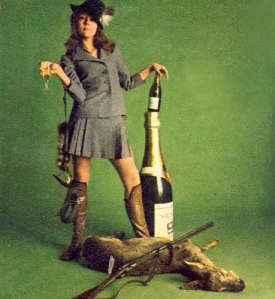
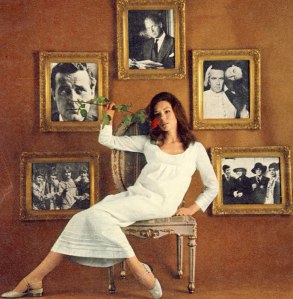
Left: Shirt by Hans Metzen at Elle. Midi tartan culottes by Foale and Tuffin. Boots by Sacha. Hat by Bermona / Right: Vest by Girl. Sujon pants and battle jacket by Vanessa Frye. Shoes by Sacha.

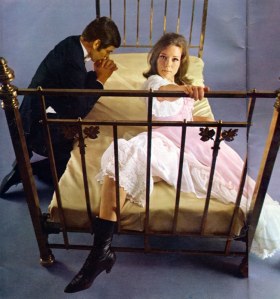
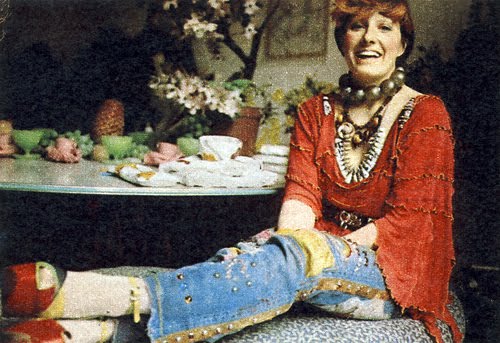
One of my favourite Petticoat spreads, from September 1971, which I haven’t scanned in full before (why? I have no idea….). It was photographed at the Hard Rock Cafe in London, and published a mere three months after it opened (June 1971). The Hard Rock was a different beast back then, the memorabilia which would later become such a huge part of its identity was a later addition and quite haphazardly acquired to begin with.

Isaac Tigrett (later to marry Maureen Starkey, whom he would often introduce as “My most authentic piece of rock and roll memorabilia.”) and Peter Morton opened their American-style diner in an old Rolls Royce dealership on Park Lane. It became an instant hit with their musician and music-loving friends. They could come along, post-gig, for a hit of fast food, good company and a relaxed atmosphere. The decor developed from eclectic Americana into iconic music memorabilia, as various musicians donated their old instruments and clothes to their beloved Hard Rock diner.

‘So Clapton got to be friends with the proprietors and asked them to save him a regular table, put up a brass plaque or something. And the young proprietors said, “Why don’t we put up your guitar?” They all had a chuckle, and he handed over a guitar, and they slapped it on the wall.

No one thought much more about it. Until a week later, when another guitar arrived (a Gibson Les Paul, by the way). With it was a note from Pete Townshend of The Who which read: “Mine’s as good as his. Love, Pete.” ‘

From the official Hard Rock website.

This photoshoot is a rare insight into how the Hard Rock would have looked when it first opened and before it acquired its now legendary status and worldwide domination.

It’s also packed full of glam rock, British Boutique goodness and is almost as delicious as a Hard Rock Apple Cobbler….

Photos by Roger Charity. Fashion by Sue Hone.

Tartan pinny with button sides by Foale and Tuffin. Vest with red trim and heart buttons by Dranella. Boots by Sacha.

Left: Rhona Roy smock, under pinny by Copper Coin. Shoes by Elliotts. / Right: Syndica vest from Girl. Skirt by Mr Freedom. Jewellery from Paradise Garage. Shoes by Sacha

Left: Velvet suit by Marielle. Sox by Mr Freedom. Shoes by Ravel. / Right: Bermudas by Foale and Tuffin. Sweater from Elle Shops. Bangles by Biba. Sox by Quant. Shoes by Mr Wik.

Copper Coin red and blue pinny by Sheridan Barnett. Black pants by Gordon King. Shirt by Alkasura. Shoes by Quant.

Smock by Copper Coin. Top by Van Der Fransen.

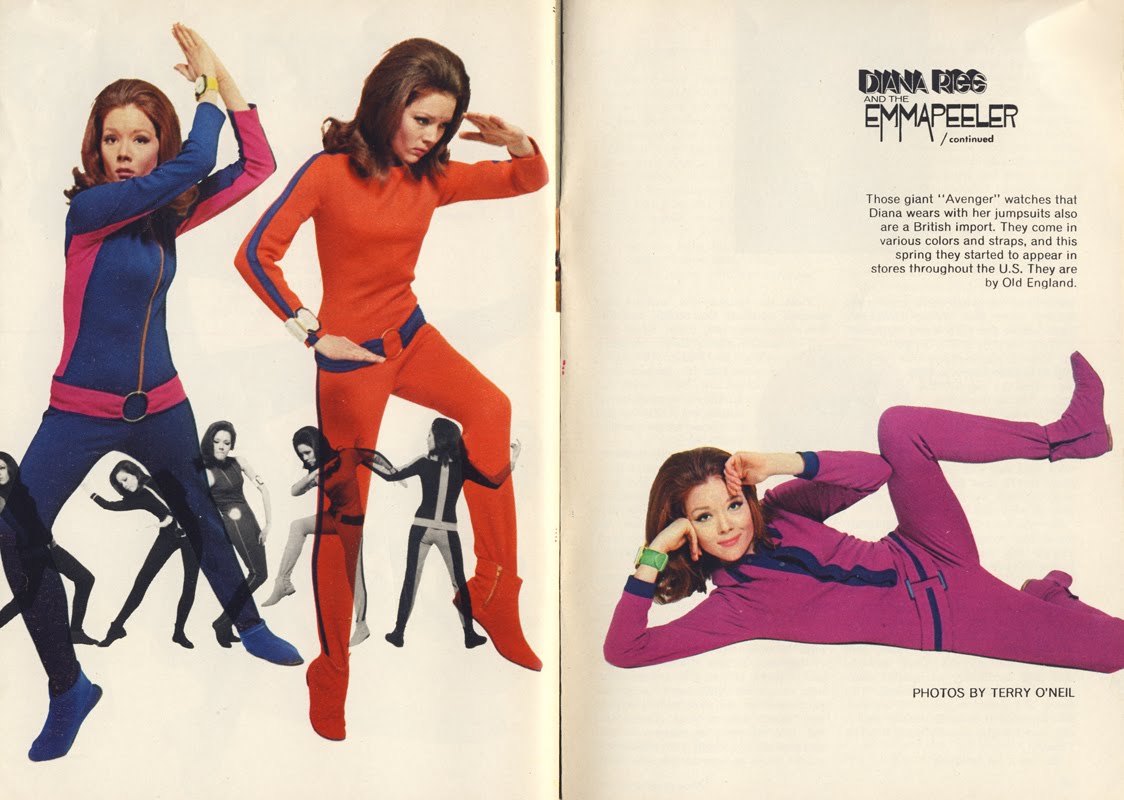
Emmapeelers by Terry O’Neill

1960s, avengers, avengerswear, diana rigg, emma peel, terry o'neill

I am hoping to get to see the Terry O’Neill exhibition this weekend, if I’m feeling up to it. Although I doubt it will feature these photos of Diana Rigg in all her Emmapeeler Glory, more’s the pity. Enjoy!

(I’d rather have a Bates Avengerswear piece, but I certainly wouldn’t say no to an Emmapeeler!)

Photos by Terry O’Neill. TV Guide, June 1967

Boo-ga-loo Flick Book

flick colby, Honey Magazine, marsha hunt, pan's people
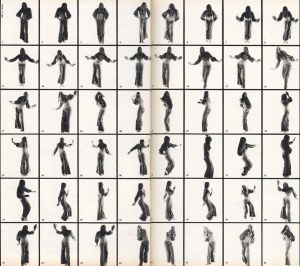
A brilliant dancing feature from Honey magazine, December 1969


Boo-ga-loo-ing, as Marsha Hunt says, is emotional. You can dance if you feel good and know what you’re doing but, if you feel nervous and inhibited, you’ll just look that way. Around Christmas there are always a lot of parties and you want to look groovy. You want to look hip-with-it, not all gawky. So, to make you feel kind & confident, we’ve devised a special Flick Book. It’s the latest dancing and it’s really simple. All you have to do is cut out each picture carefully. Pile them high starting with no. 1 at the bottom and bulldog clip ’em together. Then flick the pages and see how it’s done.

Pretty Flick Coleby [sic] is the young choreographer and lead dancer of Pan’s People — six girls and sometimes two men — who dance on “Top of the Pops” and other pace-setting programmes. They are easily the best group around, so Flick’s advice is really hot.

“When you’re dancing, bypass your head, by-pass your mind and dance from your middle. The minute you start to concentrate on the effect you are making, you are not ‘sent’. You look uptight and stiff.”

Probably the biggest give-away, explained Flick, is keeping your head straight. Let your head relax and move with your body. It won’t fall off. Also, be aware of the expression on your face.

“Don’t look like a dancing machine; have some expression.” Flick suggests practising in front of a mirror at home.

“It’s essential to know what you look like,” she says. “Once you know exactly what happens — when you move your arm in a particular movement, you will feel more confident. You can’t make a fool of yourself.” Flick was cool about clothes.

“Wear as little as possible. Remember it’s hot dancing. If you’ve got good legs, wear a short, short skirt; if you’ve got a good midriff, wear it bare. Make the most of what you’ve got and wear something that flatters you. Fringes on things will accentuate your movement, and so will a belt with a big buckle hung on the hips. Don’t wear something dark; try to swing in something light, or sequined, so you show up and don’t just melt into the shadows. Shoes with a clumpy heel are good, but boots support your ankles. Listen to lots of pop. It helps if you know a record. You’re prepared. You know what’s going to happen next. You can relax land enjoy it.” Above all, Flick says, “Don’t fling your arms around. Keep it neat and tidy. Keep it close. You want to look good, not pretentious.”

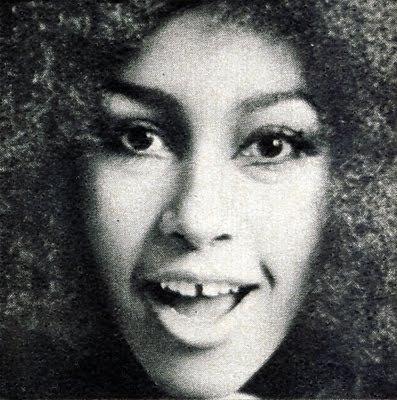
Marsha Hunt is a sensational dancer. “I got recognition because of my appearance,” she says. “You see, my hair floats around like candyfloss when I move.” It looks quite fantastic, but apparently taxi-cab drivers don’t think so. They drive straight past, pretending not to see her. “I guess my hair is a bit awesome,” she went on. Still, her promoters don’t agree. They reckon it’s very valuable; they even tried to insure it with Lloyds. Marsha says that her style of dancing is entirely emotional, not contrived at all, so she doesn’t quite know how to tell anyone else how to do it. She just knows that if the music is going in a particular direction she wants her body to go too. But exercises are important.

“People just aren’t aware of the different parts of their bodies. If you ask them to move their hands, they move their fingers. If you ask them to move their hips, sure, they move their hips, but their bodies too. You must be aware of your whole body and the only way is with exercises. I do them every day but I’m not religious about it. Maybe I can’t get it together one day.

Still, if I miss one day a week, in thirty years” time my body will be much healthier than someone who has never done any. I always do my exercises to the same record, You Can’t Always Get What You Want. (That song title sums up a little of Marsha’s philosophy. “I think ‘hope’ is a waste of energy,” she says.). “And I always dance to music I know. Then I know what to say with my body. I can express the lyrics. Otherwise it’s just boo-ga-loo-ing around to sound. But of course my kinds dancing is very egotistic. I am on the stage trying to project something. It’s unnecessary in a club to do such big movements.”

Bravo, Diana. Bravo!

bravo magazine, diana rigg, emma peel, sixties
Little does she realise…

I love Bravo magazine with a passion. I became acquainted with its strange ways during my aforementioned period of Diana Rigg-collecting; they seem to have specialised in abducting international stars of screen and music, shoving them in a studio and surrounding them with one of the weirdest collections of props I have ever seen.
Diana seems to have done some of the strangest, and this celebration of her Riggness (in honour of her winning something called a Golden Otto) is brilliantly bonkers. Some are pretty self-explanatory, some are pretty and some are….indescribable. Enjoy!
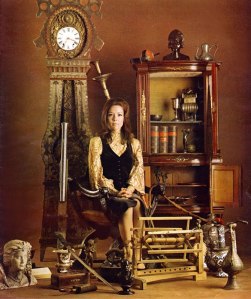
Diana likes antiques. But she’s a bit scared of breaking them, so she sits very still.
Diana is very politically incorrect. But she manages it with panache.
Diana and the ‘men in her life’? Top is, I’m guessing, her father. Top right is Philip Saville, her partner at the time. He was still married and they were very open about their relationship.
Diana is a very, very bad girl. (See above)
Diana grows her own.
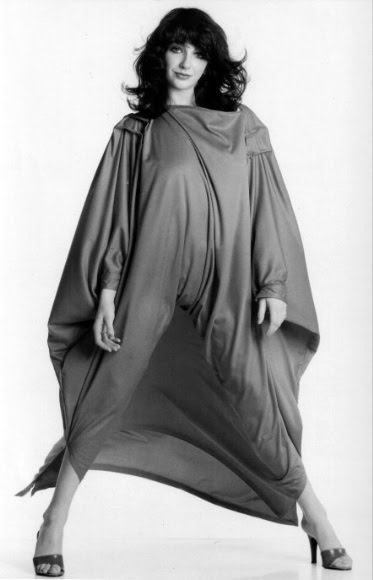
Diana likes to sail…in very flimsy boats.
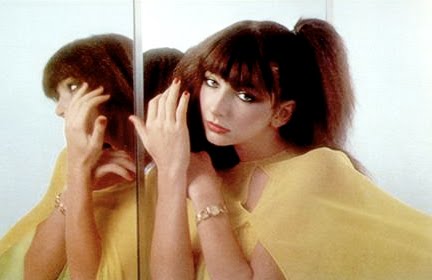
Diana is a goddess. But we already knew this.
Diana has a poodle called Poopie. This isn’t him (I hope).
Awwwww…..
Diana likes to travel (Dressed like a spy. Of course).
You can’t read her p-p-poker face.
Please tell my management, I’ve been kidnapped by this German magazine. Help!!!

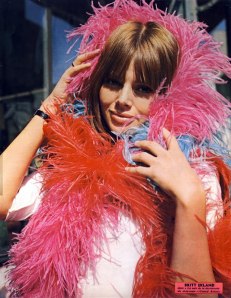
Hoarding can be rewarding: Britt Ekland

britt ekland, sixties
Cine Revue, January 1969


Many moons ago, I ran a website dedicated to Diana Rigg. Time, finances, enthusiasm; they all waned drastically and it became defunct a couple of years back. Seems I rarely post about her these days (
though this is certainly not intentional) and lo! this is to be another post sans Rigg. For I have realised, more recently, that I had accumulated a whole pile of bizarre Sixties and Seventies TV and film magazines (rarely even in English) in my efforts to find the rarest pictures of La Rigg.

I never really looked terribly closely at them, I was working too hard on scanning in the pictures for which I had bought them and would often file them away without really, really reading them. A couple of magazines have garnered these gorgeous shots of Britt Ekland, amongst other interesting things, and I thought I would share them.

Cine Revue, October 1968

J’aime le Scopitone

Françoise Hardy, france gall, nancy sinatra procul harum, scopitone, Serge Gainsbourg, sylvie vartan

My dad used to talk about how, back in the Sixties, they would watch ‘mainly French music videos’ in coffee shops on ‘video jukeboxes’. I never really got to the bottom of it, at the time, and it was only when someone actually gave me the word Scopitone that I finally worked out what on earth he’d been talking about. (According to him, that was the only possible reason that Johnny Hallyday had ever become so popular here).

The Scopitone phenomenon was never really adopted by British or American stars on the same scale as in continental Europe, despite the fact that there were hundreds of machines installed throughout the US, so it is mostly effective as a record of those beautiful Yé-yé stars who briefly invaded the consciousness of British coffee shop-dwelling teenagers.

“From an American consumer’s standard, not only were there so few available to watch, but half of these were in French, made on crummy, reddish film stock (which, over time, has gone from bad to worse). It’s no wonder the Scopitone’s already negligible popularity was surplanted by the growth of color television.Robin Edgerton, Le Scopitone!

It has also given us a handful of brilliant videos for some iconic English language Sixties pop songs, such as Nancy Sinatra’s These Boots Are Made For Walking and Procul Harum’s Whiter Shade of Pale. These would prove valuable years later when music channels such as VH1 required videos for songs from this period.


I decided to blog about this after seeking out footage of France Gall singing ‘Baby Pop’. Her appearance in Gainsbourg (Vie héroïque) is so hilarious, I needed to see the original. I’m somewhat disappointed by the lack of insane dancing there, but it did remind me to blog a few of my favourite examples of the genre.

Fantasy will set you free…

anna karina, dale bozzio, groupies, gtos, harlow, jane kahn, kahn and bell, lene lovich, miss mouse, new romantic, pamela des barres, pan's people, psychedelia, sandie shaw

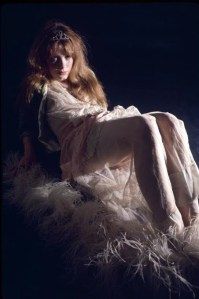
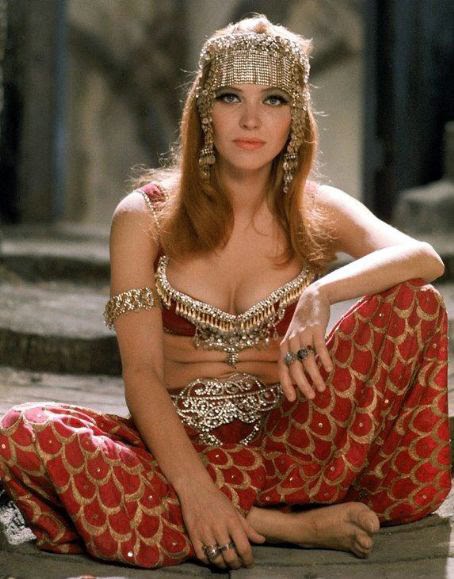
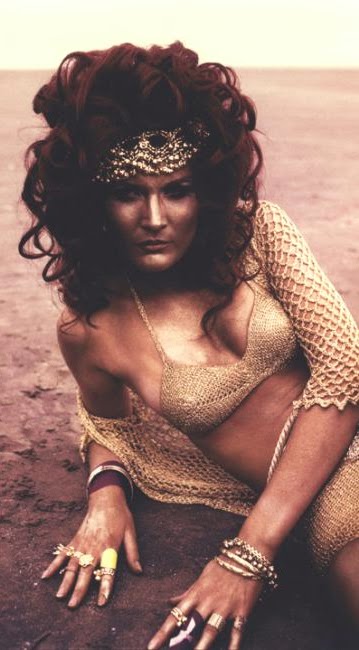
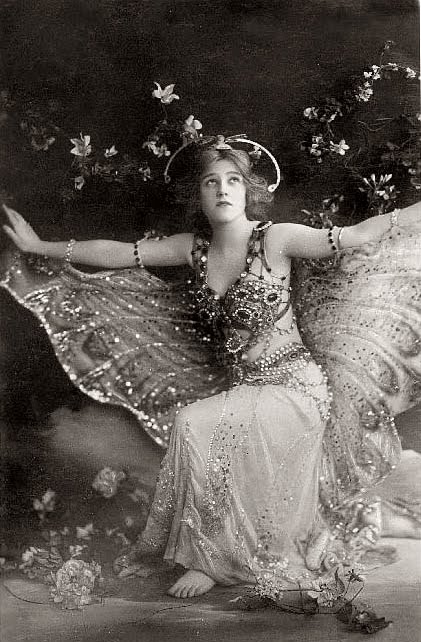
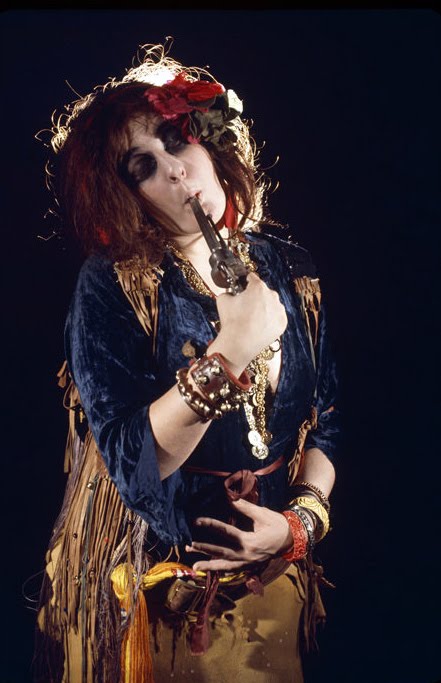
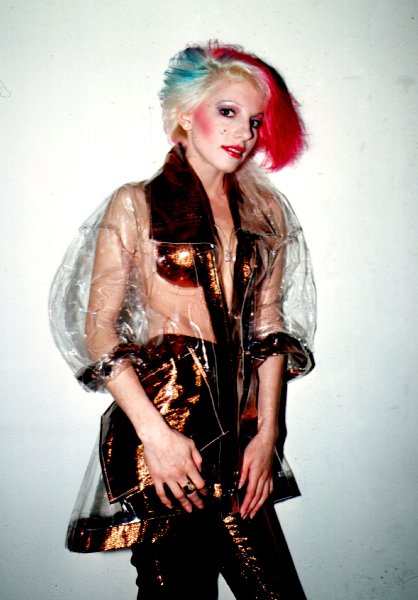
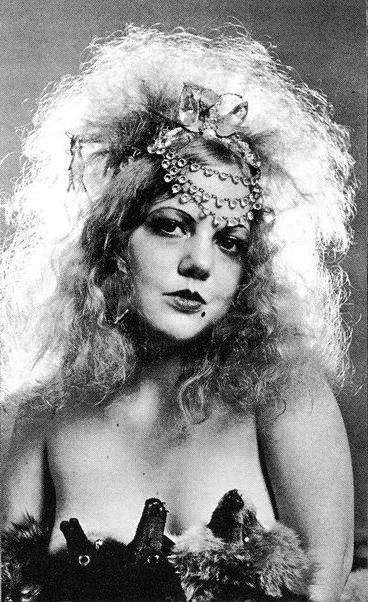
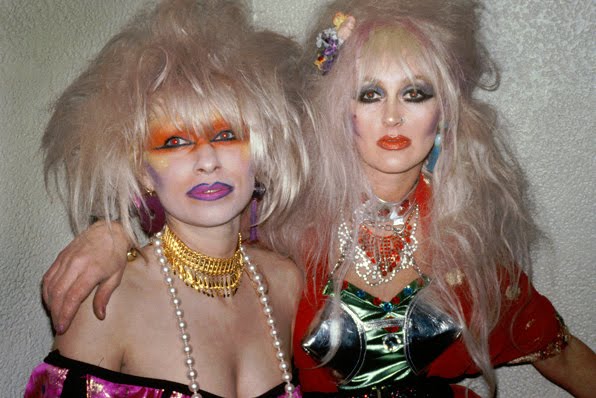
Sometimes I have those crushing moments of clear, crisp reality and remember that people (people other than Lady GaGa, I mean) don’t dress up in truly fantasian styles these days. Unless ‘wags’ or ‘porn stars’ were your childhood fantasy.

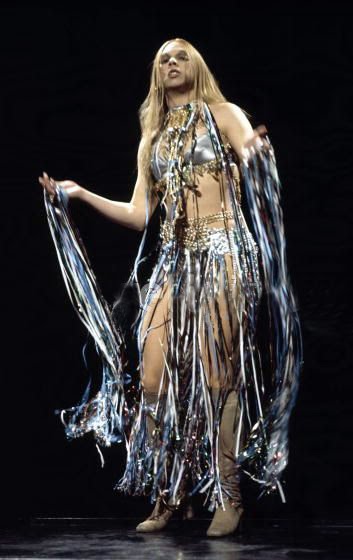
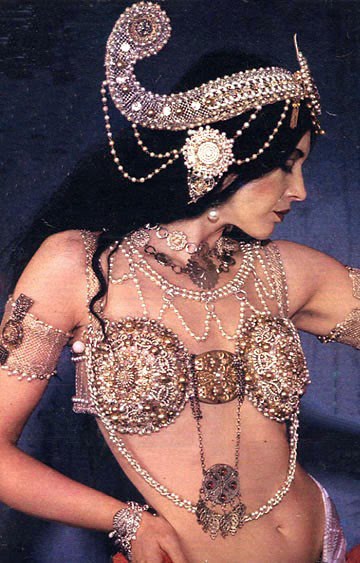
What about raggedy dolls, warrior queens, belly dancers and silent film goddesses?

Whilst I continue to [apparently] shock the world with my, ooh – gasp!, novelty duck and rabbit print Miss Mouse dress. Honestly. They don’t know from shocking…


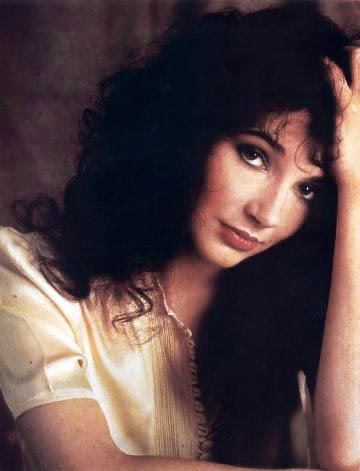
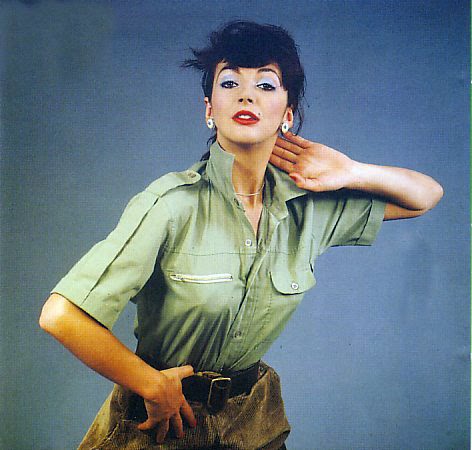
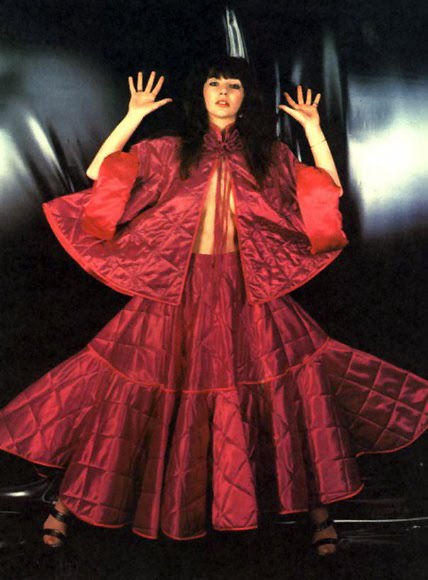
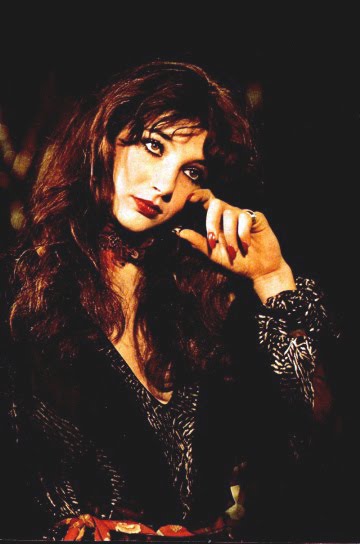
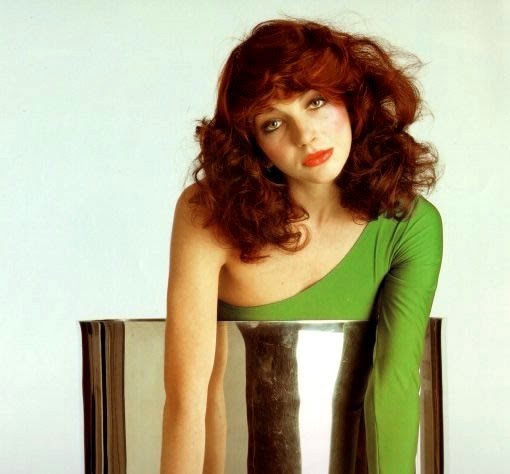
Happy Birthday Queen Kate

Eighties Fashion, kate bush, picture spam, seventies fashion, Style Icons
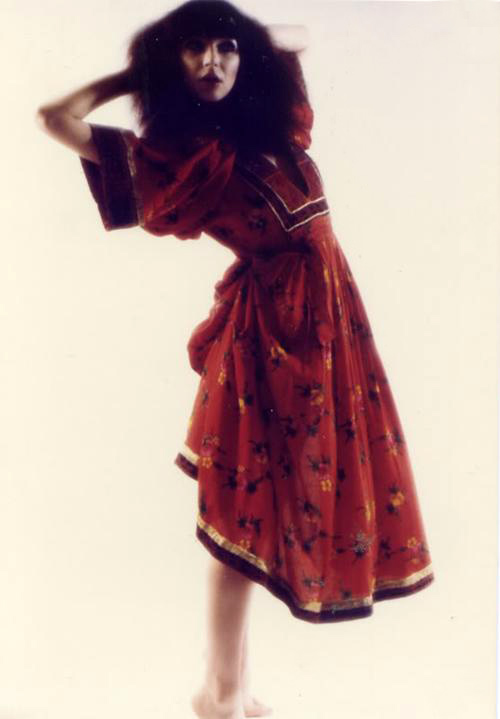
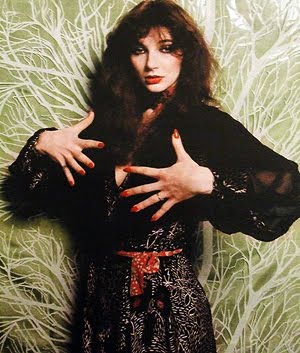
Bush, that is. I need little or no excuse for un petit spam d’image of the lovely lady…


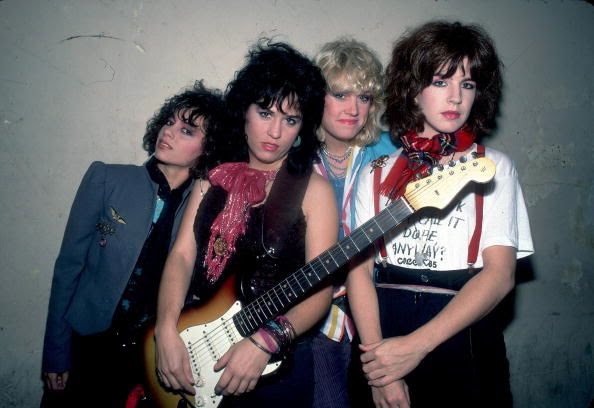
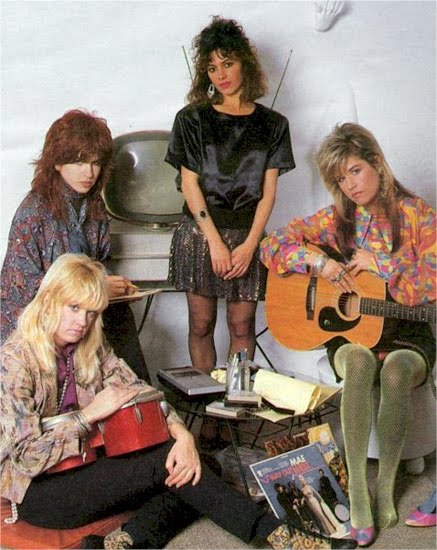
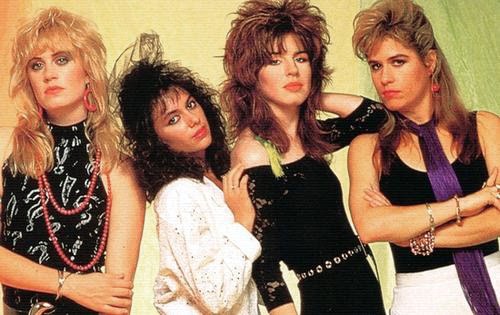
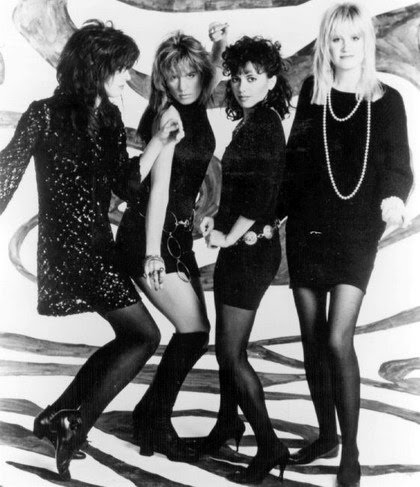
Style Icons: The Bangles

bassists, Eighties Fashion, John Taylor, picture spam, Style Icons, the bangles

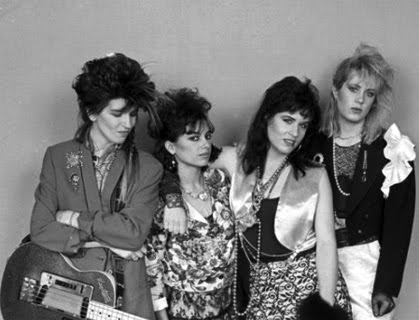
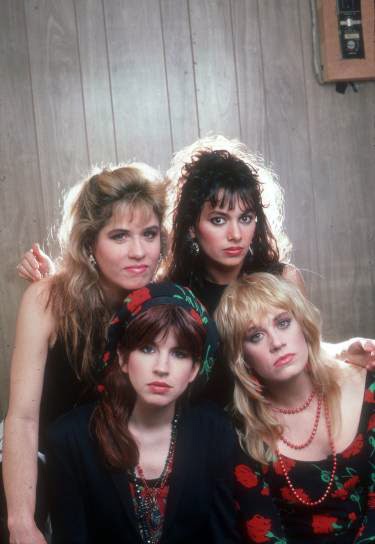
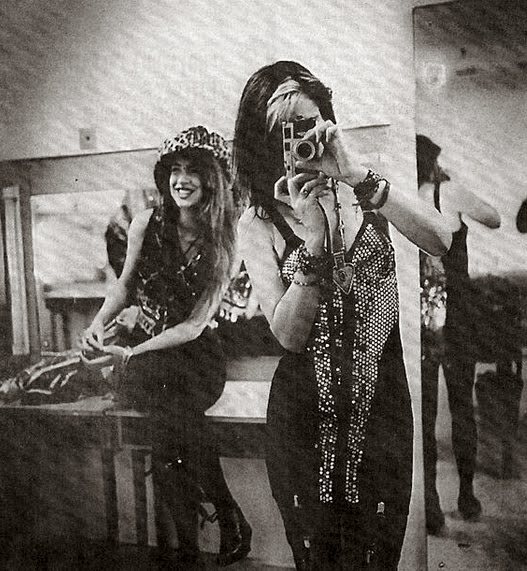
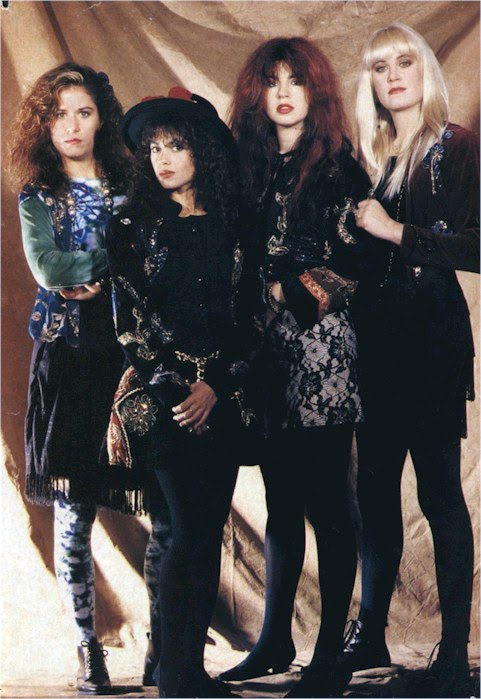
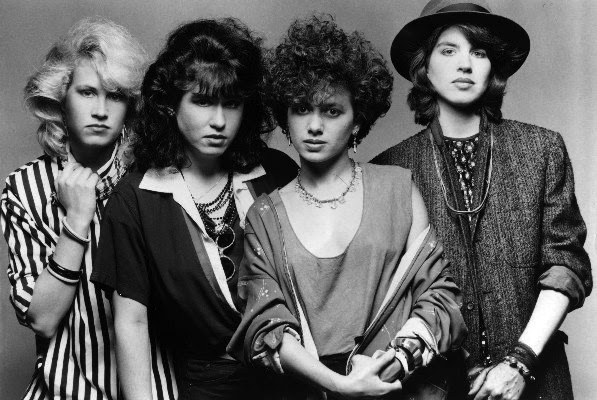
I had already started musing independently about The Bangles as forgotten style icons, only for them to pop up in conversation the other day. That settled it for me. And so I started hunting for my picture spam….

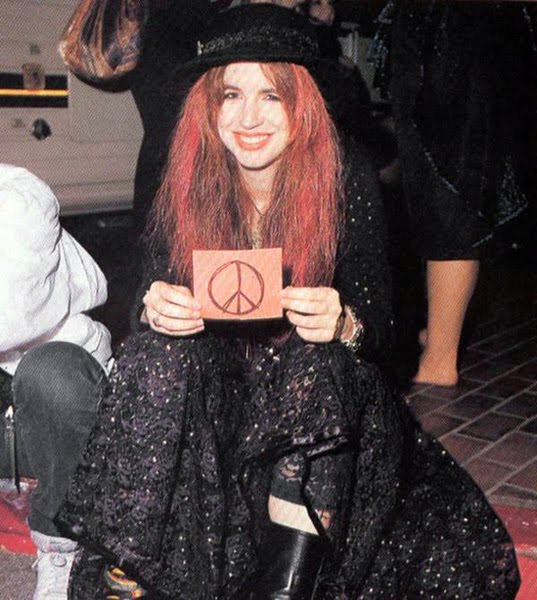
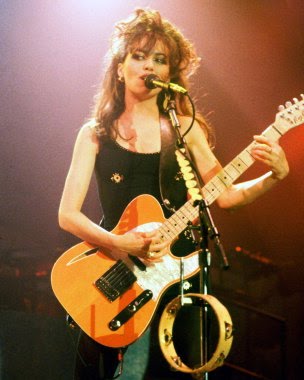
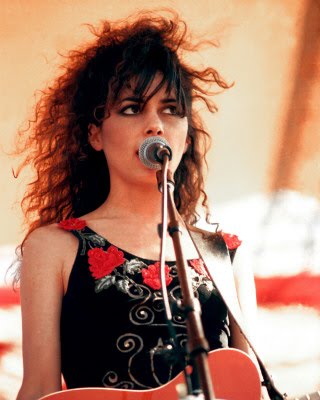
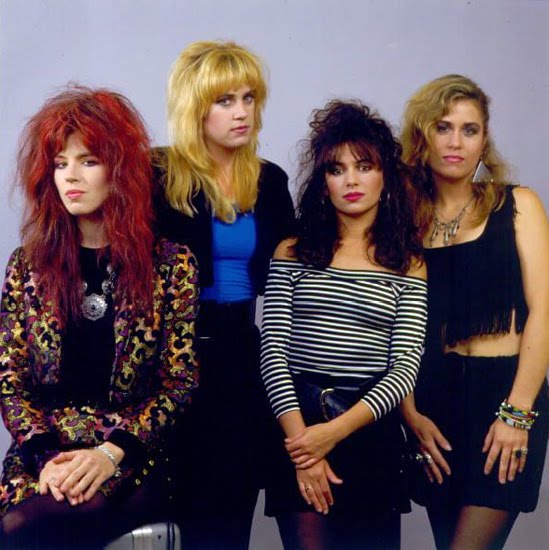
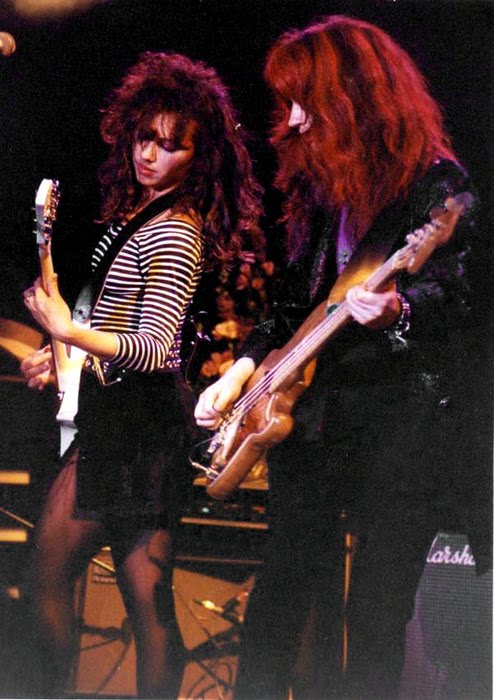
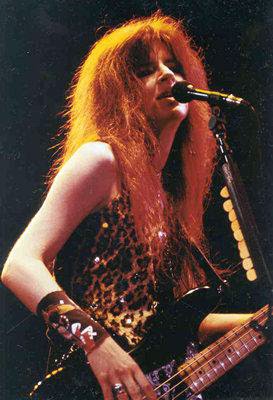
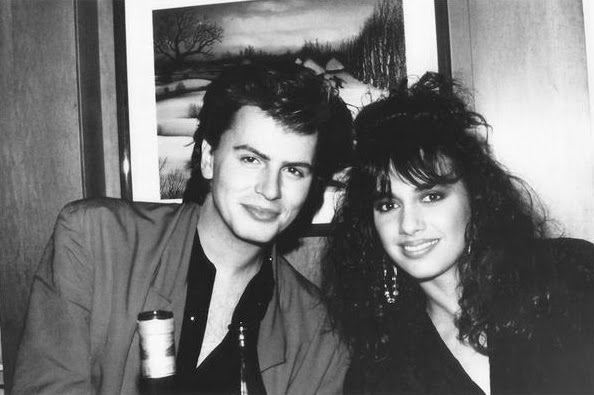
There can’t be many girls around my age who didn’t want to be a Bangle. The obvious choice was, of course, the almost unnaturally beautiful Susanna Hoffs. But, in retrospect, they were all pretty worthy of a bit of worship; particularly bassist Michael Steele, former member of The Runaways and all-round excellent bassist and singer. I feel like I spent a good chunk of a few years singing their songs into my hairbrush, imagining that I would one day have clothes and hair (and, of course, a voice) exactly like theirs. I avidly listened to, and studied the pictures on, A Different Light and Everything. If I’m totally honest, Madonna didn’t do it for me so much. Not in comparison to that.

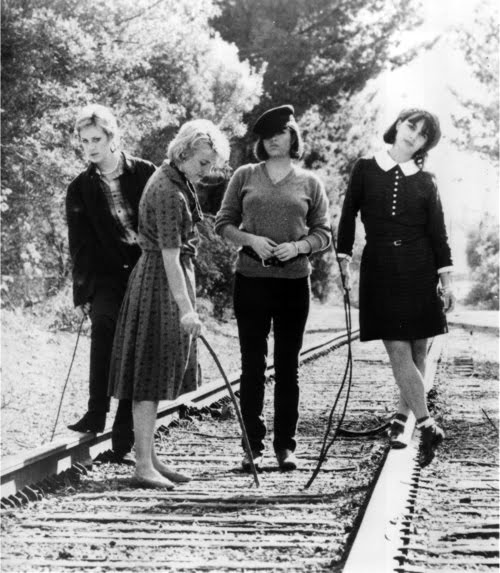
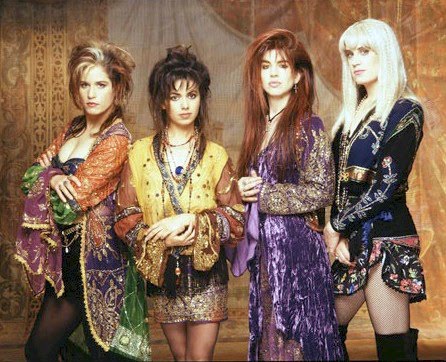
I love the early shots of them in their pseudo-Sixties girl group get-ups, through their skintight lycra, puffball skirts and lace tights of the mid-Eighties, through to the more psychedelic, hippy look towards the end of the decade. And let’s not forget the perpetually enormous hair and Sixties-influenced make-up. I’m sure they must be due a lot more respect than they are afforded these days, particularly compared to most of the dreary girl-with-a-guitar whining that goes on in the charts right now. The Go-Gos and The Runaways are always being cited, but don’t let’s forget The Bangles.


And if Susanna Hoffs wasn’t already annoyingly beautiful enough….

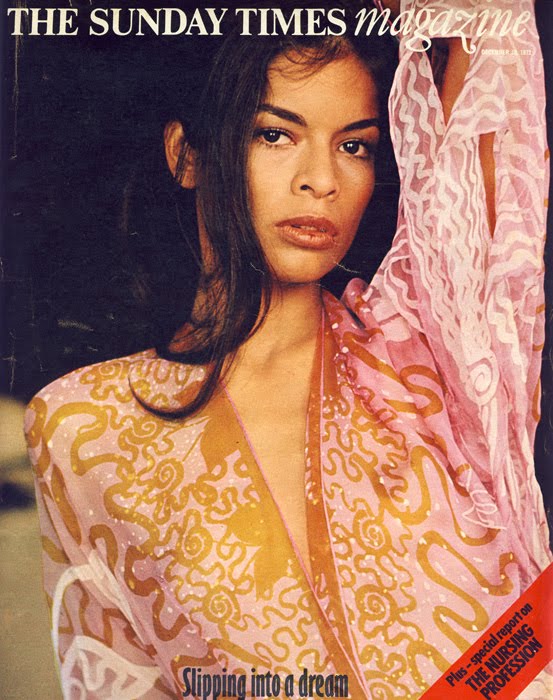
Slipping into a dream with Zandra Rhodes

bianca jagger, seventies fashion, sunday times magazine, zandra rhodes

The last thing that Zandra Rhodes wants people to think is that they need to look like her to wear her clothes. Years ago an ex-partner accused her of frightening the clients. “People that really know me accept the way I look; I don’t try to look freaky.”

At the moment her hair – always dressed by Leonard – is short and orange-quilled, her eyebrows are a thin bright orange line, her eyelids half blue and half red, her cheeks highly rouged. “I think I was the first person to have my hair dyed green; then I put feathers at the end of it; then I had it green and blue. I’ve had this make-up since my show in April. I do a look to death. Before this one I think my eyes were blood-purple with silver and green round the outside and glitter-dots in the middle of my face for eyebrows; then I painted solid red all round the outside.”

Her clothes are as unusual as her make-up – she will frill, flounce, feather, sequin, print, dye and cut extraordinary dresses that she thinks look as good on the over-45s as on the young, slim and beautiful. Because her mother taught dressmaking and worked for Worth in Paris, she never learnt to sew or cut a pattern. She studied fabric design at the Royal College and has been making her own collection for only four years; her printing is done with her print-partner and boyfriend Alex McIntyre. Alex and Zandra usually work, at the print and dressmaking works just round the corner from Zandra’s Bayswater flat, from six in the morning till 11 at night, so it’s not surprising that Zandra has earned a reputation for falling asleep everywhere.

Four printers and seven dressmakers make everything – one dress usually takes one girl from start to finish about two days, and will cost from £150. “I can’t possibly compete with a production line so I concentrate on the things being really special, so that if you’re sitting at the dinner table you can see that the hand-rolling is as expensive as your jewellery.”

She already feels that she dresses “the so-called International Set” who pitch camp in London several times a year. To accommodate them properly she wants to open her own modern couture salon selling everything from furs to perfume. “I’ll work to make people look beautiful; I know that by an accident of Fate I can.”

Interview from The Sunday Times Magazine, October 1972