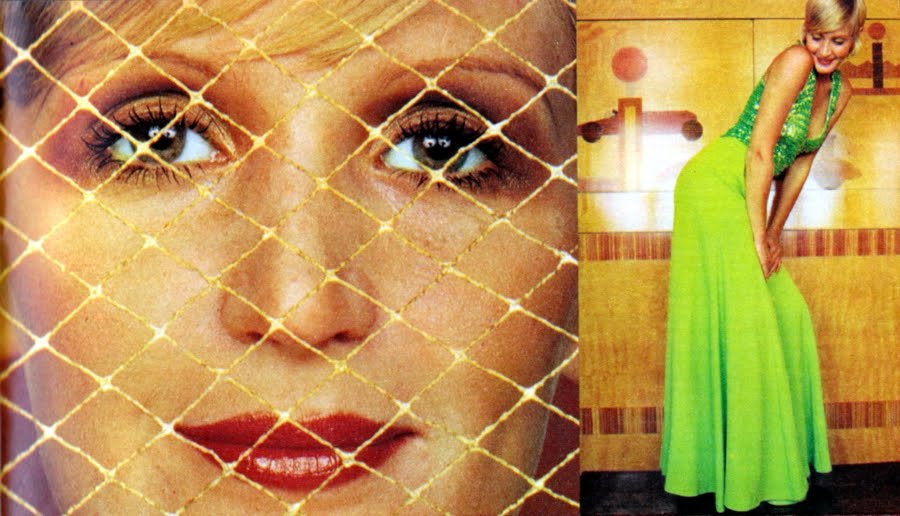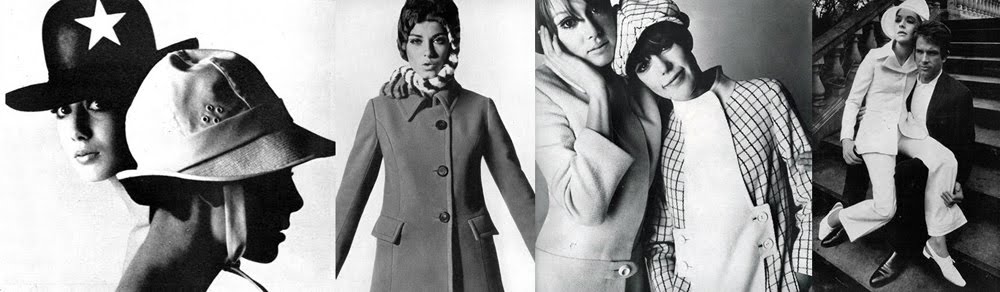
Inspirational Images: Quorum, 1965

1960s, alice pollock, british boutique movement, ossie clark, quorum

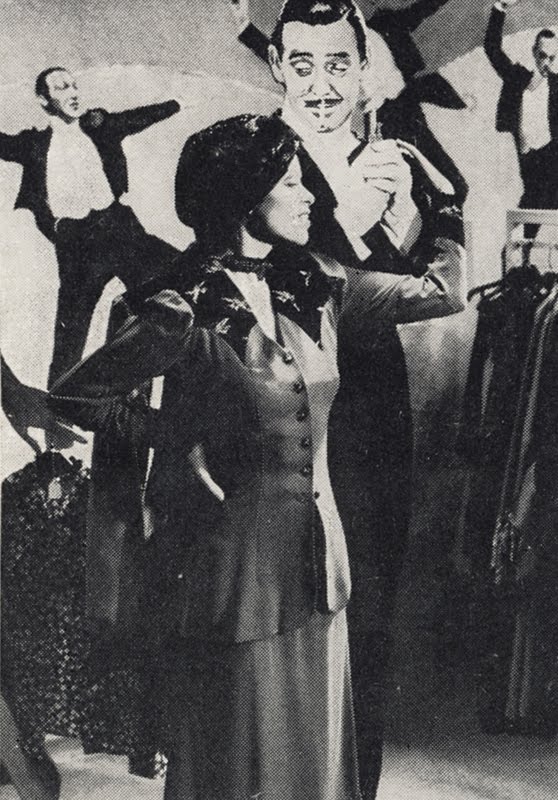
Outfit by Quorum. Everywoman, July 1965

Must See Vintage Films: Joanna (1968)

1960s, british boutique movement, bus stop, chrissie shrimpton, donald sutherland, films, Geneviève Waïte, joanna, michael sarne, smashing time, suki poitier, the jokers

Must See Vintage Films: Joanna (1968)
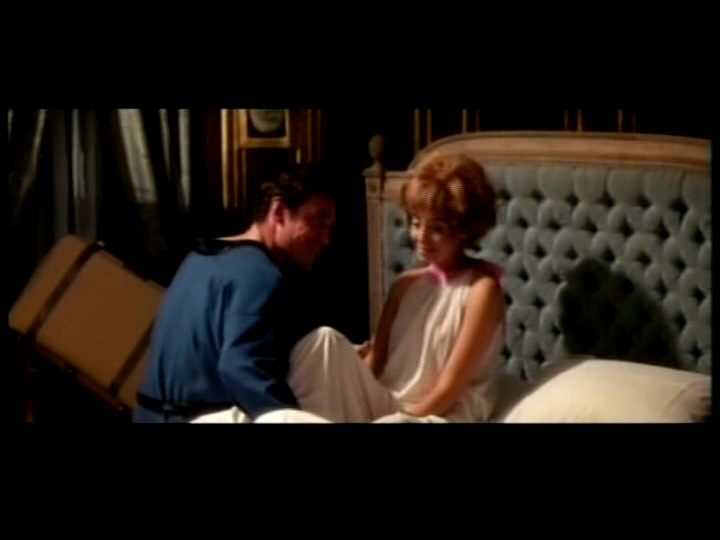
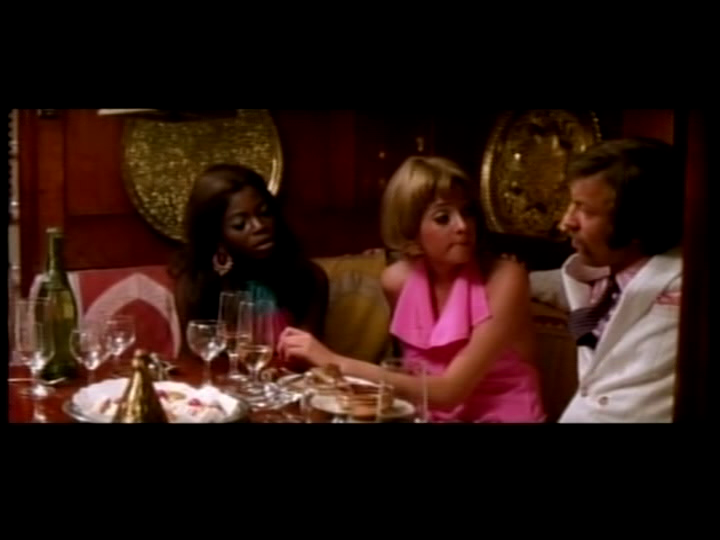
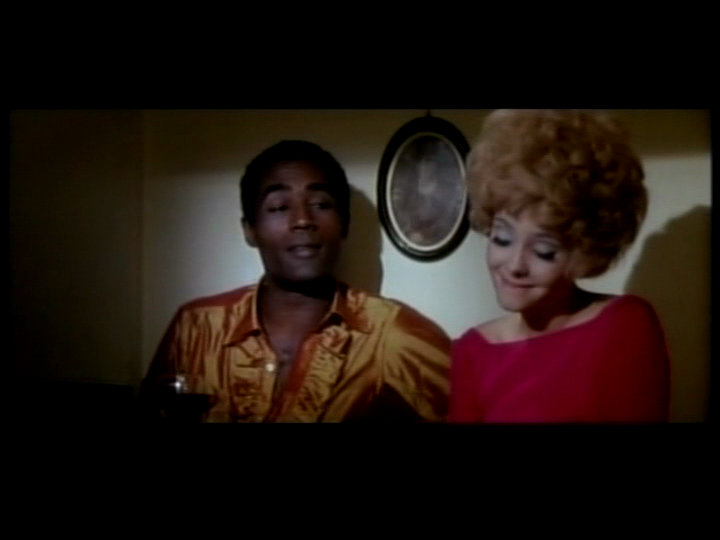
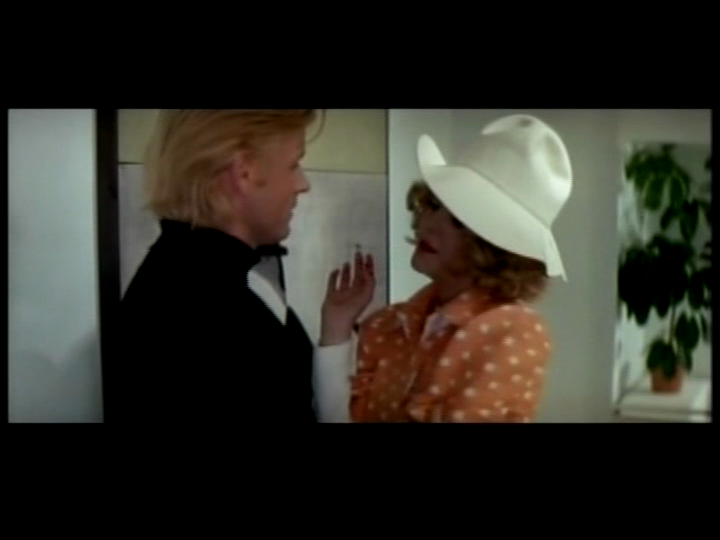
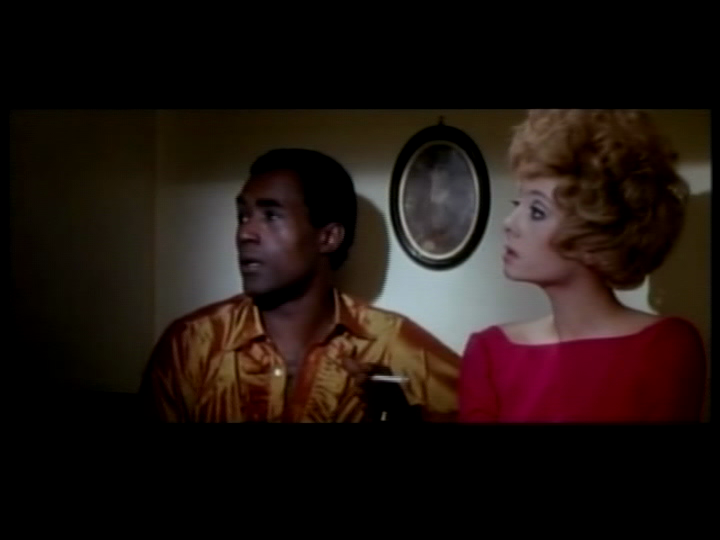
The first I knew of Joanna was when I happened upon the soundtrack LP in a record shop in Norwich. Don’t even get me started on my idiocy in not buying it*. I was transfixed by the front cover, the synopsis and the fact that it has Donald Sutherland in it. Why had I not seen this before? Thankfully, Mr Brownwindsor was on the case and managed to find a copy for my birthday**.

Geneviève Waïte plays the title character (she would later release an album called Romance is on the Rise, and marry John Phillips after he split from Michelle) and the film was written and directed by Michael Sarne, occasional actor, pop singer and ex-husband of Ghost founder Tanya.

Must See Vintage Films: Joanna (1968)

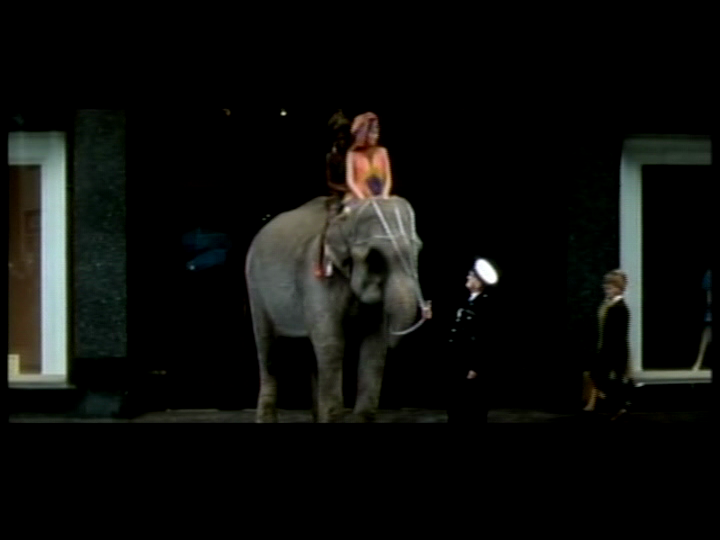
To say it’s an odd film, is to say the least. But odd in that perfect, no-need-to-make-sense kind of way that so many late Sixties films are. Better than Candy but probably not as downright amazing as, say, The Jokers or Smashing Time.

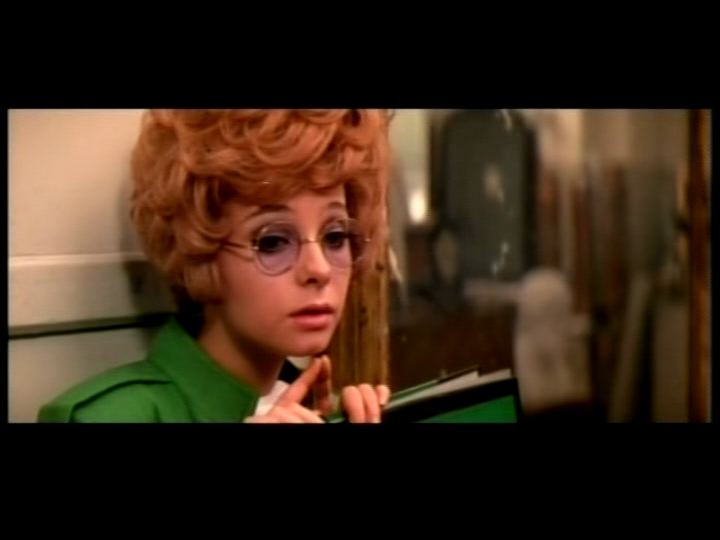
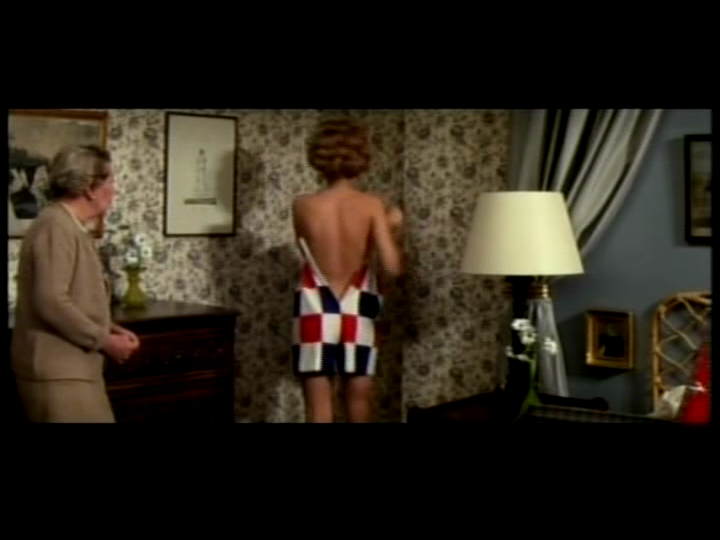
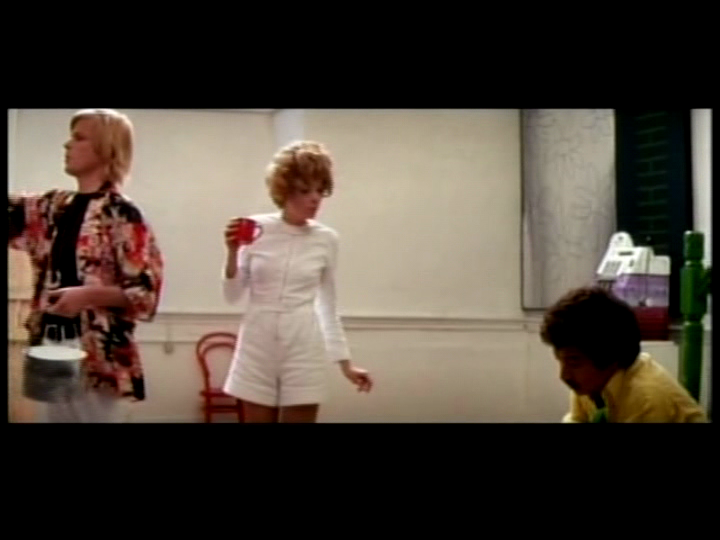
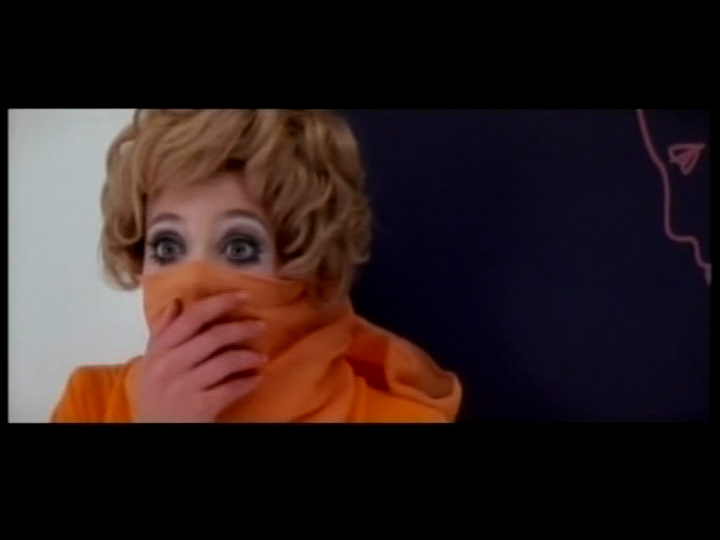
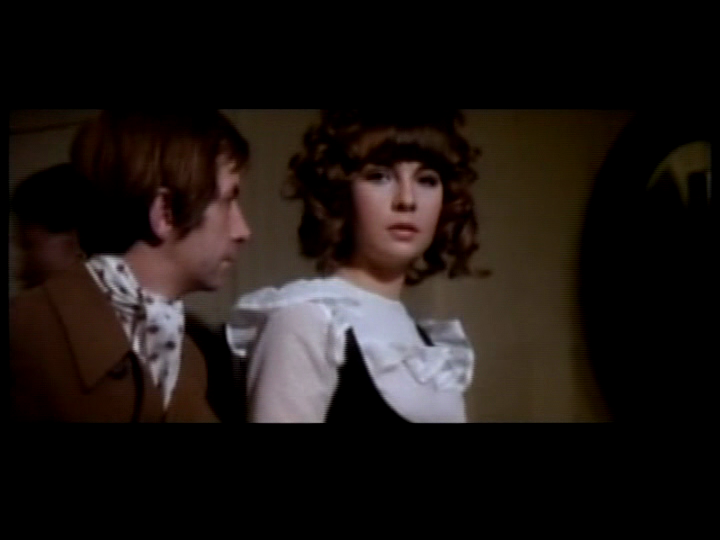
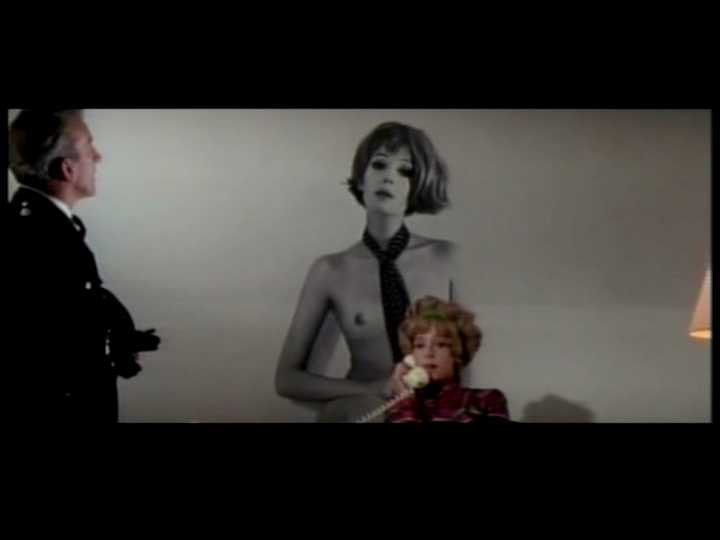
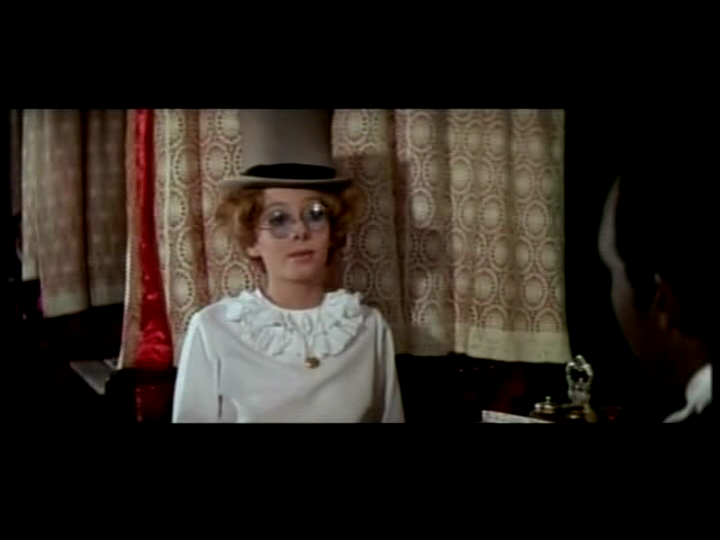
Waïte’s clothes were specially designed by Sue West and Virginia Hamilton-Kearse and were then sold through the Paraphernalia boutique in New York. There’s definitely something quirky and unique about them, almost beyond what you expect for the period. They remind me of Foale and Tuffin, Quorum, Betsey Johnson etc, but have more of a homemade and eccentric ‘costume’ feel to them which is a good match for the character of a young art student.

I can see why Waïte never really continued with much in the way of acting, since I suspect that the role of Joanna was really not very far from her own personality. She’s cute, eccentric and ditsy, but with a healthy dose of logic and sense.

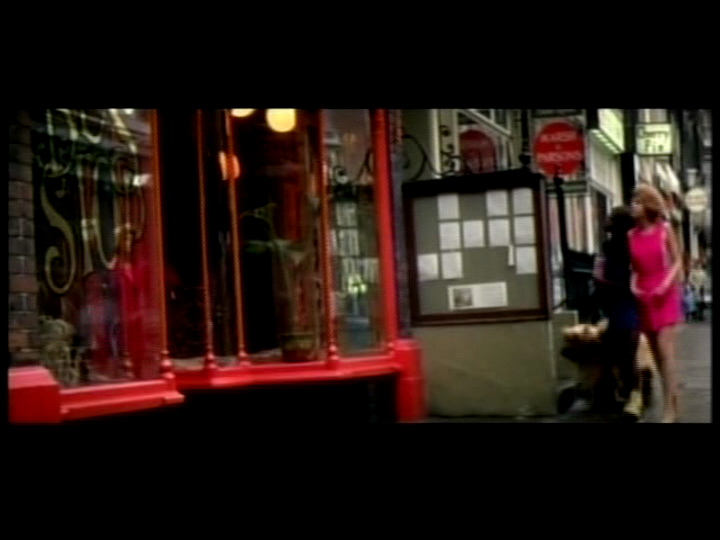
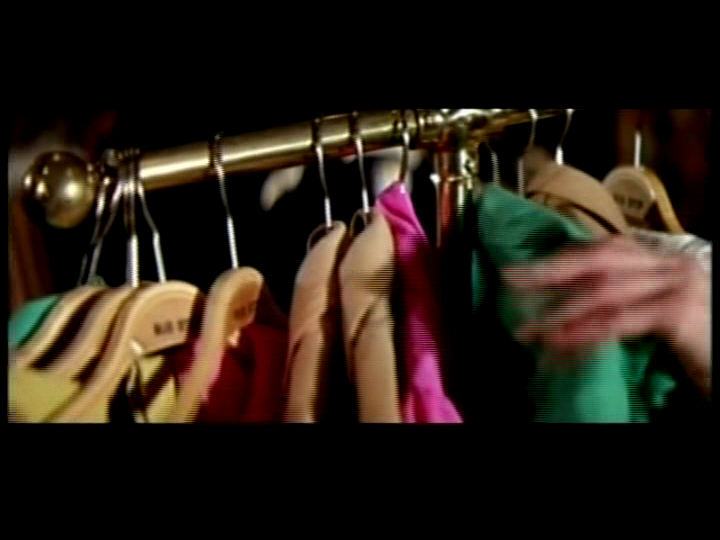
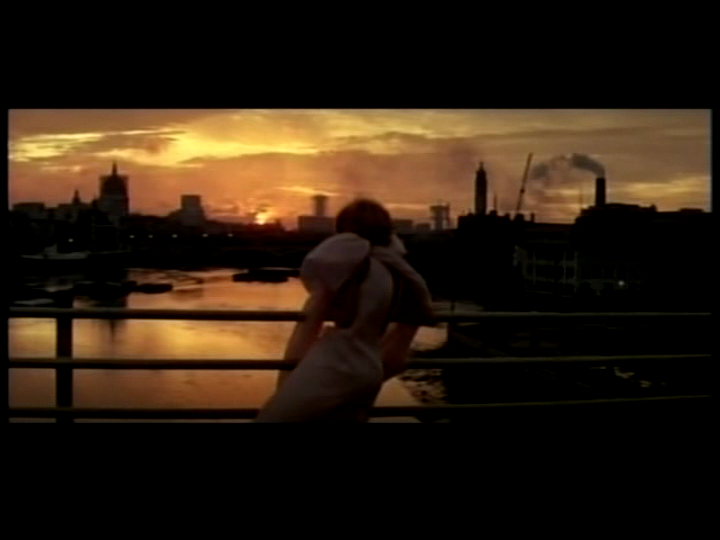
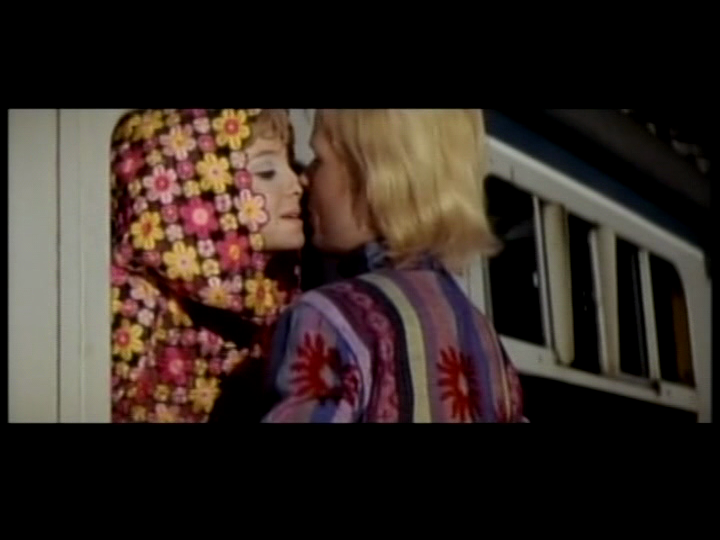
As with so many films of this style and era, it’s well worth watching for the exterior shots of London and Joanna throws up a rare treat: the girls take a ‘shopping’ trip to Bus Stop where the rails are soon raided and no money is spent. Utterly brilliant.

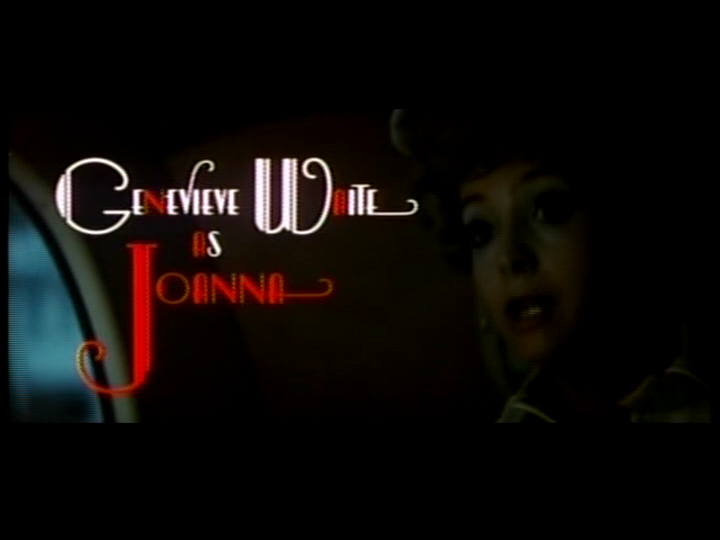
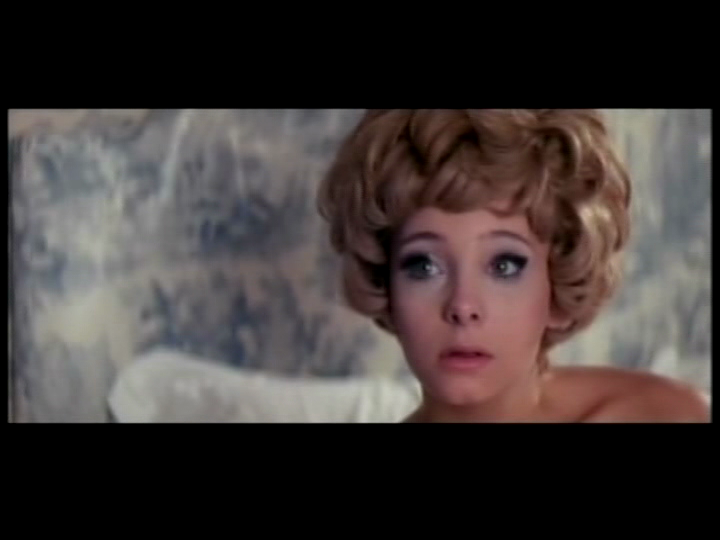
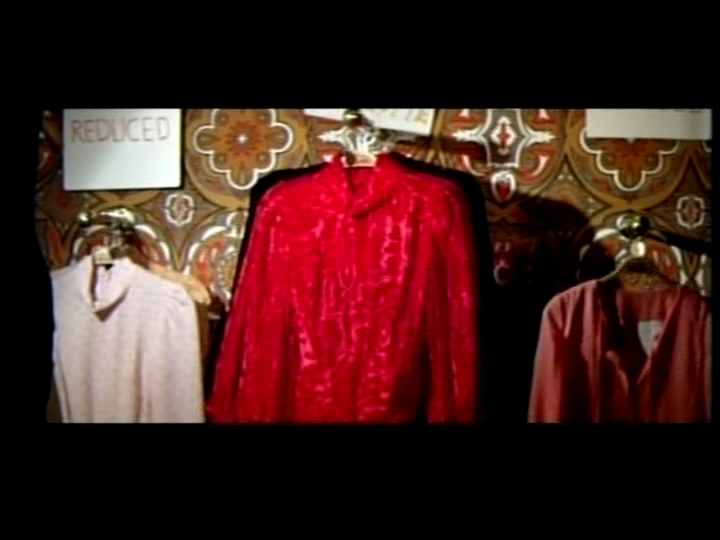
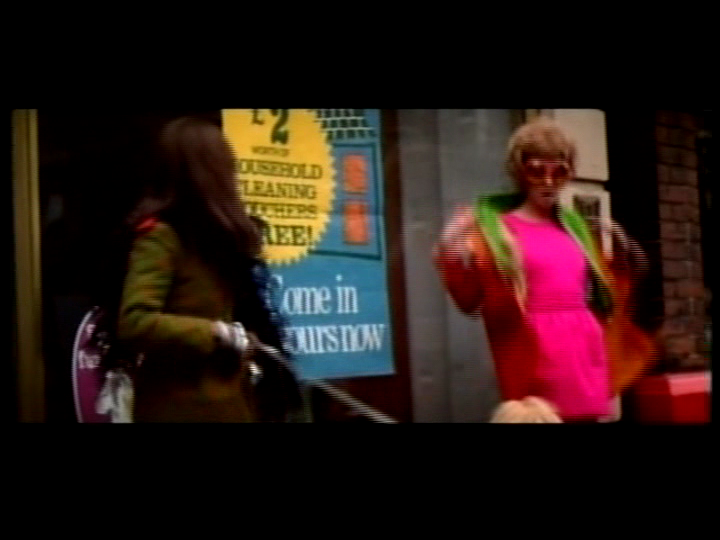
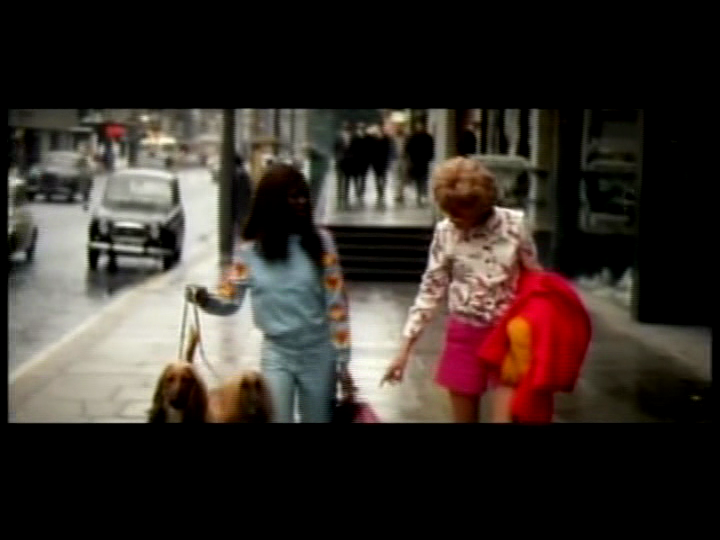
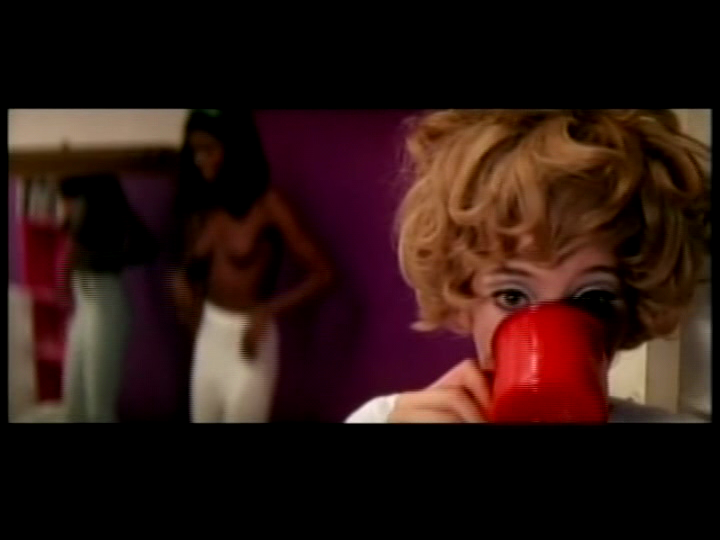
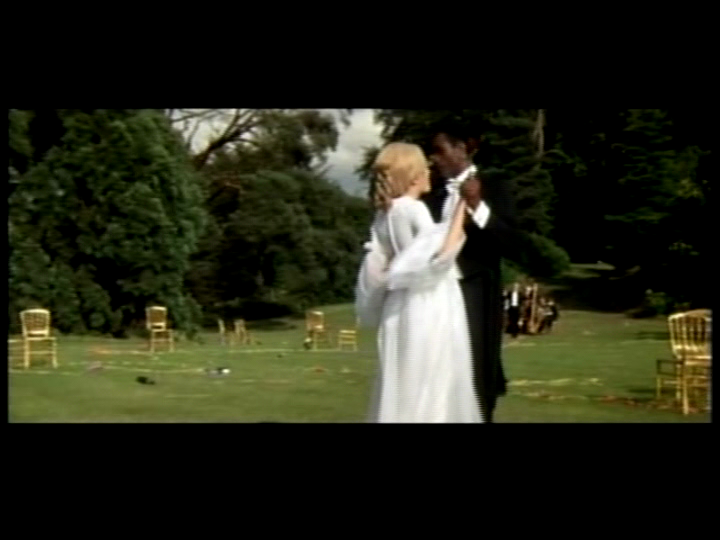
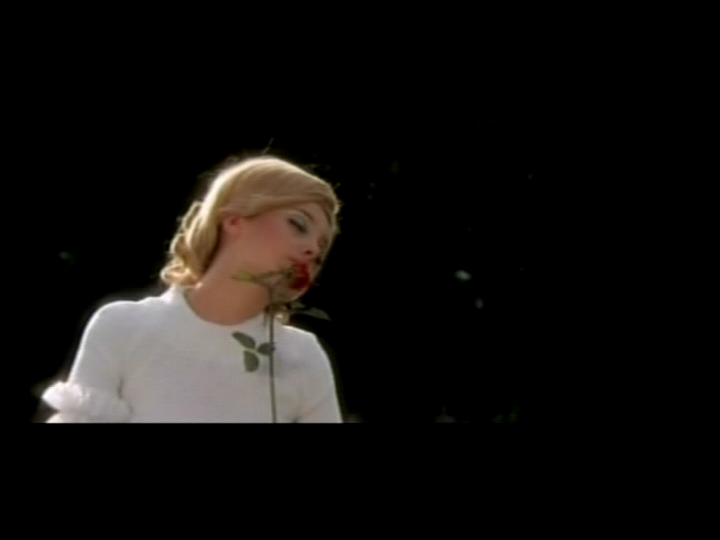
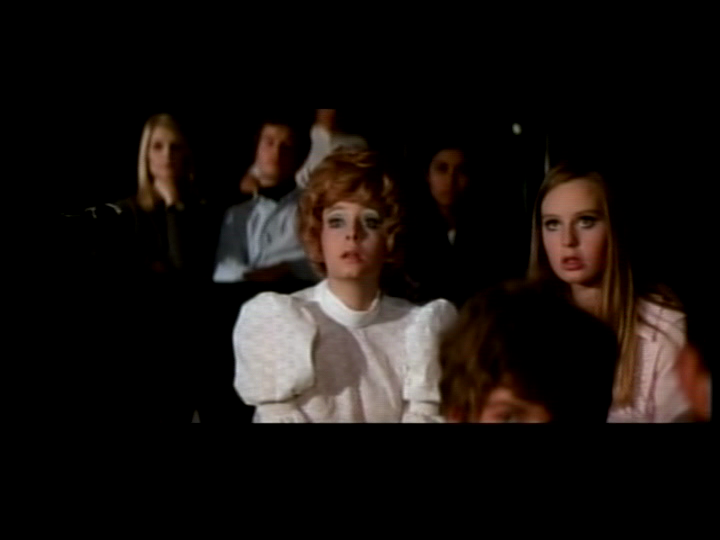
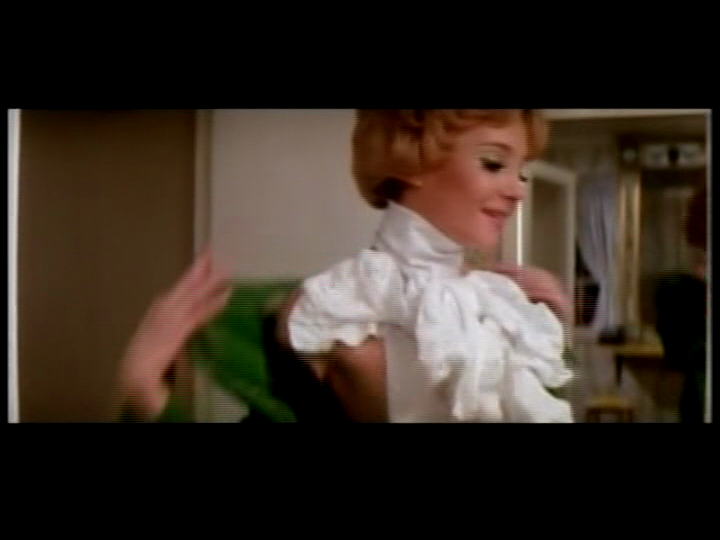
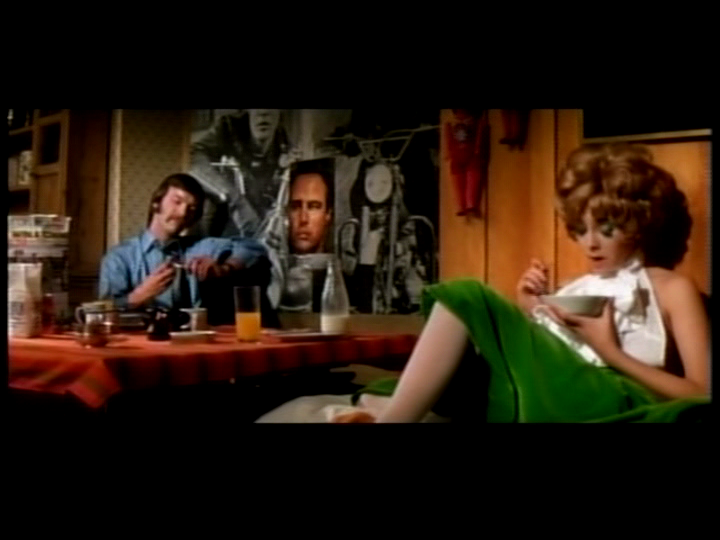
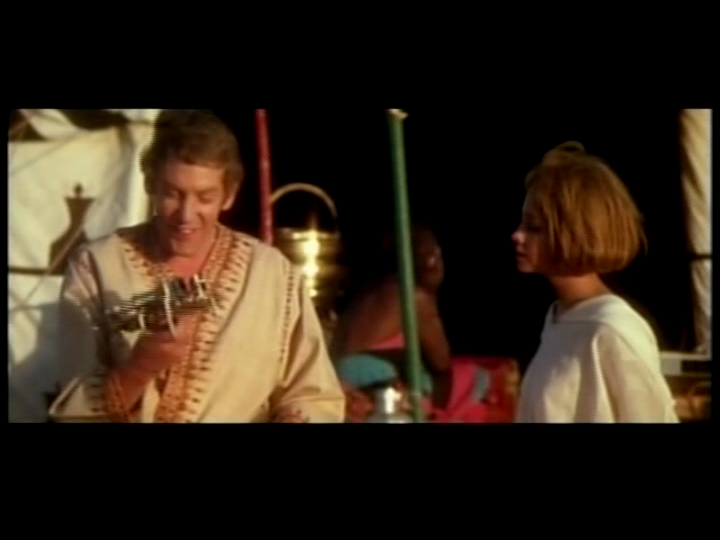
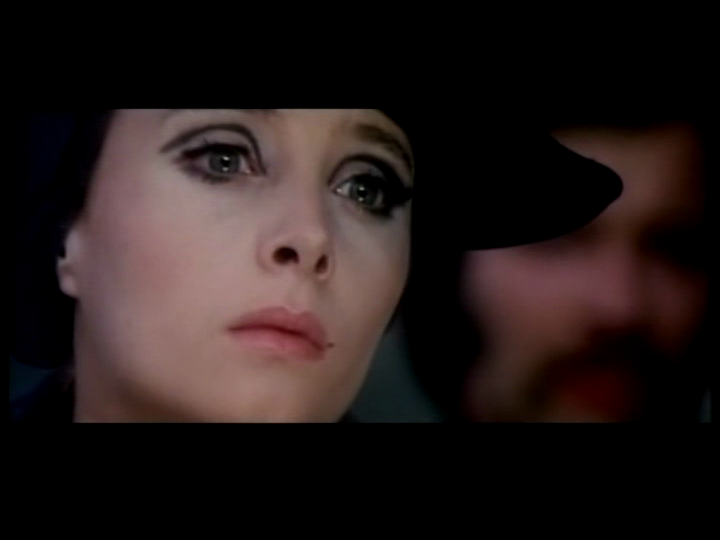
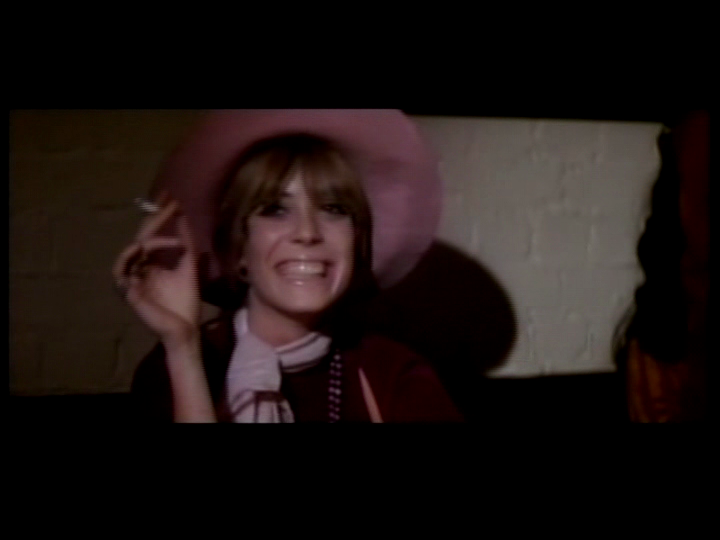
I don’t think my screengrabs even begin to do it justice, but I hope they give you a good taste of what you might expect from the film. The outfit changes are relentless, her facial expressions ever-changing, and the locations are stunning. I’ve also captured what I’m fairly sure are uncredited cameos by Suki Poitier and Chrissie Shrimpton. Enjoy!

*I went back two years later and it was still there! This time, dear reader, I bought it…

** It has subsequently been given a gorgeous release by the BFI. Which always seems to happen when we’ve finally found a dodgy copy of something we were desperate to see. Psychic but annoying BFI…

Must See Vintage Films: Joanna (1968)Must See Vintage Films: Joanna (1968)
Must See Vintage Films: Joanna (1968)

Must See Vintage Films: Joanna (1968)Must See Vintage Films: Joanna (1968)

Must See Vintage Films: Joanna (1968)
Must See Vintage Films: Joanna (1968)Must See Vintage Films: Joanna (1968)
Must See Vintage Films: Joanna (1968)

Must See Vintage Films: Joanna (1968)

Must See Vintage Films: Joanna (1968)

Inspirational Images: Biba, 1974

barbara hulanicki, Barbara Hulanicki, biba, british boutique movement, Honey Magazine, monty coles, seventies fashion

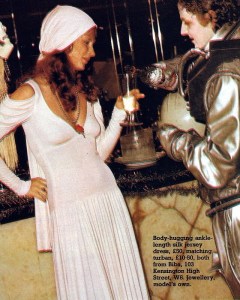
I have this dress in dark blue. (It’s the notorious £50 dress which Barbara Hulanicki feared wouldn’t sell because of the high price. It sold out.) One of these days, I’m actually going to find the occasion to wear it…


Photo by Monty Coles from Honey December 1974

Boutique: Beyond the Pale

1960s, british boutique movement

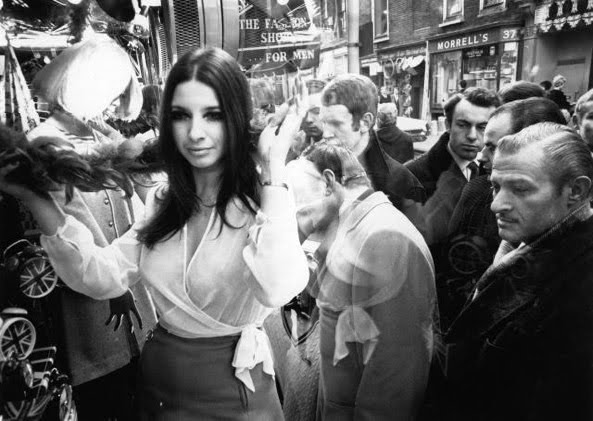
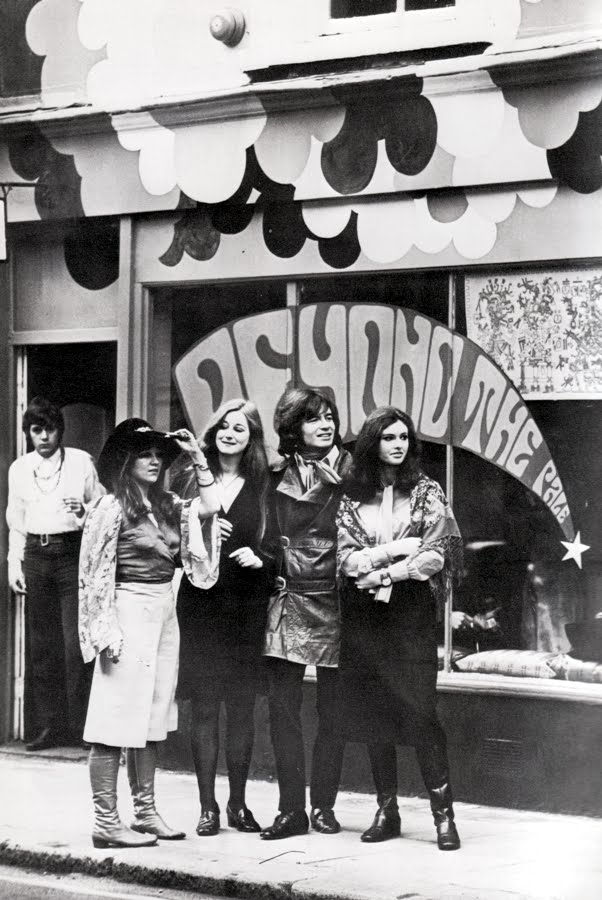
I know nothing of Beyond the Pale other than this photo (scanned from 20th Century Fashion by David Bond). If anyone knows anything, please do let me know. I love this photo; nobody looks quite as good as they probably think they are, but they look all the more amazing for it. And I particularly love the ‘candid’ face of the guy coming out of the door.

Edited to add a scrap of information from the photo agency website:

London, England, 1968, Former psychology student opens London’s latest Boutique, ‘Beyond the Pale’, Seen here are (L-R) Manageress Jo Cruickshank, model Chantey Mulville, owner Peter Woodworth & model Anthe Holt

Not so much a name, more an inspiration

barbara hulanicki, Barbara Hulanicki, biba, british boutique movement, interior design, seventies fashion

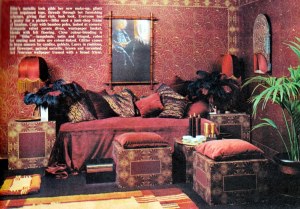
The room is large, brown-ceilinged, brown-carpeted and the wallpaper is edged with stripes that remind you of nineteen-thirties’ cinema architecture. It is the office of Barbara Hulanicki and her husband Stephen Fitz Simon who together are BIBA.

Barbara curls over the arm of the sofa in the curvy kind of art nouveau shape she has made famous again in furnishings.

“When do I show a new clothes collection to Fitz? Never!” Barbara laughs at the idea. “It’s got nothing to do with men. They mustn’t decide what ladies like to wear.”

Herein lies the success of the Biba empire, a look, an environment, some say a way of life, created by one girl whose husband knows when not to interfere. “I haven’t a creative idea in my head and I’m colour blind,” he says. “What Barbara wants to do, what she feels is right, is absolutely up to her.”

How right is proved by the tide of events which has swept BIBA from her first poky back-street dolly-girl clothes shop into a seven-floor Kensington, London, store. For in September, 1973, the entire building that used to be Derry & Toms, a monument of British store tradition, will be filled from top to bottom by BIBA. A Biba that is bigger, more influential than ever before.

From eve shadow through to refrigerators, from hairslides to washing machines, from underslips to sauce-pans, the Biba look will permeate our lives.

Barbara’s trademark began with a fluid body-clinging style in clothes made up in old-fashioned fabrics with old-fashioned prints in smoky, sleepy colours. Everything about them was soft and slithery and nostalgic. She loved old things. “Modern ones are so cold,” she said.

So what Barbara began in 1964 was the “granny look” but she sold it to dolly girls and the Biba Way of Life had begun. Though you may never have been one of the eager crowd straining the corners of her first pint-sized boutique in West London, you have been affected just the same.
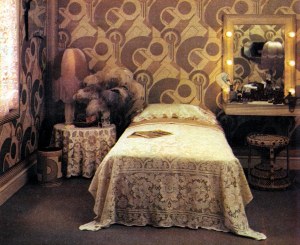
I WANT this bedroom….

For Barbara, a fragile-faced girl with the. straight blonde hair of a child, wide high cheekbones, fine hairline eyebrows, has turned out to be the powerhouse for an explosion in looks. No one could seem shyer: no one could appear less dominating or more likely to mind her own business. That merely shows how misleading appearances can be. For when you look in the shops and see slinky little crêpe dresses, pretty puffed sleeves, romantic shirring, tucking and bias cuts, they may not say BIBA on their labels but, make no mistake, it’s Barbara from whom the whole idea of them sprang. When you glamorize the furnishings of your house with satin cushions or switch to romantic old Tiffany lampshades of satin and fringe or hunt down some graceful junk—she is the girl who set free this feeling for the pretty ideas of the past. “I need things that have lived,” she says.

And when in 1970 she produced a range of make-ups in oil portrait tones, inevitably we deepened our facial colour schemes and left the hard lines off our eyes. Such clumsy artifices simply were not the BIBA Way of Life.

How Barbara developed that distinctive taste which marks all her work is an interesting conjecture. We know she is Polish by birth and parentage but came to this country as a small girl and was brought up with her two sisters in Hove, Sussex.

We imagine, then, a child who, like her father, loved to draw: a gentle environment which fostered her soft and romantic style of sketching. When she came out of Brighton Art School and moved to London to draw for the papers, the Slavonic stamp in her own looks also characterized the girls she sketched. They were cool gentle blondes with spun-glass features, soft hair done simply, no gawky edges. Whether she knew it or not, she drew herself. We picture an elegant home too. As a. friend of hers told me: “Plushy fabrics, high ceilings, decorative cornices—all the paraphernalia of Edwardian elegance we’re beginning to yearn for and appreciate again—Barbara lived with these and it’s largely thanks to her that we’re getting a taste of them back.”

Looking at Barbara’s wallpapers, cushions, lampshades and ornaments, at the mauve and moody bedrooms of friends who have decorated decorated in the Biba style, I agree. The astonishing thing is that her ideas took seed—and survived—in the op, pop, and Space era of the sixties. Clean functional lines in clothes and homes were the order of the day.

But: “I don’t believe fashion is dictated by the lives we lead,” said Barbara. And predicted long, really long day skirts at the height of the mini: sludgey prunes, greys and purples in the heat of the Courreges white and red craze: flat silky hair when towering, back-brushed domes were in their prime: and old-world furnishings when the Technological Revolution was upon us.

How did she sense we would take to these alien things? Sagittarians, she was born on December 9, 1938, are supposed to be strong on intuition! In her bones she felt that people would retaliate against the growing speed, rush and noise by dressing and furnishing in a nostalgic style.

“Old things are interesting be cause they have a lot of workman ship, a lot of feeling,” Barbara says. “I have to design new thing,, for mass production but I try to give them the look of attention.

“It’s a struggle. Today people know what they like—and they like clothes on the bias with frills and a handworked look. It is increasingly difficult for manufacturers to produce what I want—good machinists are hard to come by. But we fight on.”

Barbara always fights for the colours of her make-ups, her tights, her boots, her bags, sends them back time and again. The shades must be exactly right because they have to match clothes, even furnishings. “I’ve made myself awful problems by co-ordinating everything but working girls and busy wives haven’t time to charge around matching one thing to another. They want to buy it all in one go.” It is Barbara’s ability to see the whole picture which makes people call her enterprise a way of life. She shrugs at the suggestion. “All I’ve done is try to provide what I need myself! At the time I started, people used to talk about investing money in a dress. What a crazy idea that would be now! Imagine always feeling a dress was something to feel guilty about unless it was a sound investment. Fashion should be as cheap as possible so that it can be lighthearted,” she says.

Everything of Barbara’s is blindingly recognizable and usually worn by several women -in any moderately crowded room, but such is the standing of Biba that it is one-up-womanship to be wearing it. Her sway is incredible. Quite vulgar plastic baubles and brooches are all right—Biba says so. Armholes cut fiendishly narrow are okay–Biba has made them so. She it was who plunged clothes-shopping into darkness and beset it with the deafening throb of pop. These things don’t go with your romantic, nostalgic look, I complain to her. “One gets both extremes today,” she replies. “That’s what’s fun.”

Fun it certainly is for Barbara. She gets a big kick out of the sheer audacity of some of her clothes—leopard print heels on platform shoes, big leopard print gauntlets on gloves, sequinned tops and culottes to wear with felt hats and veils. Wearing’ a camel coloured sweater with quietly matching pants —but swinging a foot shod in an outrageous five-inch heeled shoe!—she declares:

“The charm today is in all the contradictions. The tarts look like ladies in good mink coats and crocodile bags and shoes. And the ladies look tarty in platform soles and ankle straps.” It’s this humour that her few critics don’t catch on to. The fancy dress element in Biba is a chuckle, a chuckle we needed. The potted palms and the curly bentwood hat-stands. The knee-length ropes of coloured beads and the bizarre tassels. At the time she began Biba, Barbara was visiting couture fashion collections in London, Paris and Rome to sketch clothes for the newspapers. “Dozens of little black padded numbers. They were stiff, self-conscious, serious and boring.”

It was the pompousness of fashion she was out to slay, and she is still at it. “All the really grisly fabrics are coming back,” she warns with great relish. “Cheap shiny nylons we used to sneer at—they’ll look marvellous, though. They’re stretchier, softer. People will never get into hard clothes again.”

Biba salesgirls do not offer assistance—it is rumoured they would get the sack. Barbara is also responsible for communal changing rooms, which lots of us hate, but the owners of Biba can worry all the way to the bank about that! “If we provided individual rooms for every customer, half the store would be changing rooms,” says Barbara.

Biba is now not just a London store, but a world-wide selling organization. They compute the quantities in which Biba will stock and sell Barbara’s creations, chase suppliers, arrange the link-ups which have built up the company into a world-wide industry selling clothes in America and cosmetics all over the world. Dorothy Perkins, the chain which stocks Biba make-up through Britain, has a seventy-five per cent holding in Biba and is behind the huge new store.

Barbara and her husband work from early morning to eight and nine o’clock at night, often for long unbroken periods—then they spot a gap and fly off somewhere like Istanbul for a long weekend with Withold, their five year old son. They are a tight, devoted threesome and—in this publicity-minded age—very private people indeed. It is a fetish with them. Their home, furnished from top to bottom in Biba products, is a fortress. For all her beauty, Barbara hates having photographs taken. She is scared to be seen on television or heard on radio and would faint if she had to address a group. She is a doer, not a talker. Although she is backed by a strong team, most of whom have been with her the full eight years of Biba’s existence, she herself designs the prototypes of every line and is never influenced by other fashion pundits. That is her claim. In fashion I would say it is a justified one. She does her own thing and that is what has made her a cult.

In furnishing, WOMAN Home Editor Edith Blair says: “Barbara came in at a time when young people were wanting to make their homes glamorous, but hadn’t the antiques, old china, Victoriana their parents owned. Biba introduced excitement with inexpensive ideas. Her dyed feathers are marvellous—you don’t have to buy flowers or plants. Her fringing brought a cosiness into decor. Satin and huge cushions look romantic. Her softer look as penetrated many homes.”

Woman magazine, December 23rd 1972

Lady Jane: The serious business of wearing a see-through

1960s, body paint, british boutique movement, lady jane, mild sauce, petticoat magazine

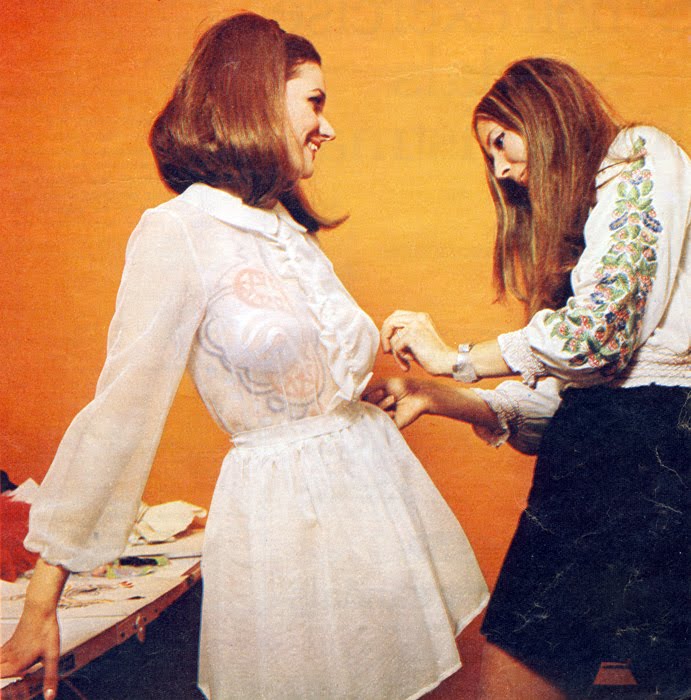
There’s a lot more to wearing a see-through dress than at first meets the eye. What a girl intends to show through the see-through for instance.

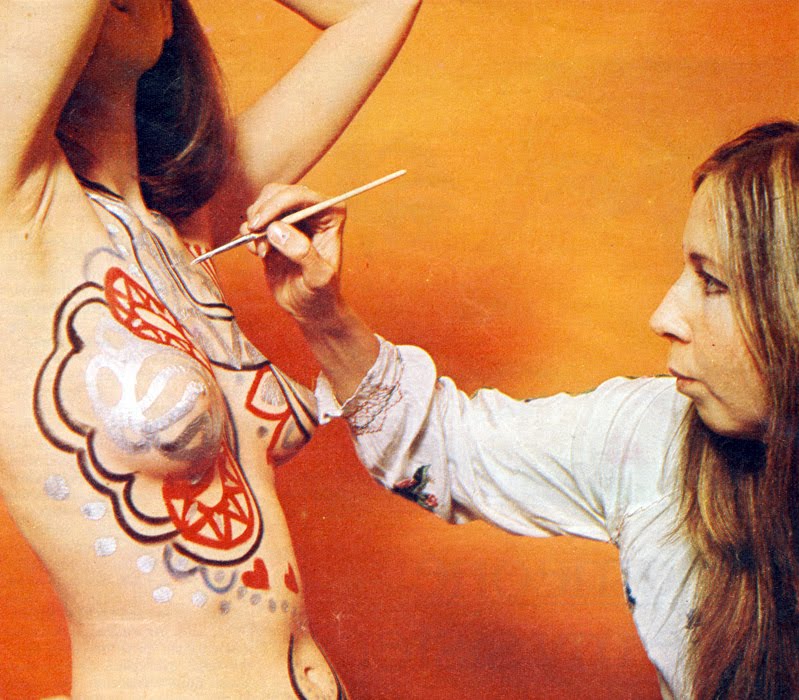
Ever since the see-through craze started in London, Carnaby Street artist Audrey Watson has been rushed off her feet – designing instant paint-on bras.

It’s a pretty ticklish business as 24-year-old Audrey paints her bras straight onto the customers skin. And, since she started débutantes and office girls have been flocking to the Lady Jane Boutique where she works, to bare their bosoms for a multicolour, exclusive, painted-on picture.

Audrey, who quotes her prices as: “10s. 6d. a half; from 3 to 10 guineas for a whole body,” will paint on anything from just patterns to faces, street signs or mock tattoos.

“I’ve even done a whole street scene right across, complete with red London buses,” she said.

Where do the girls wear them? “I often ask that,” says Audrey. “Most of them are going to parties although several people have been on their way to the airport. They said they were flying out that night to New York or elsewhere, and wanted to arrive in their paint-on.”

Any men? “Yes, lots,” says Audrey. “They come in for patterns to wear with see-through shirts.”

Audrey, who has tried painting with everything from greasepaint to ink, says it takes skill as most things crack on skin. She is now experimenting with Tempera, powder mixed with egg white like the Renaissance painters used, but she mainly works with Leichner and coloured inks gently powdered over. “It isn’t dangerous as not enough of the body is covered up, and it comes off with cold cream,” she says.

“It’s always a bit strange when I start on a new bust,” says Audrey, modest and quiet with long blonde hair, “but I like doing it for aesthetic reasons, though I know that basically it is just a fashion thing.”

Does Audrey herself wear a see-through?

“Certainly not,” she said. “Business apart – I’ll be pleased when the cover-up look comes back!”

Petticoat Magazine, November 1968.

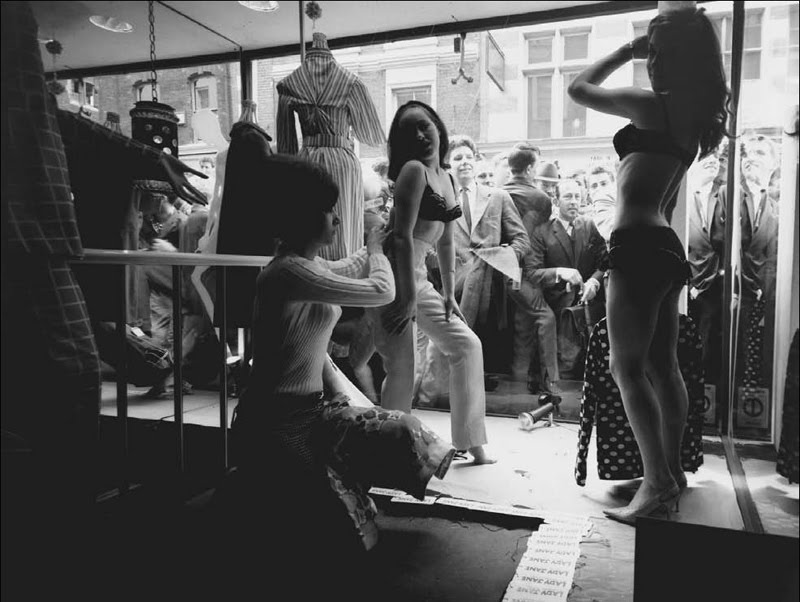
The Lady Jane boutique maintained something of a reputation for shock value; see-through clothing, body paint and scantily clad models in the windows were staple gimmicks throughout the late Sixties and early Seventies. Some things never change, do they?

Pat Booth

british boutique movement, countdown, james wedge, pat booth, seventies fashion, top gear, Vogue

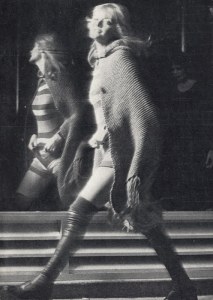
Somehow I missed that Pat Booth passed away in 2009. Alongside her then boyfriend James Wedge, Booth helped “create” the Chelsea fashion scene in the Sixties and Seventies with the boutiques Top Gear and Countdown. She had started out as a model, before and during the boutiques’ lifespans, and would become both a photographer and a novelist in later years. She was married twice; first to psychiatrist Garth Wood and second to advertising guru Sir Frank Lowe, a short year before her death from cancer. Pattie Boyd and Cliff Richard were the only attendees.

The reason I was looking her up was because I found and scanned this lovely shot of her from Vogue Boutique, February 1971. I’m still posting it, but I feel a bit sad to know that another key figure from the period has gone.

“Pat Booth strides out, left, in front of the recharged Countdown, 137 King’s Road, wearing the striped shorts she has made for the shop. All colours, 5½ gns, sweater the same, cape about 25 gns.”

Mensday: The London Look

british boutique movement, hung on you, Mensday, menswear, michael rainey, pierre cardin, sixties


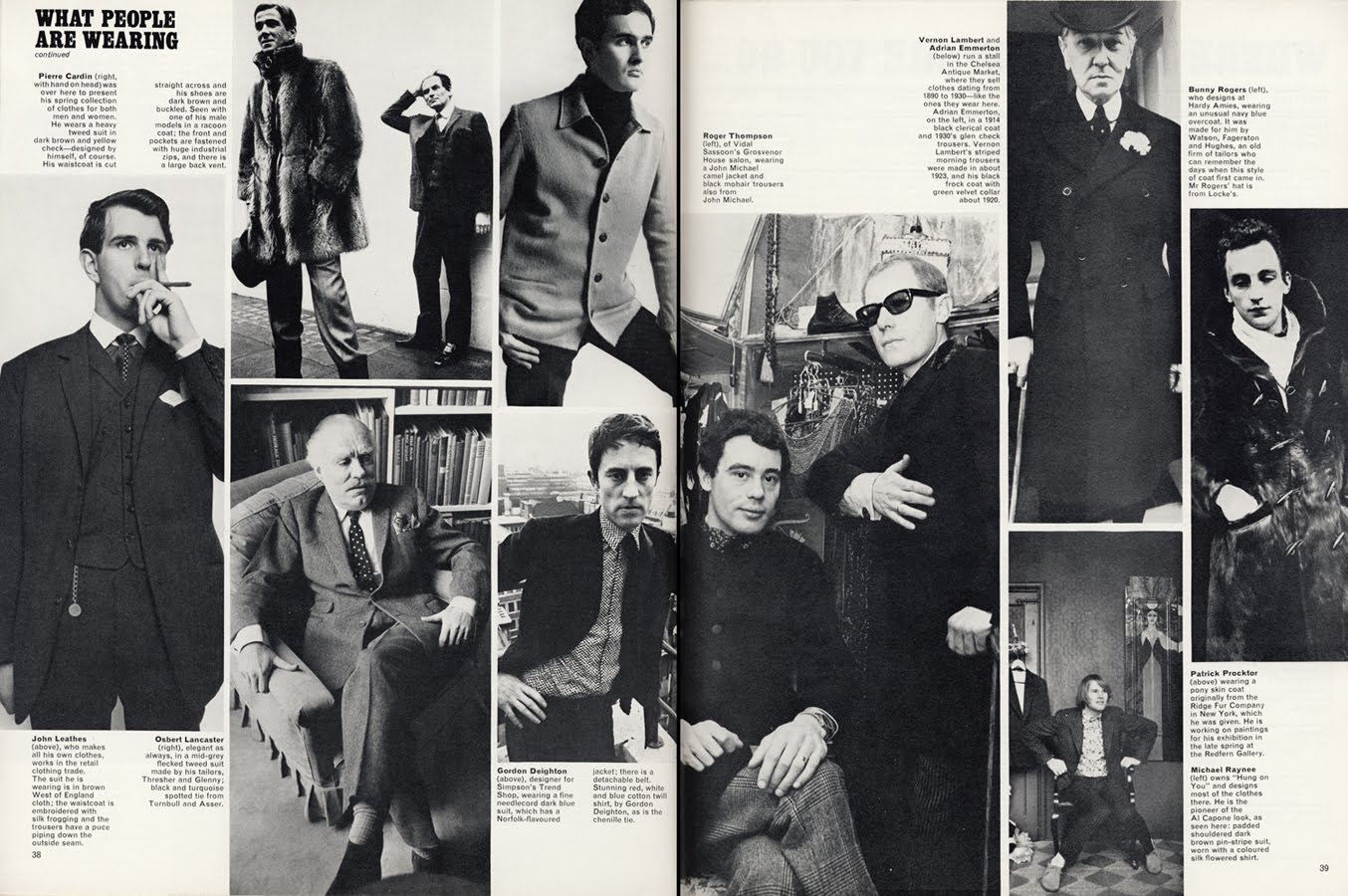
A bevy of very dandy dudes grace this double page spread in London Life (March 19th, 1966). Look out for Michael Rainey, founder of Hung On You. I particularly love the juxtaposition between the young bucks and the old farts in the same spread.

Hollywood Clothes Shop

ad hoc, british boutique movement, edina ronay, hollywood clothes shop, hollywood icons, johnny moke, kensington high street, seventies fashion, Vogue

There are a few boutiques, Alkasura and Che Guevara included, whose work is painfully abugly. Flat feet are not sexy and elegant.”

Hollywood Clothes Shop sounds like it was one of the best examples of those playfully indulgent Boutique interiors at the time, although its brevity of existence means that there’s not a lot of imagery to correlate with the descriptions of old cinema seats, and the mannequins, paintings and photographs of movie stars. So I was rather delighted to spot some delicious photos of Edina Ronay sporting some of the frocks in the boutique itself. Thank heavens for the ‘Vogue’s Own Boutique’ feature. From February 1971.

Here, Edina Ronay stars in clothes from the new Hollywood Clothes Shop, on Hollywood Road, where else? Zipped plaid jacket, below, 14 gns (£14.70). Stylish crepe and sparkling sequin cocktail suit of deep claret, 12 gns (£12.60), with turban of wrapped velvet and snakeskin, with authentic pin, 8gns (£8.40).
James Wedge the Milliner

british boutique movement, countdown, Foale and Tuffin, hats, james wedge, jenny boyd, moyra swan, Pattie Boyd, sixties, susannah york, top gear, Vogue

James Wedge the Milliner

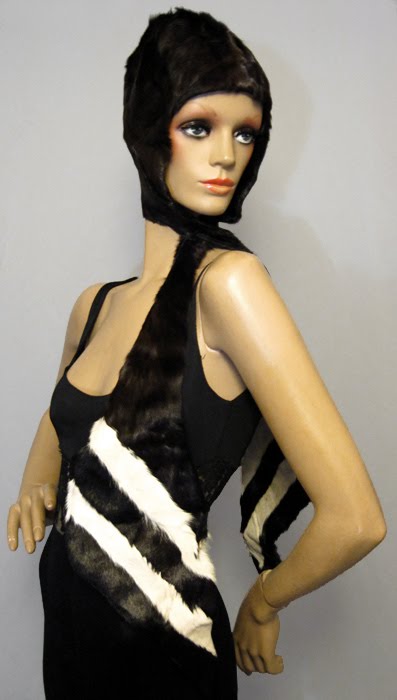
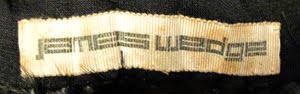
I’m often yapping on about the genius of James Wedge’s photography, but I have been meaning to share this very rare, very precious part of fashion history and of my personal collection for a while now. Wedge is one of those rare Renaissance-man types; successful in every new skill to which he turned his hand. He successfully ran his own boutiques (Countdown and Top Gear), forged a career in photography with no experience or working knowledge (trial and error often creates some of the best works of art) and, initially, he trained and worked as a milliner.

 James Wedge hats in Vogue

James Wedge hats in Vogue

His hats were regularly featured in Vogue in the early to mid Sixties, often teamed with outfits by his friends Marion Foale and Sally Tuffin, and are some of the most perfect examples of mod ‘op-art’ ever created. But they weren’t being produced for long, or in any great quantity, so they are now incredibly rare.

This hat splits me in half. I cannot wear fur. I just can’t. Not particularly morally, I eat meat and wear leather quite happily, but the feel on my skin is like nails down a blackboard. Consequently, a hat made from rabbit fur is a thing of beauty aesthetically but I wouldn’t wear it even if I could squish it over my big head. However, I can’t quite bring myself to sell it just yet. I mean… it’s James Wedge?!

James Wedge the Milliner