Lover of the cover

album covers, the sweet, twiggy

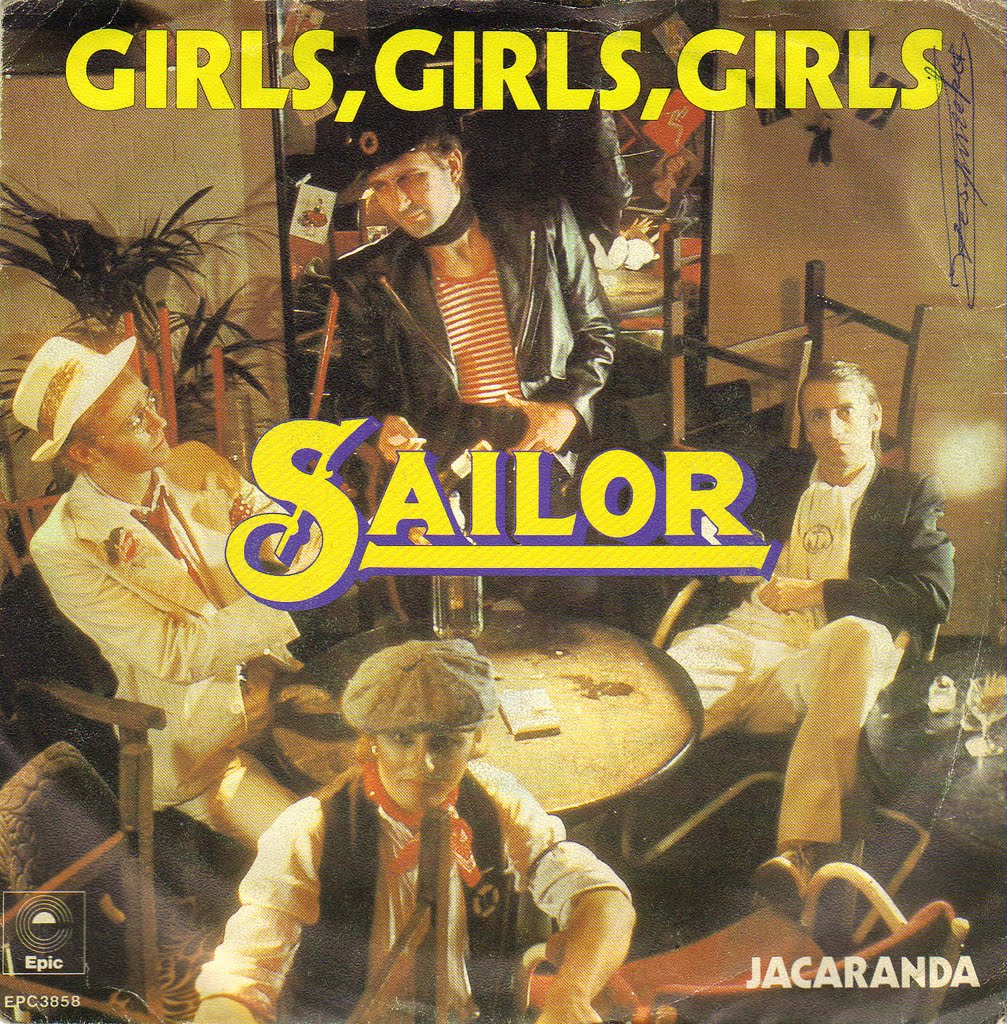
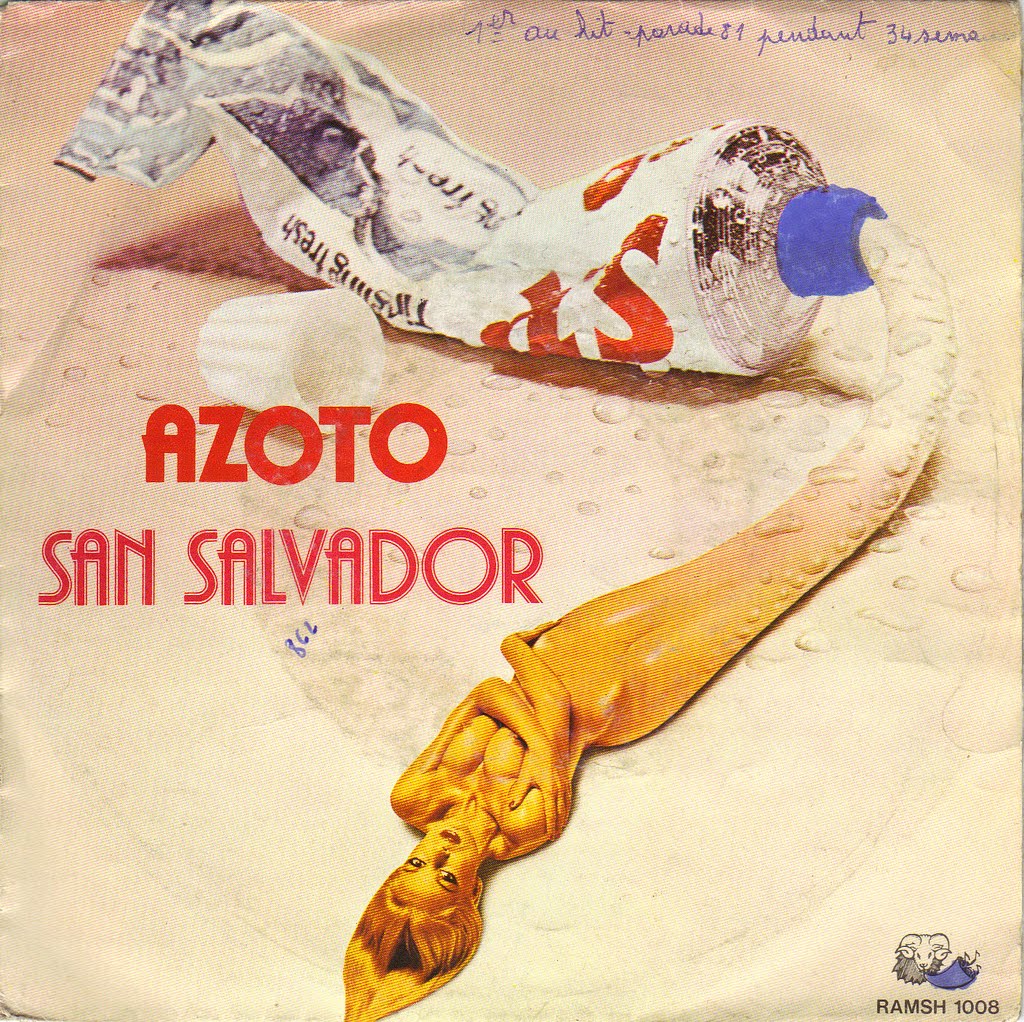
When I was hunting for decent sized images of The Sweet for my last blog (fiendishly difficult, I might add), I stumbled across darklorddisco‘s flickr account and, more specifically, his 45 picture sleeves album.

I have gone through brief LP-hunting phases in the past. But lack of space has often restrained me from buying (though I love to look and still bitterly regret not picking up a Twiggy album from a charity shop in Streatham) and I’ve even re-donated in moments of madness (or clarity, however you want to look at it). I’ve started buying a few more lately because, well, my groupie ladies and my boyfriend are a very bad influence on me.

Whilst I’m trying to be ‘good’ and stick to people I know I love, there is something quite irresistable about really, really bad covers by people you don’t know. And by bad, I mean good. And by good I mean, they’re pretty bad. And so on.

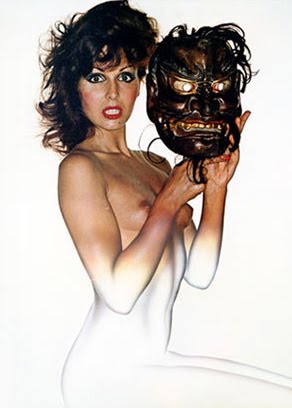
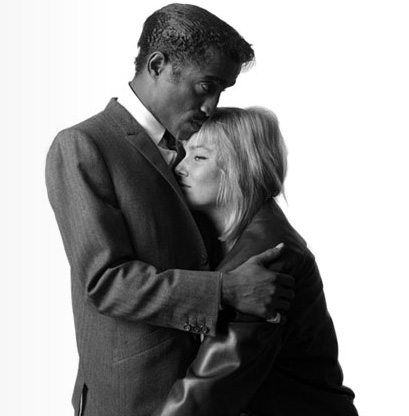
Novelty has its limits, usually available storage space, so it’s a delight to come across someone else’s collection. Which saves you time, space and money. And scanning effort. I hope darklorddisco doesn’t mind my posting a few of my favourite examples. I’m VERY fascinated by those Risqué ladies indeed….


Twiggy: more than a keyword….

british boutique movement, celebrity boutiques, sixties, twiggy, website listings

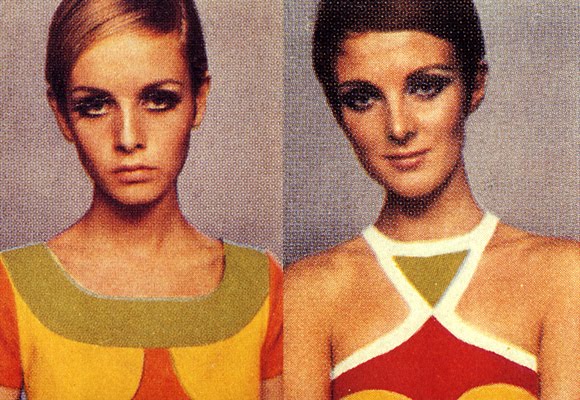
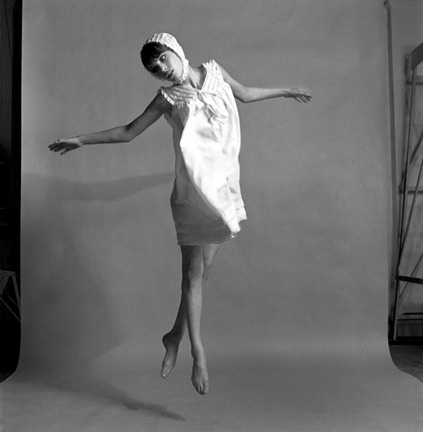
Twiggy’s own label was a brief, beautiful contribution to the world of the British Boutique Movement. Click here to see my previous blog about it. The pieces are rare enough, but it can often be hard to find them online when her name has become merely a ‘keyword’ for the masses of unlabelled minis and hacked off maxis floating around in vintage land.

However, Vintage-a-Peel always seeks to bring clarity to the vintage world, so I don’t use such keywords. Except now I have an actual Twiggy dress for sale, so I can. Hurrah! Stunning striped cotton mini with blue satin buttons down the front to match the blue satin ribbon around the waistline. I love the tiny, ever-so-sweet detail of the top button though, which is covered to match the fabric of the dress. It’s even lined in cotton; a detail which would simply never occur to anyone nowadays (and is far nicer than supposedly high-end designer pieces even from the Sixties!). Wearable and so sweet, but also immensely rare and collectable.

Now listed over at Vintage-a-Peel

Have you got style?

alice pollock, grace coddington, ossie clark, petticoat magazine, quorum, twiggy

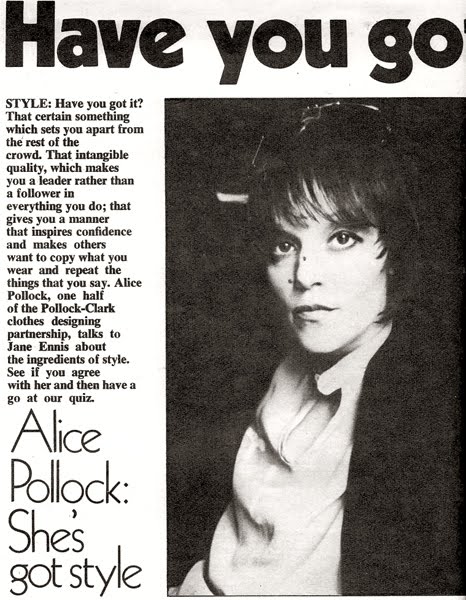
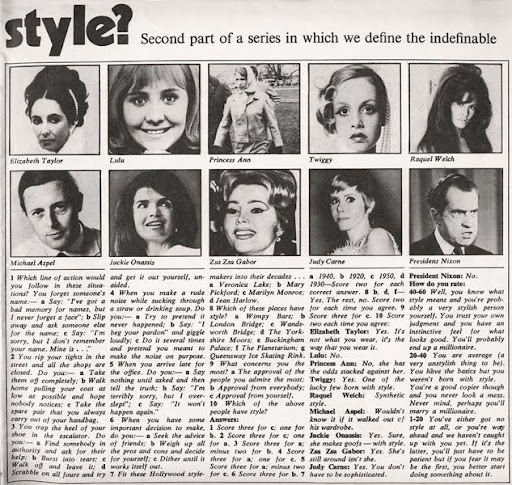
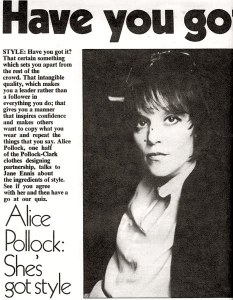
One of my favourite quotes (“If you have style, you have to have it right down to your knickers”) comes from this article, also in the May 1969 Petticoat, so I thought I would share the entire piece with you all. It teams a quiz about whether you have style with a rare Alice Pollock interview. Delish!

Alice Pollock: She’s got style.

Wearing a loose-fitting black trouser suit, Alice Pollock curled up on a black leather sofa in a black-walled room, over her Chelsea boutique Quorum and grinned elf-like through her black lipstick.

She was so obviously stylish that it was almost embarrassing to ask her to define the word “style”. It was like asking her to explain away her entire personality.

Looking very serious, she said: “You know that old saying about wearing nice underwear in case you get involved in a road accident? Well, to me, that is a very stylish cliche. If you have style, you have to have it right down to your knickers. And to be really stylish, you have to have a clean, healthy body and clean hair to go with all your smart clothes.”

She clasped her long, brown hands behind her undoubtedly clean, short hair and added thoughtfully: “Clothes alone don’t make a person stylish–but they do help. I think that if you’ve got style and you’re really together, you couldn’t walk around looking like a complete un-thought about mess. The two things go hand in hand. A stylish person uses clothes to express their style–but it’s just as important that they have clean hands and nails and tidy handbag.”

Warming to the subject she added: “Of course, the whole style thing goes a lot deeper than this. It is accepting yourself, and before you can do that, you have to find out what you are and this is one of the most difficult things in the world to do. Finding out what you are is using your experiences (and this means the band ones as well as the good ones) and trying to apply the lessons you learn from them to the next thing you do.

“For example, if you find that at the end of something, you have made twenty new enemies and lost ten friends, you have to decide firstly, whether you were positively right and honest in the action you took and secondly, whether it is better for your personal and professional satisfaction to have twenty enemies, or whether it was better before when you had ten friends. In other words, learn something from it. This is the way to find out about yourself and develop a style.”

Alice said she thoguht there were a few lucky people born with style, but that most of us had to work at it:

“To work out a style for yourself is very difficult as you must be very careful that it is natural and not acquired as a facade. It’s got to be what you really want–what you really dig–and it’s got to end up by being what you feel. When you have sorted out your style, it is a good idea to involve as many of the right people as possible, so that the whole thing ends up as one enormous style. We live in a society and what we do must reflect society to be of any value.

“A thing which doesn’t reflect society may be very beautiful but have no style.”

She thought for a moment and came up with an example:

“There’s a beautiful, enormous building at the end of Oxford Street and although it is lovely, it is just not practical because it was designed without calculation as to what might happen to the environment if it ever filled up. If that building was ever put to full use, there wouldn’t be any room for the workers to park their cars; there wouldn’t be enough buses or tube trains to bring them to work and there would be no room in the nearby restaurants during the lunch hours. Something like that which doesn’t work has no style.

“When I design clothes, I am very aware of the utility side of it. I know that a garment that feels uncomfortable can cramp style. As a designer, this is something which I can concern myself with but what I have no control over, is where and on what occasions the customers who buy our clothes, will wear them. This is very important because style is very much concerned with doing the right thing in the right place. If you go to a race meeting in your high heel shoes or out to the grocers in your chiffon dress, you probably won’t look very stylish. You have to adapt your style–and this means in every way, not just clothes. I mean, it’s no good putting on your Jimi Hendrix record and playing it to some business man who just wouldn’t appreciate it.”

She waved her arm at a rack full of Quorum clothes.

“Wear those to a really straight business lunch and no one will dig them. You’ll be wasting your time. Style is a matter of coming to the right decision. For instance, if you’re going out and you wonder whether you ought to put on a lot of make-up or a little. Confidence is very important. If you feel confident about your looks, you’ll be all right. Better to wear something you like and feel good in that something you think the latest fashion.”

Tucking up her knees, she pointed to her feet: “For instance, I love these old brown boots, although some people might say that they don’t go with what I am wearing. If you really love something, and you trust your own judgment; wear it.

“If you don’t trust your own judgment however, try copying the style of someone you admire. Combine the parts of her look which you like with what you look good in.”

I asked Alice whom she thought of, as having style and she came with the Burtons, Grace Coddington, Zsa Zsa Gabor, Twiggy, and her partner, Ossie Clark. For people with no style, Savundra and John Bloom.

“There’s nothing less stylish than making a big public goof involving hundreds of ordinary people. To have style, you must have faith in what you do. You must put your heart into it for it to come out saying ‘style’. It must be what you really, really believe in.”
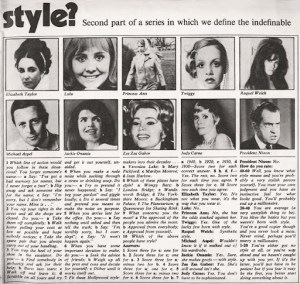

I must say that while, for the most part, she does talk a lot of sense, I’m not quite sure I agree with her statement about not wearing a chiffon dress to the grocers. I think those kinds of big, bizarre statements can often indicate a very stylish person. Thinking for yourself and going against the grain of expectation and convention.

It’s certainly a vastly different outlook from the ones usually spouted by male designers (like Ossie himself or the fabulous John Bates), coming from the perspective of being a woman. But I think she sounds rather curiously conservative, actually, and I prefer a balance between her ideas and the more extravagant ‘wear what you want, surprise people!’ mentality of the male designer.

I’d be very interested to hear what you all think. Ultimately though, ‘style’ is totally indefinable and to ‘be stylish’ in most people’s eyes often seems rather dull to me.

John Bates = Happiness

grace coddington, jean varon, john bates, mod, moss crepe, personal collection, sixties, twiggy

You may (or may not…where have you been hiding??) know of my love for the work of John Bates. He’s a pretty important designer to me, and [via The Avengers and subsequent research] is a big part of why I have gone down this career path. I’ve met him twice and he has also, more recently, completely unwittingly and indirectly changed another part of my life. For which I’m very grateful, and which he will have no idea about.

Senti will be witness to the fact that I nearly fainted when I read what he had written in my copy of Richard Lester’s book about him. I had been wearing an early red chiffon Varon to the launch, and he wrote ‘Love the red chiffon and it fits perfectly!’. Perhaps that wouldn’t affect other, normal, people in the same way. But it was like a slice of heaven for me.
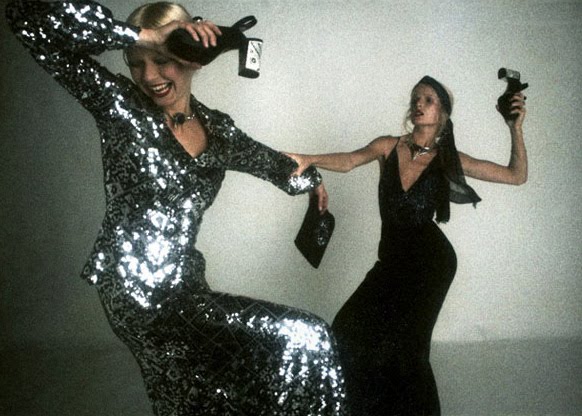
Lousy photo of a great dress.

Anyhoo. I don’t post a lot about my personal collection these days. To be honest with you, I’ve let go of a few things here and there. Other things need re-photographing. And several are still sitting in a no man’s land of ‘maybe I ought to sell this, really’. Hence I removed those sections from the website before I relaunched and haven’t reinstated them yet.

I am still trying to thin down the Bates collection. Which is hard. You can’t even imagine how much so. It’s easier to sell an Ossie, frankly, because I know I can get a fair market value for it. But Bates is still very ‘all over the place’ and I don’t want to gamble with such gorgeous frocks.

My plan is to have a comprehensive mid-Sixties array of his work. The varied, inspirational designs of his early years. Plus a decent selection of everything from then on, but minimalised greatly from what it has been. If I was having any doubts about this idea, they were swiftly removed by my most recent acquisition.

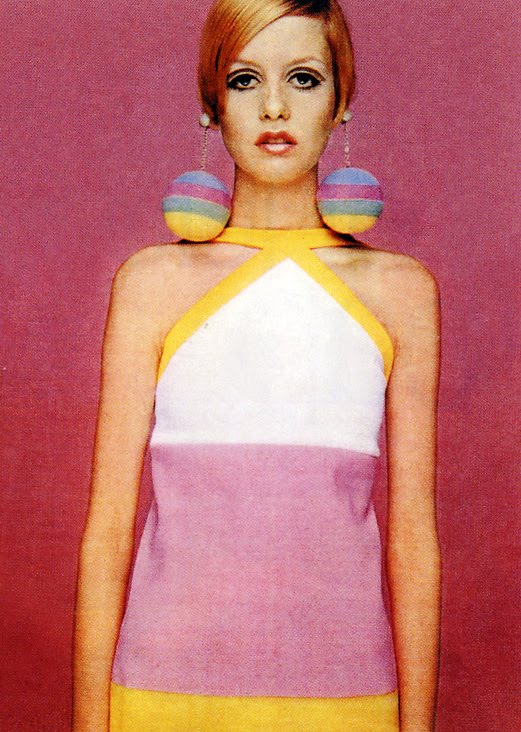
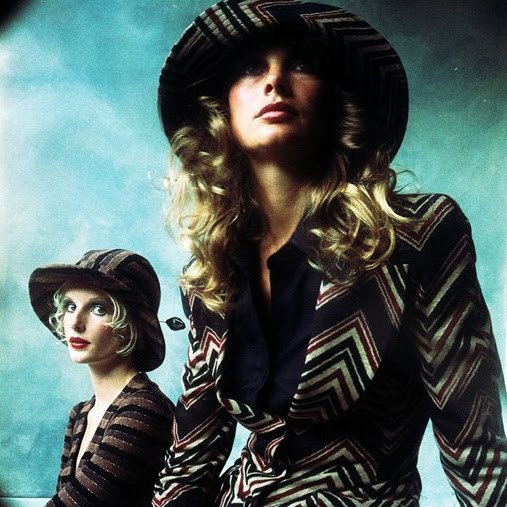
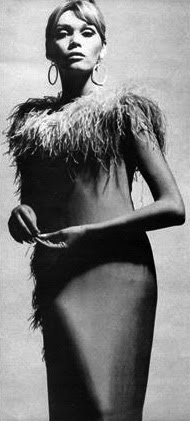
The really good, really early and representative Bateses don’t turn up very often. And you often forget that, for example, you’ve personally never seen an example of his panelled crepe work turn up. Or a dress with laced panels (which I also acquired last year, and need to photograph, sorry!). I’m very lucky to own a PVC example, and a dress with foil trim – those are pretty scarce as well. I love this dress. Passionately. I can’t find a direct photographed example, but it’s got to be from the same year as the Twiggy and Grace Coddington photos (below and at the top of the post).

Yes indeed. This dress makes me very happy.

Veruschka: A re-think

1970s, menswear, sexy couples, sunday times magazine, Tonik, veruschka, Vintage Adverts

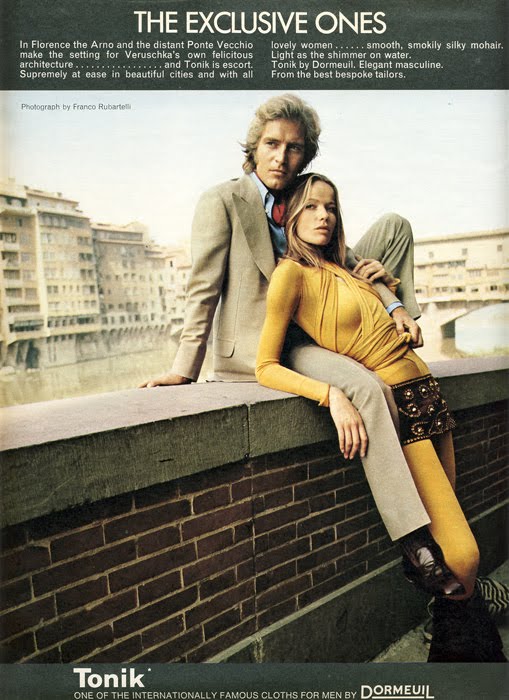
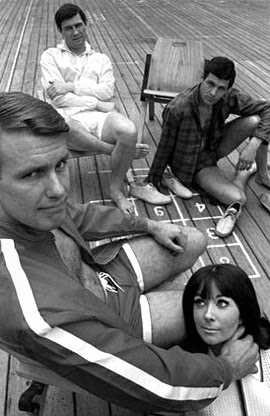
She’s starting to grow on me; I think it’s jawline empathy or something. Sexy guy; very well dressed, as well. I think there was a series of these, and I will scan more if I find them again.

From The Sunday Times Magazine, February 21st 1971

More fashion etiquette to break

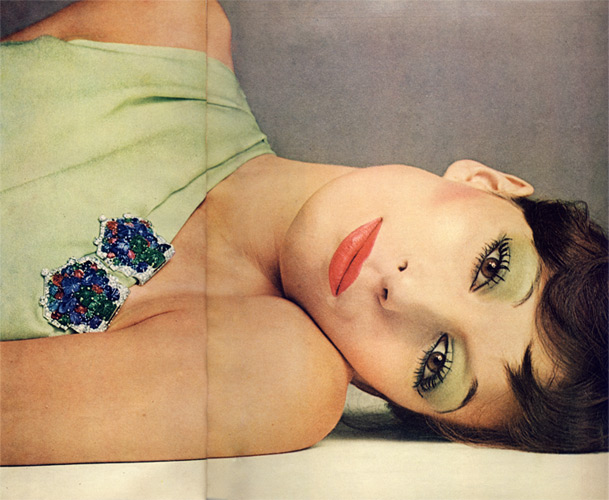
gala, Inspirational Images, Make-up, seventies fashion, underwear, Vogue
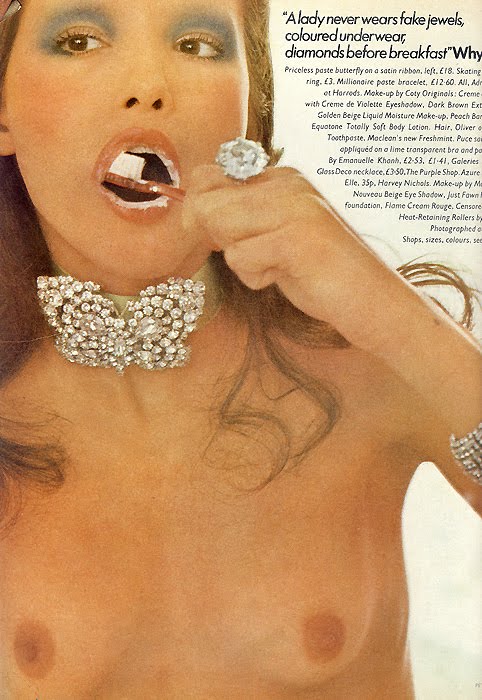
A lady never wears fake jewels, coloured underwear, diamonds before breakfast


Amazing images, ludicrous etiquette I’m happy to be breaking on a regular basis, clothes I want desperately. Ahhhh……it has to be more from Vogue, June 1971.

It is in bad taste to dress extravagantly or showily with people who are all plainly dressed.

Pencil them in, pencil them thin

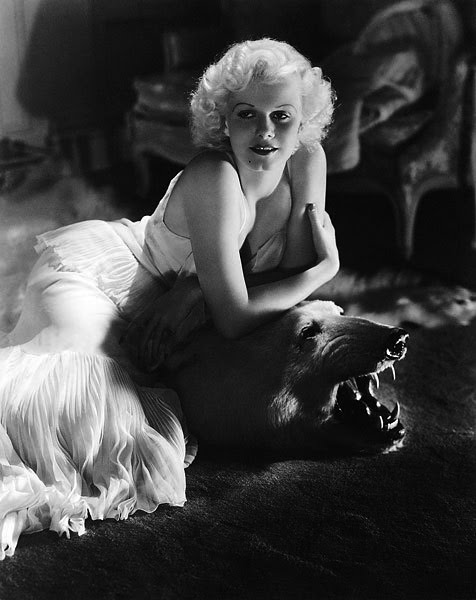
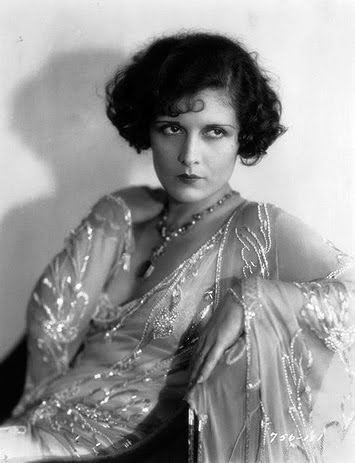
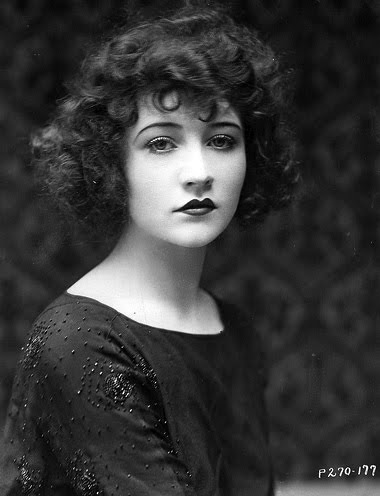
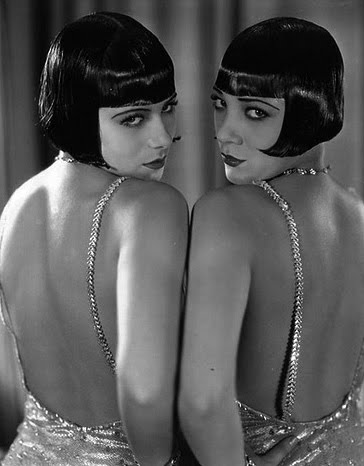
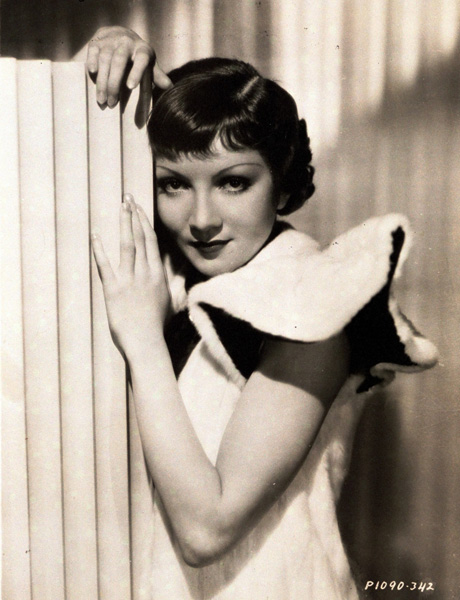
anjelica huston, claudette colbert, greta garbo, jean harlow, lynsey de paul, marlene dietrich


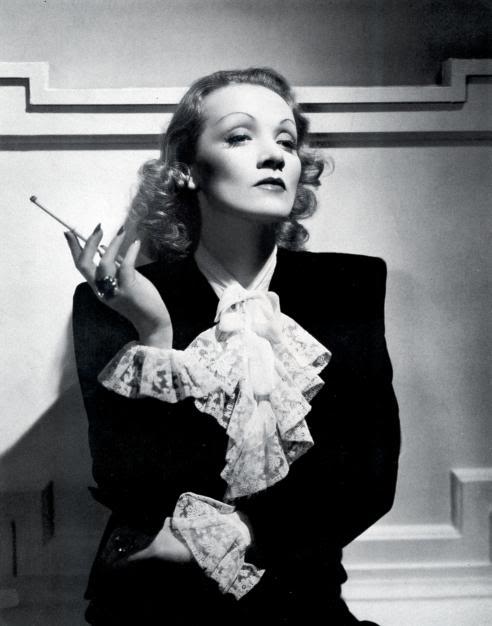
Sadly, I have no choice. I was not blessed with luxuriant, Audrey Hepburn-style eyebrows. Mine have always been sparse, so I have to choose my eyebrow heroines with this in mind. I rarely go to such extremes as shown here, but I do have to tame the few stragglers and pencil them in a bit. It’s a bit strange to have such thick dark hair on your head, then have the eyebrows of a mousey-person. Sigh.

Duffy

brian duffy, diana rigg, jane birkin, jean shrimpton, seventies fashion, sixties, terence stamp
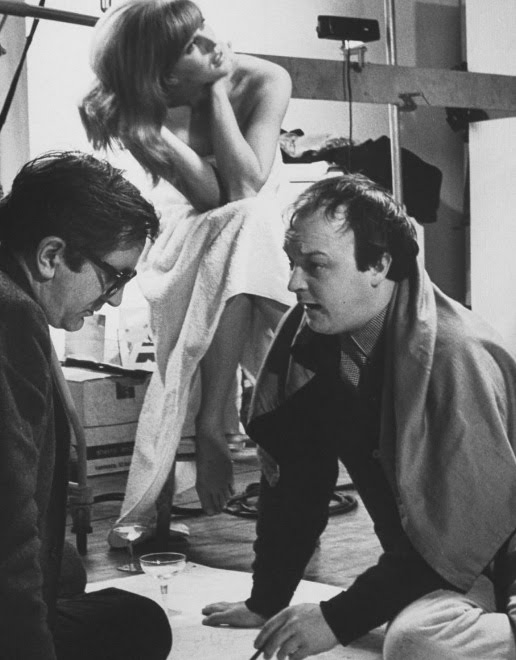
Len Deighton, Paulene Stone and Brian Duffy


No, not the irritating, Diet Coke-advertising, singer. I mean Brian Duffy, swinging Sixties photographer and film producer (Only When I Laugh and Oh! What a Lovely War) who attempted to burn all his negatives in his back garden in 1979 when he had decided to quit the industry (David Bailey once quipped that, had he known Duffy was attempting this, he would have come along and helped him). I managed to see the exhibition at the Chris Beetles gallery just before it closed, and now I spy a documentary on BBC4 about the man himself. Wednesday at 9pm, for those lucky Brits who can view it. I’m sure, like most things, it will end up on Youtube or somesuch eventually for our international friends.


Happy New Lear

amanda lear, picture spam, seventies fashion

Hope you all had the New Year celebration appropriate to you? Me personally, I’m no fan of the let’s-spend-lots-of-money-celebrating-a-totally-arbitrary-day-or-risk-feeling-like-a-failure clubbing/party scenario (unless it’s a very select group of good friends, which is kinda difficult when they’re all flung so far and wide and I’m usually working over the period anyway) so I had a lovely time snuggled up with a bottle of champagne, a special person and a wonderful view of other people’s fireworks. It’s been a strange old year, 2009, and I’m not sad to see the arse end of it. Although some lovely things did come out of it, and I’m looking forward to the new decade (‘tho I’d have been a bit happier if it had ticked over from 2009 into 1967…..but perhaps one day I’ll get my wish.)

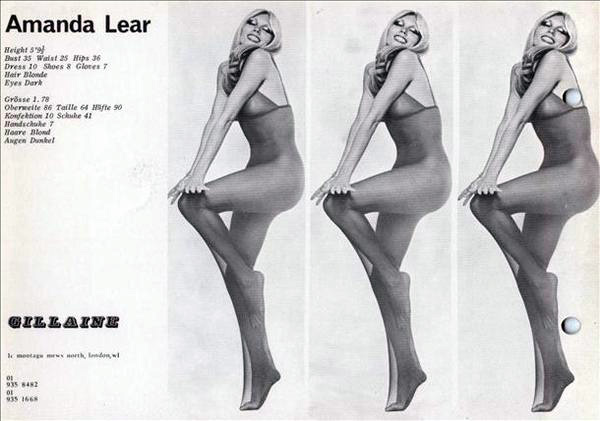
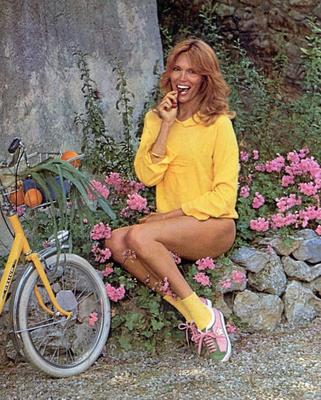
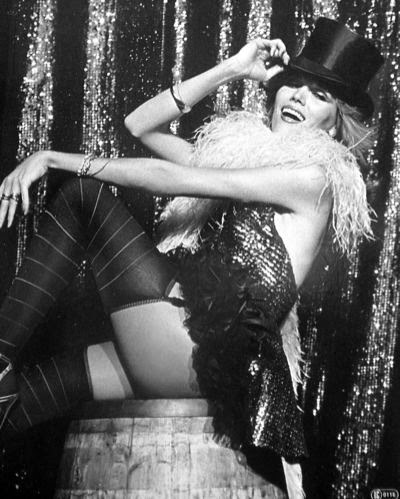
So in view of my total antipathy towards the perceived importance of one year turning into another, I am declaring January 8th to be a very Happy New Lear! Amanda Lear. Yes, everyone’s favourite is he, isn’t she? Who cares anyway? She was one very stylish, sexy and toothsome lady and I feel like posting some pictures of her.


plus the obligatory ‘Out with Moonie’ photo….


Made in England

book reviews, Foale and Tuffin, iain r. webb, james wedge, jean shrimpton, jenny boyd, john bates, marit allen, sixties

I was lucky enough to be able to attend ‘In conversation with Iain R. Webb’ at the Fashion and Textile Museum last week, in my inadvertent and faintly ridiculous new capacity as fashion book groupie. Iain is the kind of person who completely awes me into silence with his knowledge and experience, so it was nice to be able to just take a seat and listen to him for an hour or so – without feeling like a chump for being awed into silence.

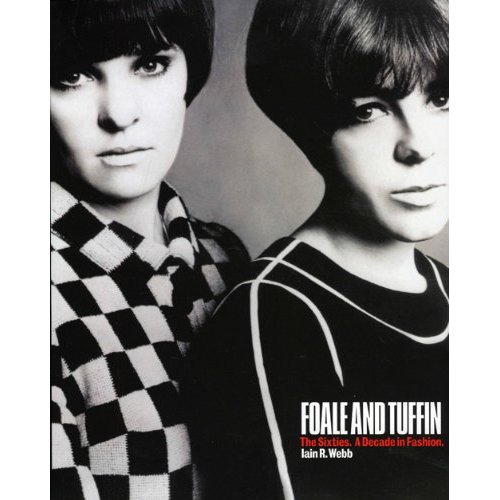
If you don’t already have a copy of Foale and Tuffin, then why on earth not? Put it on your Christmas list! Buy yourself one as a treat! Hunt me down and steal my copy! I’ll whack you over the head with my copy of Arthur Marwick’s The Sixties (a nice, hefty tome which would be perfect for book-stealing blog-readers) but I’ll forgive you eventually.

When I first heard they were actually planning to do a book on those fabulous ladies, AND an exhibition, I nearly squealed in delight. I may actually have done so, but I was in a room with John Bates so there’s not a lot I can remember from that night (if you want to put me on mute, lock me in a room with John Bates and Iain R. Webb and you won’t hear a squeak out of me).

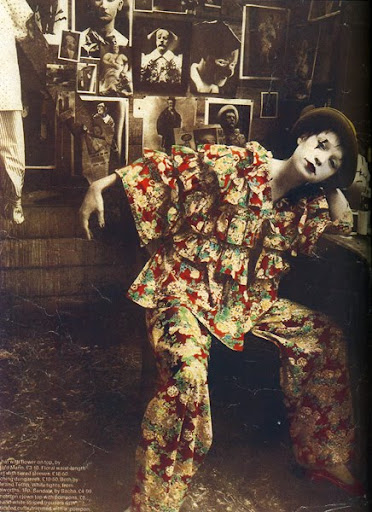
My dream Foale and Tuffin outfit. Photographed by the incredible James Wedge.


The book doesn’t disappoint. As I have heard many people saying, not least those behind the project, the most appealing thing about it is that it isn’t a simple biography of two people. It’s like a window into their friendship coupled with a luxury chocolate box selection of Important People who, cumulatively, give a valuable insight into a most intriguing and endlessly inspiring period in history.

You often come away from fashion books with a strong sense of one person’s life. One person’s view of a cultural revolution. Often you can barely find mention of other designers within its pages; throwaway references to models, movers and shakers and maybe the odd two line quote. But here, in Foale and Tuffin, you have small essays created from interviews with the likes of Jean Shrimpton, Jenny Boyd, James Wedge, Marit Allen, Molly Parkin….oh I can’t even prioritize them, they’re all so important. It’s like a proper documentary in book form. In fact, I’d be a very happy bunny if they had been able to produce this as a ‘Beyond Biba’ style film.

In between the photos and essays, there are excerpts from Webb’s interviews with the gals. Much like the Ossie Clark and John Bates books before it, you’ll probably flick through it a few times just to ogle the amazing photos and barely take in any of the detail. But eventually you’ll find a window of time, when you can snuggle down and ‘listen’ to Marion and Sally nattering away. I’ve had the good fortune to have witnessed this a couple of times in person (although only tiny vignettes of F&T-ness, really) and have heard even more by proxy, so I’m delighted that an almighty natter with the girls has been recorded for posterity.

Why can’t more books be like this?

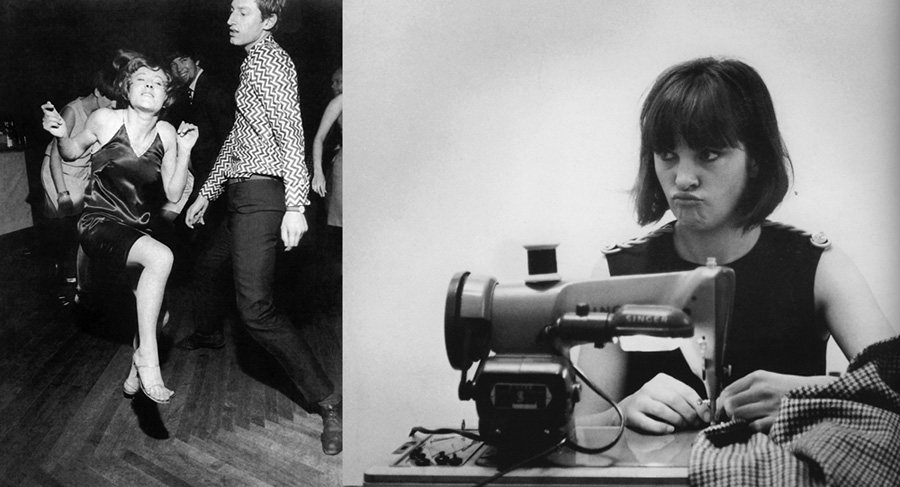
My two favourite candid photos of Sally and Marion from the book. I can definitely relate to Marion’s ‘Sewing Machine face’.