
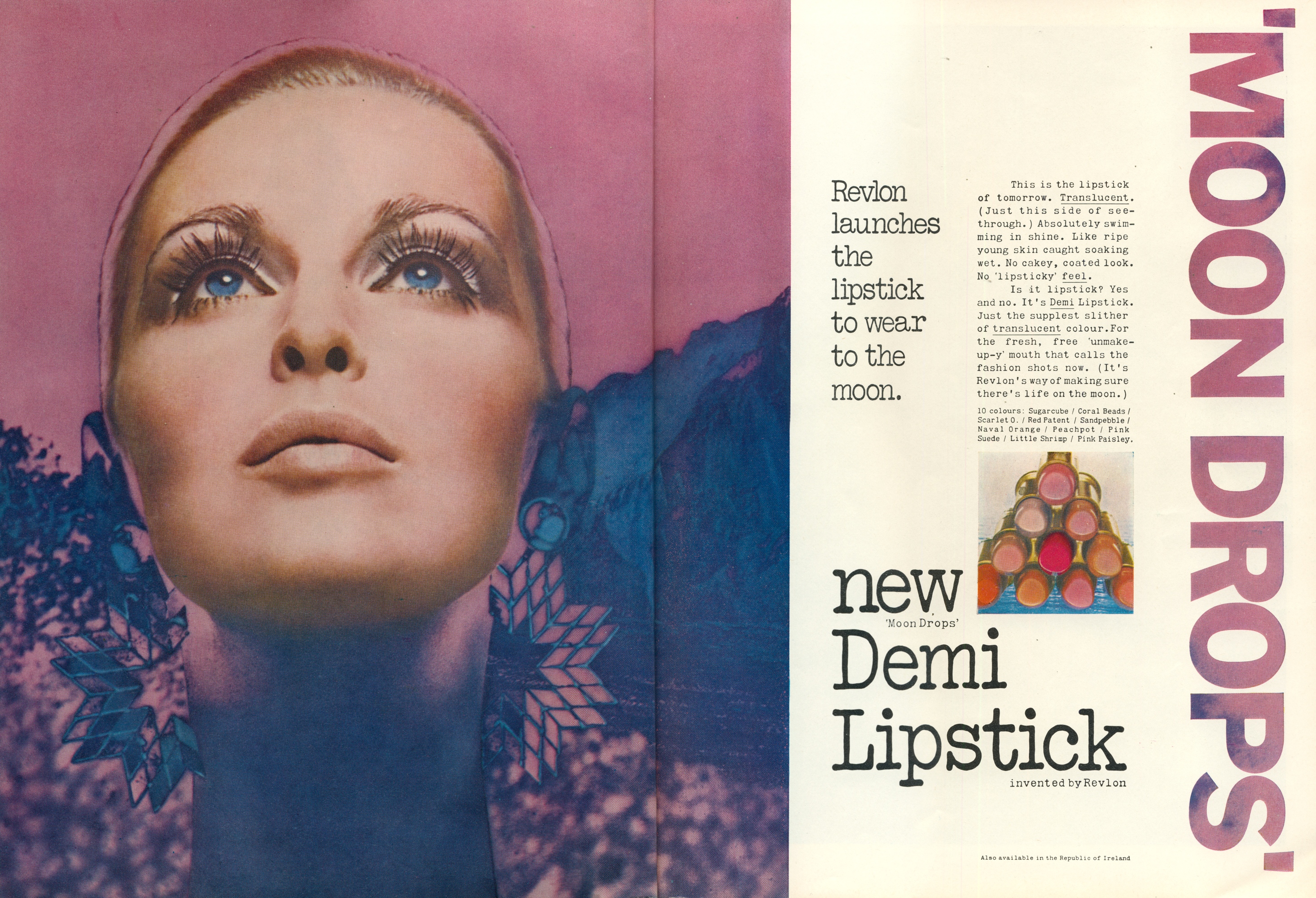
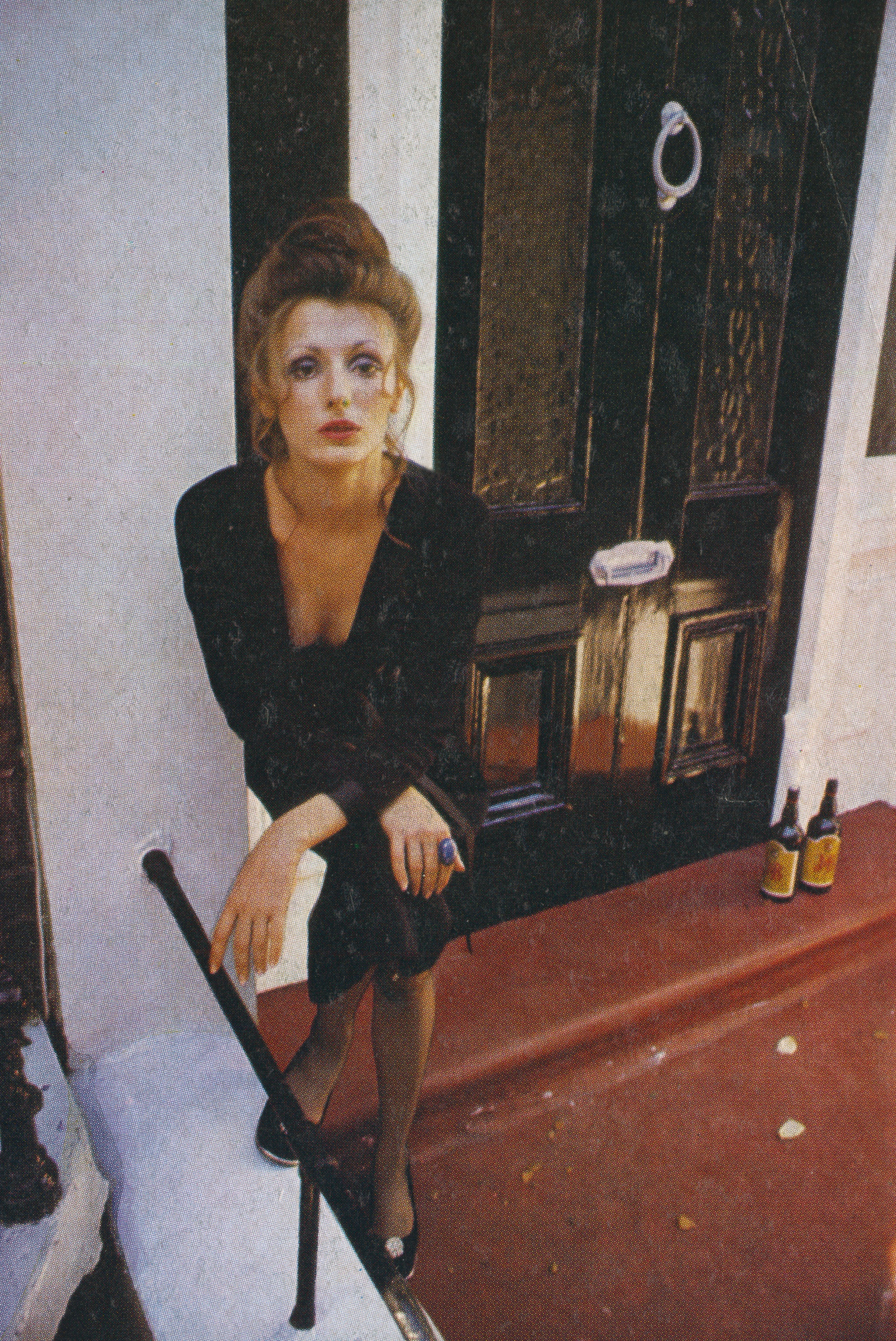
Scanned from Harpers Bazaar, October 1969.
Scanned from Harpers Bazaar, October 1969.
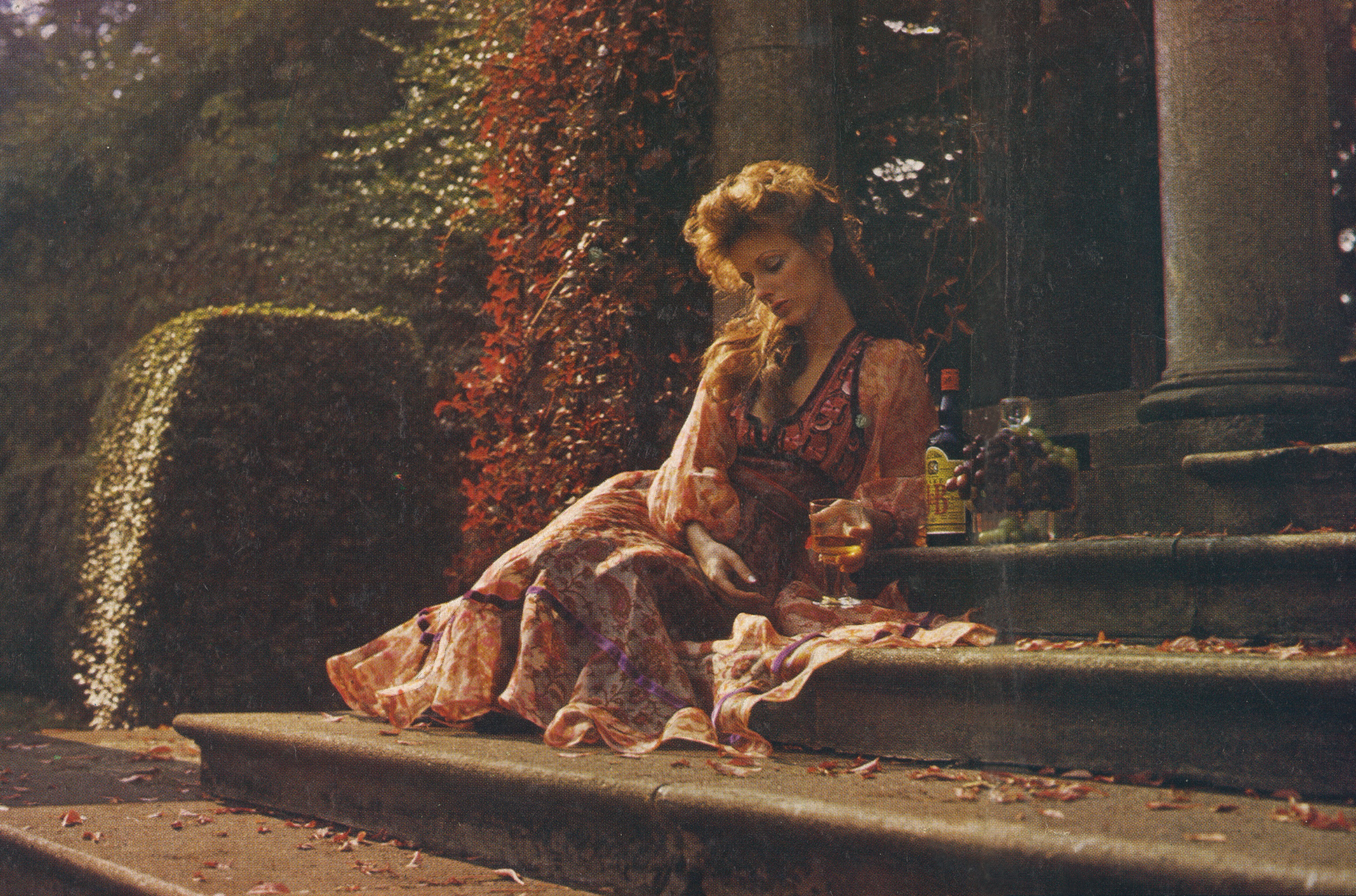
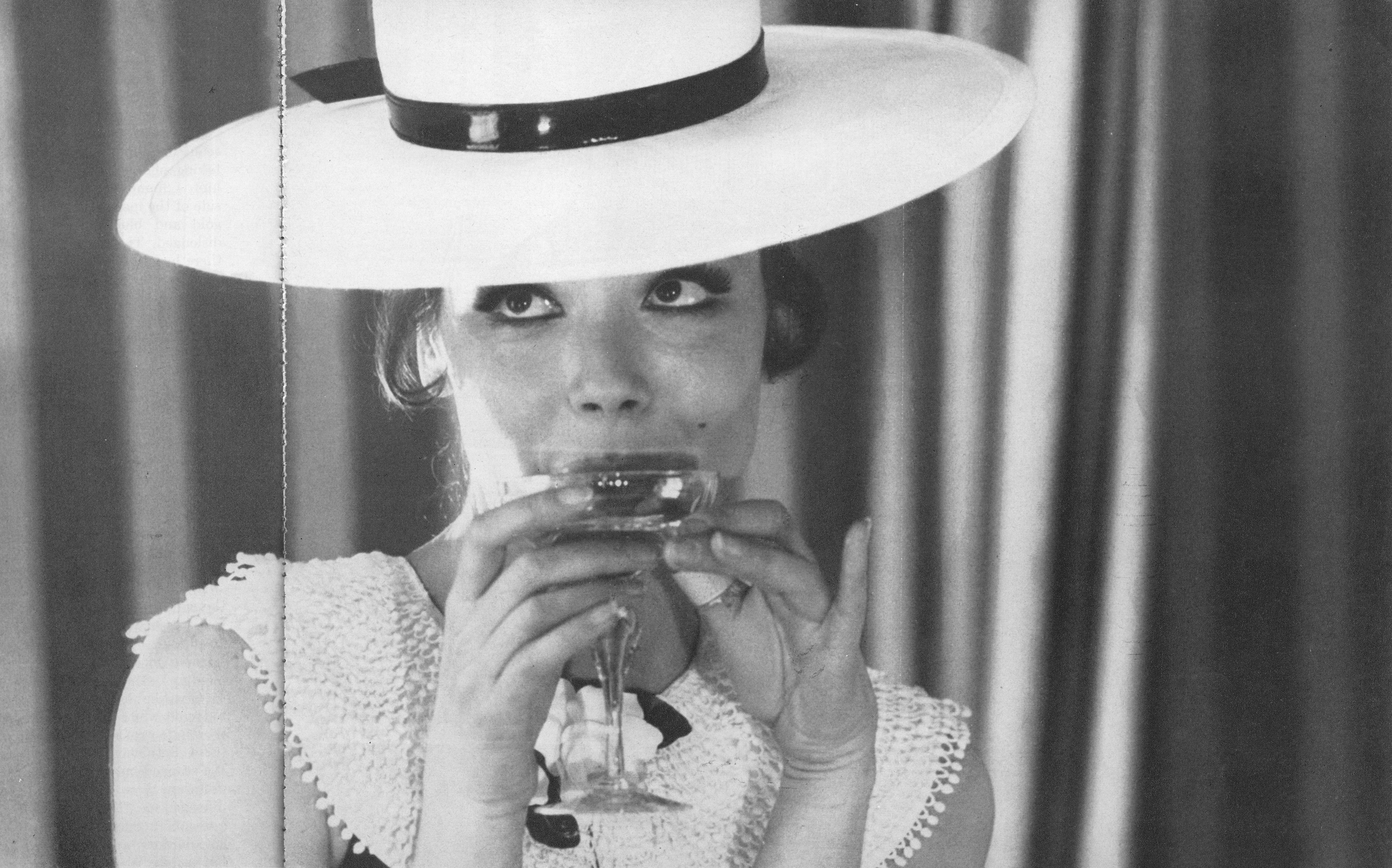
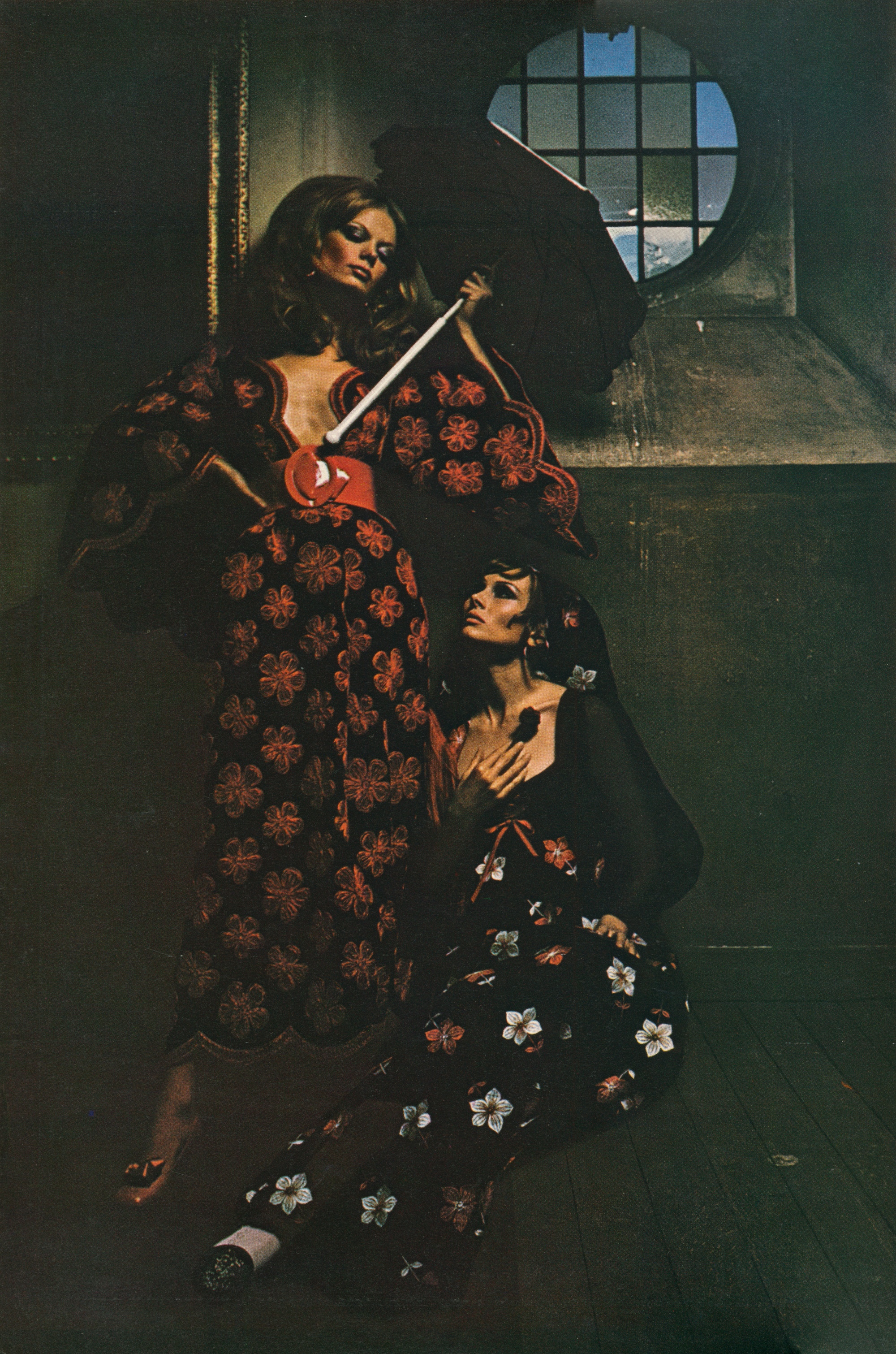
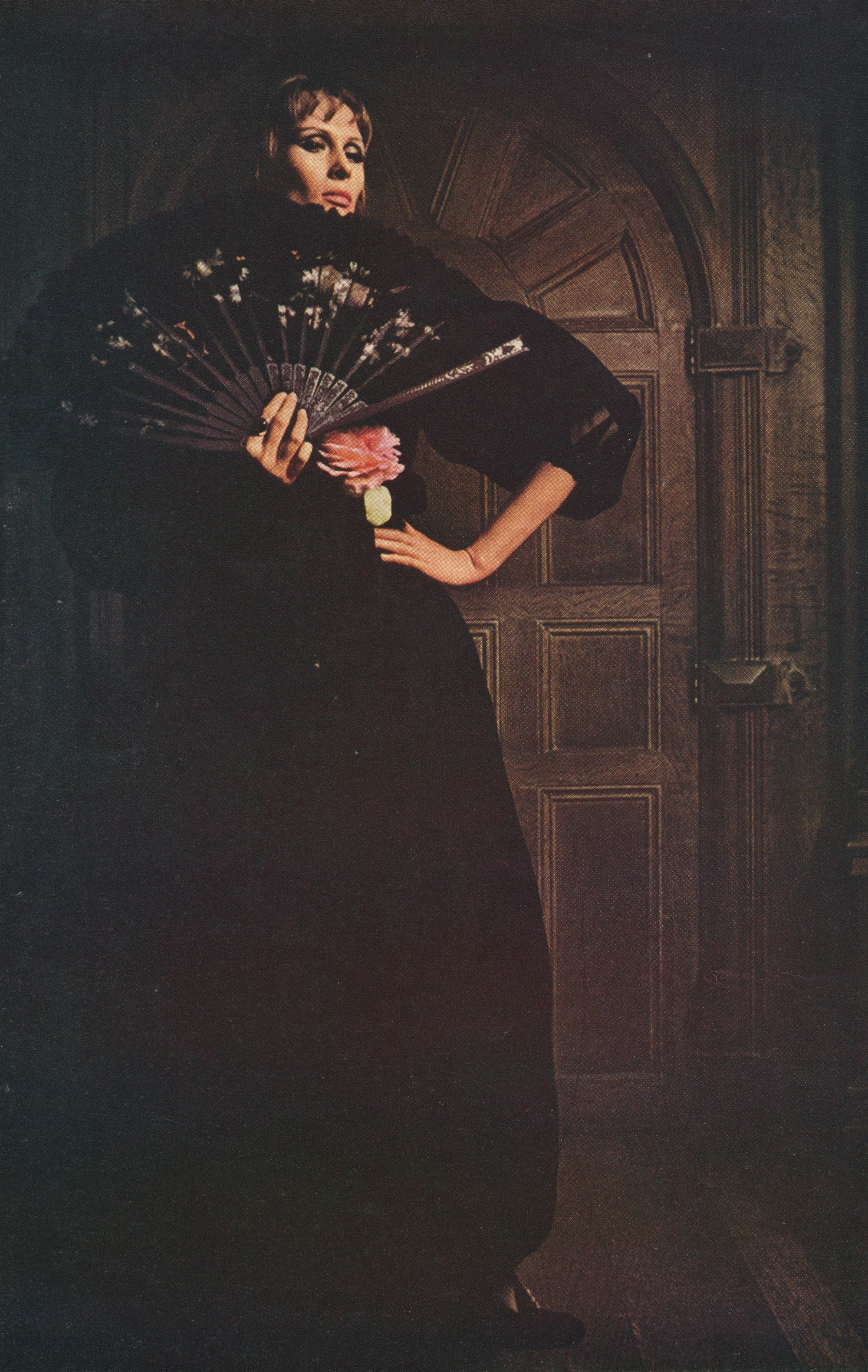
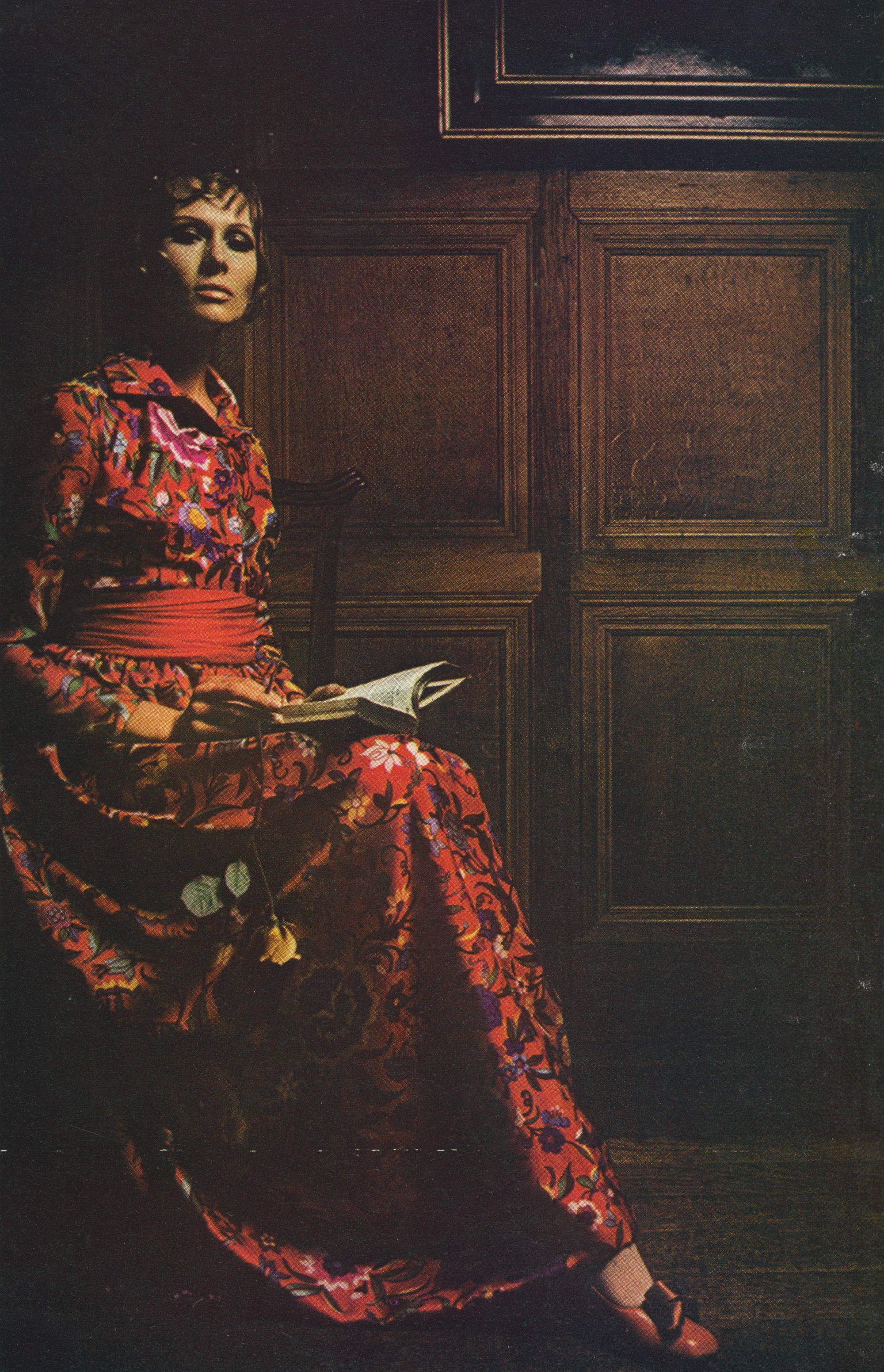
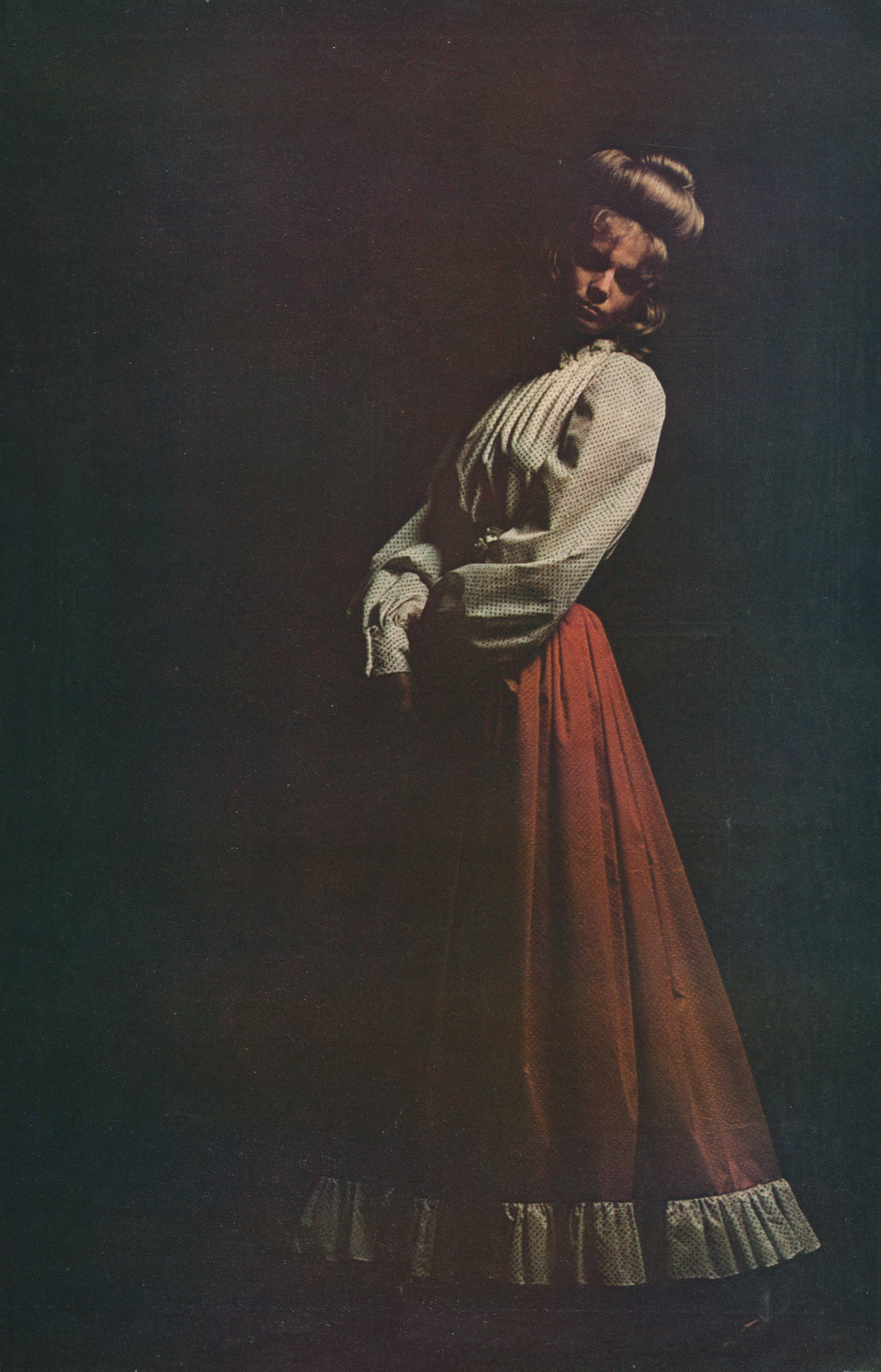
There were 2,554 entrants in the amateur photographic competition organised by J & B Rare Whisky and QUEEN. First prize was a fee-paid fashion assignment. The result was the photo finish above, by joint winners Jeanne Hendry (above) and N. Patrick Allen (below), who shared the prize-money and each received a case of J & B Rare.
Photographed by Jeanne Hendry and N. Patrick Allen.
Scanned from Queen, 12th-25th November 1969.


When I was little, my mum used to find old Sixties and Seventies girls annuals in charity shops for me to pore over. There are a few things from my early life I can pinpoint as how I became ‘me’ and my tendency towards pop culture from before I was born, and this feature on multiple ways to tie a scarf, modelled by Marianne Faithfull, was definitely one of them. Fortunately it didn’t, as I had feared, get thrown away and now I feel obliged to put it out there into the world.
Scanned from Girls World Annual, 1967.

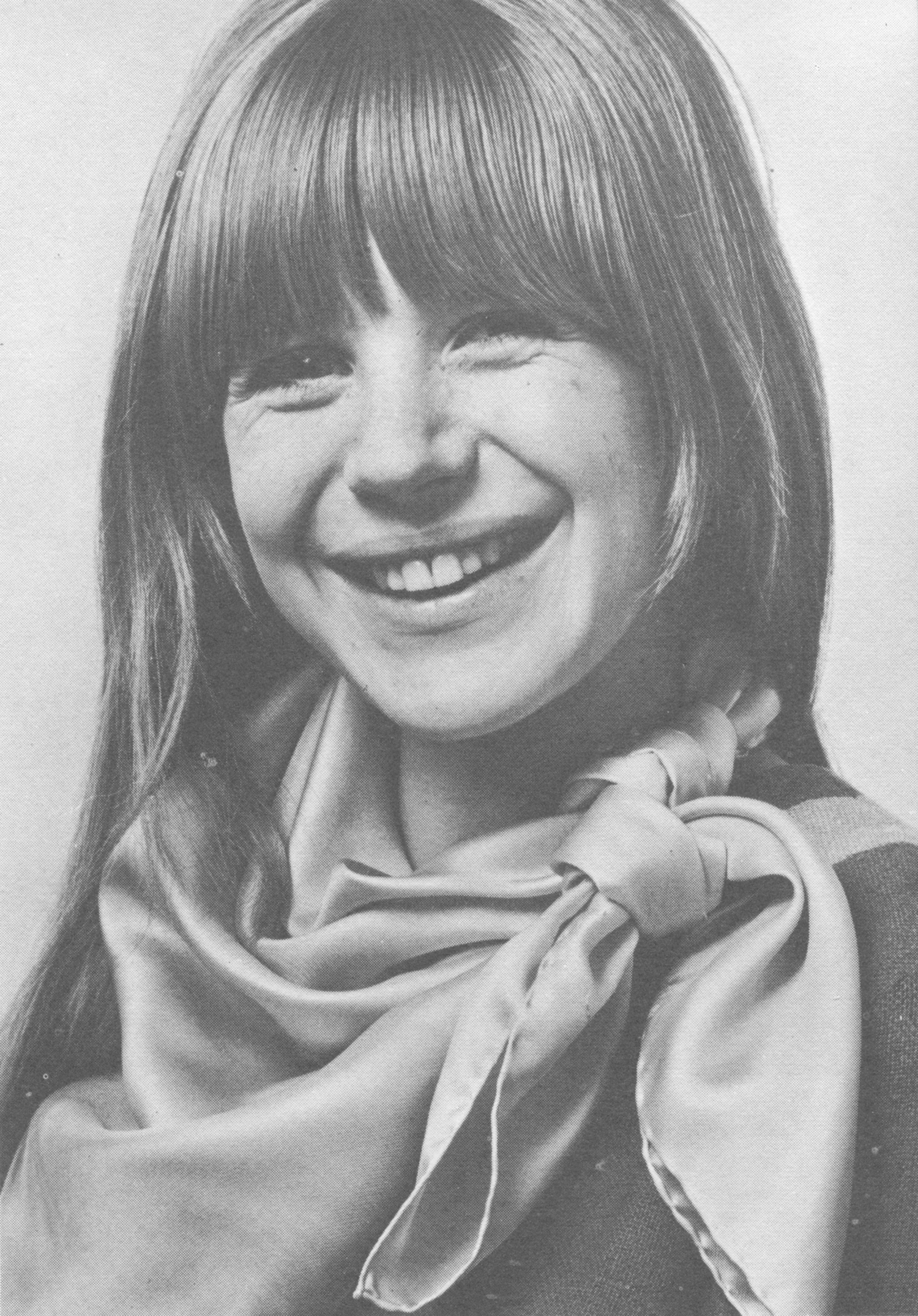

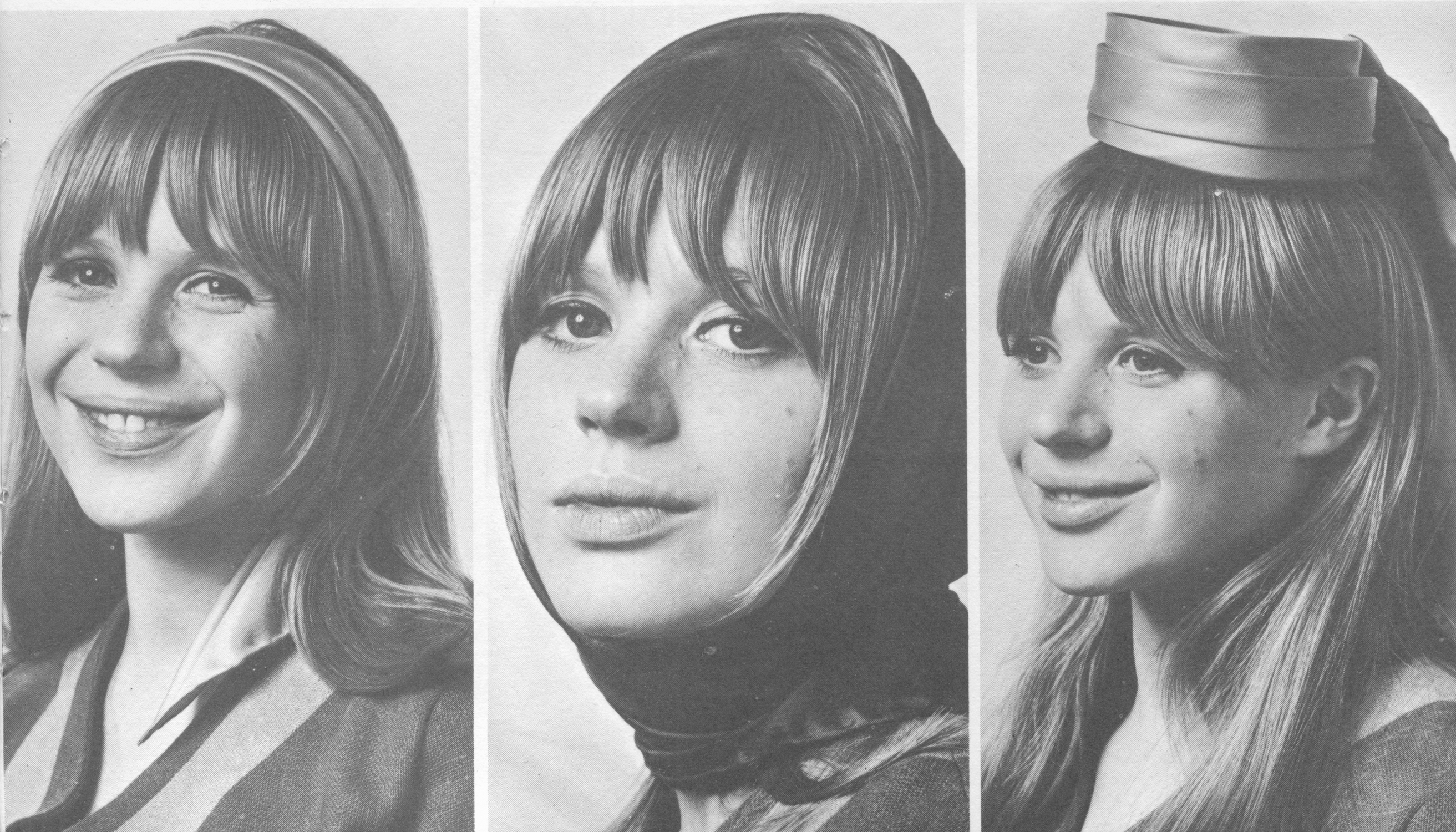
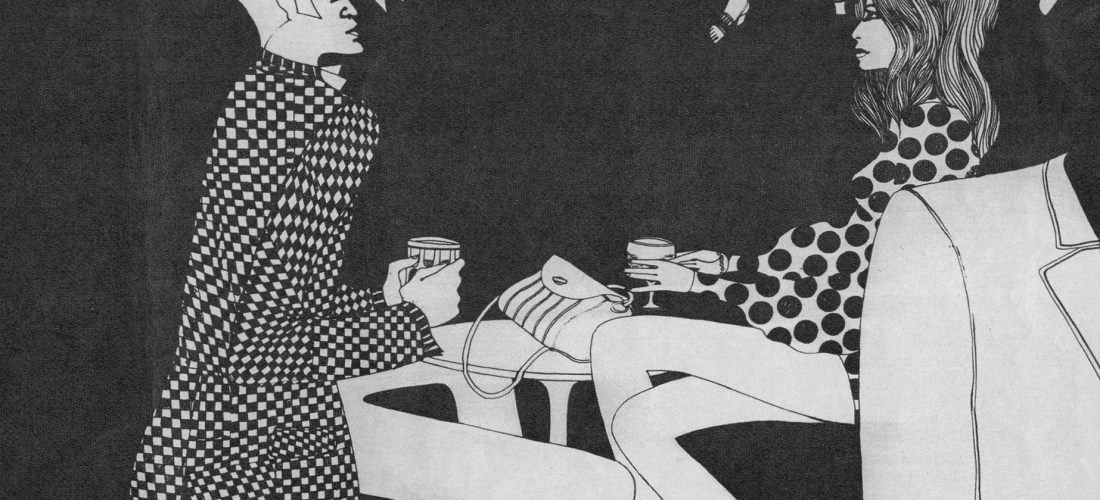

Illustration accompanying a short story titled ‘Only One Joe’.
Illustrated by Graham Rogers.
Scanned from Petticoat, 21st December 1968.
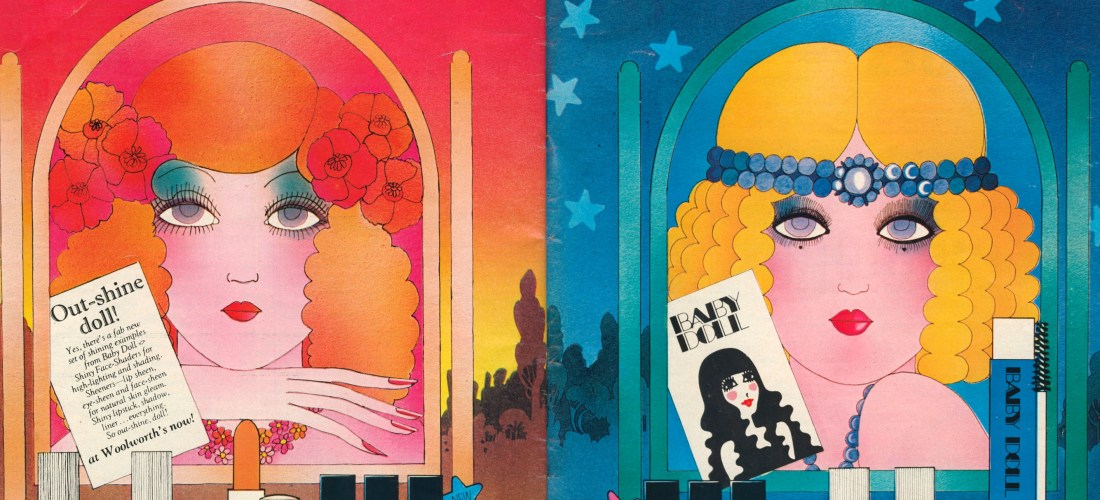
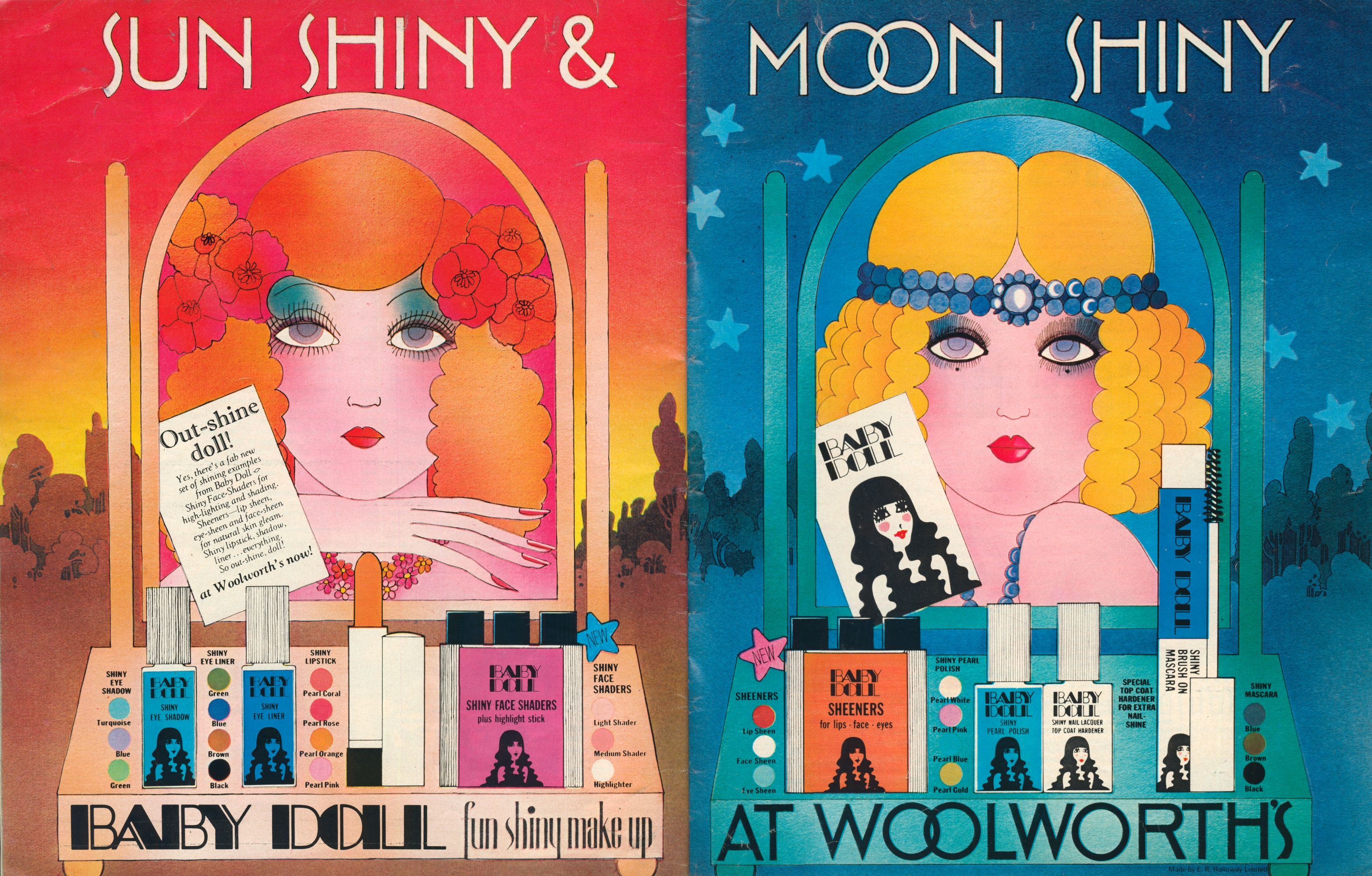
Illustrated by Caroline Smith.
Scanned from 19 Magazine, September 1968.
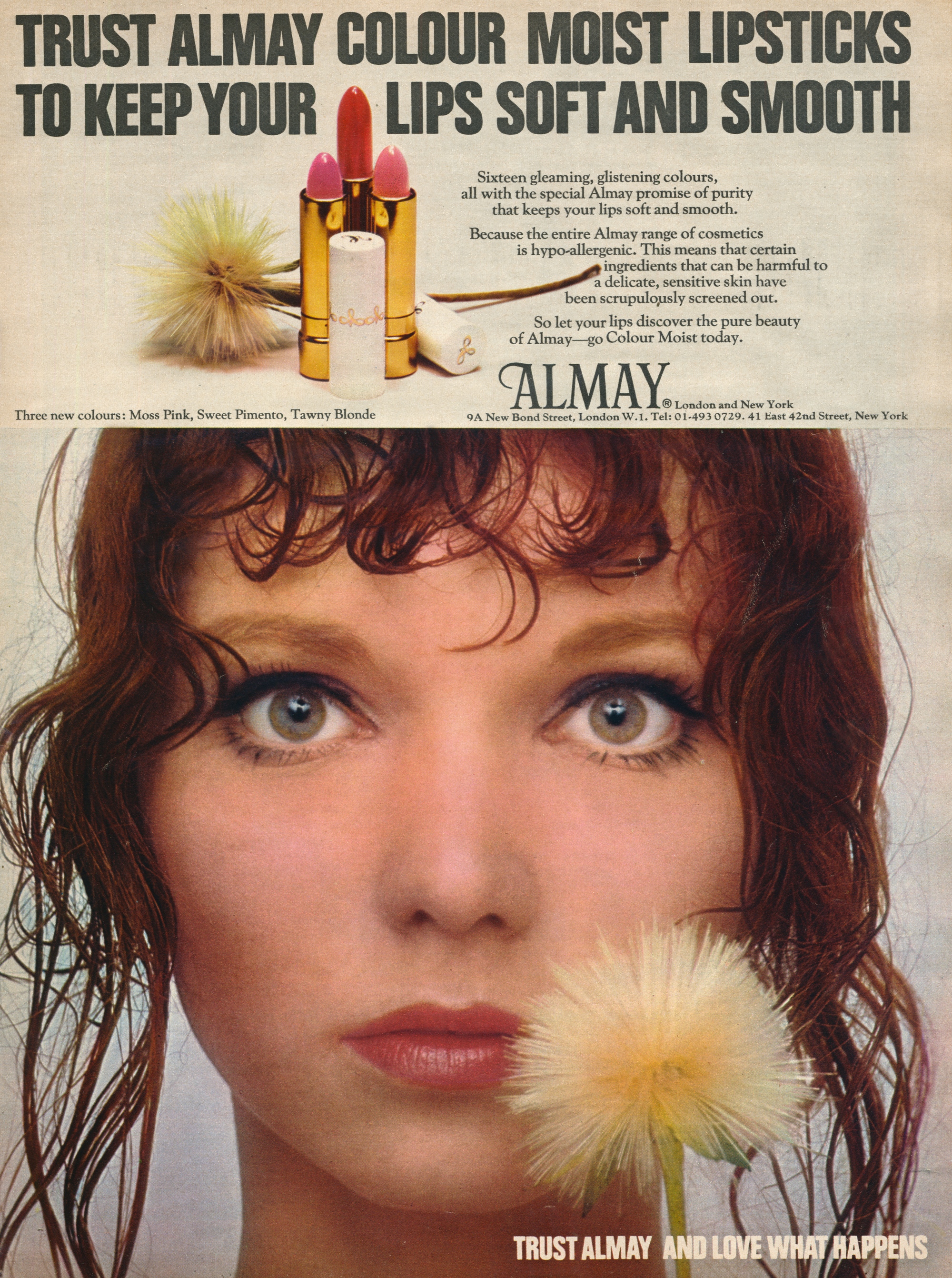
Scanned from Nova, June/July 1969.
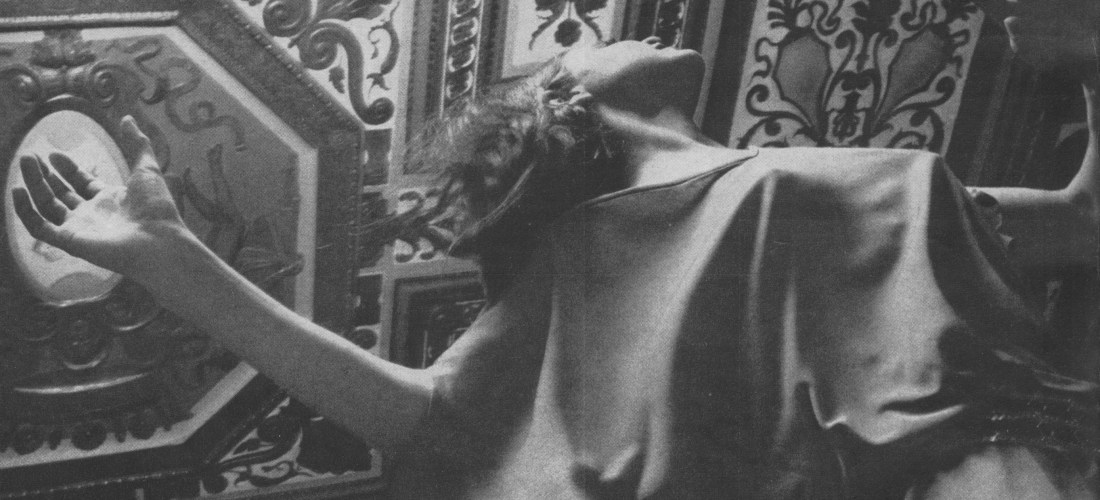
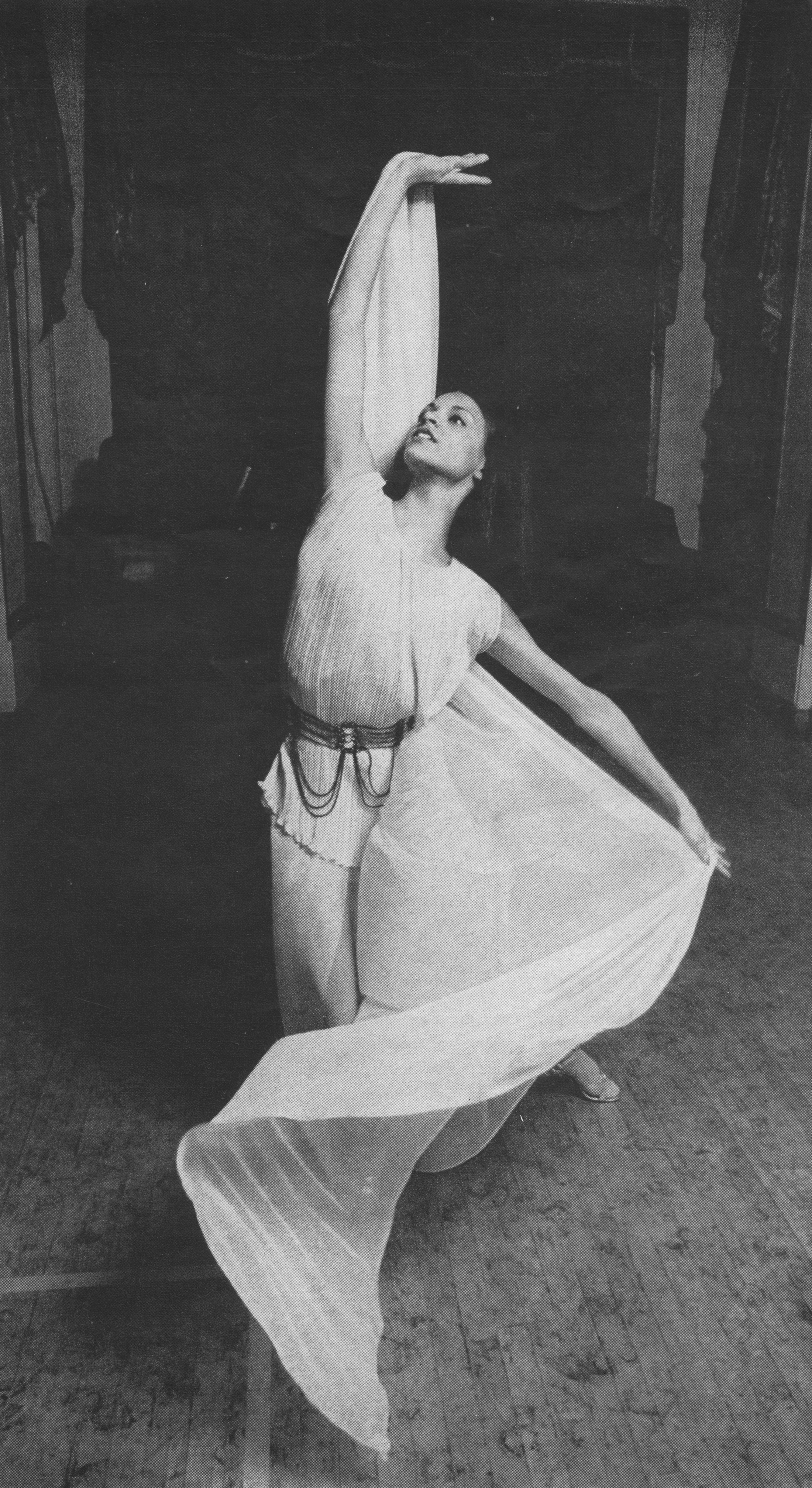
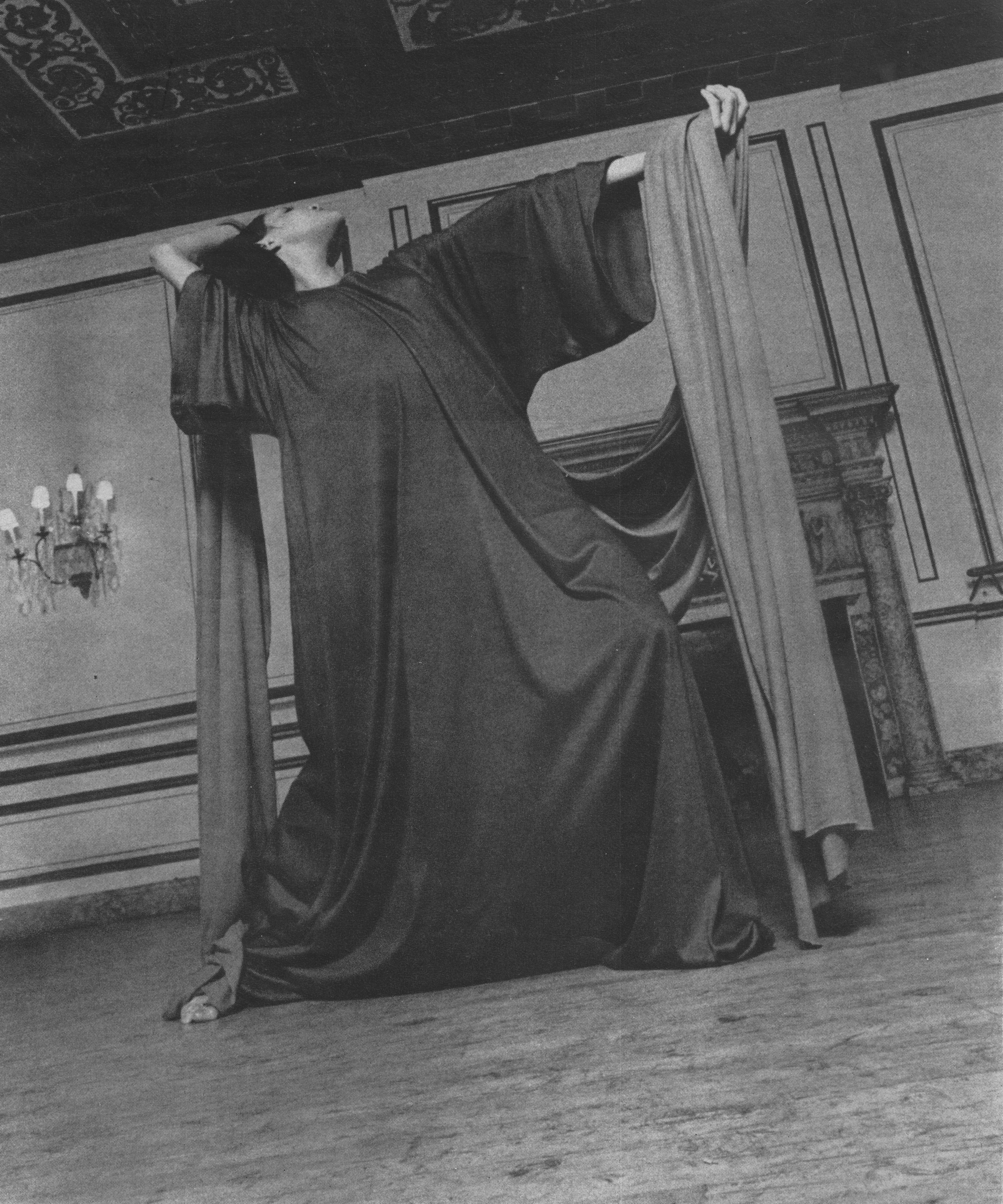
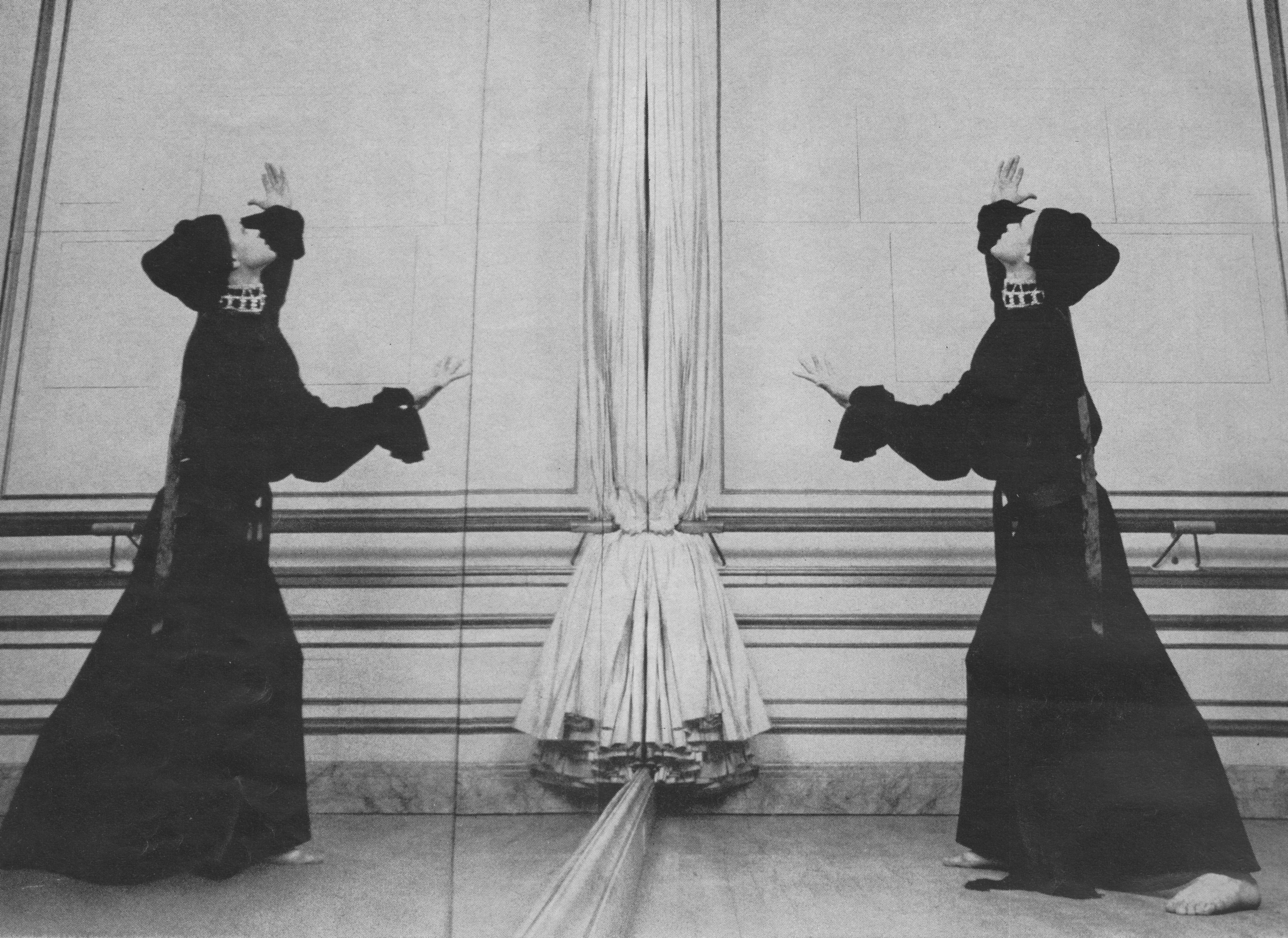
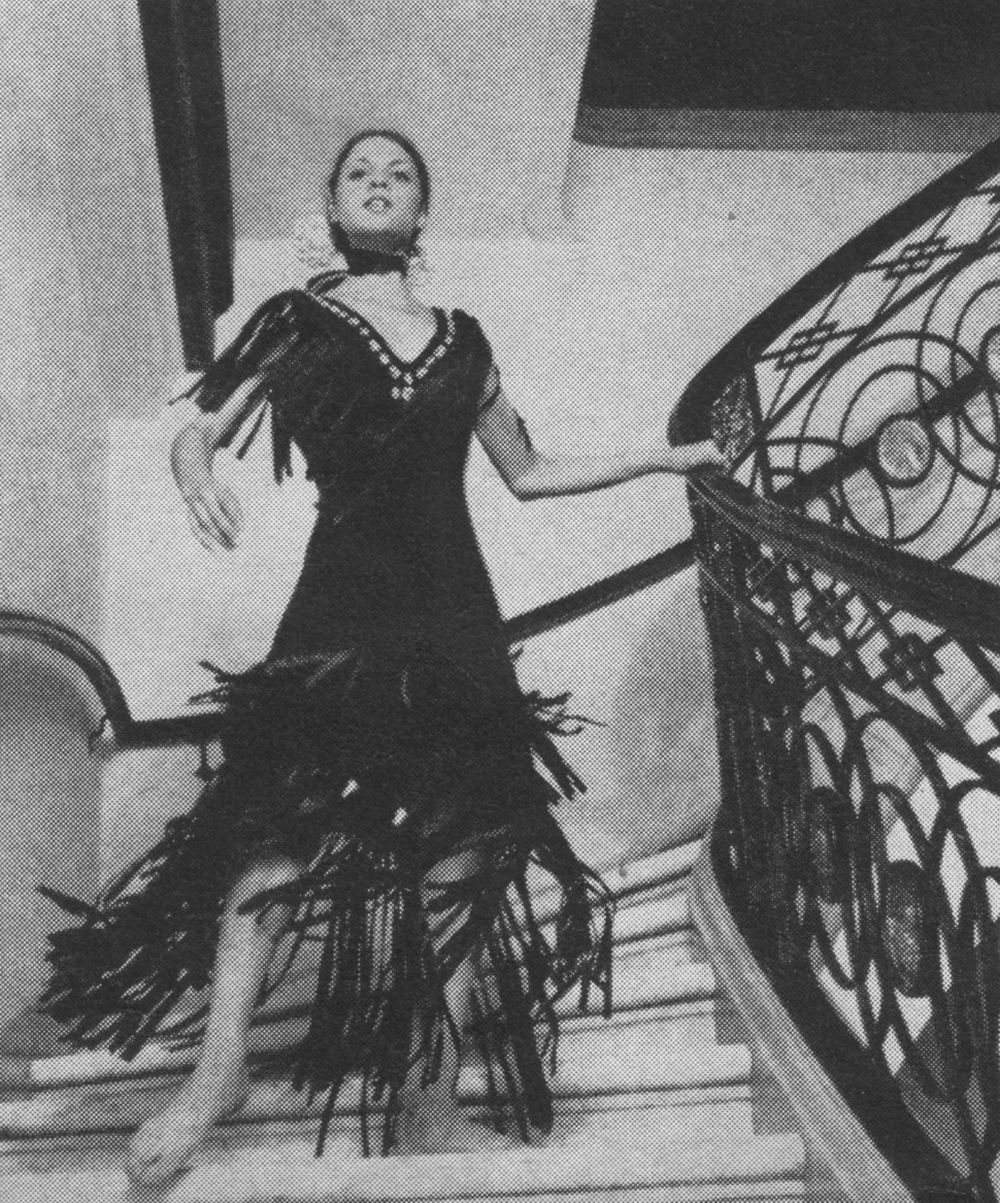
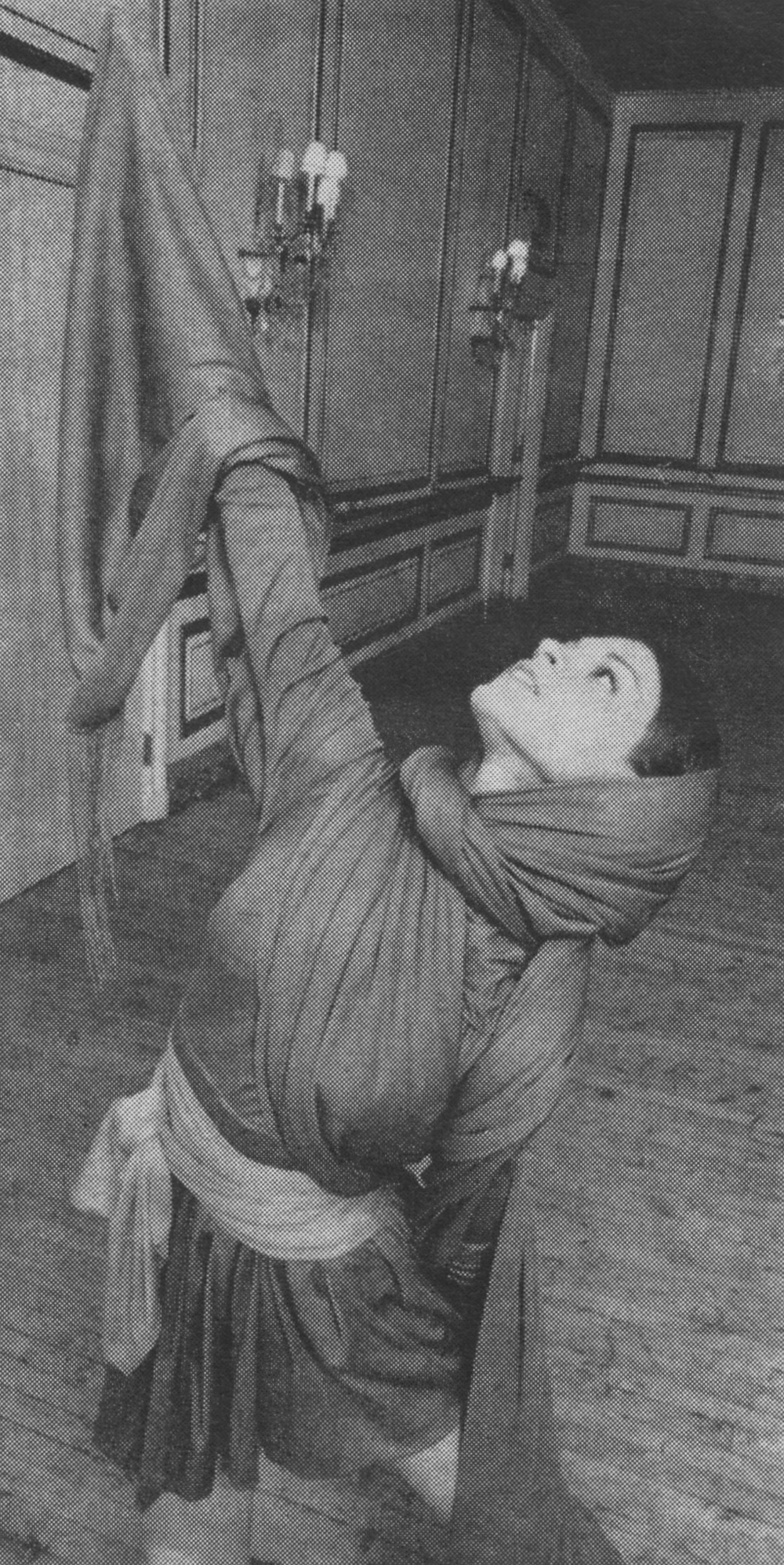
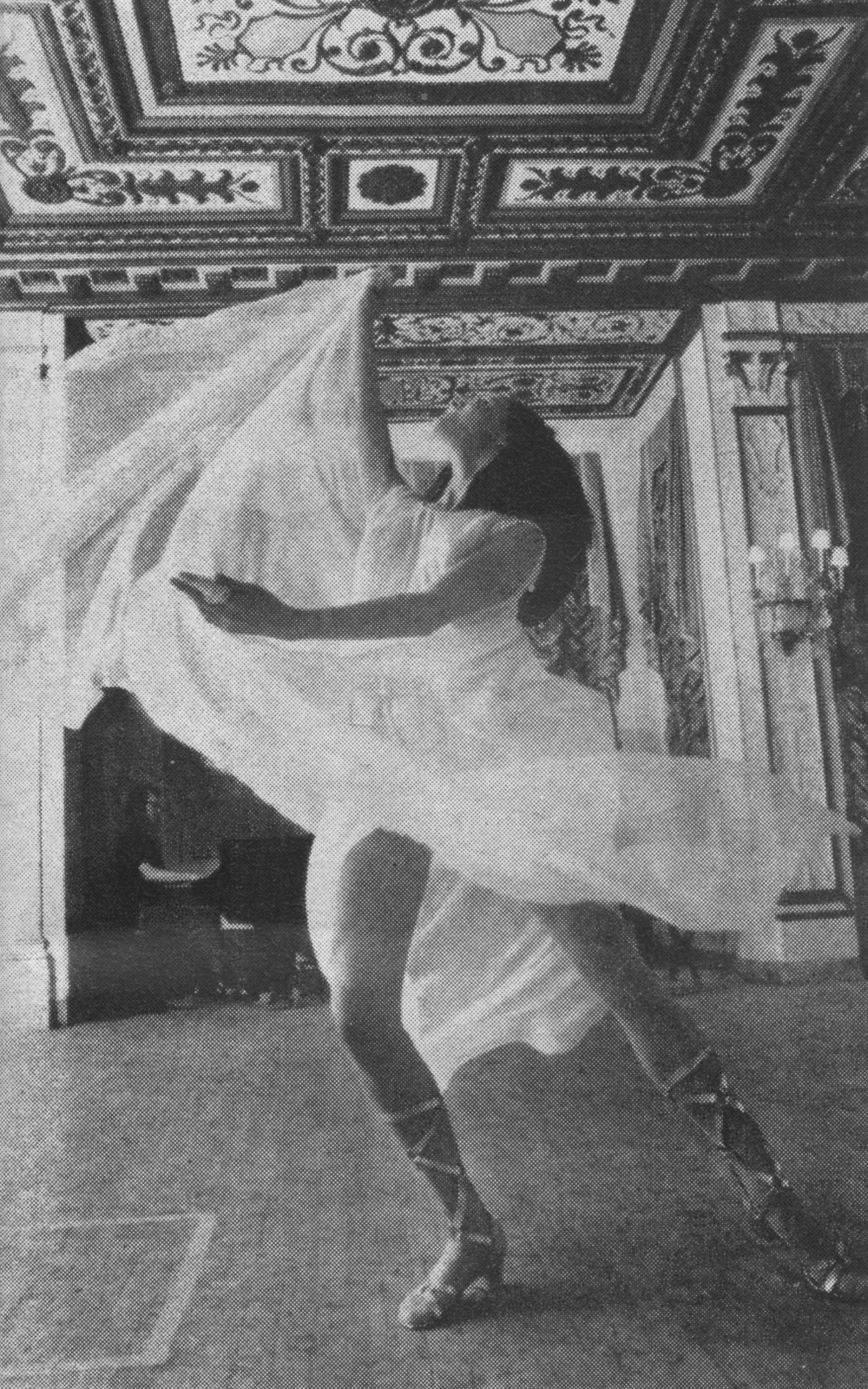
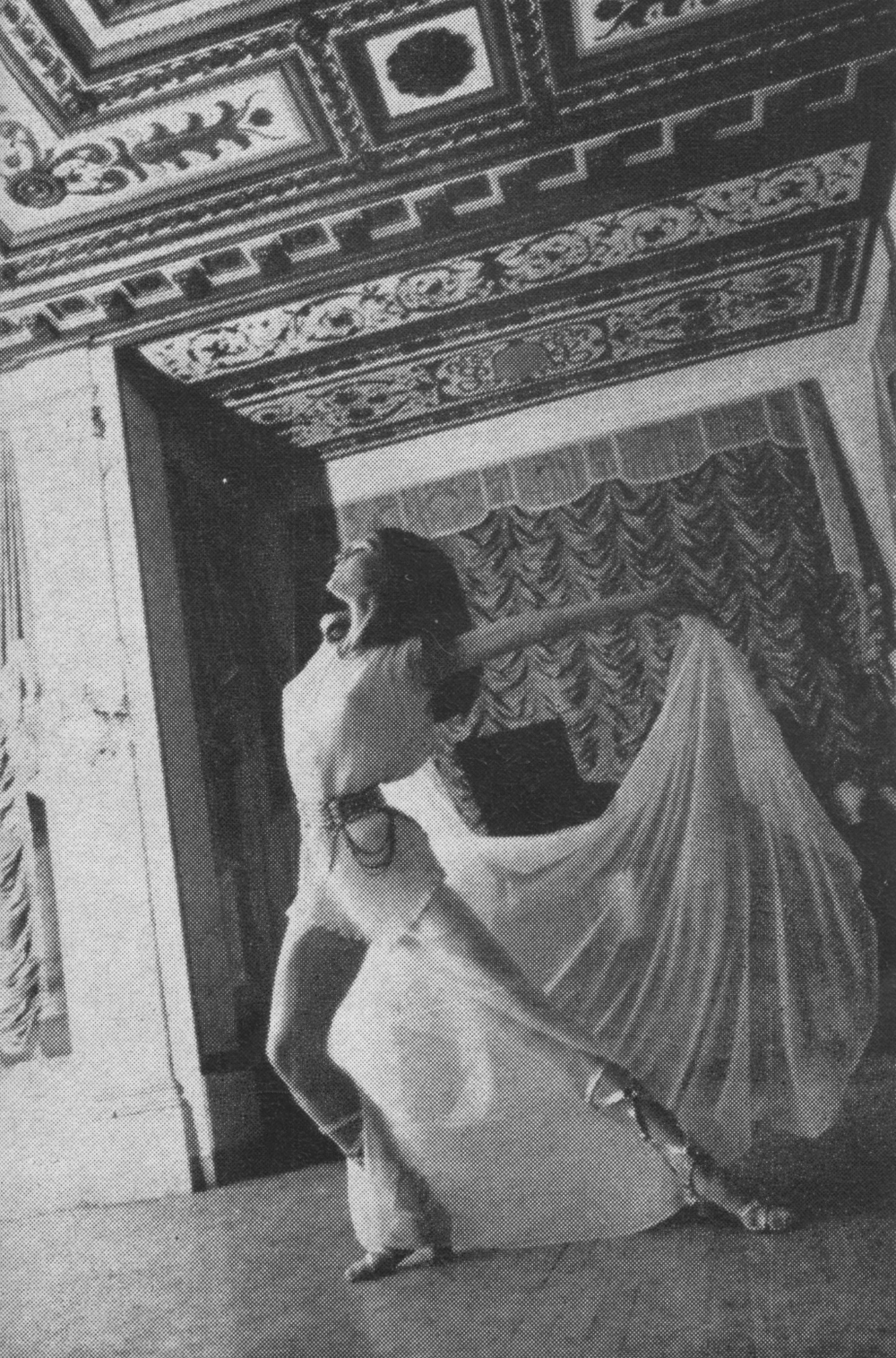
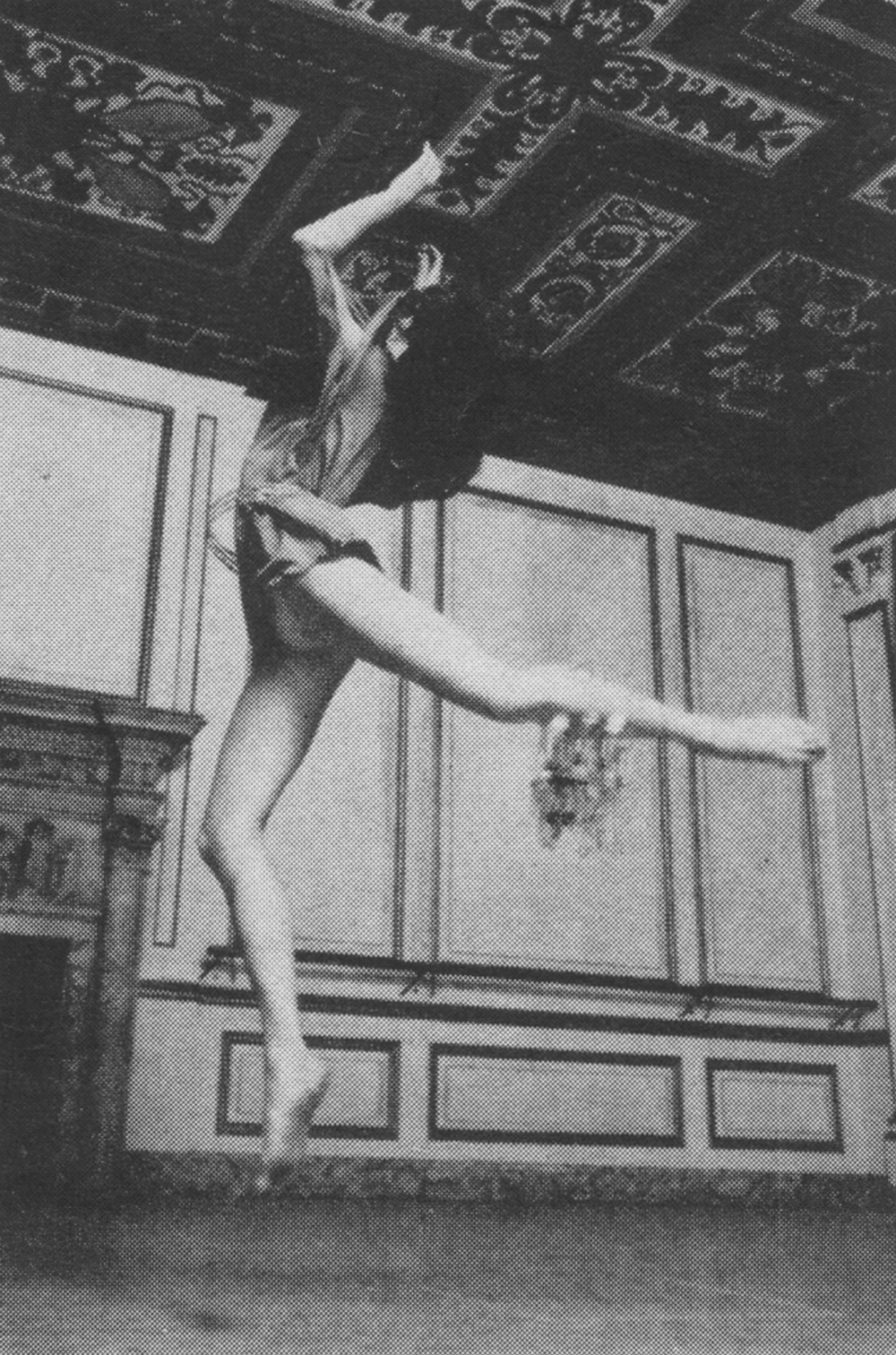
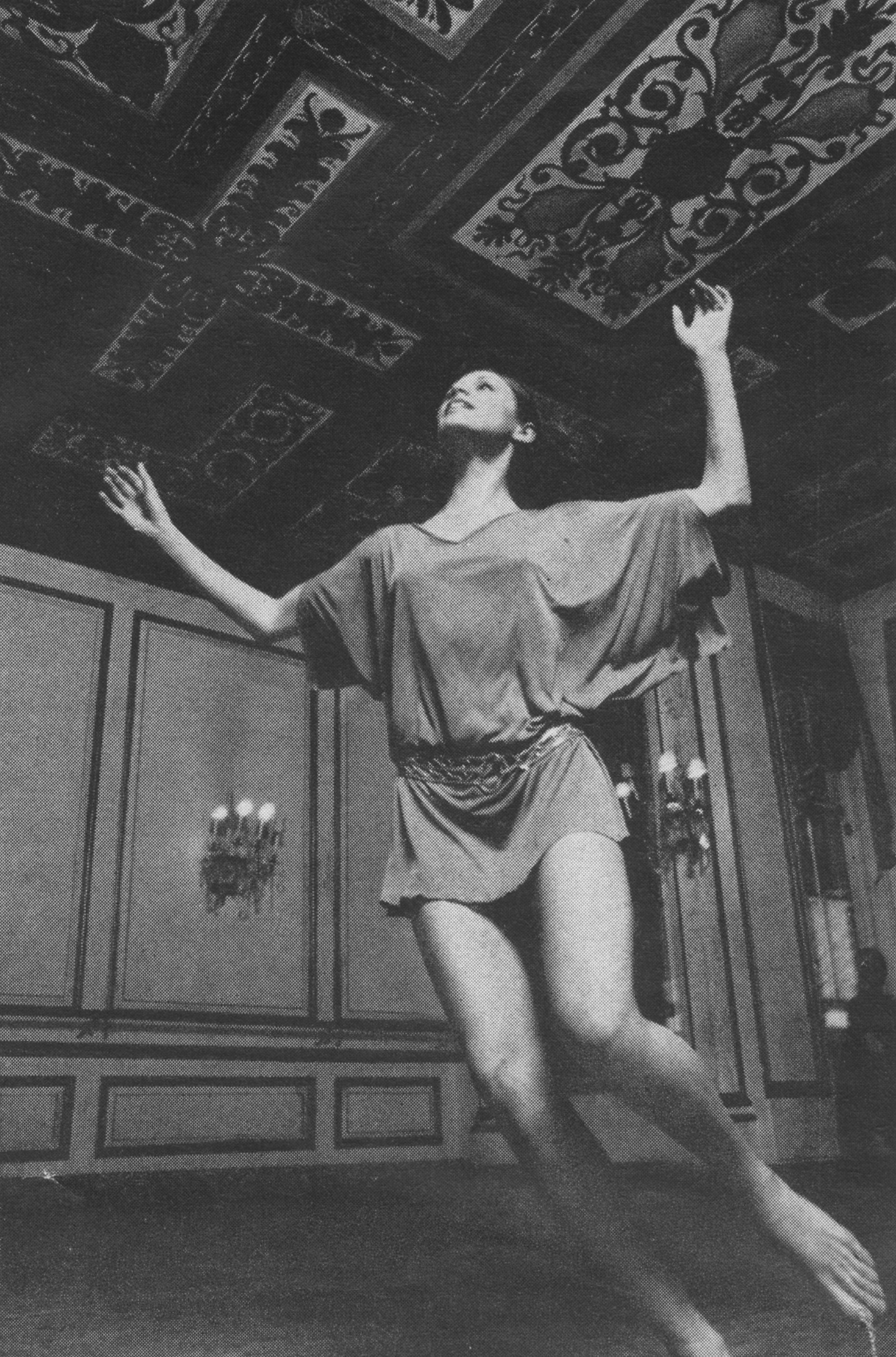
Isadora Duncan—what a wonderful thing she did for all of us: The way she swept into the world of theatre, of dance, of the world’s eye, bringing with her her great ware of fresh., vital, natural thinking—of movement, of beauty, and of dressing. lsadora really changed a lot of things. Now the movie “The Loves of Isadora” is re-inspiring us all allover again. And it’s so right for right now. Here, some Isadora-inspired clothes, worn and choreographed, right, by a beautiful, young, spirited Jeanette Vondersaar of the Harkness Youth Dancers….
The spirit of Isadora Duncan . . . her wonderful rhythm and movement translated into fabric … what wonderful clothes for as to own right now.
Coiffures by Mr. Chin of Charles of the Ritz
Photographed at The Harkness House of Ballet Arts.
Photographed by Jack Robinson.
Scanned from US Vogue, August 1969.
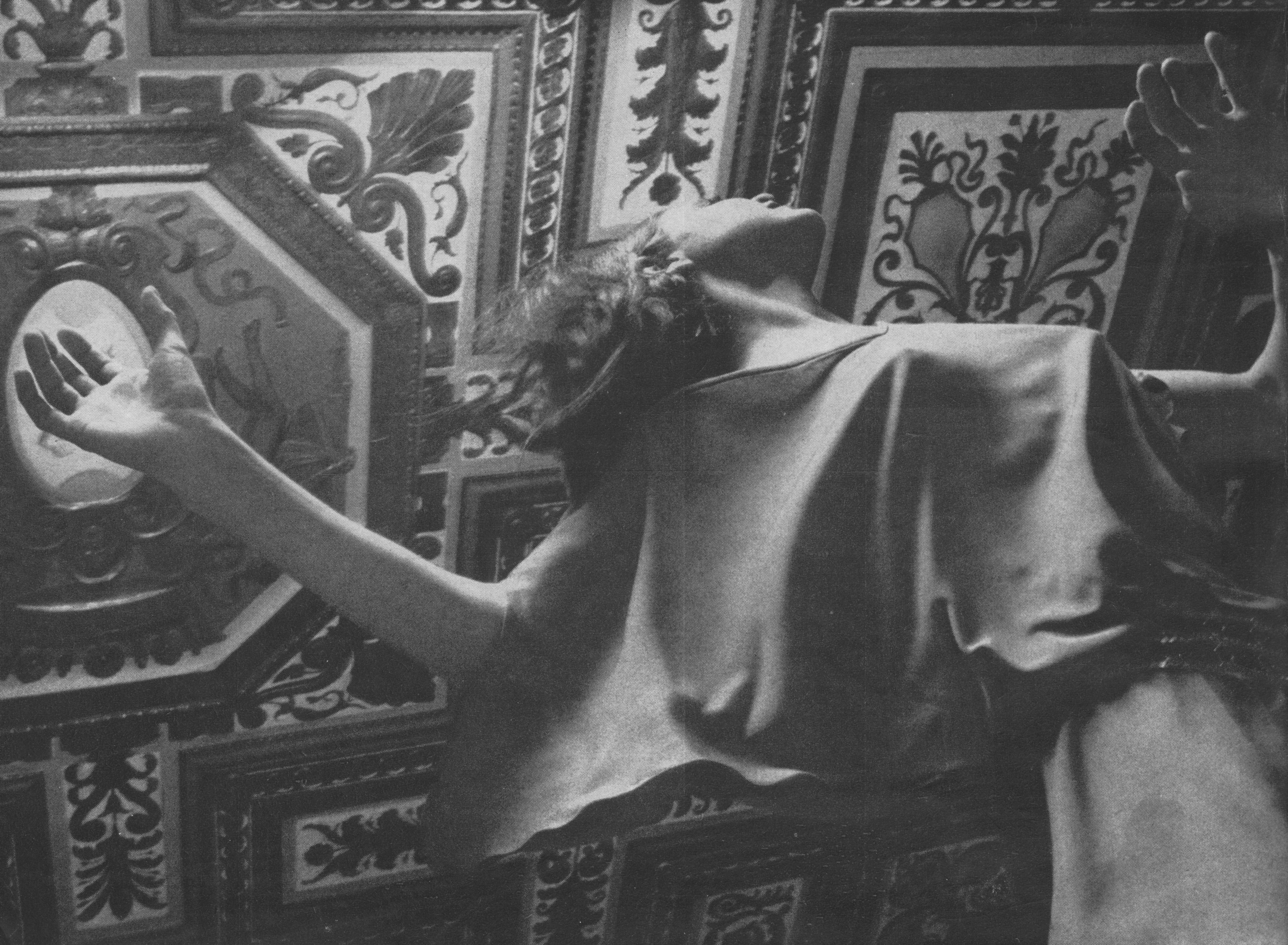
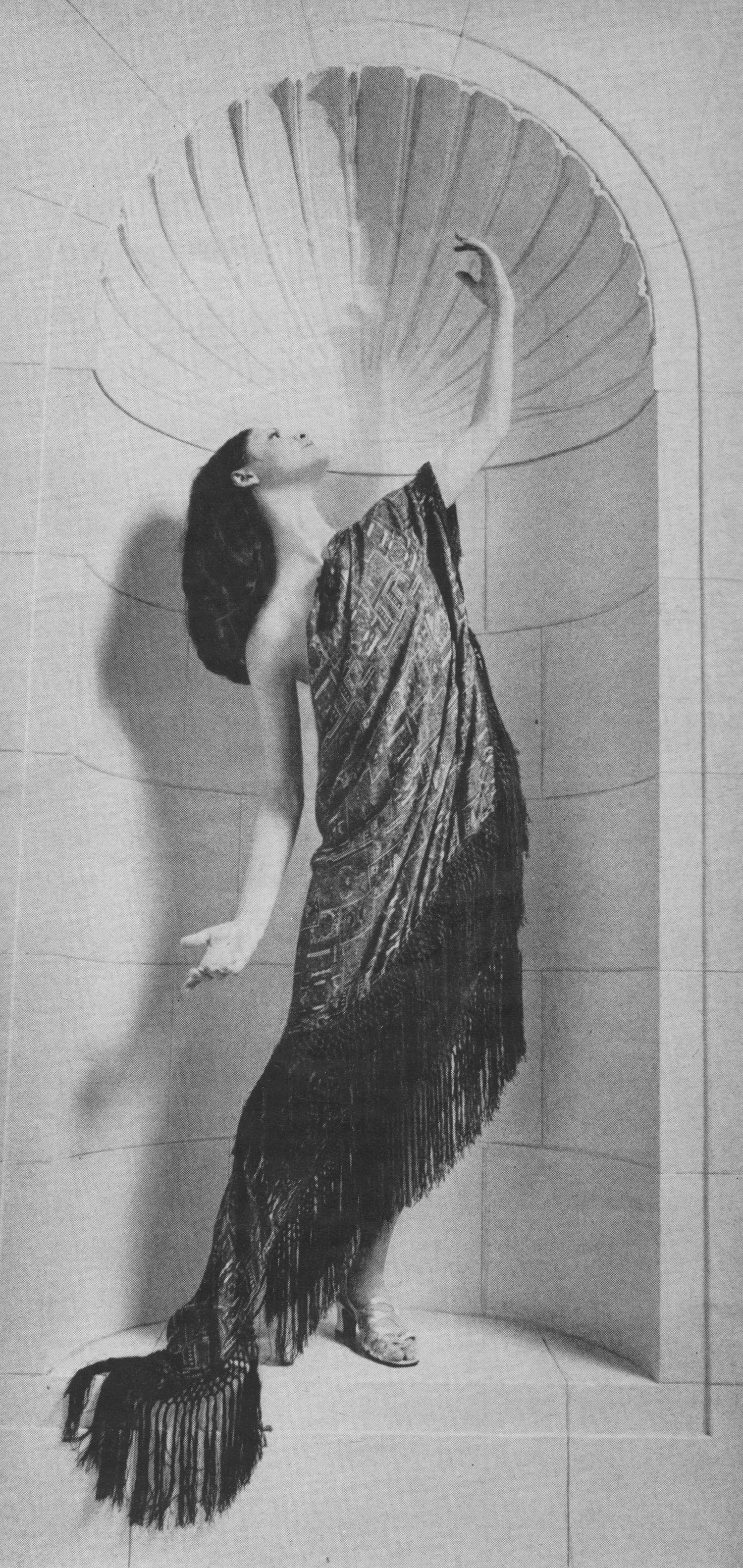
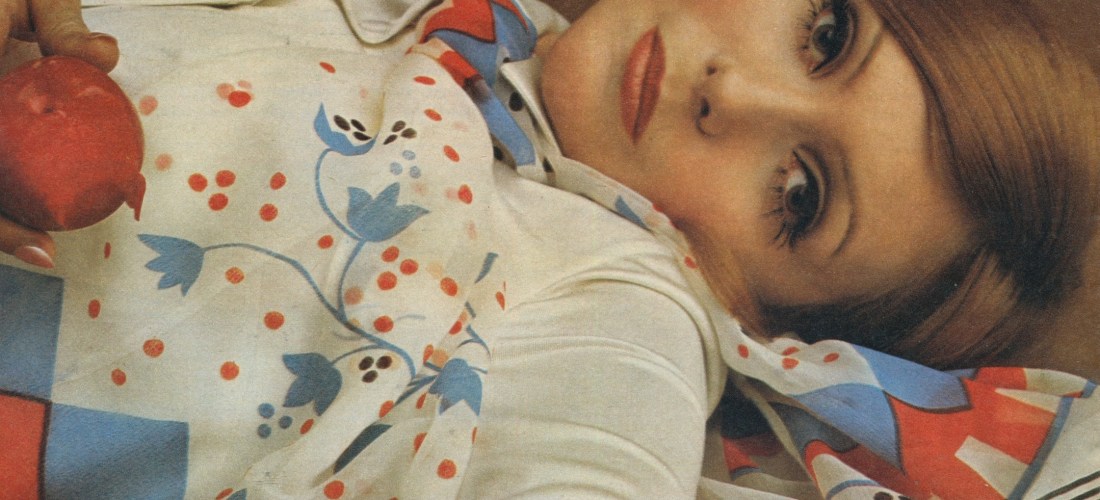

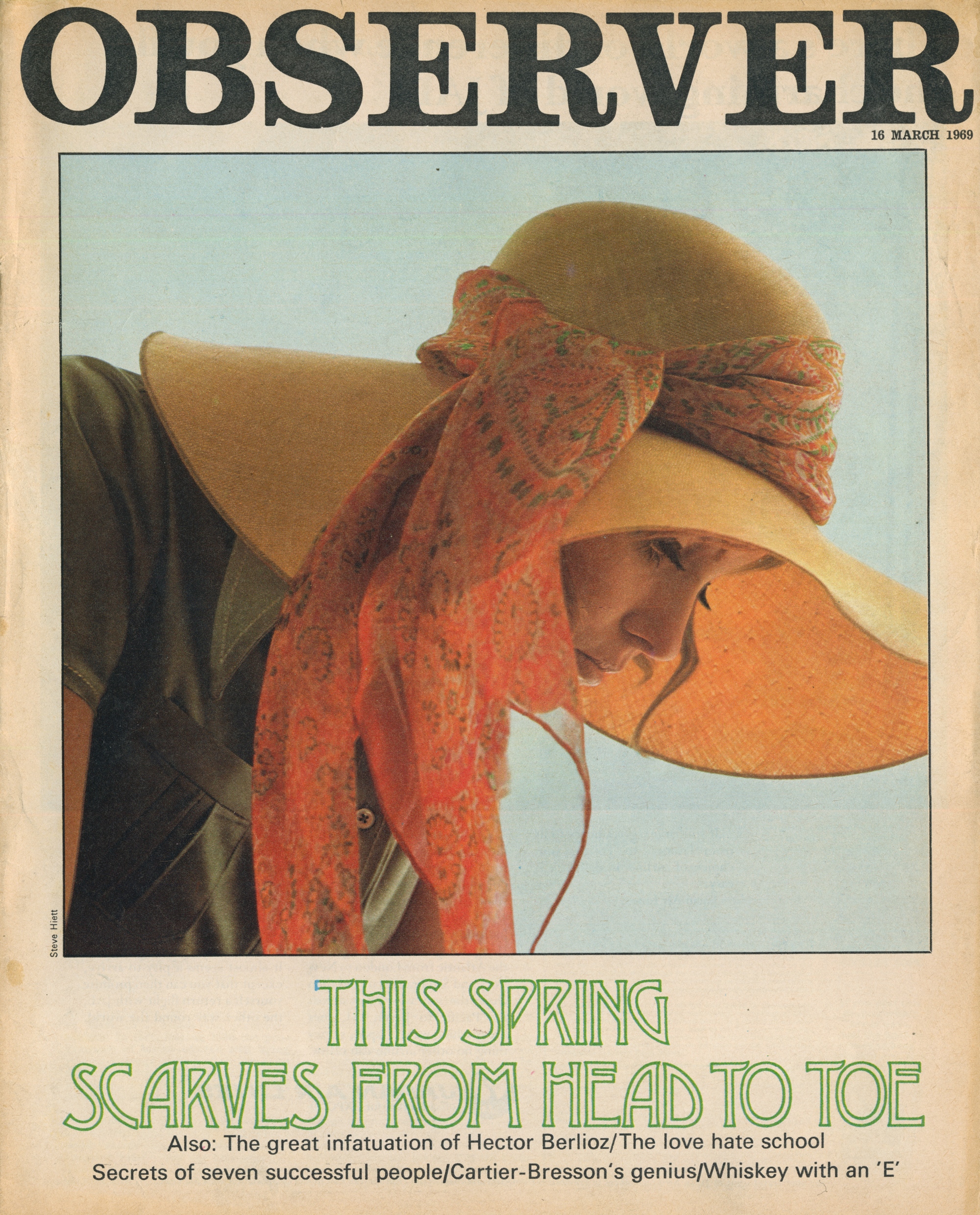
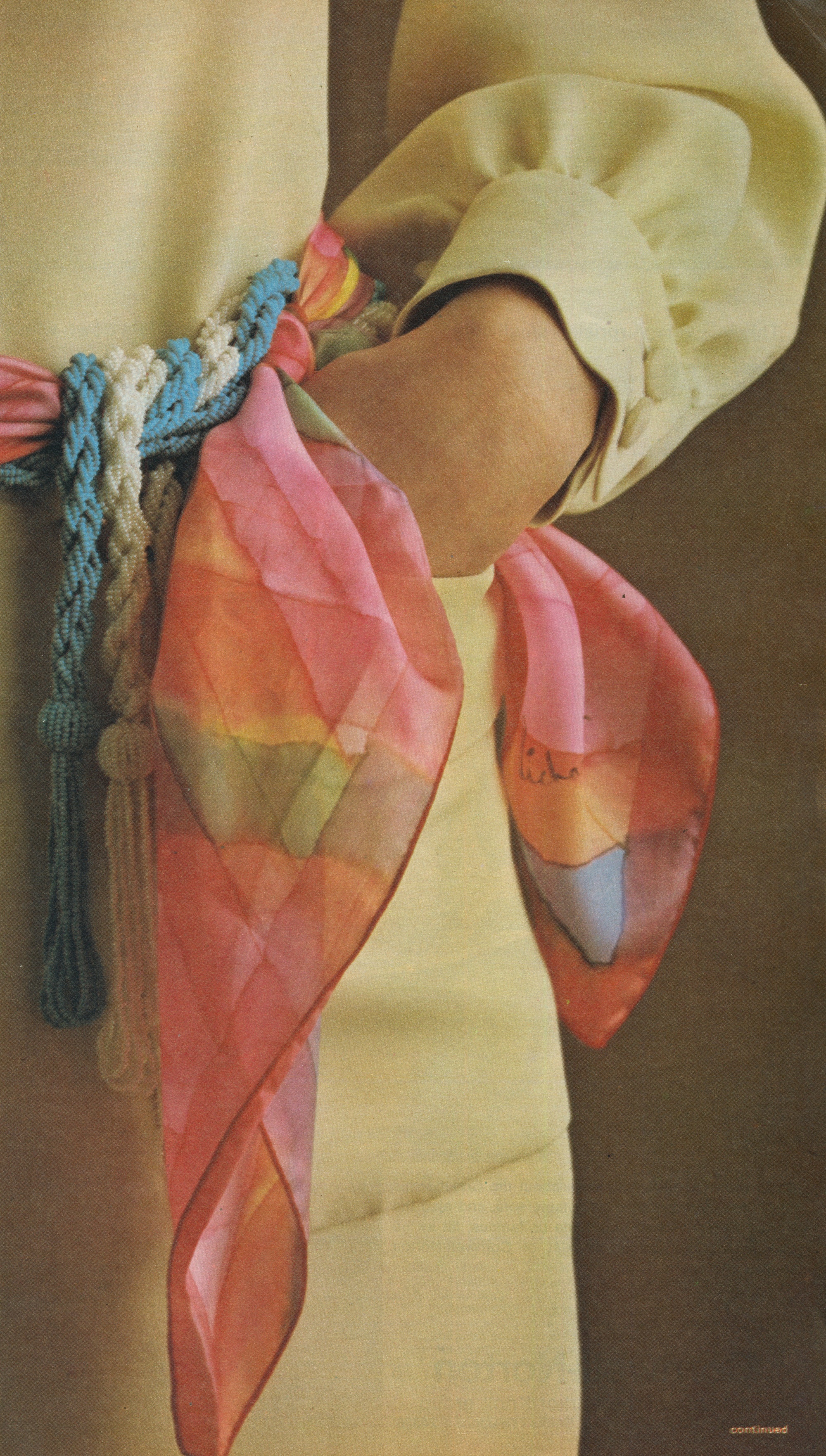
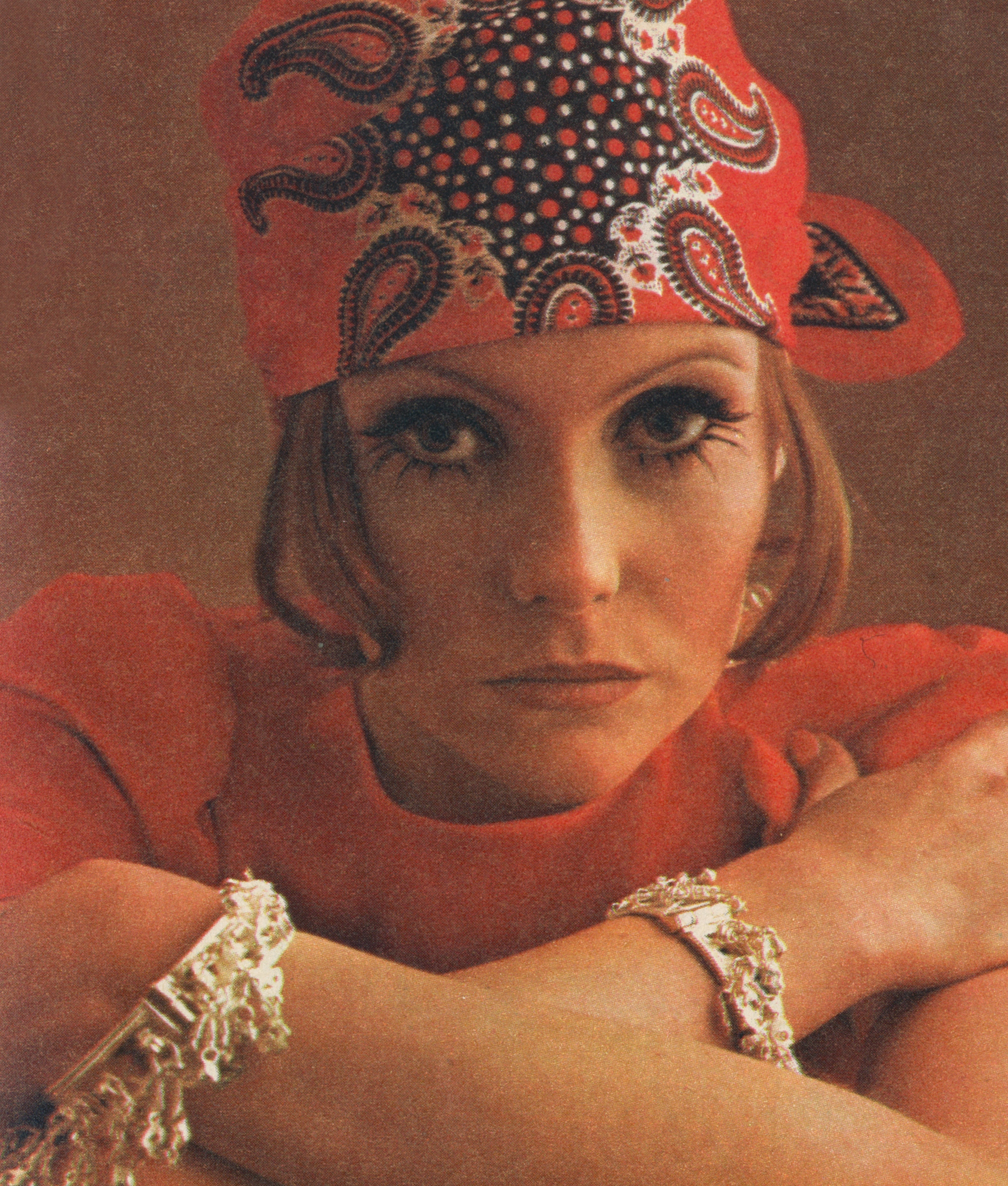
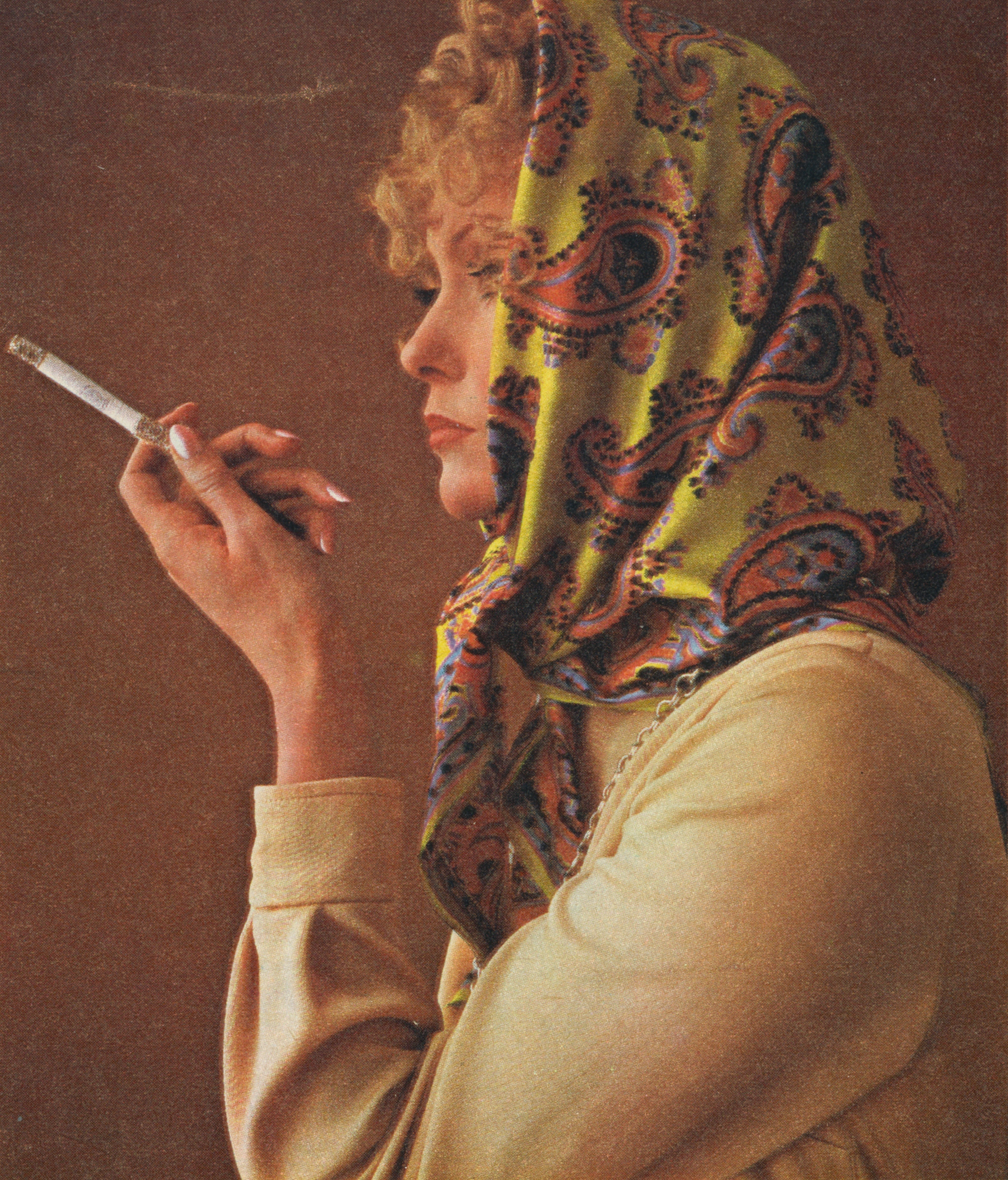
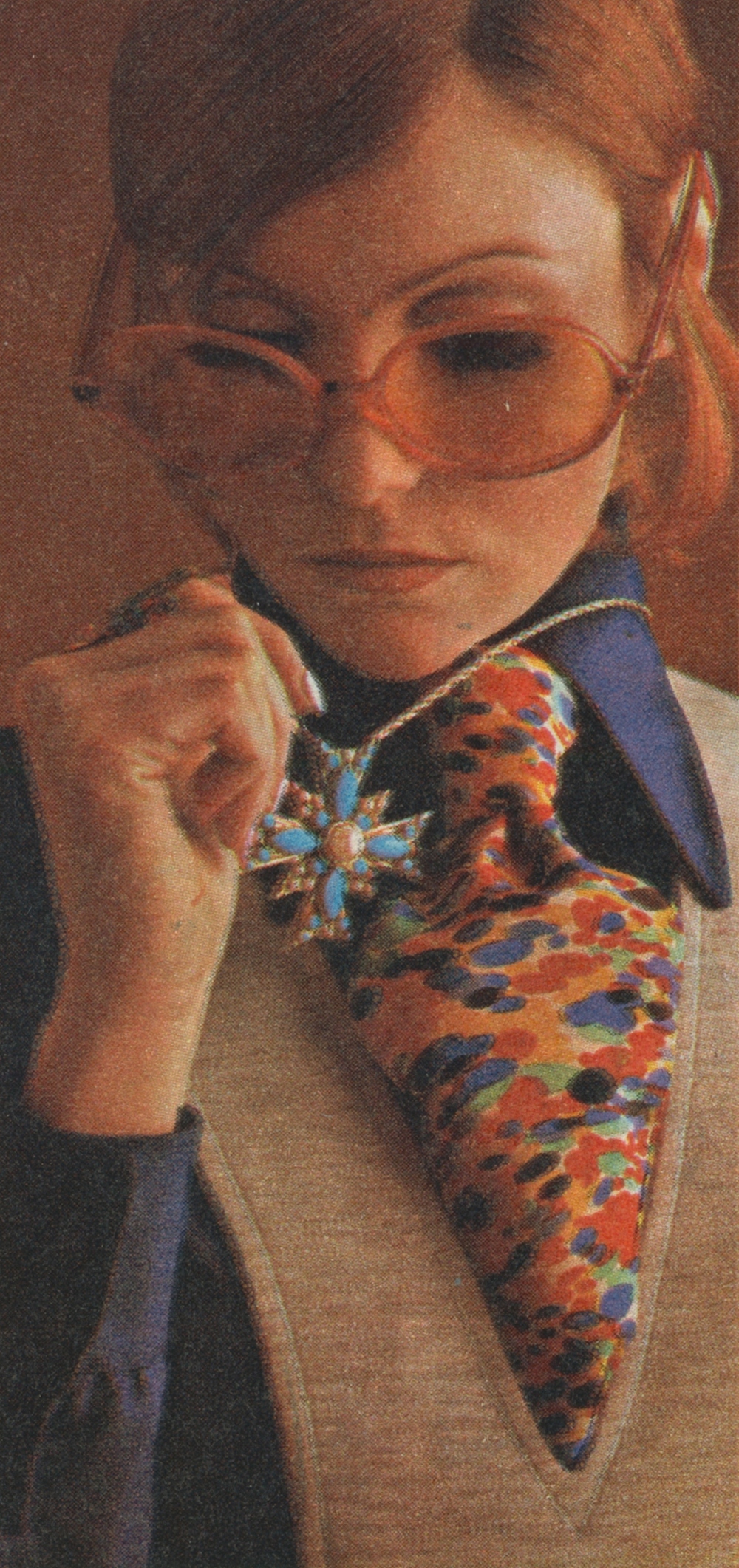
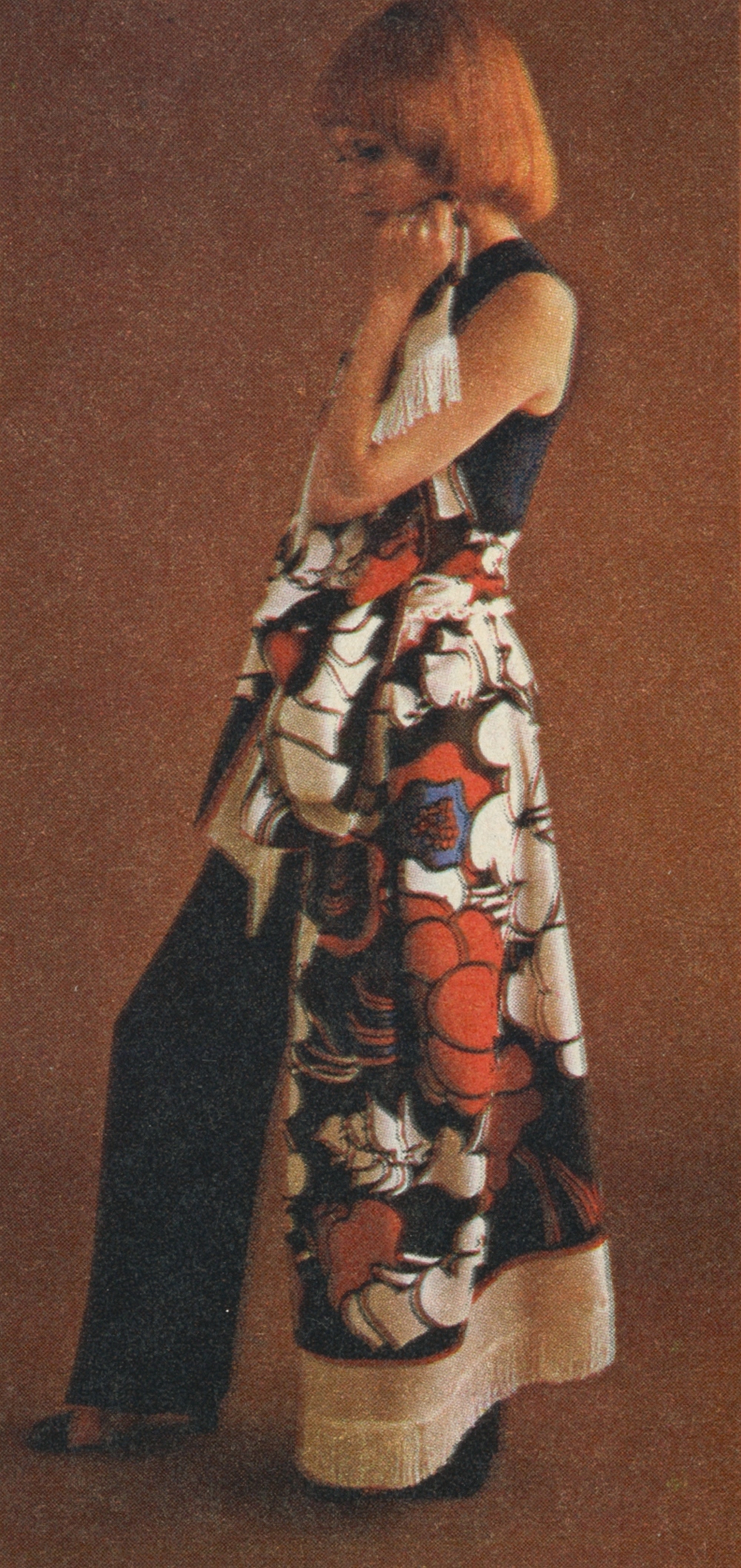
Scarves, instead of being dismissed as last year’s fashion gimmick, are being perpetuated as this year’s most important accessory. Still the simplest way to wear a scarf is to flip a long one casually college-style around the neck. As long as it’s not literally a college scarf this somehow adds enough chic to whatever you wear, without making you look fussily overdressed. There are dozens of different ways to tie a scarf. Smart French girls are tying scarves around their waists, twisted in with chain belts or beads. Marc Bohan at Dior makes headscarves tied pirate-style look young and chic, and shows scarves tied like a man’s tie. Although large squares will still be in demand to wear on the head or folded up as cravats, the big fashion in scarves is still for long ones, preferably fringed. Men will have to accept with a good grace that they have lost their long-established monopoly of fringed silk scarves. Until now almost the only places to find them were men’s departments, antique market stalls or somebody’s attic. (Shawls are the latest craze from jumble sales.) But shopping for scarves is easier this spring, with stocks at last in every shape and size. Hair by Valerie at Cheveux, 15 Abingdon Road, London W8.
Fashion by Liz Smith.
Photographed by Steve Hiett.
Scanned from The Observer Magazine, March 1969.


Masques are not new. The Greeks used them in their classical theatre to represent various stereotyped parts such as ‘The Happy Lover’, ‘The Jealous Wife’ and ‘The Benign Father’. Today, most people assume personae to hide their real personalities, though the very characteristics they try to keep hidden, are often quite obvious to others. What is more, it is easy for people to become identified with their masque to the point that it is difficult for them to discard it. The basic reason for assuming a masque is to play a role and, hopefully, to make oneself more attractive than one actually is. It doesn’t always work.
Played by Diana Rigg and Peter Cook
Written by Adelle Donen
Photographed by Stanley Donen
Scanned from Queen, 5th July 1967.
I have been on something of a break from here and social media recently, for personal reasons, but had always planned to post this on Diana Rigg’s birthday so here I am, back a little earlier than intended.
When I found this copy of Queen magazine, appropriate because Diana was and will always be my Queen, I couldn’t believe that I hadn’t seen most of the images before – especially as they were taken by one of my favourite film directors. There’s always a part of me that wants to keep things like this to myself, but the bigger part wants to share the beauty with everyone. So I hope you enjoy!
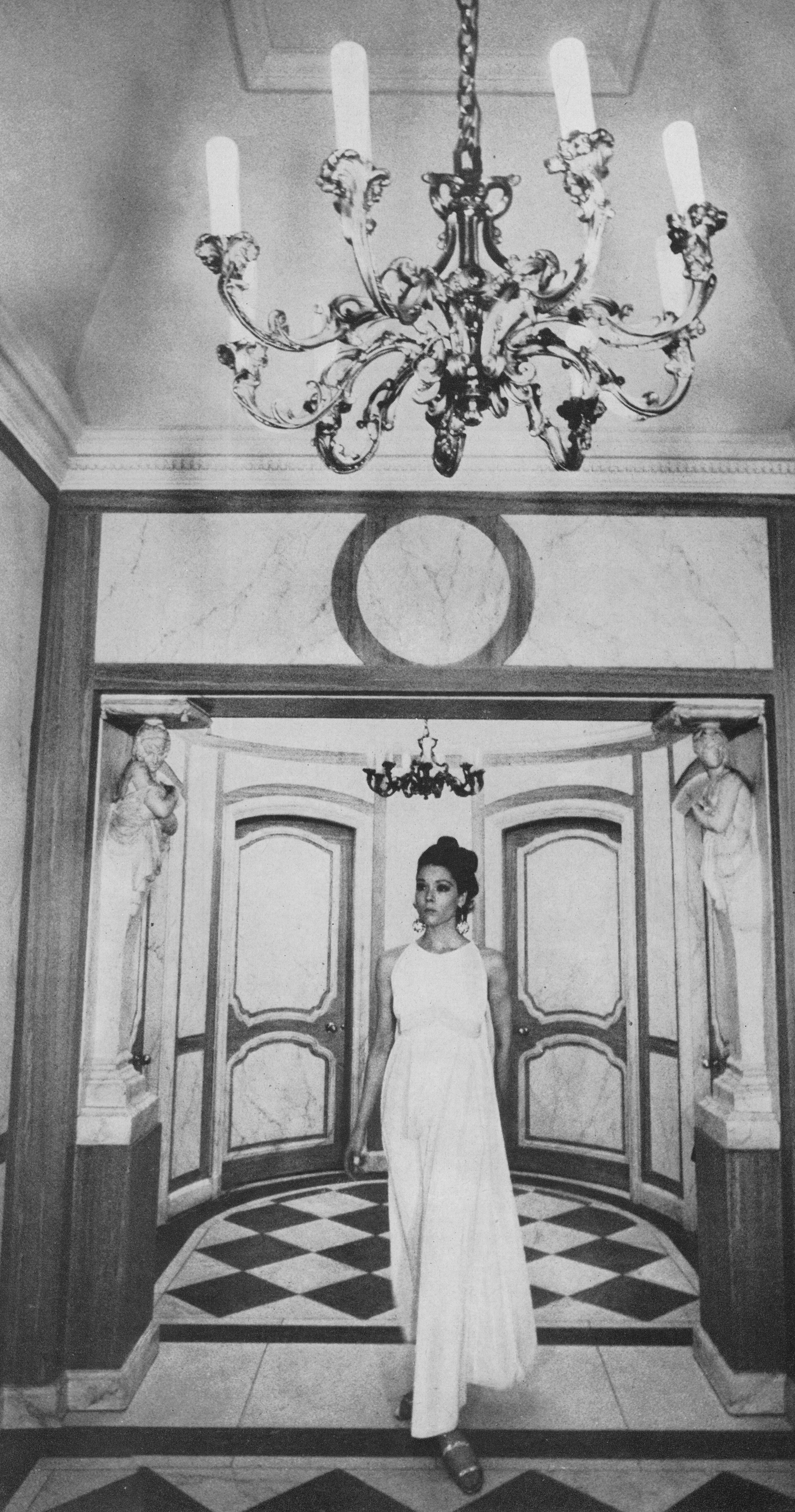
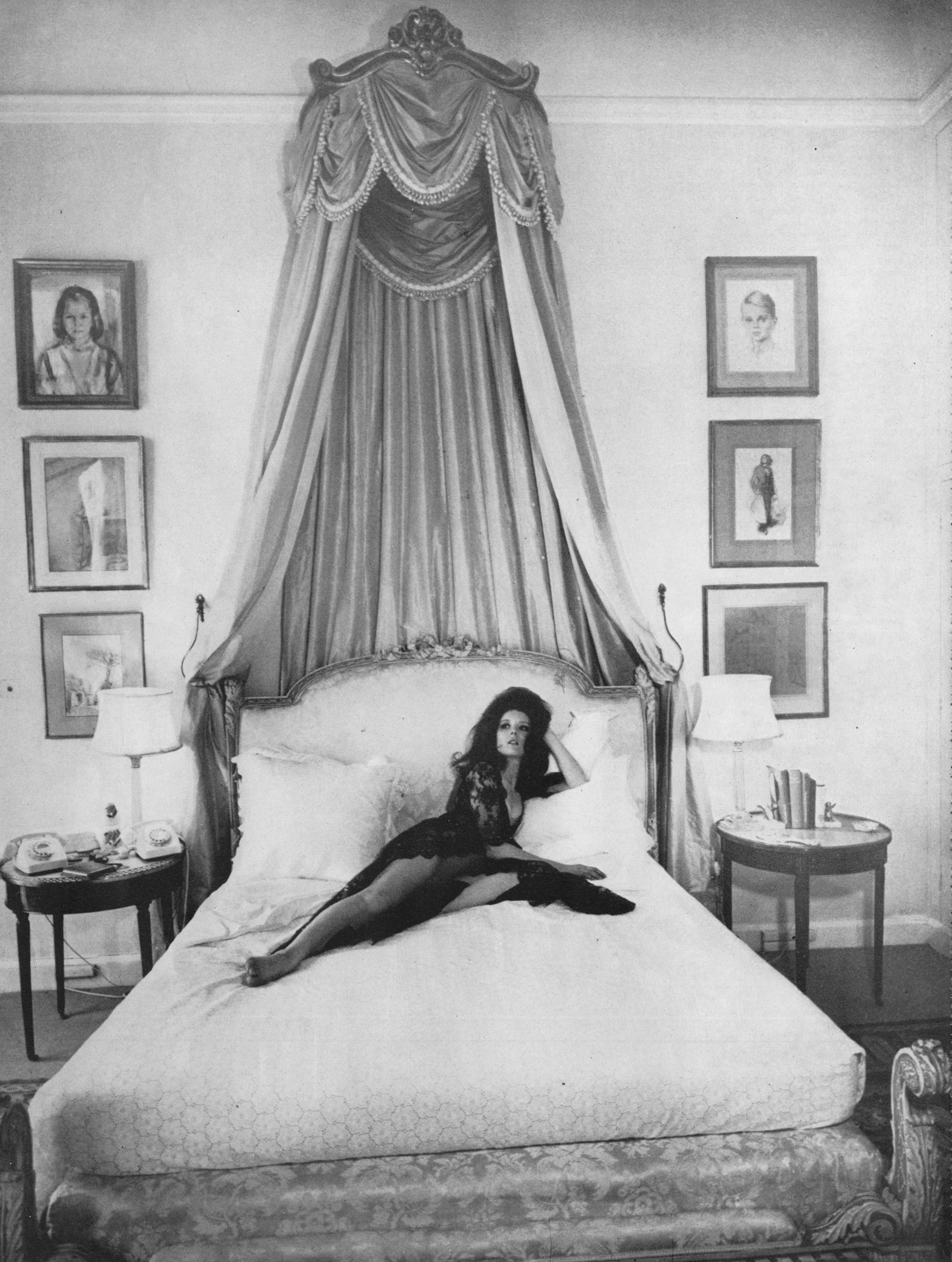
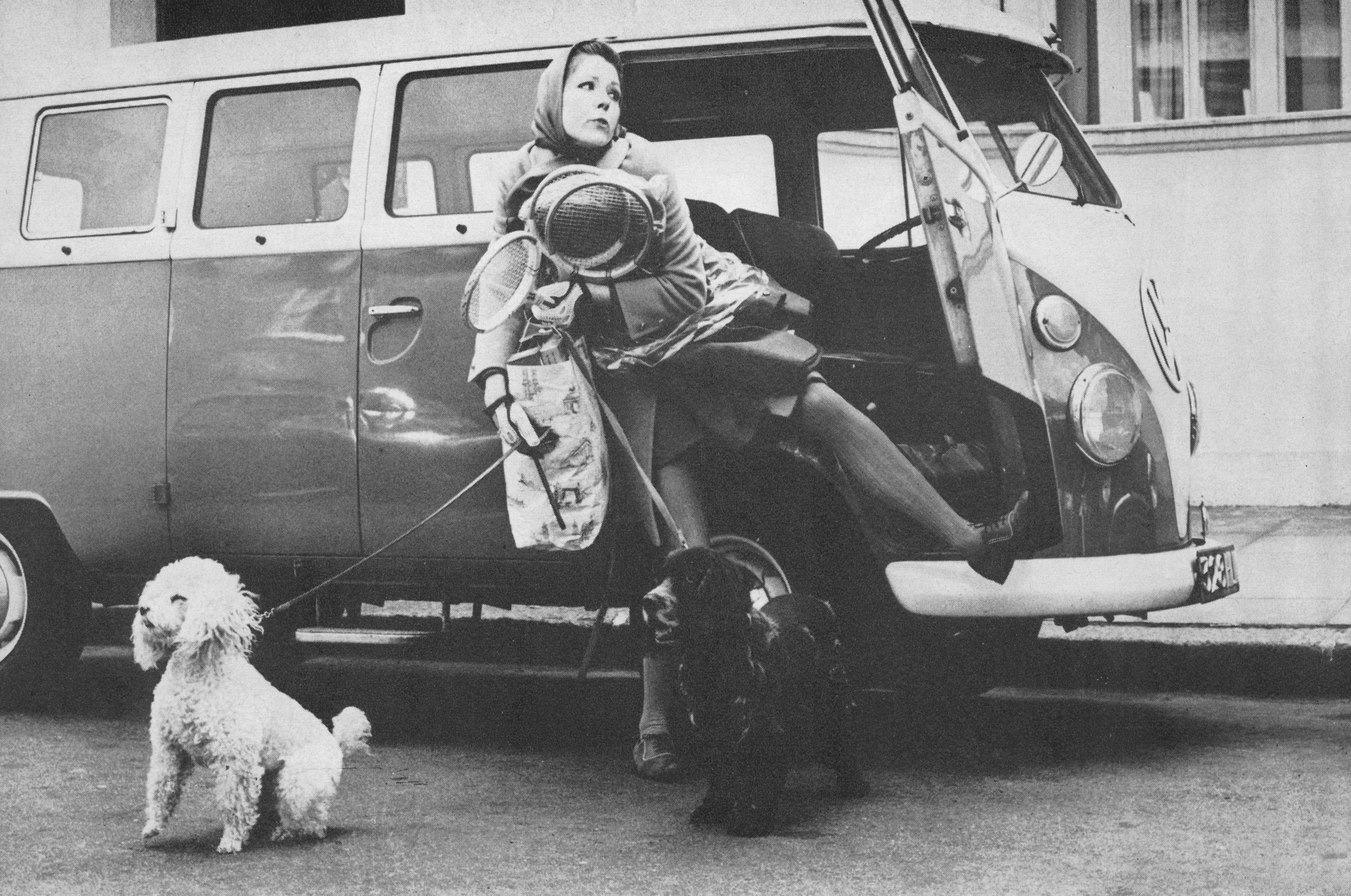
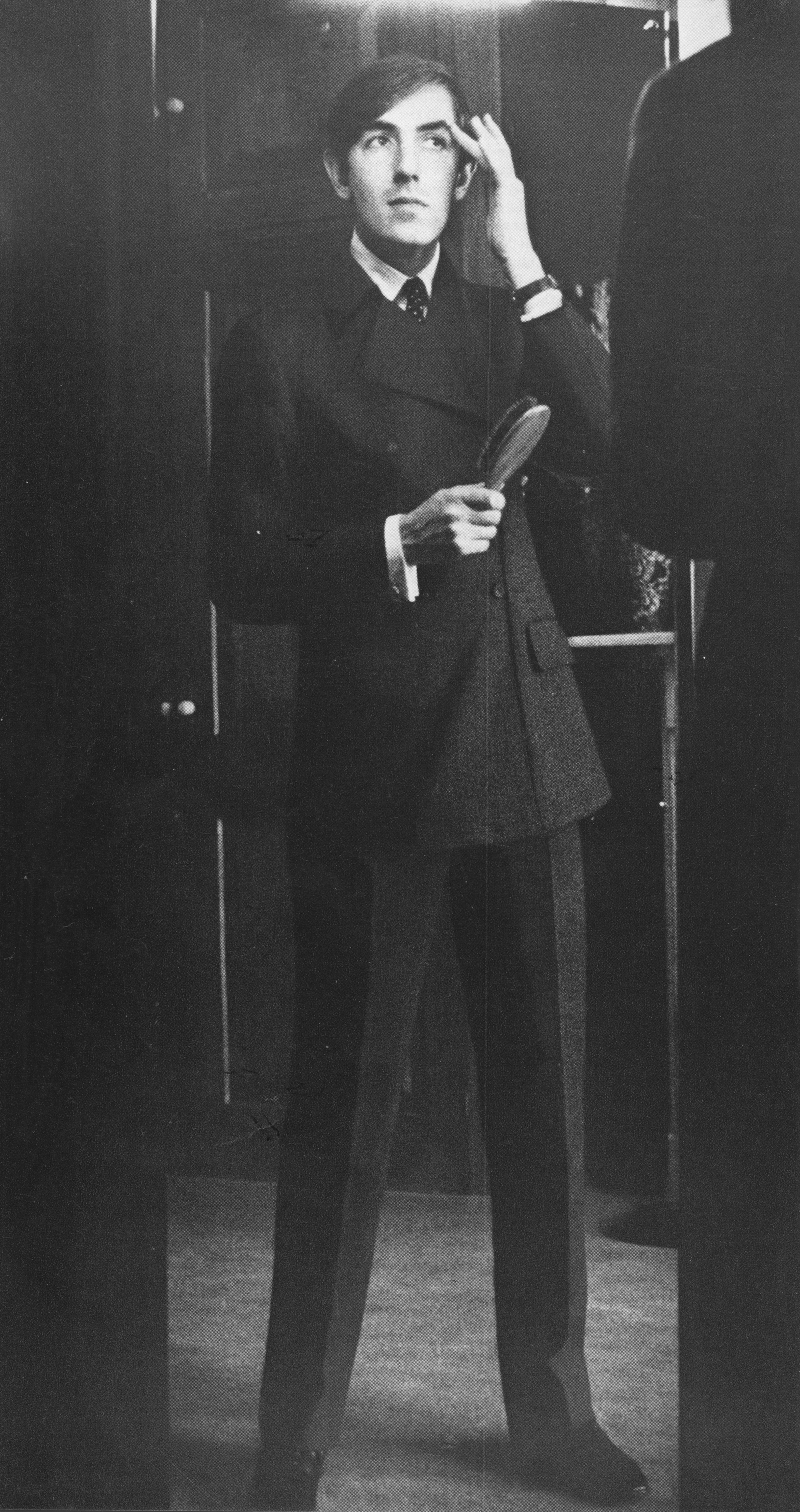


Glyndebourne in summer where the season opened on May 25th with Massenet’s Werther and Mozart’s Cosi fan Tutte. Balls, long, long English summer evenings for wearing fragile chiffon, delicate lace, organdie and brilliant silk; for baring arms and feet and dancing far into the dawn. These photographs were taken in the Organ Room at Glyndebourne.
I worked at Glyndebourne for a few seasons, a few years ago. Whilst it meant I was lucky enough to get to be in the audience several times, and visit the Organ Room, I’m now extremely sad that I didn’t have these dresses to wear!
All the hairstyles, using hair pieces by Toyer Tresses, by Oliver at Leonard, Upper Grosvenor St.
Photographed by John Claridge.
Scanned from Harpers Bazaar, June 1969.
 Liz Eggleston