Inspirational Editorials: All wrapped up – the jacket look

1960s, Daniel Hecter, Inspirational Images, ossie clark, top gear, Vanessa Frye, Vintage Editorials, Vogue, Weathergay

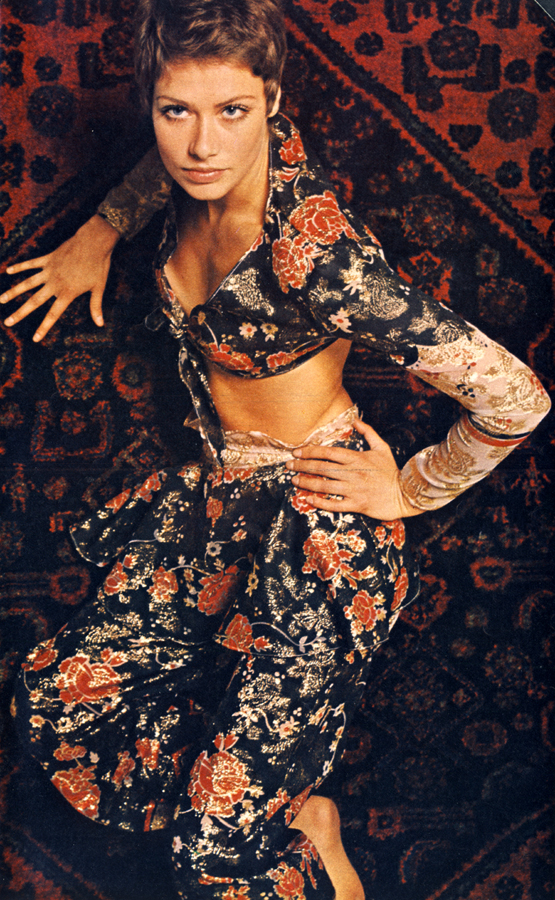
Python jacket by Ossie Clark for Quorum, about 40 gns. Grey shetland sweater by John Craig.

Photographed by David Montgomery. Scanned by Miss Peelpants from Vogue, September 1968.

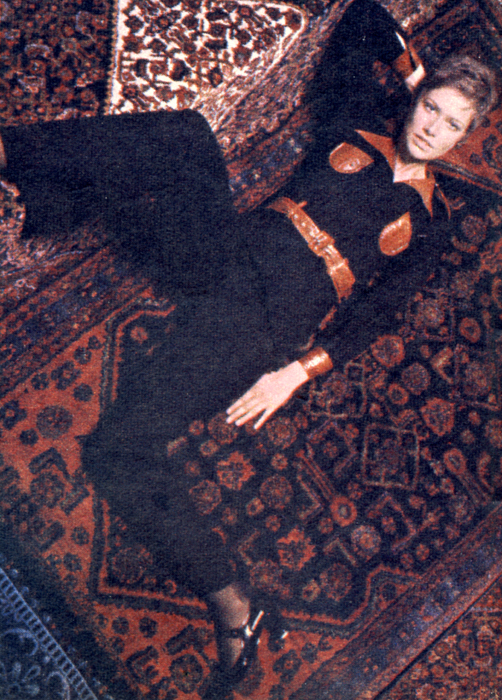
Sleek jacket in fake ponyskin by Daniel Hecter for Weathergay, 16½ gns at Top Gear.

Rain jacket in Bord fabric by Daniel Hechter for Weathergay, 14 gns at Top Gear. Muffler and soft shaped hat by Lil from Vanessa Frye. Trousers from Browns. Shoes by Miss Holms.

Biba in Brighton

1960s, 1970s, barbara hulanicki, biba, brighton, british boutique movement

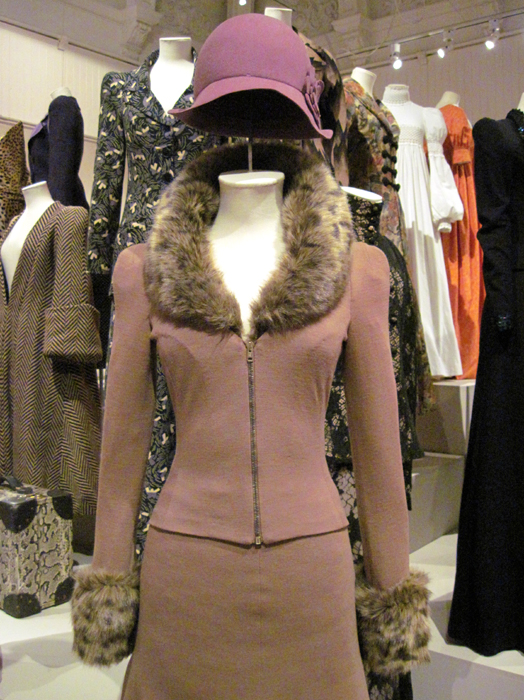
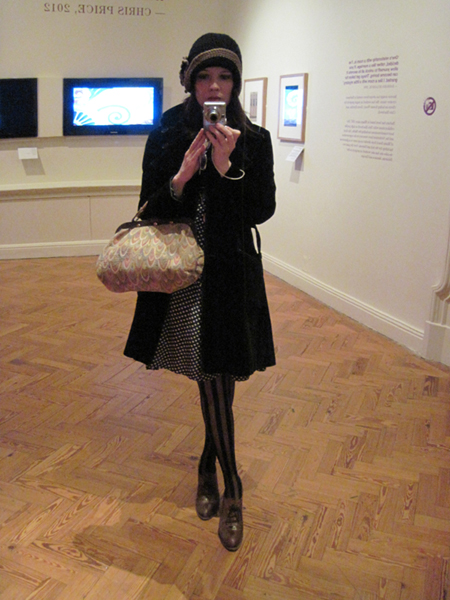
My sadness in missing the opening of the Biba exhibition at Brighton Museum back in September was slightly assuaged by an email from the lovely Jo Ann Fortune of Visit Brighton, informing me that I had won two tickets to go and see it. I never win anything, so naturally I was shocked and delighted. I was determined I would not go until I was walking properly, so Mr Brownwindsor and I finally made it there a couple of weeks ago, on a frosty Sunday afternoon.

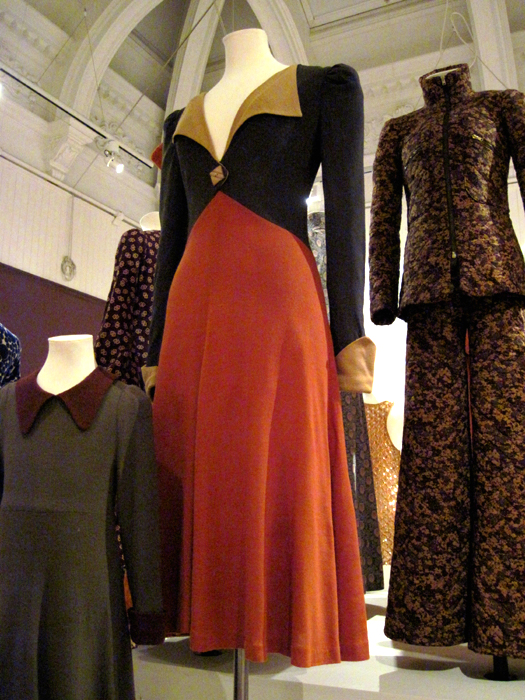
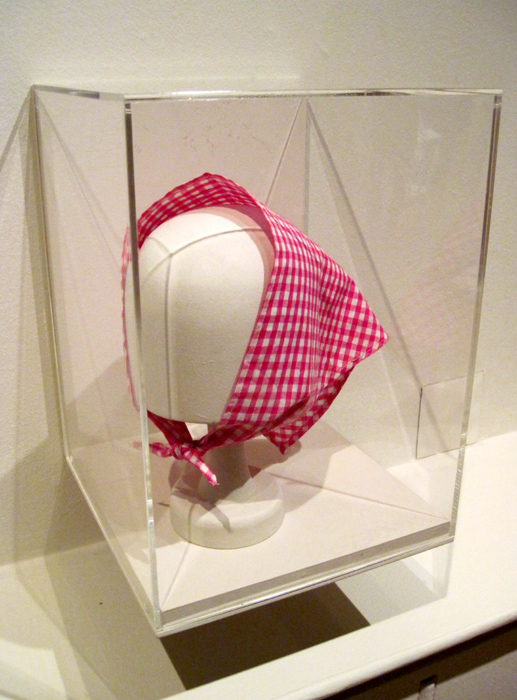
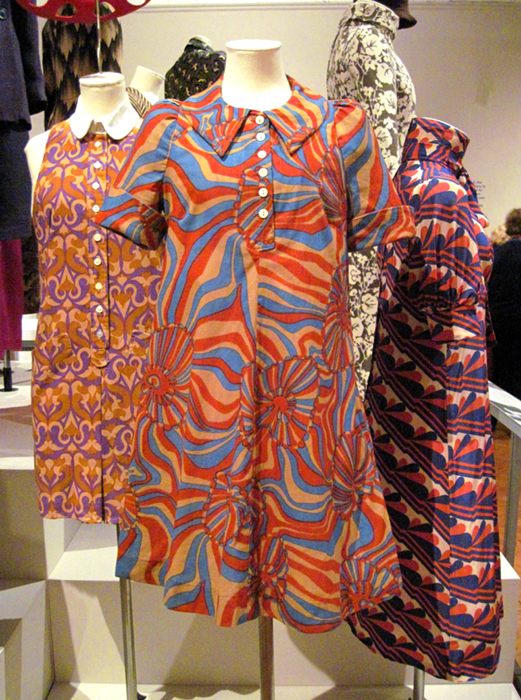
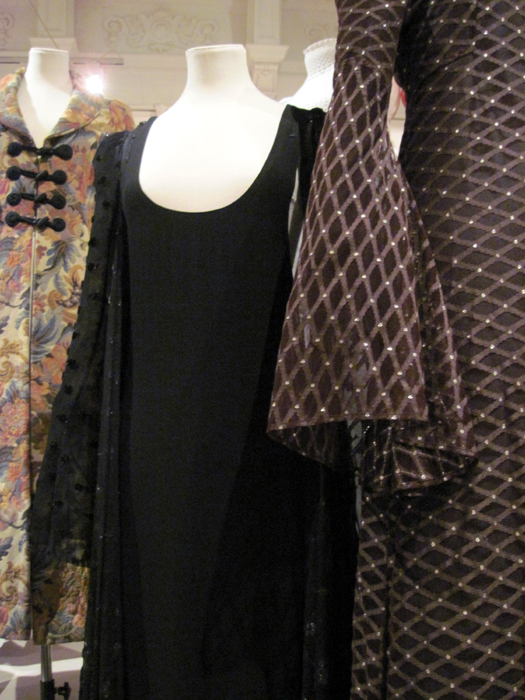
Needless to say, it was a delight. I had thought, as someone who owns and sells a lot of Biba, that I would be confronted with a whole host of pieces I have already had the pleasure of handling or wearing. It was a pleasant surprise to see that the vast majority were either entirely new to me, or pieces I have lusted over from afar for years. That is a credit to the design prolificacy of Barbara Hulanicki, and to Angie Smith and Murray Blewett, whose impressive Biba collections form the bulk of the exhibition. Further to my blog on the subject a while ago, there is also a rare surviving piece from that first foray into mail order – the outfit which launched the entire label. Sadly it is only the headscarf, but incredibly tantalising to see up close.

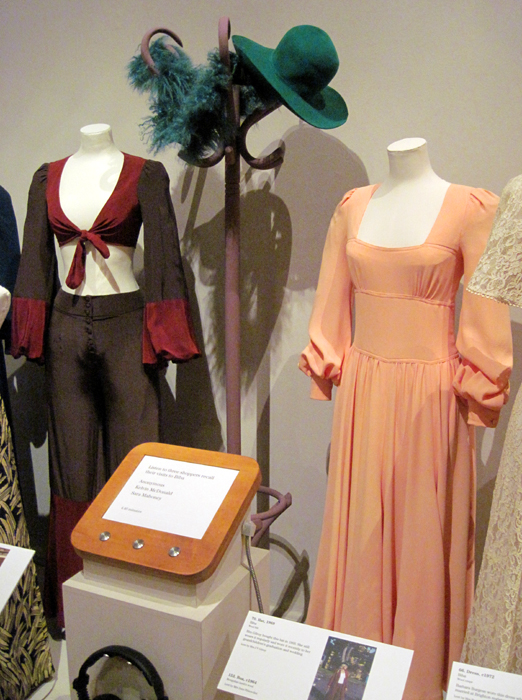
There were plenty of pieces loaned by members of the public as well, with fascinating stories of wages being splurged in the name of Biba, descriptions of the interiors, and of the most outrageously wonderful wedding outfits. Seriously, how have we moved so far back away from the modernity of wearing a cropped satin top and flares ensemble for a civil ceremony? These women were fighting against the roles their mothers had felt obliged to assume; fighting against convention, against sexism and the virginal white wedding which has inexplicably dominated since the 19th century. I loved that these women simply picked a phenomenal Biba outfit and couldn’t give two hoots about whether anyone thought they were ‘one of them’.

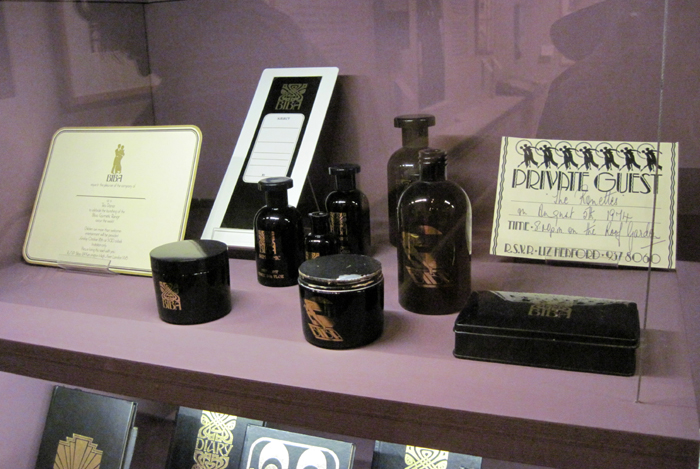
Further cabinets and displays covered Barbara’s early life, her time in Brighton (of course, and we slightly geekily went to find her former residence in Grand Avenue after seeing the address printed in a newspaper clipping!), the genesis of Biba and the various aspects of the Big Biba lifestyle which were catered to by the time they moved into the Derry and Toms building in 1973. Yes, there are soapflakes.

I feel more could have been done to evoke the Big Biba spirit, particularly in the main display room. Certain nods were made, such as the hatstands, but it was minimal and far too tasteful. Although credit where credit is due: whoever chose the playlist should be greatly congratulated, hugged and applauded for their taste and understanding of the Biba vibe.

(Although the man who kept singing and tapping his foot along loudly is definitely not part of the Biba vibe and garnered some filthy looks from me and several others…)

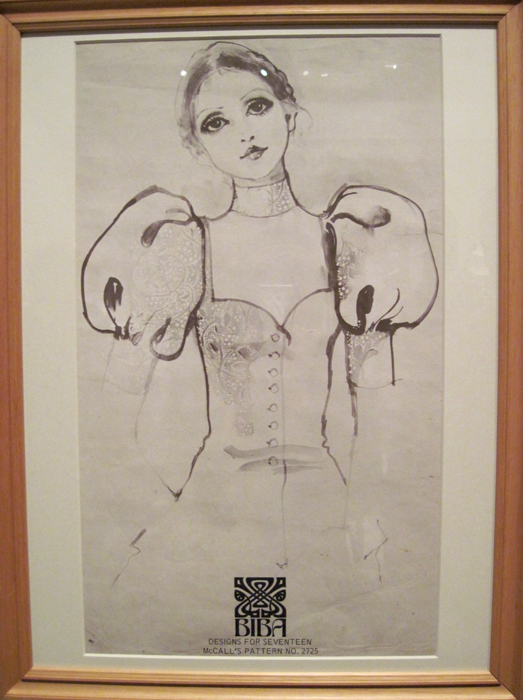
The final room, which touched – a little too lightly – on Barbara’s other talents for illustration and interior design, also featured a row of pieces from her (and I may make myself unpopular here…) half-hearted George at Asda and Topshop ranges, with another piece from the hateful Kate Moss for Topshop collection (inspired by a wrecked Biba jumper which looks suspiciously Eighties to me). I felt that this final display was a poor finale to what was otherwise a lovely, small-but-perfectly-formed, exhibition. Why would you want to leave with such a bad taste in your mouth? On the other hand, they make the longing for clothes of the quality of Biba even greater and show up the endless re-hashing of Seventies design for what it really is.

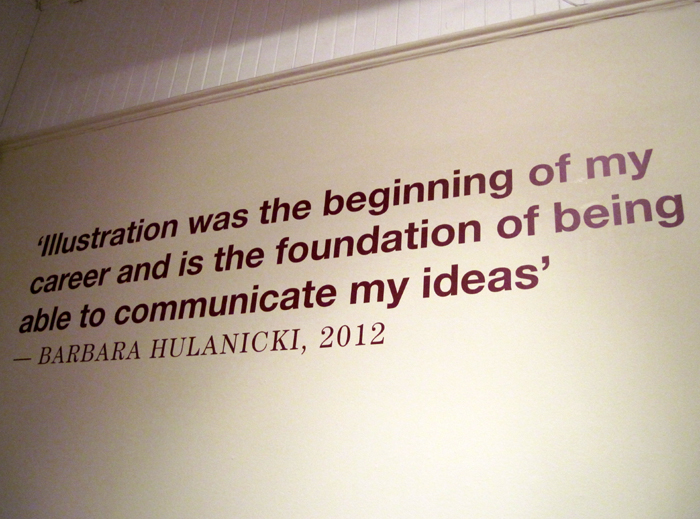
Biba and beyond is a wonderful celebration of one of the most creative periods in British fashion design we have ever known. It should also be a wake-up call for people to become more discerning in their sartorial choices. People compare Biba to Primark, but the levels of manufacture are not even remotely comparable. Who is designing these days? Who is actually taking inspirations and not just duplicating them wholesale, but in fact creating something entirely new and fresh? Barbara did, so can someone else.

Biba and Beyond is on until 14th April 2013, and is a wonderful feast for the eyes. It may also be bad for your bank balance, since you will want to own more and more Biba. Trust me, it’s addictive.

Through the [extremely peculiar] looking glass…

Ossie Clark: If it’s not vintage, it’s not Ossie

1960s, 1970s, british boutique movement, Ms Peelpants' rants, ossie clark

Ossie Clark, 1969

I’m afraid I simply cannot bite my tongue and let this go. It feels like barely a moment since I was last ranting about Ossie Clark relaunches, although in fact it was back in 2008. Back then, we were fobbed off with tales of ‘Houses’ and quality and how nobody was just going to copy Ossie’s original designs. So how long did that relaunch last? Three seasons. And what were the clothes like? Ebay is currently flooded with these lousy scraps of fabric bearing the  name of a man who had nothing to do with them.

Now here we are again. Ossie Clark at Debenhams. You might wonder why I didn’t kick up an angry song and dance about the House of Fraser usage of the Biba brand for purely commercial ends. To be honest, like many people I have something approaching Biba relaunch fatigue. Frankly I’m almost at the point of vintage fatigue, thanks to the endless pilfering of ‘inspirations’ which are frequently little more than duplications (see Kate Moss for Topshop… in fact, see Topshop. Full stop.) and the, albeit fair enough, archive collections by Laura Ashley and River Island’s Chelsea Girl. I may or may not have walked past a House of Fraser store window, decked with faux Biba, and flipped the finger. It didn’t seem worth blogging about though. I just sit and judge from a distance.
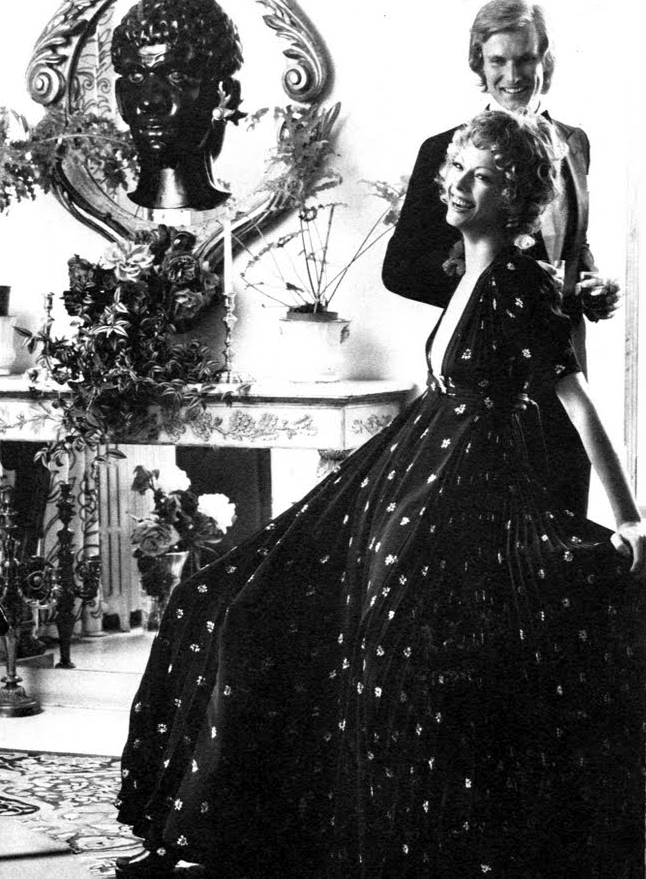
Original Ossie, early Seventies

Back to the matter at hand, however. Ossie Clark at Debenhams? What next? Thea Porter at Boohoo.com? Bill Gibb at ASOS? Why have the rights to the Ossie Clark name once again been sold to someone thoroughly undeserving (this time to Alison Mansell Ltd)? Why is the identity of a dead man being stolen to sell cheap, nasty, derivative clothes for the profit of big business? Why is nobody in the fashion world questioning it?

On both Vogue.co.uk and Elleuk.com, press releases were regurgitated with fervour. Cosmopolitan got it hideously wrong with talk of ‘boho hippy chic’ (do some research and learn some new words…). The Debenhams blog piled on the insults by not even being able to spell Ossie’s name correctly. Clark. Not Clarke. I repeat, do some research. People on twitter were retweeting with suitably snivelling cries of ‘fashion happiness!’ ‘can’t wait!’ and ‘exciting stuff!’. Phrases such as “Ossie relaunches” are bandied about, despite the fact that a dead man cannot relaunch himself.

“mixture of new designs alongside a limited run of previously unreleased and remastered vintage pieces”

Previously unreleased? Is there a cupboard full of ‘demo’ Ossies out there somewhere? And please don’t use the word ‘remastered’ when you really mean “duplicated in a cheaper fabric”. Excuse me while I weep into my moss crepe sleeve…
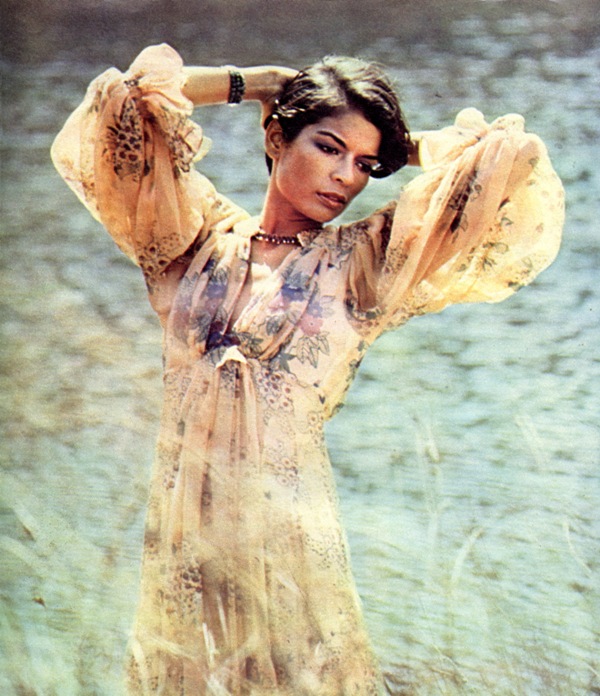
Bianca Jagger in Ossie Clark, early Seventies

Ossie was not a brand. He was a genius. An unreliable, infuriating, naturally talented genius. An individual who never sought to and, in fact, never managed to create a viable business, nor a brand, nor a ‘house’. He never played by the rules. He could barely keep himself together long enough to do anything for anyone else. He fell out with just about everyone who ever tried to control or tame him. The work we know best was work reluctantly done for Radley, after they swooped in to rescue Alice Pollock’s flailing Quorum business. The work of which he was proudest was done for the Quorum collections, or as one-off commissions from friends and the famous faces he attracted.

He was a maverick and a genius, and to use his name as though he were some random King’s Road boutique is an insult to his memory.
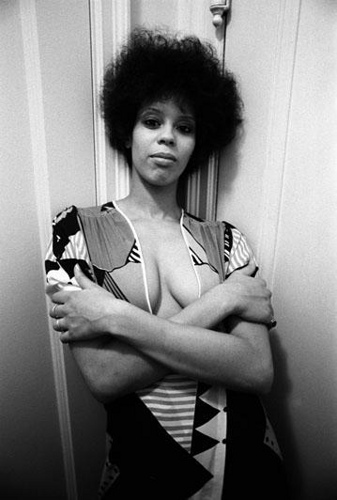
Devon Wilson in original Ossie Clark, late Sixties

But then this isn’t about respect or regard, it’s not even about fashion. This is about cash. Pure and simple. The Ossie name commands high prices in the vintage world. I should know. But those high prices are because the pieces are finite. There will never be any more original Ossie Clarks than there currently are. People pay those prices because they want something designed by the man himself, with the history and quality that they hold within their fibres and stitches.

I know. Isn’t it awful. Vintage Ossie Clark will never be cheap and plentiful. Boo hoo. I work hard to afford to own the pieces I own myself. And I am not a wealthy person, I am so very far from it. I sell other pieces to people who also work hard and save, and save, to buy a piece for themselves. Producing something cheap and new under the same name will not redress this. You still won’t own a piece of Ossie Clark, I promise you.
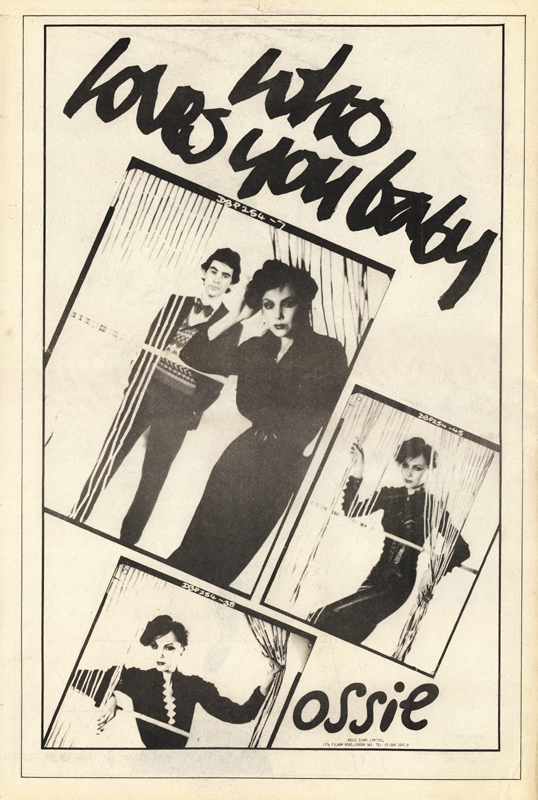
Ossie Clark and Marie Helvin, 1978

Debenhams and Alison Mansell Ltd do not care about fashion history. They do not care about clothes. They certainly do not care about Ossie Clark. They only want your money. But when the fashion industry is looping around on itself like a spirograph, and there are no places left to go, then they take their opportunities wherever they can. And if that means trampling all over the name and legacy of a dead man, then trample they will.

And if you doubt what I say about the quality, please take a moment to look at the dress they have been using as their sole image so far. It speaks for itself.
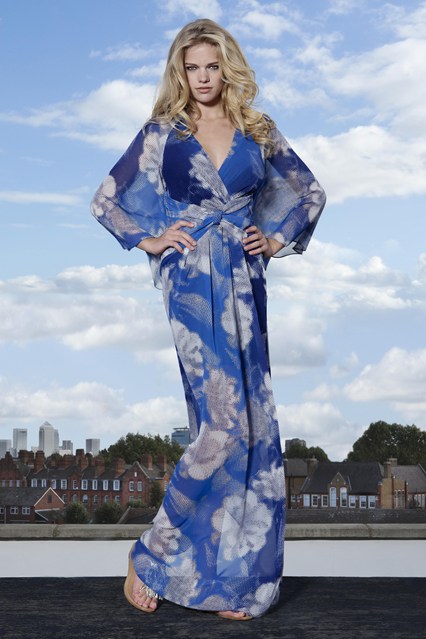
Edited to note that the Daily Mail featured quotes from this blog in an article about the controversy, seemingly inspired by a column by Janet Street-Porter (also in the Mail) in which she also strongly criticised this relaunch.

You can also see equally impassioned blogs on the subject by Liz Tregenza and Queens of Vintage. Let’s start a revolution!

Inspirational Images: Maria

1960s, Adrian Mann, Inspirational Images, mild sauce, thea porter

“Maria represents the ultimate in the look of the Sixties: exotic, naked, and with make-up that is composed of an odd, edgy mixture of fantasy and fact.”

Jewellery by Adrian Mann. Cushions from Thea Porter.

Photographed by David Thorpe. Scanned by Miss Peelpants from Harpers Bazaar, October 1969

Mensday: A man can’t go wrong in a Tonik suit

1960s, Mensday, menswear, Tonik, Vintage Adverts, Vogue

Scanned from Men in Vogue, November 1966

Never mind a binder full of women, this guy has got one in a cage! Baffling copy as ever from mid-Sixties menswear advertising. I can’t help but love it…

Inspirational Editorials: Who Needs Skirts?

1960s, british boutique movement, celia birtwell, chinoiserie, countdown, fulham road clothes shop, Inspirational Images, mary farrin, Mog, ossie clark, Peter Knapp, sunday times magazine, sylvia ayton, thea porter, vidal sassoon, Vintage Editorials, zandra rhodes

Satin trousers, matching jacket, 17gns by Ossie Clark from Quorum

Above is the notorious Lamborghini suit, most famously worn by Twiggy. I honestly love everything from this editorial. Except that the Lamborghini suit doesn’t suit me at all, and I am speaking from bitter experience there.

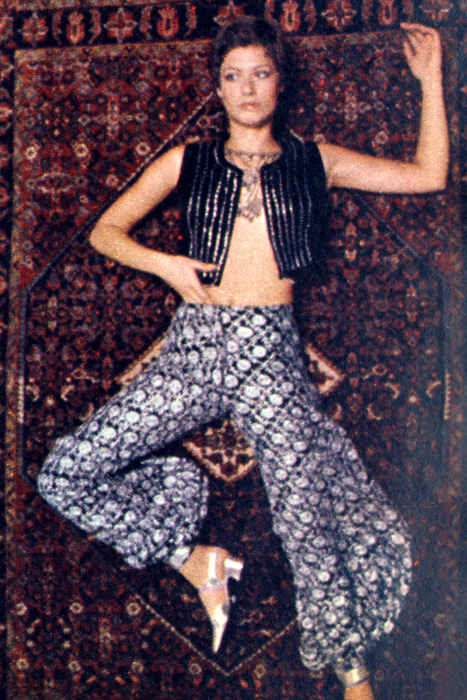
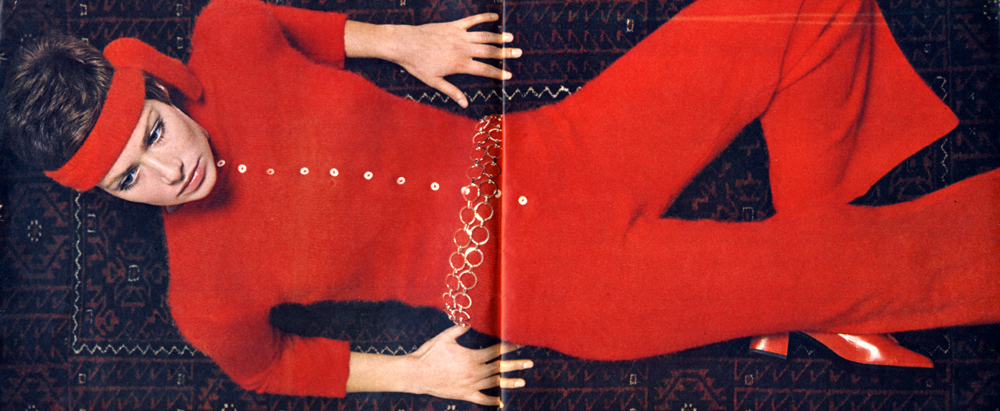
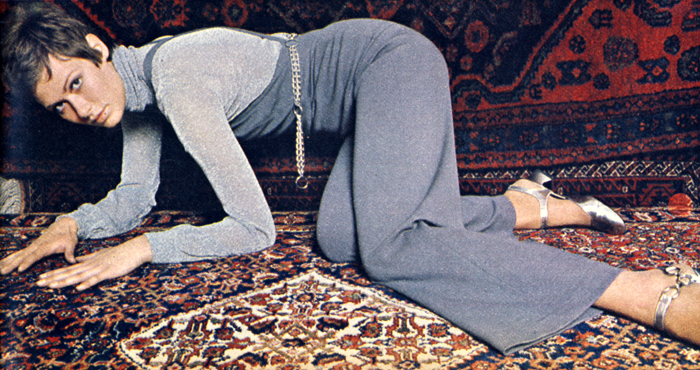
Photographed by Peter Knapp, carpets from Peter Jones.

Scanned by Miss Peelpants from The Sunday Times Magazine, December 1st 1968

Brocade chiffon three-piece outfit with harem pants, 20gns by Ossie Clark from Quorum.

Trouser suit trimmed with snakeskin by Mog, 16gns, Countdown.

Velvet waistcoat £20, and brocade harem pants £16, by Thea Porter Decorations Ltd.

Angora cat-suit by Mary Farrin, 22gns

Dungarees by Zandra Rhodes and Sylvia Ayton, £8 10s, Fulham Road Clothes Shop. Sweater by Laura, £18, Vidal Sassoon Boutique.

Vintage Adverts: Psychedelic London by TWA

1960s, Illustrations, Inspirational Images, LIFE, london, psychedelia, Vintage Adverts

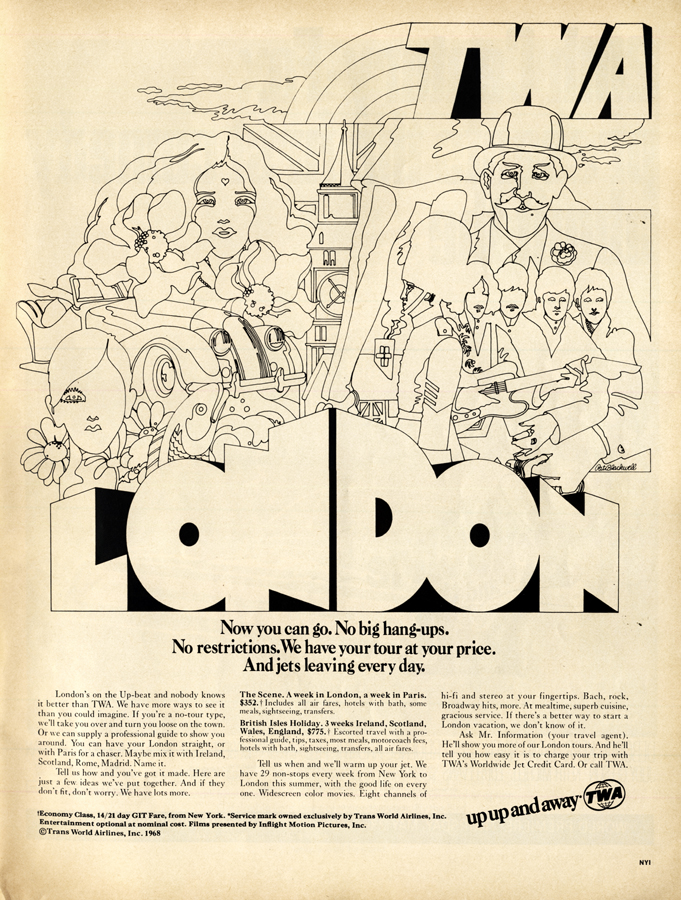
Illustrator uncredited. Scanned by Miss Peelpants from LIFE magazine, May 1968

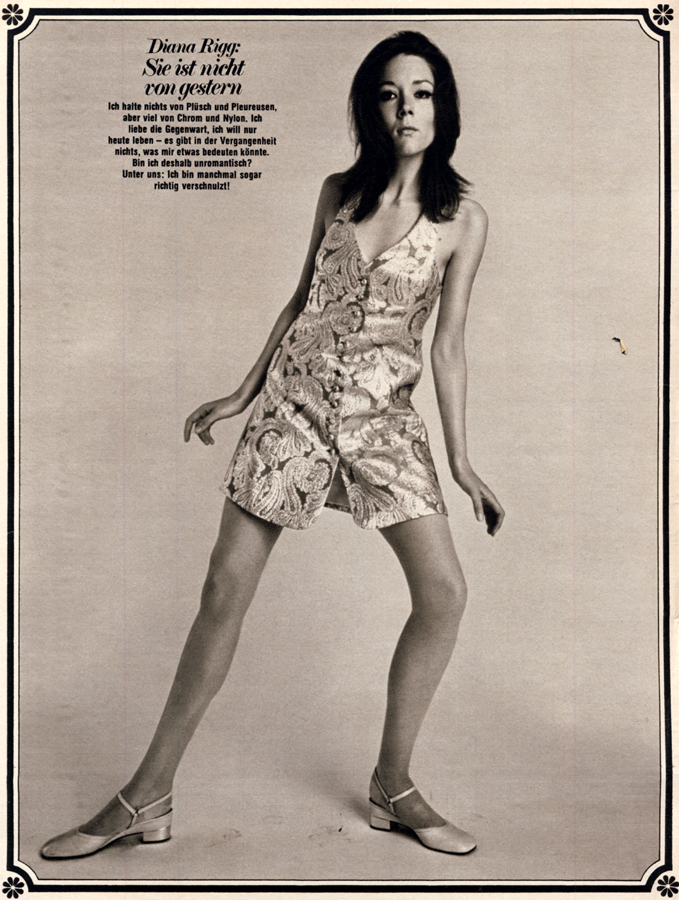
Inspirational Images: Diana Rigg

1960s, diana rigg, emma peel, Inspirational Images, the avengers

Photograph by John Kelly

Scanned by Miss Peelpants as a clipping from an unknown issue of Bravo magazine, late Sixties.

Inspirational Editorials: Coats at the Barbican

1960s, Architecture, Barbican, Elgee, Inspirational Images, petticoat magazine, Richard Dunkley, stirling cooper, Vintage Editorials, wallis

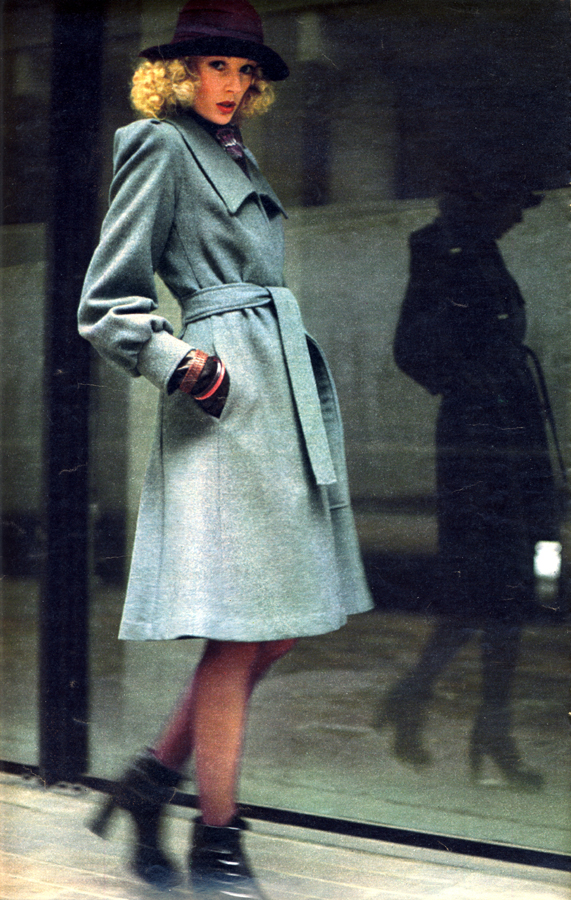
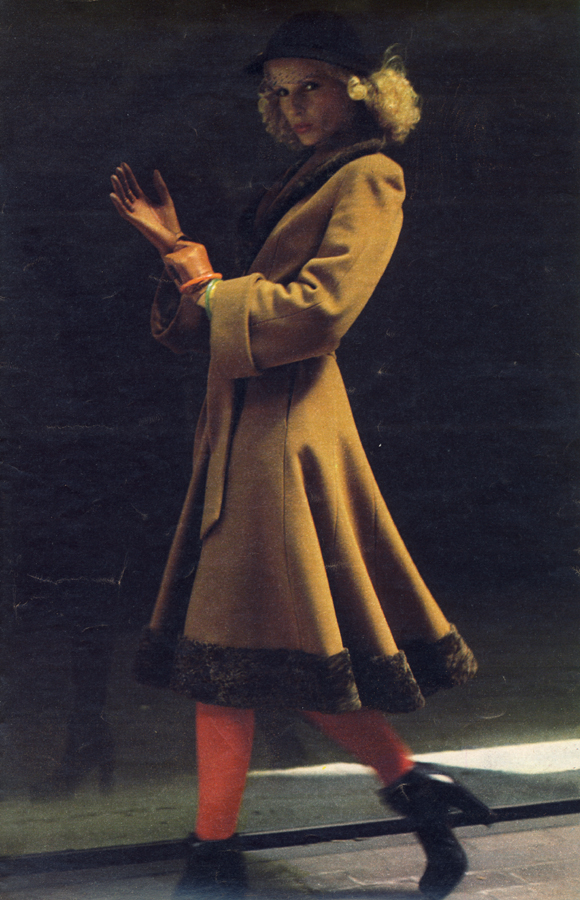
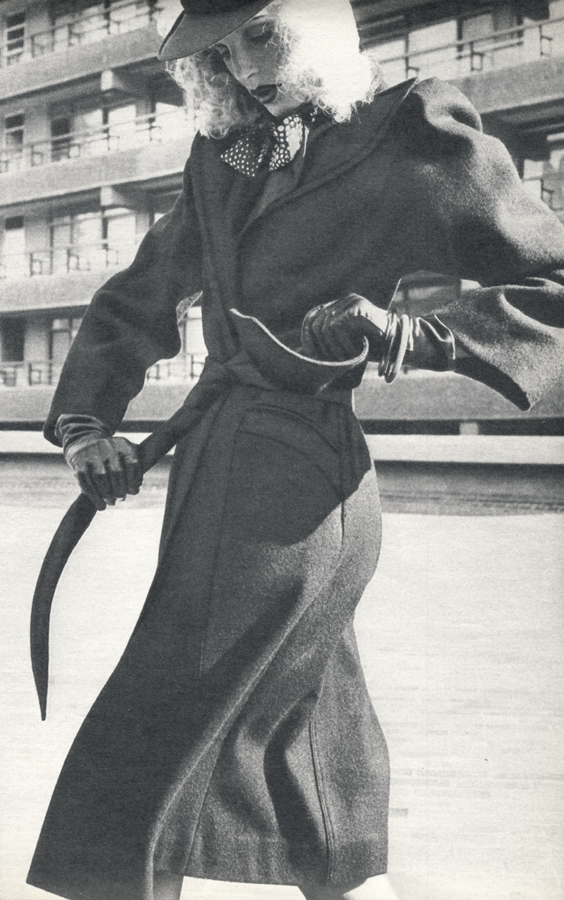
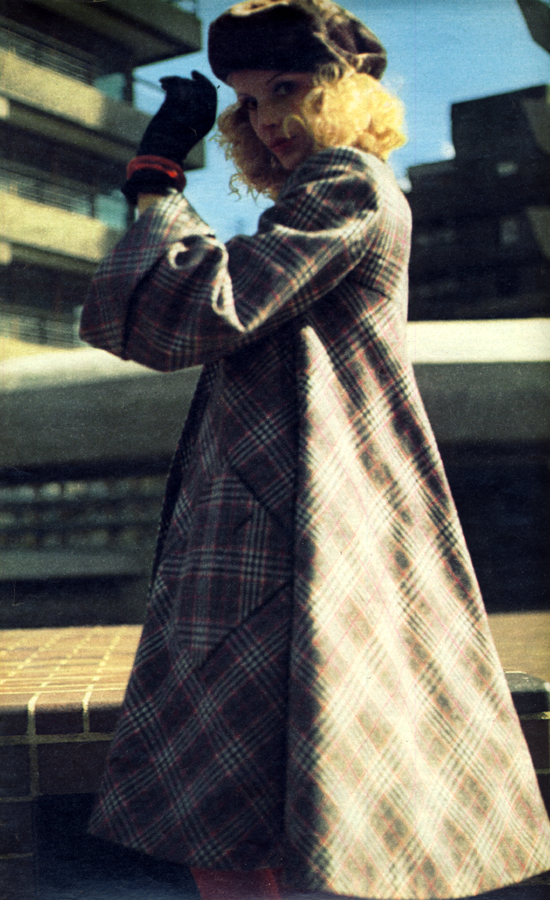
Coat by Elgee

I spent a month working at the Barbican last year, and fell in love with its strange beauty while I wandered around on my breaks. Sometimes these things need to grow on you, or for time to pass on past experiences; it is safe to say that I was never much of a fan during the seemingly endless trips to see the RSC there in my schooldays, nor when I went for a rather traumatic audition at Guildhall…

Amazing to see this glorious Petticoat spread, photographed at the Barbican when it was still a little Brutalist Baby in 1973.

Photographed by Richard Dunkley. Scanned by Miss Peelpants from Petticoat, October 1973

Coat by Shapes

Coat by Stirling Cooper

Coat by Sheraton

Coat by Wallis Shops

Vintage Adverts: Pimm’s

1960s, celia hammond, pimm's, susan small, Vintage Adverts

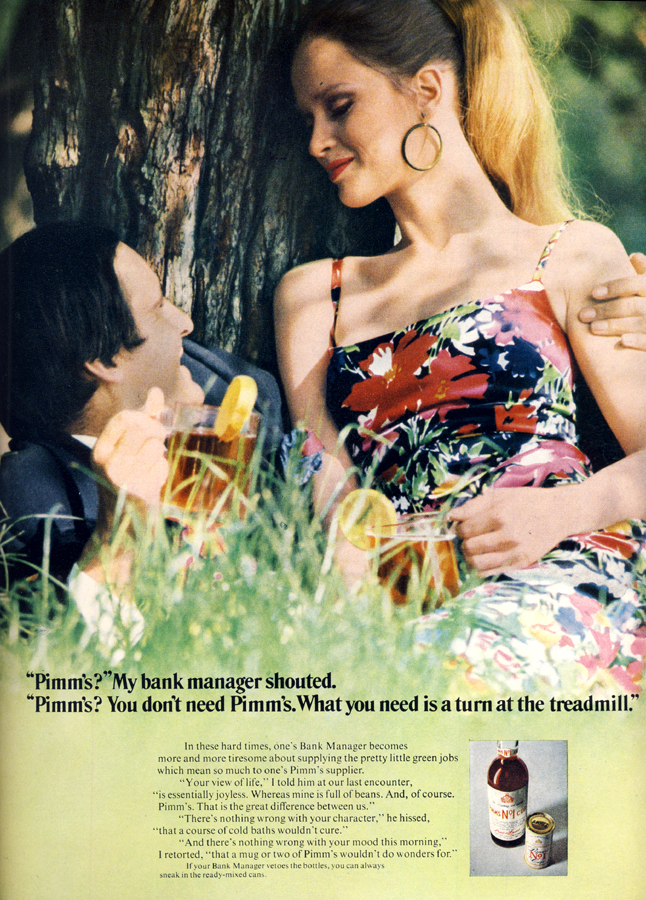
Queen, July 1968. Dress by Susan Small.