Wunderlich in Pink

haute naffness, Inspirational Images, interesting record sleeves, pinkness, roxy music, seventies fashion

Oh lordy. I cannot believe how long it’s been since I last blogged, nor how sporadic my blogging has been. It’s been one of the most all-consuming jobs I’ve done in a long while, and left me more than a little numb inside. Only the thought of getting back to blogging and vintage-ing has kept me going!

So I’m easing myself back in gently (I finish tomorrow night, thank goodness) with a little toe-in-the-water blog post.

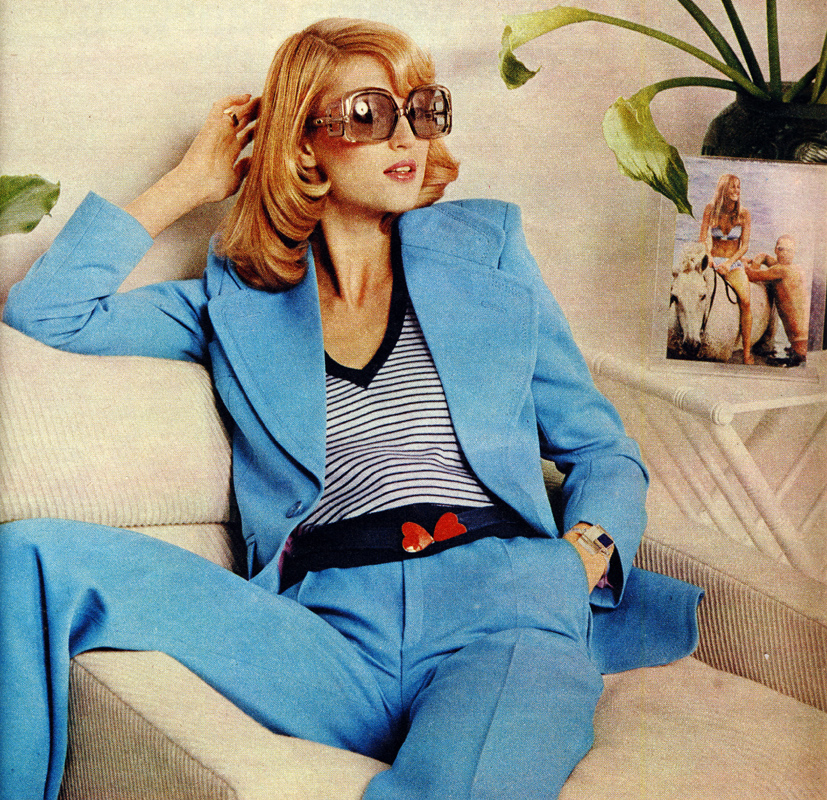
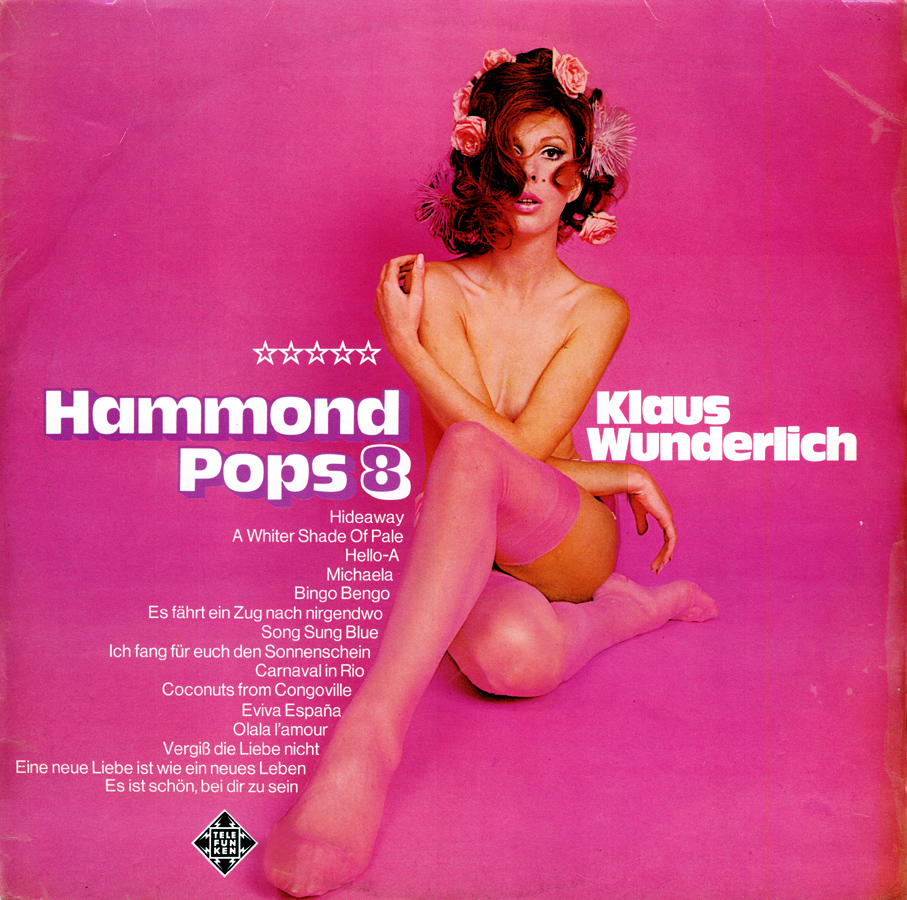
I like to think of myself as someone who is developing a nice collection of tasty vinyl (mainly Roxy Music and Fox recently…I’m moving on to Living in a Box next, just to maintain the rhyme), of course. But occasionally I simply have to buy something just for the amazing cover. Everyone knows the Top of the Pops albums, and their variations, so I try to scout out the more unusual ones. Although it’s hard to justify beyond ‘it’s for the blog’ and then I forget to scan them in. Like this one. Someone had obviously had a major Wunderlich clearout, but I couldn’t justify buying a whole bunch of dodgy-looking Seventies women at £1.50 a pop. So I picked my favourite, and she’s definitely the least dodgy-looking. She’s pretty incredible, to be honest, and I just couldn’t get over the pinkness. Enjoy!

Stamp of Chic

cherry twiss, janet reger, missoni, mr freedom, norman eales, ossie clark, seventies fashion, sonia rykiel, telegraph magazine
Stamp of Chic
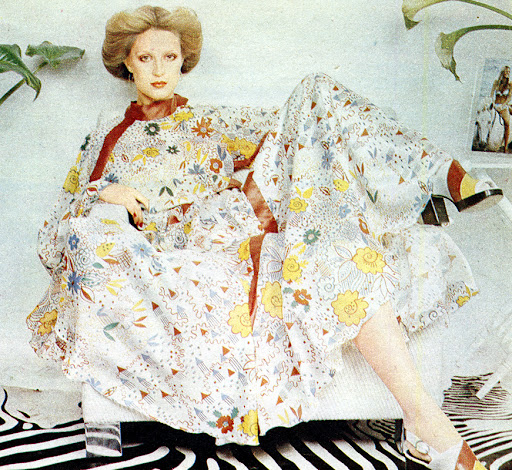
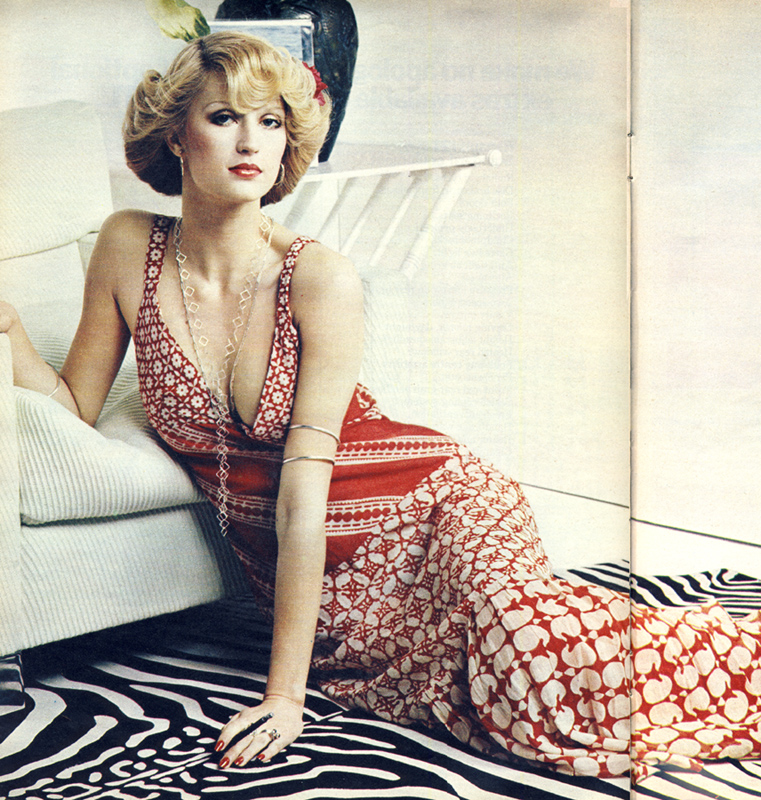
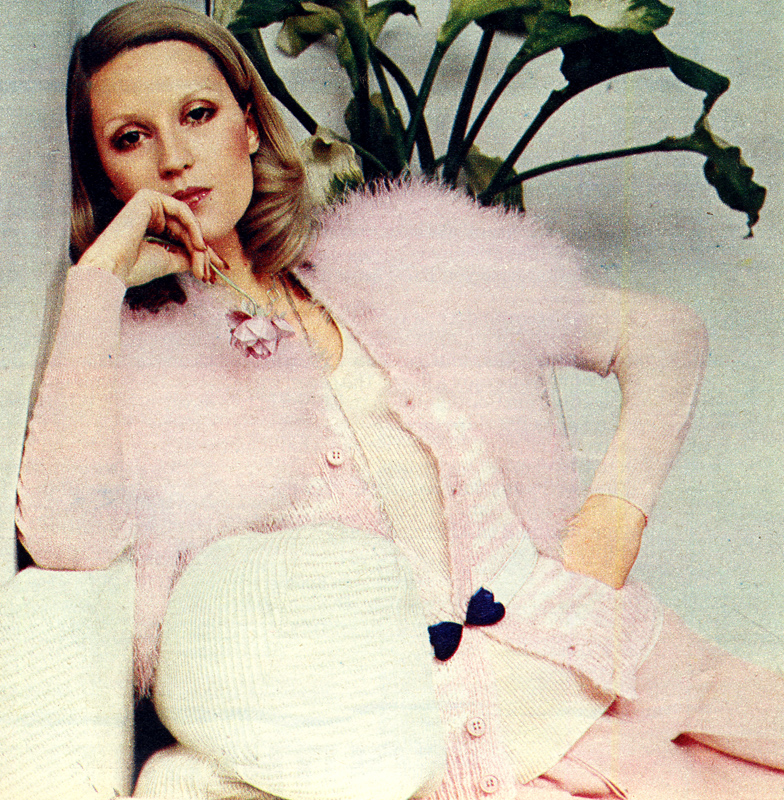
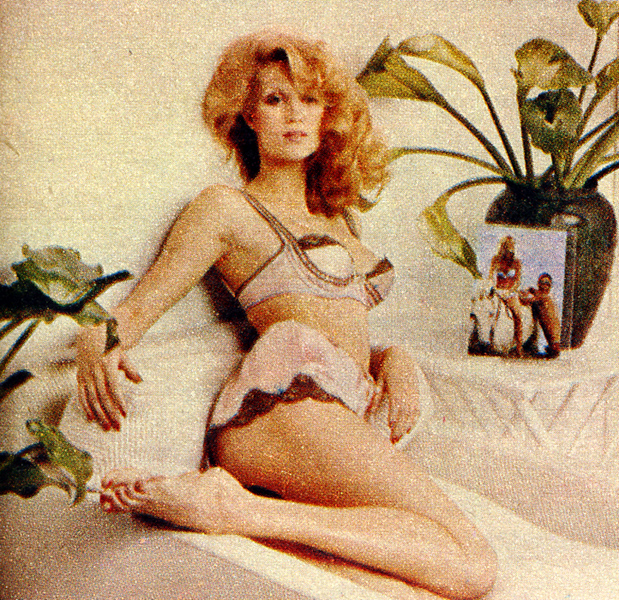
Daily Telegraph Magazine, May 5th 1972

You no longer need time on your hands and London on your doorstep to keep slightly ahead of fashion. Now many of the brighter boutiques sell their clothes by post, and it is as easy to dress well in the Hebrides as in Kensington. For example, Ossie Clark’s screen-printed silk skirt and flowing smock (above) can be ordered separately from Just Looking, 88 King’s Road, London SW3 and 5-7 Brompton Road, SW3. The smock costs £34.10, the skirt £56.65 (plus 25p post and packing).

Fashion Editor: Cherry Twiss. Photographer: Norman Eales.

Browns, 27 South Molton Street, London W1, will send the red and white Indian cotton slip dress (left) for £25, plus 55p post and packing.

The Sonia Rykiel collection at Browns includes the maribou jacket, £28, sweater, £16, and waistcoat, £15. The pleated skirt, £21, is also from Browns.

The yellow trouser suit of Missoni's knits (right) costs £65 from Browns. Shoes by Pierre Cardin, £17.50, from Charles Jourdan.

French knickers, £3.70, and bra, £3.70, in pink silk are by Janet Reger. By post only from Bottom Drawer, 4 bouverie Place, London W2.

Mr Freedom, 20 Kensington Church Street, London W8, post this gaberdine trouser suit designed by Kim Lew. The price is £28, plus 25p post and packing. Walter Albini halter neck top, £18 from Browns.

Inspirational Images: Moon Heart

Inspirational Images, Sarah Moon, seventies fashion, Vogue

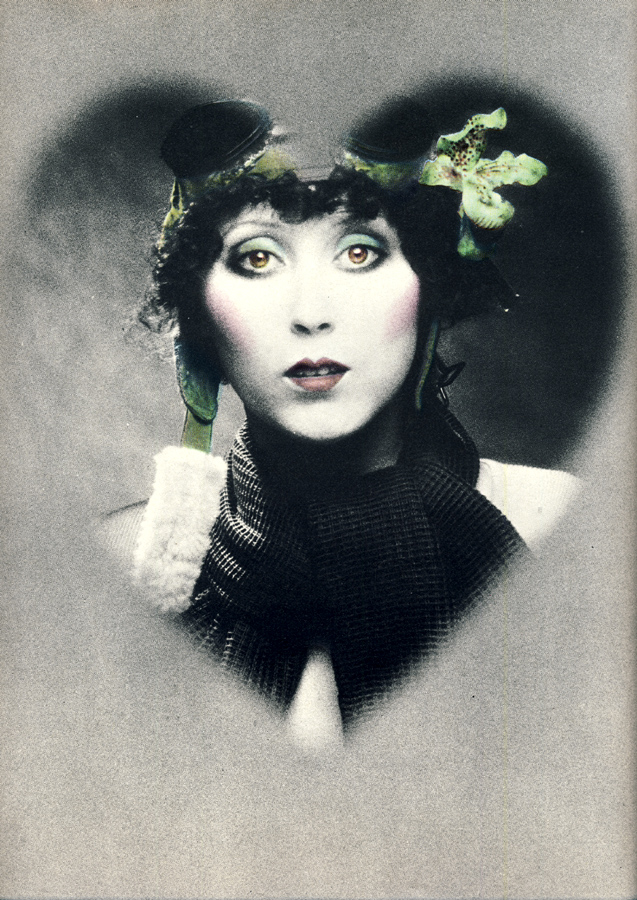
Simply beautiful photo by Sarah Moon from Vogue, June 1974.

One face, four moods

Clio Goldsmith, hair, Honey Magazine, Make-up, seventies fashion

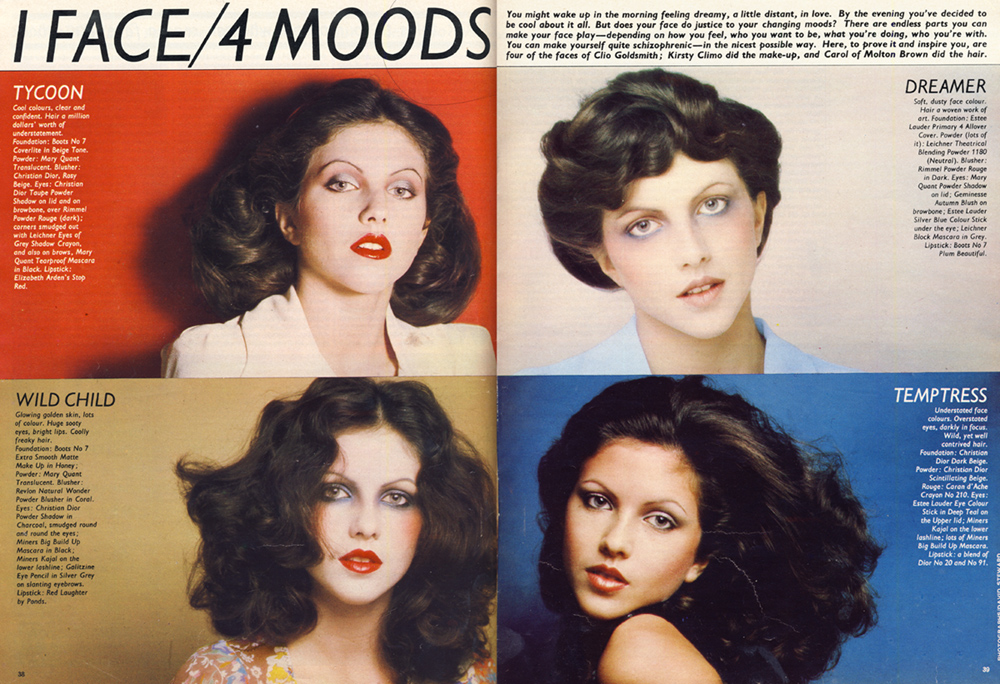
I’m sorry, I just couldn’t bear to type it out as ‘1 face/4 moods’ in the title. It just looked so clunky. Regardless of such pedantry, this is a stunning two page spread. Wild child and temptress are the clear winners, for me, because I am clearly both. Ha! Ho! Hee!

‘Coolly freaky hair’ is exactly what I aspire mine to be described as. I’m starting to think I just need to get it permed and be done with it…

Scanned from Honey, February 1975. Photographed by David Steward.

Wear your art on your sleeve

countdown, deborah and clare, hans feurer, liberty's, lyn and mary, menswear, mr fish, mr freedom, pablo and delia, seventies fashion, sunday times magazine

Designed by Lyn and Mary, available at Deborah and Clare

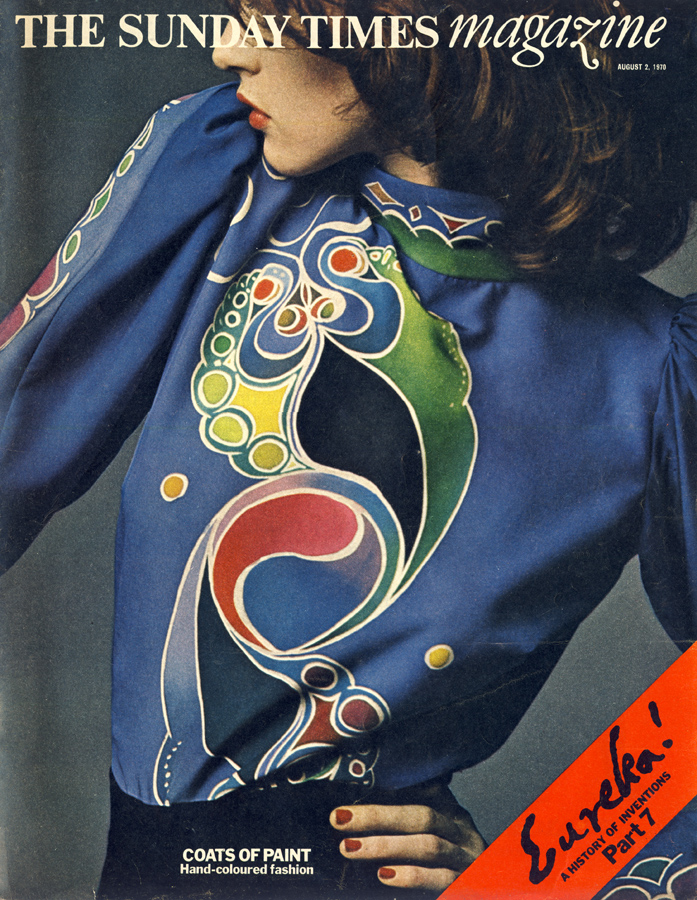
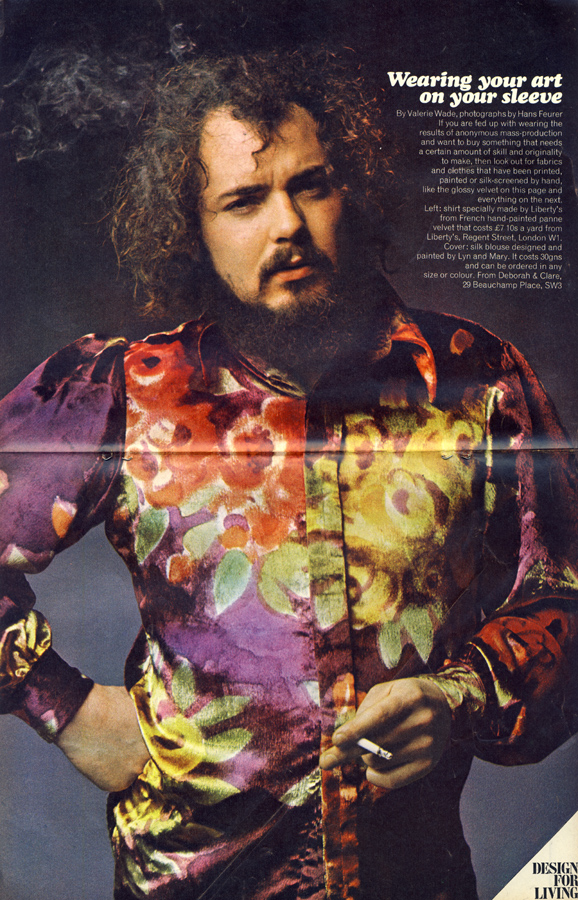
Incredible spread from August 1970, showing the best of the exquisitely hand-painted and printed textiles around at the time. Highly covetable and just about the most perfect styling ever. There’s even a token piece of menswear!

The Sunday Times Magazine, August 1970. Photographed by Hans Feurer. Scanned by Miss Peelpants.

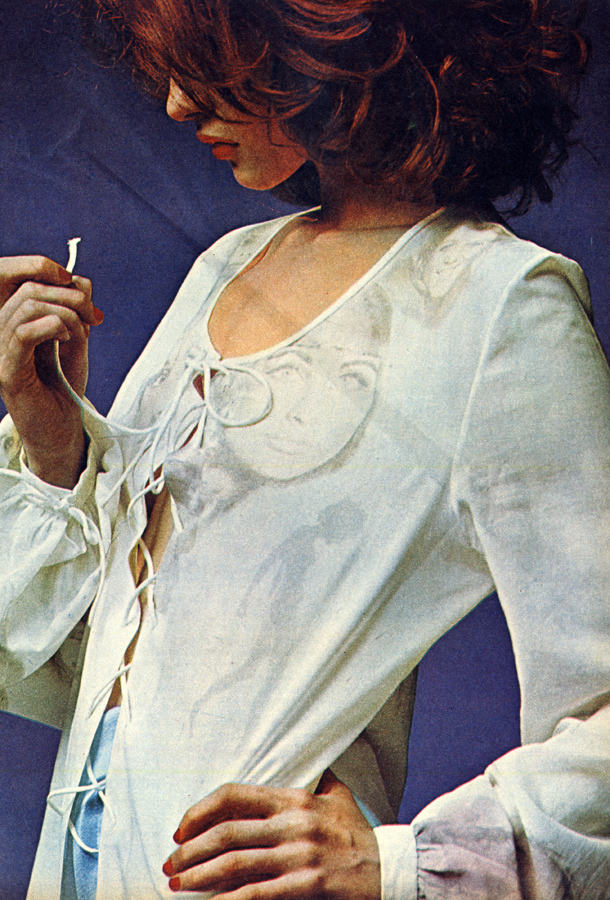
Faces reprinted by Roger Riley (art student at Liverpool Polytechnic) onto voile shirt.

Mr Freedom, 430 King's Road

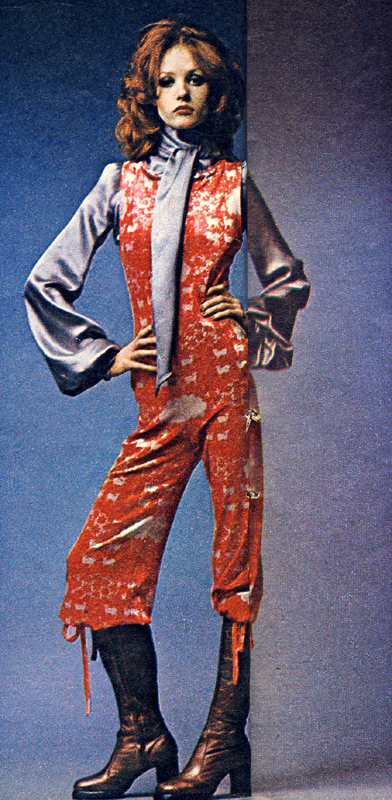
Jumpsuit by Marsh and Armstrong, to order from Countdown 137 King's Road. Shirt by Biba, boots by Mr Freedom

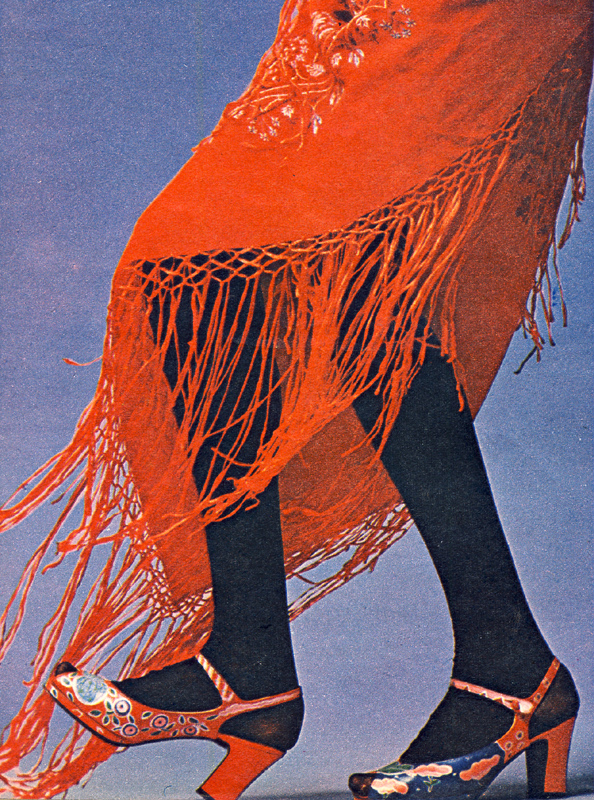
Shoes decorated by Pablo and Delia. Shawl from Imogens, 274 Fulham Road.

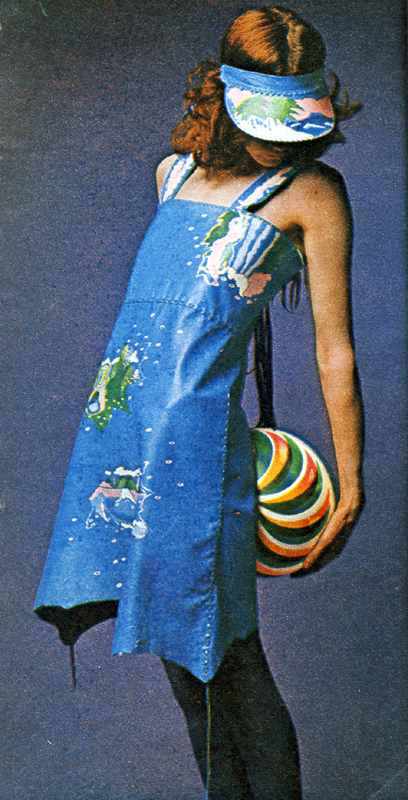
Dress and eyeshade by Pablo and Delia. To order from Mr Fish, 17 Clifford Street.

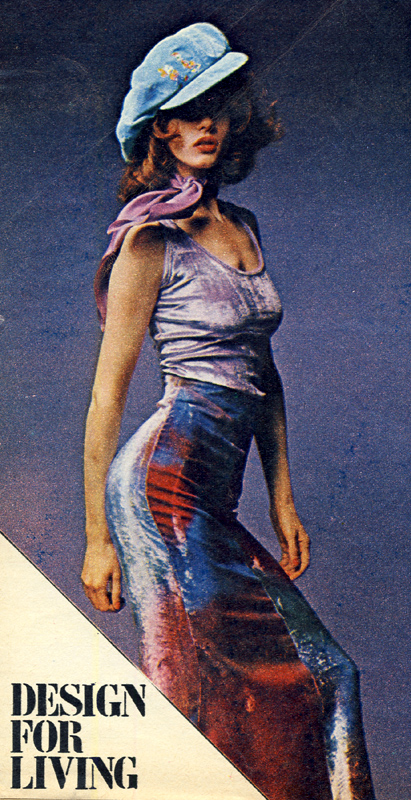
Designed by Lyn and Mary, available from Deborah and Clare

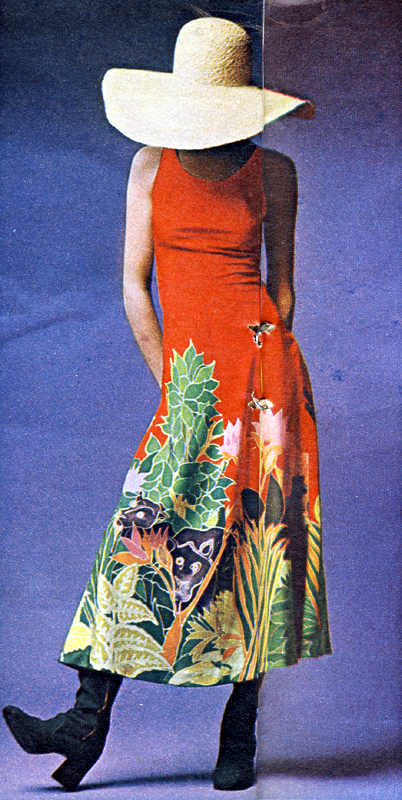
Silk dress by Lyn and Mary from Deborah and Clare. Hat and boots by Biba.

Shirt made specially by Liberty's from French hand-painted panne velvet.

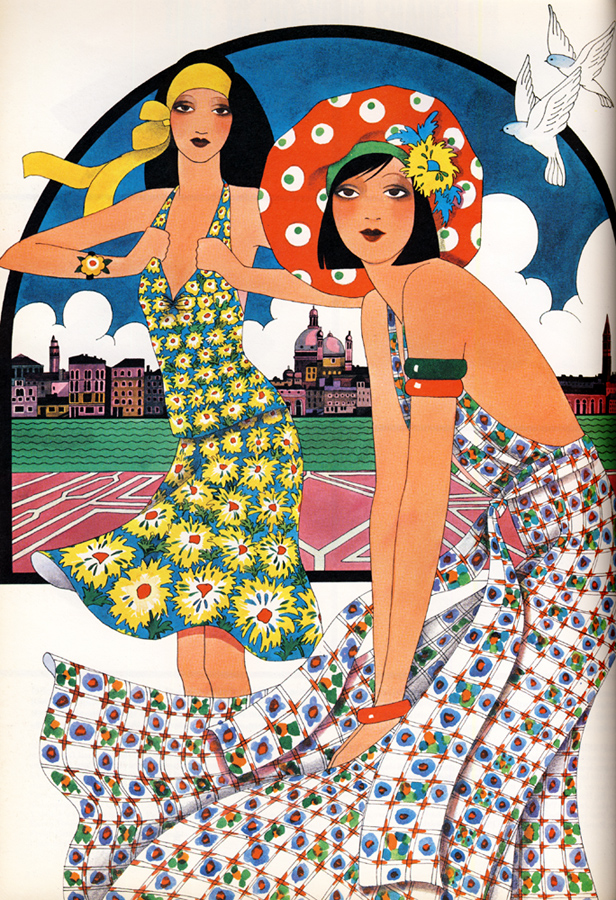
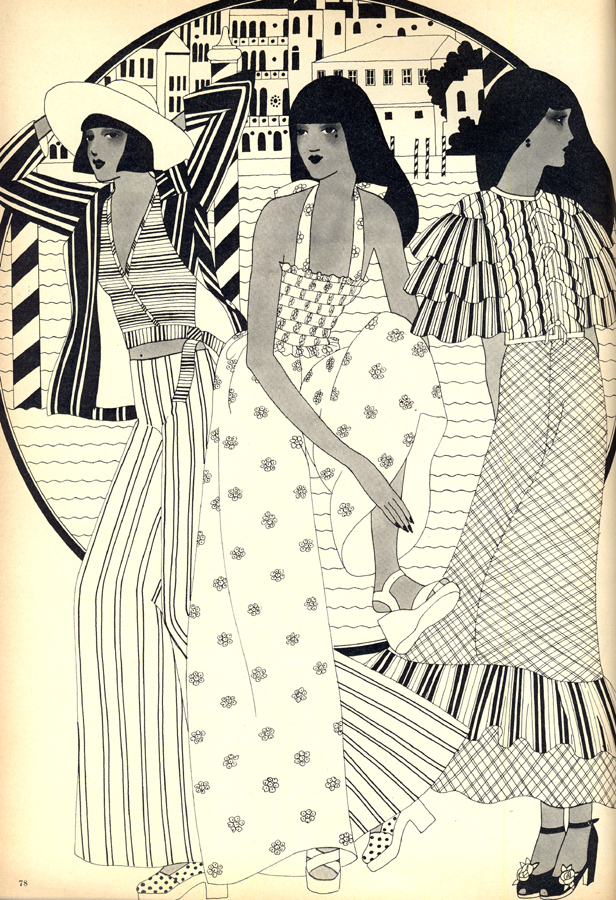
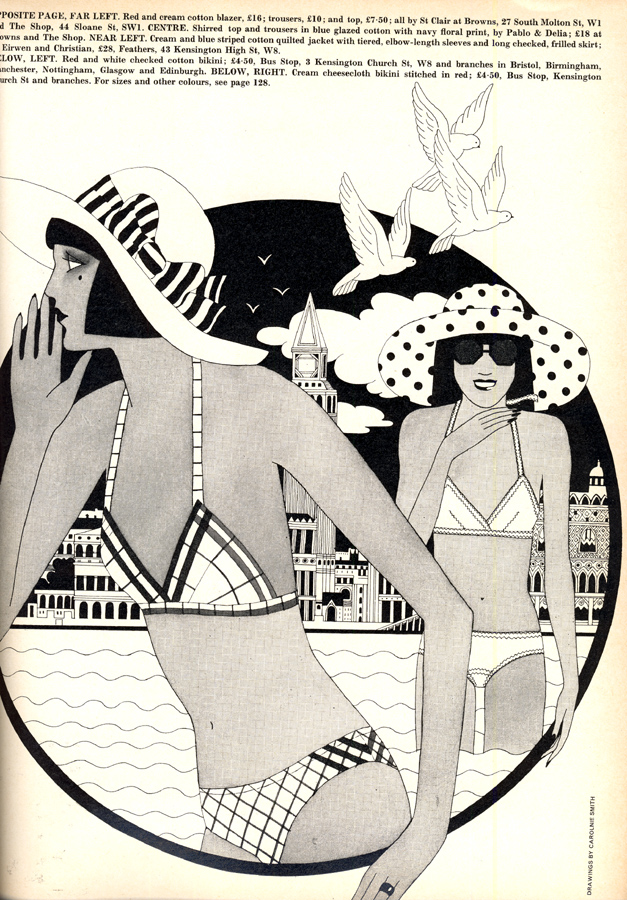
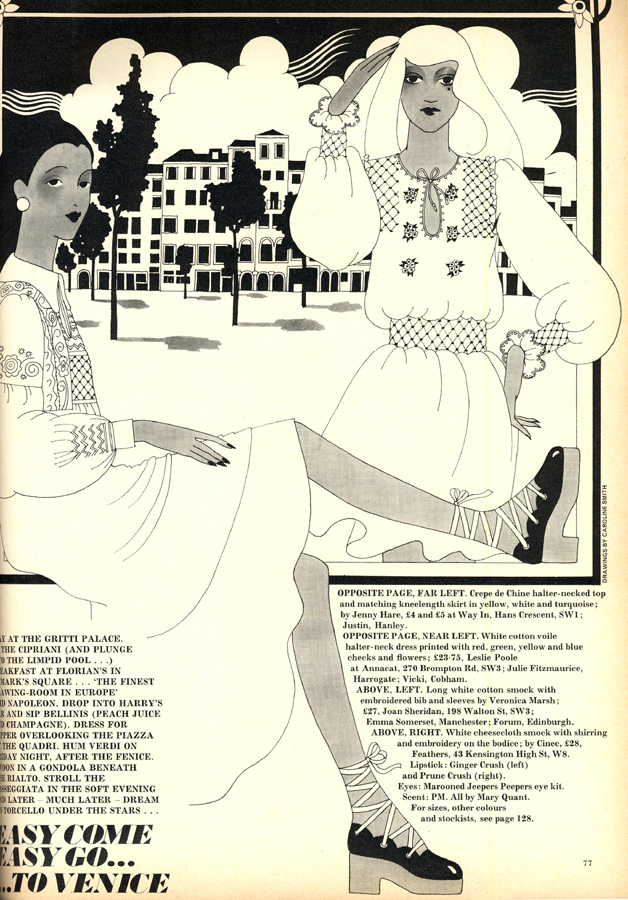
Illustrations in Harpers and Queen, July 1972

annacat, bus stop, caroline smith, Illustrations, pablo and delia, queen, seventies fashion

Truly, inspirationally perfect illustrations from Harpers and Queen, July 1972. I recently acquired an Annacat in the same print as the one above, in a slightly different cut, and I have another dress in the exact same cut but a plain green fabric. Annacat dresses make me happy, this spread makes me happy.

If you would like some Annacat happiness in your life, please check out the amazing one I have for sale on my website.

Illustrations by Caroline Smith

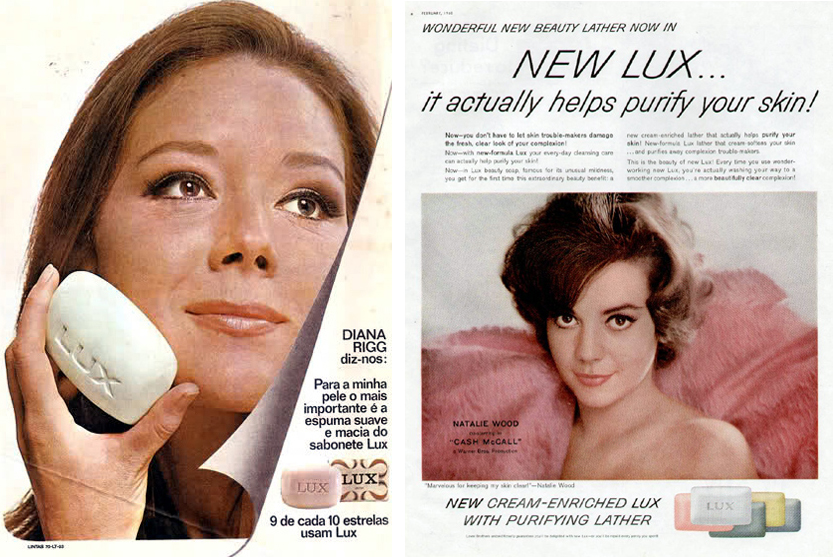
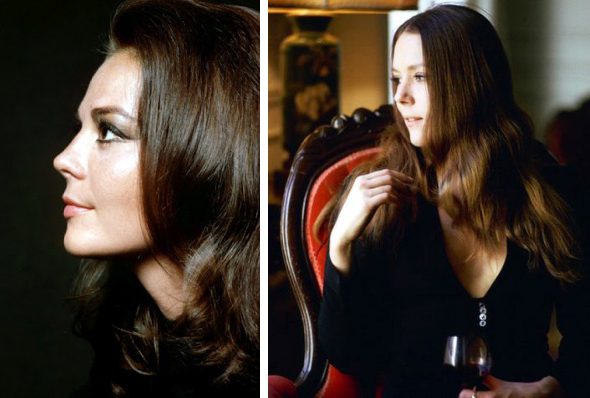
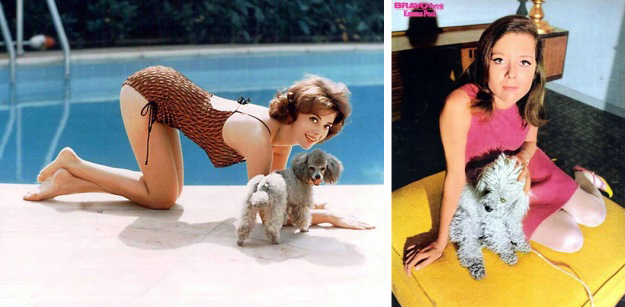
Diana Rigg and Natalie Wood…

1960s, diana rigg, natalie wood, picture spam, seventies fashion

…were born on exactly the same day, in exactly the same year. When I first discovered this factoid, I was genuinely taken aback. Natalie Wood seems like she comes from an entirely different era to Diana Rigg. But I now realise this is more of a perception problem on my part, mainly because Wood died so young and became famous much earlier; some of the similarities in these photos are seriously spooky.

Happy birthday ladies, you deserve a picture spam!

Irina Ionesco

irina ionesco, Photographers, seventies fashion
The 16th is a very ordinary suburb of Paris. In it are many grey, ordinary blocks of flats. Taking the lift to Irina Ionesco’s apartment, where she lives with her daughter, model Eva, it seems very small and cramped, but there is nothing unusual about it. Can this really be the home of Rumanian-born Irina Ionesco, one of France’s most exotic and famous photographers? Is this really where she has produced her best work during the last 15 years?

Irina Ionesco (wearing that Biba dress!)
This apartment contains two distinct worlds. The real world of cups of tea and chatting about the weather, and the fantasy world of Irina Ionesco’s dreams. The largest room in the flat has been turned into a studio. Not the sort of studio usually constructed by professional photographers, however, but a boudoir crammed full of curios. It has the atmosphere of an Arabian tent, or perhaps a Turkish harem. The whole room is black — the walls and ceiling — and there are shutters over the windows.
Inside the room everything takes place in darkness, to the exclusion of the everyday world. What is behind the shutters of this room? ‘Nothing, a very neutral scene. A drab, brick garden I have no wish to see.’
The room is decorated with shawls, canopies of lace, and other delicate fabrics. The atmosphere is so characteristic of her photography and all the objects in the room are used in her picture-making. ‘None of them are of any great value,’ says Irina, ‘all that matters to me about accessories is the shape, what they remind me of. Even if the price or quality of something is modest, I’m interested in transforming it into something marvellous through the magic of the lens. I have often been called “the Queen of Rags”, which I don’t much like though it isn’t exactly derogatory, though it is a fact that you can do a lot with rags. Everything depends on vision — this is what enthralls me. What I like to do is find a girl who is ugly and make her into something unique. It’s a constant process, or else it wouldn’t work. Few people see in a dirty rag anything but a dirty rag, whereas I can visualize what it can become, a piece of frippery perhaps a hundred years old…’
The ‘magic of the lens’ is what makes Irina Ionesco’s photographs so interesting. However, her work does not depend on any great technical expertise. Though she has experimented with solarisation, she uses little by way of lighting and no technical trickery to achieve her effects. In fact, she is self-taught, having started photography purely by accident. After moving to Paris at the age of 16, she took up painting and became quite successful. Some galleries became interested in her work and collectors started to buy it. ‘Then,’ she says, ‘I changed my way of working, and people were astonished. I was criticized. I lost my collectors. I had an exhibition that was a flop. I decided to stop painting. Then, quite by chance, I bought a camera. I bought a 35mm reflex with a 50mm lens and some filters, and brought it back here, not having any idea how to use it. I was even less interested in the technical side then than I am now, but I did acquire some rudimentary knowledge.’
She learned by experiment, but her aim was not so much to create with the camera as to record the scenes that were enacted in her private theatre, this private world of dreams. She does not photograph models, she photographs people she knows. ‘I do not always choose them,’ she says, ‘sometimes they come to me. There’s always been the possibility of dialogue.’ However, her most frequent model has been her daughter Eva, who knows her best.
‘What happens is that I start working, usually in the evening because my imagination only comes to life at night, and I begin to arrange the elements for a photograph. The mood of the picture develops slowly. The model and I talk, and eventually I get the moment which I think has captured the mood. It’s a very precious moment because the model has to be completely inside the situation. Five minutes either way and you can be outside it. You have to be patient.
‘I understand that in more luxurious surroundings I could do many things which weren’t obvious at the start, but it is good to work economically, to have a sense of values: to have only one light, one camera and lens, one pencil to write a beautiful poem, one box of paints for a magnificent work.’ Until recently, these deliberate limitations have included ‘one film’ – black and white Tri-X. She has said that ‘black and white is far more metaphysical,’ and avoided colour in her dream world, ‘no doubt because reality is co1oured,’ she admits. Now she has started to experiment with colour, but without leaving her dream world.
She says each photograph is ‘like an autobiographical poem.’ This suggests that she photographs her daughter and certain girls because she can impose her personality on them. The mood she creates is also personal. ‘Maybe it is myself all the time. The model can become my mirror and indeed people often think that the model in the photograph is myself as I was ten years ago.’ 
But her pictures of women, with their pallid complexions and statuesque poses, often suggest death. ‘Yes. I didn’t set out to do this — it happened. It is more than death, it is mainly the waiting. It is an image of loneliness. Loneliness and death are almost the same thing.’
Interview and photos taken from ‘How to Photograph Women’ by Dixons.

Madame Grès

fifties fashion, forties fashion, madame grès, musee bourdelle, paris, seventies fashion

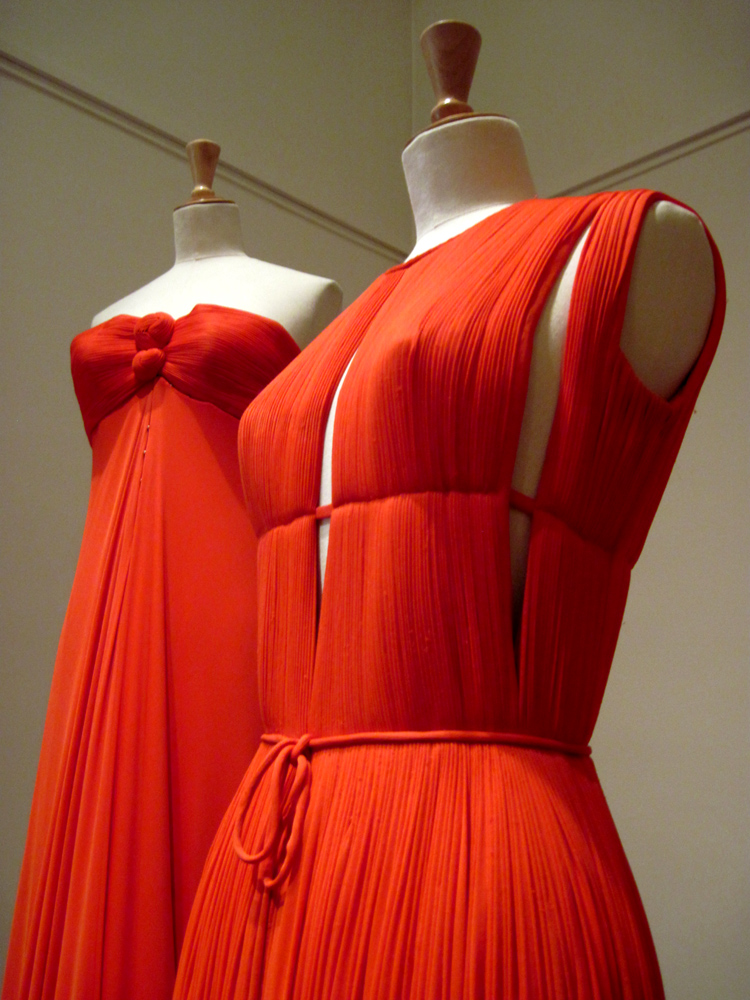
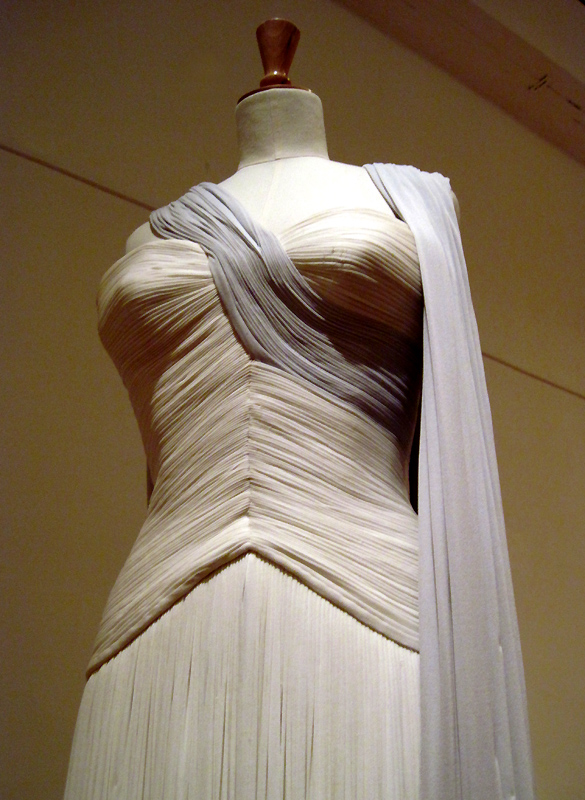
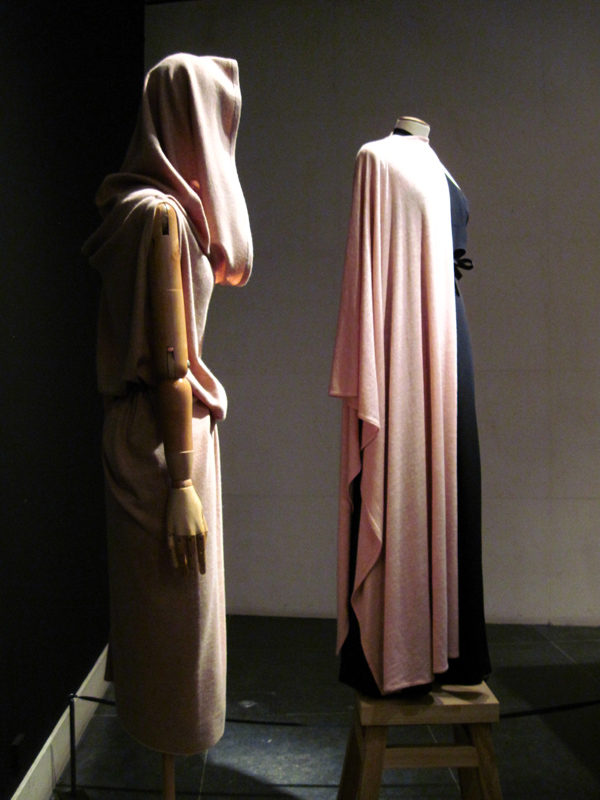
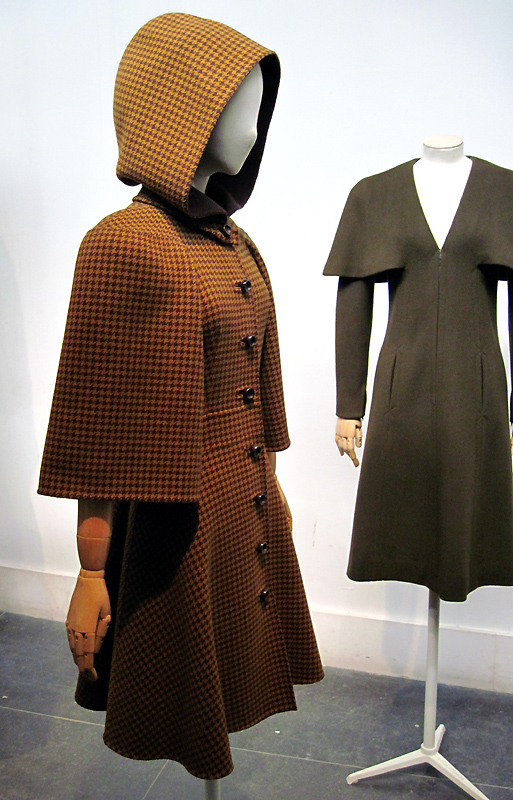
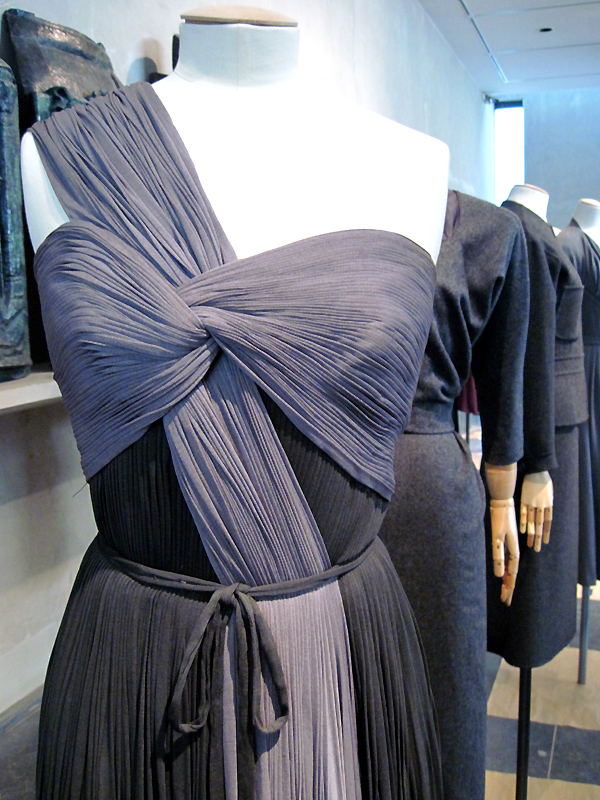
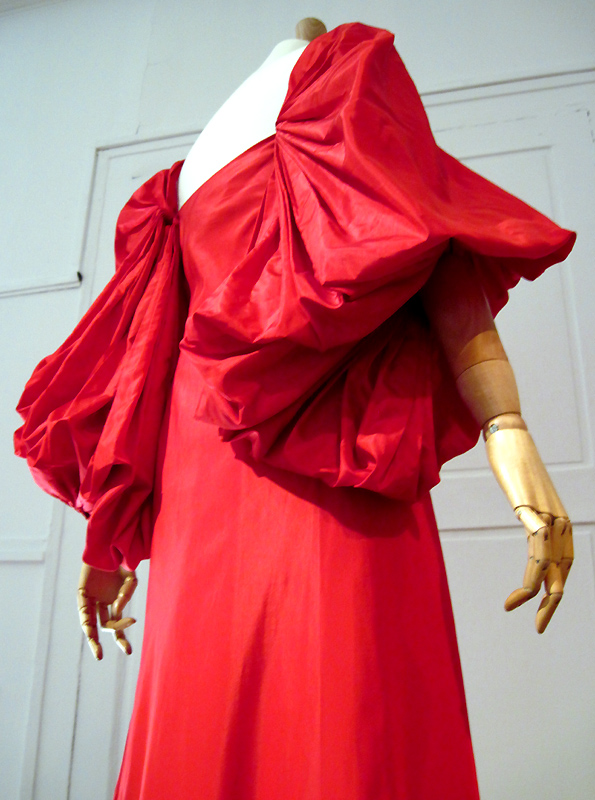
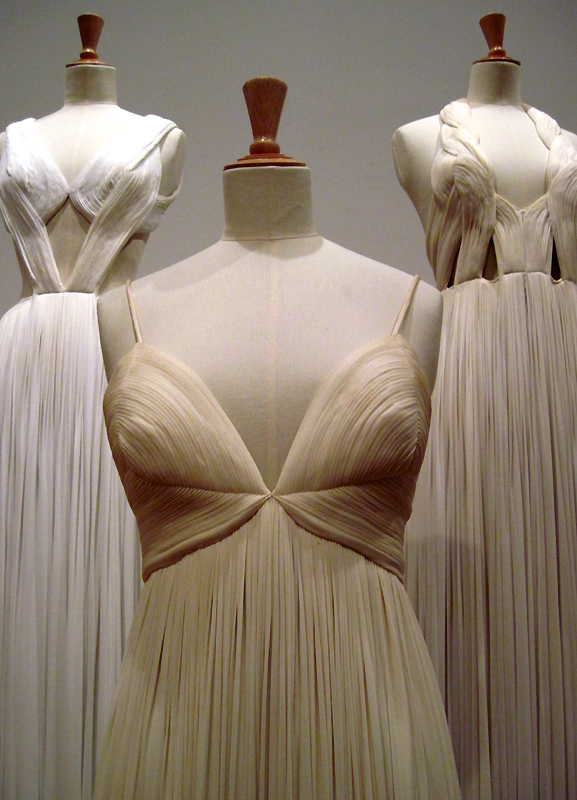
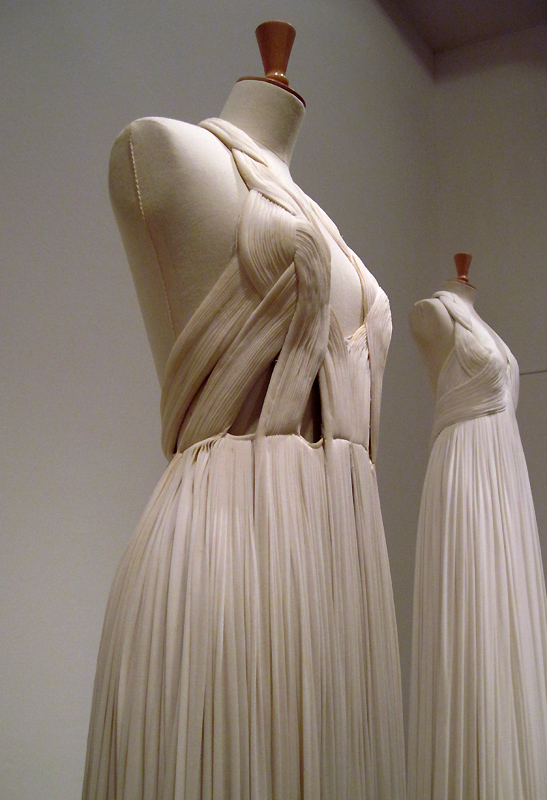
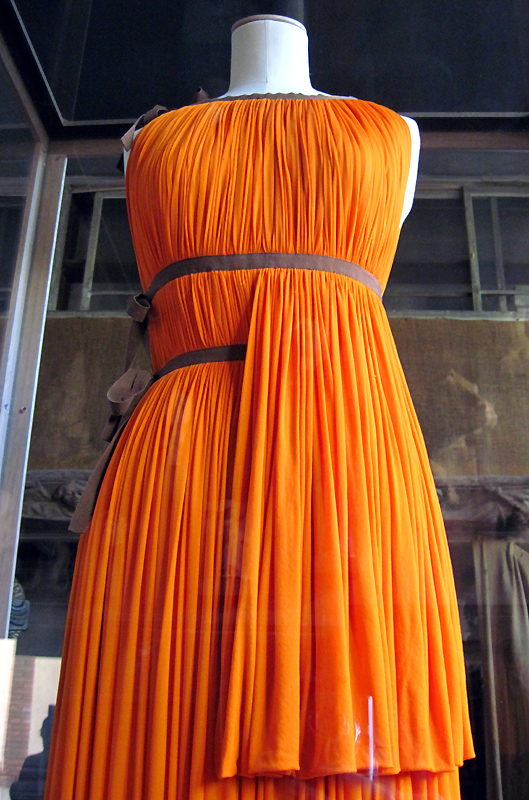
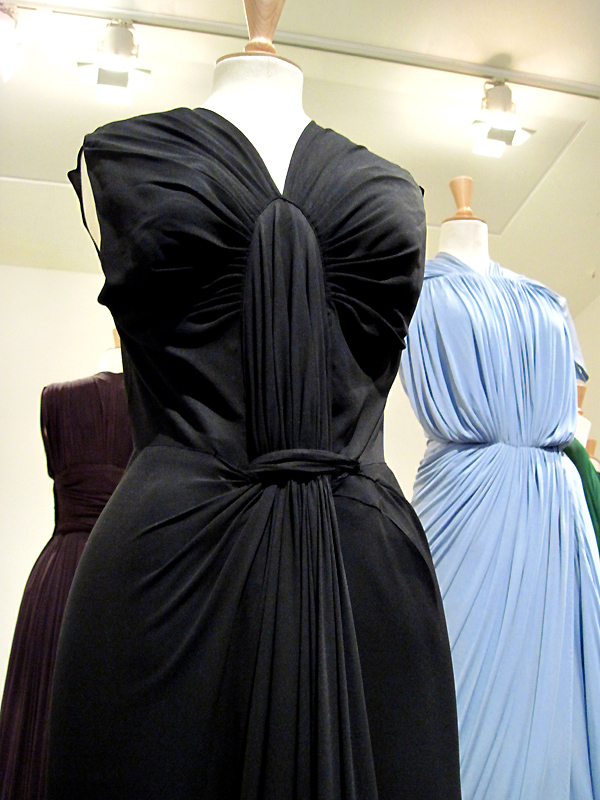
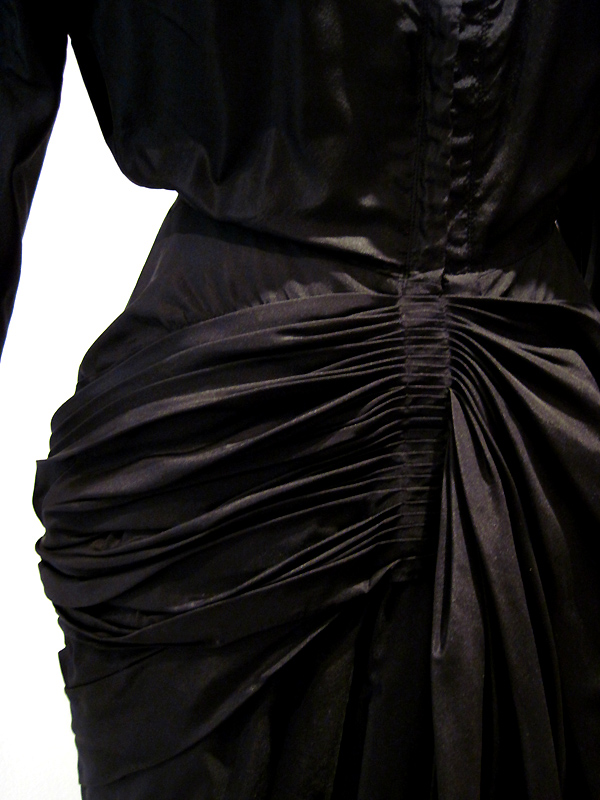
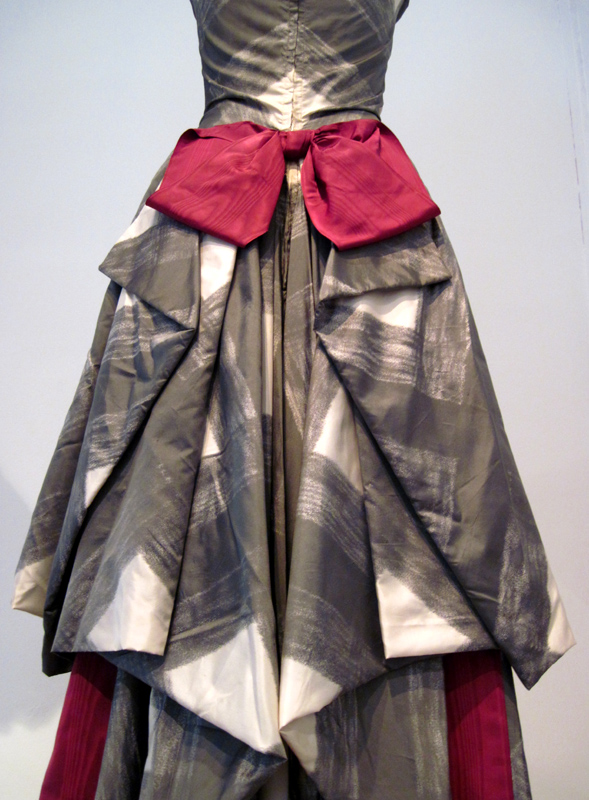
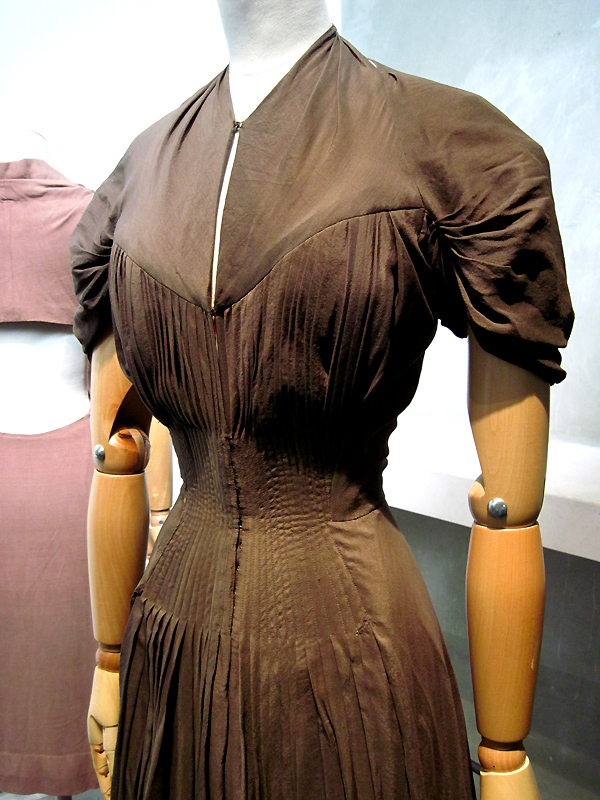
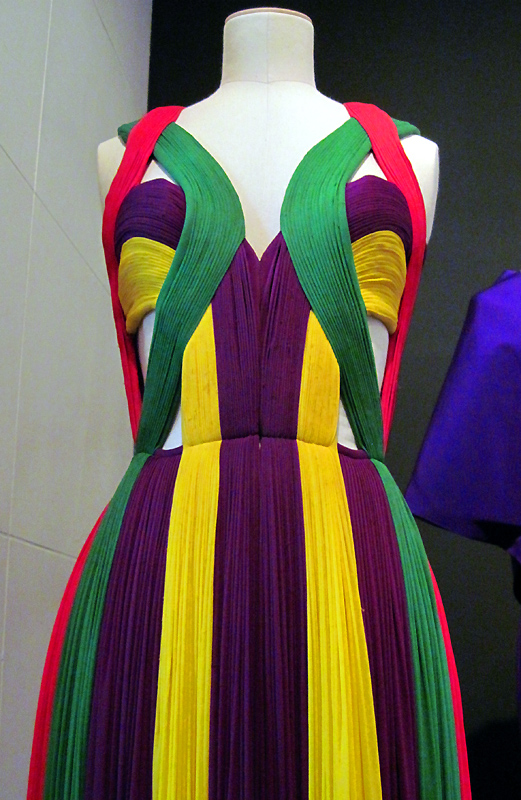
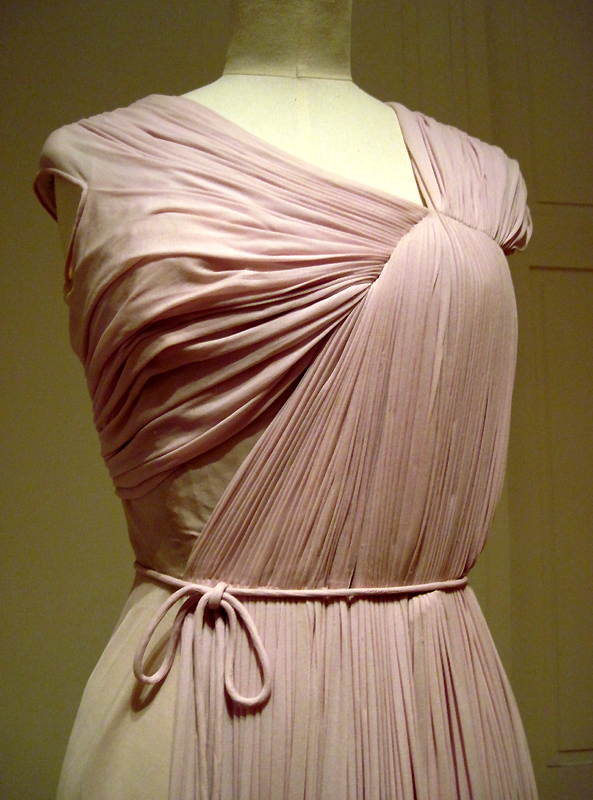
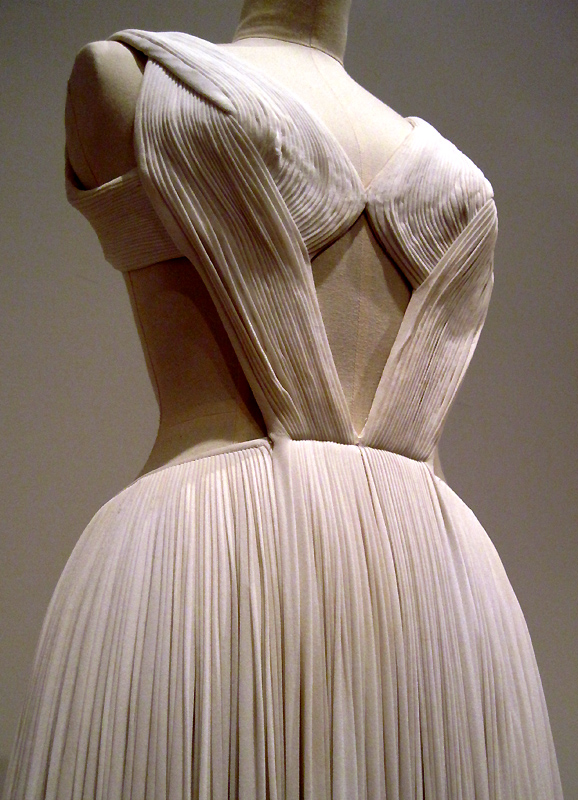
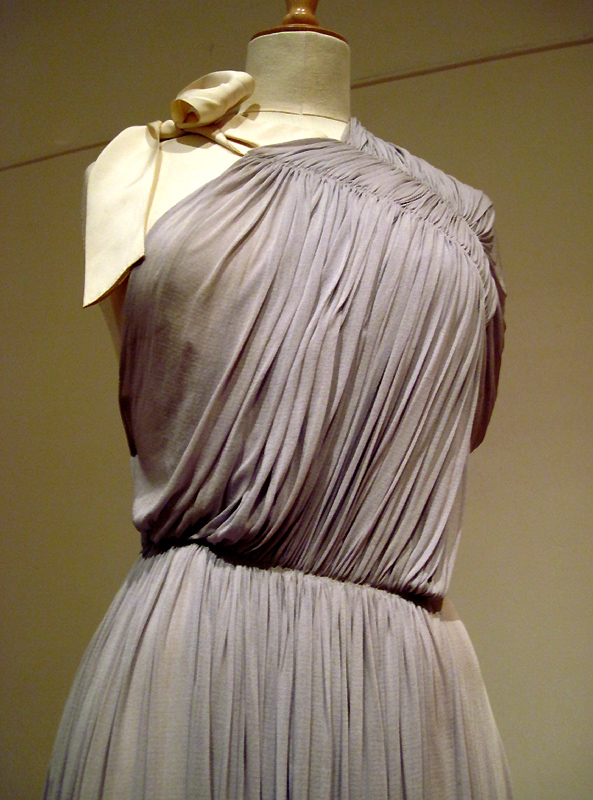
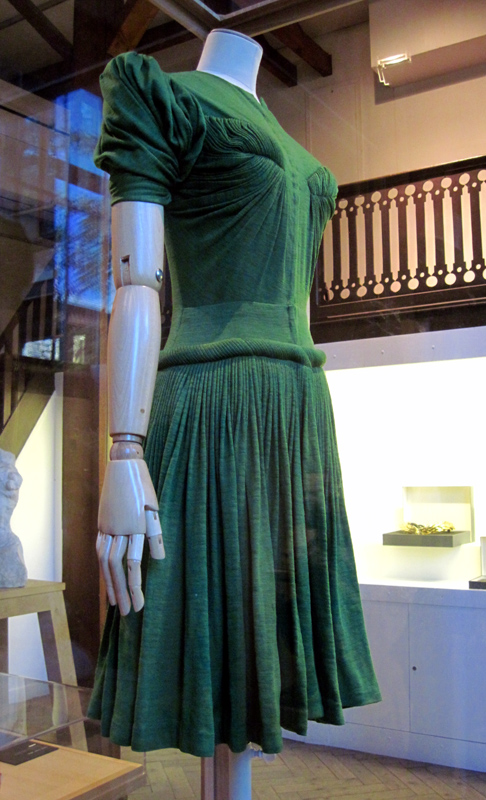
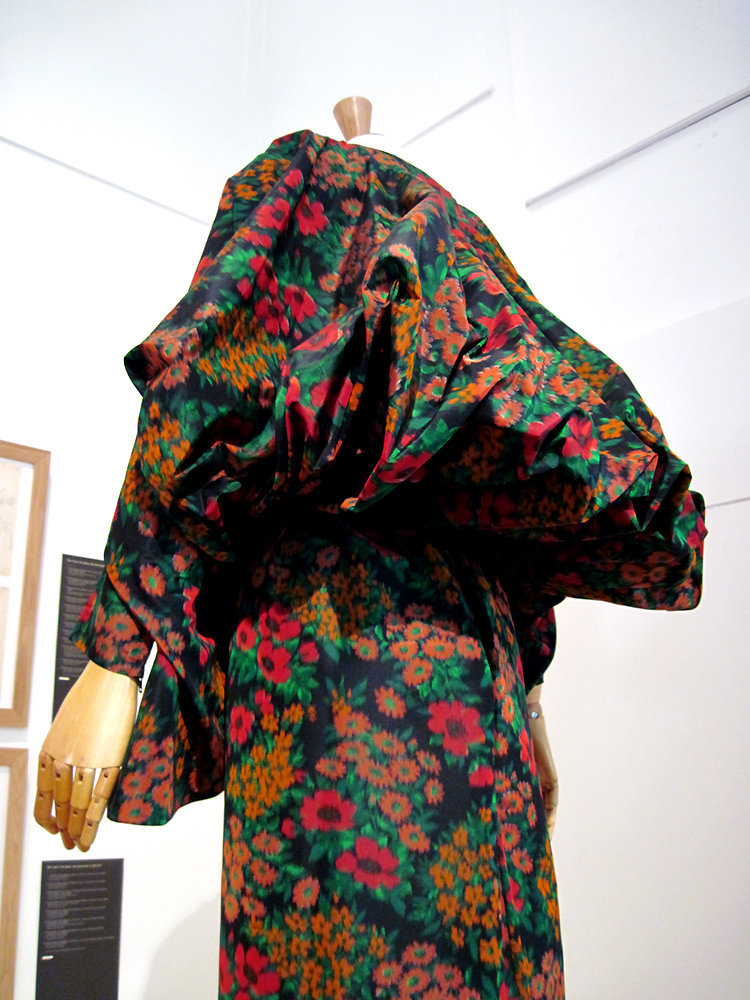
I am returned from Paris! It was all perfectly wonderful, plenty of wandering (some aimless, some not…), drinking, eating and all other lovely things. I will blog a little more about events on my birthday, but I thought I would start off with the visual feast that was the Madame Grès exhibition at the Musée Bourdelle. Everything about it was a treat. The museum itself is a fantastic space; a mixture of old studios and purpose built exhibition spaces. The Grès pieces have been inserted within the permanent exhibition, and also in larger dedicated sections. You weave your way through the numbered rooms, which seem to go on forever (which is wonderful, unless you’re slightly concerned about catching your Eurostar back home…but we still managed to soak it all up!).

I have to emphasise how much of a honour it was to be able to see the dresses up close. I mean, really up close. Everyone was respectful of the ‘do not touch’ signs, so often a problem in the UK I fear, and it shows off the dresses to perfection. Grès was a designer who was all about the detail, the finest pleats and the most delicate of stitching. I couldn’t stop snapping; quite frankly, I think I forgot that I wasn’t photographing listings for my website (I should be so lucky!).

My favourite designers are always those who rarely move with the winds of fashion. Idiosyncrasy is my favourite word. The exhibit cleverly juxtaposes her early pieces with the later ones, as well as with Bourdelle’s sculptures – since sculpture was her inspiration and, I think, her vocation. I should have made more notes about dates, but I can tell you that the one immediately below this text is from 1980 (just before she went bankrupt, her House was sold and her archives destroyed). At the top of the page, the two tomato-red jersey dresses are twenty years apart in production. It’s extraordinary, and to be admired. Her skill was unmistakeable, it didn’t need to follow trends or chase notoriety and scandal.

Enjoy!

Dreamiest coat in the world

Shades of grey

Choir of angels

I can’t resist a buffle

Can you believe this dress is from 1946?

Inspirational Images: Dungarees and Rabbits

19 magazine, miss mouse, paris, platforms, seventies fashion, universal witness
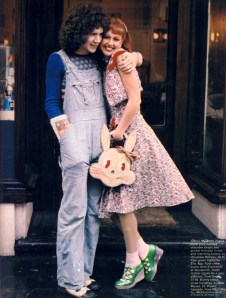
Sundress by Universal Witness. Shoes by Sacha. Bag by Miss Mouse.
Scanned from 19 Magazine, May 1972. Photographed by Franz Gruber.
I am currently en Paris with Mr Brownwindsor, celebrating my impending doom birthday tomorrow! I wish I had the Miss Mouse bunny bag, but I’m hoping to wear my nursery print Miss Mouse dress while I’m there. I’ll show you all when I return!