Photo Finish

1960s, Derry and Toms, Inspirational Images, Queen magazine, Russell & Bromley, thea porter
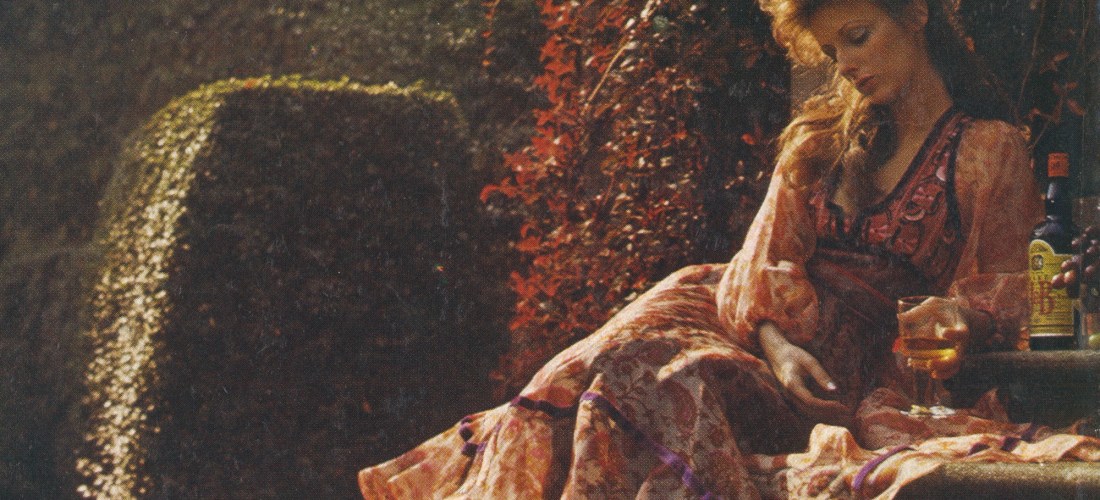
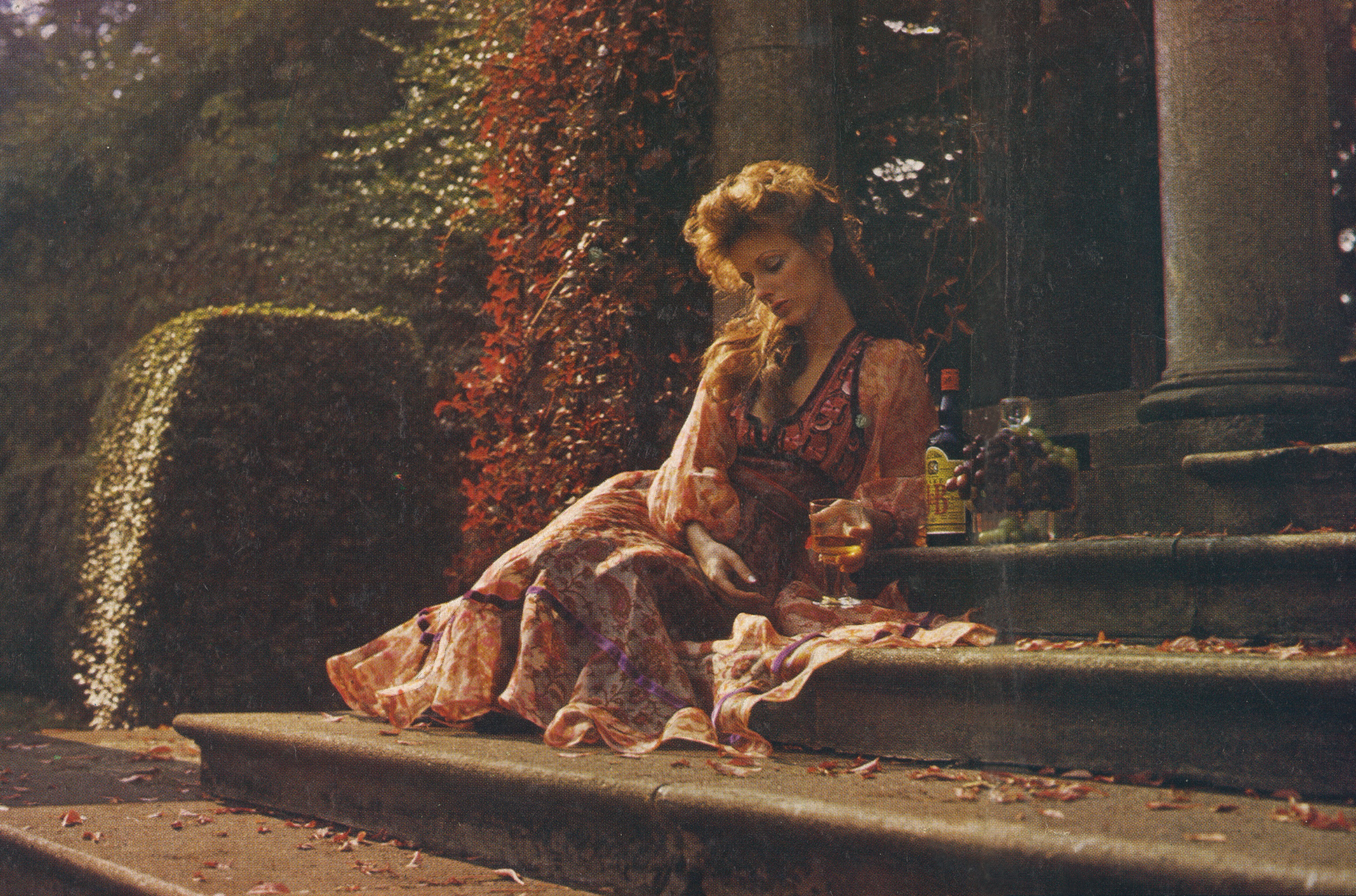
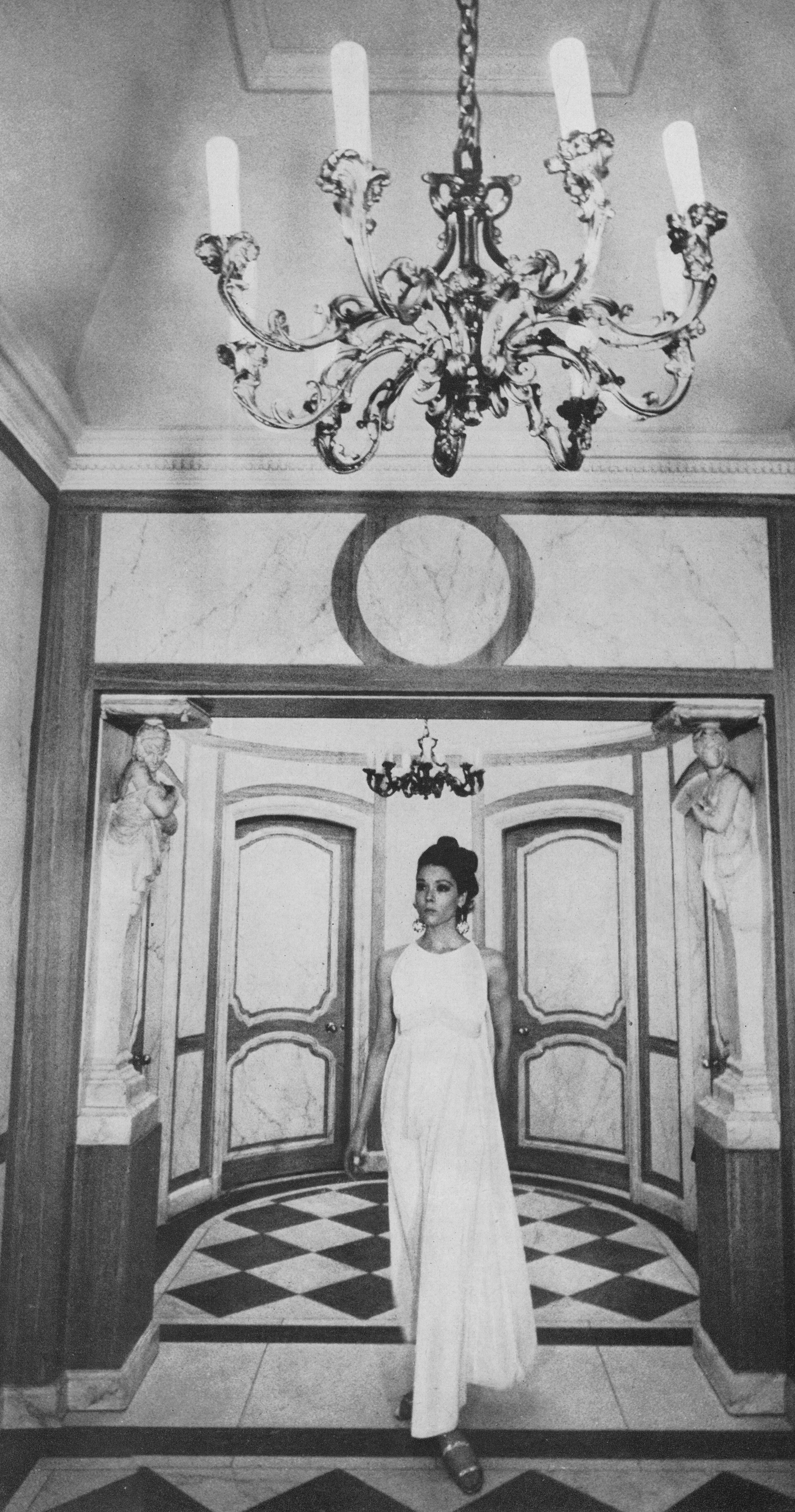
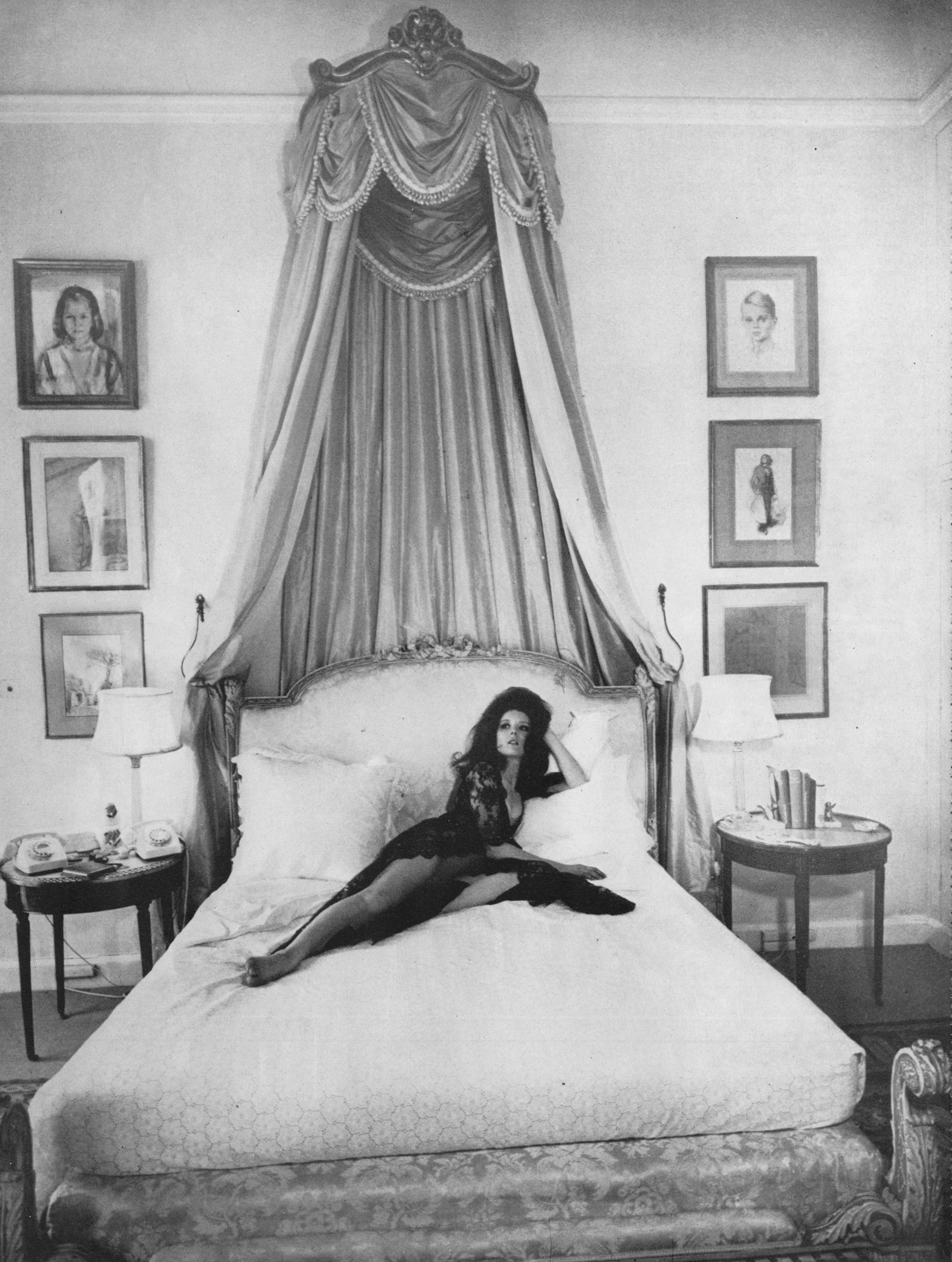
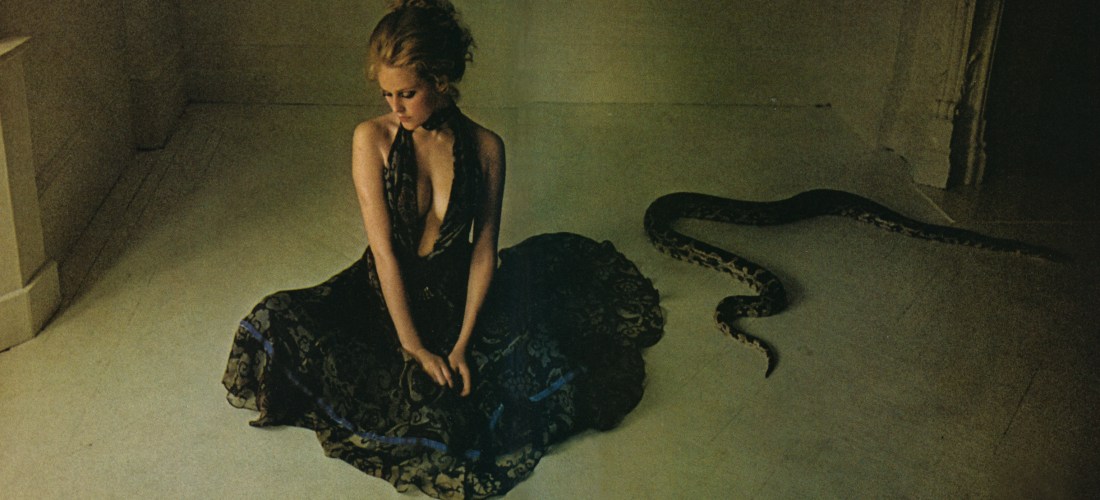
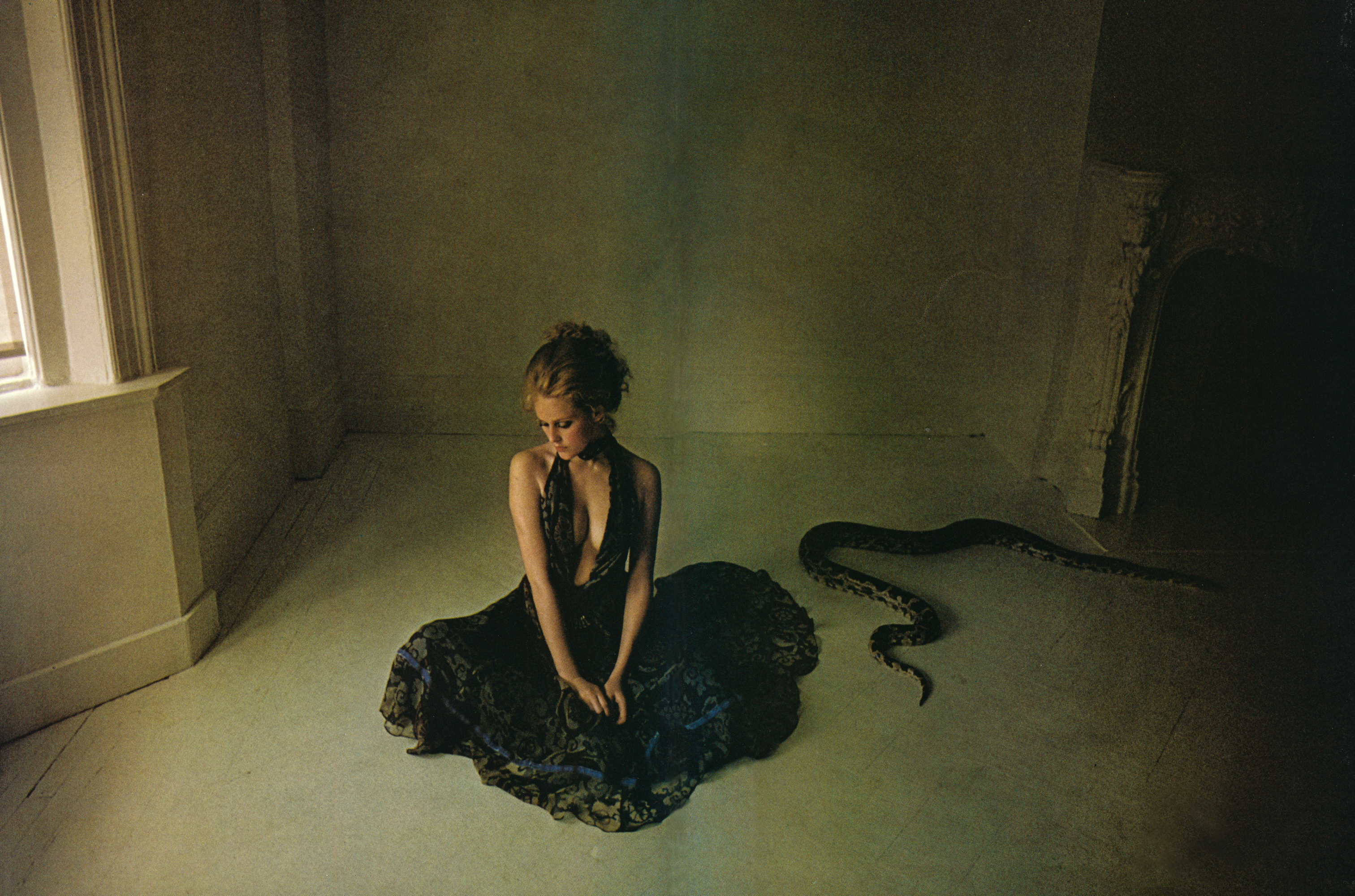
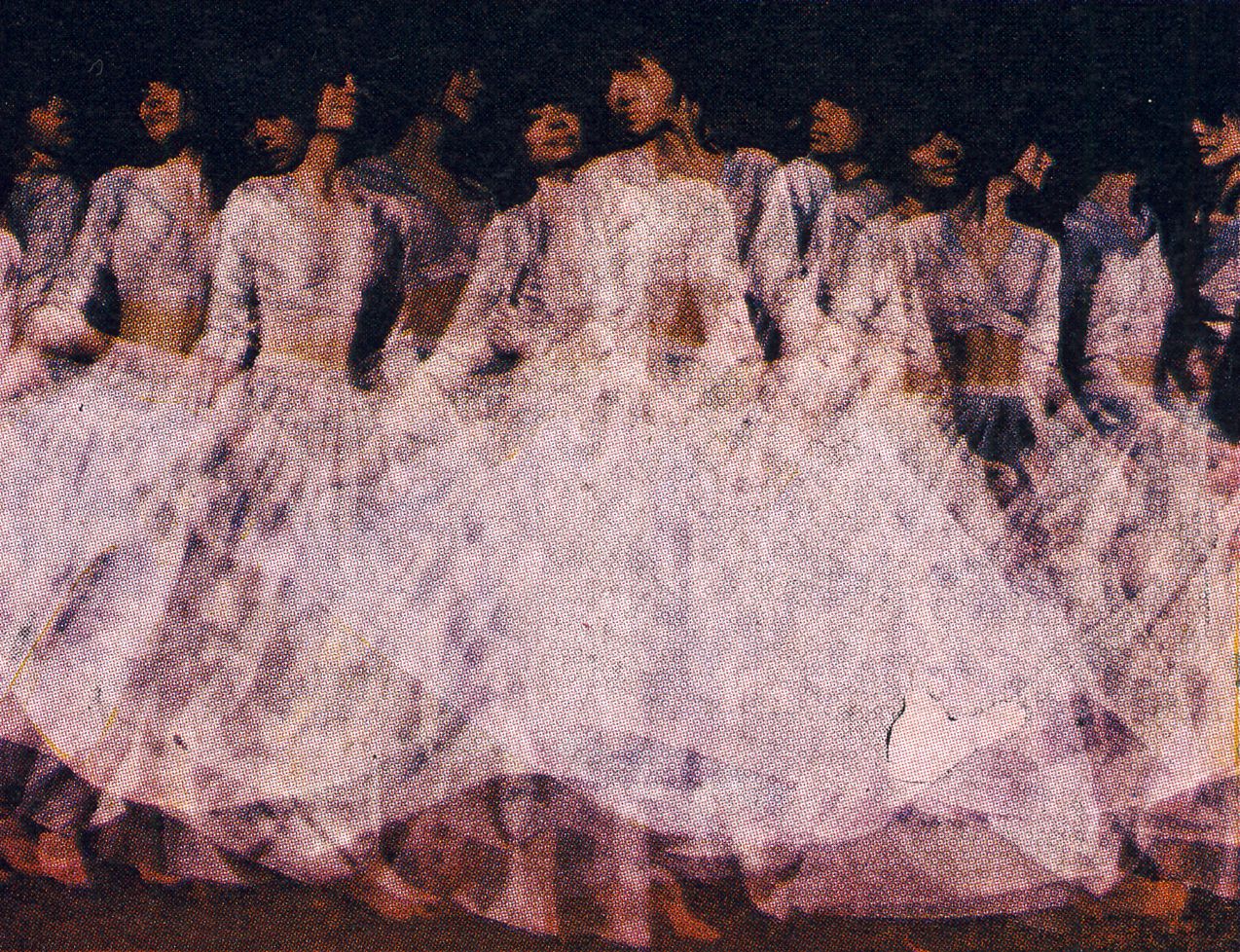
Taking your J & B casual: Burgundy and pink silk gauze dress, with a bodice of raw silk and velvet; £60 at Thea Porter, 8 Greek Street, W1.

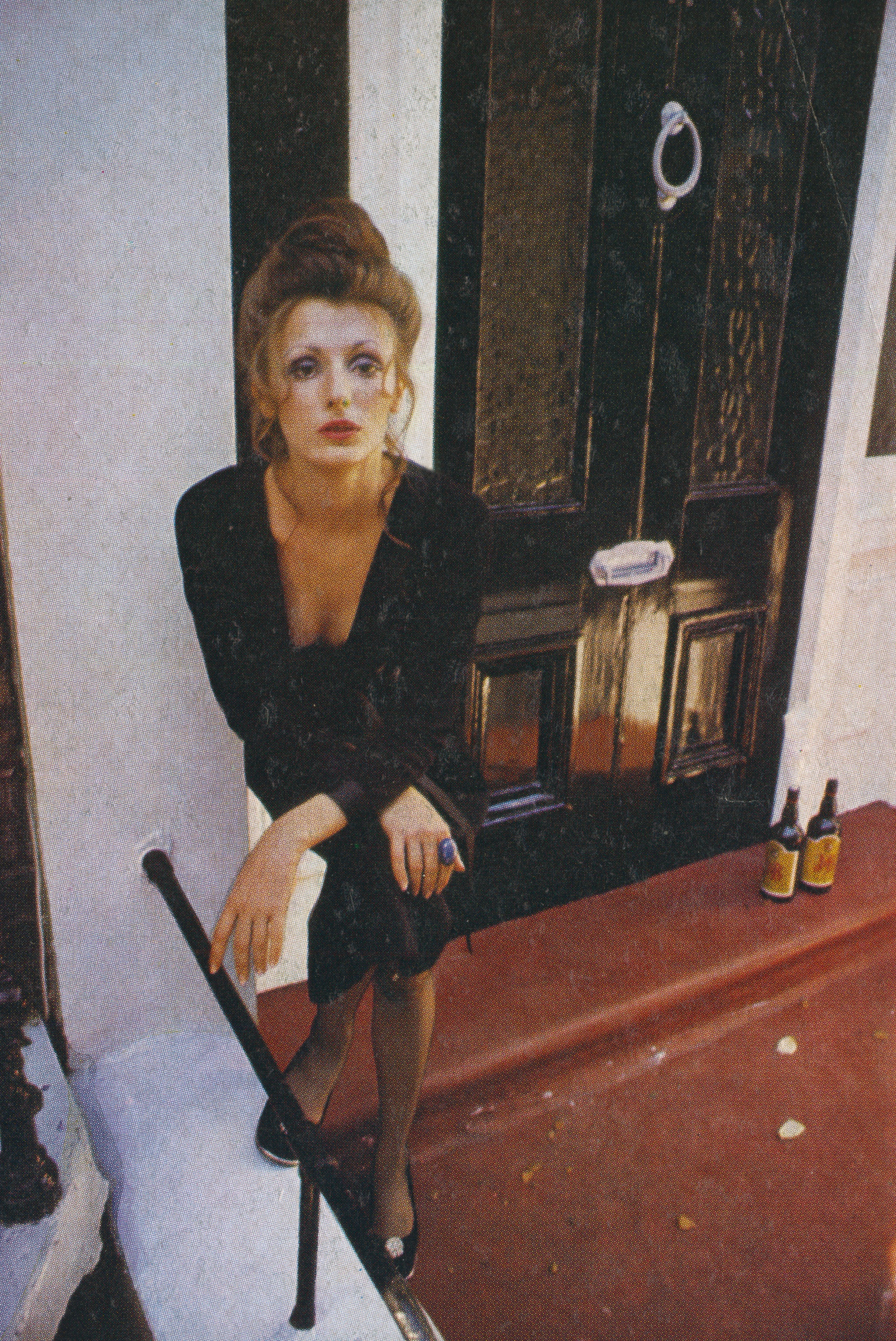
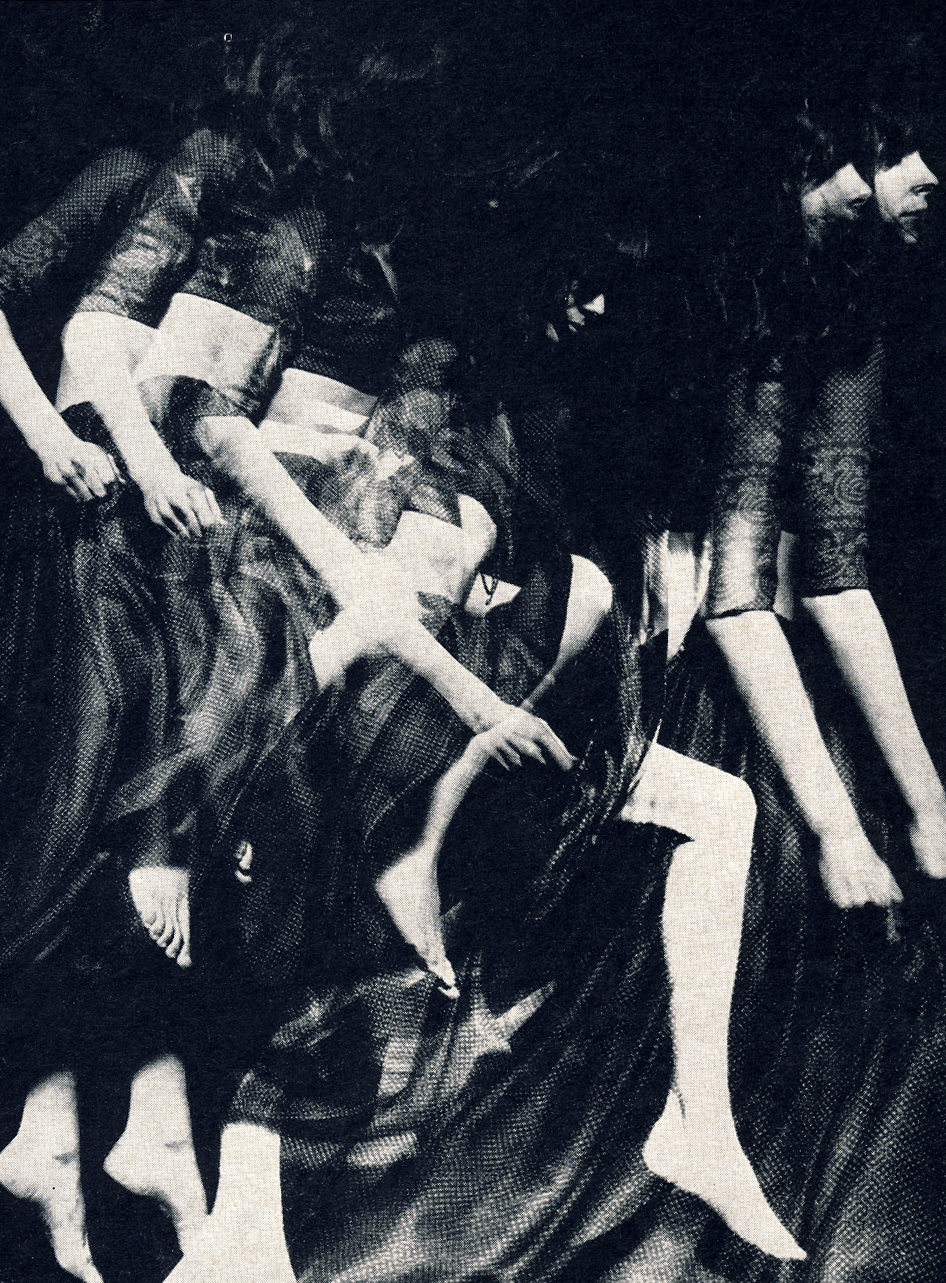
There were 2,554 entrants in the amateur photographic competition organised by J & B Rare Whisky and QUEEN. First prize was a fee-paid fashion assignment. The result was the photo finish above, by joint winners Jeanne Hendry (above) and N. Patrick Allen (below), who shared the prize-money and each received a case of J & B Rare.

Photographed by Jeanne Hendry and N. Patrick Allen.

Scanned from Queen, 12th-25th November 1969.

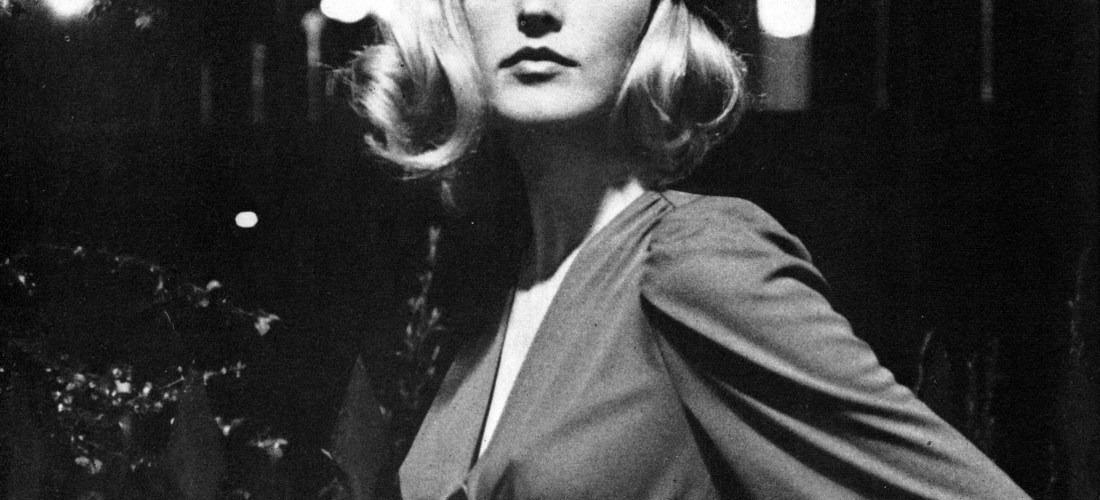
Taking your J & B neat: Trim black maxi-length dress, £21 10s at Derry & Toms, Kensington High Street, W8. Crêpe shoes, silver trimmed; £6 19s at Russell & Bromley, New Bond Street, W1. Black stockings; by Aristoc, 7s at Liberty, Regent Street, W1. Hair by Valerie at Cheveux. All glass from Maples, Tottenham Court Road, W1.

Masque behind the face

1960s, diana rigg, Inspirational Images, jean varon, john bates, peter cook, Queen magazine, Simone Mirman, Stanley Donen, Vintage Editorials
The Flirt: She has a flower-like quality, fair and pretty with an innocent air. Without regard to her maturing years, she plays the part of a child. Her dresses are innocent and fluffy. She wears bows in her hair and her man sees her as his good angel. He feels she is his pure heroine. He wants to shelter her. She smiles a lot. She smiles mostly at important and rich men. She be-guiles them into givirig her compli-ments — also the spotlight. Bewitched, her man doesn’t realise his friends find her dull. Her education is nil, her contribution to conversation non-existent. Her knowledge has been limited to an intense study of her personal appearance. Her important man has an important engagement. She does everything to delay him. She is maddeningly self-centred. She cries a lot if rebuffed, or if she doesn’t get her way. She wants all the attention. Skilfully, she keeps him unaware of a lack of reality in their love-making. She is too tender for passion. Her real interest lies elsewhere. Her desire and satisfaction is bound up, not in tender concern for him, but for his bank account. Hat by Simone Mirman.

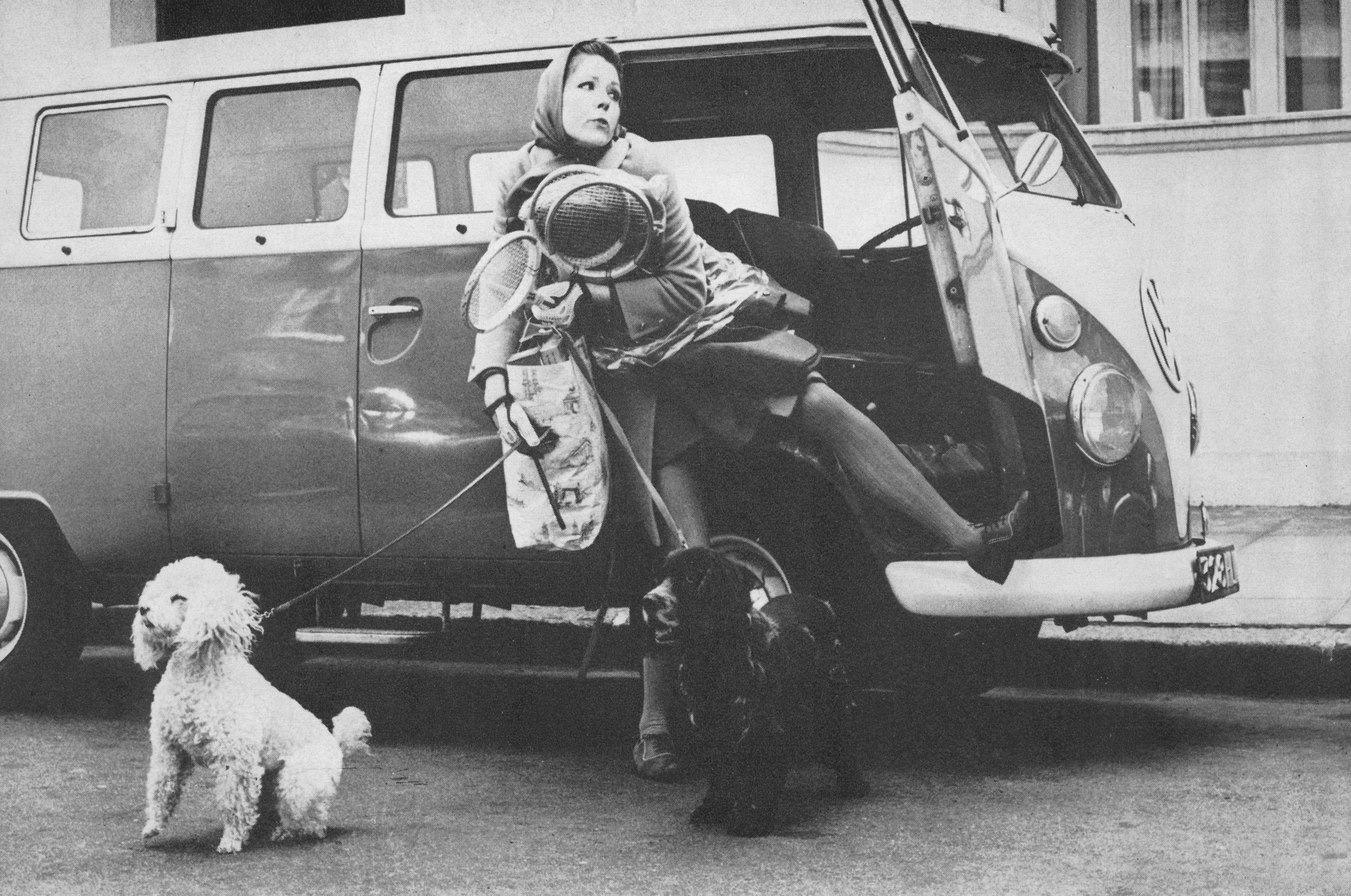
Masques are not new. The Greeks used them in their classical theatre to represent various stereotyped parts such as ‘The Happy Lover’, ‘The Jealous Wife’ and ‘The Benign Father’. Today, most people assume personae to hide their real personalities, though the very characteristics they try to keep hidden, are often quite obvious to others. What is more, it is easy for people to become identified with their masque to the point that it is difficult for them to discard it. The basic reason for assuming a masque is to play a role and, hopefully, to make oneself more attractive than one actually is. It doesn’t always work.

Played by Diana Rigg and Peter Cook

Written by Adelle Donen

Photographed by Stanley Donen

Scanned from Queen, 5th July 1967.

I have been on something of a break from here and social media recently, for personal reasons, but had always planned to post this on Diana Rigg’s birthday so here I am, back a little earlier than intended.

When I found this copy of Queen magazine, appropriate because Diana was and will always be my Queen, I couldn’t believe that I hadn’t seen most of the images before – especially as they were taken by one of my favourite film directors. There’s always a part of me that wants to keep things like this to myself, but the bigger part wants to share the beauty with everyone. So I hope you enjoy!

The Goddess: Her beauty captures the admiration of men. She is aloof, which captures their imaginations as well. Stripped of ancient gods, men long to find modern symbols. For some she is Aphrodite, the sexiest of them all. Others see her as purity. She is mysterious. The poor girl has to keep quiet. She does not dare expose her pedestrian qualities. She retreats be-hind a nondescript personality. She may or may not have much in the upper storey, but she has twigged the fact that she will always get in free, as long as she does nothing but exist. Gorgeous girls do not have to do much to enhance their looks, so they have to learn little about style, unlike their less fortunate sisters. She dare not change, and remains locked up behind her lovely iron mask. She uses what judgement she has to choose the plushiest suitor. He is swindled. He has married a statue. She has learned how to get what she wants and not give anything. She is frightened and frigid. Dress by Jean Varon.

The Femme Fatale: She is dark, full-blooded and passionate. When she enters a room she has a brooding air. She is convinced she is irresistible to men; that she alone among women can experience real love (be it ever so exhausting). It is easy to see her idea of herself behind her slinky siren ap-pearance, but this can be agonising to the plain matron who would be ridiculous acting this part. She has an air of assurance with men, snaky and confidential. She doesn’t bother with women. Surprisingly, a man may accept her idea of herself and find her dramatisation agreeable. It flatters him. Then the fun begins. With all stops out, she throws her emotions at him. She is emotion itself — hysterical, furious, desperate. There is no moderation. She is devouring, unremitting. If the man survives, he may feel relief at having such a torrential release of his feeling. Or he may be frightened — and run. The whole play is usually brief and limited because of its intensity. The amount of unreality is prddigious. It is of these women that Kipling said: ‘The female of the species is deadlier than the male’. Dress by Jean Varon.

The Perfect Mother Awash with sentimentality, she is all concern and sacrifice for her children. She is a good sport. She is athletic with her sons, and like a big sister to her daughters. She has become one of the children — with corresponding loss of adult objectivity. There is no nonsense in her clothes.They are classic and tailored, with no frills. Having abdicated, she has given up competing with attractive women and denigrates their frivolousness. Her desires and ambitions are fastened onto her offspring — whether suitable or not. She enjoys every vicarious mo-ment of their successes. She is very busy — ali those duties to fulfil and amusements to organize for the family. Her husband has found that his business keeps him away from home a lot. He does not much enjoy going to bed with his ‘Girl Guide’ wife. She blames him vituperatively for his defection. She is jealous and possessive. He is trapped by her tricky appeals to his loyalty. What he and the children need is a woman around the house.

The No-Good Guy: He is attractive and sexy. Women by the dozen have found him so. That makes him irresistible. He is cool, a little sinister and . . . dan-gerous. A sharp dresser on the far-out side. He probably has an eye-catching car. He gets his kicks from furore and anything that adds to it is welcome. He has a fine understanding of his own problems, and says that he is ‘walled-up inside himself’. He tells you: `It’s a challenge to you to break through.’ He is misunderstood and lonely. He has had a tough time (he means to keep it that way). He says he wants to find the right woman. He warns you that no woman alive can love him. You mean to try and he means you to try. As soon as you are hooked, he tortures you. He is unreliable. He double-deals. He exploits your feelings. In any situation possible, he grabs the centre of the stage. He creates a lot of drama over everything. You wonder if there is anyone behind that wall. And what’s more you finally have the audacity to complain. He then points out to you how true it is that no one can love him. He’s sad. He’s sadistic.

The Intellectual Stands on a pedestal. He is admired for his ‘dedication and self-sacrifice’ to the good of mankind. Vague about details and delightfully unaware of his appearance — although seeming to follow a curious fashion of his own which he refers to as ‘comfort-able’ — the intellectual usually wears stained pullovers, corduroys and jackets with worn elbows. His eyes have that middle-distance look, of mere practical matters having yielded to things of the spirit. He is, of course, unaware of problems near to home. In his zeal and tireless work to improve the human condition, the intellectual is inspiring, provided no one comes close enough to him to expect an im-provement in himself. For all his intelligence, he is disarmingly vulnerable. Women long to devote themselves to him — look after him and see that he eats his meals. . . Fuzzy thinking flatters them that they too are pur-suing lofty ideals. They yearn to serve faithfully at the altar of truth, and are satisfied just to admire his high-minded goings on. But the intellectual is blind about females. His occasional dash for a curvy, but empty-headed blonde is humiliating to the would-be intellectual soul mate, especially when she sees him being led around by the nose. Basically he belongs in his ivory tower … without women.

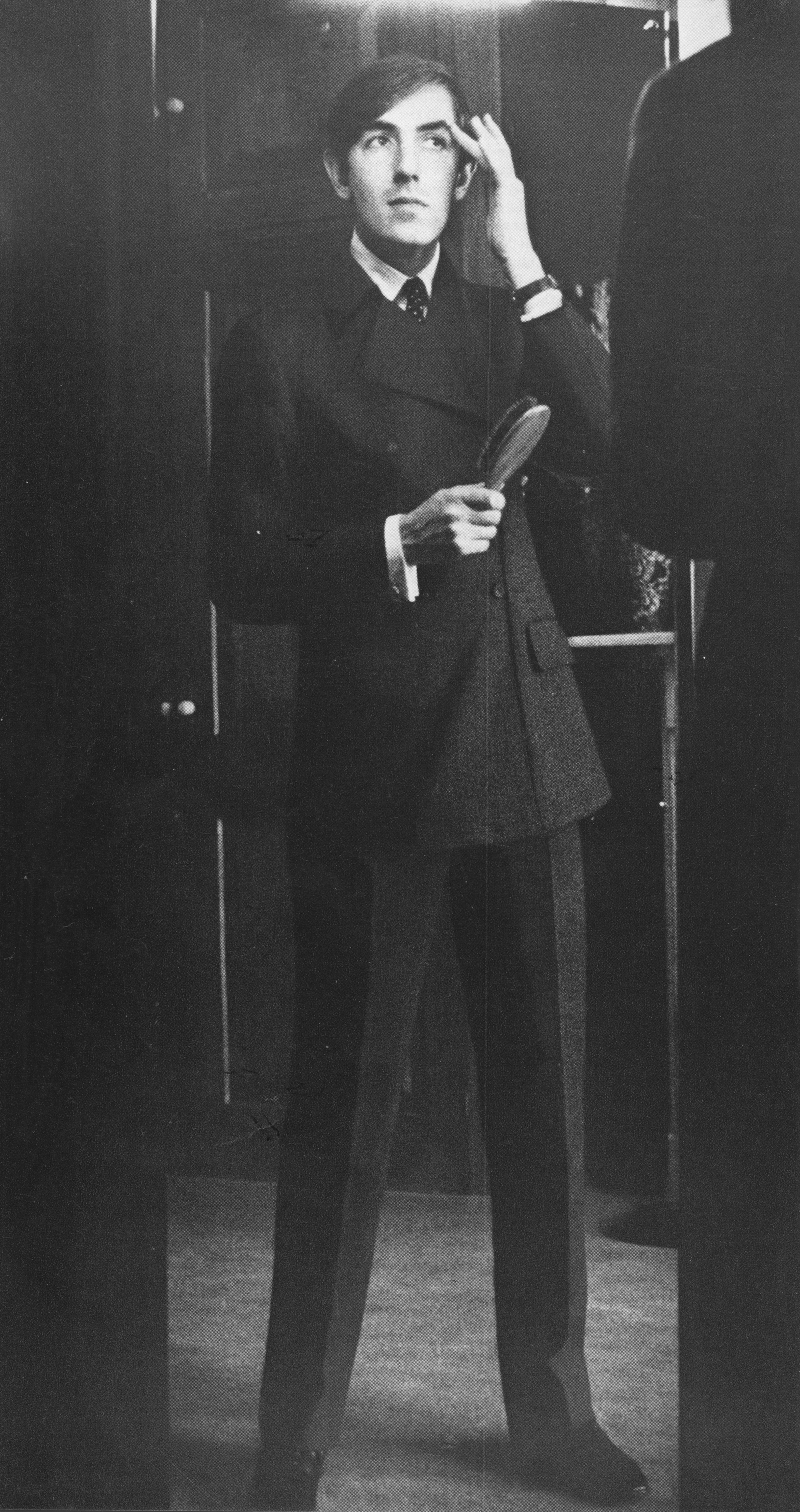
The Charming Boy: He is neat, well-mannered and lovable, playing the perennial juvenile lead. He oozes good fellowship. He picks up the bill. He ex-pands in his own popularity. He is modest about himself, but never lets an opportunity pass to further his career, social or professional. He is impeccable in his appearance — on the conservative side. He sends flowers and thank-you notes. He is sweet. He ap-preciates you more than anyone ever has. You believe in him. Before you know it, you are working for him. He is Chairman of the Board to promote himself. You are pressed into service. He looks after himself like a baby. Why shouldn’t you? Behind that coy, guileless exterior is ruthless ambition. You are an accessory in his search for power. Things run smoothly as long as you donate your all. If you have needs — forget them. The perfection of his image, and his rise to eminence, cannot be interrupted. This boy is, in short, a fraud.

A python in her room

1960s, 1970s, Art Kane, Inspirational Images, Margrit Ramme, Queen magazine, thea porter

“You love your boyfriend and he’s left you. You’re alone in a big city and an empty apartment.” Kane had not yet picked up his camera, but Margrit Ramme was working on the sadness. She was also scared of the snake. The editors of Queen magazine had asked for an entire issue to be called “Art Kane’s New York,” including fashions, and he had said all right—but don’t expect to see laughing girls running down Fifth Avenue. He had just divorced his second wife, had not yet met Jean Pagliuso or photographed Larry Rivers, and felt fairly bitter.

If you want to call it Art Kane’s New York, he told Queen, you’ll have to accept pictures showing that the place right now is kind of empty for me. Righto, they said.

He left the studio and rummaged around for real-life locations. He had found the apartment on Gramercy Park, and decided to shoot the fashions there before the furniture came in. Truth is, he wasn’t motivated entirely by a desire to display his mood. Not only does training as an art director make him look for a theme when he has space for an essay, as against a bunch of random shots that just present the merchandise; Art Kane loves almost more than anything else to tell a story.

He also loves snakes. The first boy scout in the Bronx to get a Reptile Study merit badge, he kept 32 of them at home despite a mother who tried to make him flush the first one down the toilet.

This story would reflect the dilemma of a lovely woman—always beautifully dressed, of course—searching for a man, for identity, for something. A snake would be not only an obvious male symbol but also a reminder of a Garden of Eden to start it off. Since Kane had given, his collection to the Bronx Zoo when he was drafted, he called All-Tame Animals, a pro-vider of non-human performers in New York. They referred him to a snake owner in one of the city’s residential hotels, asking that he be discreet; she would be evicted if the manage-ment discovered that she kept a boa constrictor and a python in her room. So Kane was Uncle Joe when he called to ask about Cousin Bea: “She must be a really big girl by now. Oh, six feet six, that sounds good.” And Patricia? “Over eight feet tall? My goodness.” He went over to see them. Their owner showed him the boa in her bathtub and pulled the python out of a closet. “Terrific,” he said. “Bring them up to my place at 10 o’clock tomorrow.”

When she arrived with the snakes in a laundry bag, Kane was moving white window shades up and down, studying the way they filtered the natural light he would use all day. Morning light came softly through the west-facing windows of the living room. He arranged the python, then stood back to peer through a Nikon. Moving forward, back, left, right, he kept the model close to the center of the frame. He was using a 24mm lens, not only for depth of field that would keep the picture sharp from front to back but also to make objects near the edges seem to lean away, focusing attention on the center.

“Okay, Margrit, you’re unhappy, unaware, the two of you can never really come together. . . .” Bracketing—one shot at a normal exposure, one above, one below—he redesigned the picture as he moved. “That’s it, keep it, keep it,” he told her when he liked what was happening. “Now, hold every pose for three clicks and then change … Beautiful. Now keep that until I say stop. I want to explore this until we’ve eaten it up.”

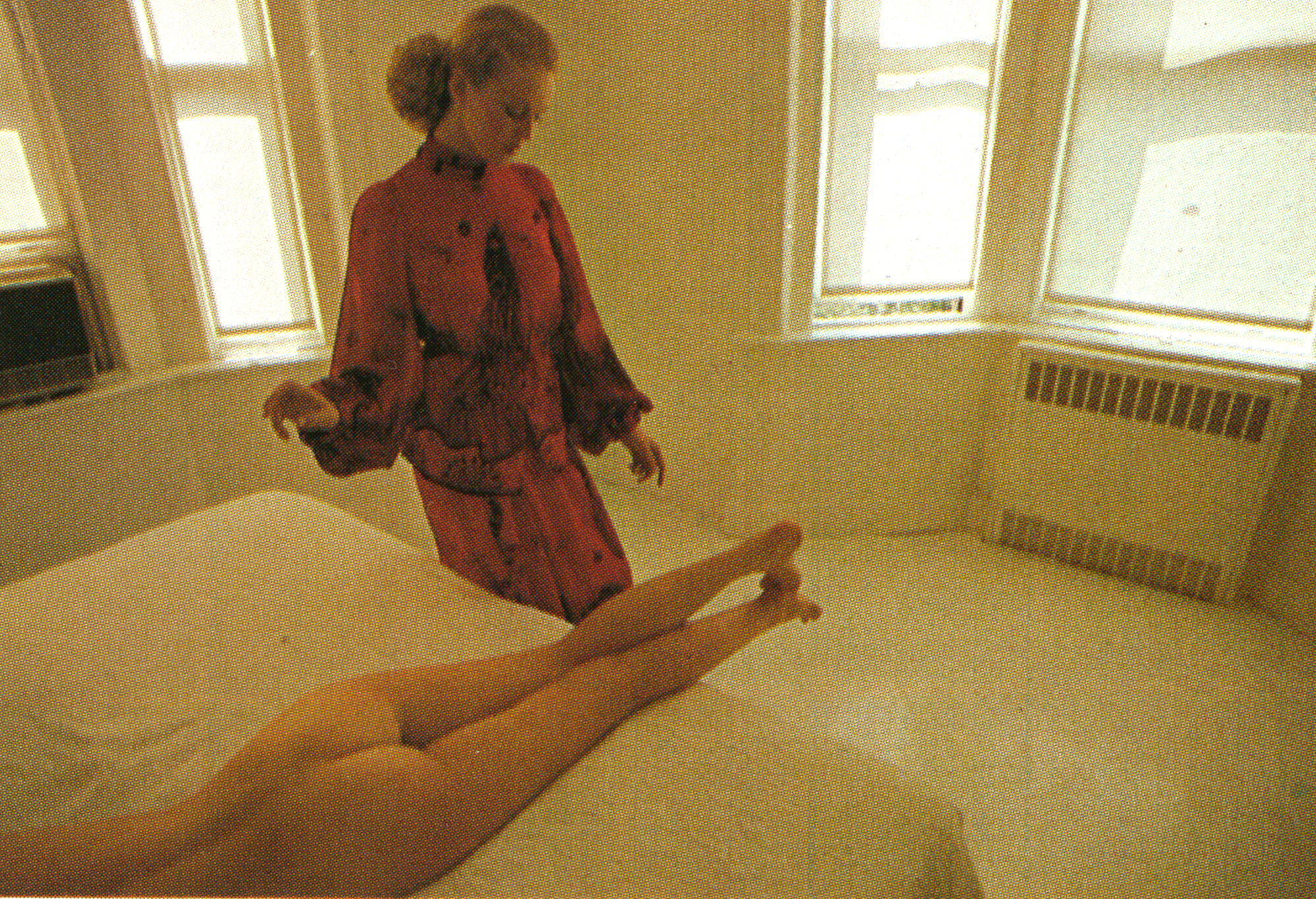
Ninety minutes later he had eaten up the male-female situation (above) and moved to the bedroom (below) to set up an identity problem. A second model had arrived. “You’re clothed and you’re naked,” Kane said, “you’re really the same woman, trying to figure out who you are.” This time he wanted to stretch the image more alarmingly toward the edges, so he put on the 21mm lens that he had used to shock the editors of Vogue on his first fashion assignment.

Images originally published in Queen magazine .

(date not given but looks circa 1969/70 to me, especially given Queen merged with Harpers Bazaar in 1970).

Clothes are uncredited here but both look like Thea Porter to me.

Photographed by Art Kane.

Scanned from Art Kane: The Persuasive Image, 1975.

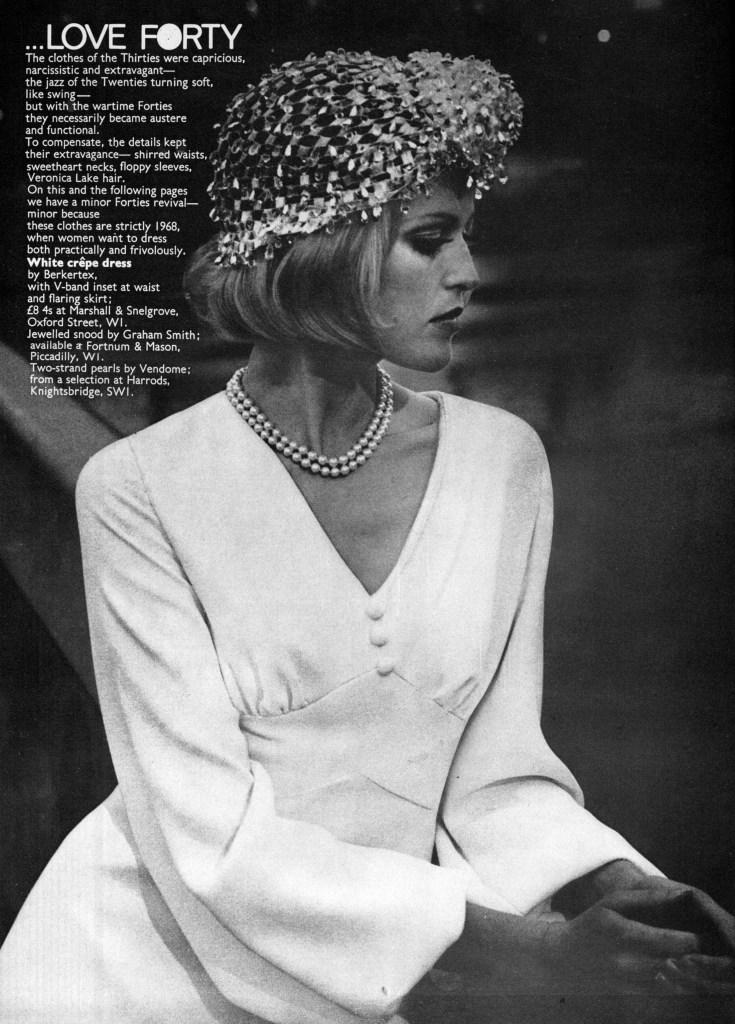
Love Forty

1960s, Berkertex, Daniel Hechter, Foale and Tuffin, George Malyard, Graham Smith, helmut newton, Inspirational Images, Ken Lane, Malyard, Marlborough, mary quant, Queen magazine, Rayne, Vintage Editorials
White crepe dress by Berkertex. Jewelled snood by Graham Smith.
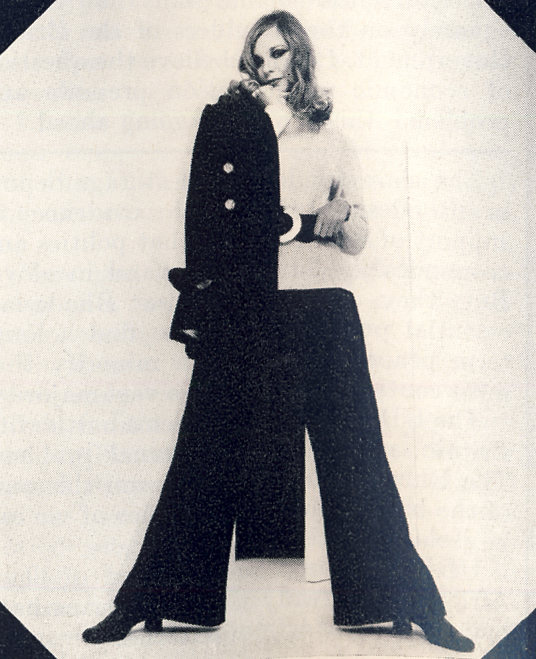
The clothes of the Thirties were capricious, narcissistic and extravagant — the jazz of the Twenties turning soft, like swing – but with the wartime Forties they necessarily became austere and functional.

To compensate, the details kept their extravagance – shirred waists, sweetheart necks, floppy sleeves, Veronica Lake hair.

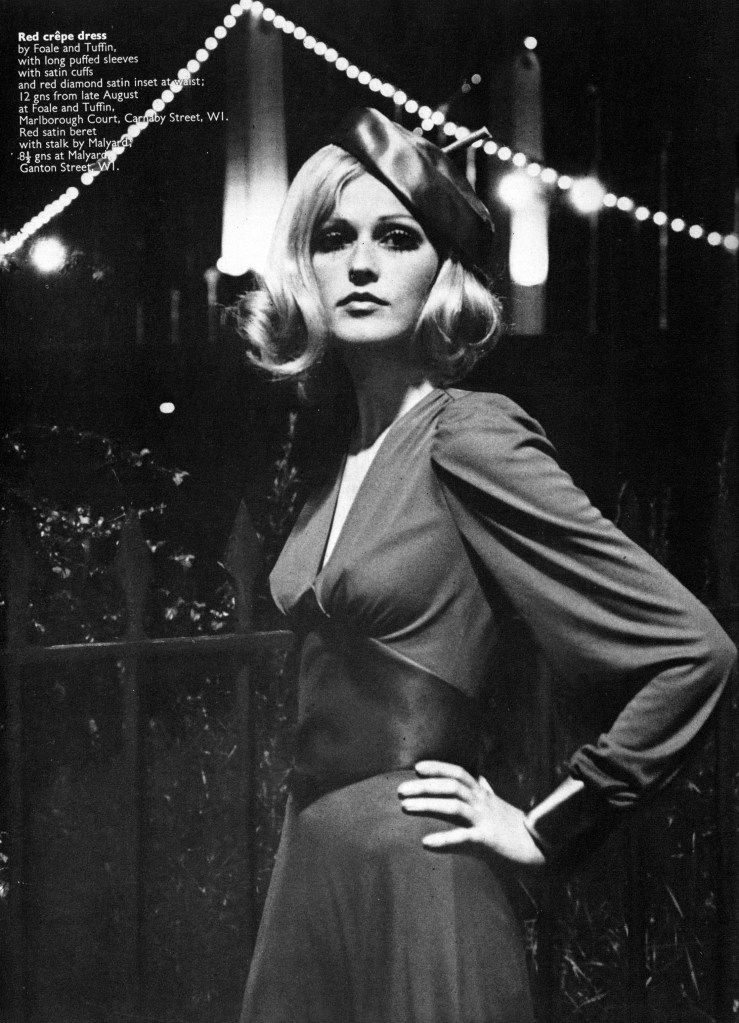
On this and the following pages we have a minor Forties revival – minor because these clothes are strictly 1968, when women want to dress both practically and frivolously.

I do not endorse this copy, because I would not agree about the clothes of the Thirties being ‘narcissistic’, but I do endorse the photos and the clothes.

Photographed by Helmut Newton.

Scanned from Queen, July 31st 1968.

Red crepe dress by Foale and Tuffin. Hat by Malyard.
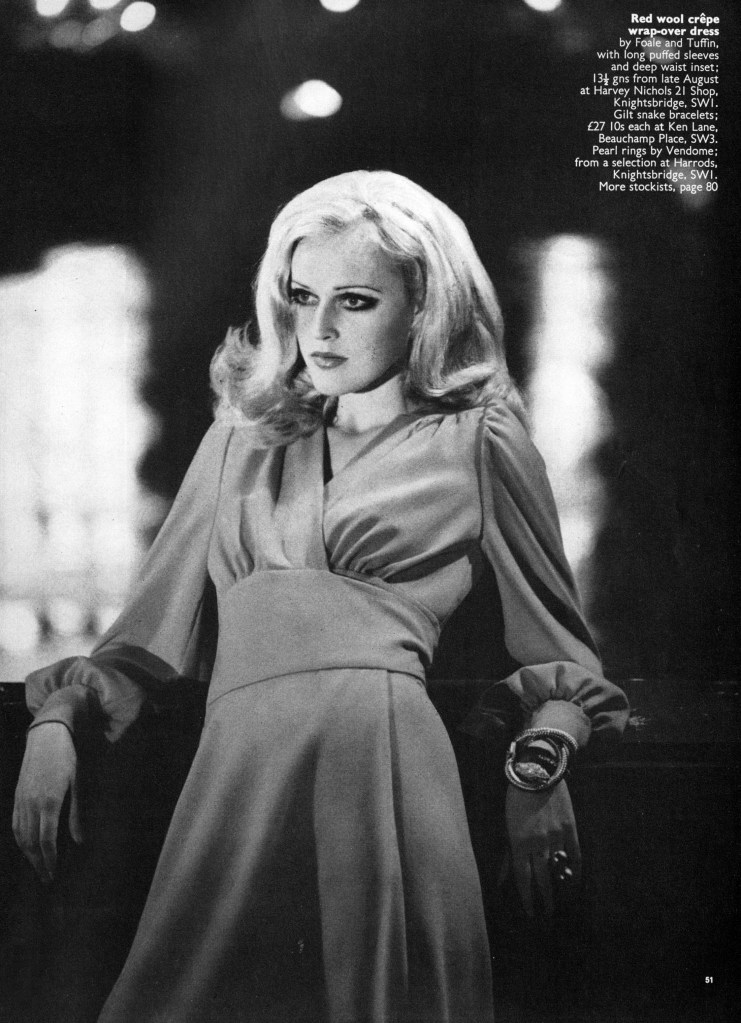
Red wool crepe dress by Foale and Tuffin. Gilt snake bracelets by Ken Lane.
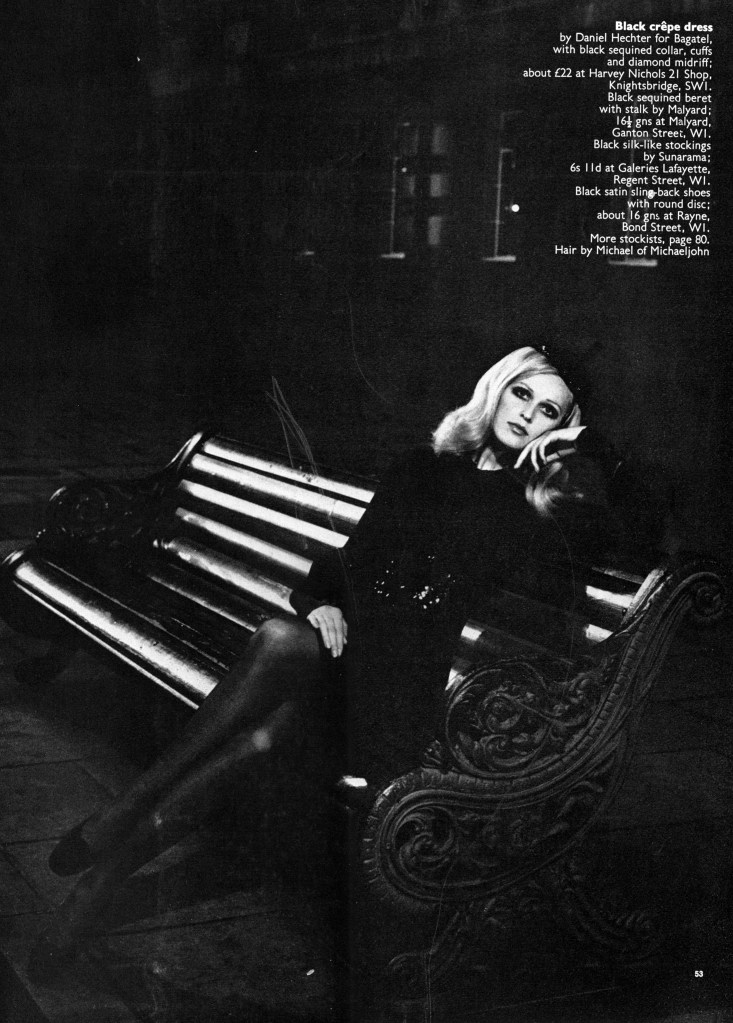
Black crepe dress by Daniel Hechter for Bagatel. Beret by Malyard. Shoes by Rayne.
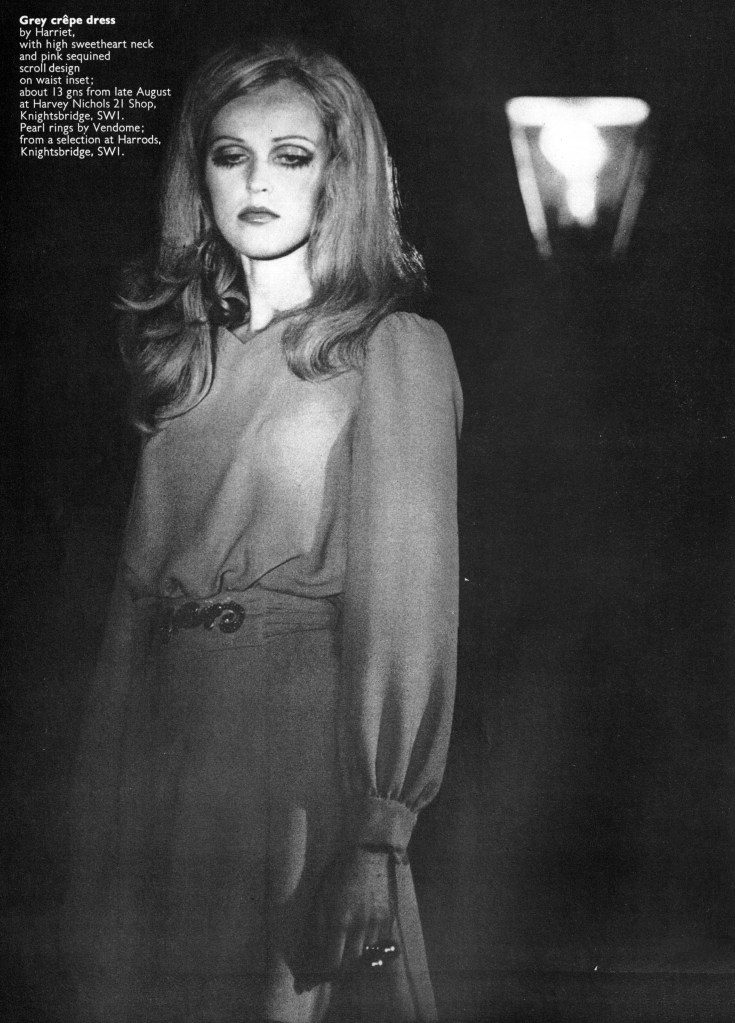
Grey crepe dress by Harriet.
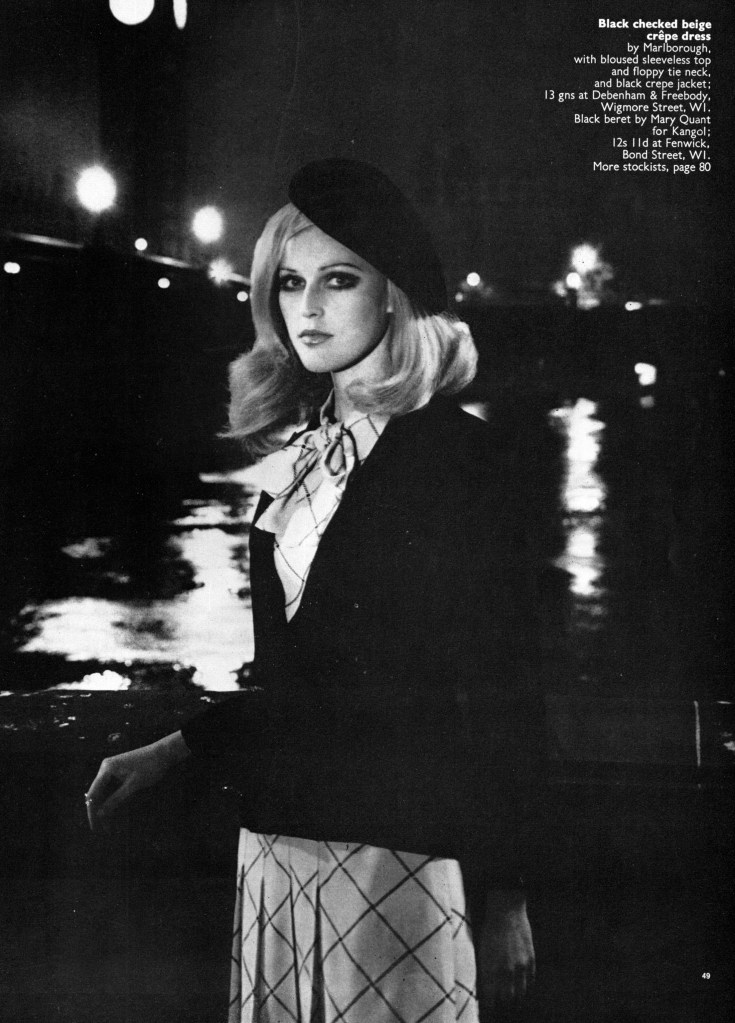
Black checked beige crepe dress with bloused sleeveless top, by Marlborough. Black beret by Mary Quant for Kangol.

Choli Choli

1960s, Inspirational Images, Queen magazine, Savita, Stephen Bobroff, Vintage Editorials

choli choli 1

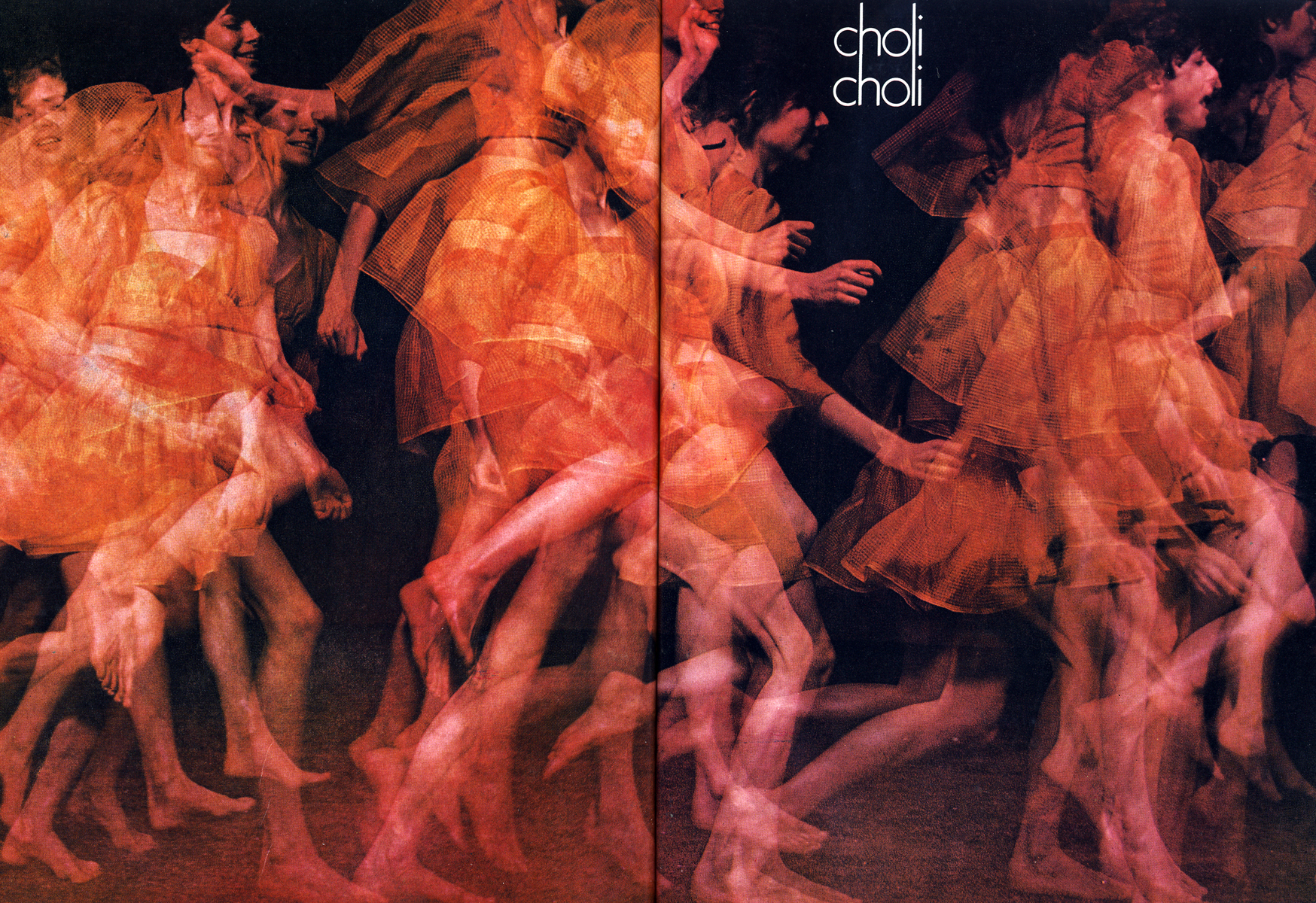
The waist is the place to expose for summer 1969. For dancing, for the beach, for anywhere. (But do count calories carefully!) Savita has designed a range of bared-waist outfits to set you dancing endlessly, endlessly. The tops are based on the classic Indian Choli — the small, tight top worn with the sari. Skirts can be short or long — but every time, they’re skirts to swirl and swing and sway.

Photographed by Stephen Bobroff.

Scanned from Queen, June 1969.

choli choli 2

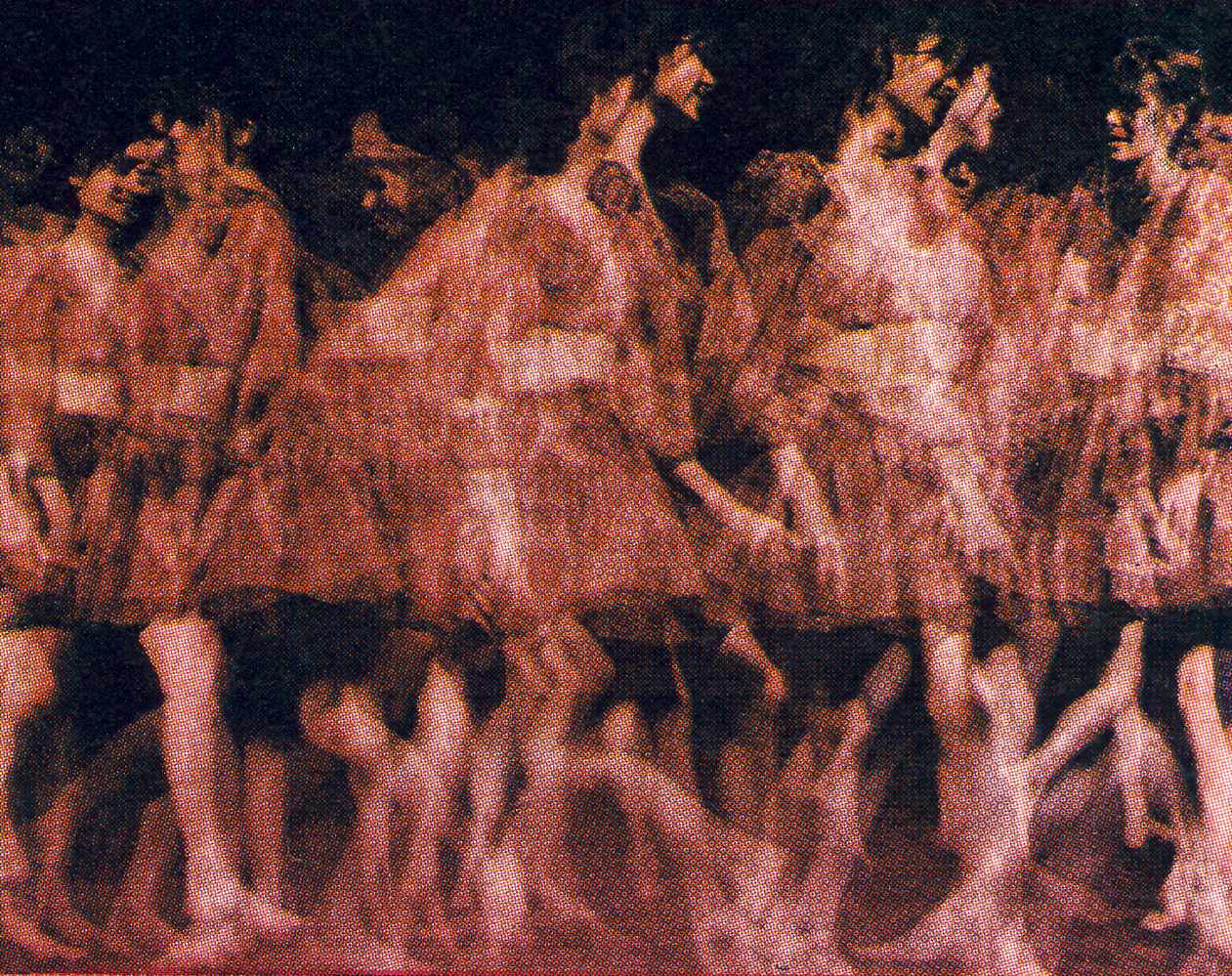
There’s a big round scoop out of the back. Sleeves are below-elbow and tight, border pattern goes round the sleeves, the hem. The fabric is hand-loomed Indian cotton, which is washable and crease-resistant. Both versions cost 50 gns; both at Savita

choli choli 3

Short skirts, bare waists, little tight Choli tops, and fluttering, floating butterfly sleeves. All-over print or border print on handloomed Indian cotton, either costs 25 gns, at Savita, 30 Lowndes Street, SW1.

choli choli 4

choli choli 6

Long skirts to flip flippantly, and the classic tight Choli bodice with tight elbow length Choli sleeves. Handloomed Indian cotton — one in a print of green and blue, the other in green and yellow and red. Both versions, 35 gns, at Savita

choli choli 5

Was Ophelia Pregnant?

1960s, angela gore, Inspirational Images, John Hedgecoe, queen, Queen magazine, Uncategorized

queen - July 68 -john hedgecoe

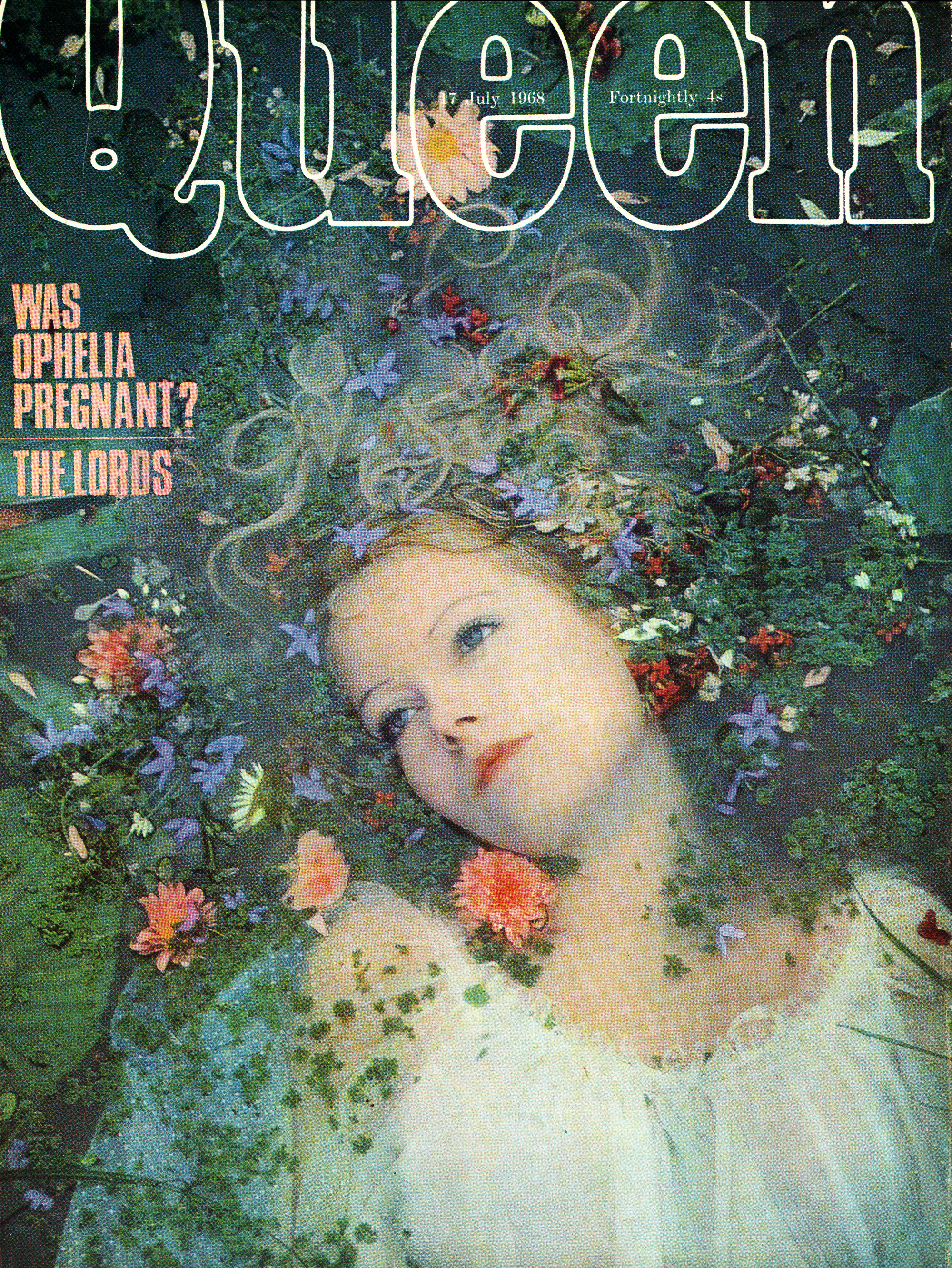
Queen cover image with model wearing a nightdress by Angela Gore.

Photographed by John Hedgecoe.

Scanned by Miss Peelpants from Queen, 17th July 1968.

The Present Shape of Christmas

1960s, caroline smith, Queen magazine, Richard Winslade, thea porter

the-present-shape-of-christmas-1

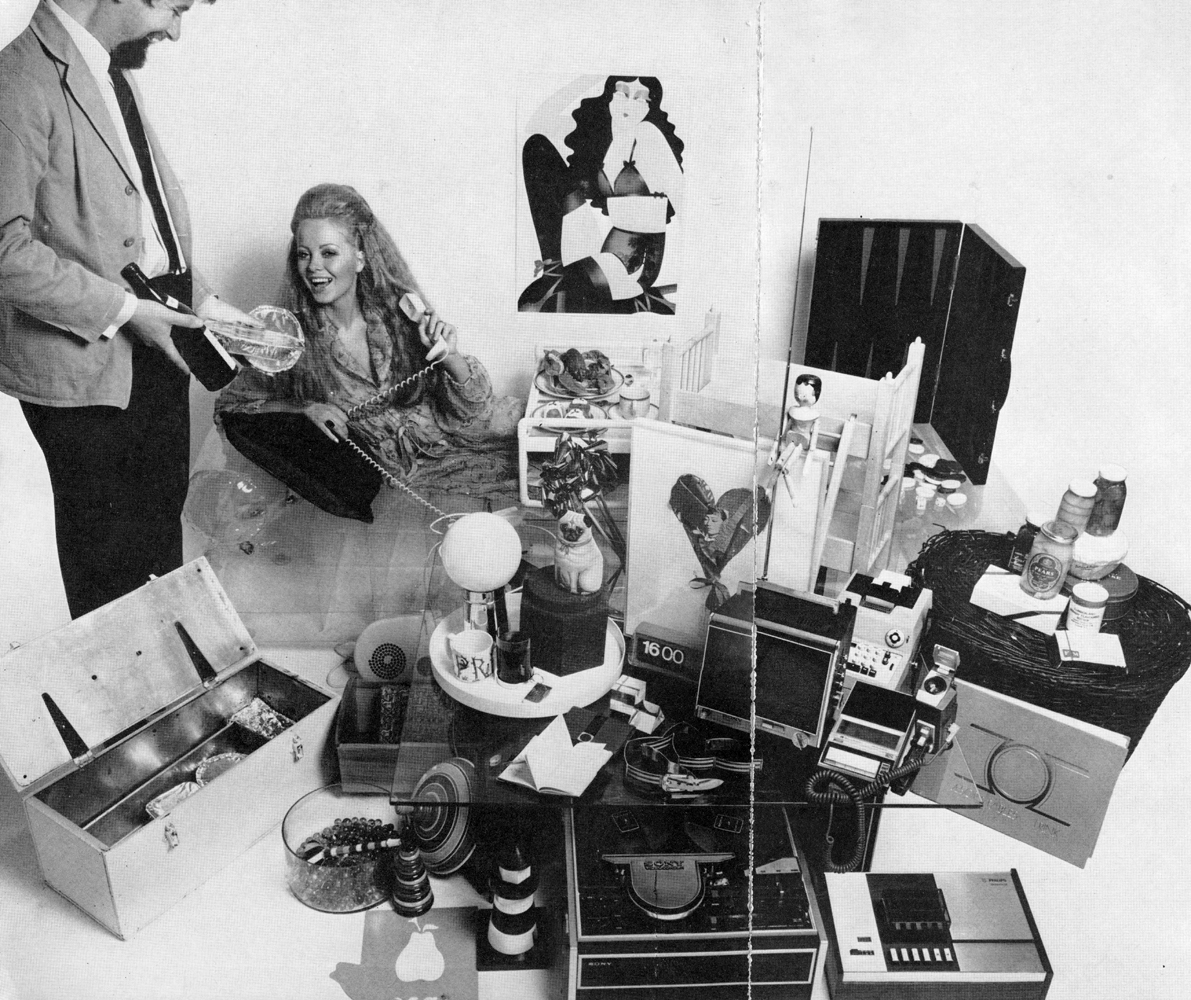
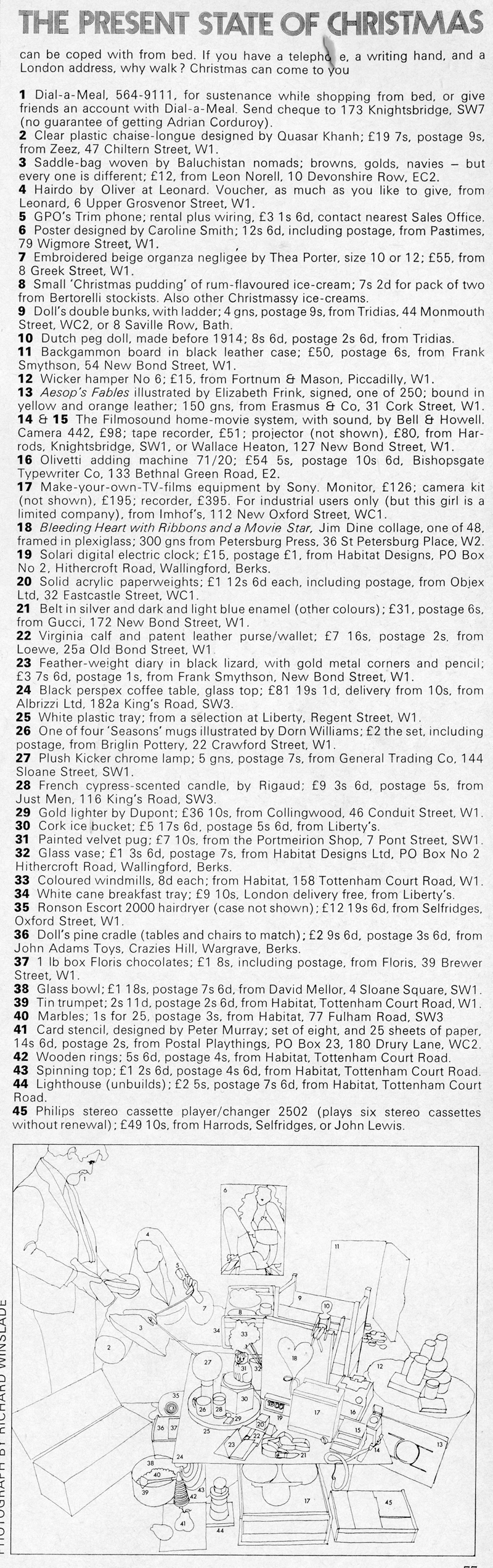
…can be coped with from bed If you have a telephone, a writing hand, and a London address, why walk? Christmas can come to you.

Pretty much my idea of perfection, from the Thea Porter kaftan to the Caroline Smith poster on the wall…

Photographed by Richard Winslade.

Scanned by Miss Peelpants from Queen, December 1969.

the-present-shape-of-christmas-2

Inspirational Editorials: Two-Way Switch

1960s, annacat, british boutique movement, Browns, Carrot On Wheels, charles jourdan, christian dior, David Anthony, Eric Hart, Fenwick, gerald mccann, Ginger Group, Inspirational Images, kurt geiger, Laura Jamieson, mary quant, McCaul, Queen magazine, ravel, Russell & Bromley, Vintage Editorials

Square necked sideless dress by Ginger Group. Gold link belt by Paris House. Black patent shoes by Kurt Geiger. Satin beret by Rudolf.

Square necked sideless dress by Ginger Group. Gold link belt by Paris House. Black patent shoes by Kurt Geiger. Satin beret by Rudolf.

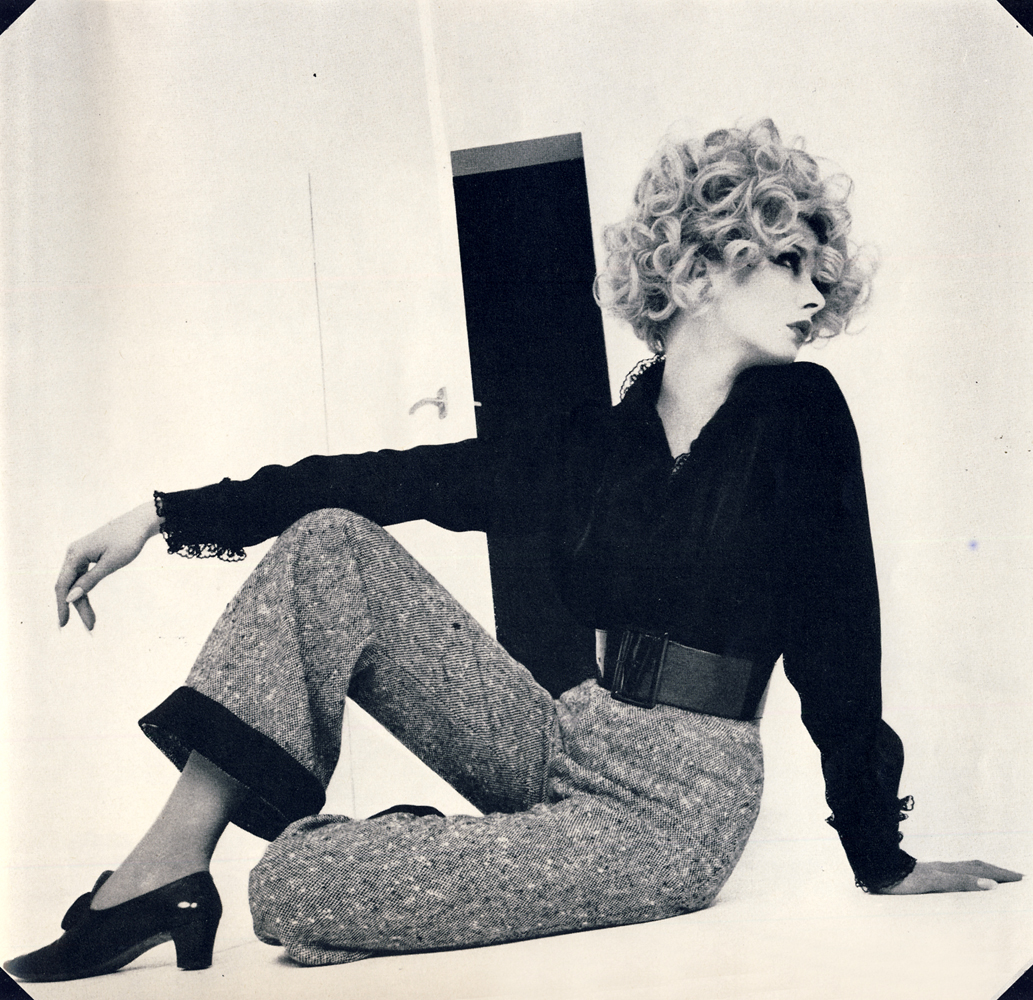
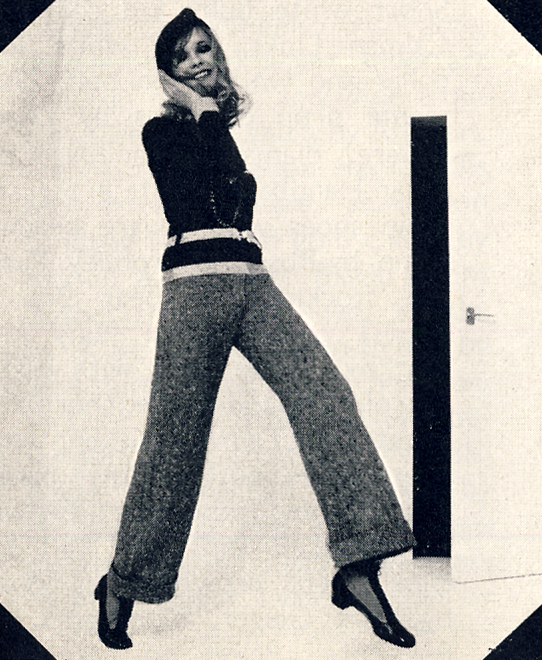
Try a touch of seasonal sorcery – swop clothes with yourself instead of with your sister or friend. Mix tweed with satin, sweaters with fur; play addition and subtraction with your wardrobe to achieve subtle solutions for every climate, every occasion and every mood.

Photographed by David Anthony.

Scanned by Miss Peelpants from Queen, December 1967

Square necked sideless dress by Ginger Group. White blouse by Eric Hart. Tortoiseshell and gilt link belt by Dior. Brown shoes by Kurt Geiger. Brown knitted beret at Fenwick.

Square necked sideless dress by Ginger Group. White blouse by Eric Hart. Tortoiseshell and gilt link belt by Dior. Brown shoes by Kurt Geiger. Brown knitted beret at Fenwick.

Oxford bags by Gerald McCann in Donegal tweed with detatchable black satin turn-ups. Black satin shirt by Eric Hart. Black patent belt by Mary Quant. Black patent shoes by Kurt Geiger.

Oxford bags by Gerald McCann in Donegal tweed with detatchable black satin turn-ups. Black satin shirt by Eric Hart. Black patent belt by Mary Quant. Black patent shoes by Kurt Geiger.

Oxford bags by Gerald McCann in Donegal tweed with detatchable black satin turn-ups. Brown and tweed long belted sweater from Browns. Antique Baltic amber beads from Sac Freres. Knitted brown beret at Fenwick. Beige and black ankle boots by Ravel.

Oxford bags by Gerald McCann in Donegal tweed with detatchable black satin turn-ups. Brown and tweed long belted sweater from Browns. Antique Baltic amber beads from Sac Freres. Knitted brown beret at Fenwick. Beige and black ankle boots by Ravel.

Short white fluffy kid coat by Calman Links, with white fox collar and white satin belt. Diamante drop earrings by Dior. Square diamante handbag by Susan Handbags. White grosgrain strap shoes by Russell and Bromley.

Short white fluffy kid coat by Calman Links, with white fox collar and white satin belt. Diamante drop earrings by Dior. Square diamante handbag by Susan Handbags. White grosgrain strap shoes by Russell and Bromley.

Short white fluffy kid coat by Calman Links, with white fox collar. Round-necked chocolate sweater by Laura Jamieson, with long sleeves, buttons down back, and matching ribbed skirt. Tortoiseshell and gilt belt by Dior. Stretch brown leather boots by Kurt Geiger.

Short white fluffy kid coat by Calman Links, with white fox collar. Round-necked chocolate sweater by Laura Jamieson, with long sleeves, buttons down back, and matching ribbed skirt. Tortoiseshell and gilt belt by Dior. Stretch brown leather boots by Kurt Geiger.

Black velvet trouser suit by Carrot on Wheels. Cream silk shirt by Annacat. Square snakeskin handbag by Russell and Bromley. Black patent shoes by Kurt Geiger. Black velvet hair bow by Dior.

Black velvet trouser suit by Carrot on Wheels. Cream silk shirt by Annacat. Square snakeskin handbag by Russell and Bromley. Black patent shoes by Kurt Geiger. Black velvet hair bow by Dior.

Black velvet trouser suit by Carrot on Wheels. Beige polo necked sweater by McCaul. Black belt with perspex buckle by Dior. Leather shoes by Charles Jourdan.

Black velvet trouser suit by Carrot on Wheels. Beige polo necked sweater by McCaul. Black belt with perspex buckle by Dior. Leather shoes by Charles Jourdan.

Inspirational Editorials: Pearls. The Why. The where. And the How.

1960s, Adrian Mann, Felicity Bosanquet, hans feurer, Inspirational Images, jewellery, liberty's, marrian mcdonnell, Queen magazine

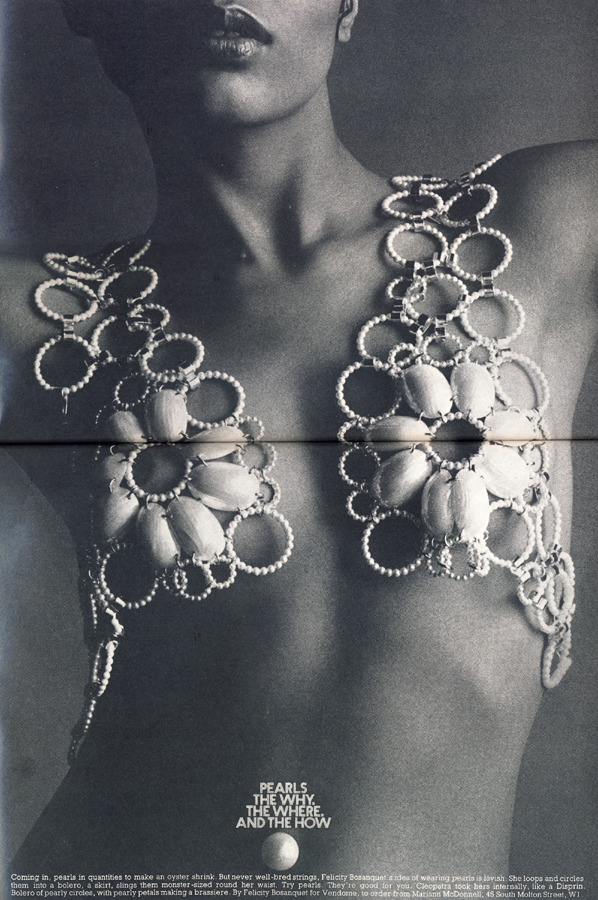
Bolero of pearly circles, with pearly petals making a brassiere. By Felicity Bosanquet for Vendome, to order from Marian McDonnell, 45 South Molton Street, W1

Bolero of pearly circles, with pearly petals making a brassiere. By Felicity Bosanquet for Vendome, to order from Marian McDonnell, 45 South Molton Street, W1

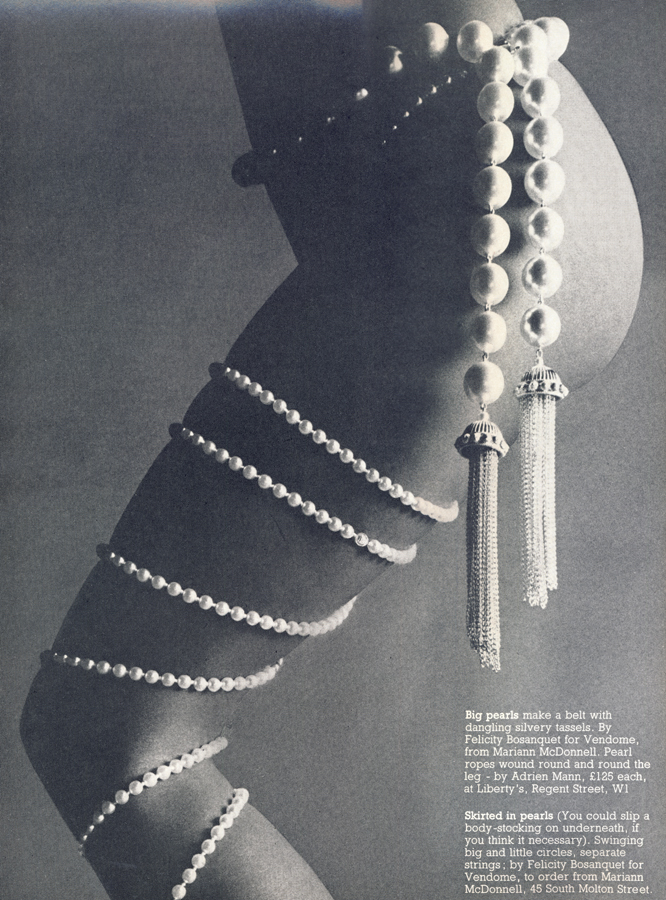
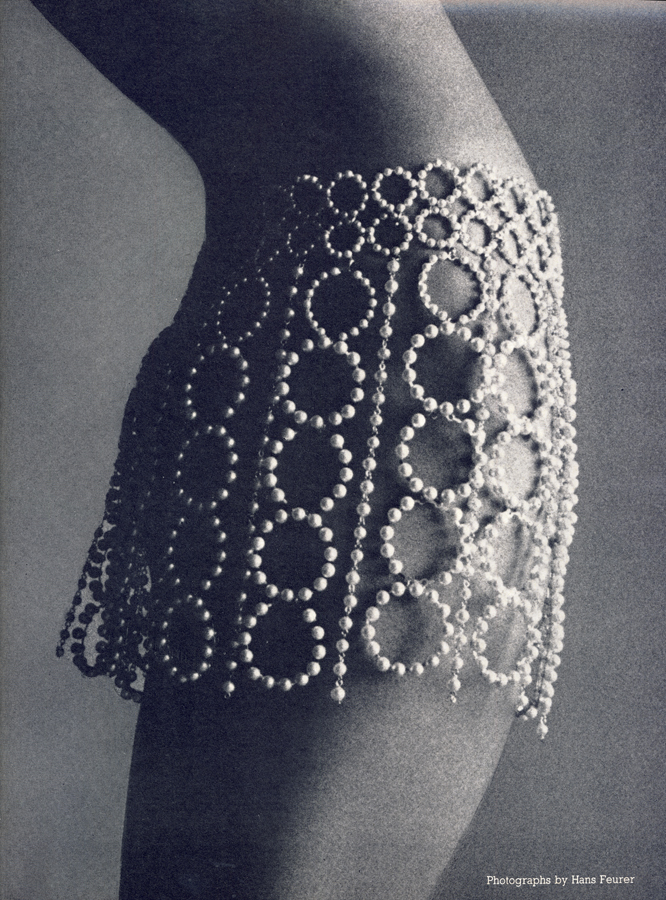
Coming in, pearls in quantities to make an oyster shrink. But never well-bred strings, Felicity Bosanquet’s idea of wearing pearls is lavish. She loops and circles them into a bolero, a skirt, slings them monster-sized around her waist. Try pearls. They’re good for you. Cleopatra took hers internally, like a Disprin.

Photographed by Hans Feurer.

Scanned by Miss Peelpants from Queen, 25th June-8th July 1969

Big pearls make a belt with dangling silvery tassels. By Felicity Bosanquet for Vendome, from Marrian McDonnell. Pearl ropes wound round and round the leg - by Adrian Mann, £125 each, at Liberty's.

Big pearls make a belt with dangling silvery tassels. By Felicity Bosanquet for Vendome, from Marrian McDonnell. Pearl ropes wound round and round the leg – by Adrian Mann, £125 each, at Liberty’s.

Skirted in pearls (You could slip a body-stocking on underneath, if you think it necessary). Swinging big and little circles, separate strings, by Felicity Bosanquet, to order from Marrian McDonnell.

Skirted in pearls (You could slip a body-stocking on underneath, if you think it necessary). Swinging big and little circles, separate strings, by Felicity Bosanquet, to order from Marrian McDonnell.

Mensday: Brian of Brook Street

1960s, Illustrations, Mensday, menswear, Queen magazine, Vintage Adverts

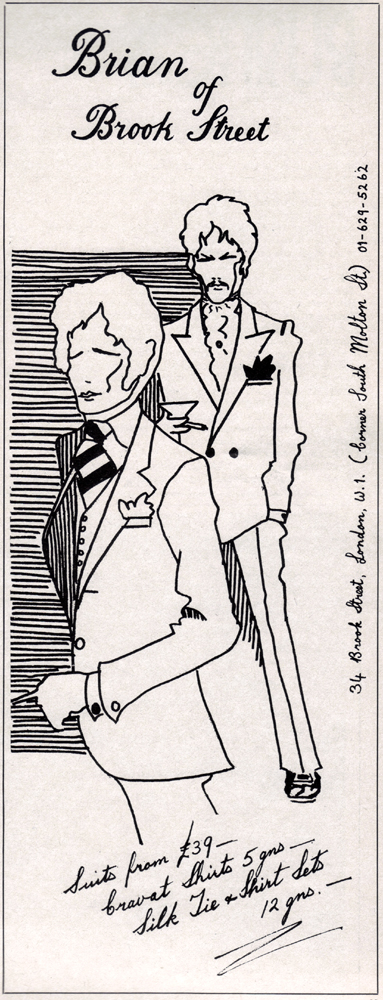
brian of brook street

Scanned by Miss Peelpants from Queen, November 1969