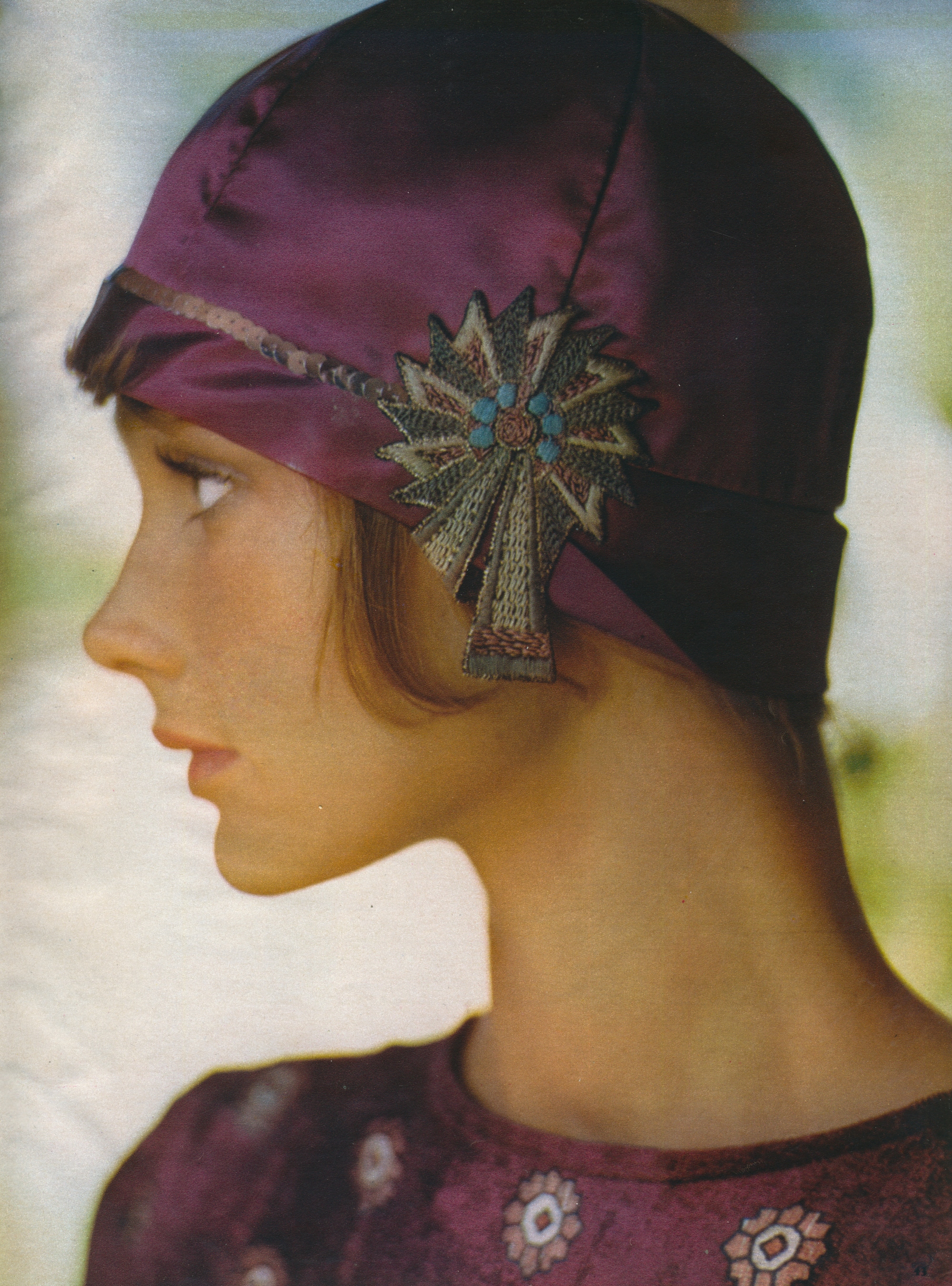
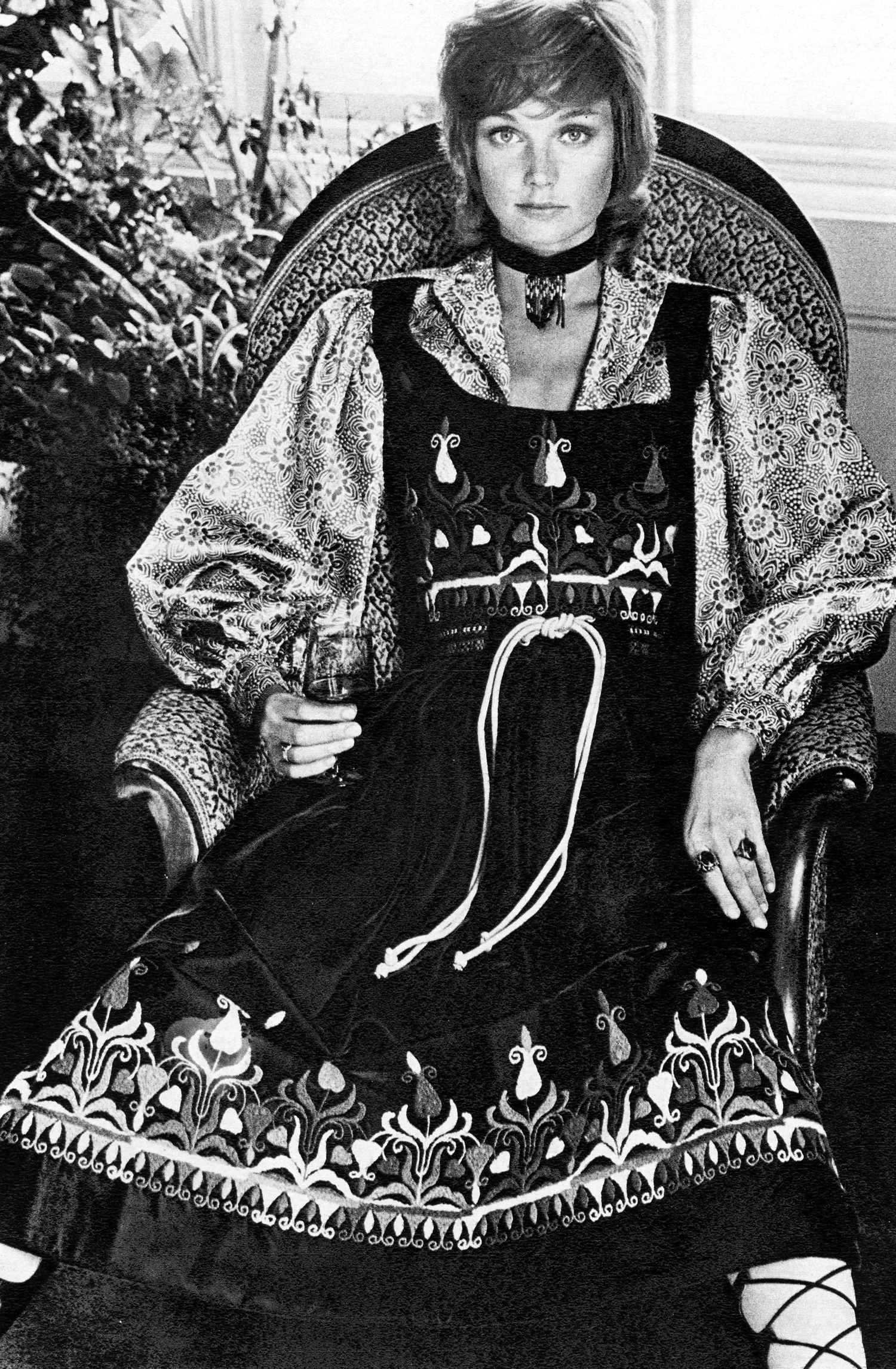
Model is Therèse.
Photographed by Frank Horvat.
Scanned from Vanity Fair, December 1970.
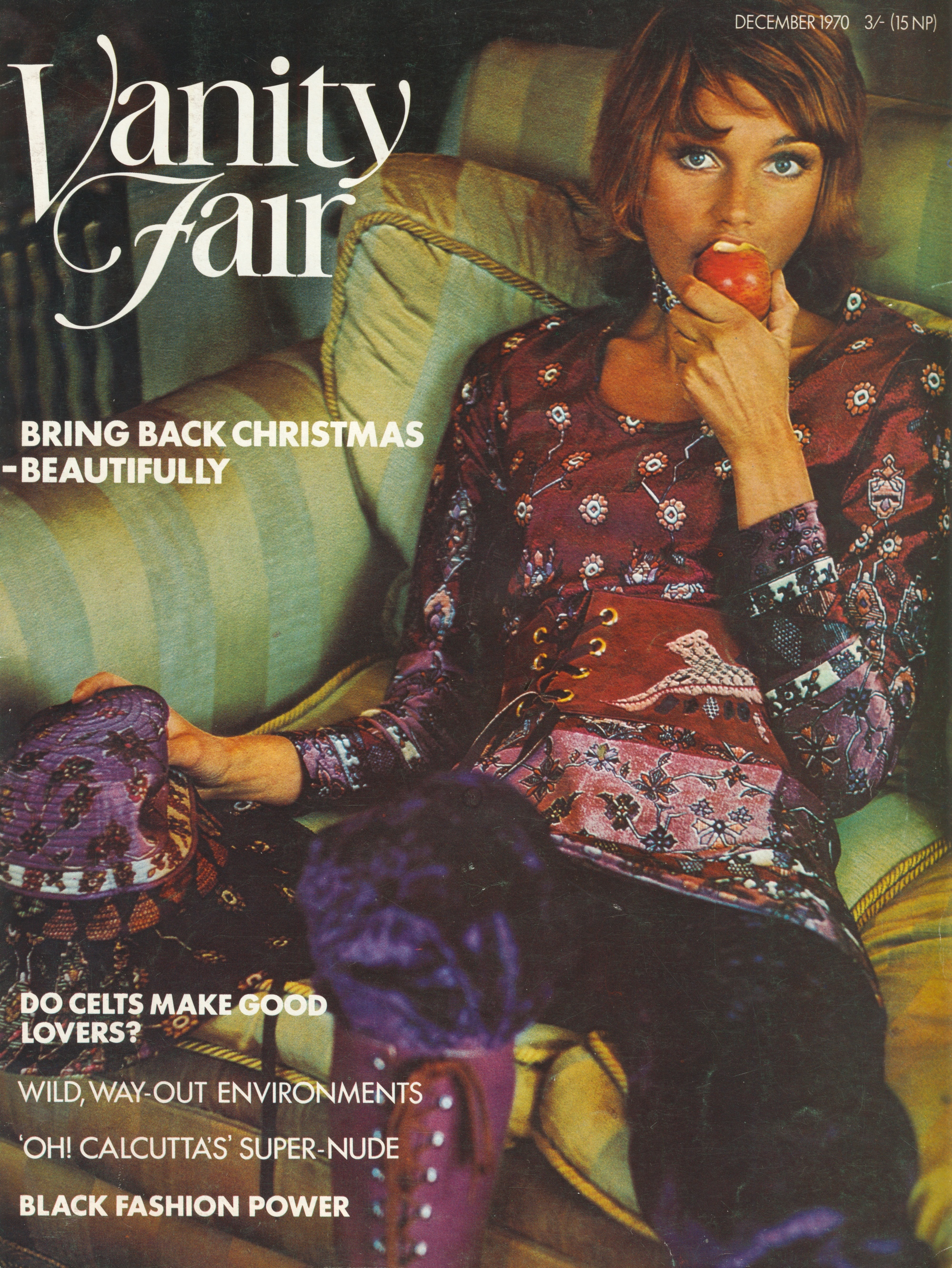
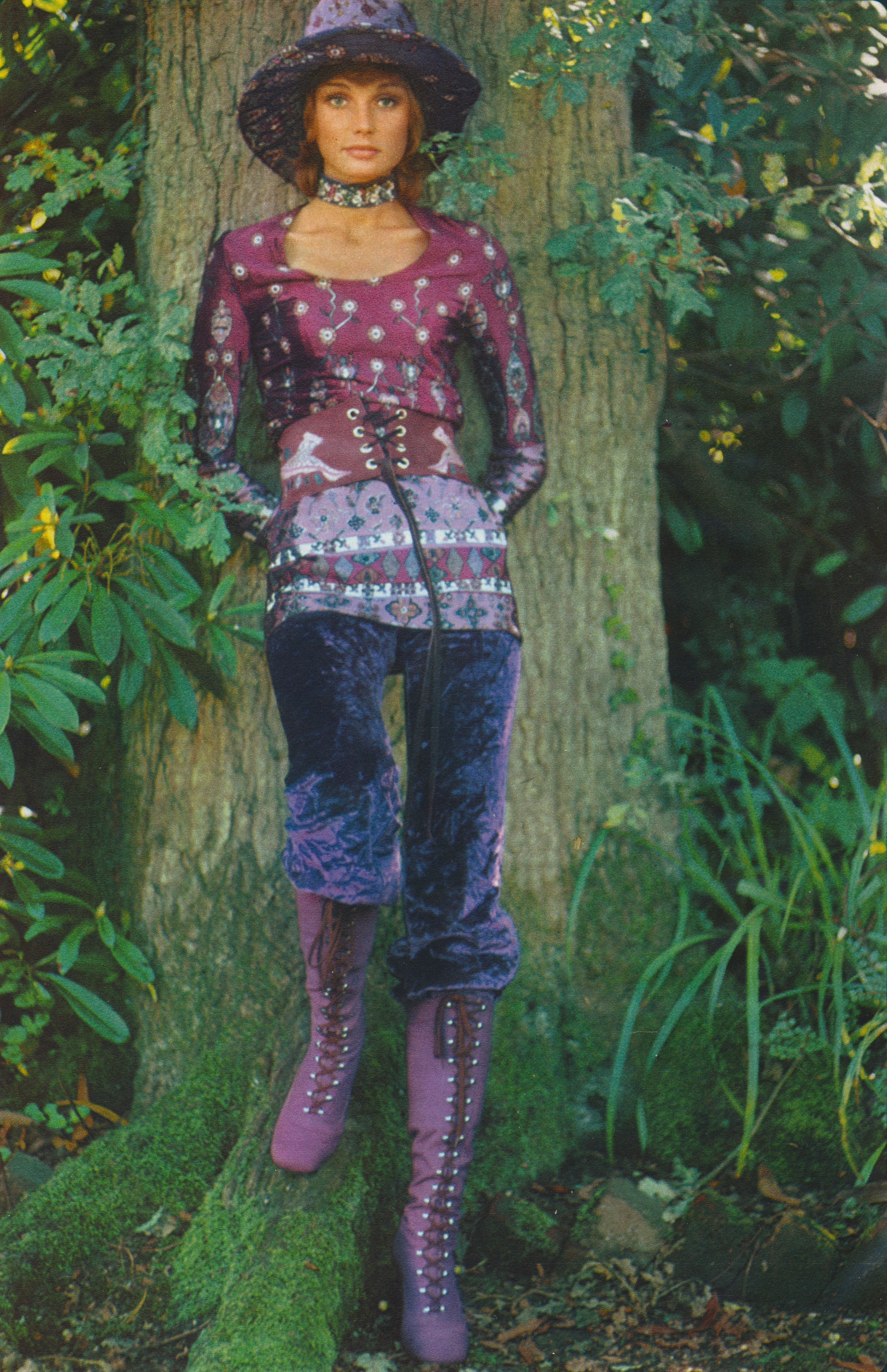
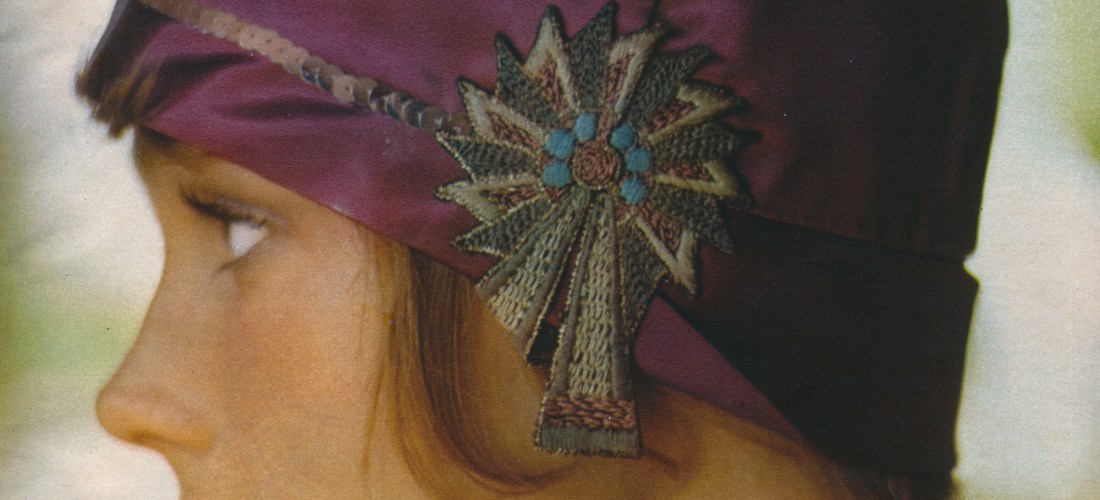
Model is Therèse.
Photographed by Frank Horvat.
Scanned from Vanity Fair, December 1970.
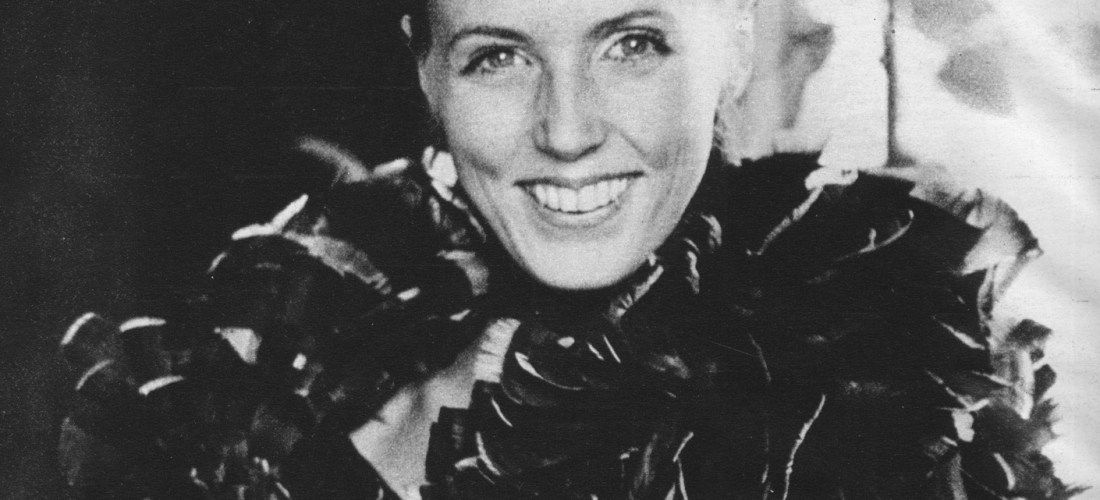
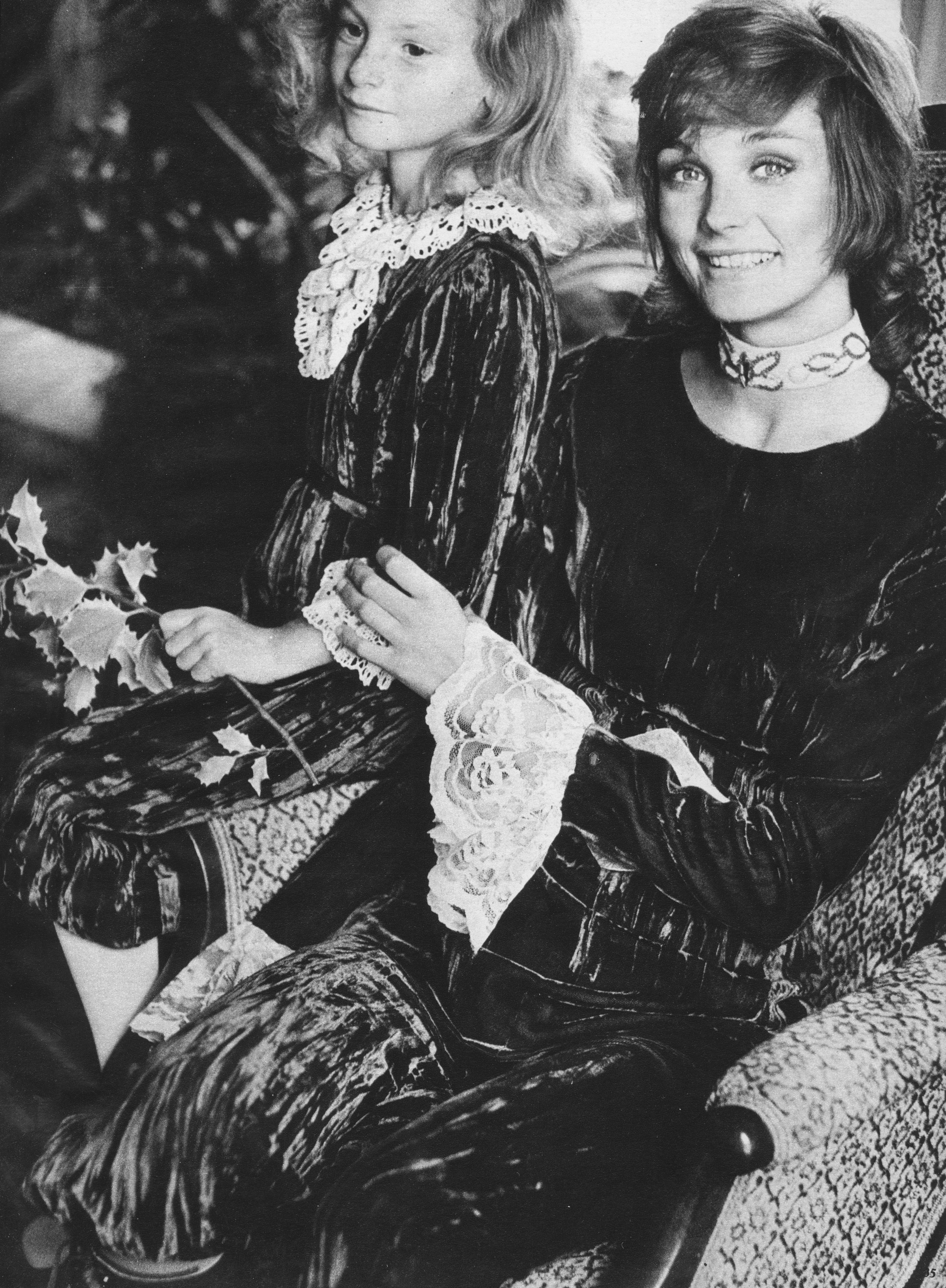
Because it’s Christmas. Give yourself time. Time for you and those you love. Time to remember a neglected relative with a telephone call, a lonely neighbour with a visit more meaningful than the automatic instant greeting card. Time too, to think of perfect strangers in other countries, struggling against hardships we can barely imagine. Could be this is the time when a donation to one of those organisations which try to help is truly the spirit of Christmas, A spontaneous flowing of compassion and care from the unknown to the unknown.
Photographed by Frank Horvat.
Scanned from Vanity Fair, December 1970.
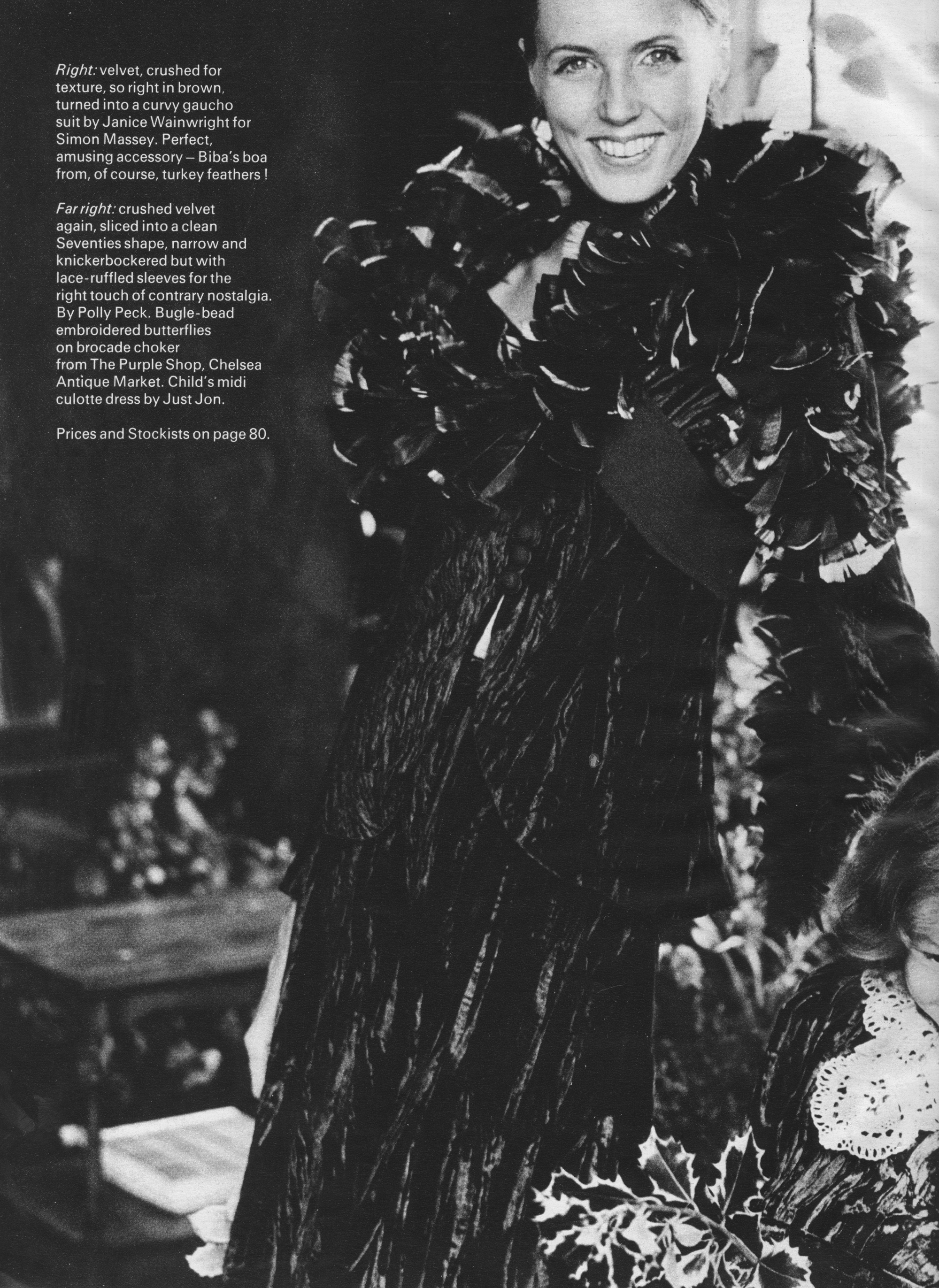


Because it’s Christmas. You’re going to forget, for once all the dreary practicalities of life. You’ll have no connection with the girl in the bus queue, wet winter mornings, tiresome clients, ceaseless telephone battles, budgets & diets, mortages and shopping. You’re going to experience the womanly spelndour of long, sumptuous gowns, shaped from luxurious stuffs – rich brocades, painstaking tapestries, beautiful braids; the whole piled into pattern on pattern so that the woman we know we could become emerges from grubby little Cinderella with a nonchalant elegance – relaxed, seemingly pampered and so obviously desreving a custom-made Prince Charming.
And because it’s Vanity Fair, it’s quite a long and endearingly meandering editorial on a loose theme which I will divide into a few different parts. Today, the glorious work of Bill Gibb for Baccarat, photographed so exquisitely I want to live in these images.
Photographed by Frank Horvat.
Scanned from Vanity Fair, December 1970.


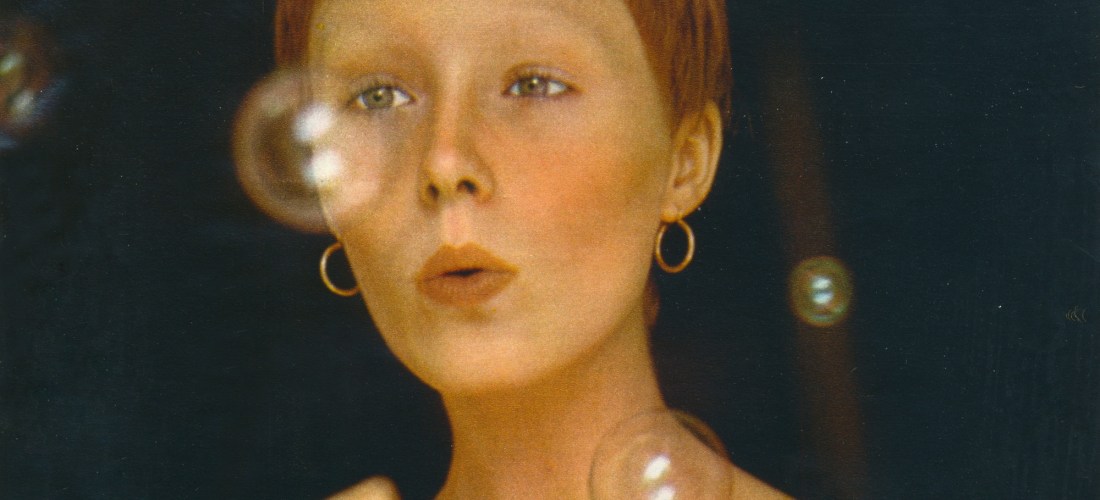
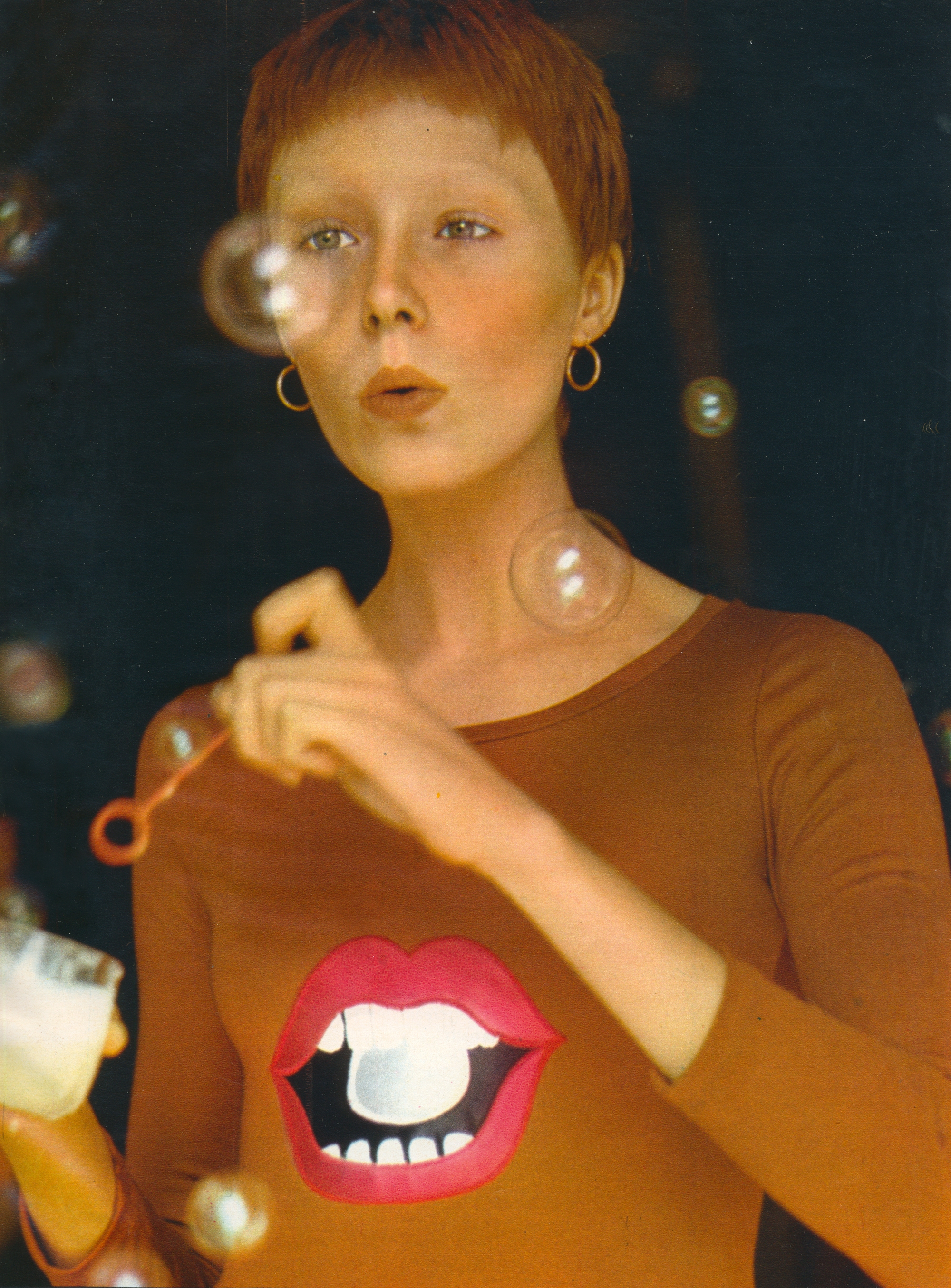
Top by Crowthers (although perhaps an uncredited Mr Freedom buy-in?)
Photographed by Frank Horvat.
Scanned from Vanity Fair, December 1970.
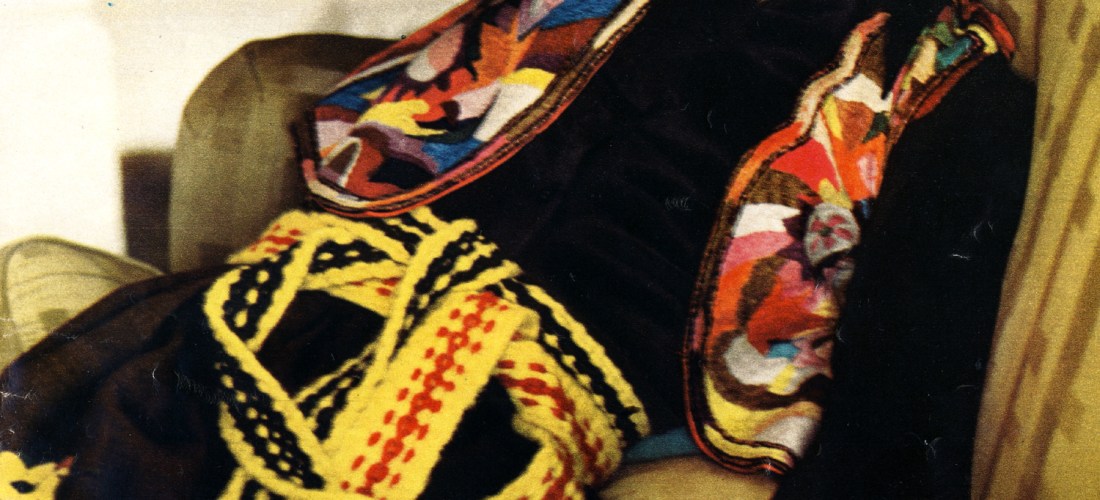
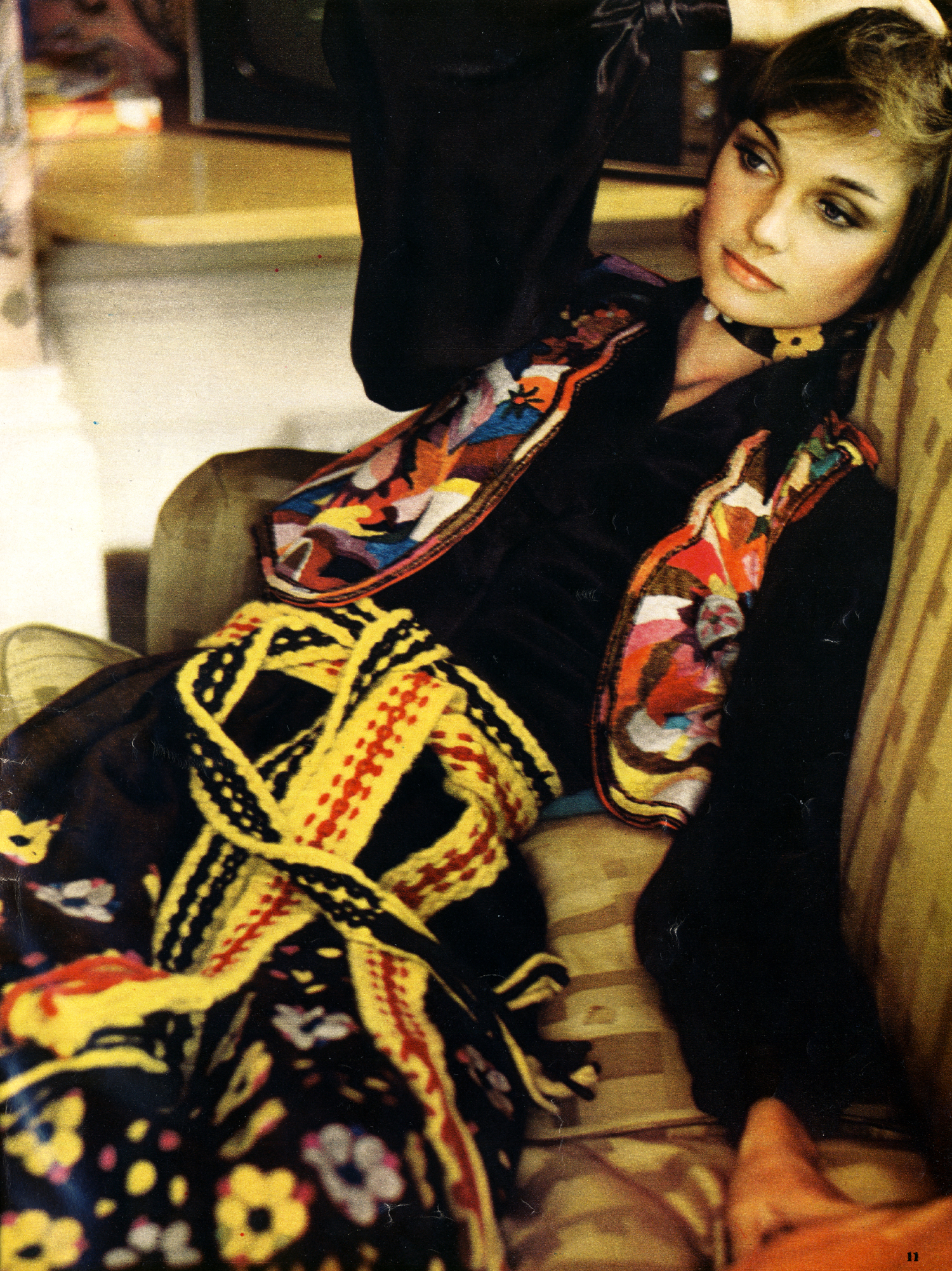
Every designer is saying it loudly, clearly, boldly, prettily… the hand-made look is here. Maybe it started as a reaction against the badly-made, thrown-together, hotch-potched dolly era; maybe this reaction set the tide running for antique markets where painstaking workmanship could be picked up still; maybe it’s that elusive feeling in the air that a designer’s sensitive seismograph picks up and translates in his own distinctive handwriting. Whatever it is – it’s here.
Jorn Langberg of Christian Dior – London plots it out in warm brown velvet, got together with a brief, embroidered waistcoat and a deeply embroidered peasant skirt… at the other end of the scale the Dress Den at Kensington Antique Market tops a thick aubergine cotton skirt spilled with bright wool flowers with a scrap of bolero, pictorially embroidered over every centimetre of the scalloped front. If you’re skilled with a needle, have a good eye for colour and shape there’s no reason why you can’t put yourself ahead of the game. But this is a painstaking look, a one-off original look that can’t be tossed off in an evening by a hopeful but bodgy amateur needlewoman.
Both shirts by Jeff Banks; all accessories from Kensington Antique Market.
Fashion by Lorna Cattell.
Photographed by Frank Horvat.
Scanned by Miss Peelpants from Vanity Fair, January 1971.
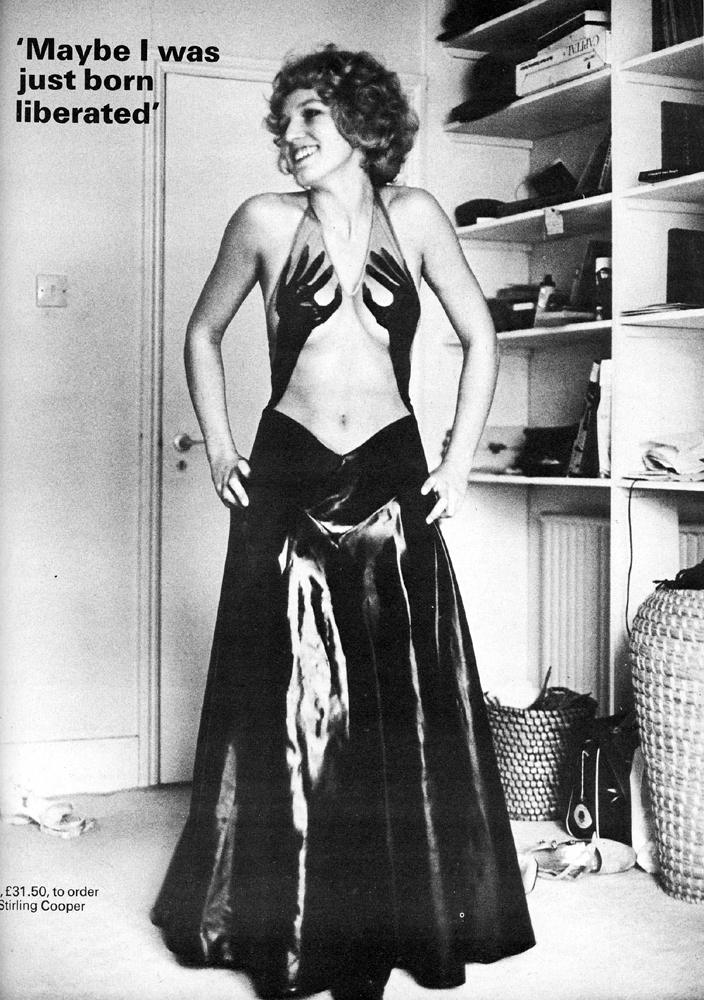
Stirling Cooper
This photoshoot, featuring the brilliantly named Celestia Sporborg, is another one of my all-time favourites, and one I have put off scanning for a long while because Vanity Fair is actually a rather painful magazine to scan. The gummed spine, with age, does not enjoy being flattened so it requires extra effort to maintain some kind of structural integrity. I couldn’t NOT scan though. I love these images. I love the blurriness, her natural facial expressions, the very domestic backdrop and, of course, the completely mind-blowingly fabulous clothes. I don’t know where to start. That Stirling Cooper above is just so modern. And the Radley playsuit, so very Glam. And the Ossie… Plus Alice Pollock, Foale and Tuffin and a Ritva sweater I sold on Vintage-a-Peel a few years back…
It also identifies the shots from Vanity Fair’s Guide to Modern Etiquette, ‘Nice Girls Do’, which I posted about before. To contextualise this shoot, the entire June issue is dedicated to feminism and liberation. Certainly one of the main reasons I love Vanity Fair almost above all other magazines of the period is the fact that they would theme all the contents of an issue, including the fashion spreads.
Celestia Sporborg is now a casting director herself, with over a hundred film credits on IMDB. She married theatre and film producer Robert Fox (brother of James and Edward) in 1975 and they had three children together.
Photographed by Frank Horvat.
Scanned by Miss Peelpants from Vanity Fair, June 1971
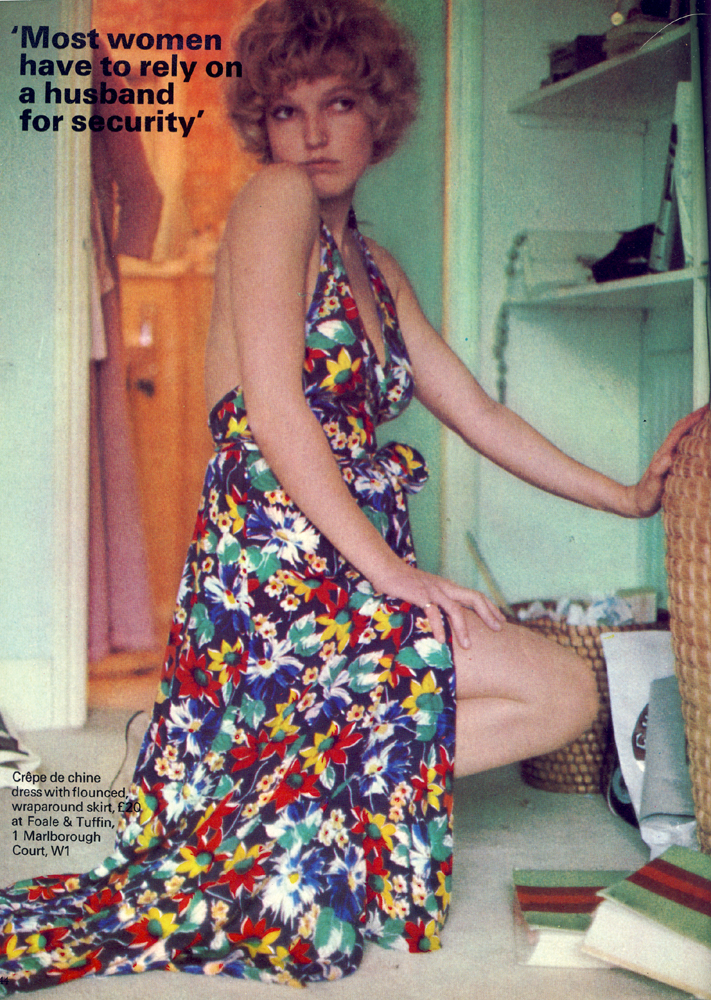
Foale & Tuffin
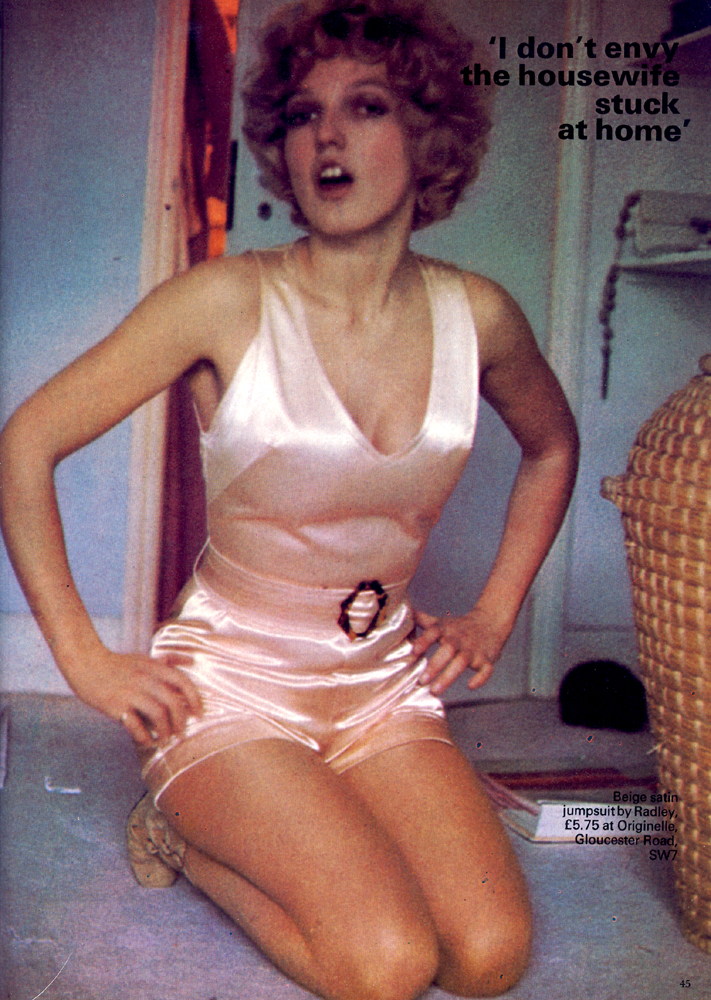
Radley
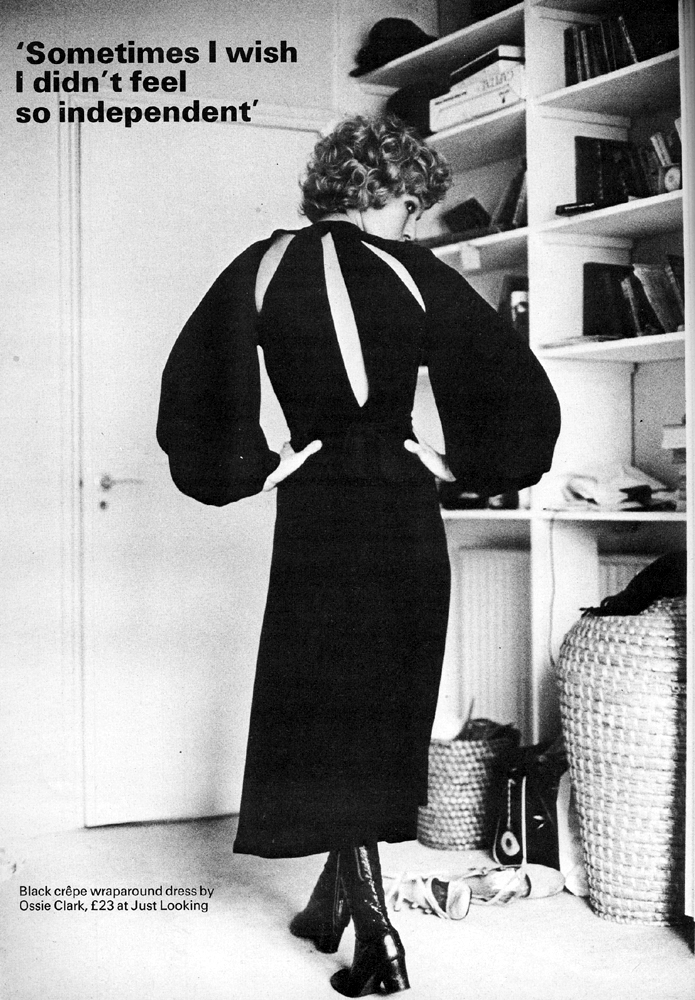
Ossie Clark

Ritva
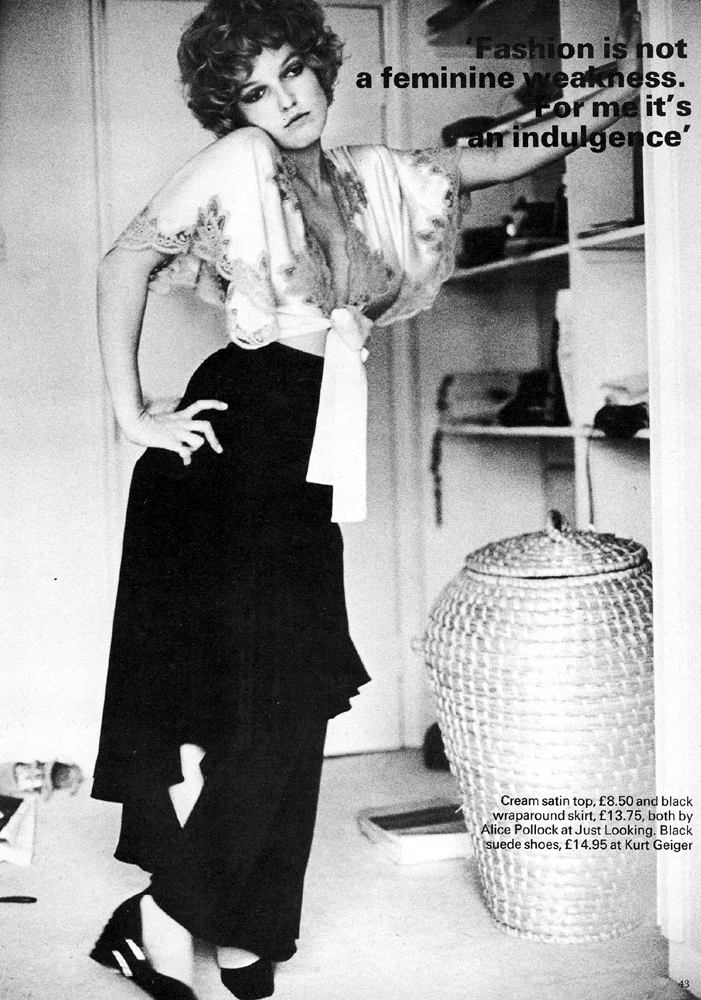
Alice Pollock
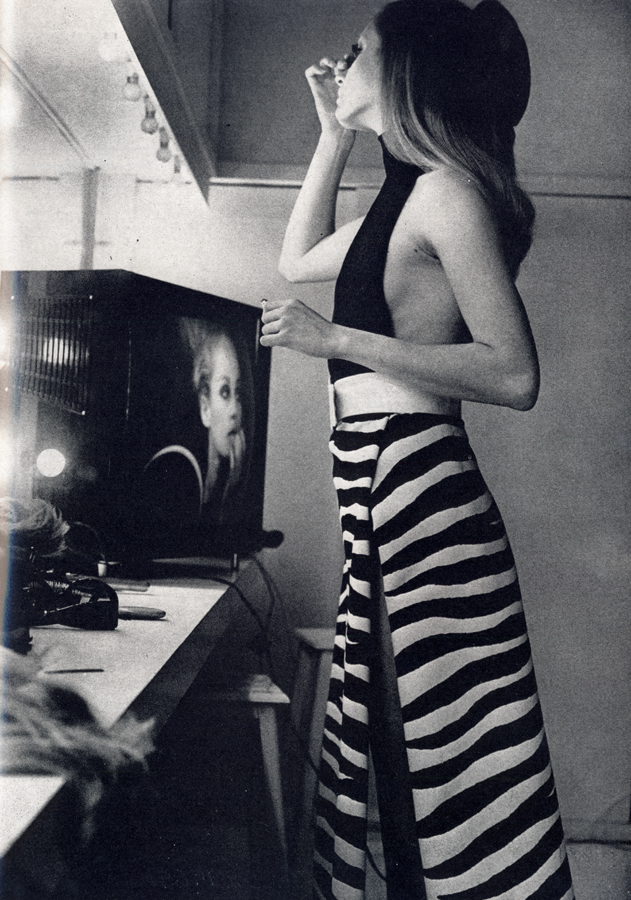
Token top made of black silk, and a leopard-print skirt slashed from waist to ankle on either side. By Givenchy.
Photographed by Frank Horvat. Scanned by Miss Peelpants from Queen, March 1970
 Liz Eggleston