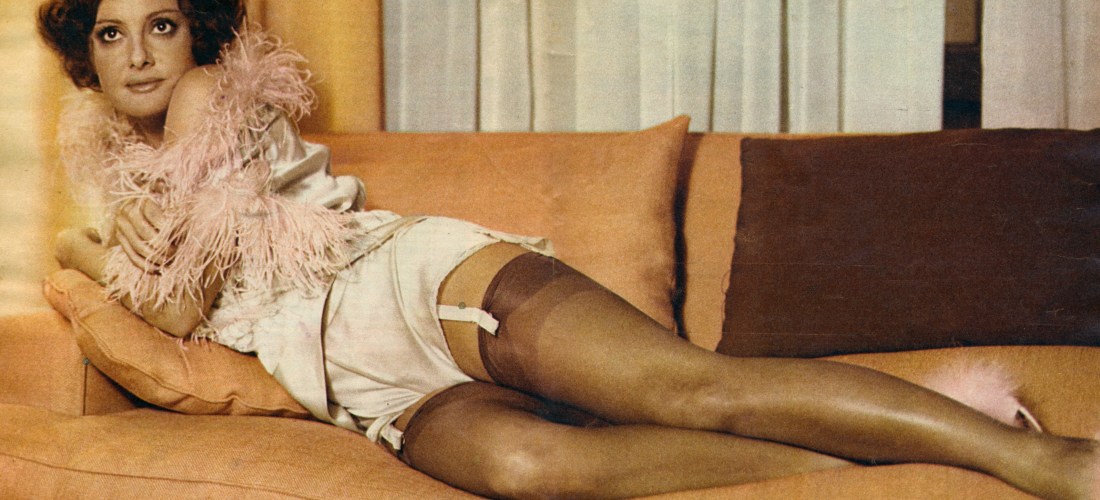
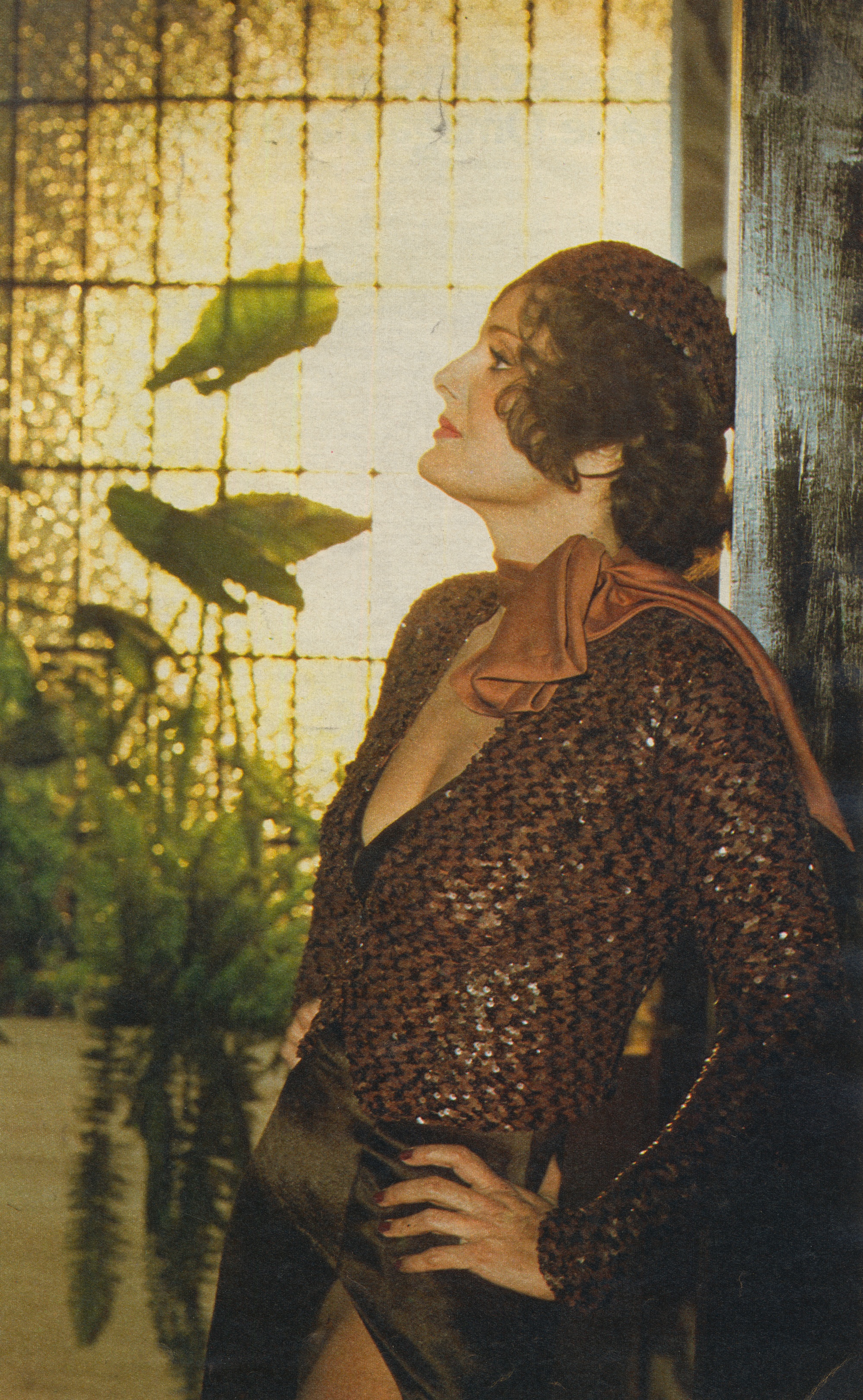
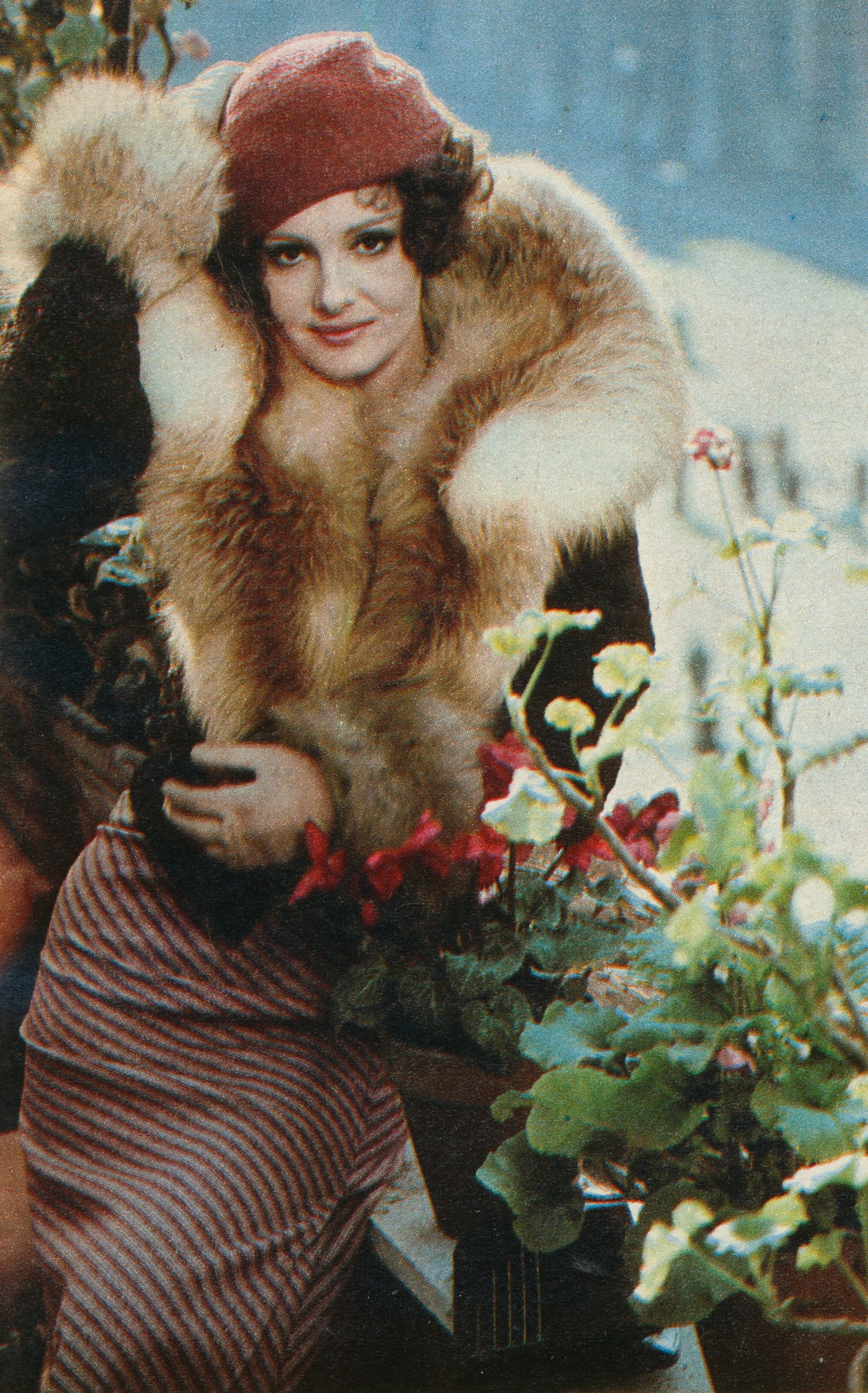
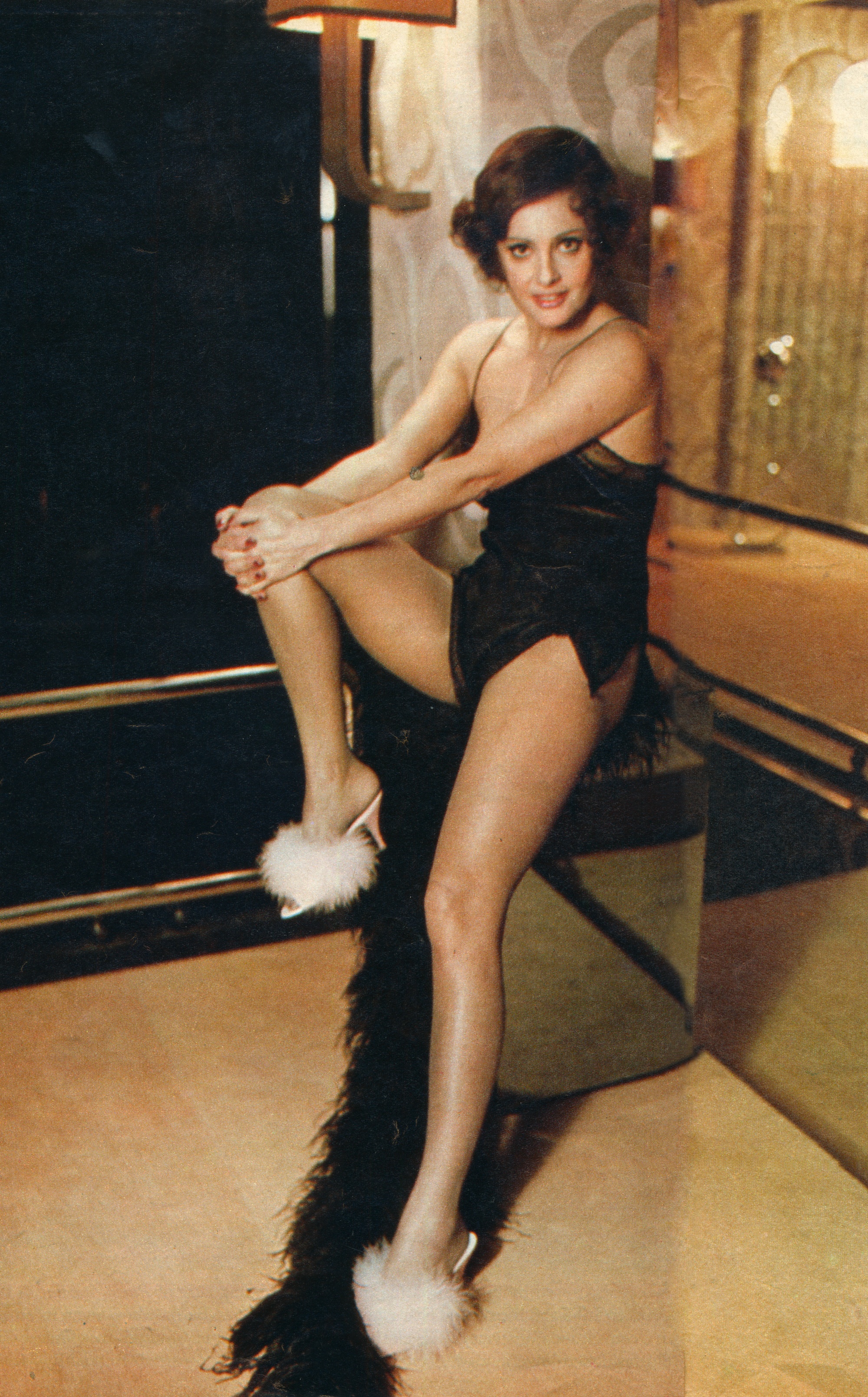
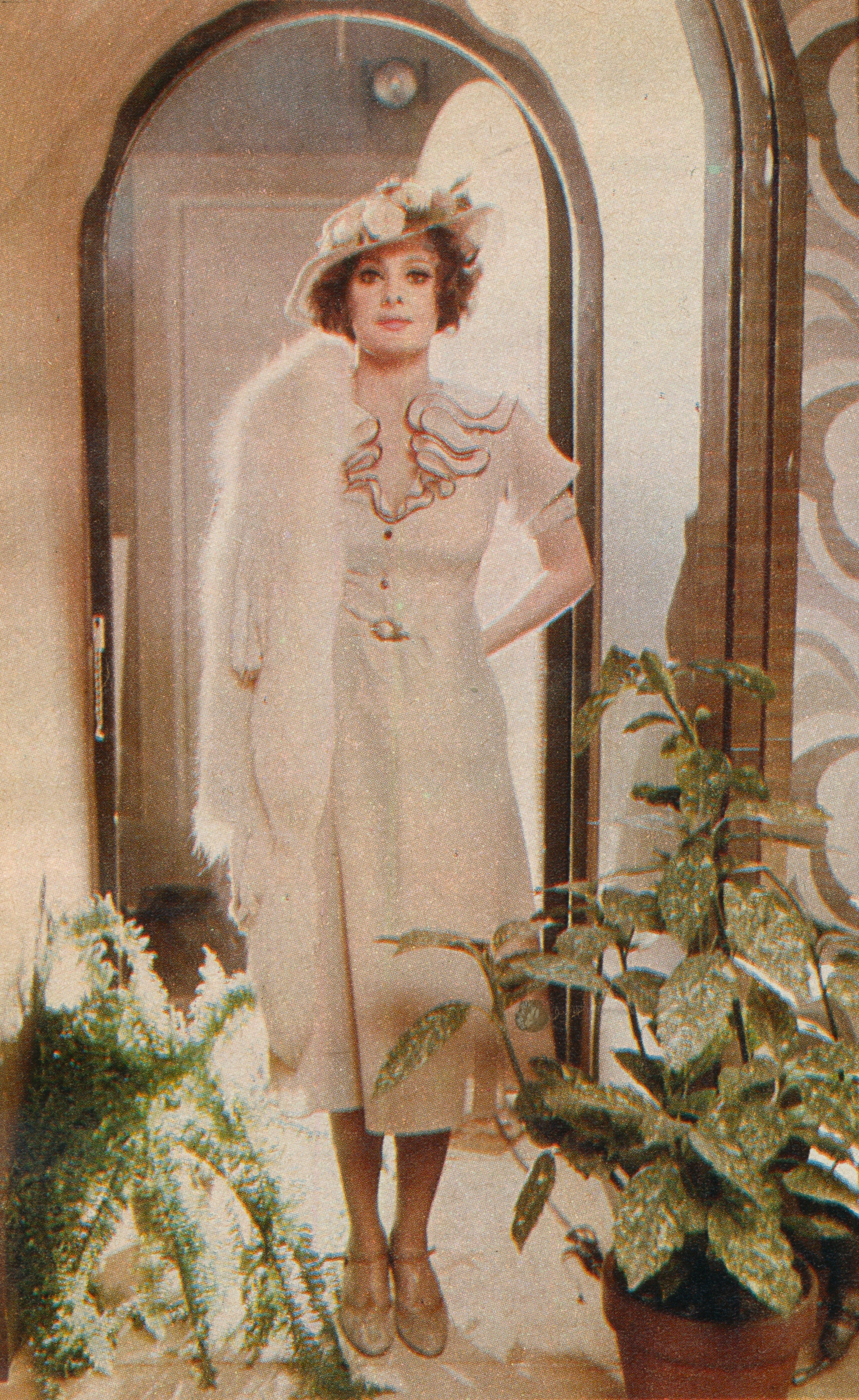
Italian film star Rossana Podesta returns to the screen, after an absence of two years caused by illness, as Lilia the shapely leading lady of Paolo, il caldo, a study in eroticism written by Vitaliani Brancati. The film, which is set in the Twenties and Thirties, traces the relationship between Lilia and the central character, Paolo – a Sicilian Baron whose main interest in life is women. Before eventually ending her love affair with the sensual Sicilian, Lilia manages to slip through an enticing selection of seductive clothes, until she settles down to a conventional marriage. The clothes, by Tirelli of Rome, one of Italy’s largest theatrical costumiers, are modern interpretations of Twenties and Thirties styles; there are chunky furs, cream coloured foxes, flat berets, apache-type scarves, and saucy old-fashioned lingerie made from satins, laces, ribbons and ostrich fronds.
Photographed by Tazio Secchiaroli.
Scanned from The Sunday Times Magazine, May 13th 1973.
Bronzed sequinned and lame plunged-necked evening blouse with a side-split skirt; a matching beret and a sugar-coloured silk scarf.
A striped dress in beige and brown wool under a dark brown jacket with a red fox collar and cuffs.
Black cami-knickers cut high at the sides to lengthen the look of the legs.
Cream roses, a dress of silk organza, and a luxurious stole of creamy fox furs.
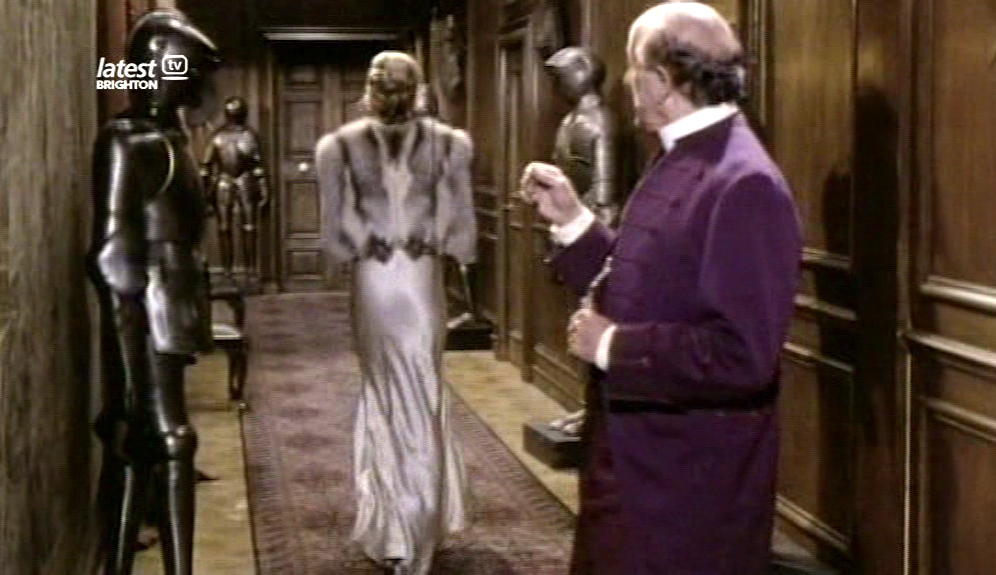
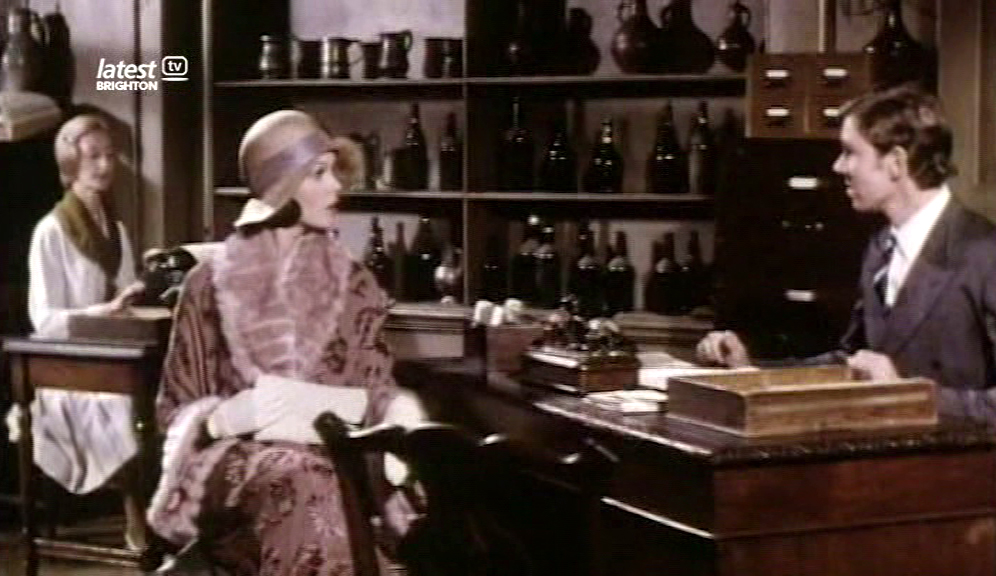
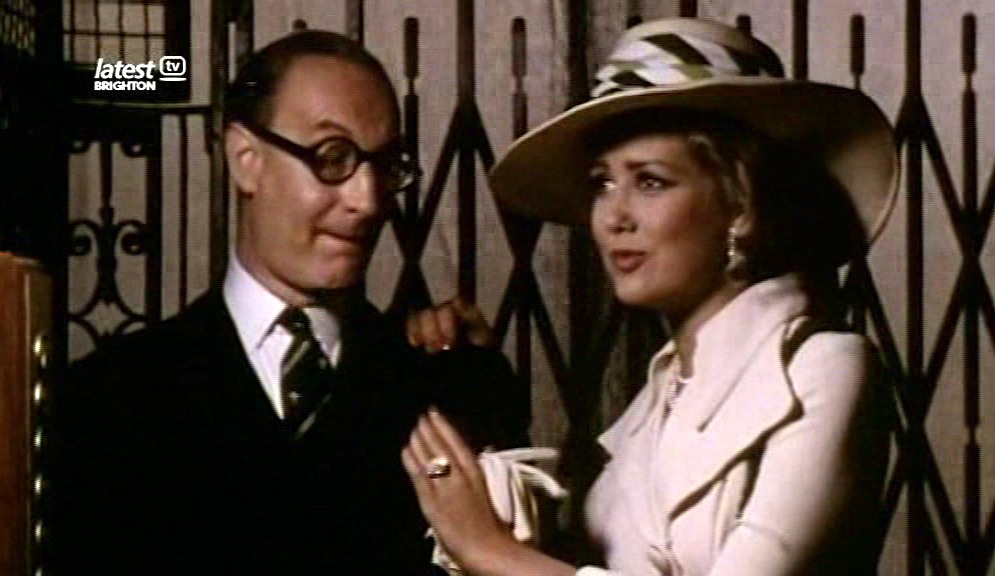
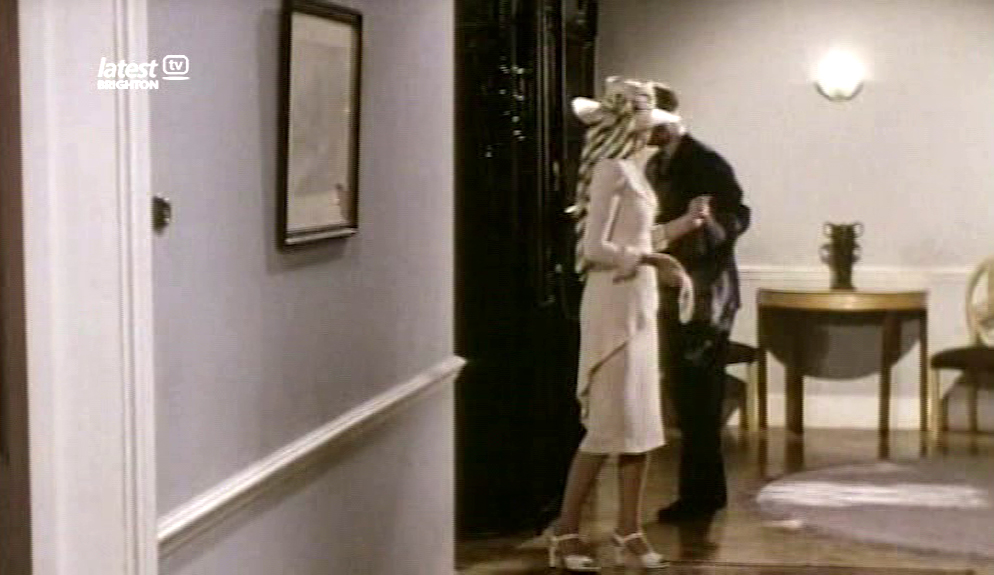
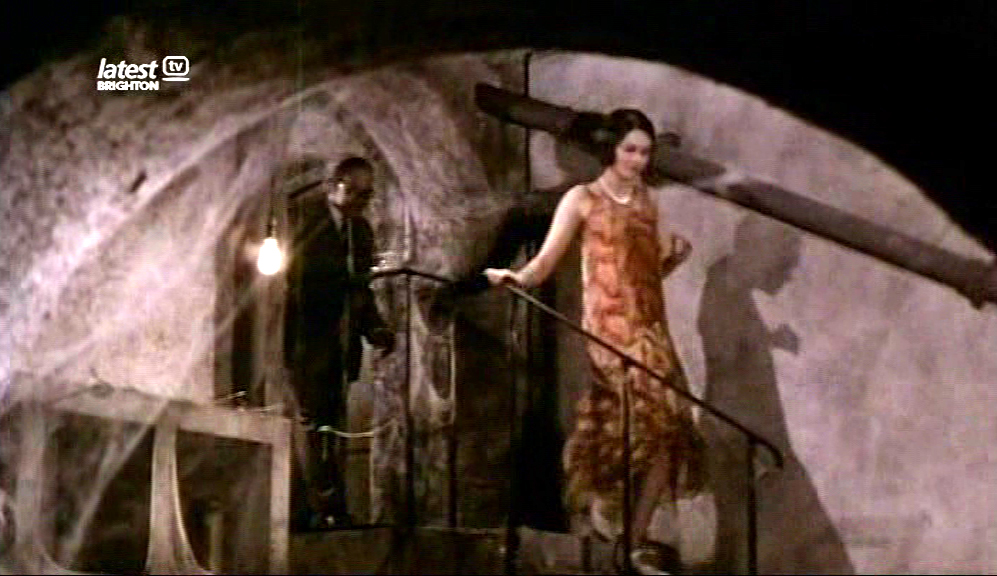
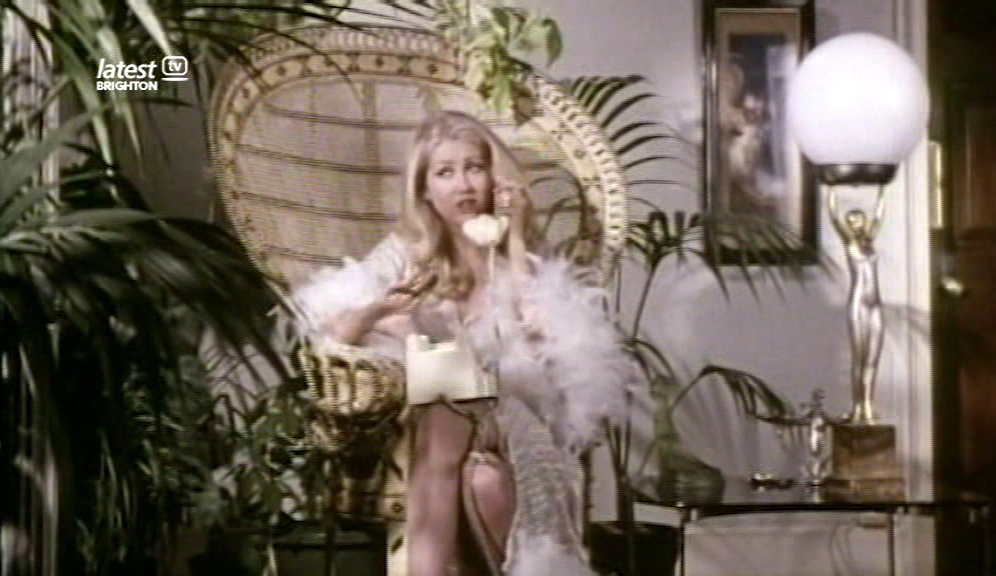
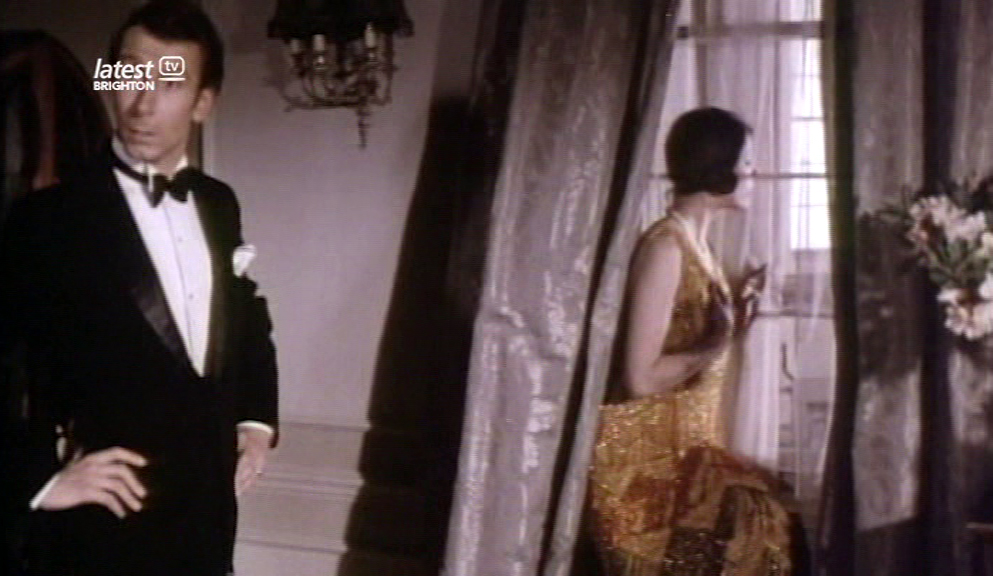
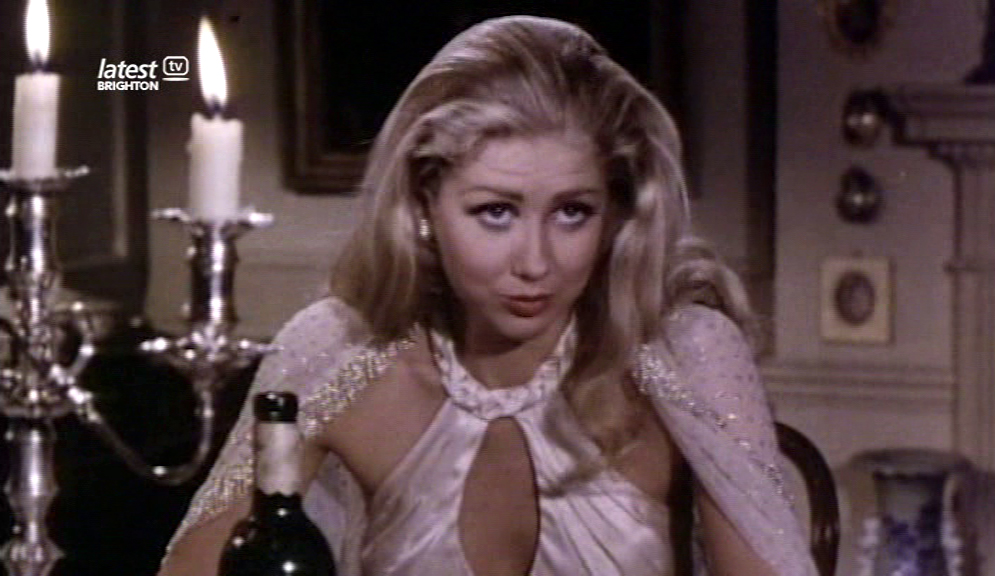
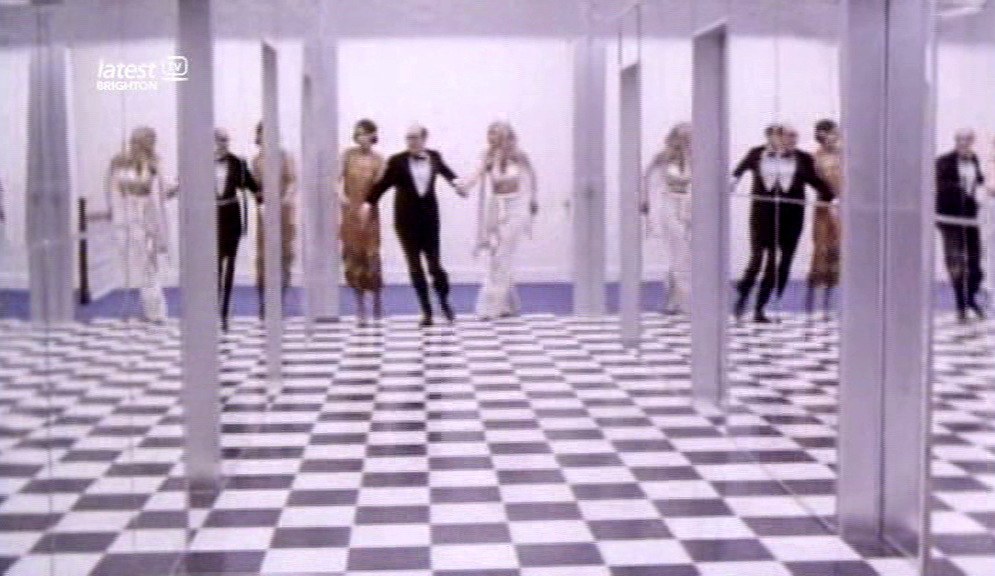
Games That Lovers Play (1970) is one of my favourite types of period films, where the hybrid of period detail in its setting is completely meshed and mangled with the incidental period detail of the year in which it was made. These films must be at least forty years old for me to not rant and rave about the inaccuracies, of course, otherwise I will let rip for eternity. But, much like The Boyfriend, Games That Lovers Play is an homage to the Twenties – with some very Seventies sensibilities. Except it’s even looser than The Boyfriend. And I mean loose in both senses of the word.
It is also a classic example of a film currently held in very low regard, which I maintain would be feted if it was French or Italian. It is kitsch, camp and aesthetically fascinating, even if it is rather a failure as a coherently plotted or acted film. The plot revolves around two rival Madams, who each wager that their ‘best’ girl is the best by challenging them to seduce unseduceable men.
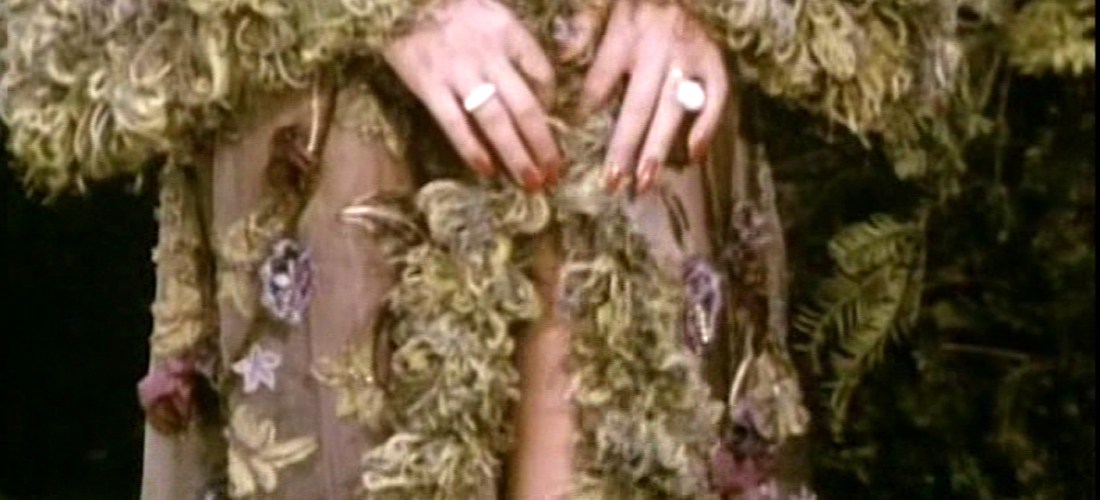
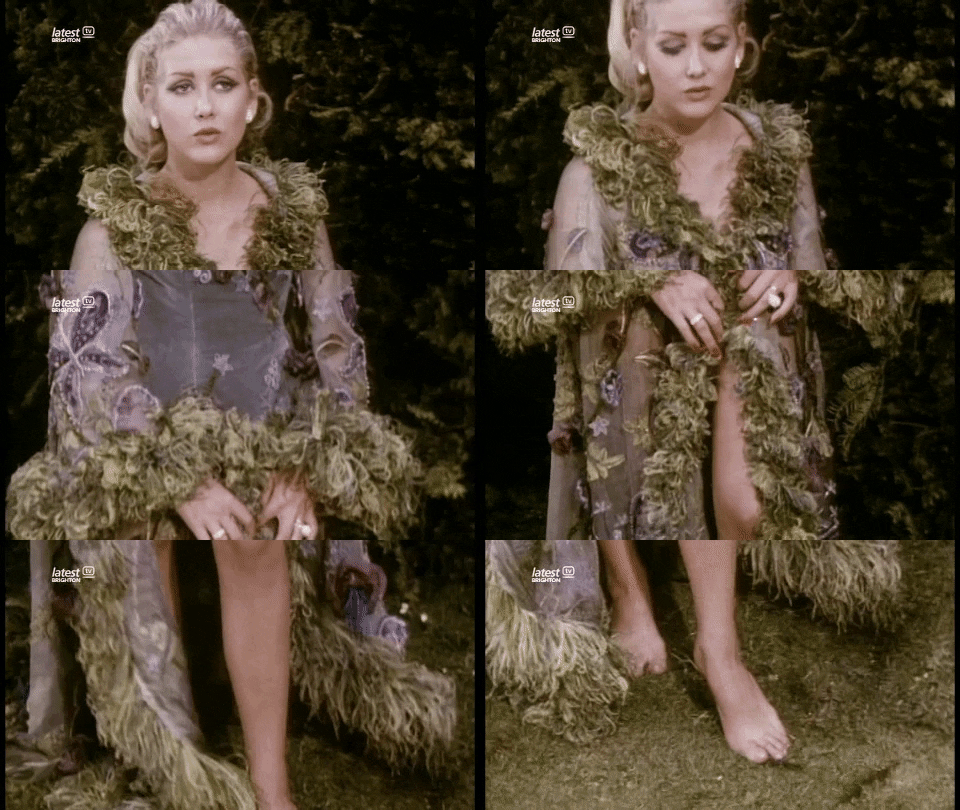
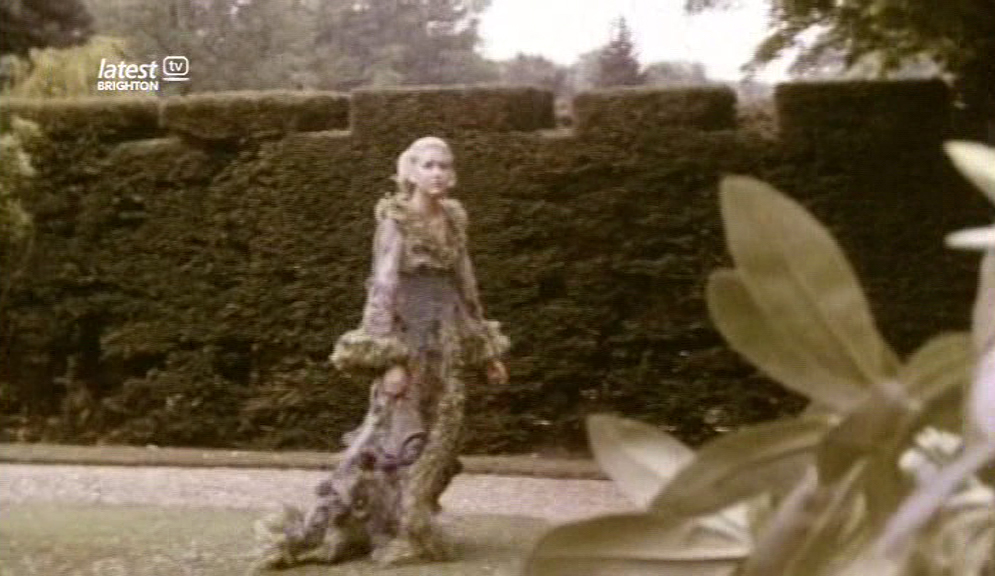
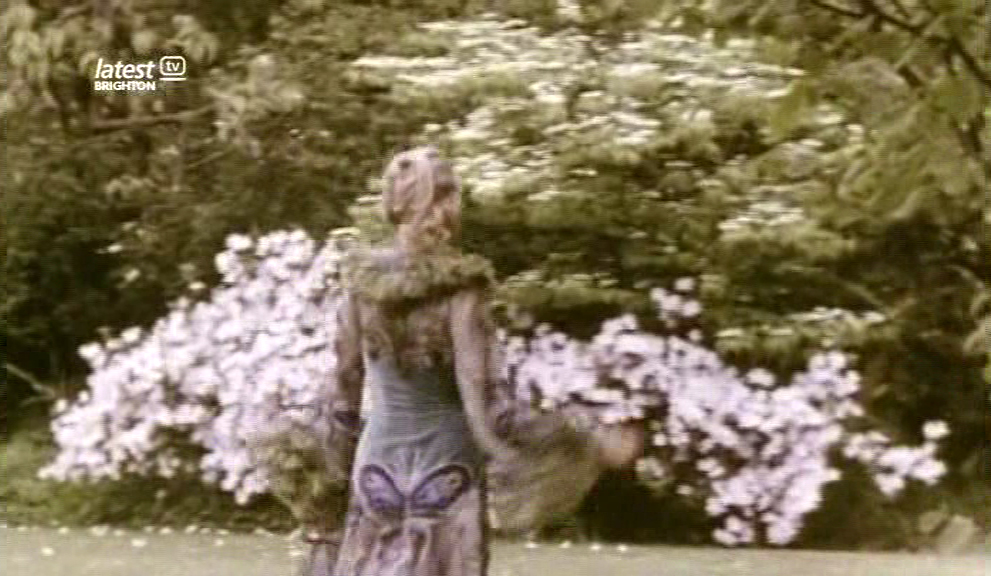
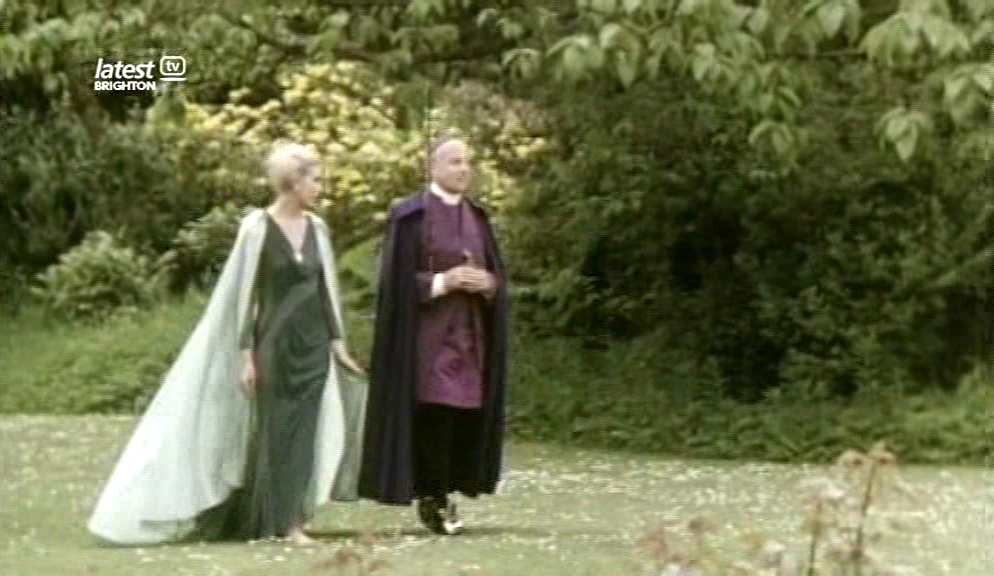
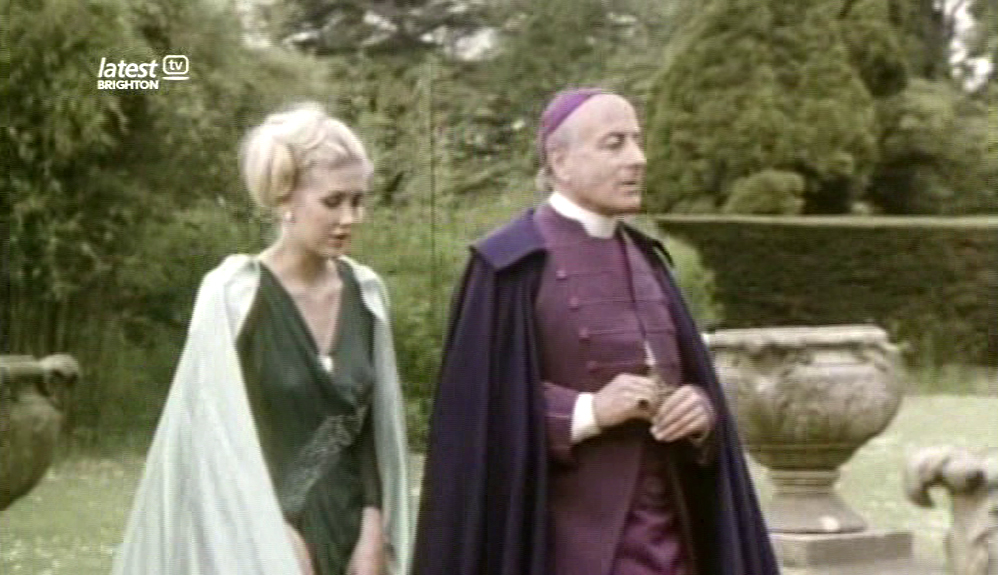
The costumes are, naturally, my main interest. They play extremely fast and loose with the Twenties look, creating a slight difference between the more Edwardian domain of Lady Chatterley (yes, I know) and the more modern Deco feel of Fanny Hill’s residence. (Yes, Fanny Hill…) The costumes are credited as being from Bermans and the ‘Wardrobe’ to one Ray Beck. They are a glorious, glorious mishmash of Edwardian, Twenties, Thirties and definitely plenty of 1970. My particular favourite is Lady Chatterley’s Edwardian wrap dress (possibly house coat), exquisitely embroidered and trimmed with ostrich feathers. She strips it off, puts it back on and generally flounces around the grounds like something out of my wildest sartorial dream. In fact I adore this dress so much that I turned it into a gif.
But it also needs to be seen from all angles, so here are some more:
It even has a butterfly on the bum for goodness sake! I really hope this piece still exists somewhere out there. In fact, I might have to make it my life’s work to recreate it.
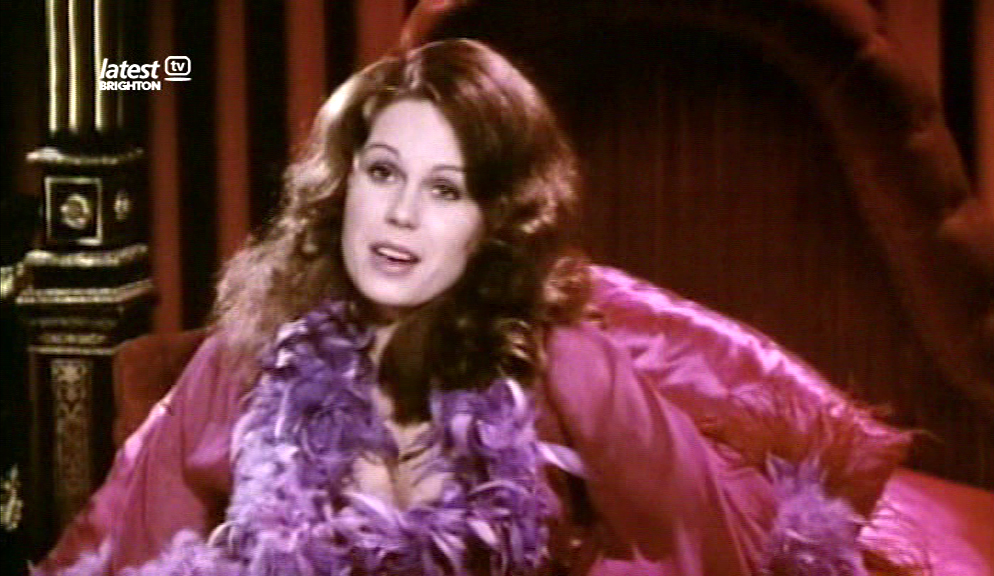
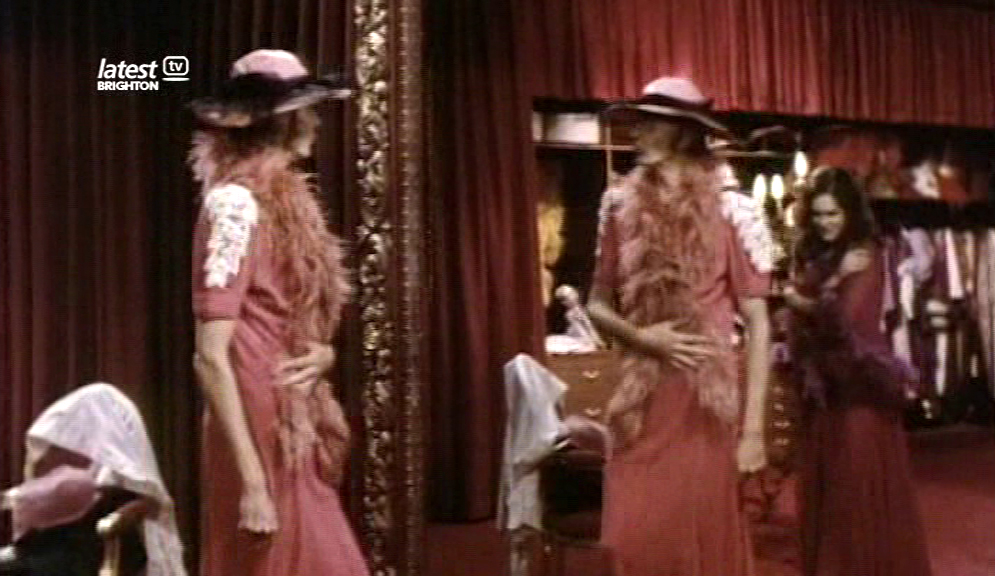
Fanny Hill’s wardrobe is rather more Twenties/Thirties in style and with rich colours:
Oh, did I not mention that Fanny Hill is played by Joanna Lumley? To be honest, from what I’ve read I think she’d rather it never saw the light of day but I reckon it’s one of the most interesting things she ever did. She also co-stars with her future husband, Jeremy Lloyd. Incidentally, Lady Chatterley is played by Penny Brahms, and I can’t help but wonder if she was the inspiration behind ‘Miss Brahms’ in Jeremy Lloyd’s Are You Being Served.
Lloyd plays her first seduction target: a gay drag artist, which leads Fanny Hill to pose as a man dressed as a woman – in full Georgian regalia. This party scene is also populated with genuine drag artists of the time and has an incredibly authentic feel. The credits read The “Queens” : Played by Themselves!, and I would dearly love to know who these people were because it must be incredibly ahead of its time in depicting this scene.
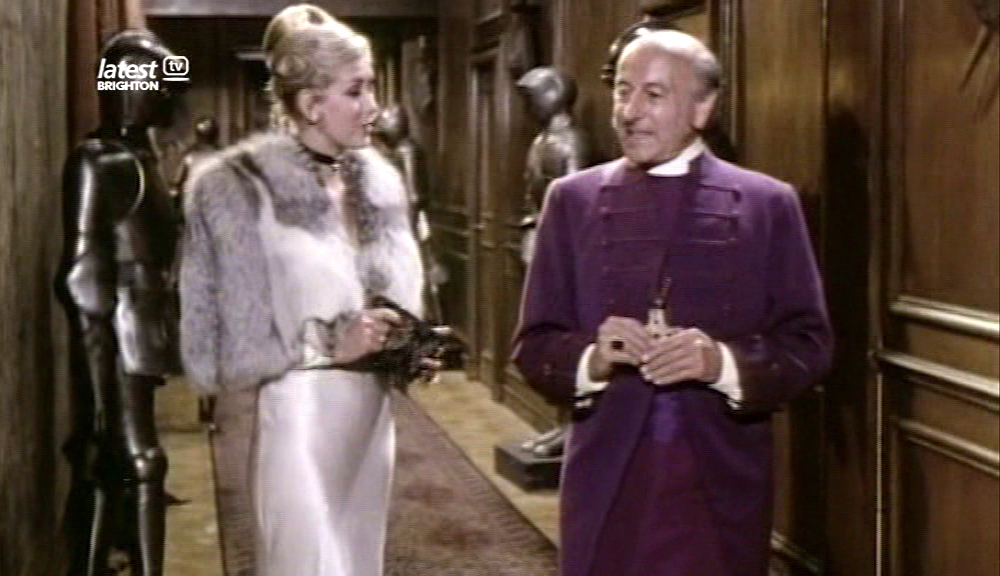
Lady Chatterley’s target is a Bishop, and she starts to look a little more Thirties-does-Seventies at this point.
From here on I won’t ruin the plot for you, such as it is, so will just post some more of my favourite outfits and hope that I have whetted your appetite. I appreciate that I have a very high tolerance for weird films, but I did really enjoy it.
“If I didn’t know you were a man I’d run a mile!”
It’s hard to capture but this outfit is a crop top and trouser ensemble.
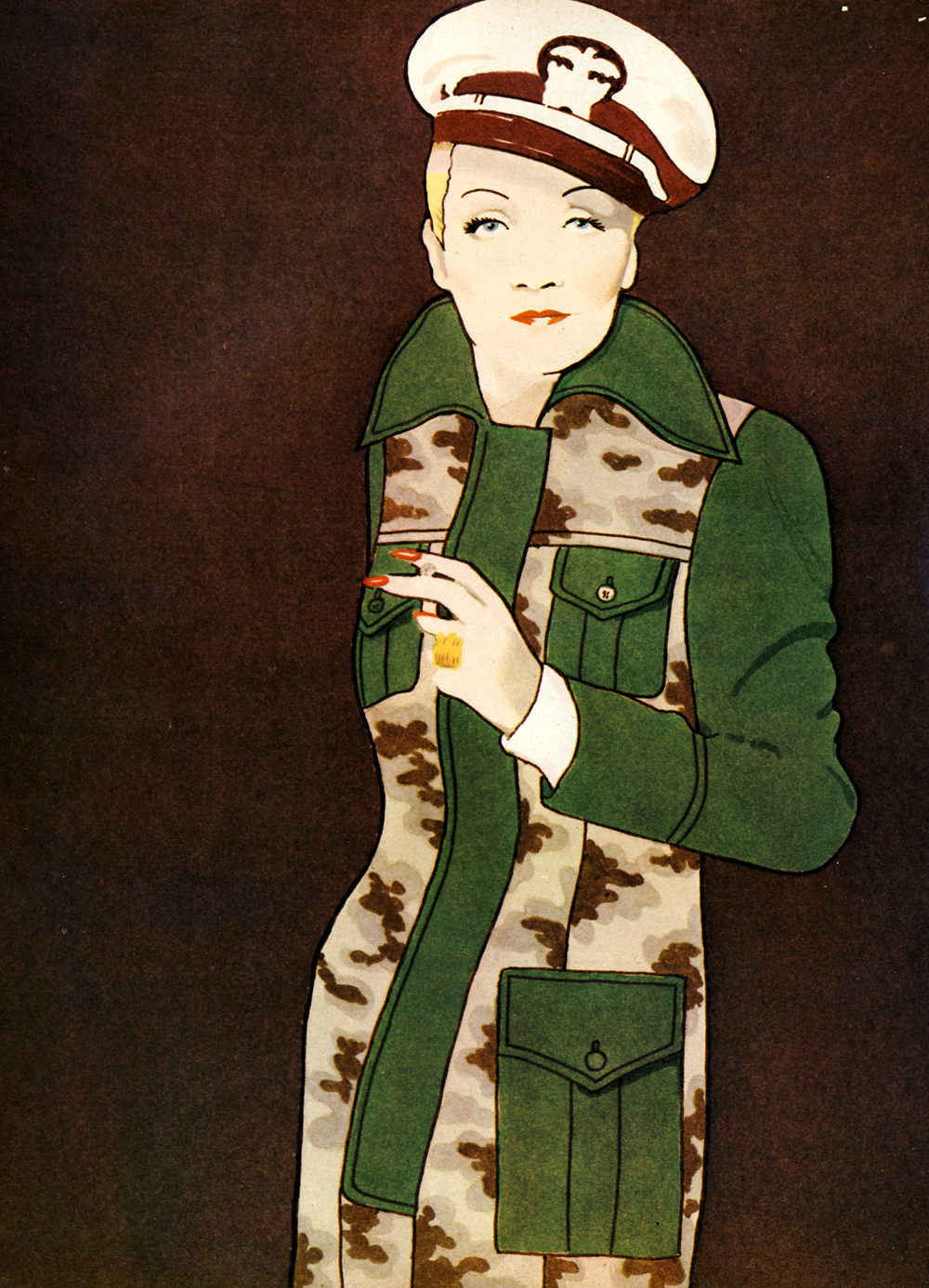
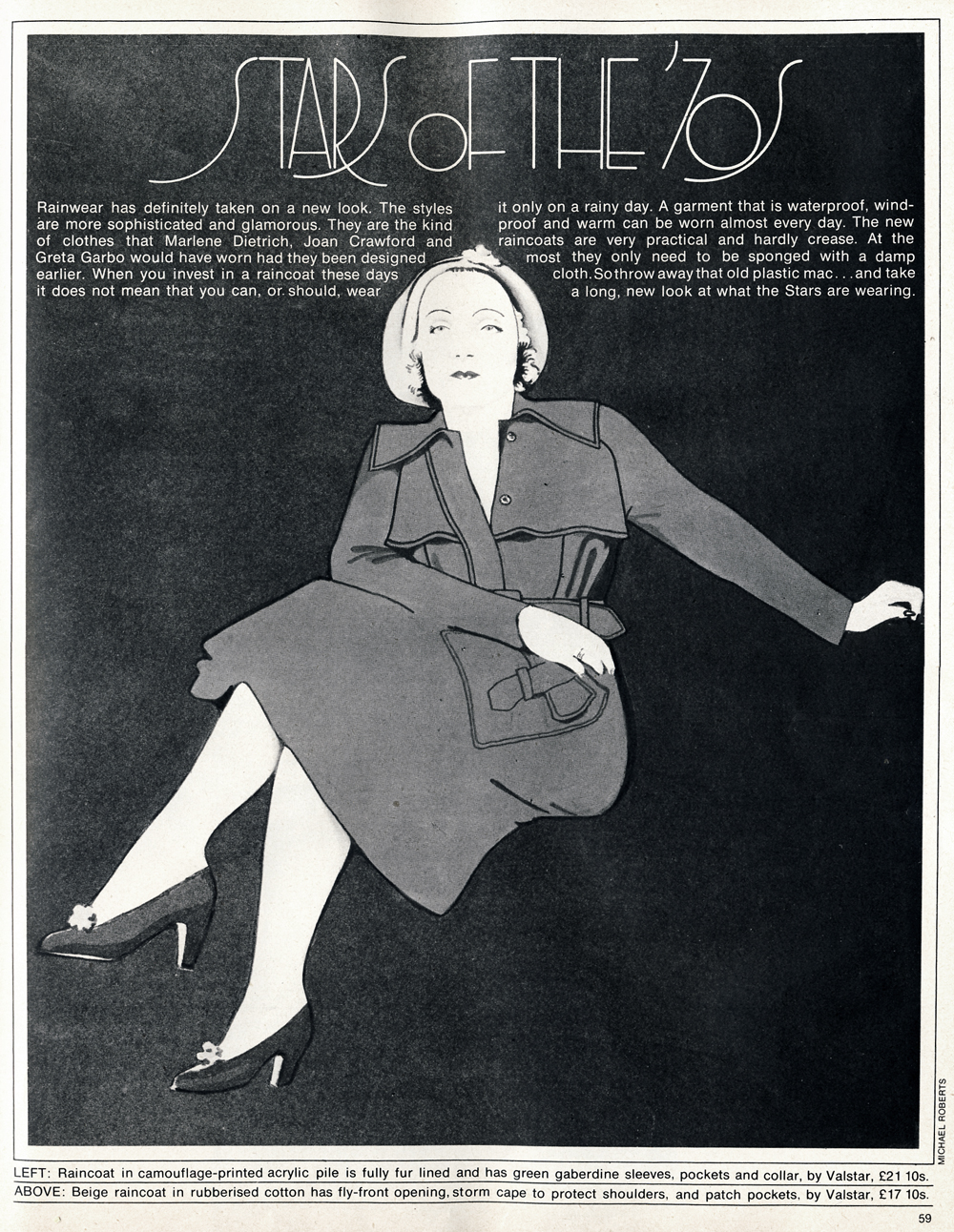
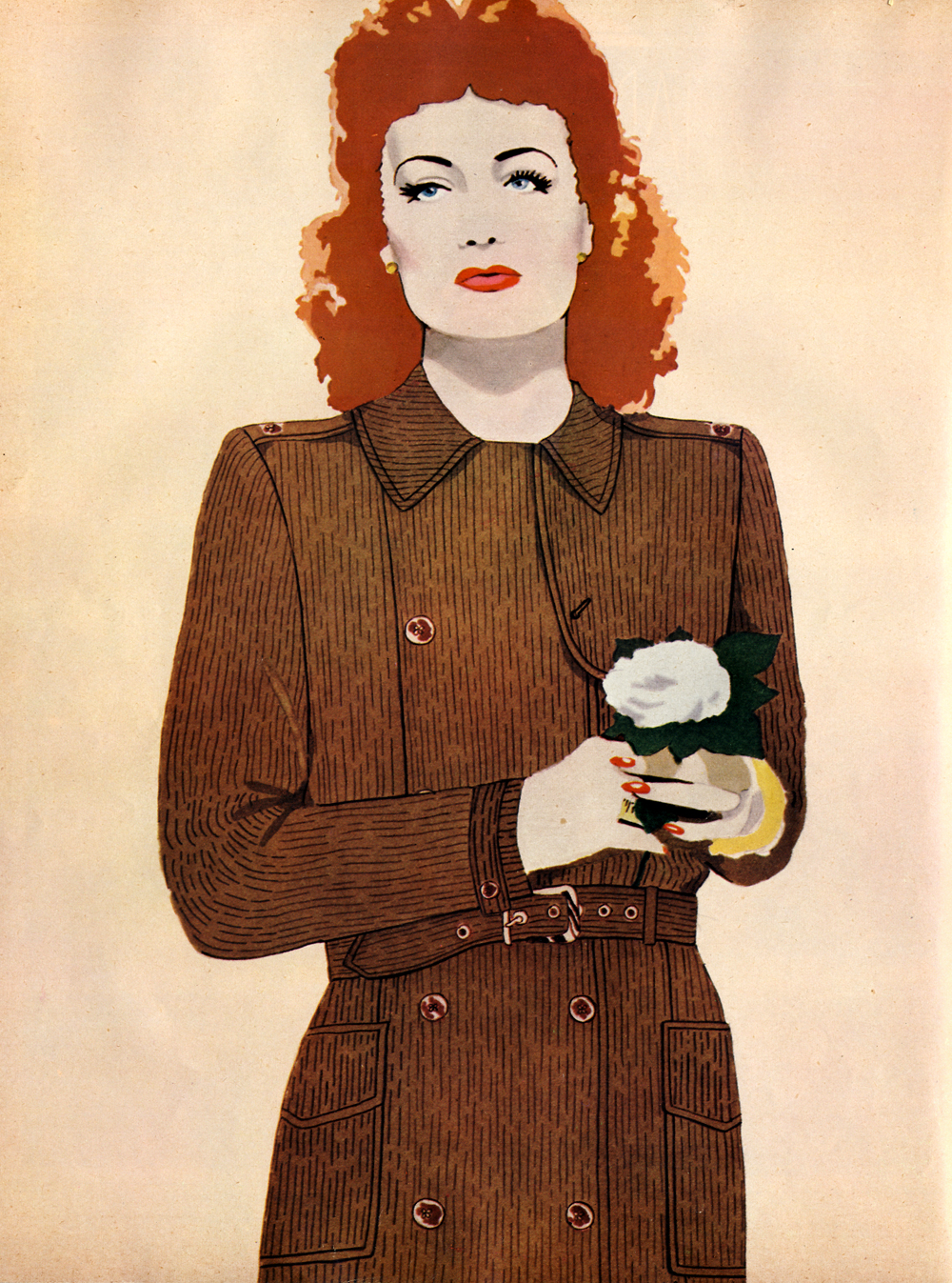
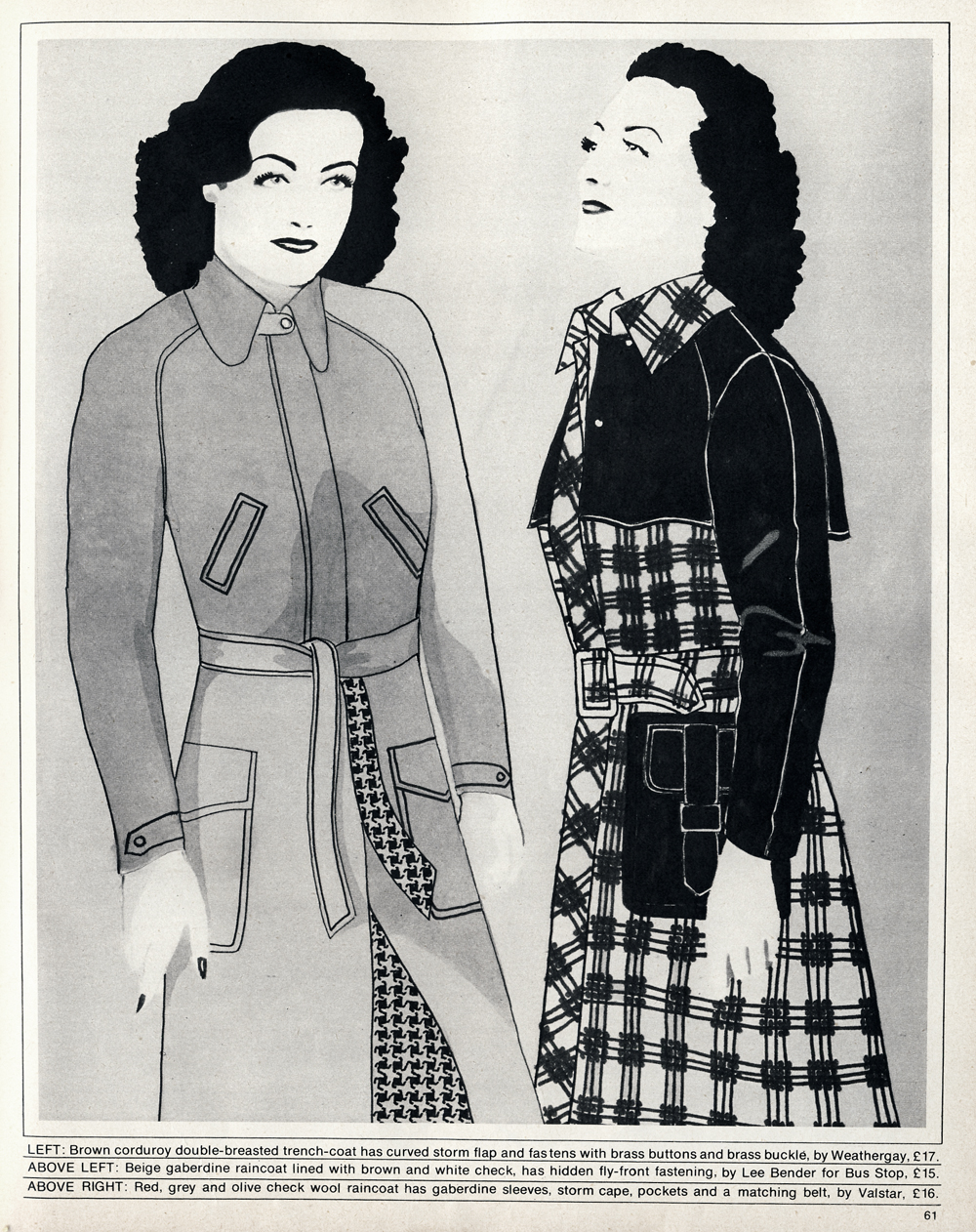
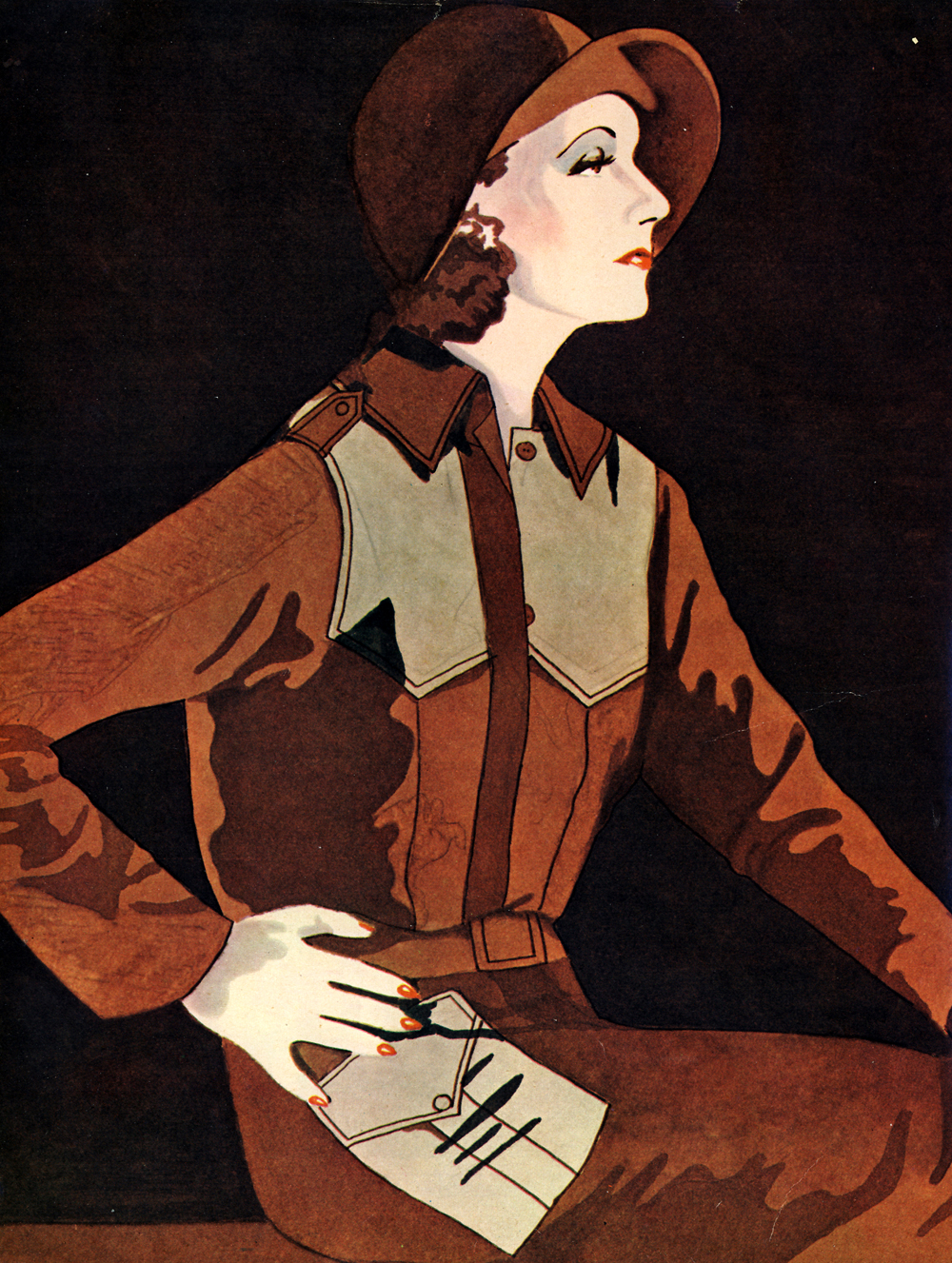
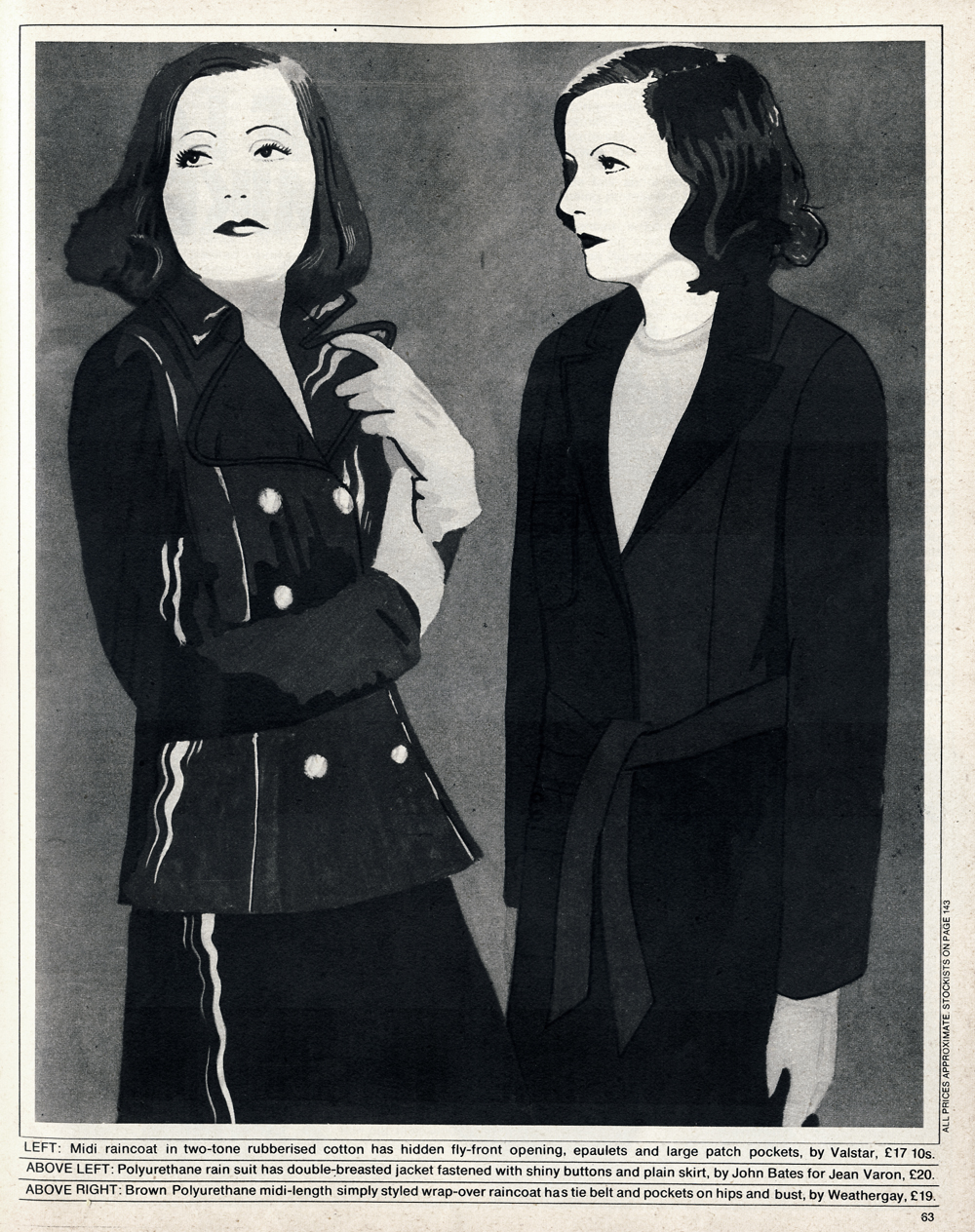
Rainwear has definitely taken on a new look. The styles are more sophisticated and glamorous. They are the kind of clothes that Marlene Dietrich, Joan Crawford and Greta Garbo would have worn had they been designed earlier. When you invest in a raincoat these days it does not mean that you can, or should, wear it only on a rainy day. A garment that is waterproof, wind-proof and warm can be worn almost every day. The new raincoats are very practical and hardly crease. At the most they only need to be sponged with a damp cloth. So throw away that old plastic mac. ..and take a long, new look at what the Stars are wearing.
Stunning editorial beautifully illustrated by the legendary Michael Roberts.
Scanned by Miss Peelpants from 19 Magazine, October 1970.
Rubberised cotton raincoat by Valstar
Corduroy trench coat by Wethergay
Left: Gabardine raincoat by Lee Bender for Bus Stop / Right: Red, grey and olive check raincoat by Valstar
Midi raincoat by Valstar
Left: Polyurethane rain suit by John Bates for Jean Varon / Right: Brown polyurethane raincoat by Weathergay
Tsk tsk. Slap my wrist. I’m pretty slack about putting website listings here on the blog, and I can only apologise. Here are some edited highlights (but there are plenty more already listed and more to come before Christmas!). Personal favourites are the original 1970s Chelsea Girl platform shoes, the black lace 1930s evening dress and Erte-printed John Bates for Jean Varon dress…
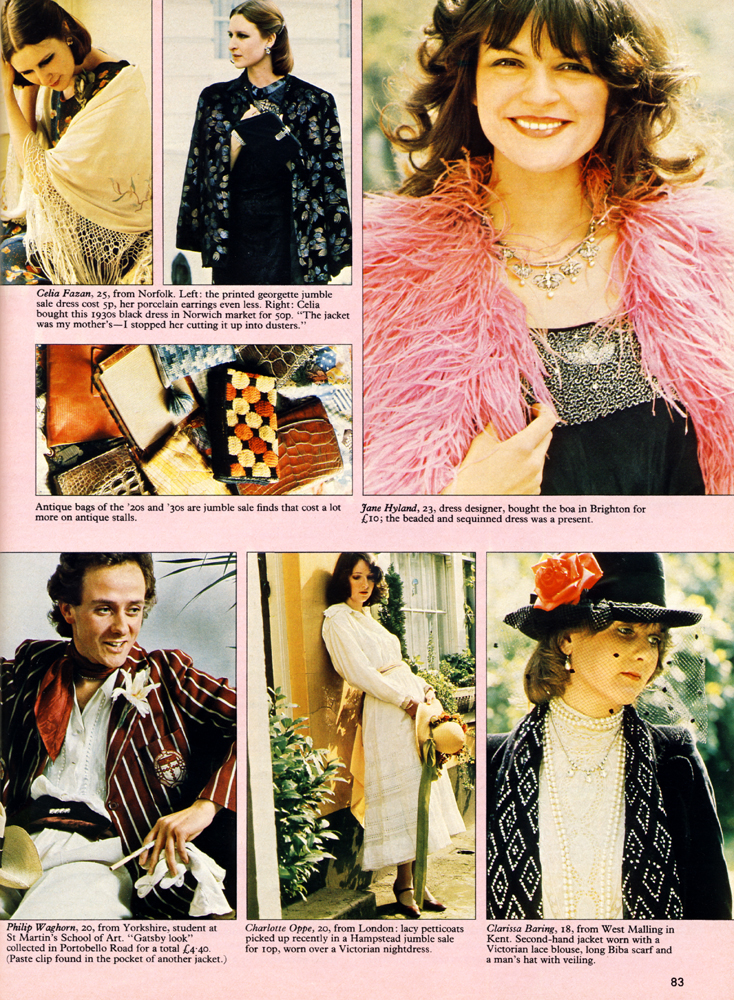
I think it is safe to say that I love old clothes. I dream them, I live in them and I covet the ones I don’t have. But I am under no illusion that there is anything inherently unique or radical about this. The uniqueness comes from the impression of your personality in whatever you choose to wear. The fabrics, the colours, the shapes, these are the expression of my inner self in one, superficially superficial, way.
It is important to remember this: each generation thinks it invented sex, and I fear the same goes for ‘vintage’ clothing. This article makes for fascinatingly familiar reading. Commercialisation is the death knell each time, but in turn becomes the coveted piece of history for the next generation of disillusioned people (see the mention of Catherine Buckley’s old jacquard fabrics in the text of the article. My Buckley skirt is one of these pieces). The irony does not escape me; I wear clothes by Ossie Clark, Biba, Bus Stop… all of who were creating clothes heavily inspired by their own childhoods.
Just wanting a period look is not the important part, anyone can buy a reproduction and plenty of people will, the expression comes from the colours, fabrics, shapes and accoutrements you pick. There is absolutely nothing wrong with new clothing taking influence from old, although my thoughts on direct duplication are well known, but why would you limit yourself to the prints they have chosen this season? There are limitless possibilities when you look around you and take inspiration from a variety of sources other than from conventional fashion magazines or ‘how to’ guides.
That is partly the aim of this blog, and I hope to continue in such a vein for a long time yet…
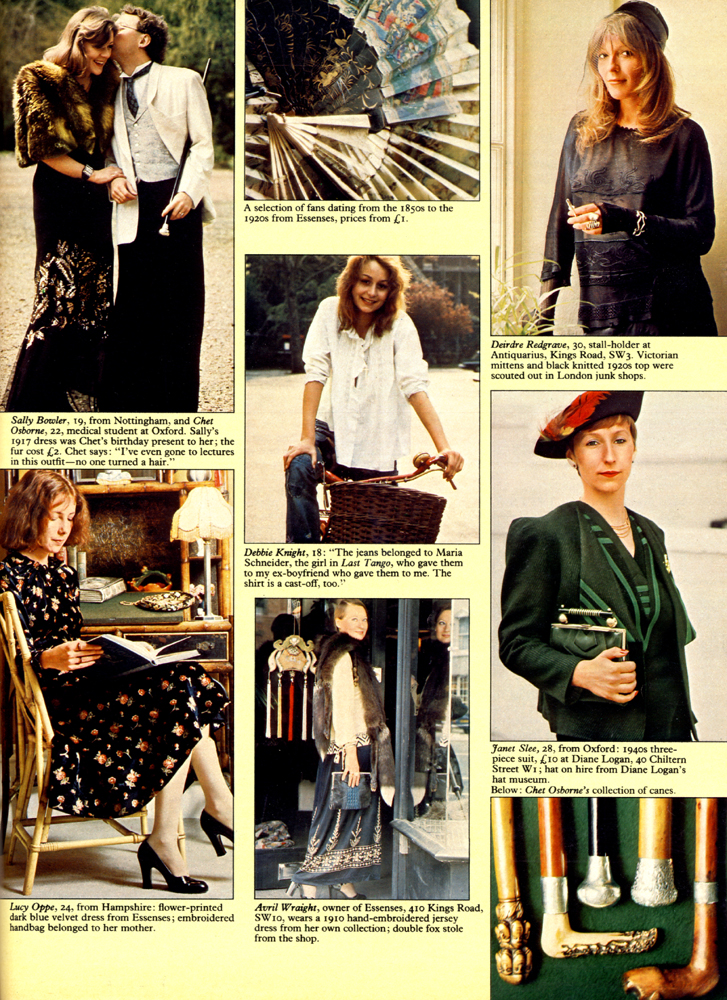
The Cosmo Girl’s Guide to the Cast-Offs Cult…Cosmopolitan, August 1974.
Everyone is looking back in nostalgia – especially in fashion. But authentic Twenties and Thirties clothes can be expensive to buy so sew your own and save money. Use crêpe de chine and bias-cut voiles and leave out the linings for an authentic swing and flair. Choose eau de Nil, bois de rose and the pale sorbet shades for pure, undiluted nostalgia.
Cosmopolitan magazine, June 1974. Photos by Rolph Gobits. Scanned by Miss Peelpants.
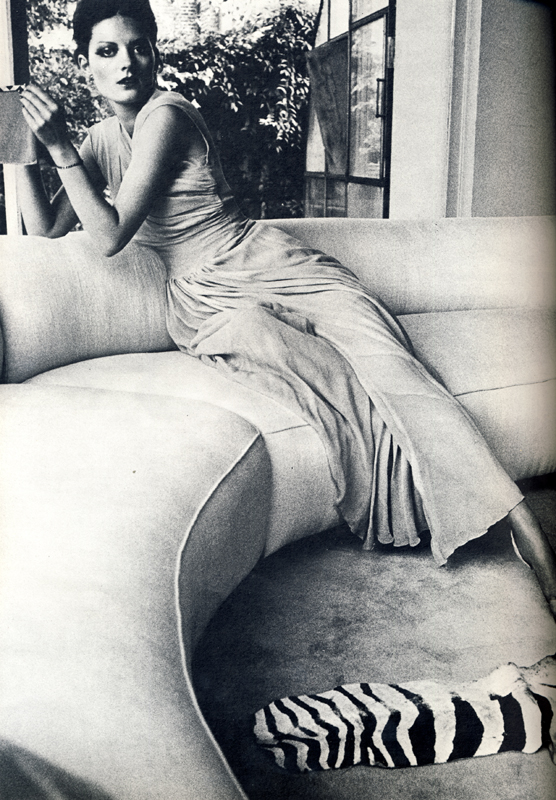
Rosalind Russell wore this soft grey georgette evening dress with cross-draped bodice, for The Velvet Touch.
[Proving that nostalgia is nothing new…]
You are forgiven if you think the pictures on these pages are fashion circa 1971. In a sense, they are; but in fact, these are original Hollywood – the clothes of the stars, people like Bette Davis, Katherine Hepburn, Olivia de Havilland, Jean Seberg, Shirley Temple — worn in their films, coming up for a gala auction at Sotheby’s Pantechnicon in Motcomb Street at 7pm on December 1.
The man who made it possible is Michael Fish — Mr Fish, no less — who bought the whole collection of 30s, 40s and 50s creations from Max Berman & Son of Hollywood, and is putting them to auction in aid of Immigrant Community Services. So you could help to provide a new children’s playground in Brixton, say, while treating yourself to a great fashion original . . . like Jane Russell’s navy pleated chiffon coat over crepe culottes ; Bonita Granville’s pink chiffon dress with Alencon lace and fine pleating; not to mention the original mini worn by Betty Hutton in Annie Get Your Gun.
Patrick Procktor is contributing to the programme for Mr Fish’s ‘frock fantasy’. Ossie Clark’s sensational model, Gala, will wear some of the clothes, as she did for us in company with Barbara Trentham. Make-up here by Barbara Daly; hair by Smile; location, Mr Paul Hamlyn’s house.
Harpers and Queen, December 1971. Photographs by Tim Street-Porter
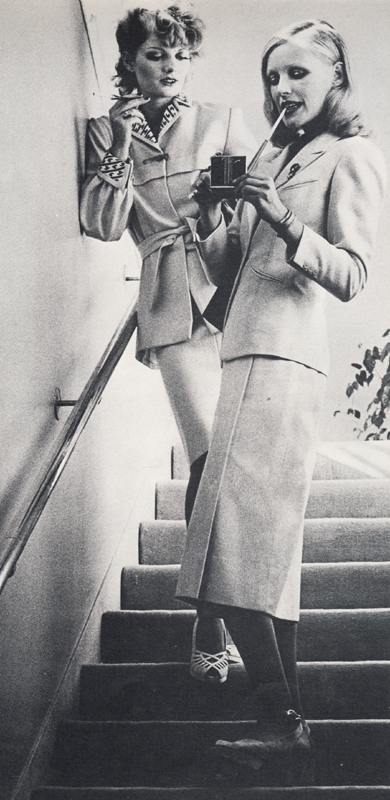
Square-shouldered 40s suits, as worn by Maureen O’Hara and Ginger Rogers.
Agnes Moorehead starred in this vampy black crepe dress with sequins and a matching shoulder cape fastened with jet.
Hats from C&A. Racoon jacket (left) by Tuttabankem for Philip Hockley. Furs (centre and right) by Femina Furs.
Dress like a little old lady and bring back a little grace to your life. It takes thin little frocks in fabrics for all season, new or second-hand; warmed up with wooly things next to the skin, cardigans and old furs, all shoulders, or old-looking brand-new furs. Flapper hats, lace-up shoes, fine jewels and a handbag to hang on to for dear life.
Photographed by Sarah Moon. Nova, October 1972
I’m looking to bring back the term ‘second-hand’, or even just ‘old’. Although I realise this is a hard one, given my website name. I liketo wear things that are second-hand and/or old. Thank you Nova and Sarah Moon for such immense beauty…
Left: Second hand dress from Civil Service Stores and cardigan from Charley’s. Centre: Fox cape by Femina Furs, dress by Jean Muir. Right: Jacket and skirt by Caroline Charles. Blue fox boa by Femina Furs.
Left: Second hand dress and cardigan from Charley’s. Centre: Skirt by Sheilagh Brown for Coopers. Blouse and fur cape second-hand from Charley’s. Right: Cardigan by Carroll at Joseph, second-hand dress and handbag from Virginia, blue fox boa from Femina Furs.
Left: Crepe wrap-around dress by Ossie Clark for Quorum, thermals by Damart, stockings at Donald Davies. Centre: Second hand blouse at Virginia, panties by Lux Lux. Right: Cardigan by Lil at Josephs, crepe skirt by Pierre Elegant, antique handbag at Virginia.
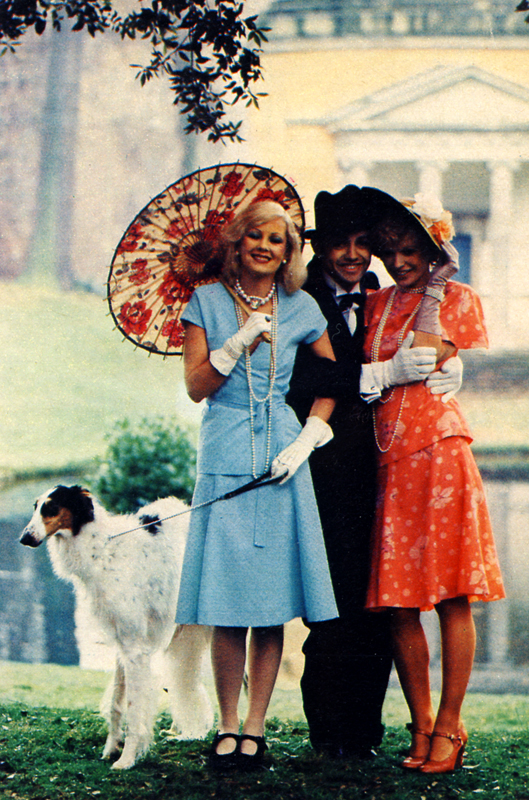
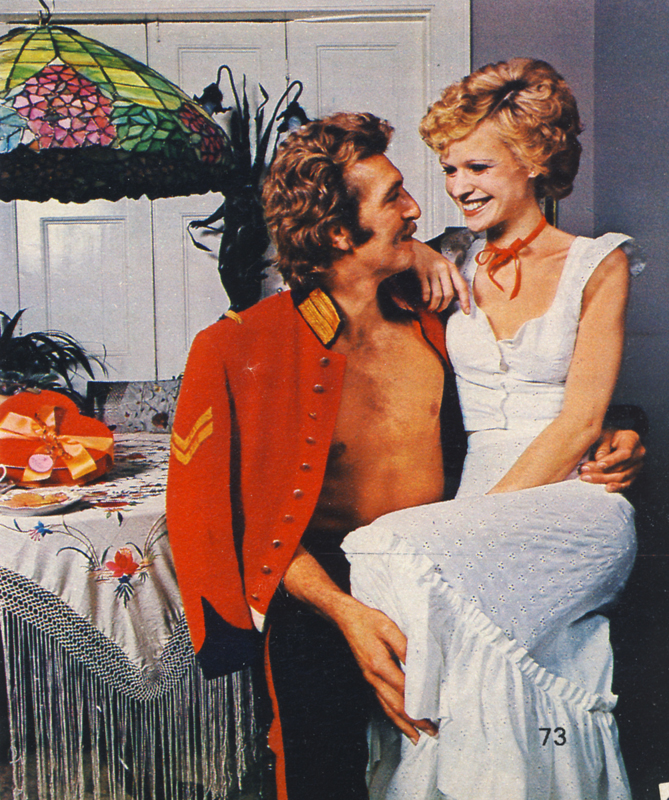
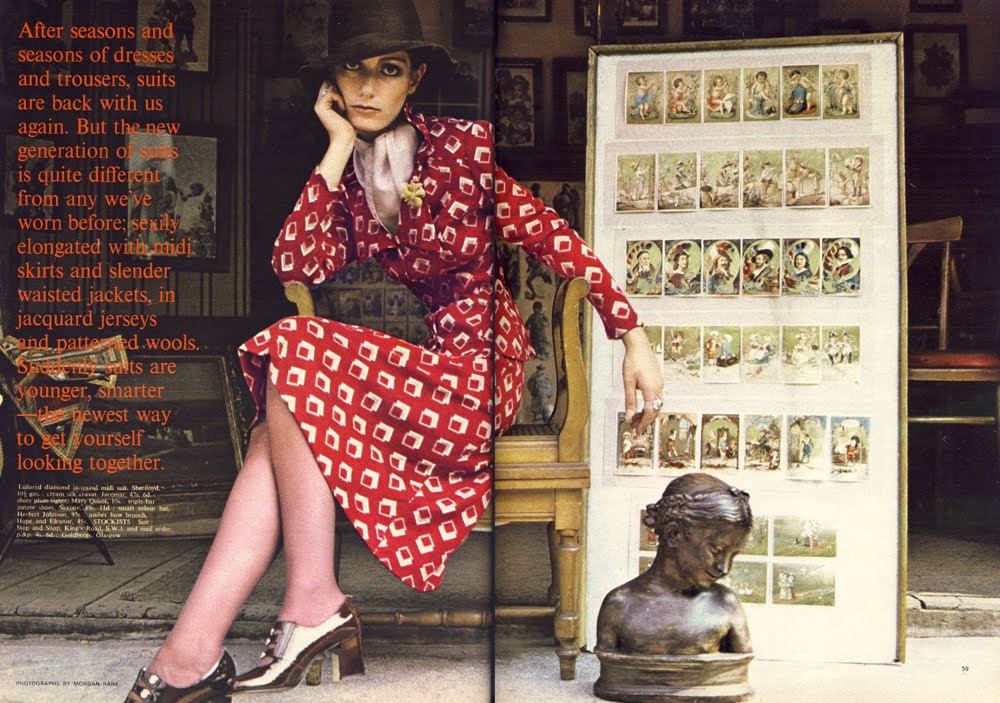
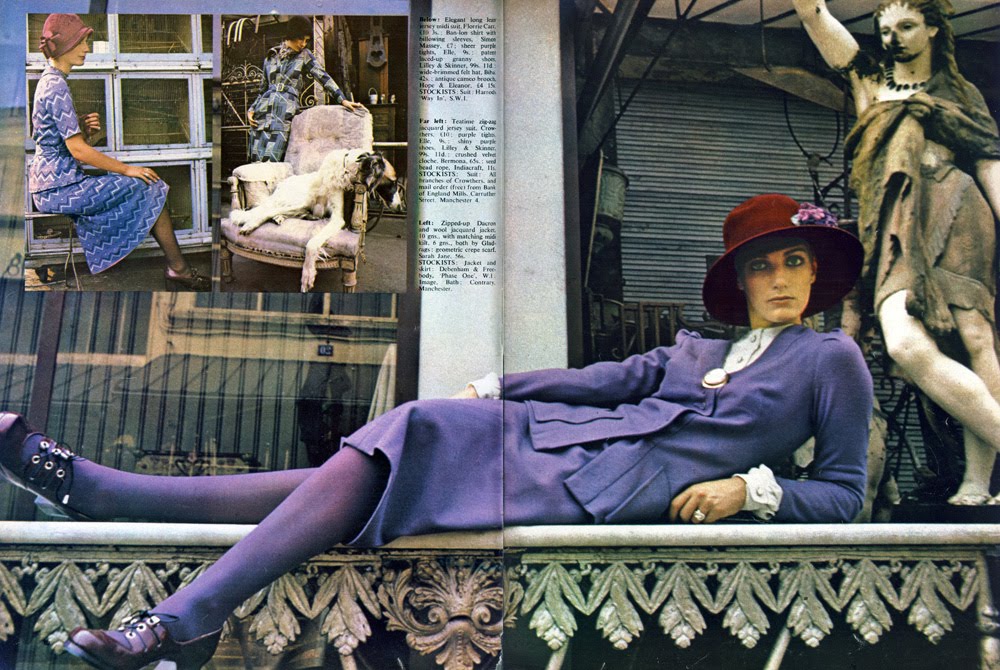
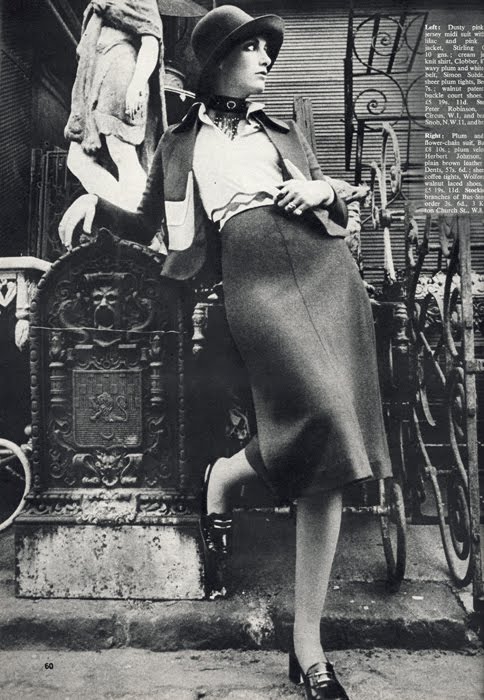
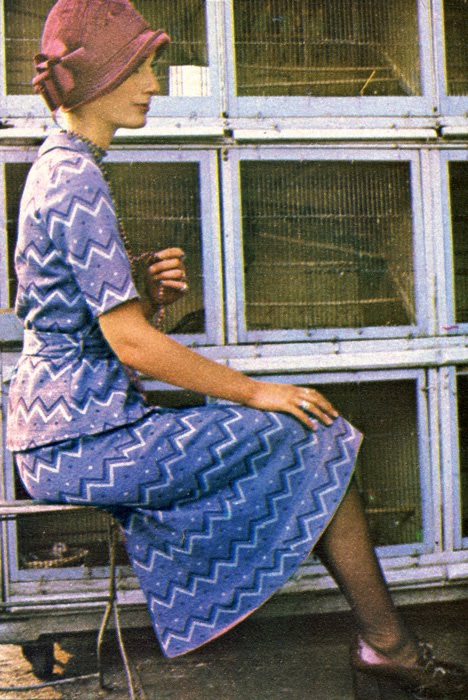
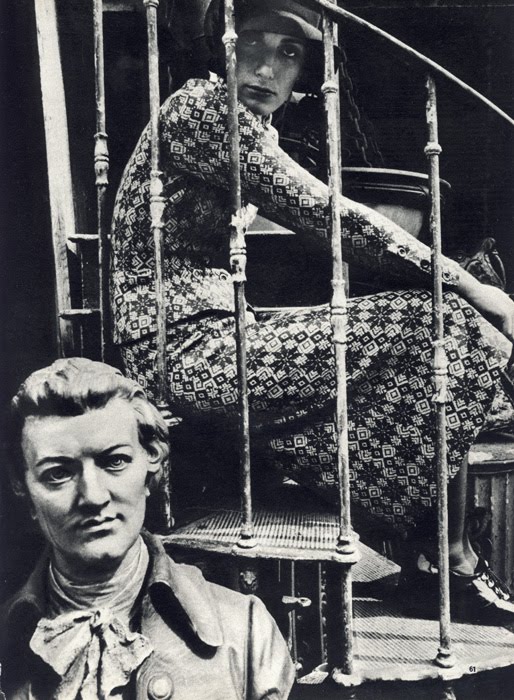
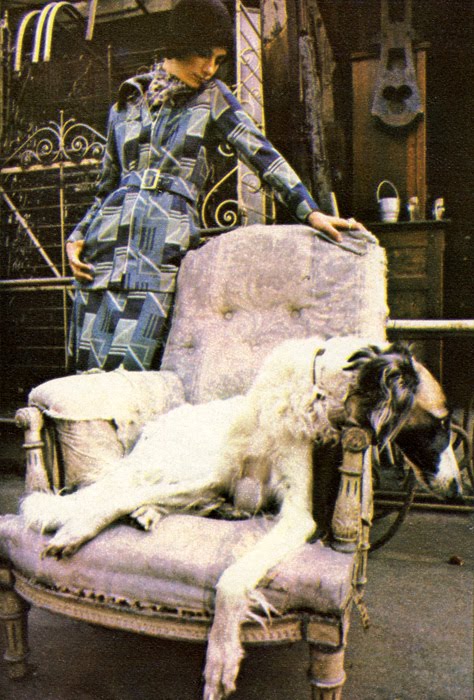
This beautiful shoot from Honey magazine, November 1970, is so perfect for my mood right now. I love the colours, the silhouettes, the hats, the tights, the shoes….it’s just edible.







 Liz Eggleston