
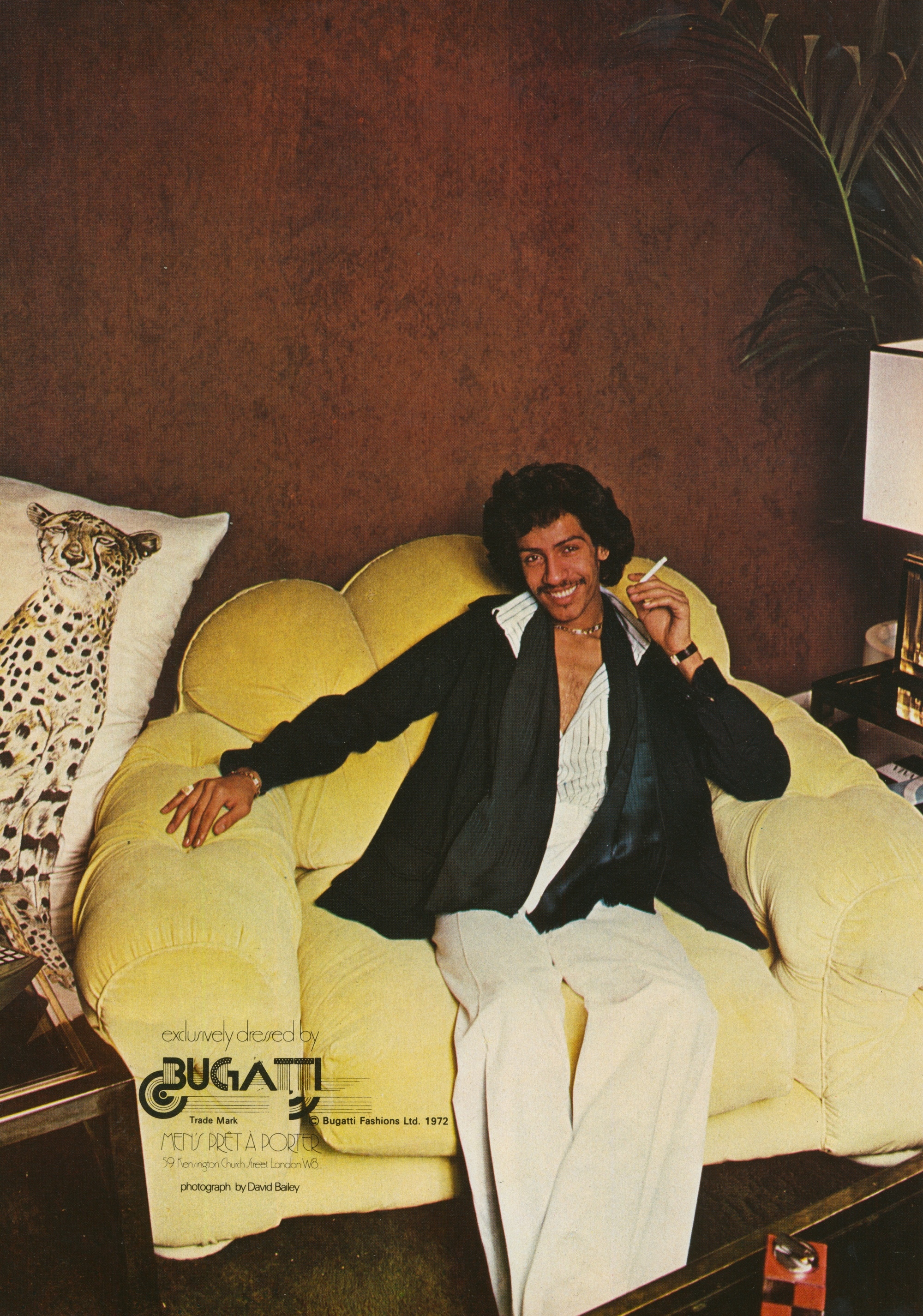
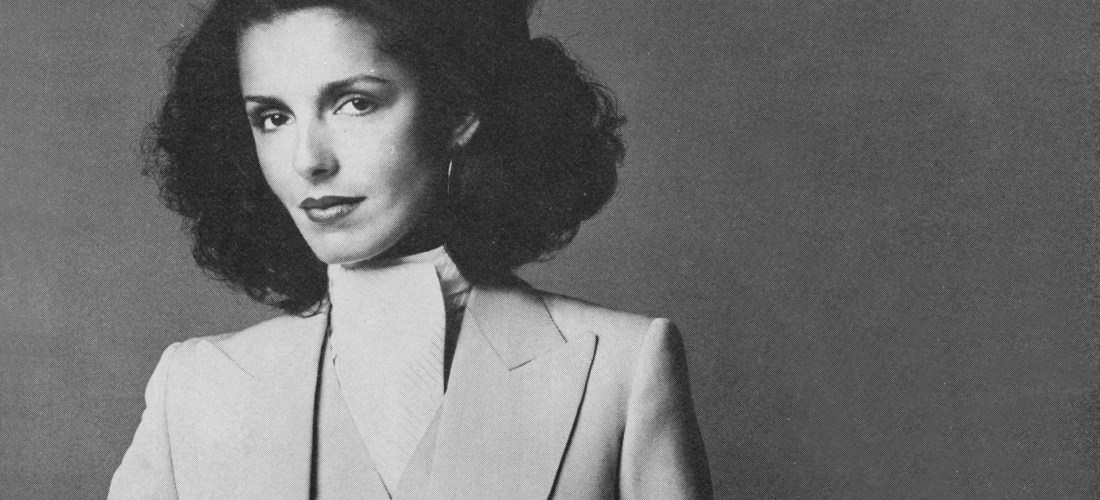
Advert for Bugatti Men’s Pret a Porter of 59 Kensington Church Street, London W8.
Photographed by David Bailey.
Scanned from Vogue, March 15th 1977.
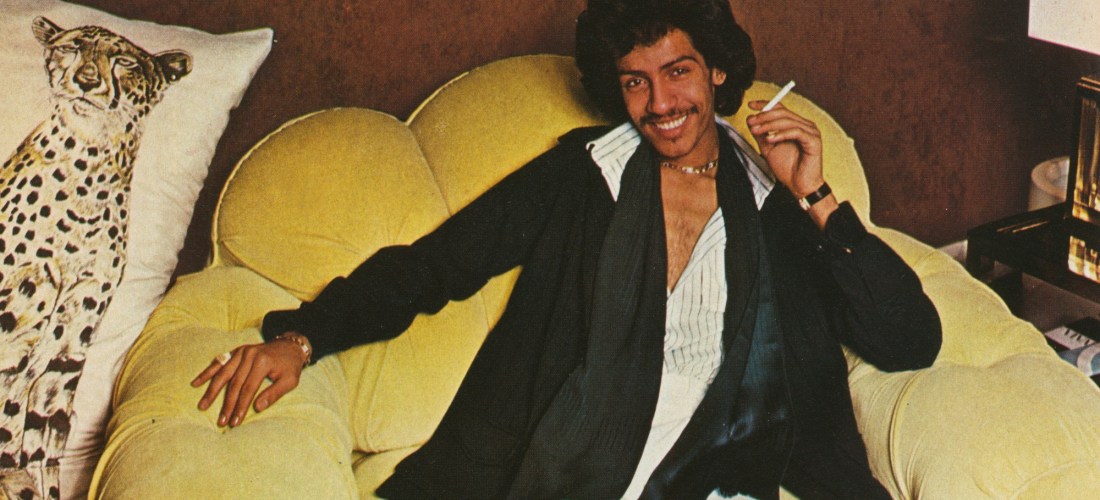
Advert for Bugatti Men’s Pret a Porter of 59 Kensington Church Street, London W8.
Photographed by David Bailey.
Scanned from Vogue, March 15th 1977.

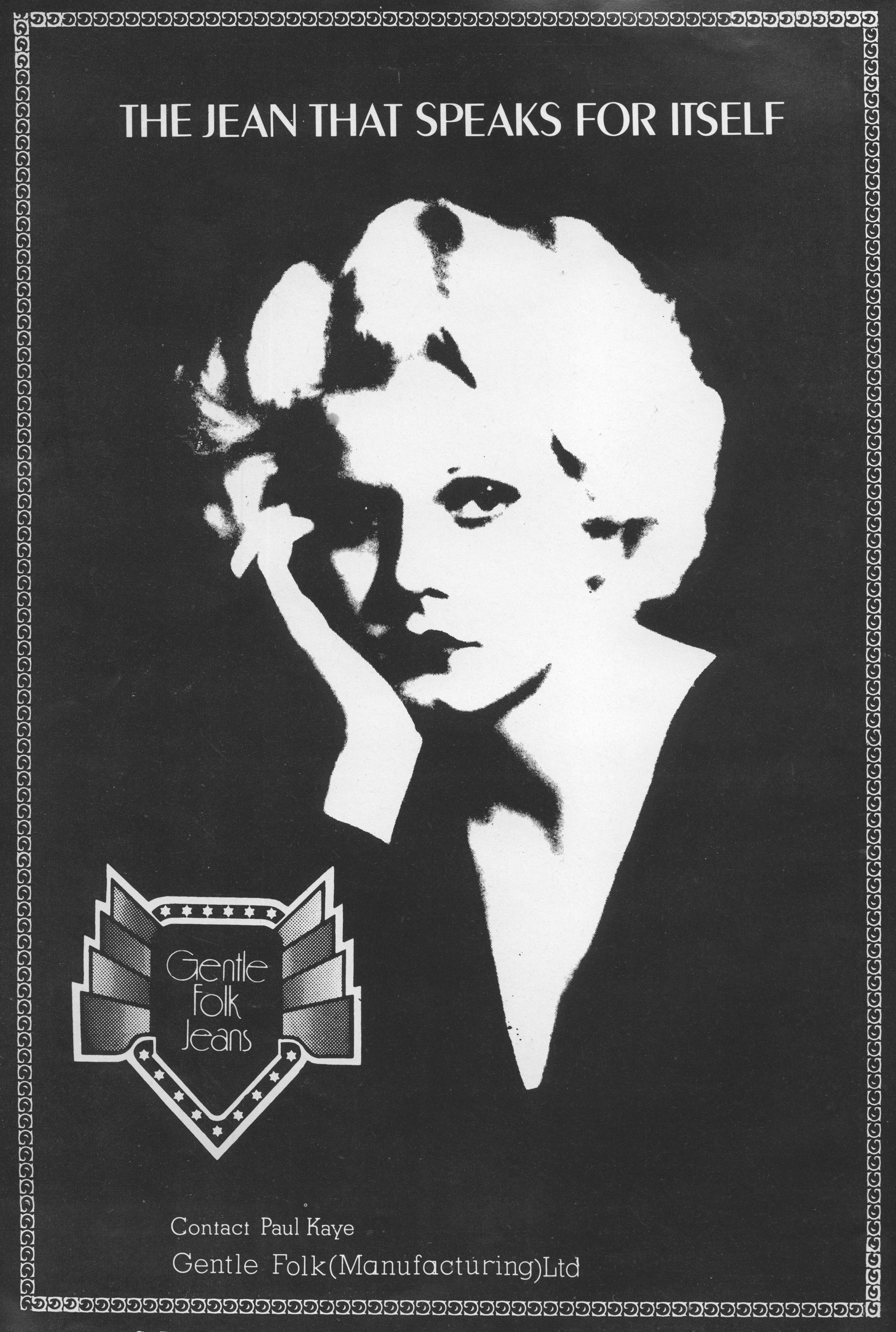
Advert for Gentle Folk Jeans.
Scanned from Men’s Wear, January 17th 1980.
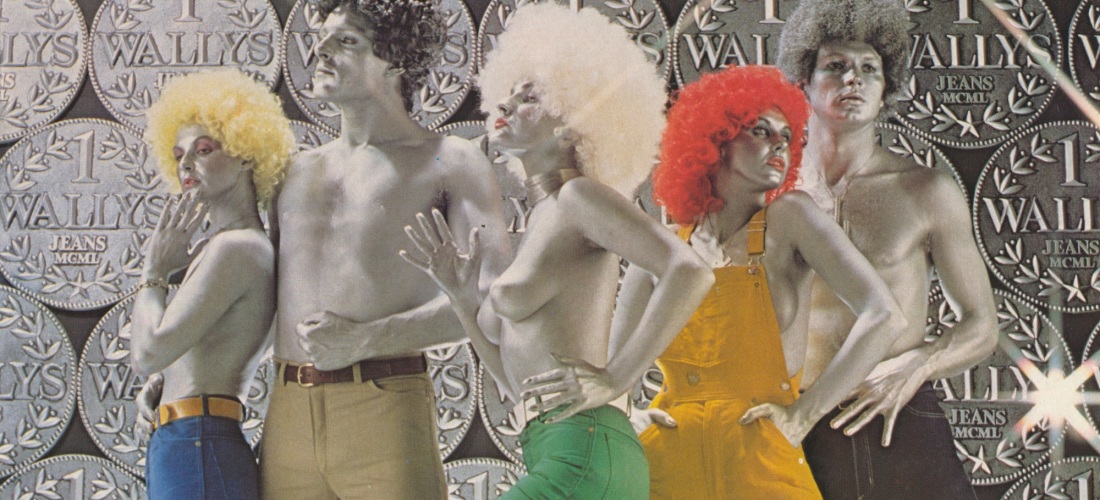
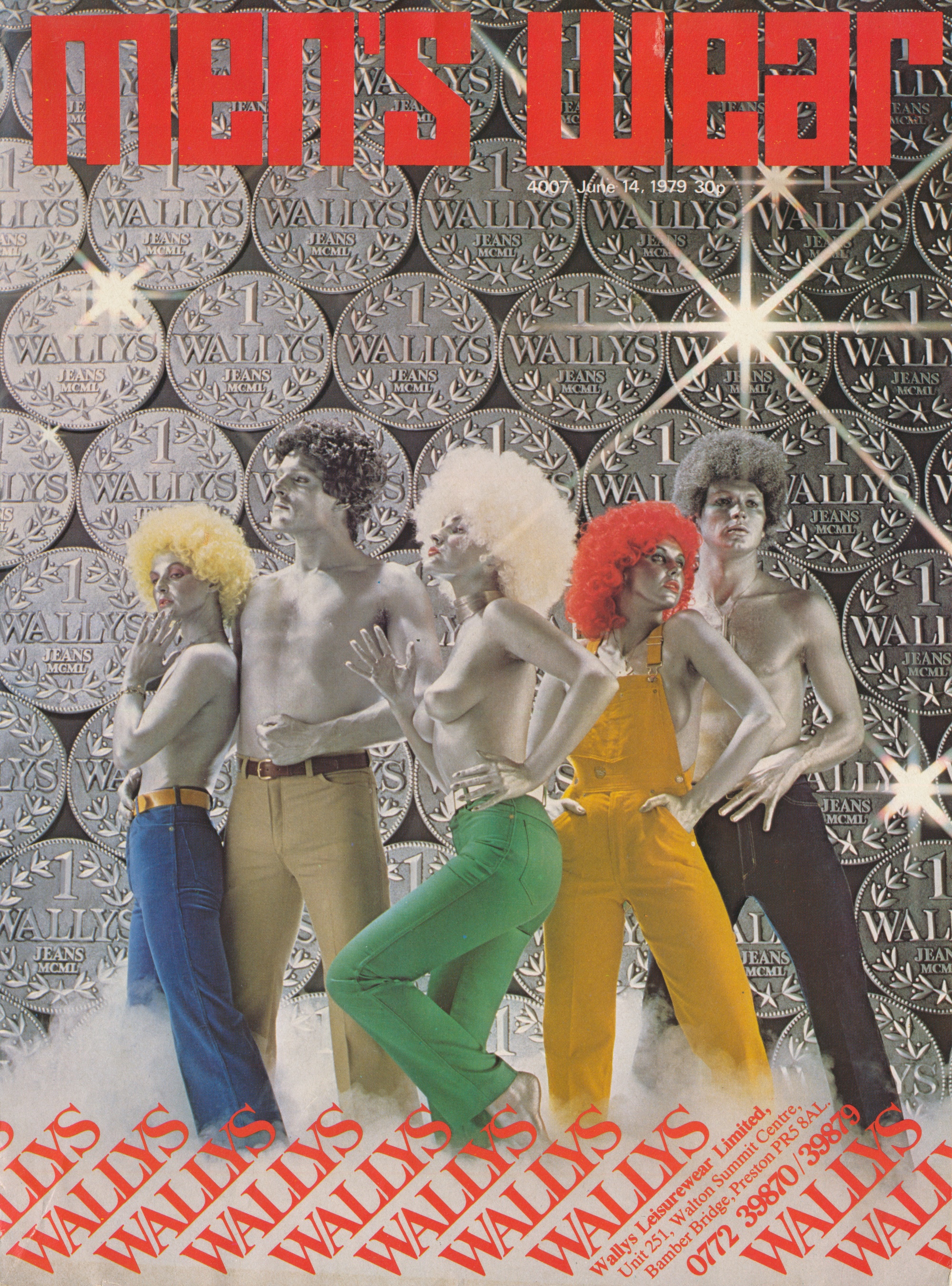
Brilliant Wallys Leisurewear advert cover for the trade magazine ‘Men’s Wear’. Photographer uncredited, sadly.
Scanned from Men’s Wear, June 14th 1979.


Not many of us can afford to don designer outfits, so achieving a totally different look can he a problem. But go and have another look in your man’s wardrobe. Maybe you haven’t quite exhausted it yet! He may have some garments stashed away that would be perfect for you! Mix the fabrics, colours and looks. Take half a suit and team it with something else. The result, as you can see here, can be smart, sharp and clean—and nobody will be able to accuse you of going to the dogs, fashionwise!
Photographed at Walthamstow Greyhound Stadium.
Hair by Rocky at Ricci Burns.
Photographed by Mike Berkofsky.
Scanned from 19 Magazine, September 1978.


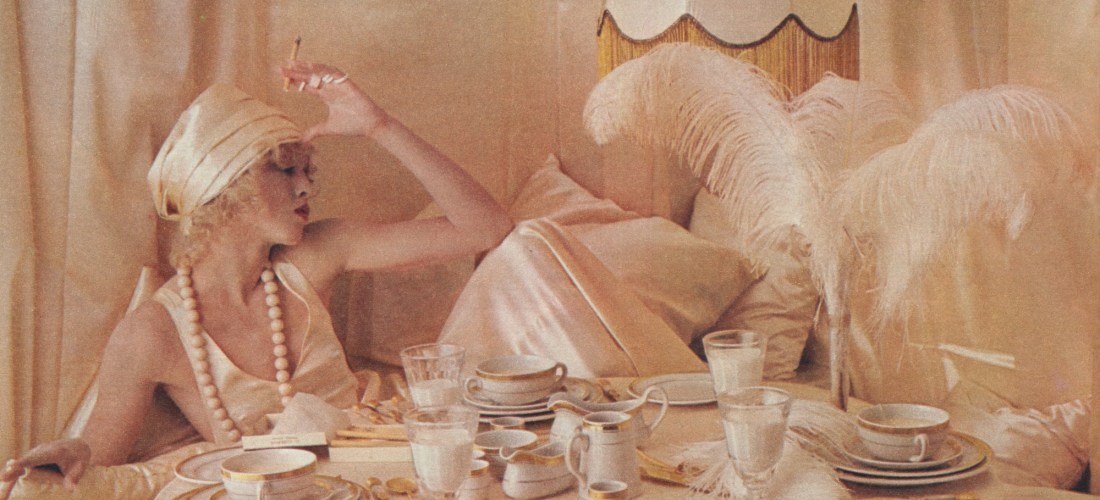

Now there’s hardware and haberdashery, furnishings and fabrics, cosmetics and mens-wear, all carrying the Biba label. Their brave transition from dolly boutique to department store was made last week when Biba opened in Kensington High Street. Although a baby store compared with neighbouring Barker’s, Biba does boast marble floors, a carved gallery from the old St Paul’s school, and a commissionaire at the huge glass doors.
Faithful customers can still find among the familiar palm fronds clothes to wear themselves or put on their children, but everything is on a much bigger scale. Colour-matched underwear and tights are on sale in a special conservatory-style department, and there’s a complete range of Biba makeup and cosmetics, and many more accessories.
But what’s really new, are the clothes for men, and the things for the house.
There’s nothing simple or austere about a Biba home life. The girl whose idea of some-thing comfortable to wear around the house is a slinky satin dress chooses a plush back-ground and hardware that’s softly elegant. Cutlery is rich-looking in gilt and mother of pearl, or silver and ebony. China is white and gold, glasses are chunky goblets. Specially printed wallpapers and furnishing fabrics, plain satins, felts, braids and trimmings, have carefully matched emulsion paints, lamp-shades and cushions, all in a range of 15 colours. Biba are selling the raw materials so that you can make what you want of them. The clue to their own style is Art Nouveau, but the way you choose to use them will be your own.
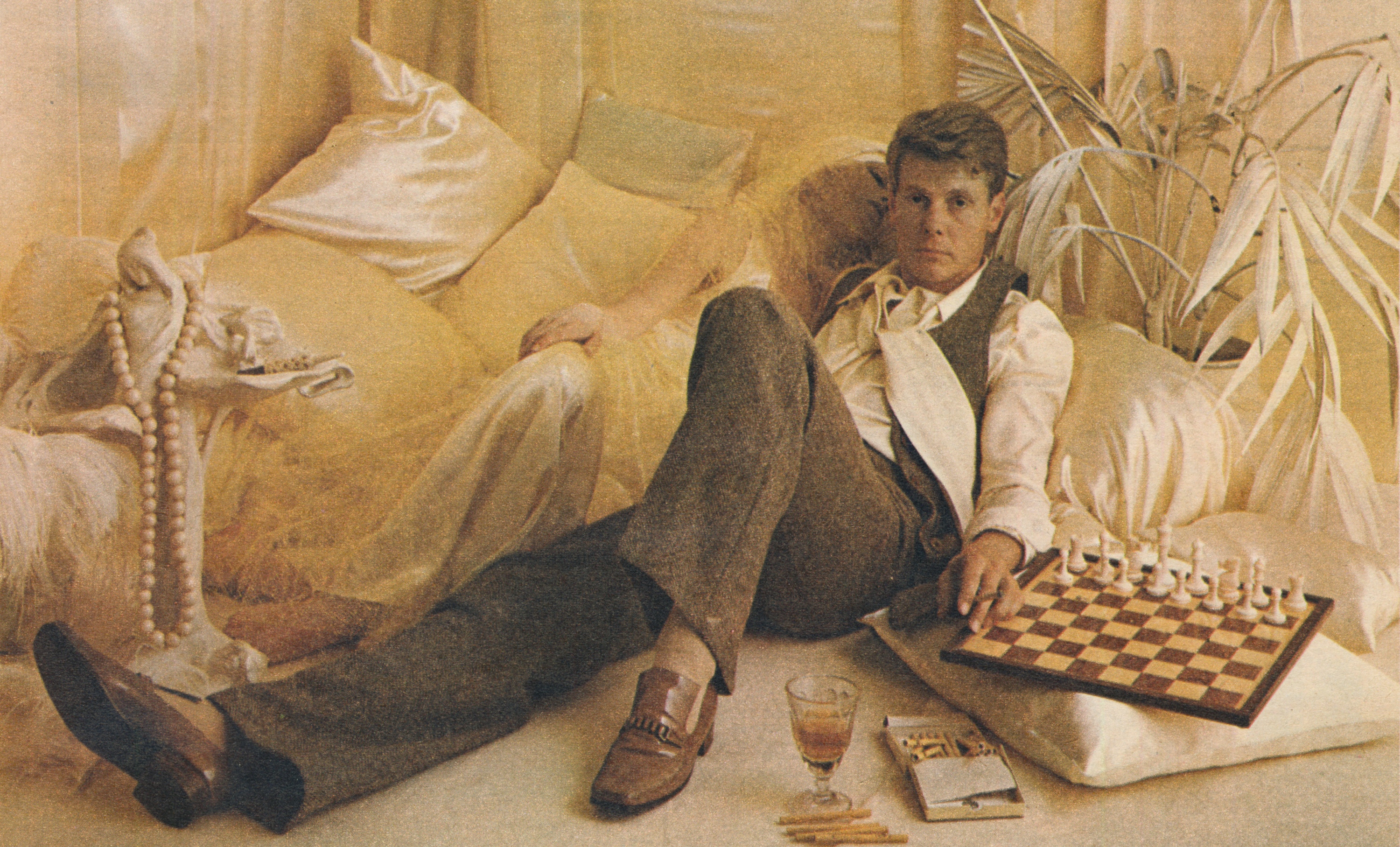
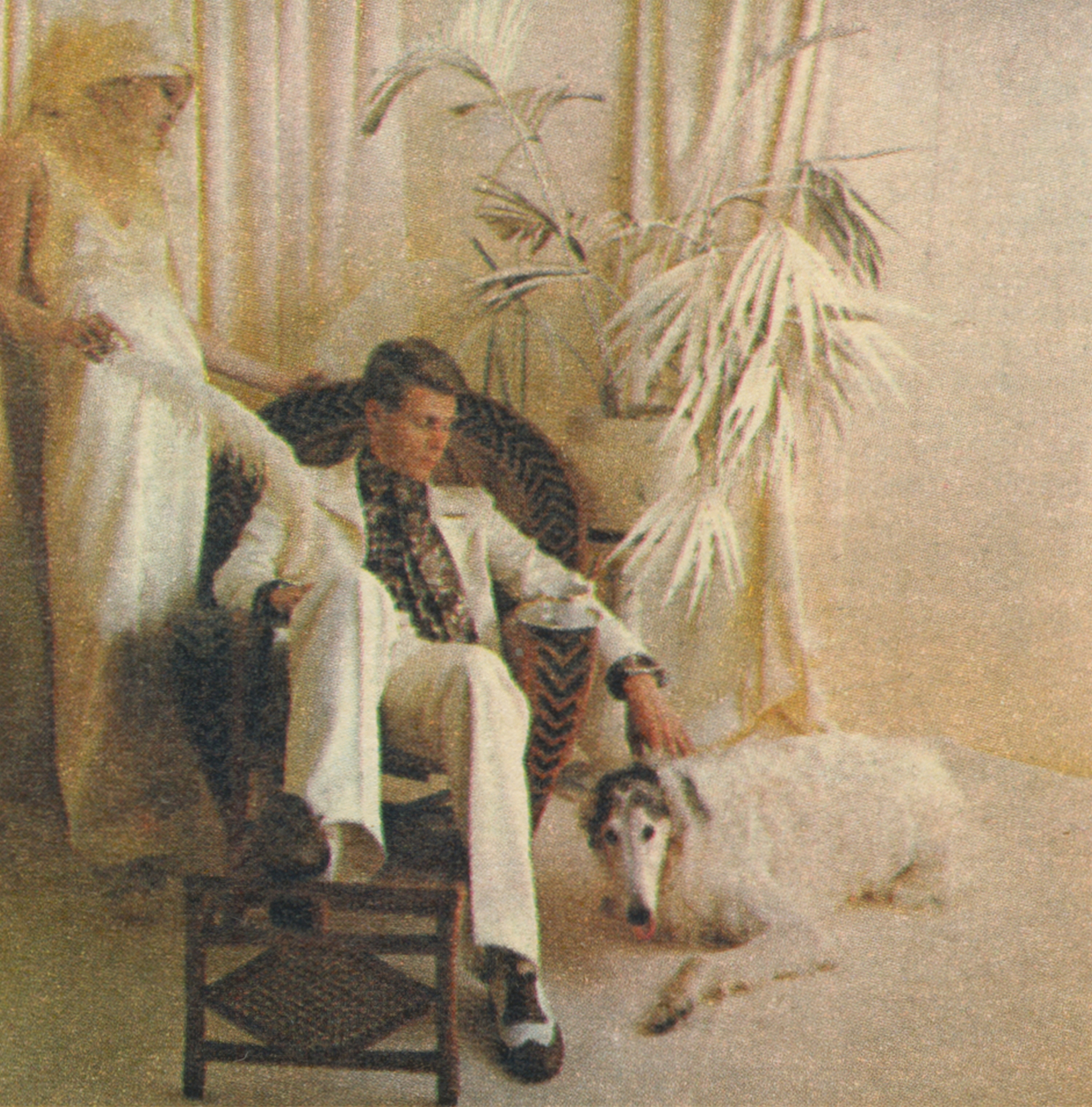
Biba men’s clothes are worn in these pictures by James Fox, who can currently be seen in ‘Isadora’ and whose new film, ‘Performance’, in which he co-stars with Mick Jagger, comes out next month.
Mr Fox is long and slender and can have little problem kitting himself out elegantly, but the clothes he wears here, plus others by Biba in velvets and tweeds, all come in a size range bigger than most. So fatter men can have fun with clothes too, and at a reasonable price.
By Liz Smith.
Photographed by Steve Hiett.
Scanned from The Observer Magazine, 21st September 1969.
Biba 3 is definitely the Biba I’m most captivated by, I think possibly because it was edged out so quickly by the much bigger (and more Deco) Big Biba and yet was, I think, the perfect encapsulation of the aesthetic and the first time the ‘department store’ ideal was manifested. Basically, I wish there were more photos so I do try and scan them when I find them! It’s also nice to see the menswear getting a bit of attention for once.

Scanned from Vogue, June 1977.
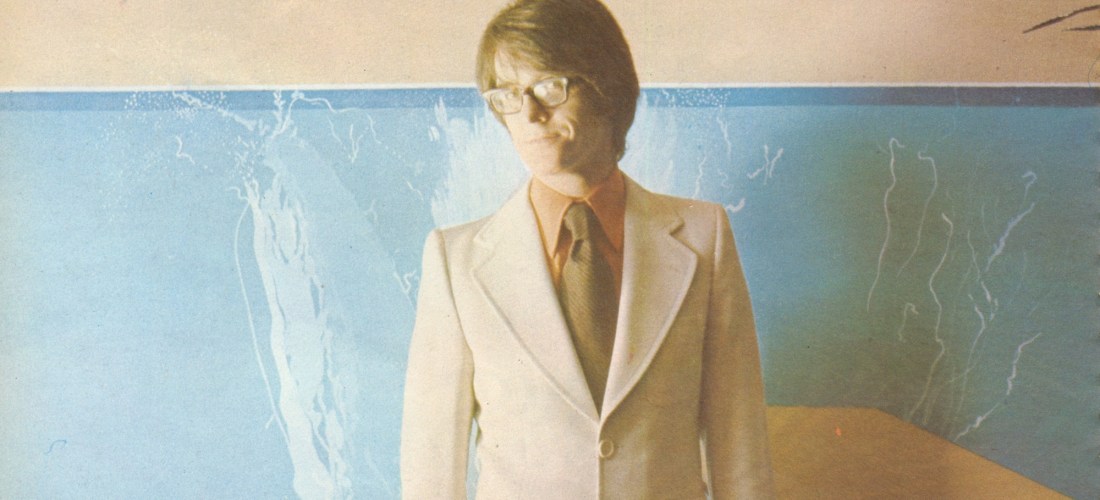
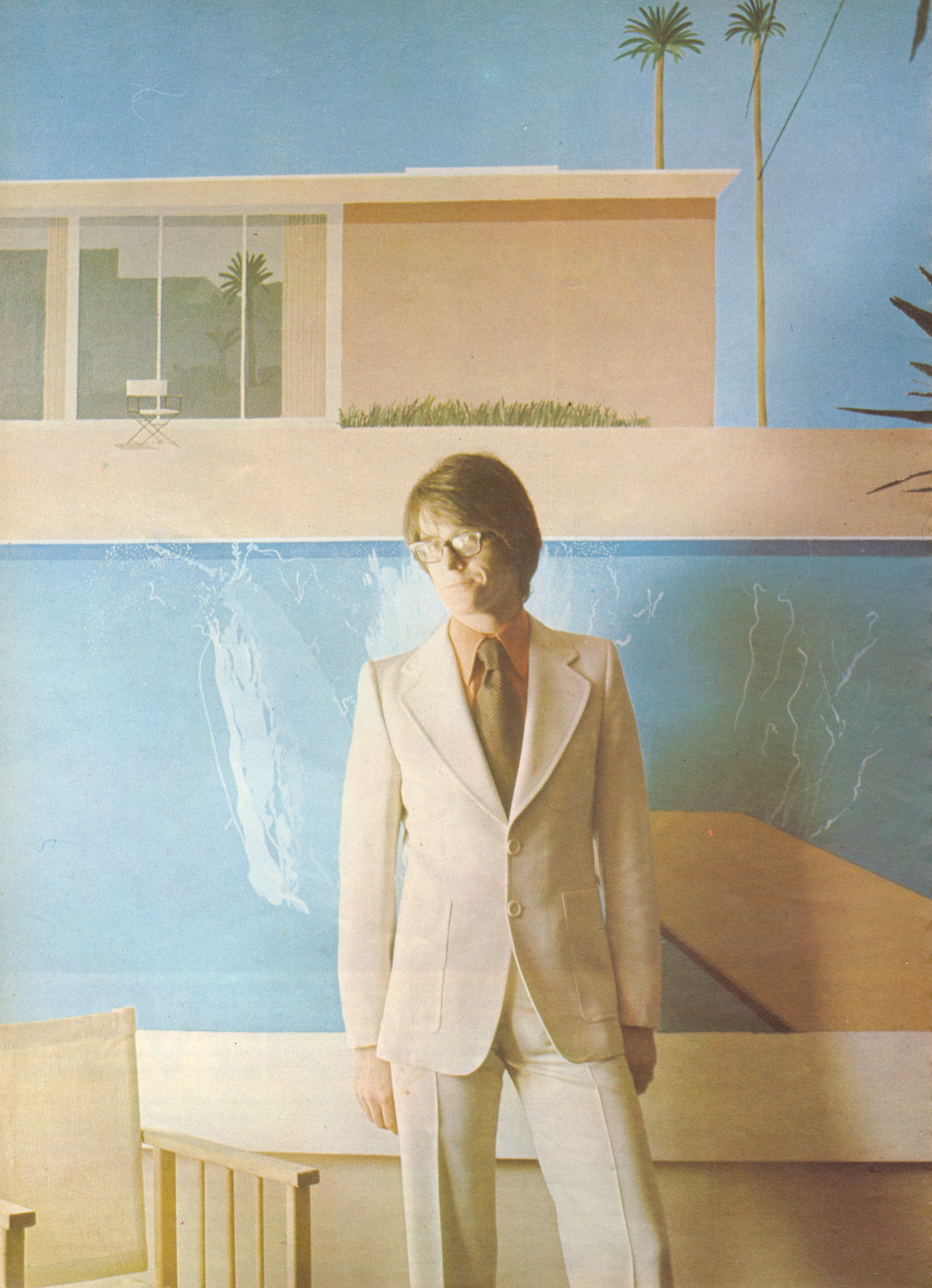
Sheridan Hamilton-Temple-Blackwood, thirty-five-year-old Marquis of Dufferin and Ava, is a film producer, art collector, sportsman (`I’m practically always on the tennis court or something’), and financial consultant to an American investment fund. Supremely relaxed and the possessor of a wonderful throwaway wit, Lord Dufferin readily admits to being interested in clothes . . . ‘I can’t pretend I spend hours thinking about what I’m going to wear, but I do give it some thought. All men dress for effect. It’s very much like keeping a diary : you pretend the diary’s for yourself, but deep down you hope someone is going to read it some day.
`I find shirts and ties constricting and I seldom wear them unless I’m going to a business meeting. My favourite clothes for day and evening, if I’m going to a party where one can wear what one likes, are open-neck shirts, pullovers — I have about twenty-five — and sports jackets on top.’
He prefers his clothes close-fitting — ‘loose fit does nothing for one’s shape’. The fabrics he’s keenest on are corduroys, denim, velvet and lightweight wool — all the year round. Colour plays the most important part in his ward-robe. ‘I don’t usually wear checks or that sort of thing; I like solid colours in simple contrast —combinations like red, white and black — or different shades of the same colour. I like white very much for summer, I dislike yellow and am not really wild about green.’ Lord Dufferin sees himself as an impulse buyer with a touch of extravagance, but his formula sounds like a good one for guarding against mistakes.
`I feel that if something is right and you really like it and know you’re going to wear it a lot, then you should buy it. But if there’s any doubt at all, forget about it.’ He remains loyal to certain shops. Browns, which ‘saves one the trouble of having to shop abroad’, is his great source for trousers, sports jackets and pullovers, though he occasionally finds some he likes at the Village Gate shops. At John Michael he buys ready-to-wear suits and shoes.
What he refers to as his ‘ordered city suits’ come from Wealeson & Legate. His ties (`the few I buy’) and other accessories come from Harvie & Hudson. All of his shirts he buys ready made up. His conservative ones come from Harvie & Hudson; his others from Deborah & Clare — buy tons of shirts from them. I like their Swiss cottons and their silk shirts which I wear a lot in the evenings and for the summer.
`I honestly think that most people’s taste, including my own, is strongly suspect, so I stick to very straightforward clothes. They should make their effect effortlessly : you should be aware that someone’s wearing something nice without actually thinking about it.
Interview by Lendal Scott-Ellis.
It has been a while since I did a ‘Mensday’ post, but I thought the wonderfully elegant Marquess was very worthy of one. He very sadly died in 1988 of an AIDS related illness but his brief life left a legacy of supporting and promoting both modern art and film.
Photographed by Norman Eales.
Scanned from Harpers and Queen, April 1974.
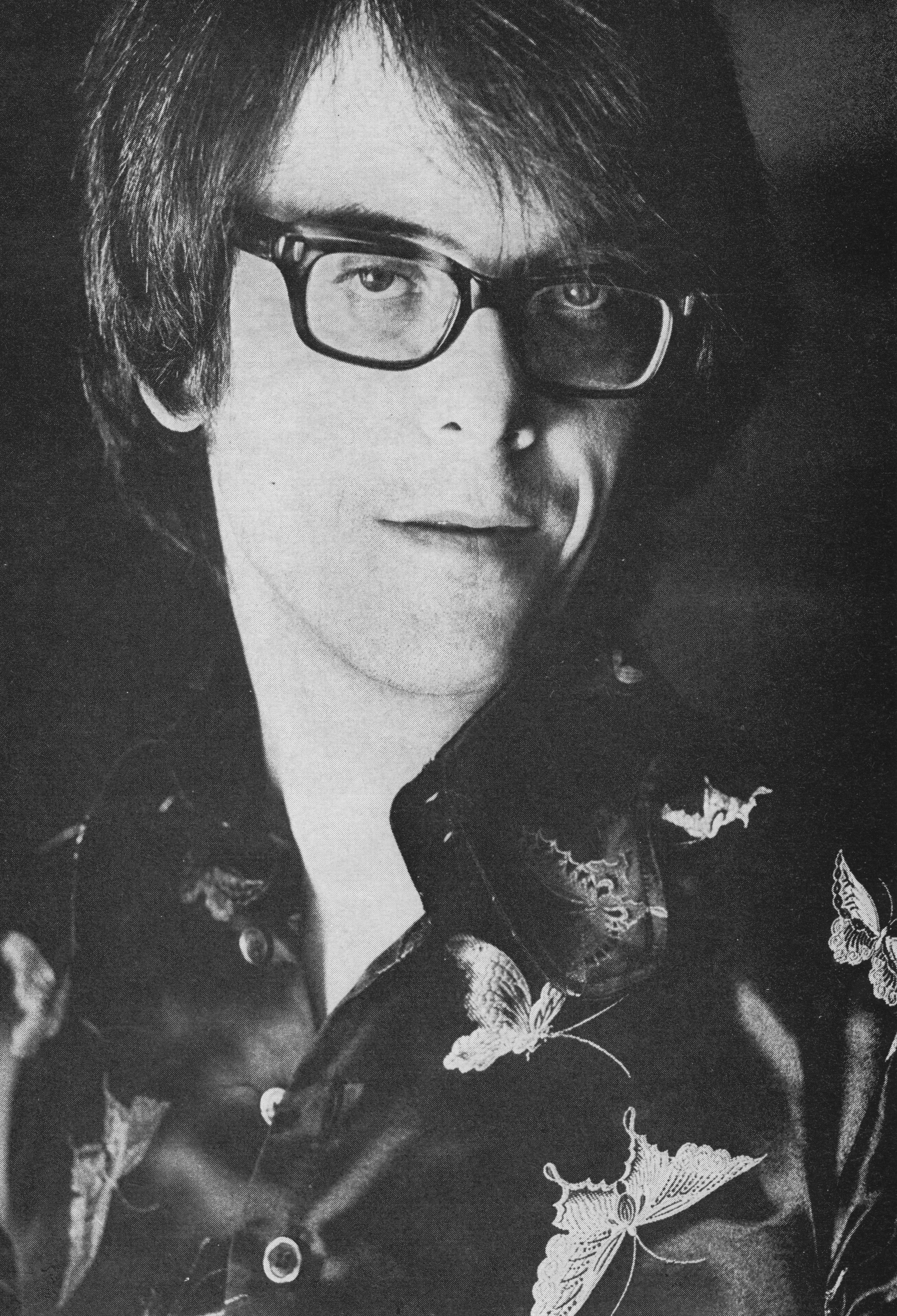
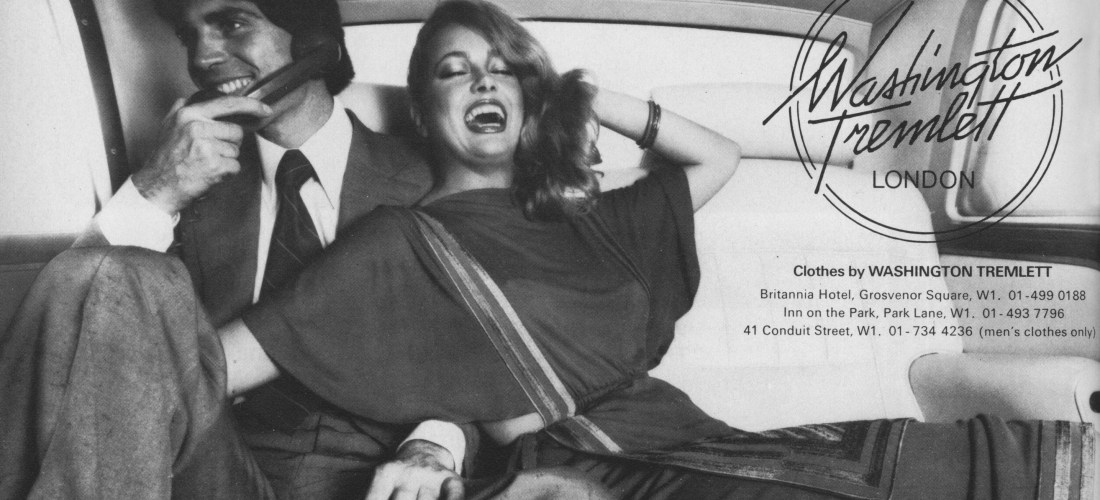
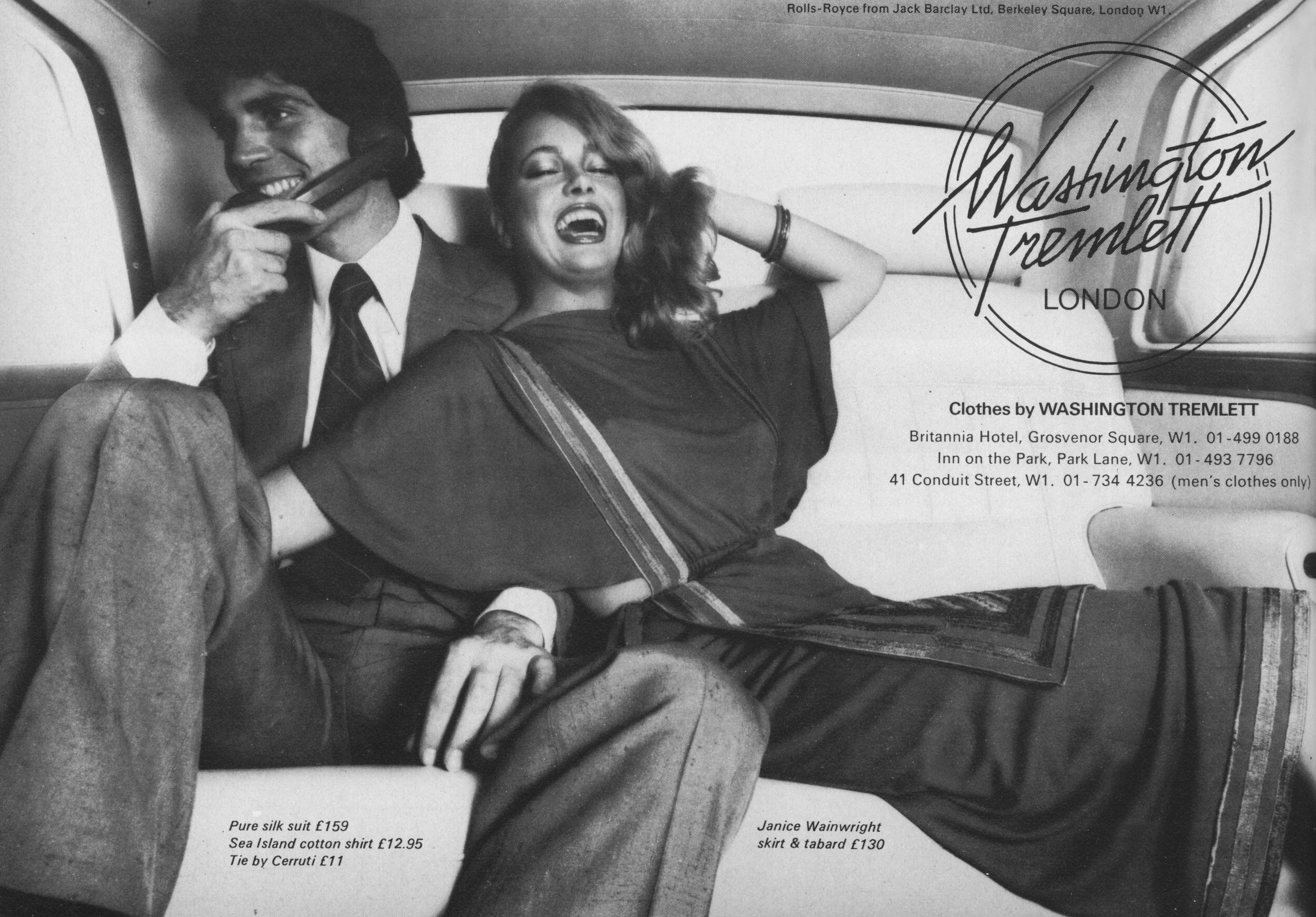
Scanned from Harpers and Queen, December 1976.
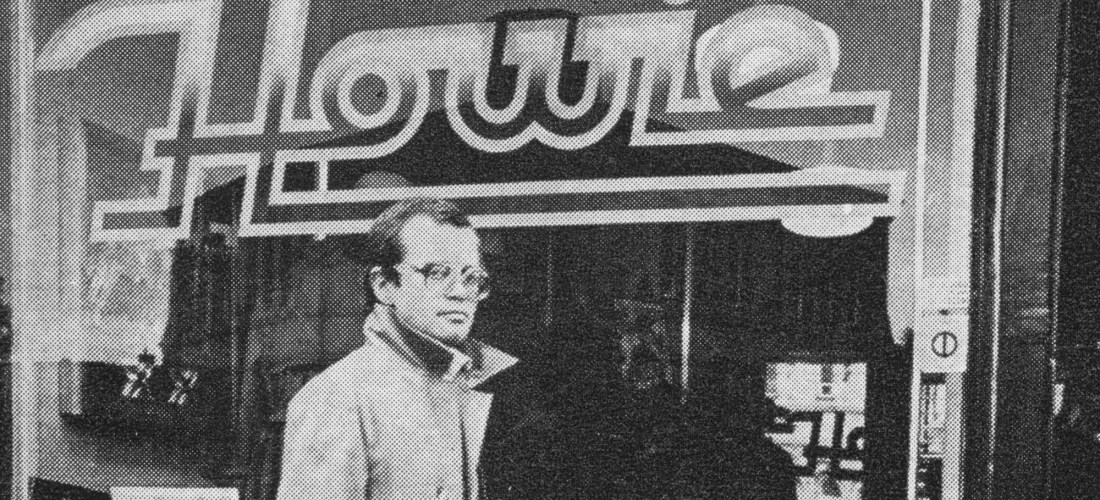
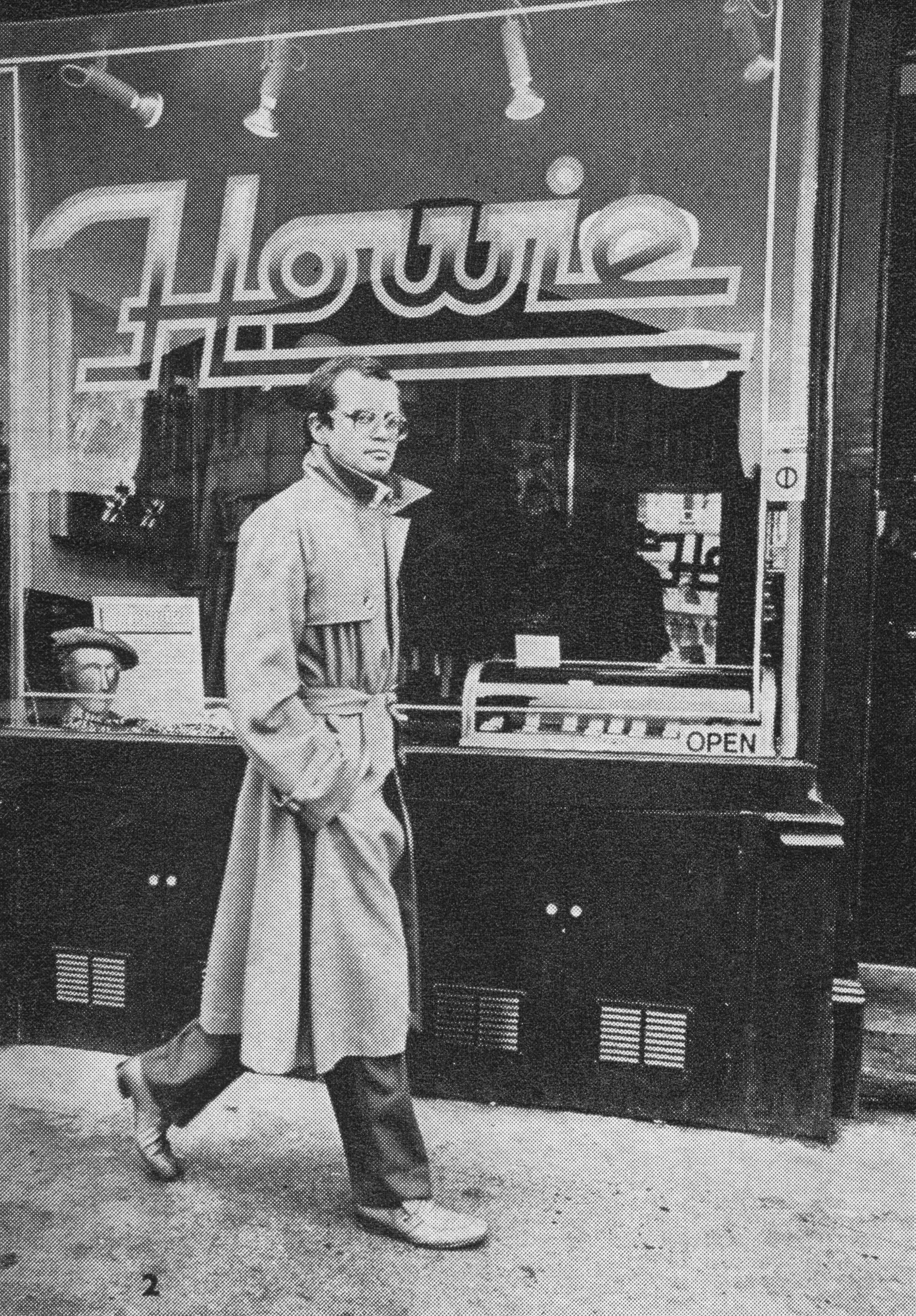
‘Casual clothes for men.’ The phrase used to mean T-shirts and jeans. But since Paul Howie opened his shop at 352 Fulham Road, SW10, the phrase has taken on a new meaning: ‘soft, comfy, easy-to-wear looks; clothes that you can just put on and look good in without trying’. That says it all. Nearly all the clothes are exclusive to Howie, but Paul (in the picture) wears a light brown tie-belted raincoat by Deardon & Fay; £68.
Photographed by Steve Campbell.
Scanned from Harpers and Queen, November 1974.
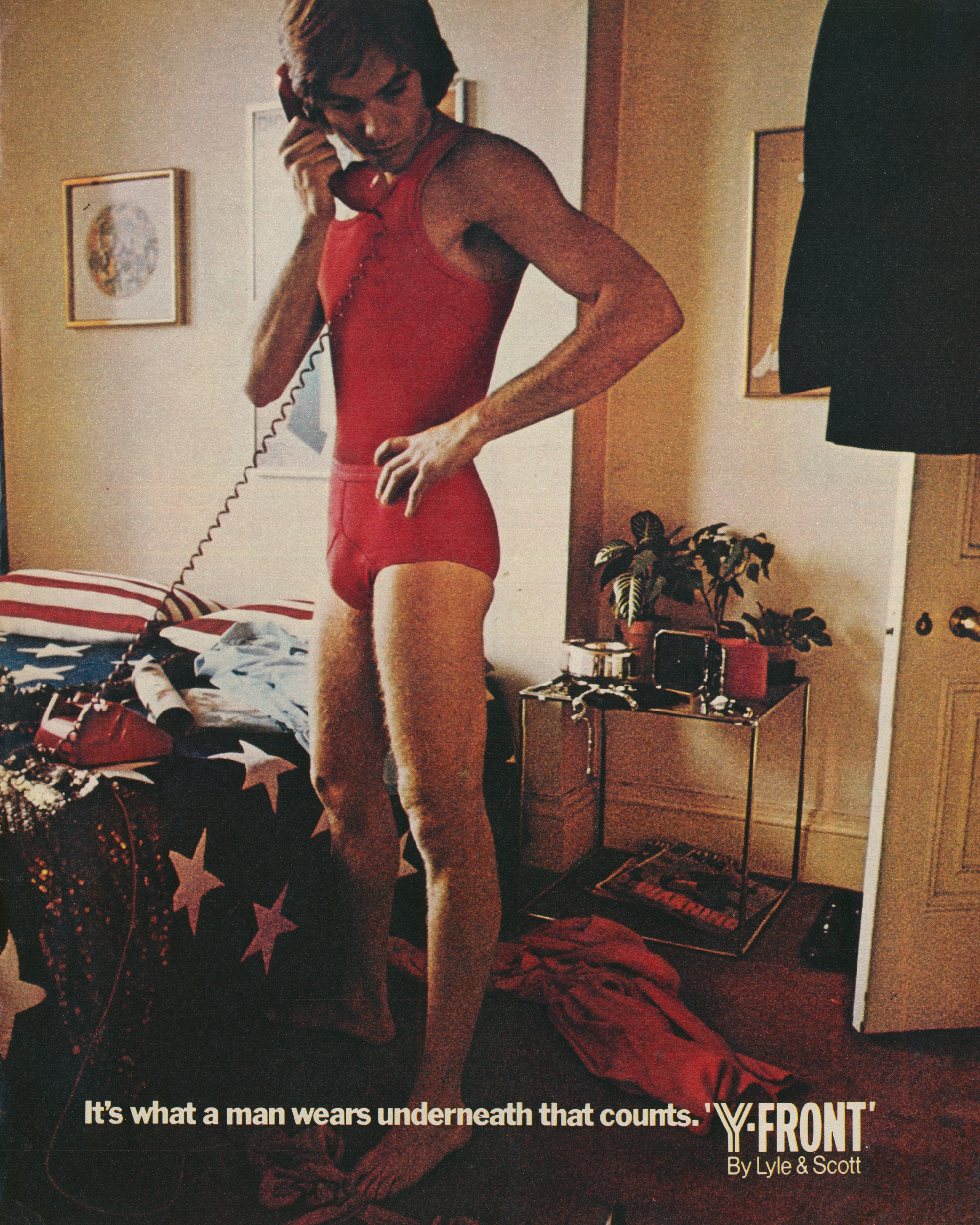
One in my now very, very sporadic ‘Mensday’ series. This one doubles up as an interiors post as well, with Mr Freedom-influenced stars and stripes bedding (it might take you a while to focus properly).
Scanned from The Telegraph Magazine, March 17th 1972.
 Liz Eggleston