Mild Sauce: Wild Thing

1970s, Fiesta, mild sauce, Wonder Workshop

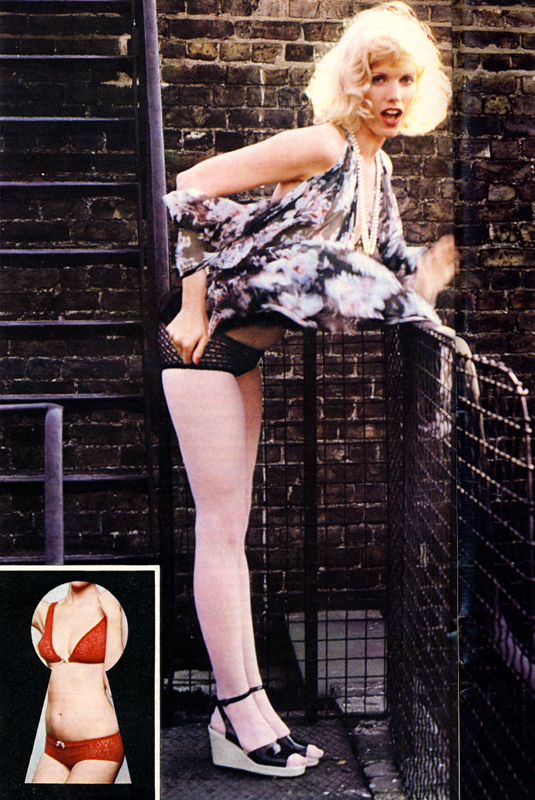
Scanned from Fiesta, 1975

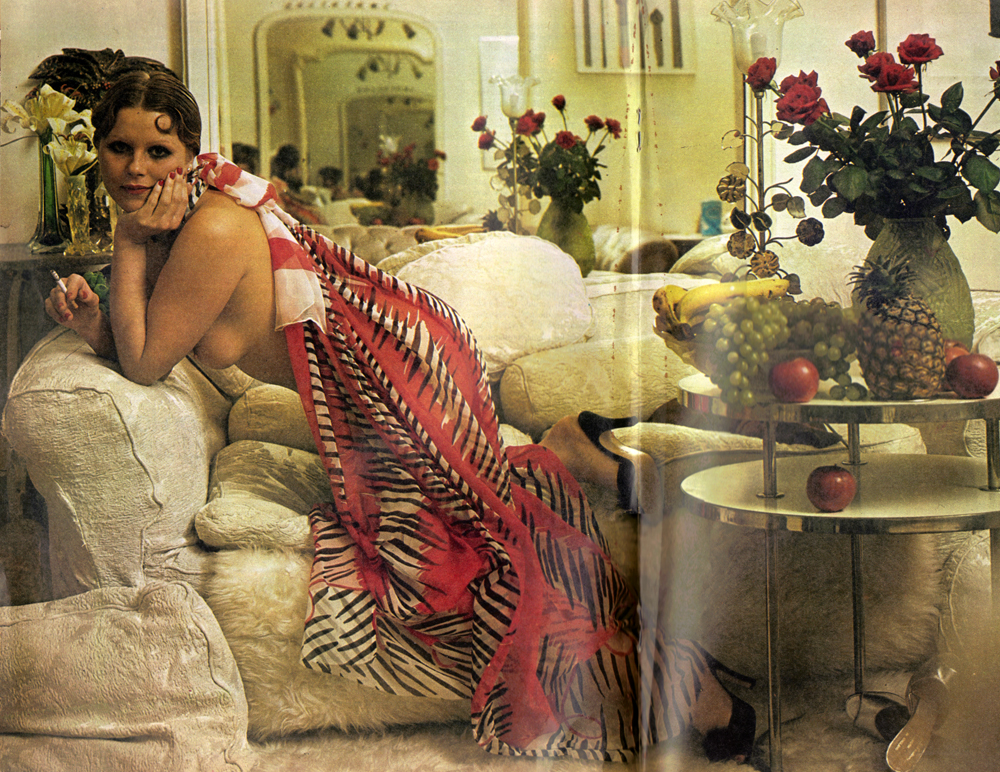
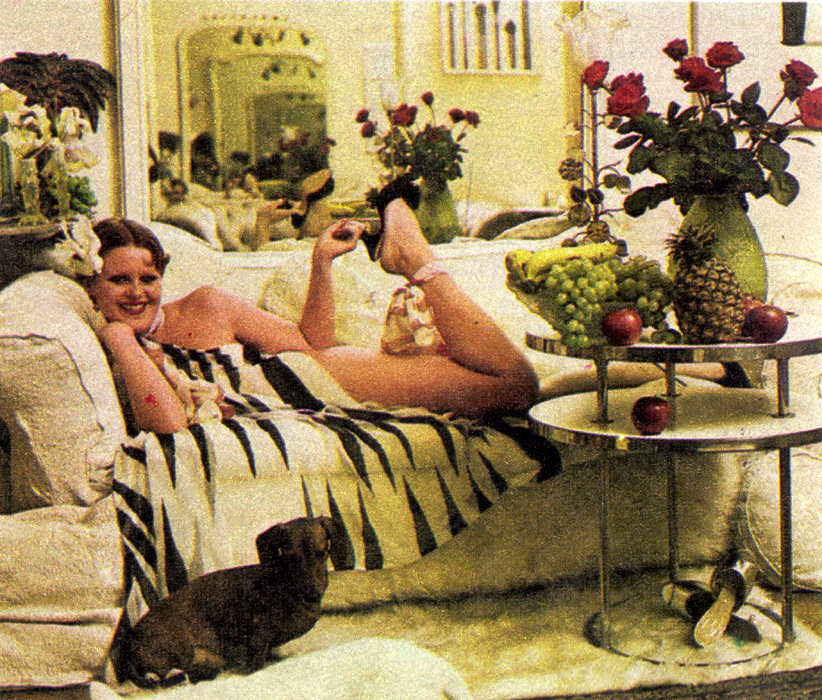
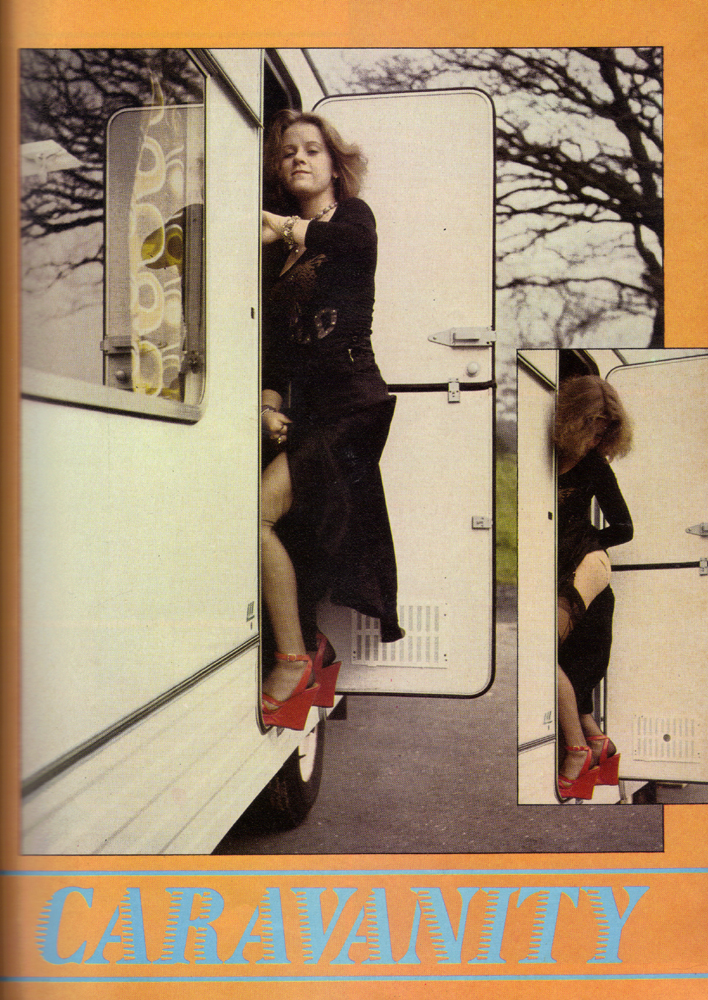
You never know where you might find a cool little piece of fashion history. Here are the first two images (and the only printable ones as far as this blog is concerned!) from a spread in Fiesta. A ‘dirty little magazine’ (as Mildred Roper might spit at George) for the uninitiated among you. Our soon-to-be-starkers model is wearing an iconic ‘Wild Thing’ t-shirt, originally designed by the wonderful John Dove and Molly White at Wonder Workshop but also ripped off by large-scale manufacturers. I have no idea if our girl is wearing an original or a cheap rip-off (her skirt is obscuring the ‘Thing’ part and you can’t really see much detail) but it was a bizarrely cool spot. Plus, I want her red wedges.

Mild Sauce: Bronica Camera Equipment

1970s, Hot Shoe, mild sauce, Vintage Adverts

By Tom Staebler. Scanned from ‘Hot Shoe’ photography magazine, November 1979

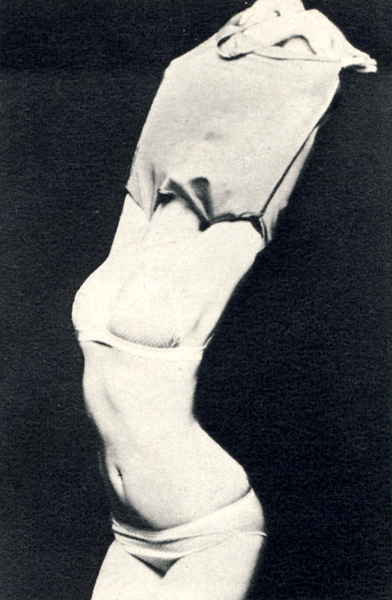
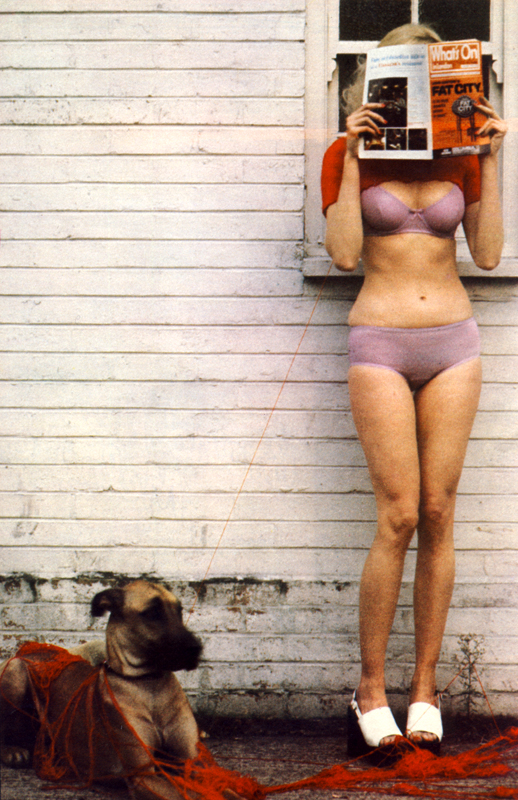
I can’t help but have a sneaking respect for the blatant ‘sex sells camera equipment’ attitude inside the pages of this Hot Shoe magazine from 1979. This one features a shot originally from Playboy Magazine. Phew! Shame the whole pink satin bedsheet dress thing never took off, isn’t it?

Mild Sauce: Wrap up well

1970s, celia birtwell, Inspirational Images, Meriel McCooey, mild sauce, quorum, Shirley Beljon, sunday times magazine, terry de havilland, Vintage Editorials

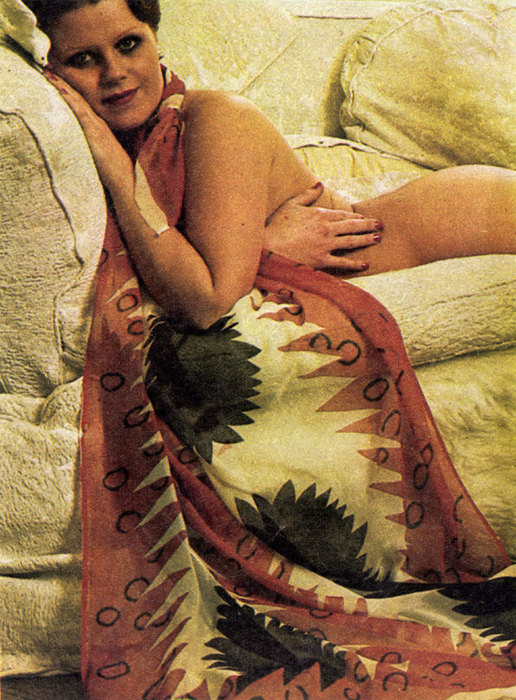
“Every designer has long scarves this season – decorating waists, flung over shoulders, slotted through necklines. Celia Birtwell, whose famous screen prints for Quorum enlivened some of their prettiest garments, has produced a new and imaginative collection of exotic zebra and tiger-printed chiffon fantasies which hide a multitude of flesh – even on our bonny pneumatic model. (In real life, Marinka works as a London barmaid.) The scarves come in three sizes, 44in. sq., 22in. sq., and 14in. sq., and cost £10, £6.50 and £4.50 respectively; they are obtainable from Quorum, Radnor Walk, Chelsea, London SW3, and also from their branch at Heath Street, Hampstead, London NW3.”

By Meriel McCooey. Photographed by Shirley Beljon. Mules by Terry de Havilland.

The Sunday Times Magazine. March 20th 1977.

Mild Sauce: Good-Time Susie

1970s, Illustrations, mild sauce, Vintage Adverts

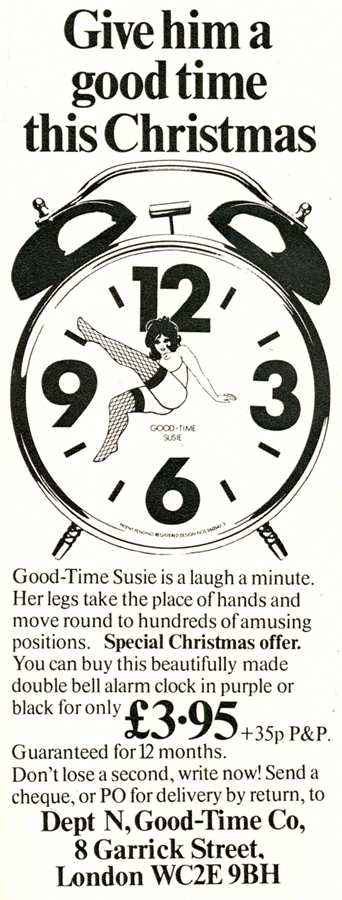
Scanned from Nova, November 1973

Never mind him, *I* want one! Plus, I want to see what other products the ‘Good-Time Co.’ of Garrick Street stocked as well …

“Hello? Good-Time Company, how can I help you?”

Inspirational Images: Your health too, Mr Bottomley

1970s, barbara daly, caroline baker, chelsea cobbler, hans feurer, Inspirational Images, mary quant, mild sauce, nostalgia, nova magazine, tights

Nova, February 1972

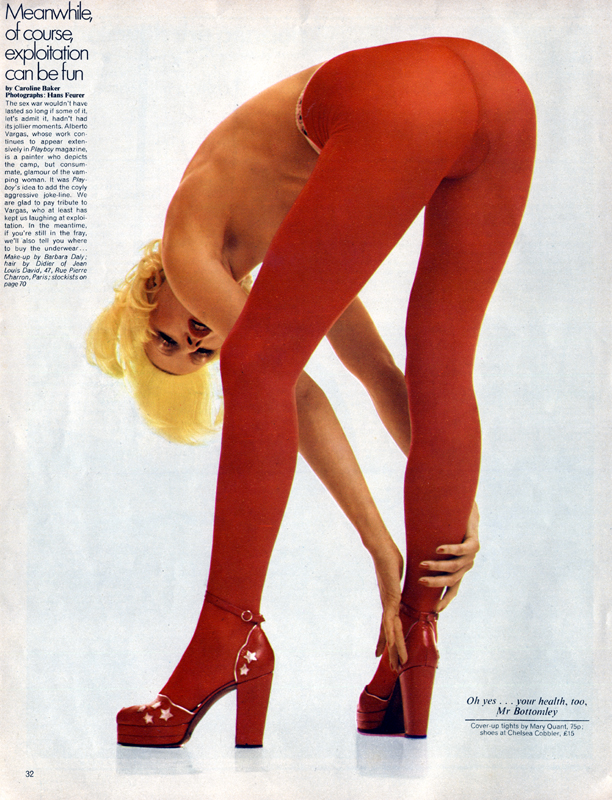
One of my favourite images from a Vargas-inspired spread in Nova, photographed by Hans Feurer. I will scan the others in time, but they all deserve solo appreciation. I think I would actually give my firstborn for those Chelsea Cobbler shoes. Red leather AND stars? Fetch my smelling salts!

I’ve said it before, and I will say it again, there is something about the Seventies take on Forties style (and particularly pin-ups) which I find infinitely more appealing than the originals or the tired current trend for such things.

It takes all the glamour and sauce, but gives it that subversive, pop art-esque treatment so typical of designers like Tommy Roberts, Terry de Havilland and Rae Spencer-Cullen for Miss Mouse (amongst so many other Vintage-a-Peel favourites). The models look quirky, confident and very knowing; I never get a sense of exploitation or submission. Even the tagline ‘exploitation can be fun’ is perfectly pitched and mocking both the exploiters and the prudes. Viva la Seventies!

Mild Sauce: You don’t take them off unless you have to!

1970s, Fiesta, levis, mild sauce

Scanned from Fiesta, 1975

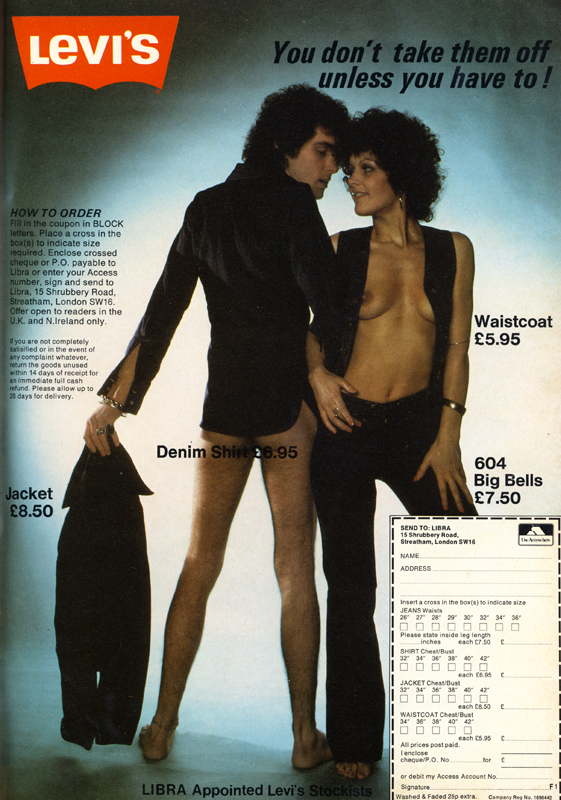
Fnar fnar. Etc…

(An equal rights fnar fnar, no less. Just how we like it here at Vintage-a-Peel…)

Mild Sauce: Pop in Effigy – A Wife and Two Dollies

allen jones, art, feminism, fetishism, mild sauce, norman parkinson, Vogue

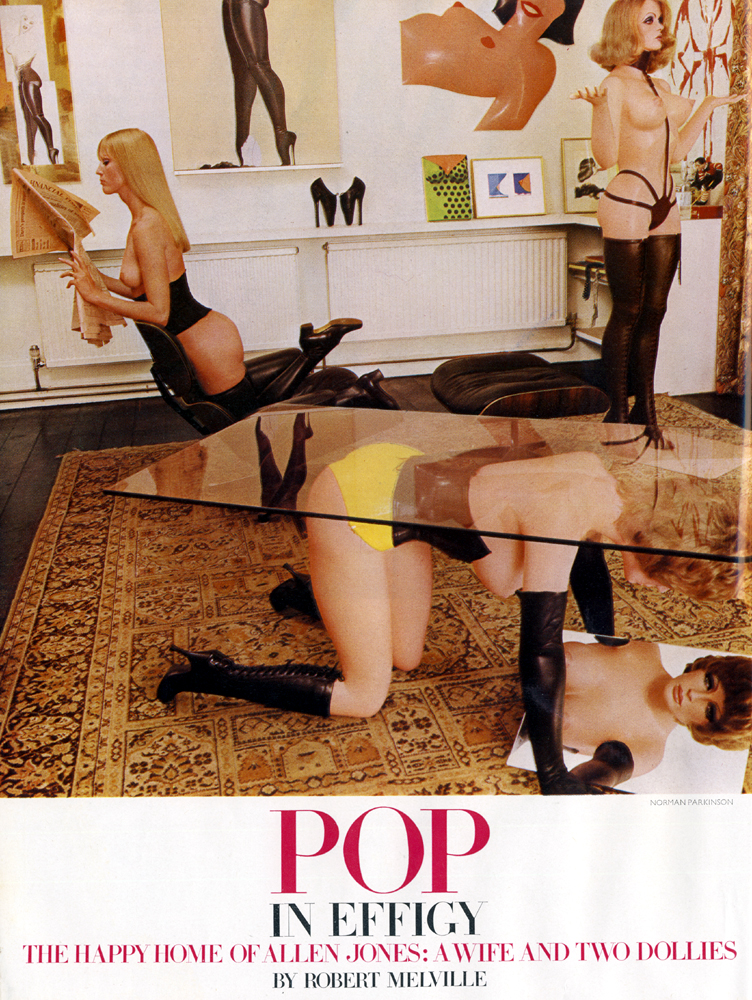
There are times when Allen Jones makes a highly plausible bid to be taken for a fetishist. His paintings of shoes with impossibly high heels are in the realm of phantasy and can only be worn by the phantom of sex appeal that slips them on in the mind’s eye, but they are more likely to be rhinoceros horn to rouse and sustain. Even his paintings of legs, conspicuously shape-conscious though they are, could have been devised to celebrate the stockings. But the true fetishist places his faith on inanimate objects or parts of the body as far away as possible from the sexual zones, and although Jones rarely paints the whole figure, his euphoric images of the cleavage and the crotch are evidence enough that he is far from being at the mercy of symbolic displacements. Until recently, he could probably be described as an aficionado of the choice view, but suddenly all the evocative fragments have come together in three life-size effigies of girls which look so breathtakingly real that when I first saw them  in the artist’s flat I felt that I shouldn’t have entered the room without knocking.

They are made for instant recognition and maximum confrontation. They turn into works of art by rapid but clear-cut stages. Twice over, they are not what they seem. At first they are blindingly girls. Then they are brilliant imitations of girls, cool and arrogant but incapable of lifting a finger against close and impertinent inspection. Finally, inpection makes it clear that their proportions are not human. They are not imitations. They bring to a kind of perfection a convention that has arisen on art’s difficult road back to a humanist figuration.

They present a strong case for the artist as director. Everyone who knows Allen Jones’s paintings will agree that the effigies disclose his formal preoccupations at every turn: but he has not actually made them. It all started on one of his trips to the States, when someone mentioned that there were people in London who were making fabulous life-size dolls. Back in London, he went to see one of these dolls, a likeness of Carroll Baker that had been commissioned by a film director. Only the head had been specially modelled; the body was that of a conventional shop window dummy. The visit brought up the name of Dik Beech, a commercial sculptor who works as a freelance in close association with a company named Gems Wax Models, which makes the moulds and casts for Madame Tussaud`s. Beech brought great professionalism and the neutrality of a craftsman to the task of turning Jones’s drawings and specitications into three-dimensional figures. They were then cast in fibreglass by Gems Wax Models, and sprayed and rubbed down and sprayed again to give them an impeccably smooth, flesh-tinted finish. At this point they were taken over by Lucina della Rocca and entirely repainted by hand. She works for Tussaud’s, and she brought the surfaces of the casts to life with imperceptible nuances of tone. They were now looking the picture of decadent health. The eyes too are painted, and the faces have been given a bold but not exaggerated make·up. Other experts were called in. The leather accessories, including the strap-work on the standing figure, were made by John Sutcliffe of Atomage. The Lurex pants of the girl on her hands and knees were made by Zandra Rhodes and required three fittings. The wigs are by Beyond the Fringe. The gloves, bought at Weiss of Shaftesbury Avenue, are the only accessories that didn’t have to be specially designed.

The figure on hands and knees gazing into a mirror has been designed so that the back of her head and her rear are exactly the same height, to support the clear glass panel which has been made and fixed by Design Animations. It turns her into an anthropomorphic table. Her pose perhaps suggests an undignified obedience, but she can he freed from her glass plate to occupy an easy chair; her arms then stretch out in a striking “hands-off” gesture calculated to send one to the opposite side of the room. It’s indicative of the artist’s purely visual interest in the gear that he was not aware that the strap running from the standing girl’s collar to her G-string would be at the back on a real girl, to compel her to stand up straight: it seems to confirm one’s impression that the girls come from a strip-joint not of this world.
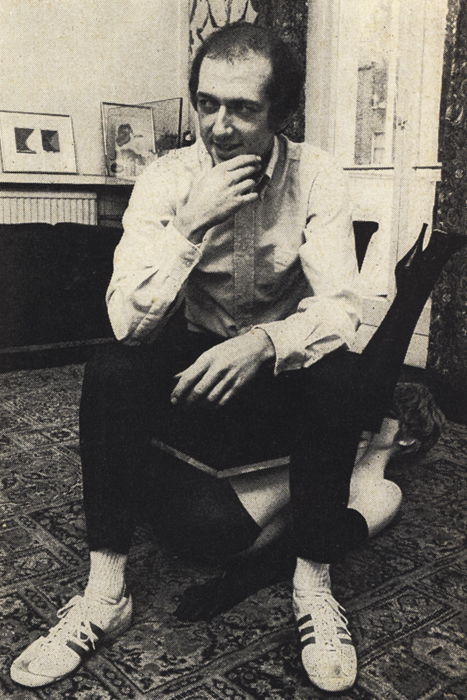
Allen Jones at home, above: his wife and two dollies, opposite. His three life-size effigies, each in an edition of six, will be on show in New York from January 6 at Richard Feigen; in Cologne from mid-January at Gallery Rudolph Zwirner; in London from January 23 at Tooth’s, 31 Bruton St, WC1.

Mild Sauce: The Naked Lunch

1970s, cosmopolitan, jim lee, Le déjeuner sur l'herbe, mild sauce

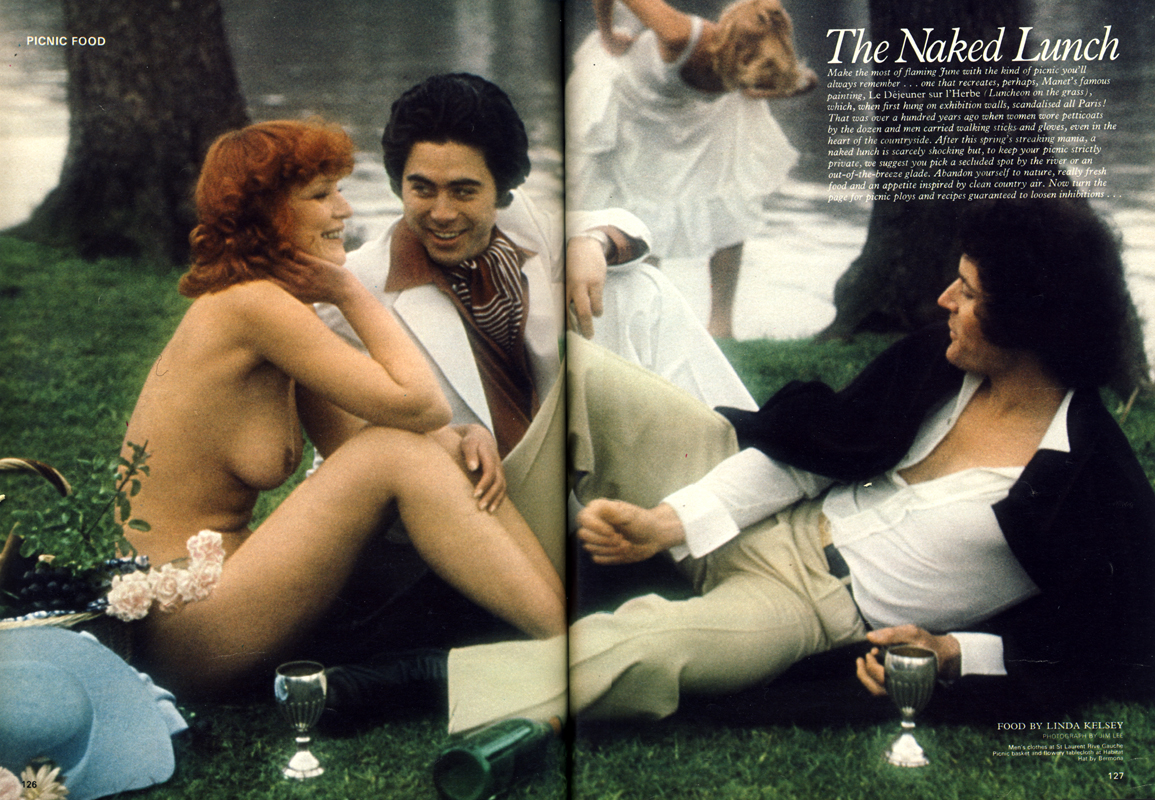
Jim Lee’s version of Le déjeuner sur l’herbe for Cosmopolitan, June 1974.

Mild Sauce: Illustrated Titillation

1970s, cosmopolitan, Illustrations, mild sauce, underwear, Vintage Adverts

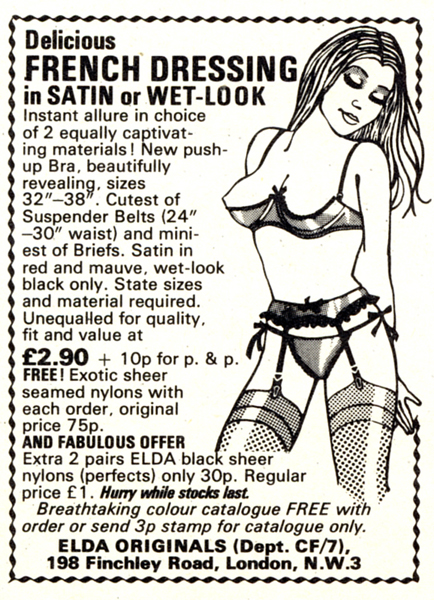
Is it just me, or are drawn sexy images generally sexier than photographed sexy images? Despite the completely ludicrous breast depictions, I’ve got a soft spot for these adverts. All scanned from various copies of Cosmopolitan, 1972-76.

The worrying thing is, women actually pay for breasts like these nowadays.


Mild Sauce: Be Prepared

1970s, Honey Magazine, james wedge, janet reger, mary quant, mild sauce, underwear

Janet Reger

More James Wedge fabulousness. I’m always delighted to find and scan a ‘new’ James Wedge photoshoot, and this one is adorable, despite lacking the trademark Wedge hand-tinted touch.

You never know when next you may stand revealed in the full glory of your underwear. Will it stand the test? Bare with us and we’ll show you how to steal even the most embarrassing scenes in these glamorous, seductive undies-to-get-caught-in.

Honey. December 1972.

Images scanned by Miss Peelpants

Dress from Browns, pants by Warners

Janet Reger

Janet Reger

Madeleine Foundations

Mary Quant

Maidenform