

Make-up by Elizabeth Arden. Hair by Oliver at Leonard.
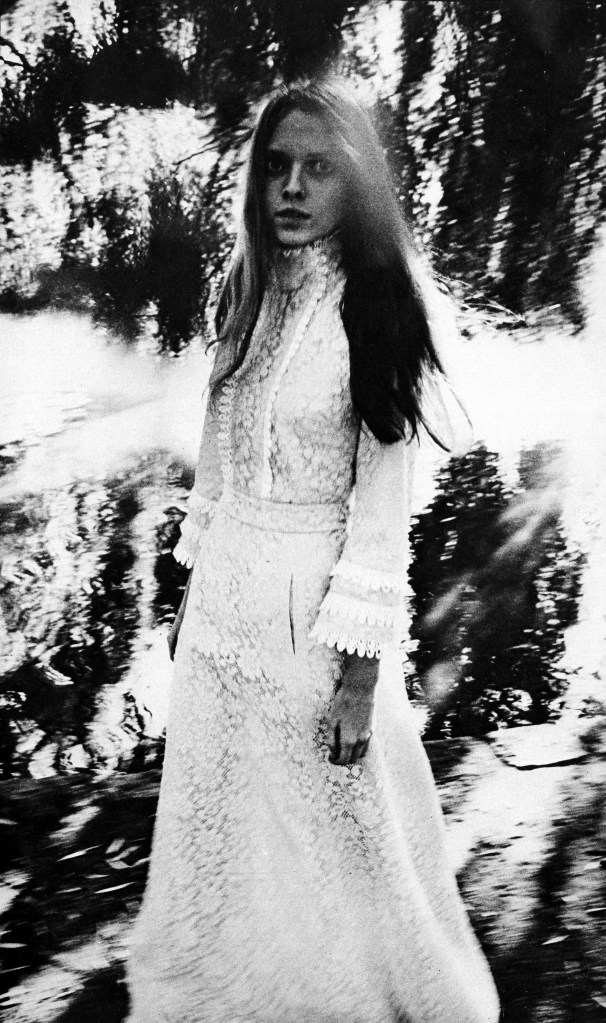
Print silk dress by Zandra Rhodes at Piero de Monzi.
Photographed by David Bailey.
Scanned from Vogue, 15th September 1971.

Make-up by Elizabeth Arden. Hair by Oliver at Leonard.
Print silk dress by Zandra Rhodes at Piero de Monzi.
Photographed by David Bailey.
Scanned from Vogue, 15th September 1971.
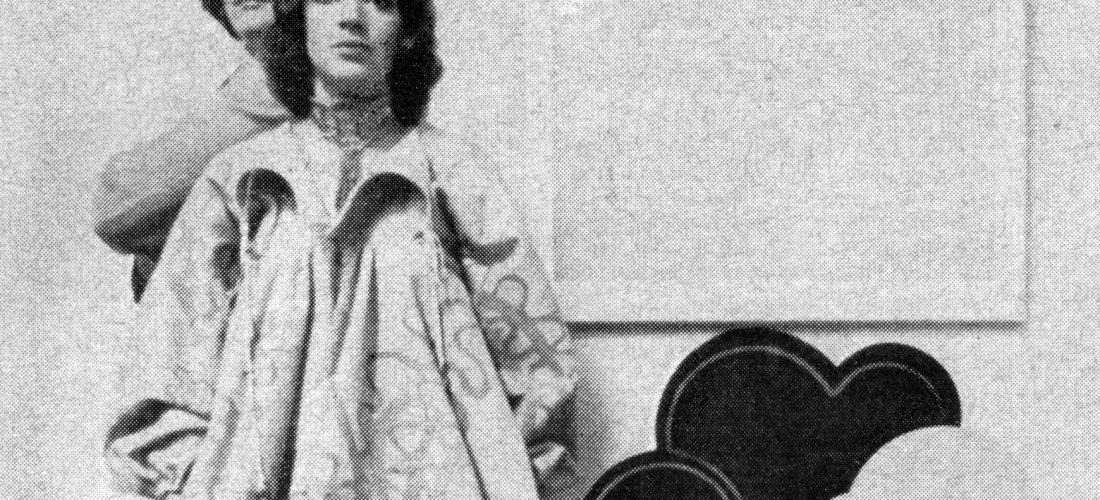
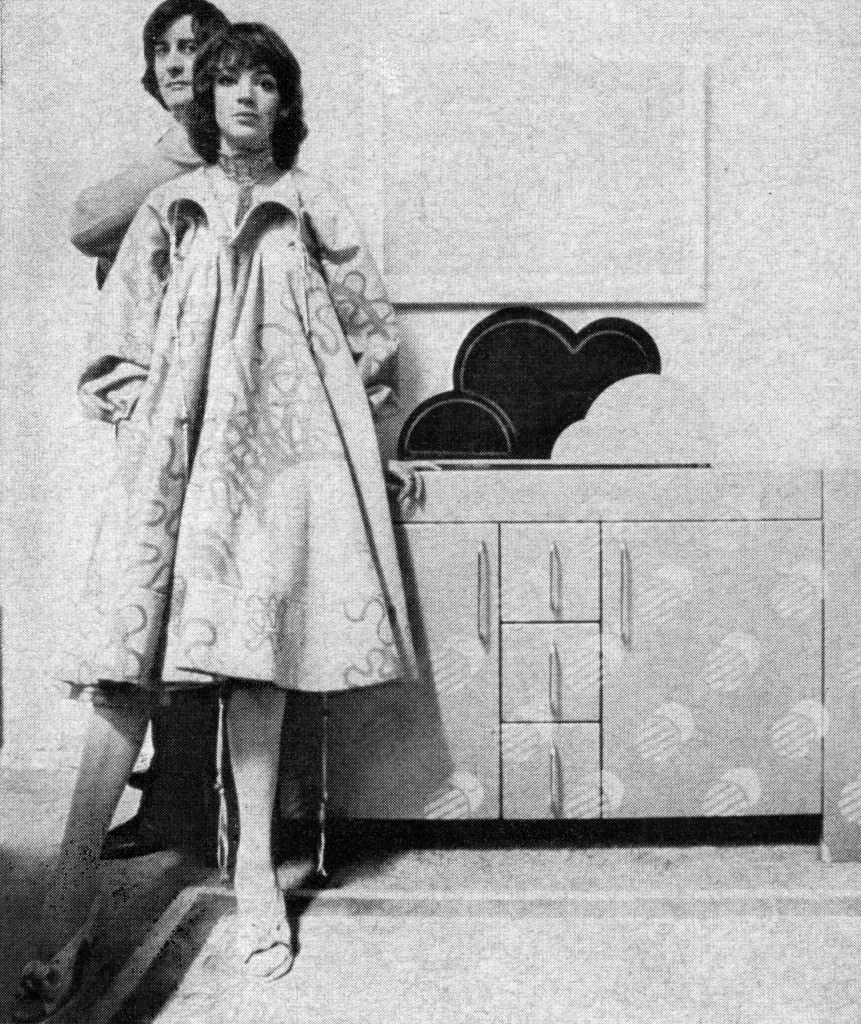
Chester Jones is design director of Colefax & Fowler. He makes furniture of extraordinary craftsmanship, all dependent on handmade techniques, reminiscent of thirties’ decorative skill. Here, with his wife, Sandy, his chest-professionally sprayed silver, bolted together, stencilled in patterns of pinks and blues. Neon cloud scuplture. Gentle pattern carpet made by V’soske. Walls stippled beige on white by hand, stencilled simply, oil paint through heavy paper. Ceiling in silver gilt rubbed by hand. Sandy’s dress is by Zandra Rhodes.
Photographed by Ruan O’Lochlainn.
Scanned from Vogue, July 1970.
Quite apart from Elliott Gould being a very worthy successor to Humphrey Bogart as Philip Marlowe, and the faded-but-magnificent Art Deco buildings which feature throughout, Robert Altman’s The Long Goodbye (1973) is also well worth watching for Nina van Pallandt’s wardrobe.
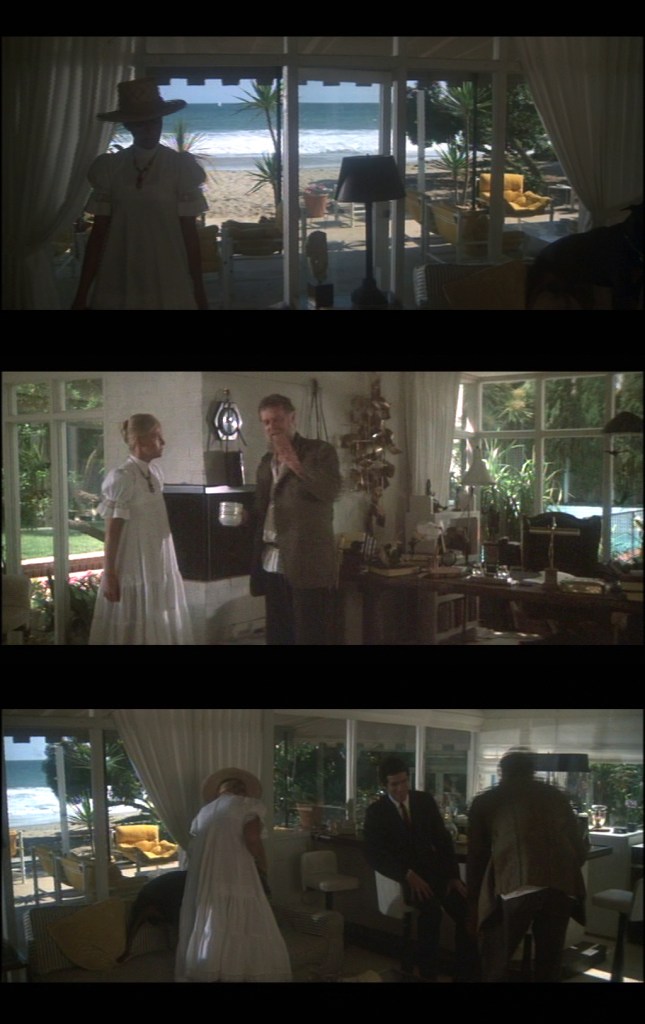
First appearing in what looks like Laura Ashley:
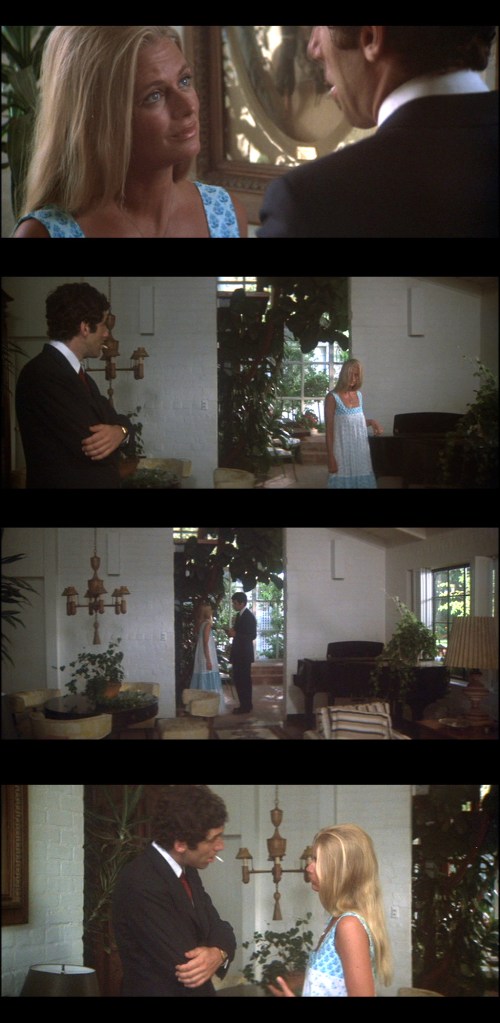
Then a less identifiable dress of a similar ‘peasant’ style but rather less traditionally English in the use of pattern and colour (possibly by Mexicana, Georgia Charuhas or a similar brand):

You can see more clearly in this publicity shot that the bands of lace are transparent:

Then Laura Ashley again:
Slightly clearer albeit black and white in this publicity shot:

By this point, I started wondering if this wardrobe was perhaps that of the actress rather than of the character. Nina van Pallandt was a successful Danish singer (with husband Frederik van Pallandt, they were known as ‘Nina and Frederik’) and would have spent a great deal of time in London. It otherwise seemed a bit odd that she was wearing clearly British-made clothes, albeit in a style which wouldn’t seem too dramatically out of place in early 1970s California. It certainly sets her apart from the few other women in the film, including Marlowe’s doped up neighbours (who are rarely clothed at all), and gives her a dreamy, other-worldly quality.
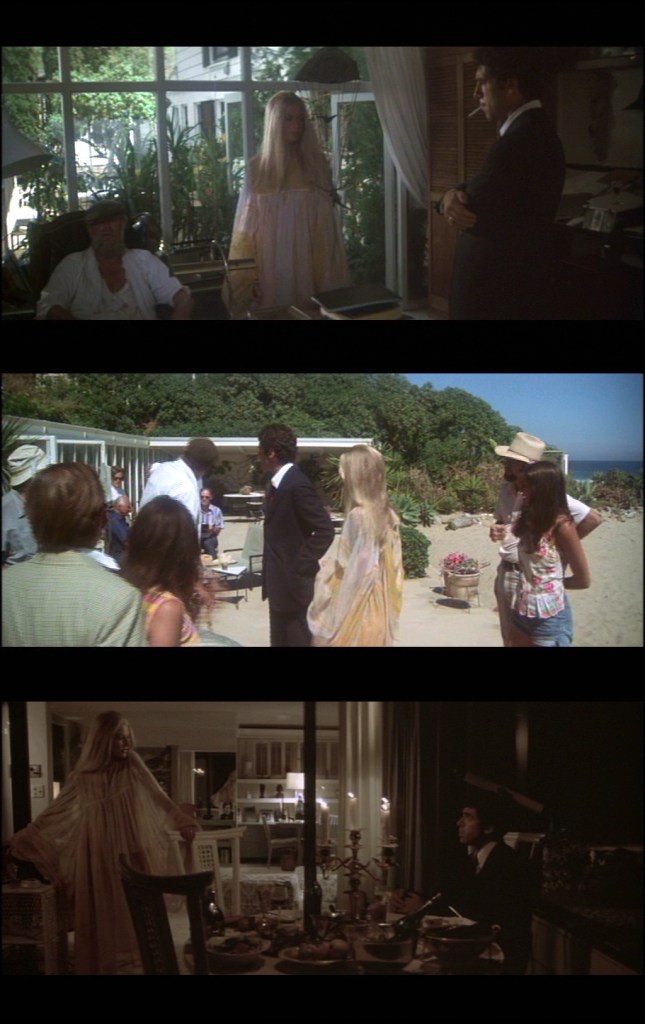
Then, as if by magic, she then appears in the most spectacular Zandra Rhodes gown. A gown which will, I’m afraid to say, eventually end up soaked through with sea water and very likely ruined.
Again, a proper publicity shot provides a clearer view of the classic Zandra squiggle print:

Afterwards, still pondering this, I hunted around for film stills and eventually came across this photo of Nina wearing the exact same dress in an earlier television performance. Bingo! I don’t know if it was just a small budget or a fussy leading lady, but I can only presume the entire wardrobe of her character was her own. One of those little things which seems to satisfy a curiosity in me, and I feel the need to share with the world.
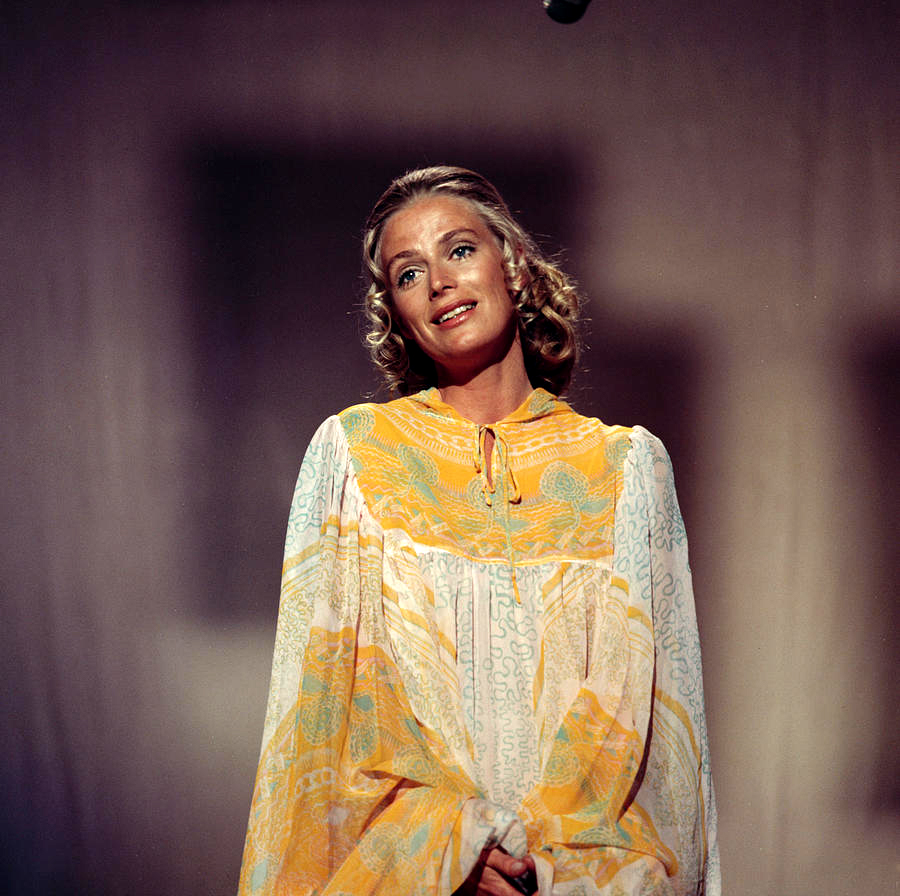
I think this might be a piece from Zandra’s earliest collection as the hood and sleeve style is very reminiscent of this piece worn by Natalie Wood in 1970. I hope it was able to be rescued from its salty fate and is still out there somewhere.

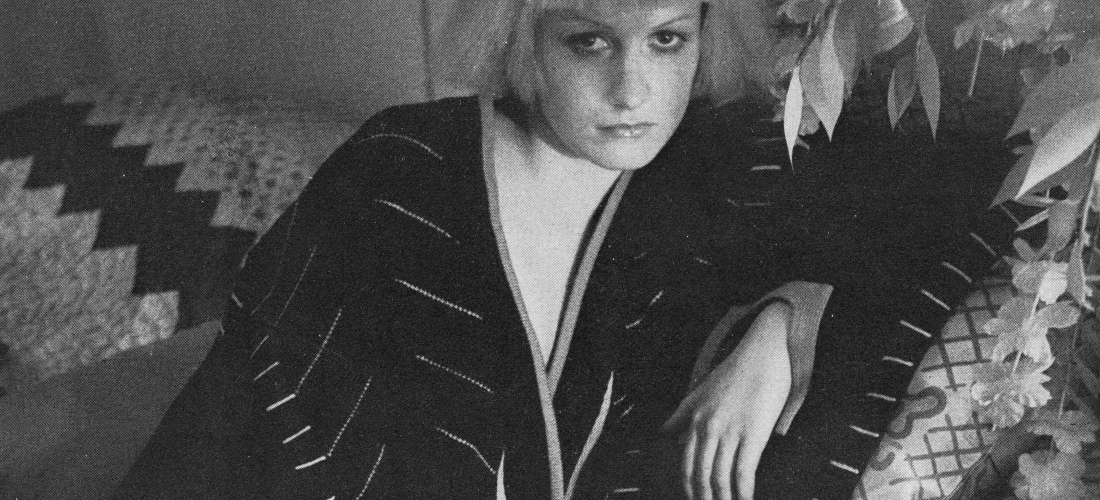
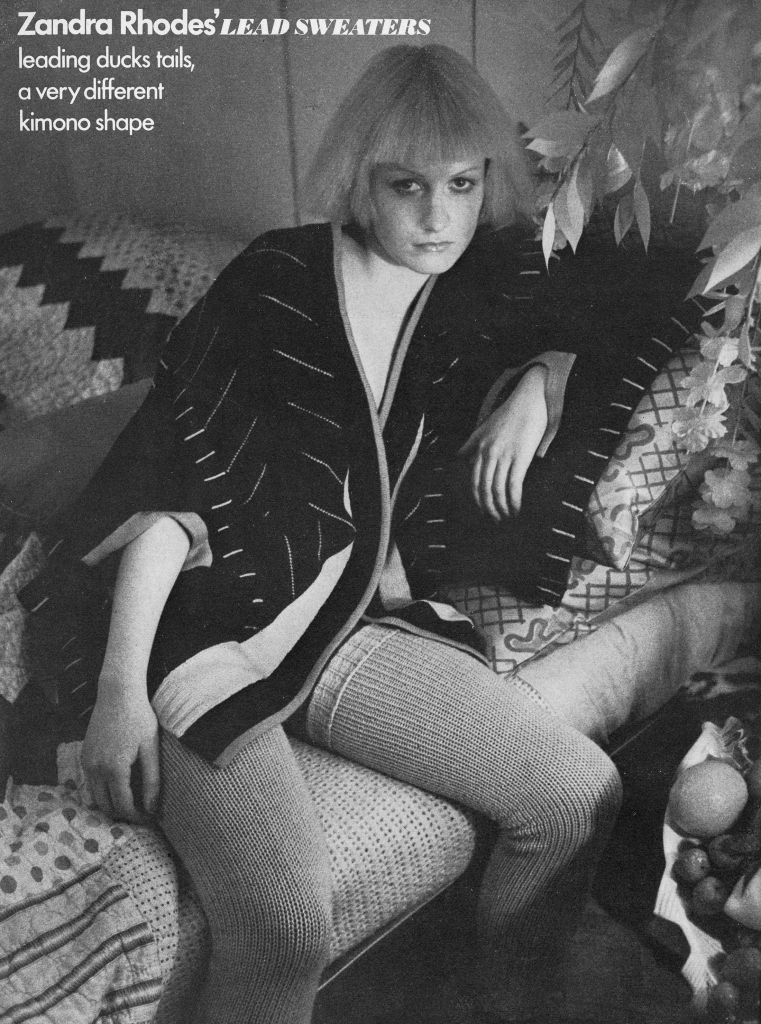
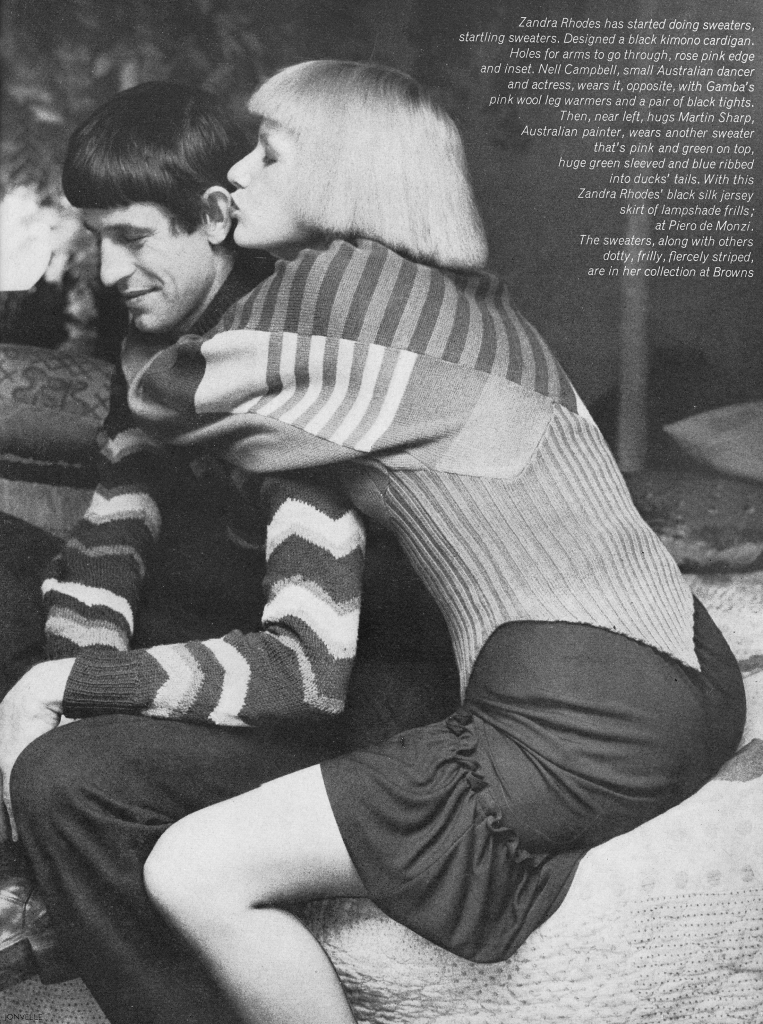
Zandra Rhodes has started doing sweaters, startling sweaters. Designed a black kimono cardigan. Holes for arms to go through, rose pink edge and inset. Nell Campbell, small Australian dancer and actress, wears it, above, with Gamba’s pink wool leg warmers and a pair of black tights. Then, below, hugs Martin Sharp, Australian painter, wears another sweater that’s pink and green on top, huge green sleeved and blue ribbed into ducks’ tails. With this Zandra Rhodes black silk jersey skirt of lampshade frills; at Piero de Monzi. The sweaters, along with others dotty, frilly, fiercely striped, are in her collection at Browns.
Photographed by Jonvelle.
Scanned from Vogue, September 1st 1972.
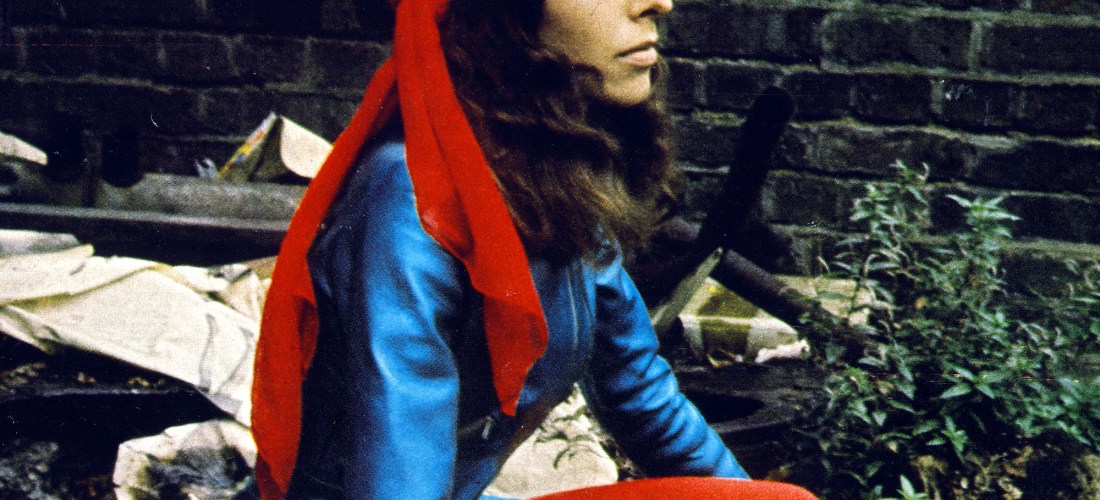
Whether you believe in star signs or not, this lovely editorial is certainly fun to browse. Pretty happy with my Cancerian Annacat dress, modelled by Stephanie Farrow, but greatly envy the Aries and Scorpio threads.
(Also, please don’t shout at me about the furs. I don’t like them either but it would be weird to leave out Leo and Aquarius. Just pretend they’re fake…)
Photographed by Guy and Elizabeth
Scanned from 19 Magazine, January 1969.
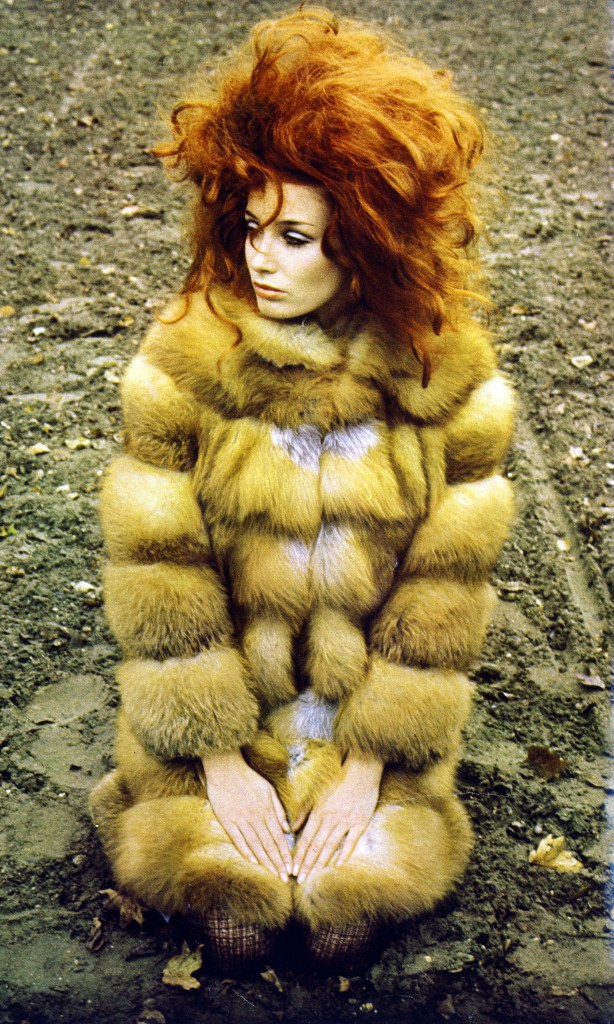
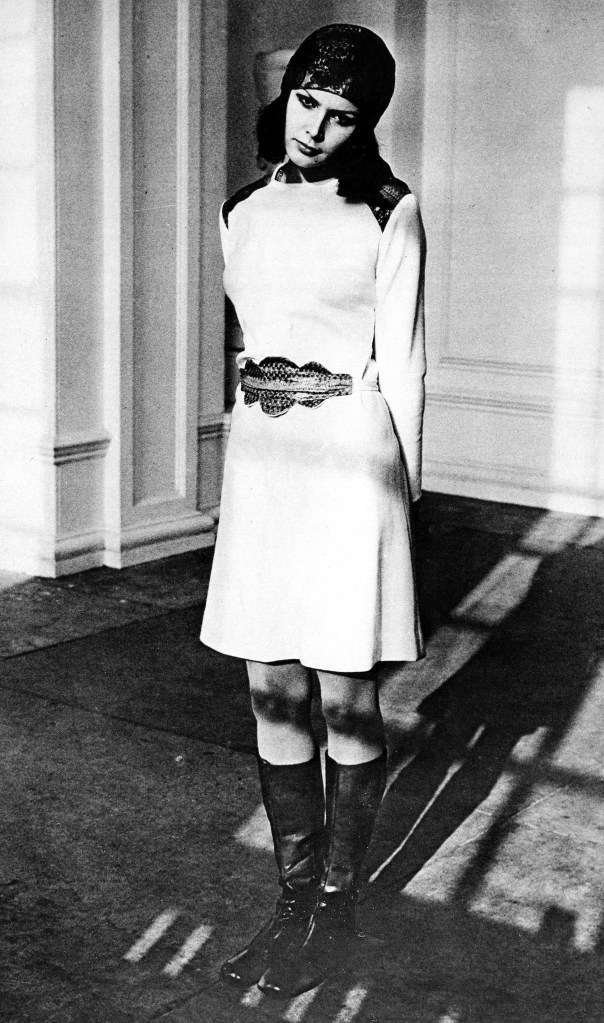
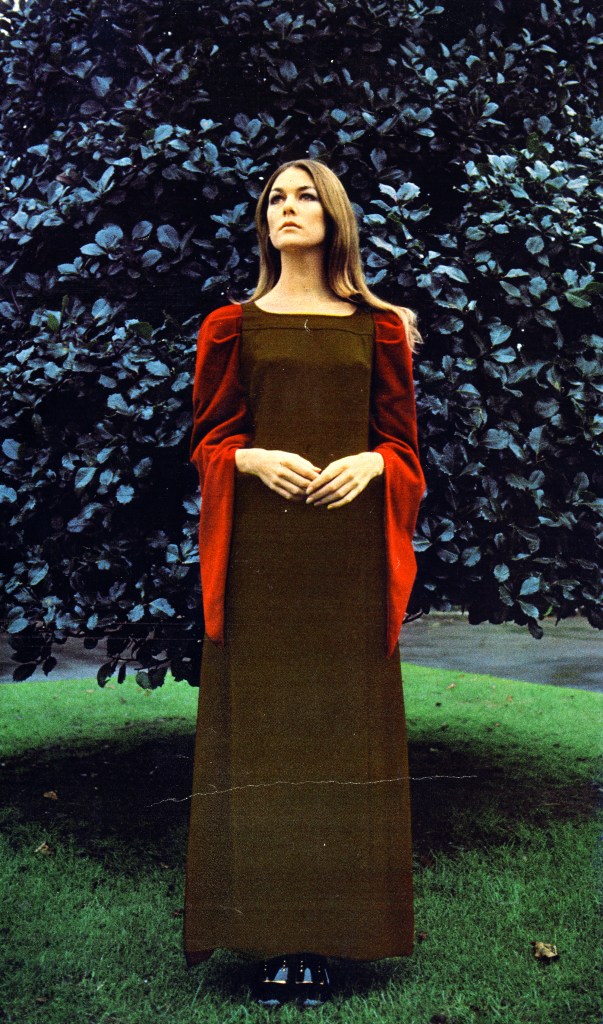
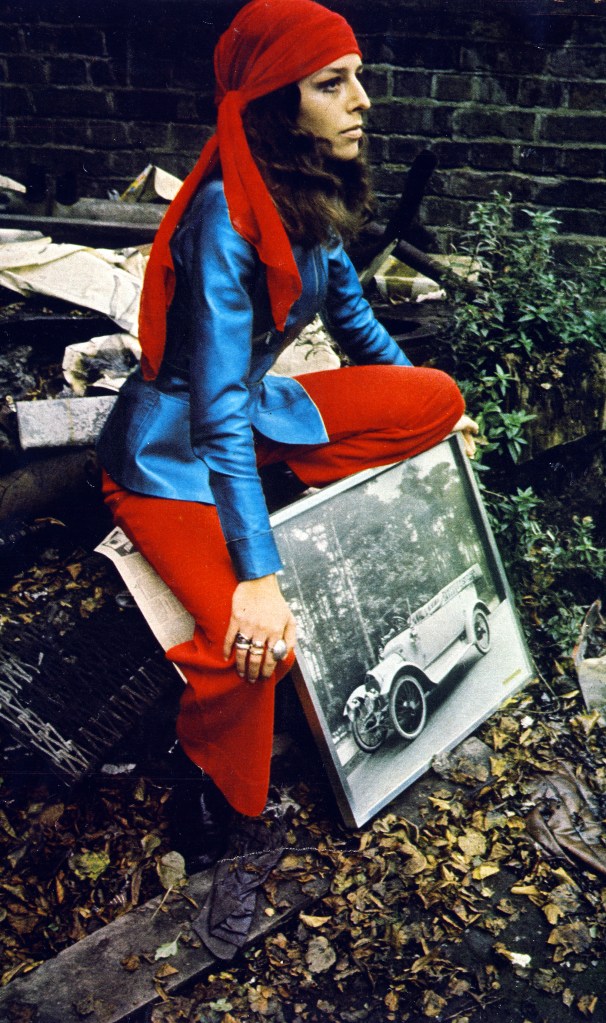
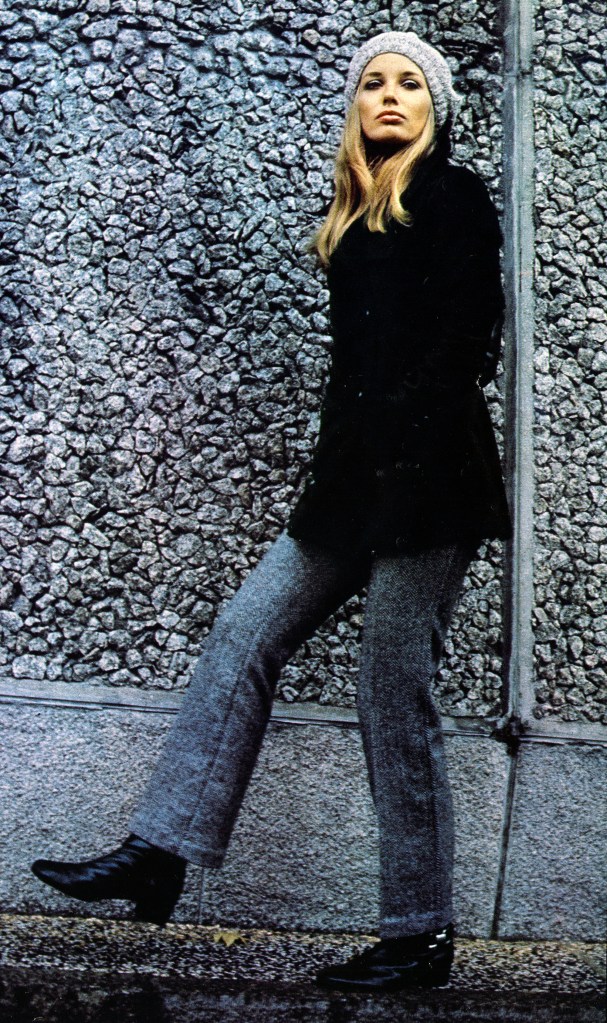
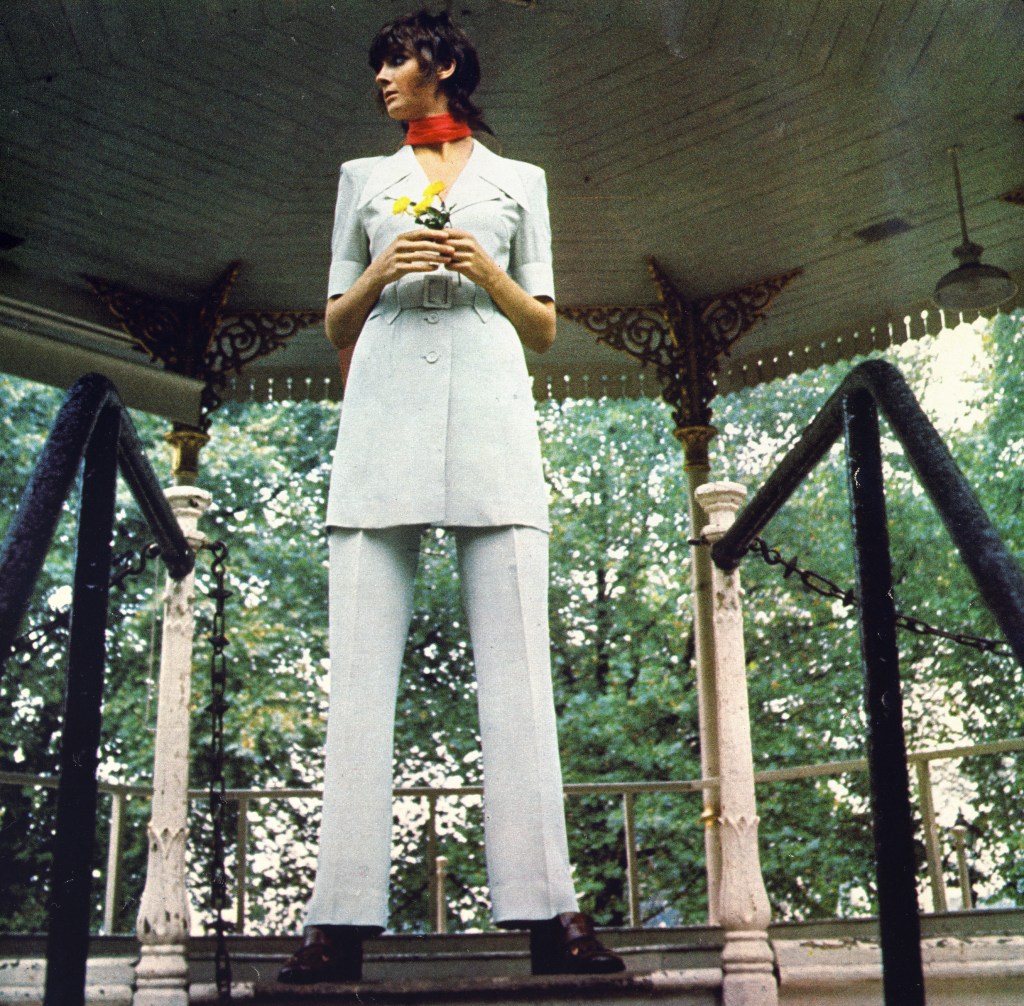
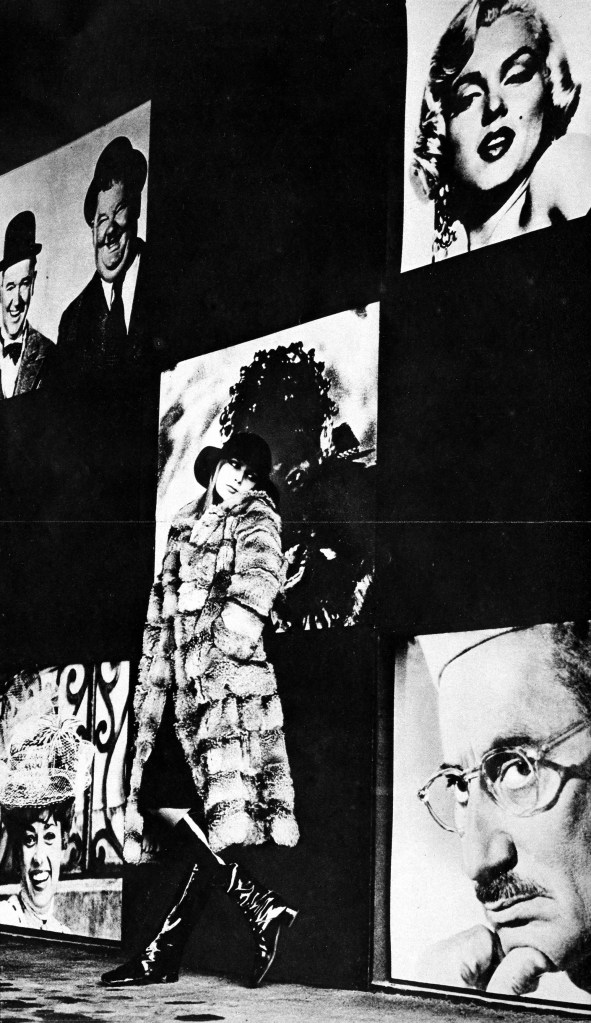
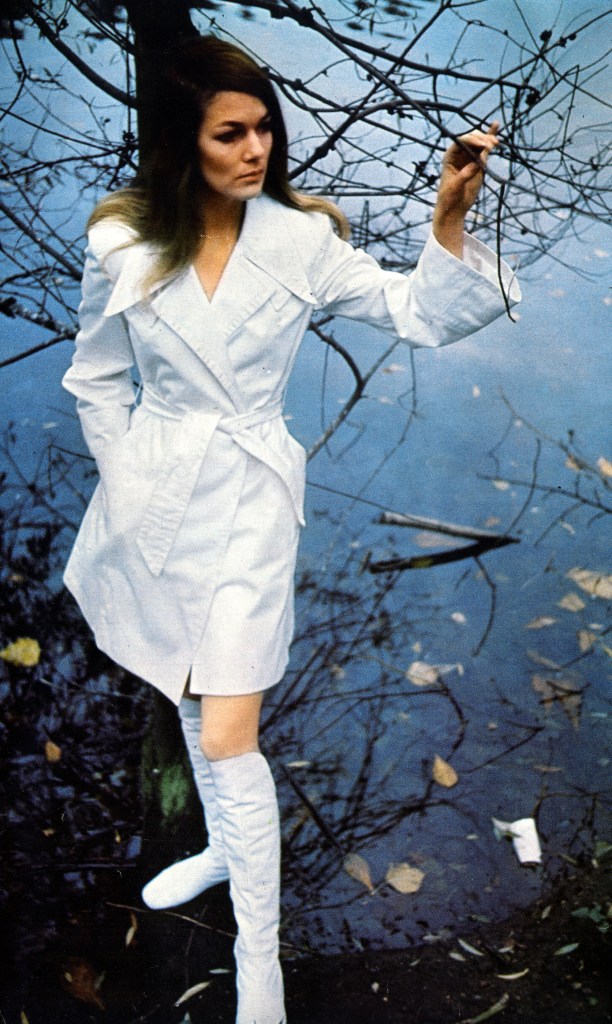
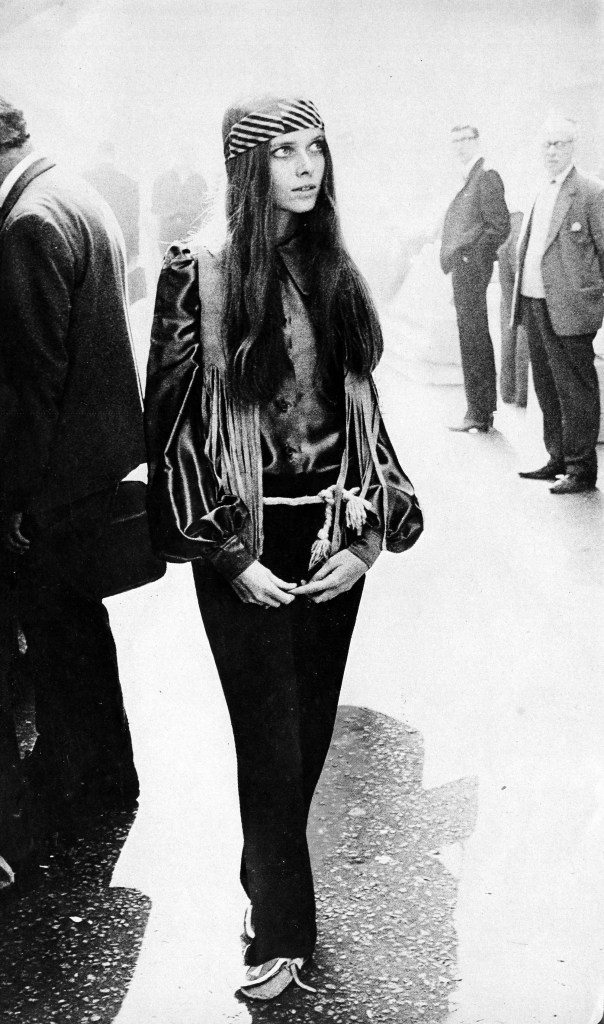
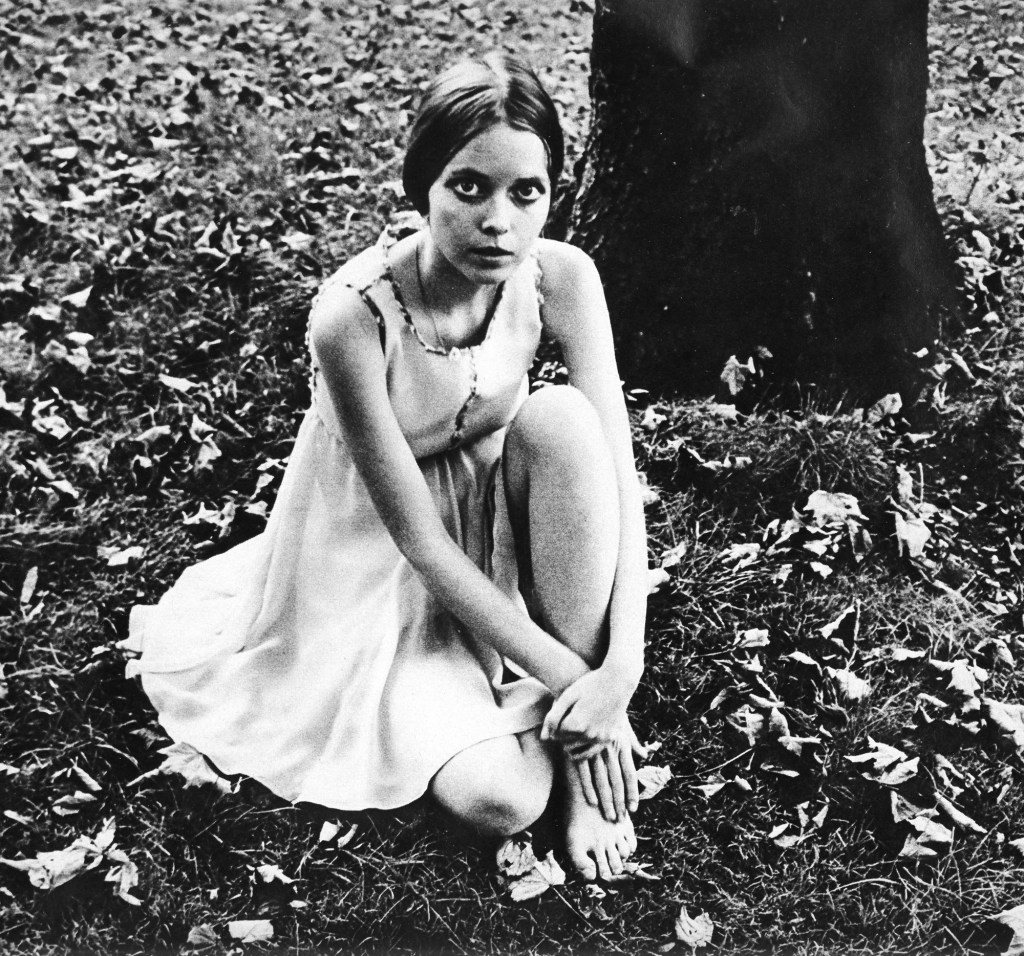
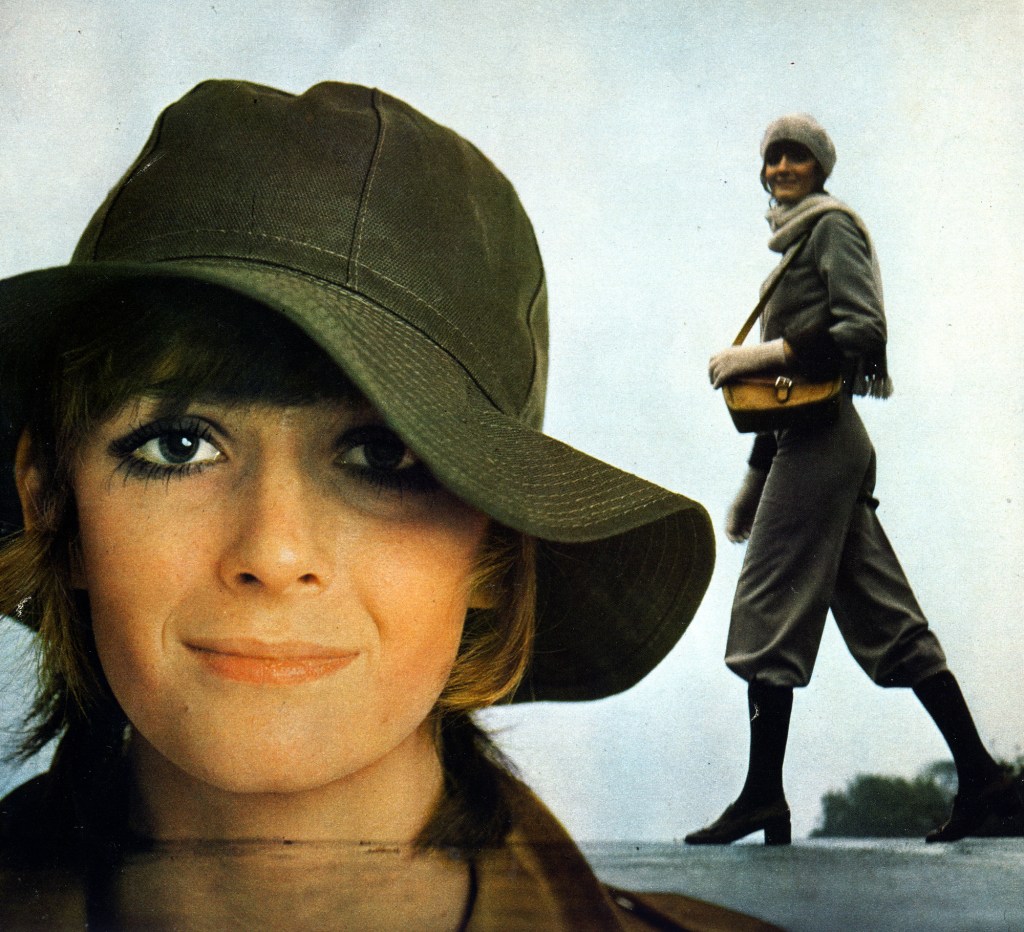
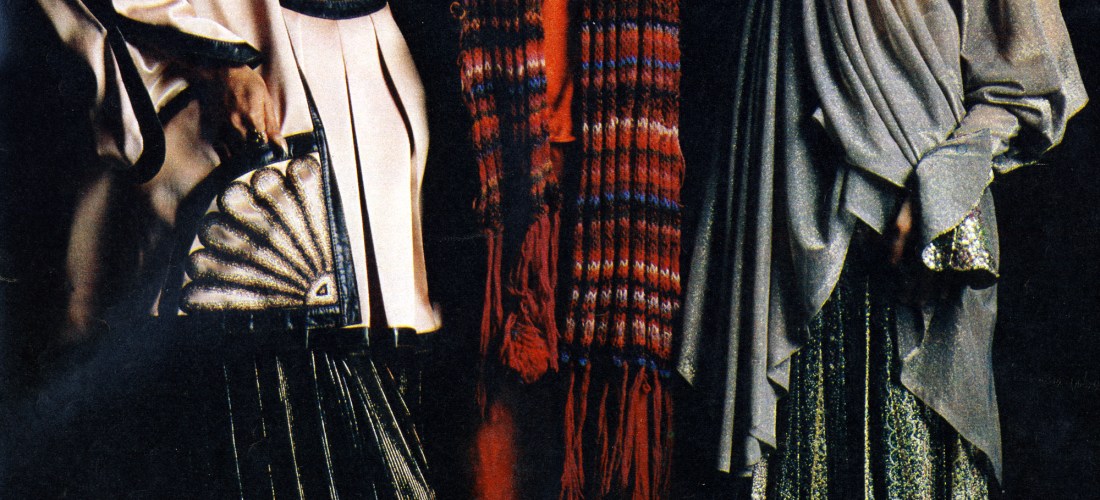
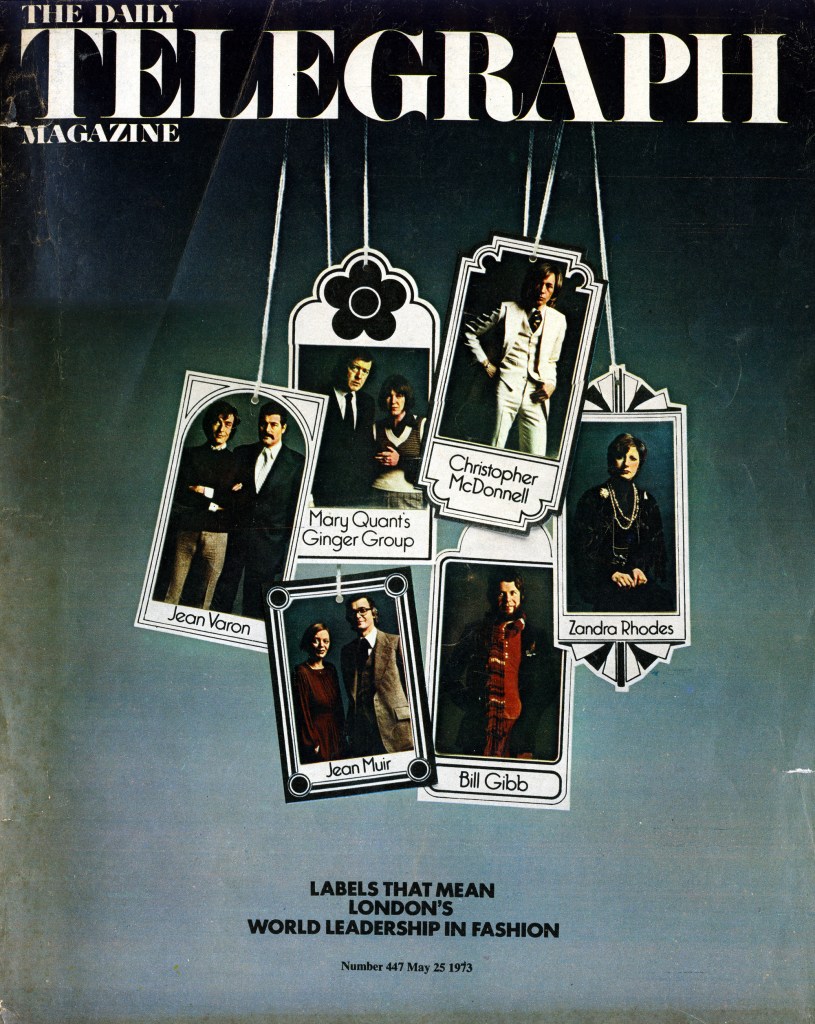
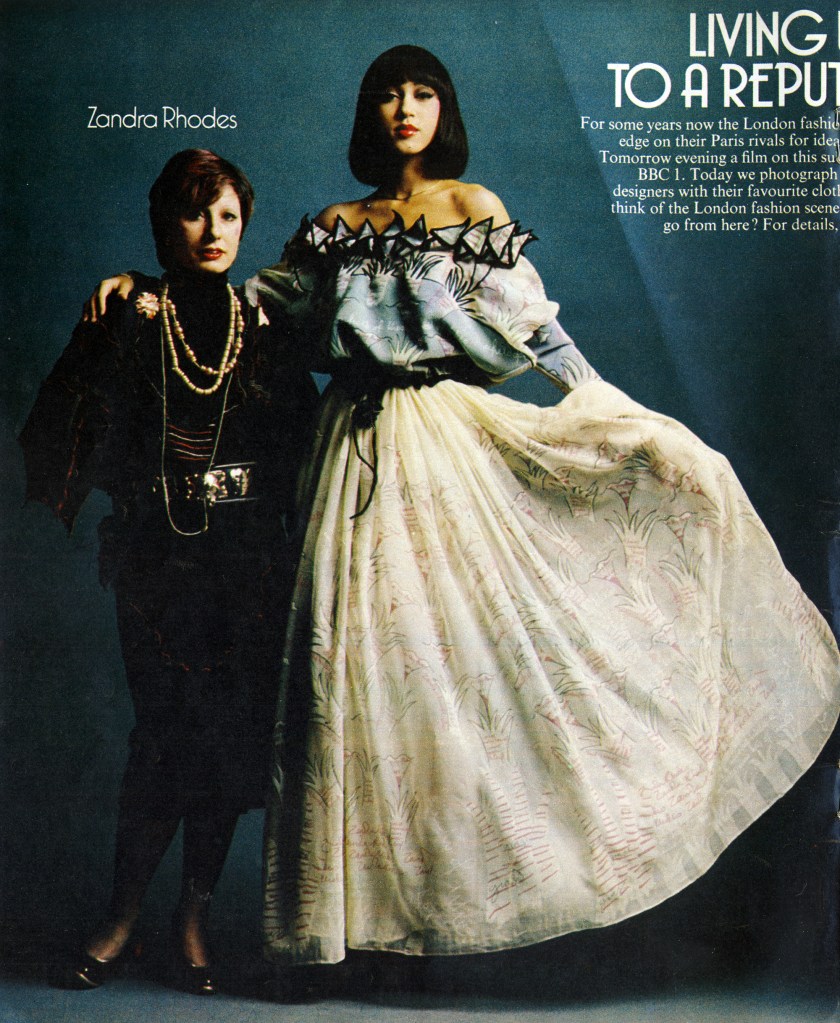
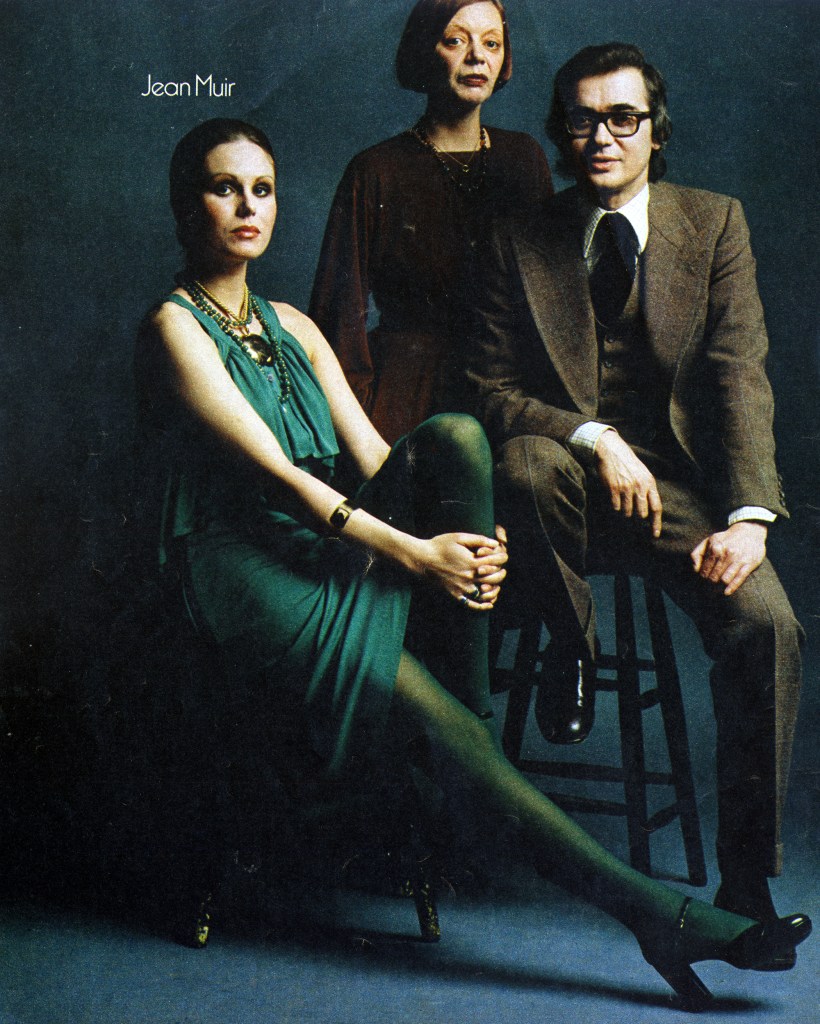
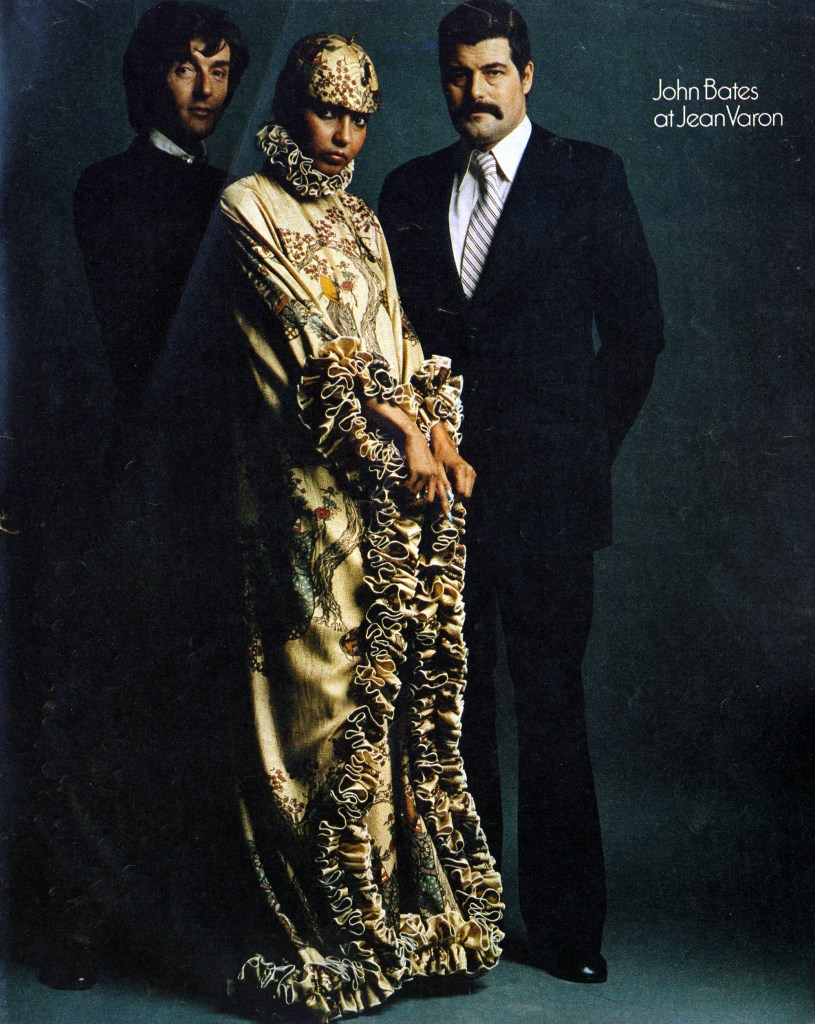
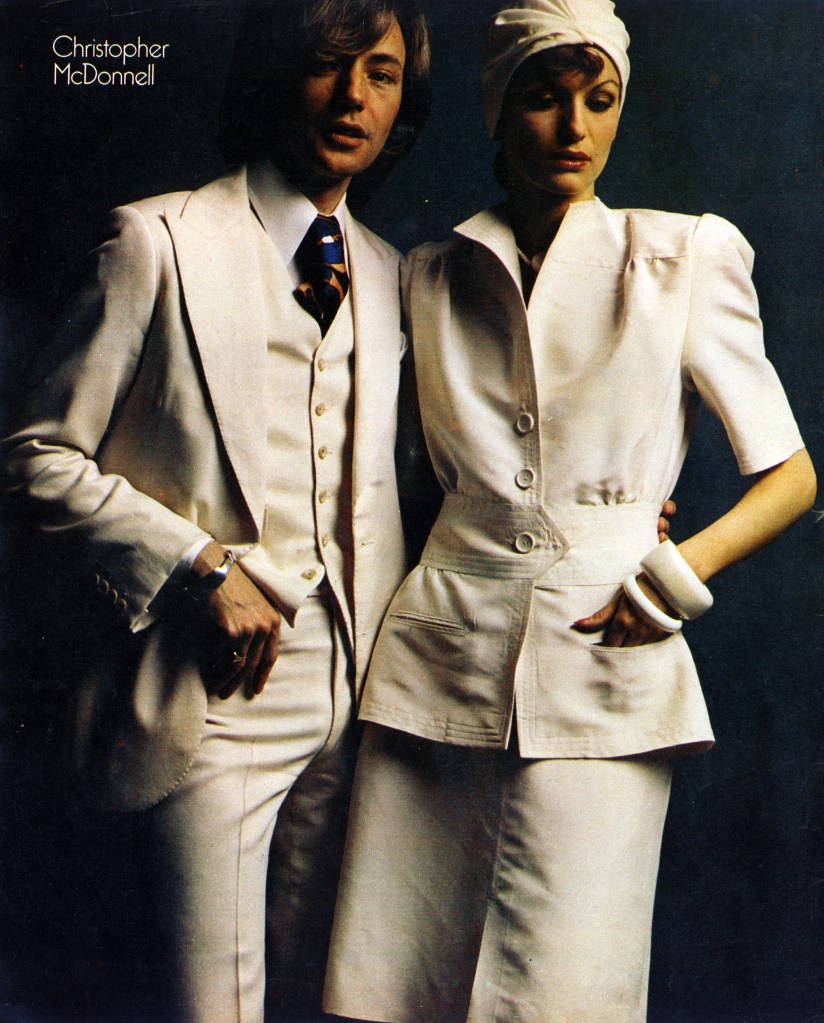
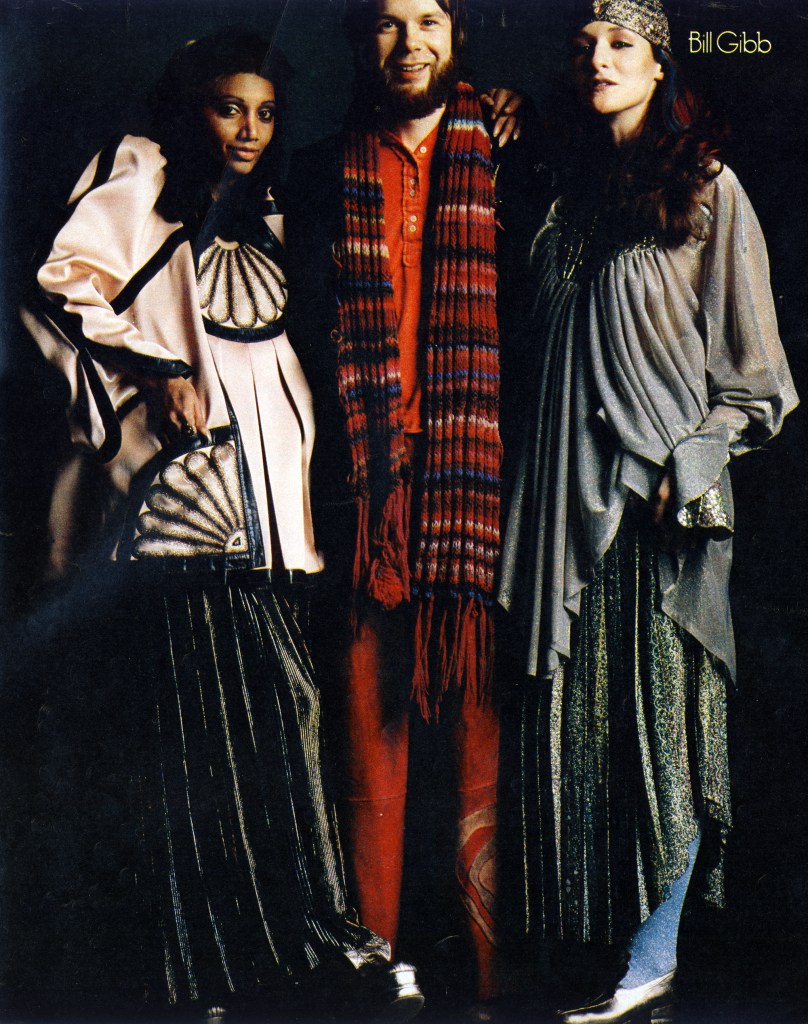
For some years now the London fashion designers have had the edge on their Paris rivals for ideas and innovations. Tomorrow evening a film on this subject will be shown on BBC1. Today we photograph the key London designers with their favourite clothes. What do they think of the London fashion scene? Where do we go from here?
Photographed by Terence Donovan. Fashion by Cherry Twiss.
Scanned from The Telegraph Magazine, May 25th 1973.

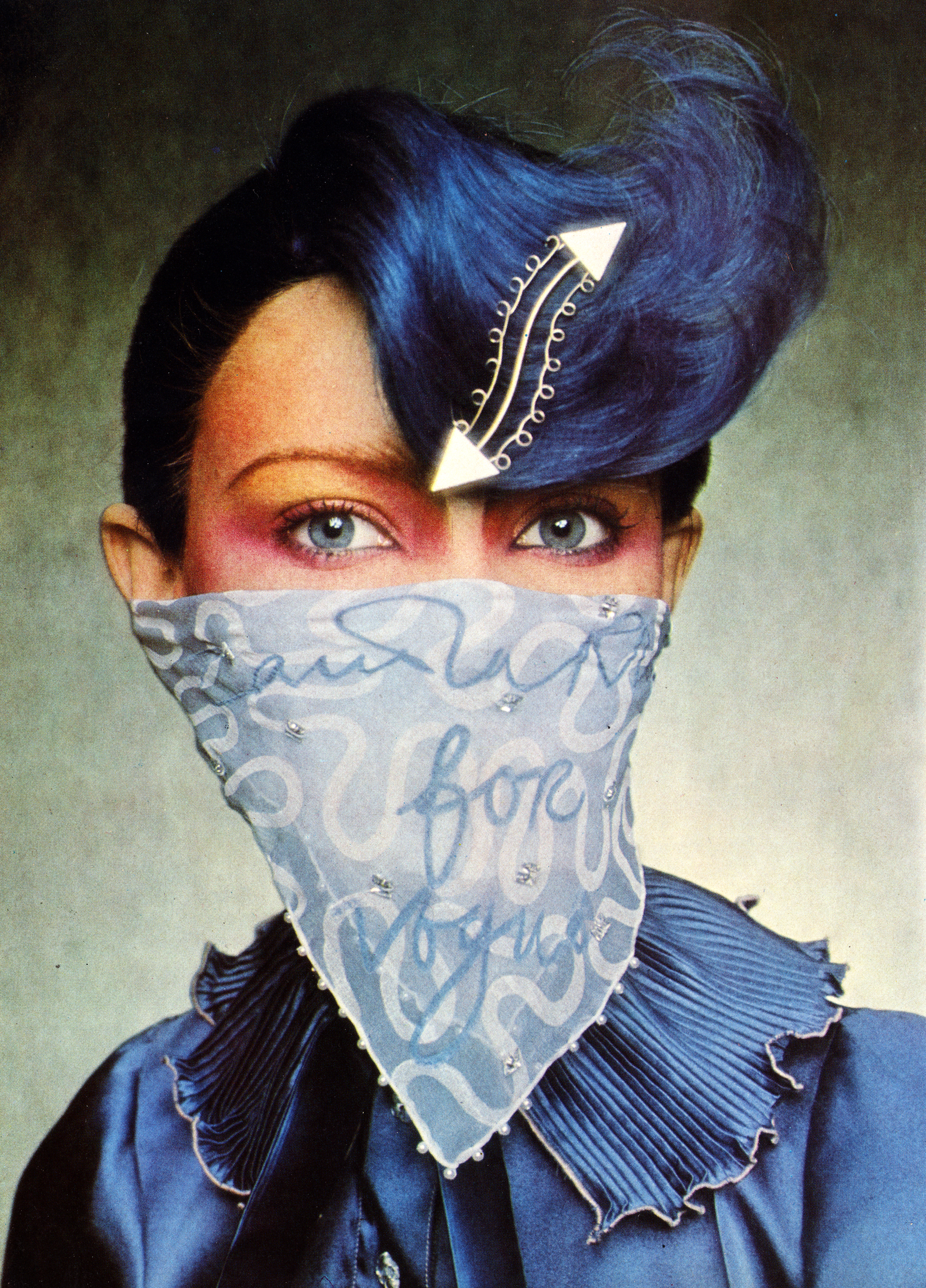
If it’s blue hair and pink eye make-up, it must be Zandra Rhodes. And if it’s a diamante studded chiffon kerchief, it must be Zandra’s Christmas present idea. Inscribed ‘Zandra Rhodes for X’, it costs from £12.50, witchball blue satin shirt, £40, at Zandra Rhodes. Blue quiff on a black wig coloured by Daniel, cut by John, at Leonard. Golden arrow pin by Mick Milligan for Zandra Rhodes. Make-up by Richard Sharah using Mary Quant.
Photographed by Barry Lategan
Scanned from Vogue, December 1975.
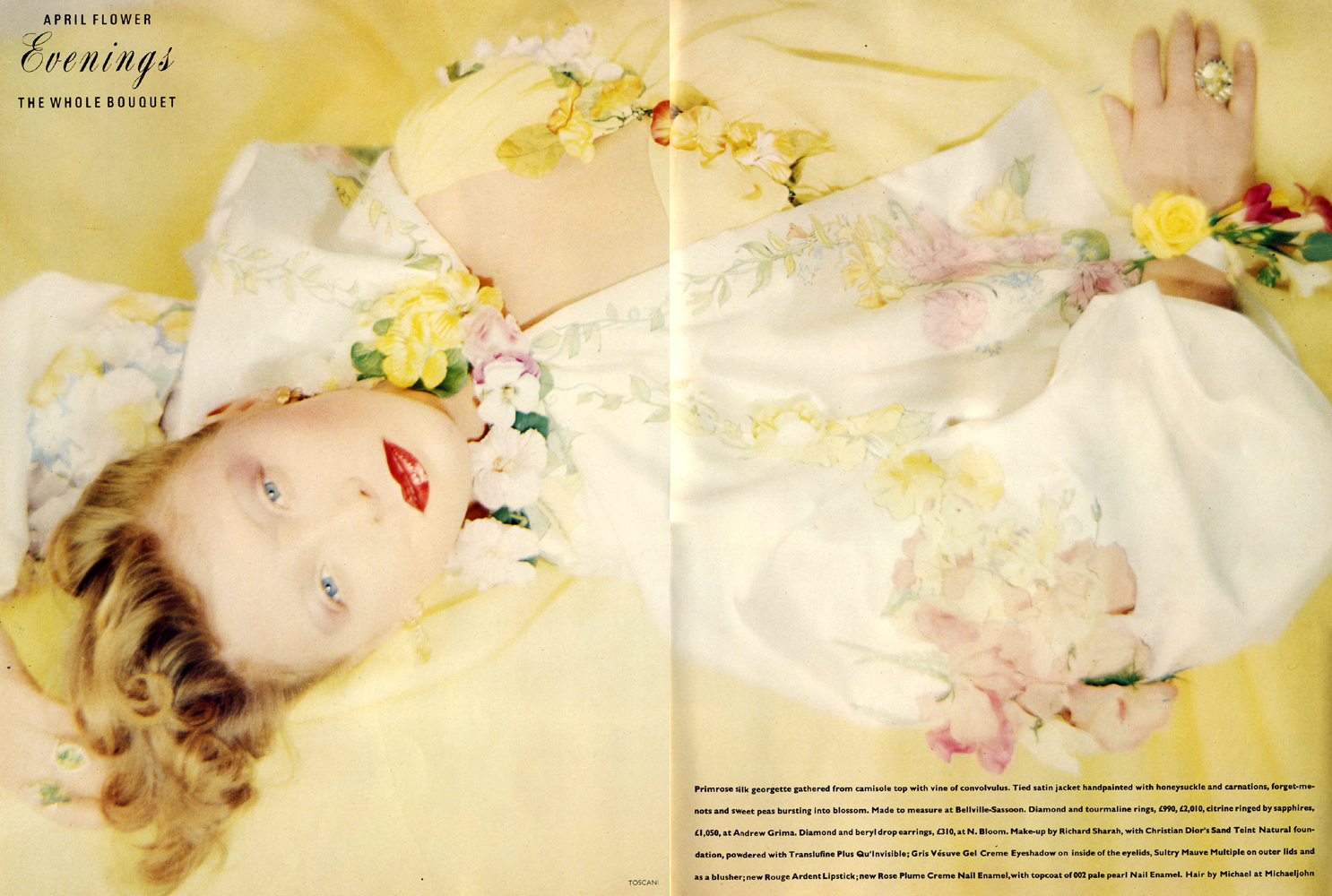
Primrose silk georgette camisole top and handpainted satin jacket by Bellville-Sassoon.
Delicate flower evening dresses, in silks and chiffons… Beauty far beyond the English flower garden…
Photographed by Toscani. Make-up by Richard Sharah.
Scanned from Vogue, April 1975.
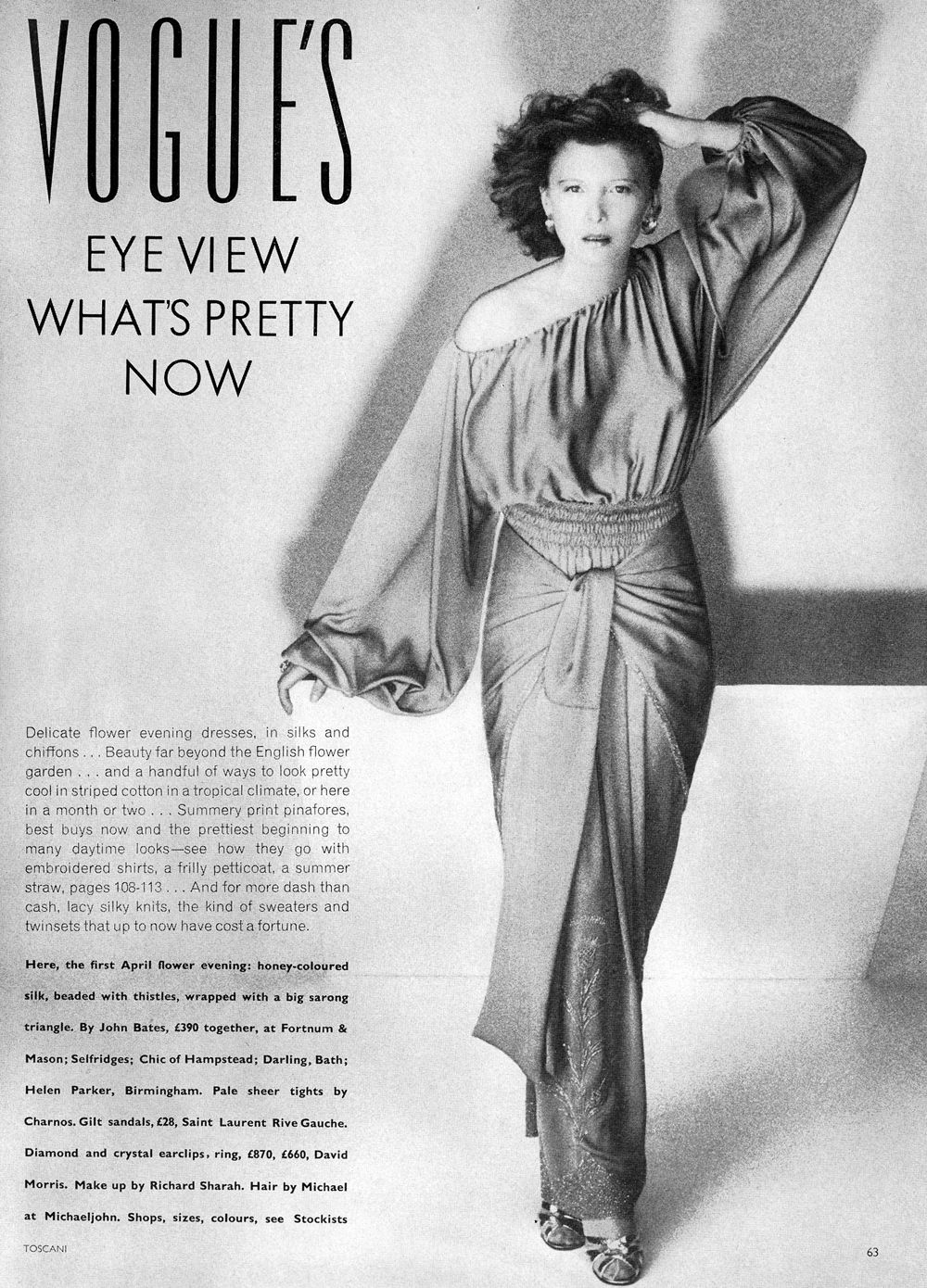
Honey coloured silk dress by John Bates. Sandals by Saint Laurent Rive Gauche.
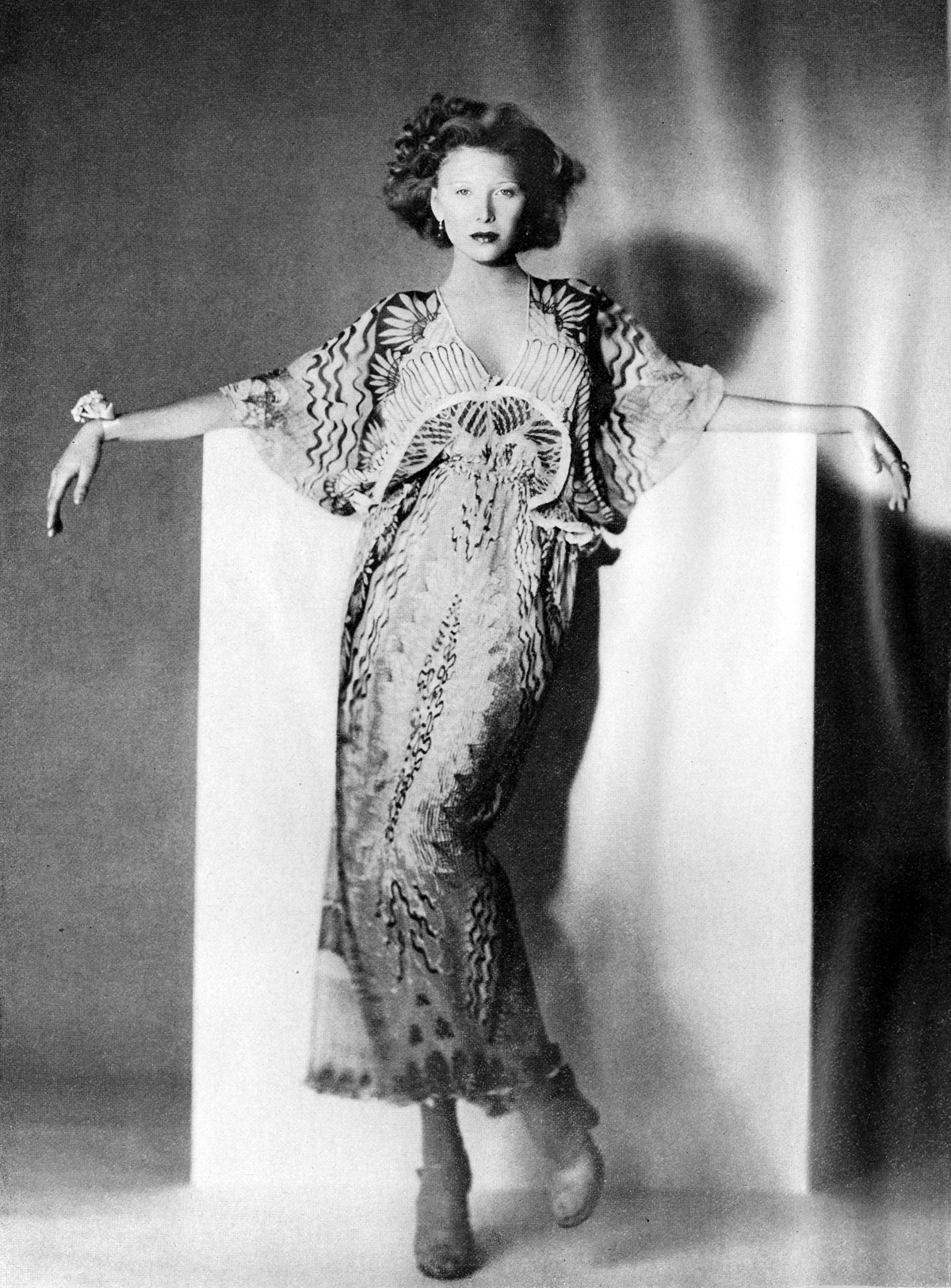
Silk chiffon by Zandra Rhodes. Pink sandals by Rayne.
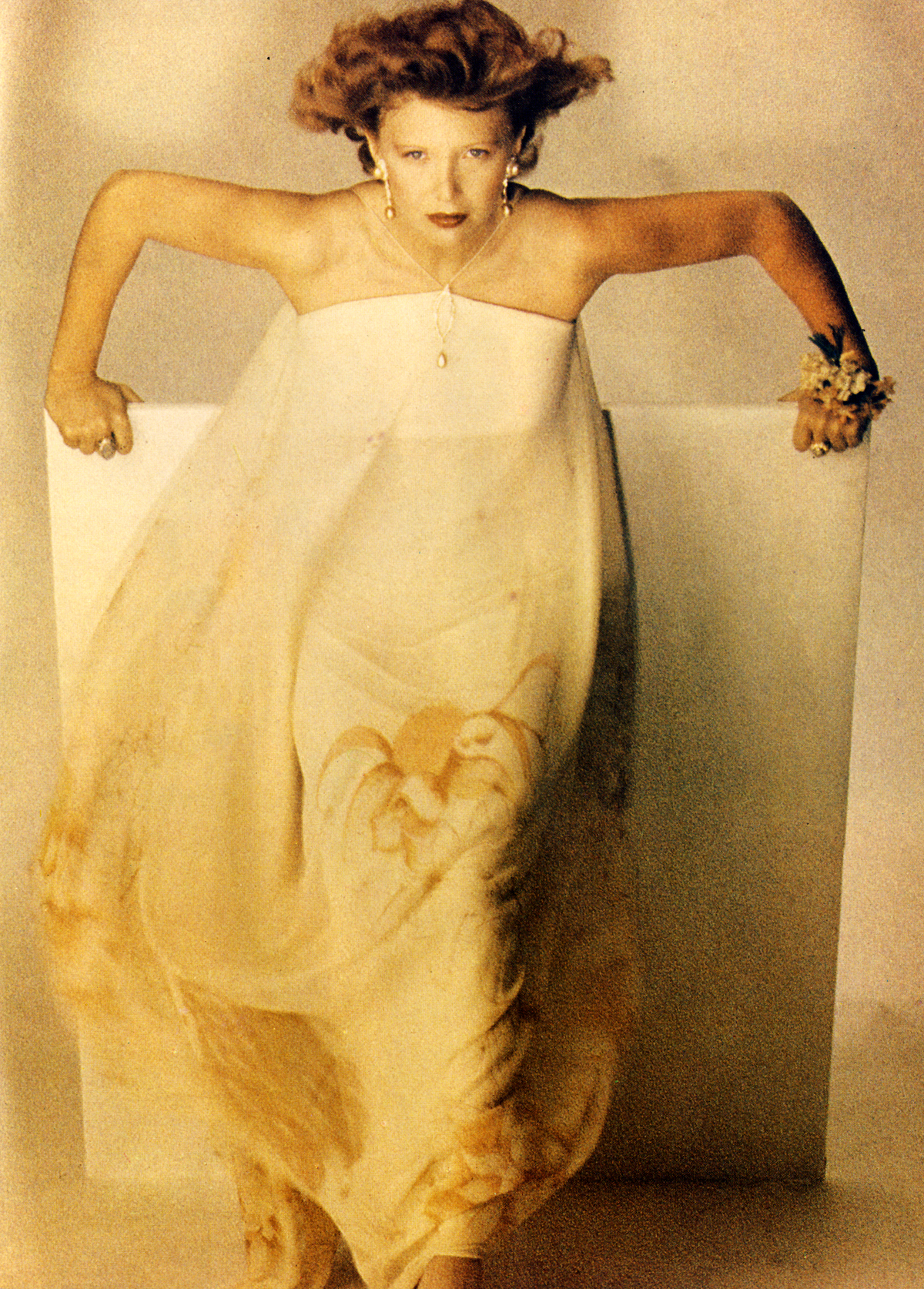
Banana silk georgette printed with apricot flowers by Yuki.
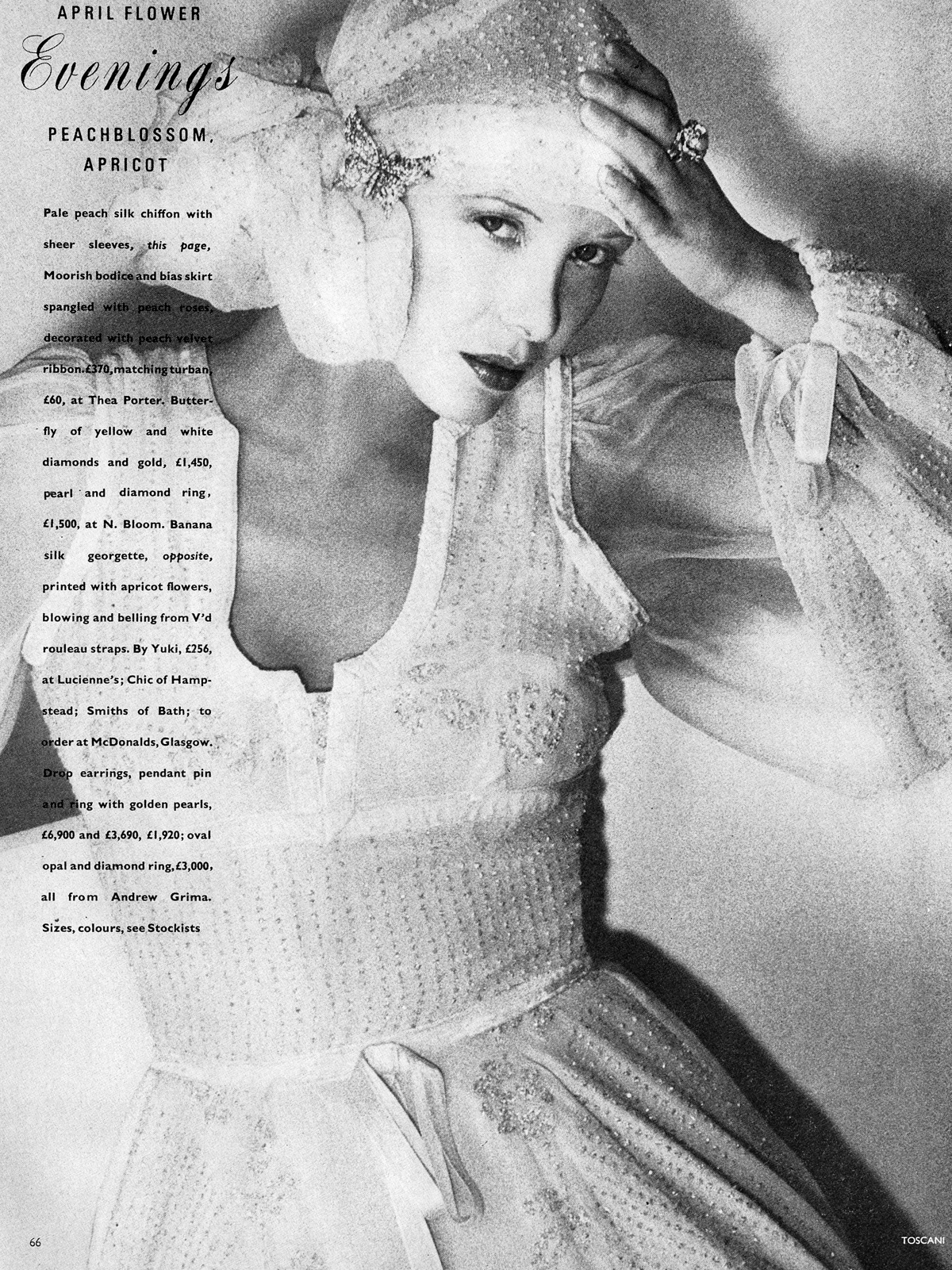
Pale peach silk chiffon with sheer sleeves by Thea Porter.
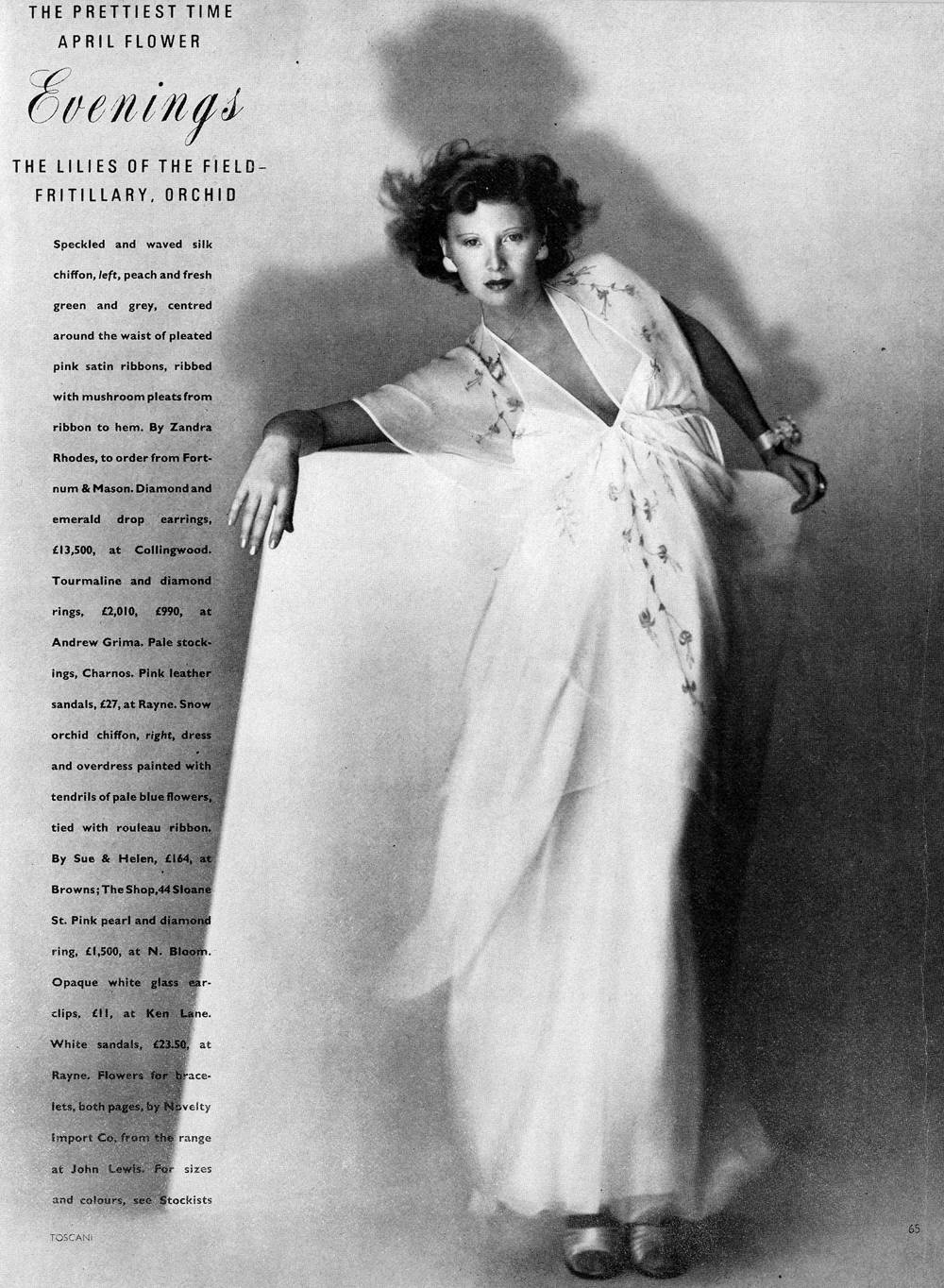
Snow orchid chiffon by Sue & Helen. White sandals by Rayne.
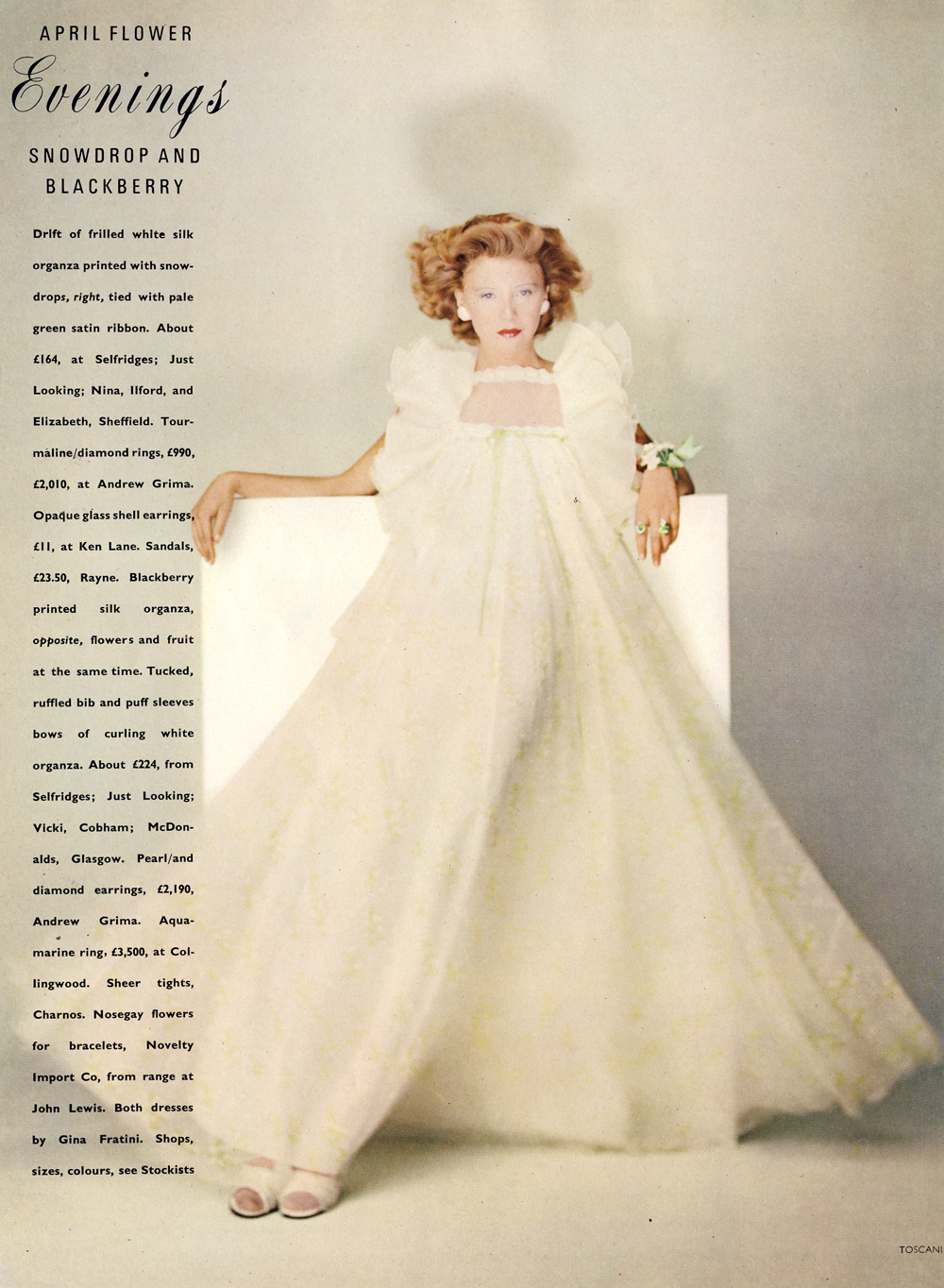
Drift of frilled white silk organza printed with snowdrops by Gina Fratini. Sandals by Rayne.
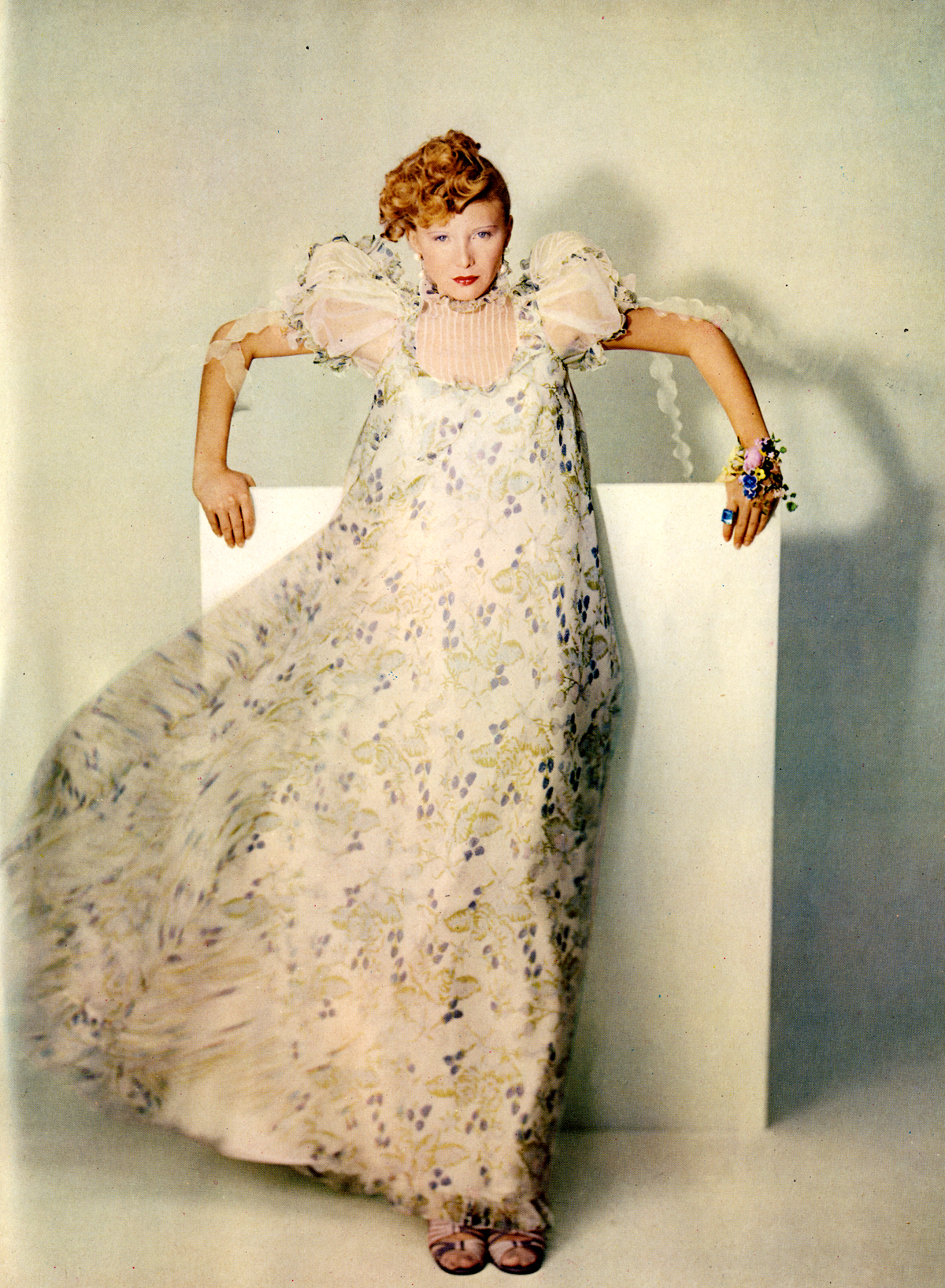
Blackberry printed organza by Gina Fratini.
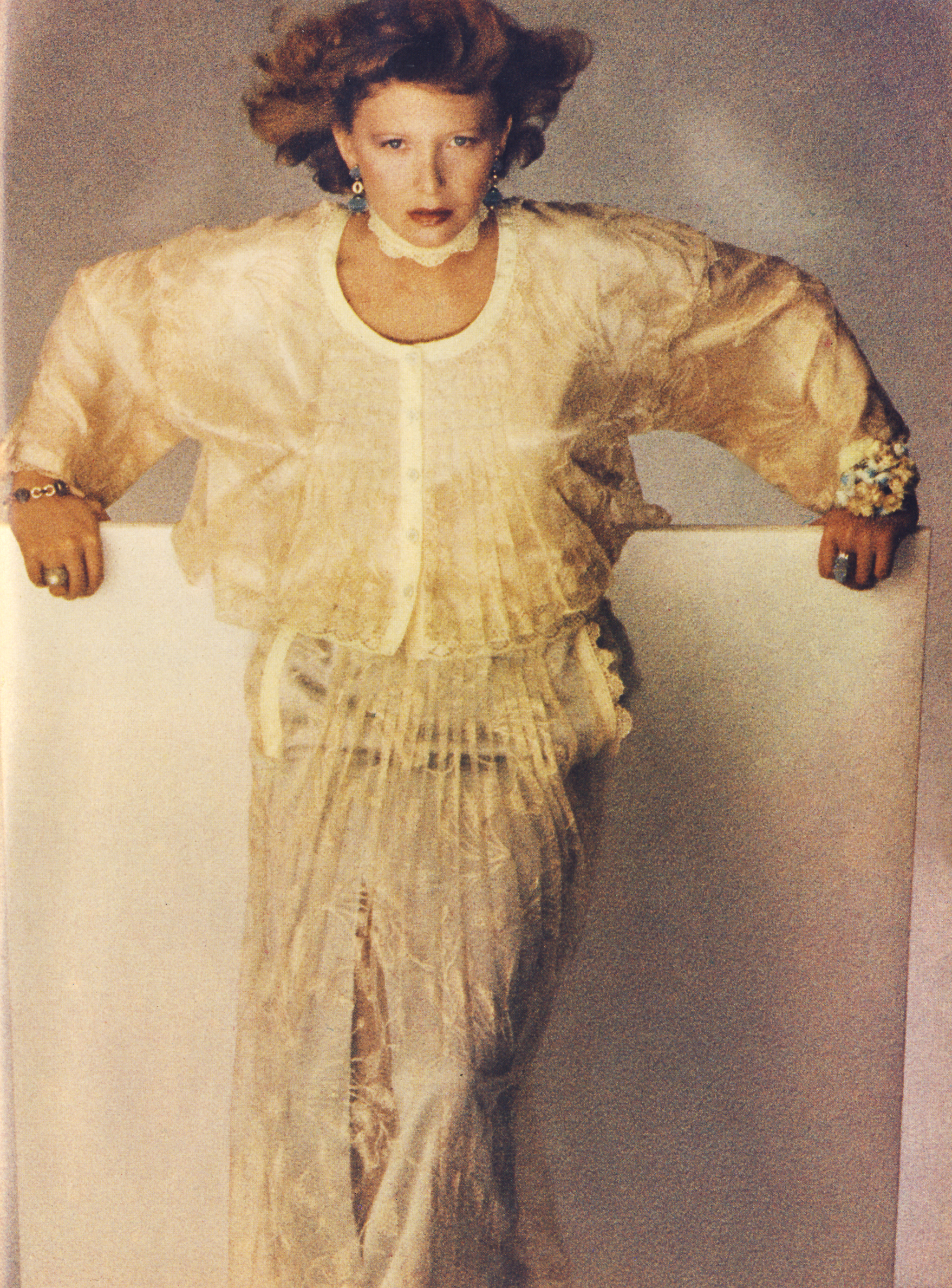
Cream lace jacket and skirt by Bill Gibb.
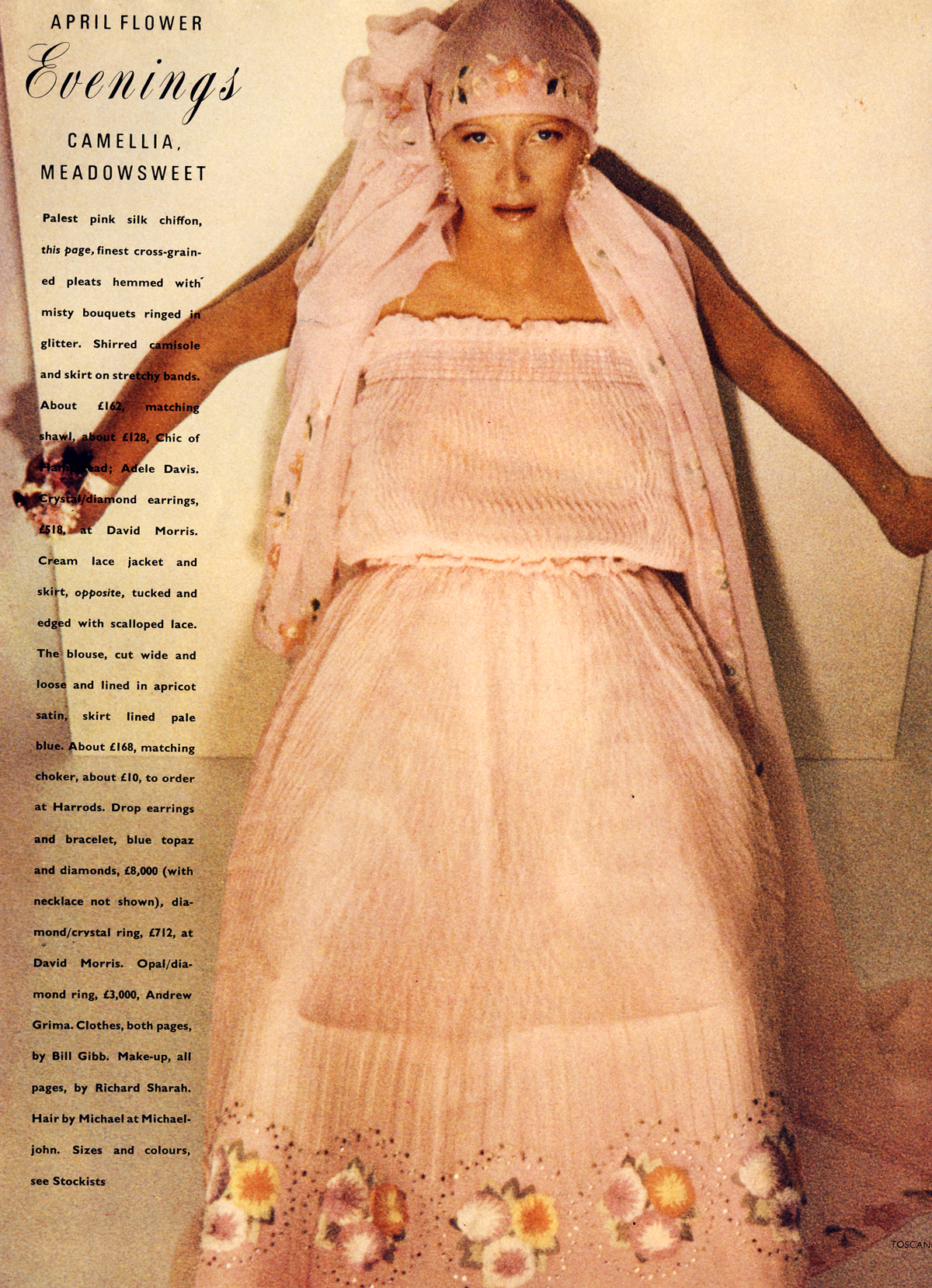
Palest pink silk chiffon by Bill Gibb.
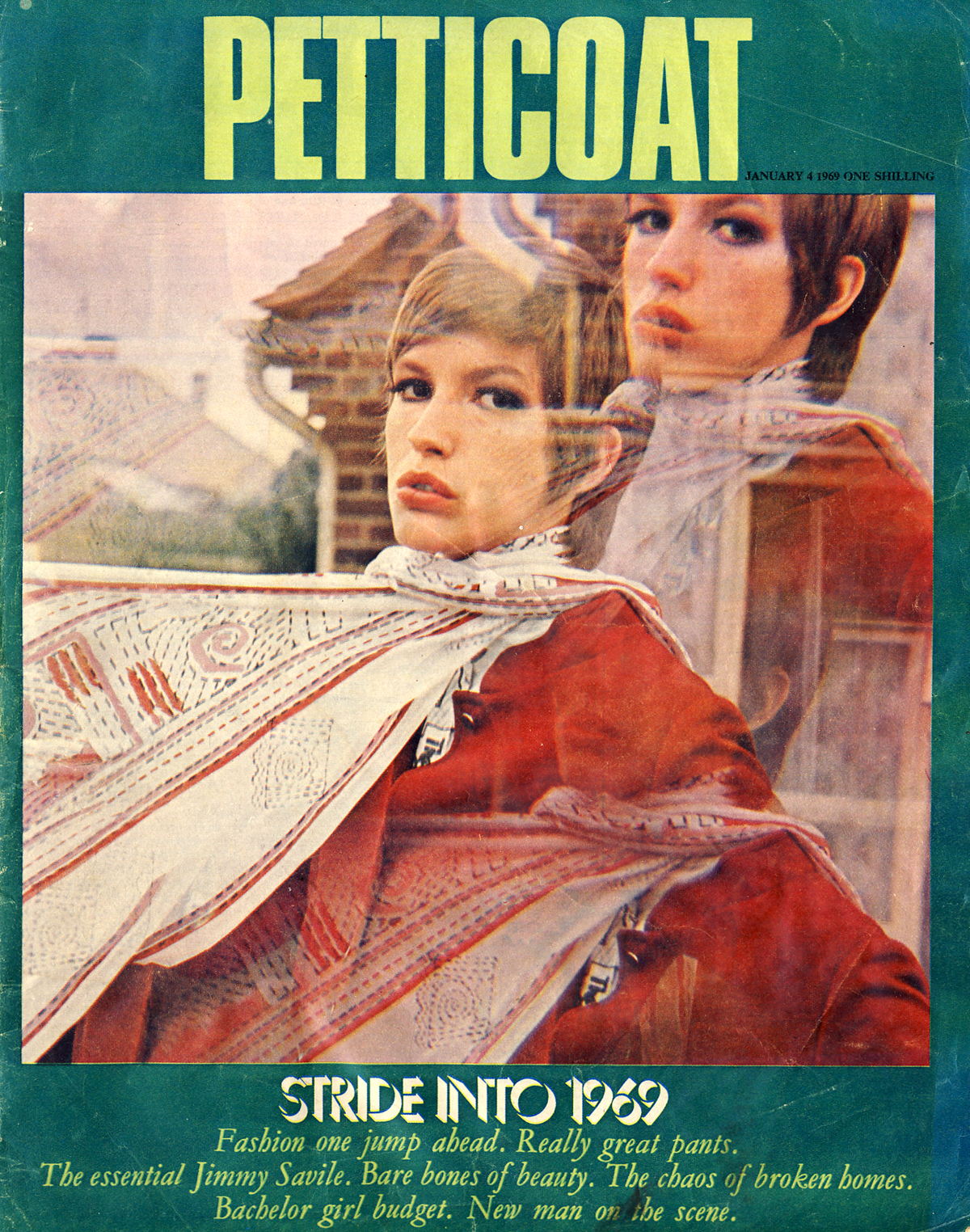
Be an exhibitionist. Entwine yourself with yards of machine-age screen printed scarf by Sylvia Ayton and Zandra Rhodes.
Why wait; be bold, be brave, stay cool! Now – before all the sheep latch onto the look for ’69. Ignore us if you like, but if we’re right (and we think we are) you could be way ahead of the crowd.
Janet Street-Porter modelling clothes by the immensely brilliant combination of Sylvia Ayton and Zandra Rhodes, whose short-lived Fulham Road Clothes Shop is one of the rarest and grooviest boutique labels.
Photographed by Tim Street-Porter.
Scanned by Miss Peelpants from Petticoat, January 1969.
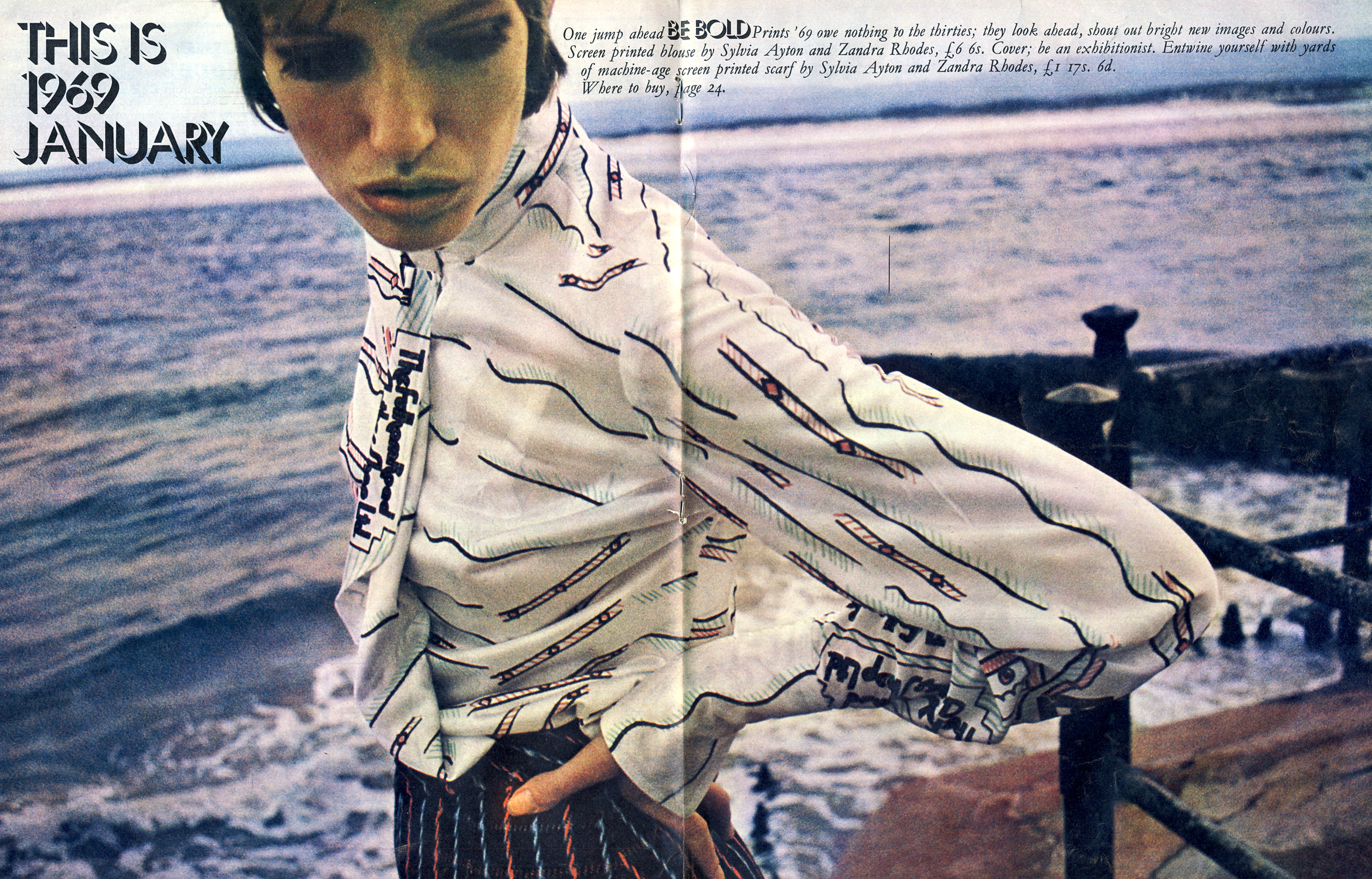
BE BOLD. Prints in 1969 owe nothing to the thirties; they look ahead, shout out bright new images and colours. Screen printed blouse by Sylvia Ayton and Zandra Rhodes.
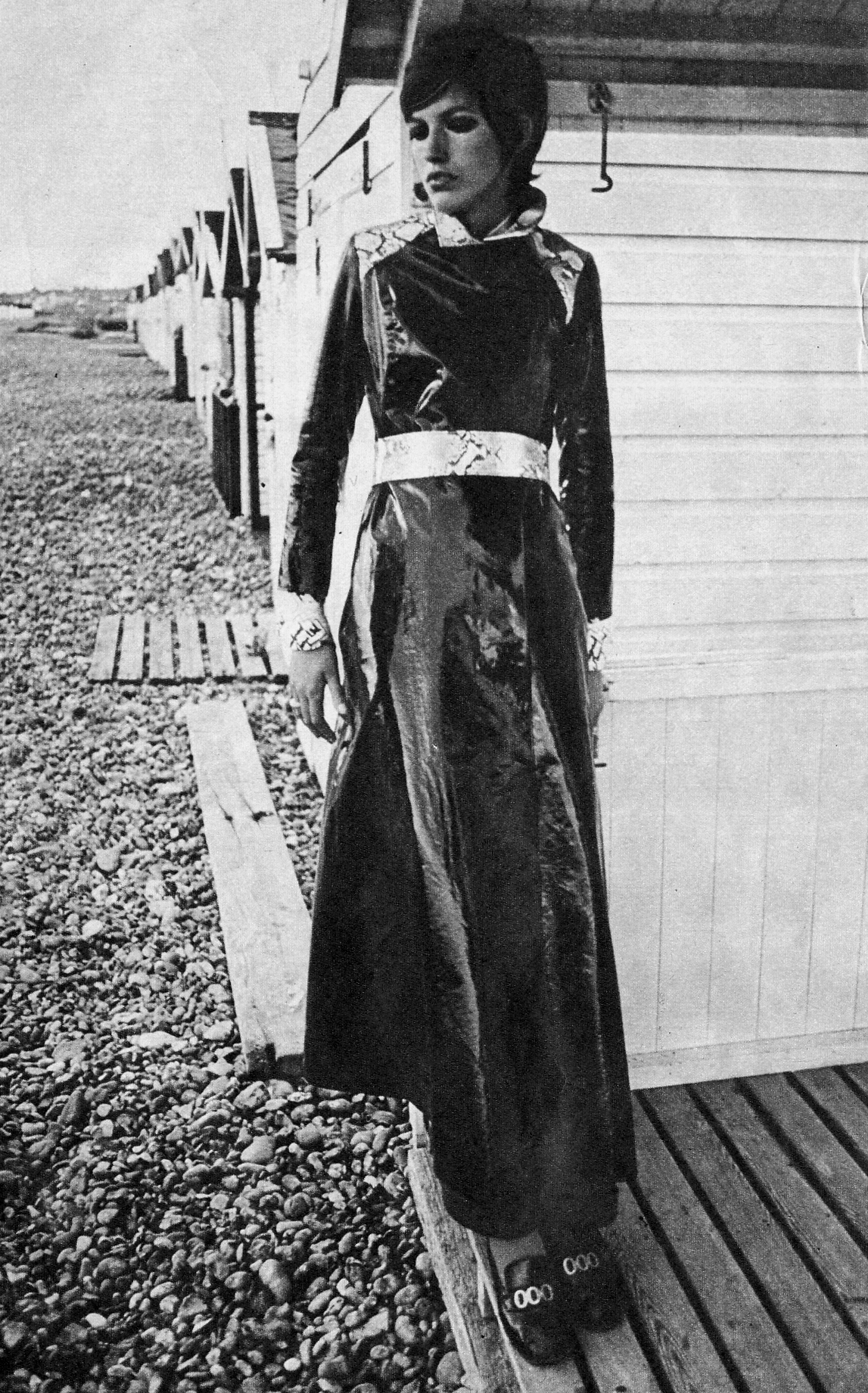
BE BRAVE. Dare to wear the most sensational raincoat we’ve seen for ages. Why wear mini coats when your knees are freezing and soggy. Plastivamp black PVC and snakeskin printed PVC raincoat by Sylvia Ayton and Zandra Rhodes.
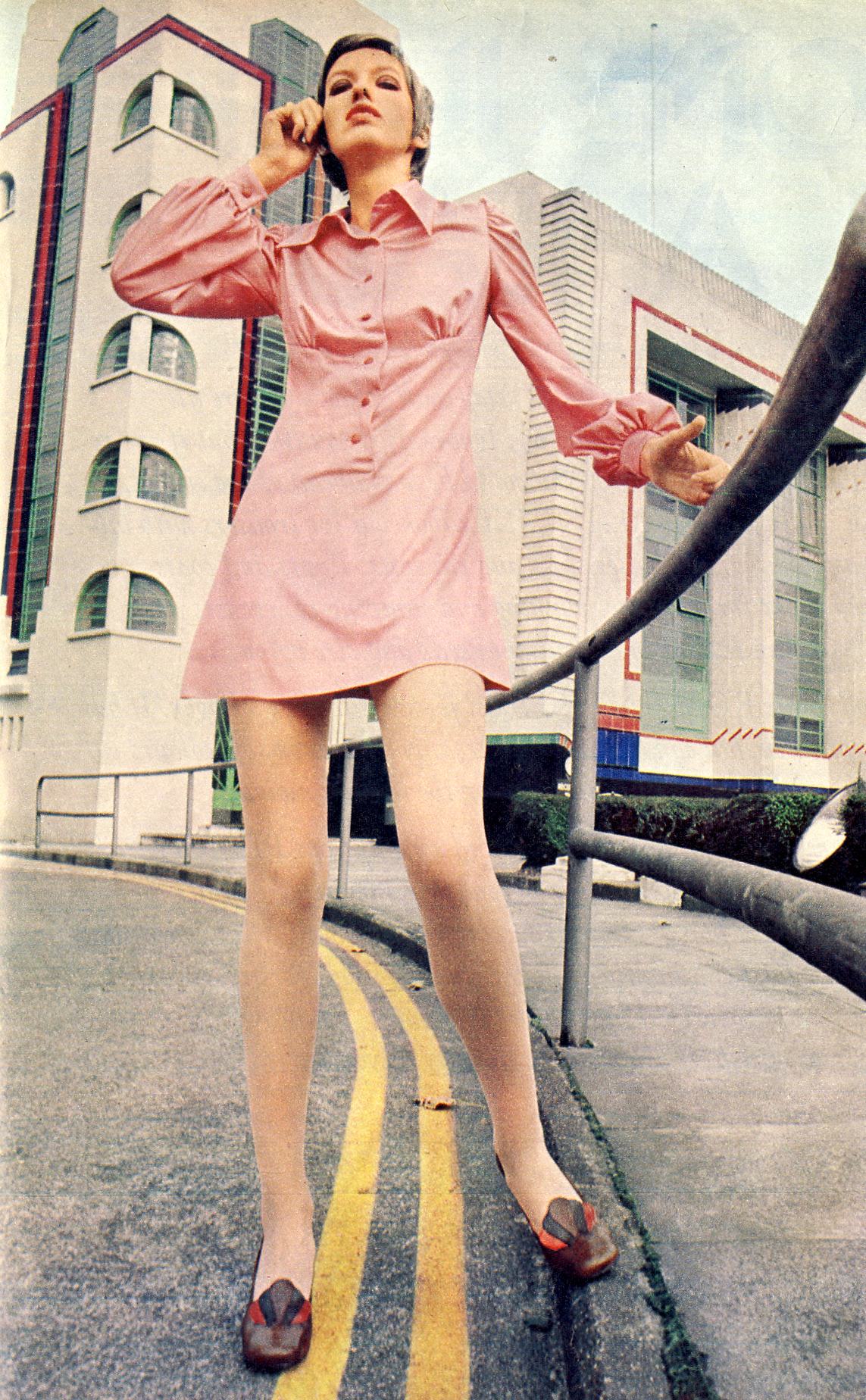
BE BRIGHT. Last year’s after-dark shiners are this spring’s day-time gleamers; pinky orange tricel jersey shirt dress with full sleeves by Simon Massey. Shoes by Lilley & Skinner.
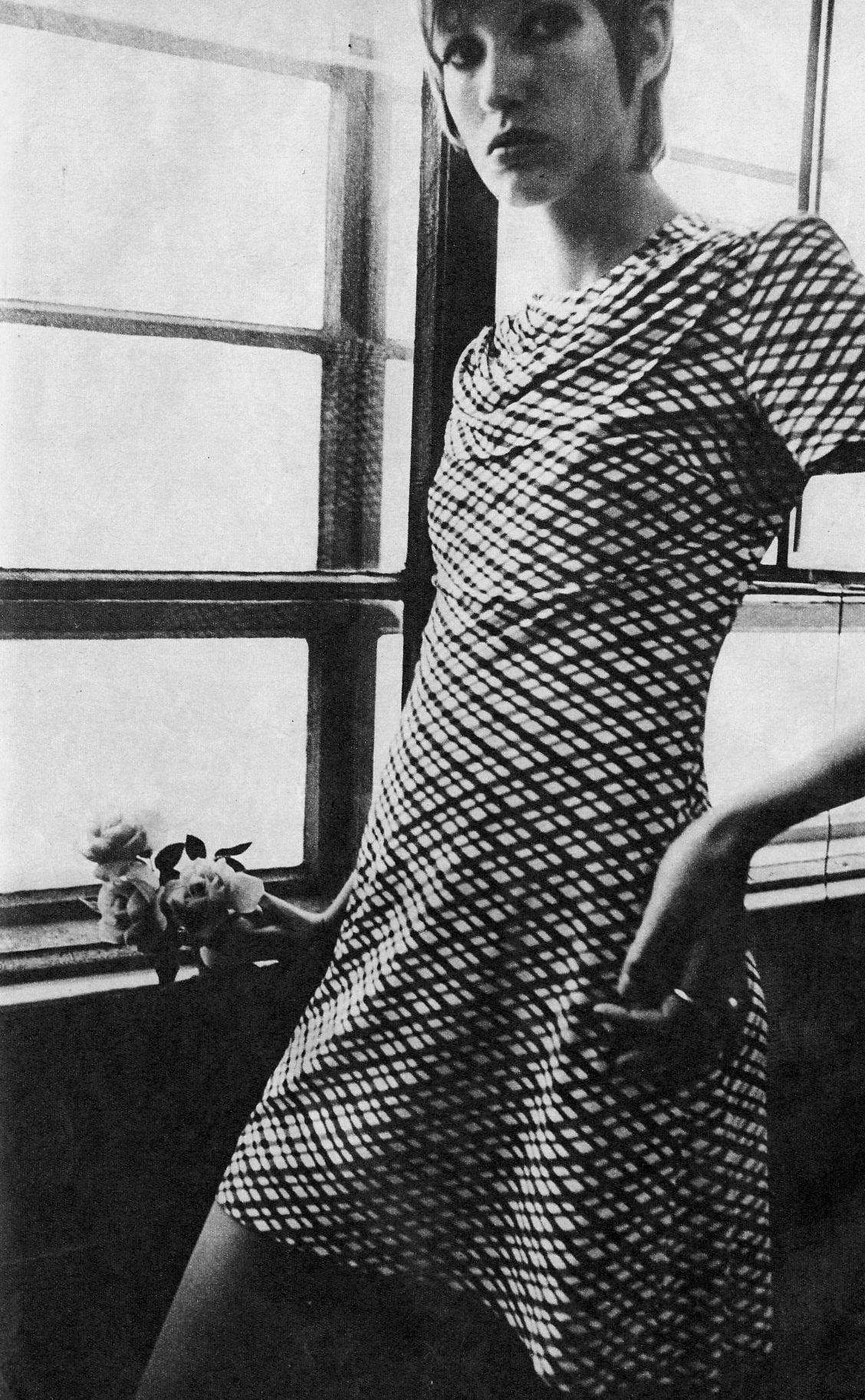
BE COOL. The new fabric cut the new way; clinging Tricel jersey frock with a neckline that mum would remember. Navy and white checked dress by Simon Massey.
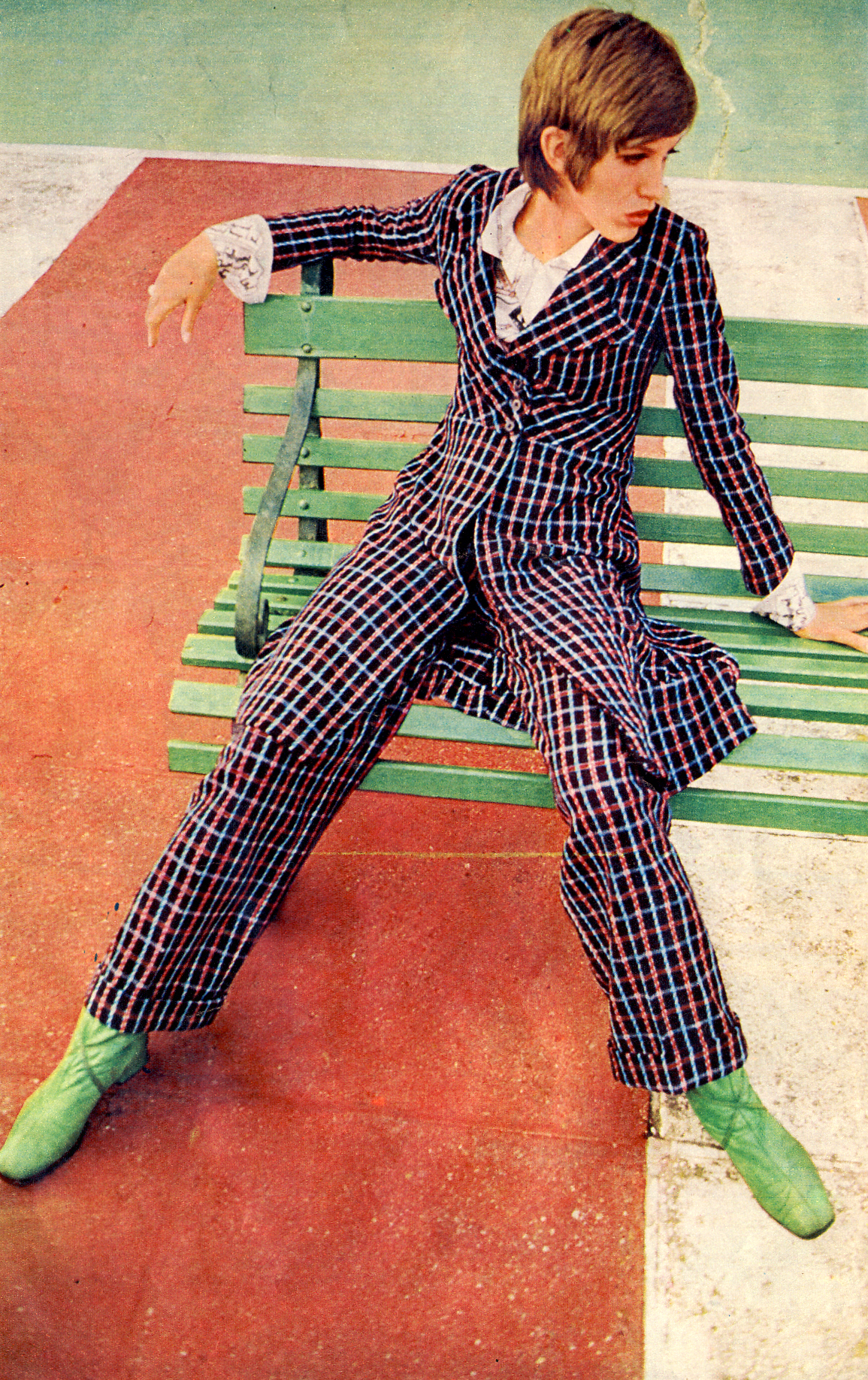
BE BRASH. Vulgar colours are carefully teamed and tastefully cut. Action-packed tweed trousers (with high fitted waistband and turn ups) together with waitsed and flared matching coat by Sylvia Ayton and Zandra Rhodes.
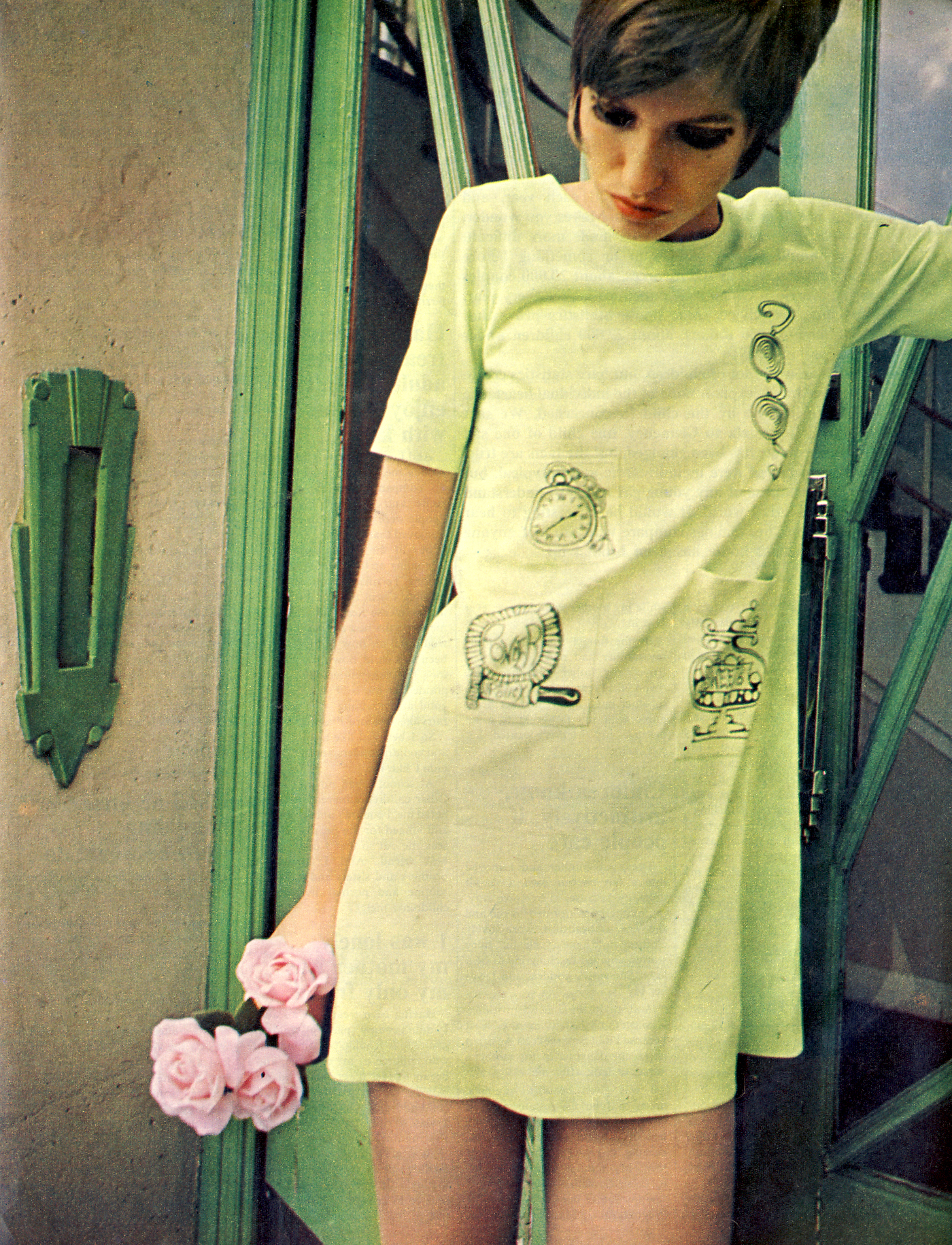
BE WITTY. Dare to laugh at yourself a little; see the funny side of fashion as well s the serious. Mint green courtelle jersey dress with handy pockets for sweeties, by Travers Tempos.
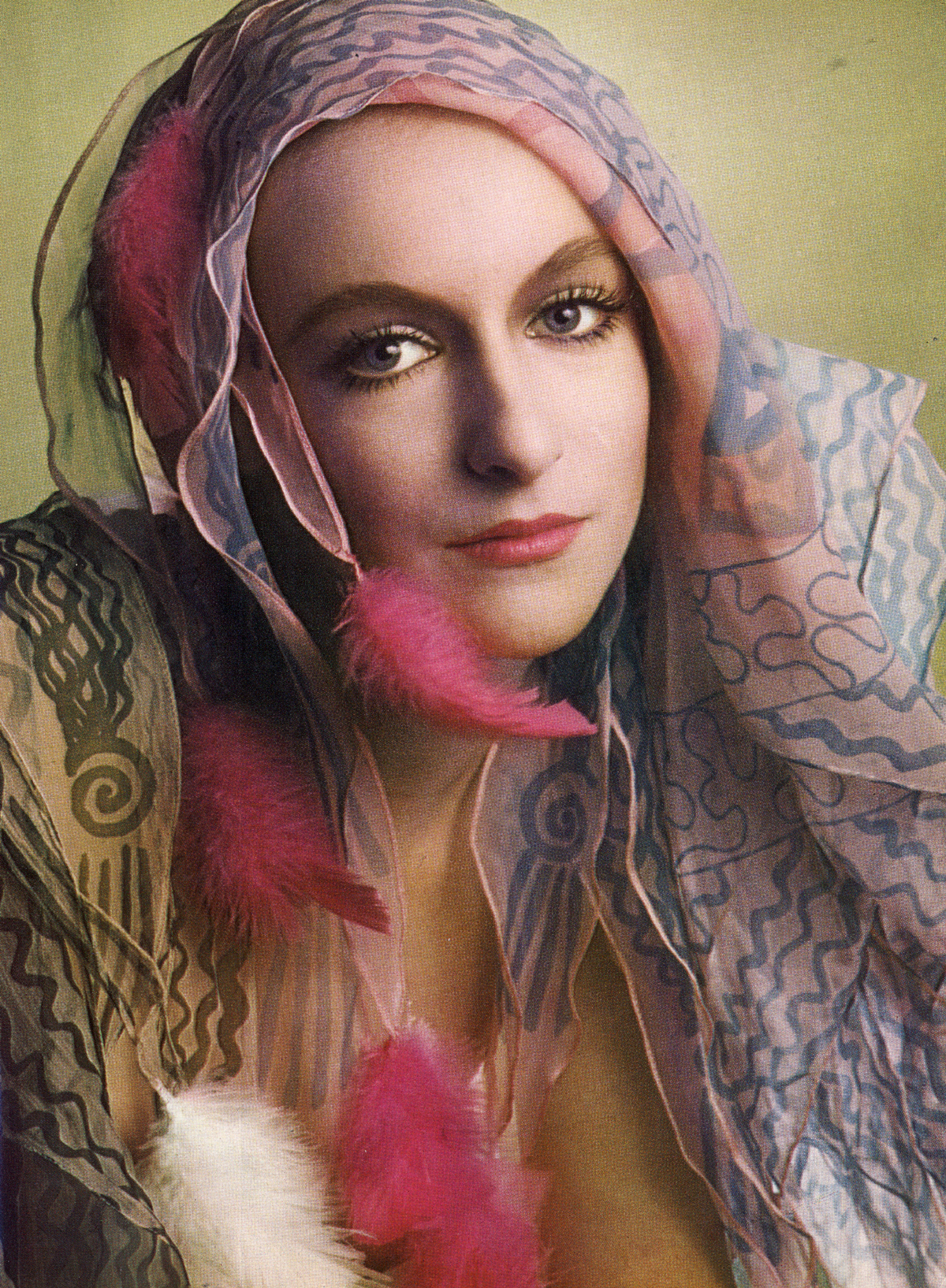
Alice Ormsby-Gore wearing Zandra Rhodes.
Make-up by Pablo Zappi-Manzoni at Elizabeth Arden.
Photographed by Clive Arrowsmith.
Scanned by Miss Peelpants from Beauty in Vogue, 1970.
 Liz Eggleston