A python in her room

1960s, 1970s, Art Kane, Inspirational Images, Margrit Ramme, Queen magazine, thea porter

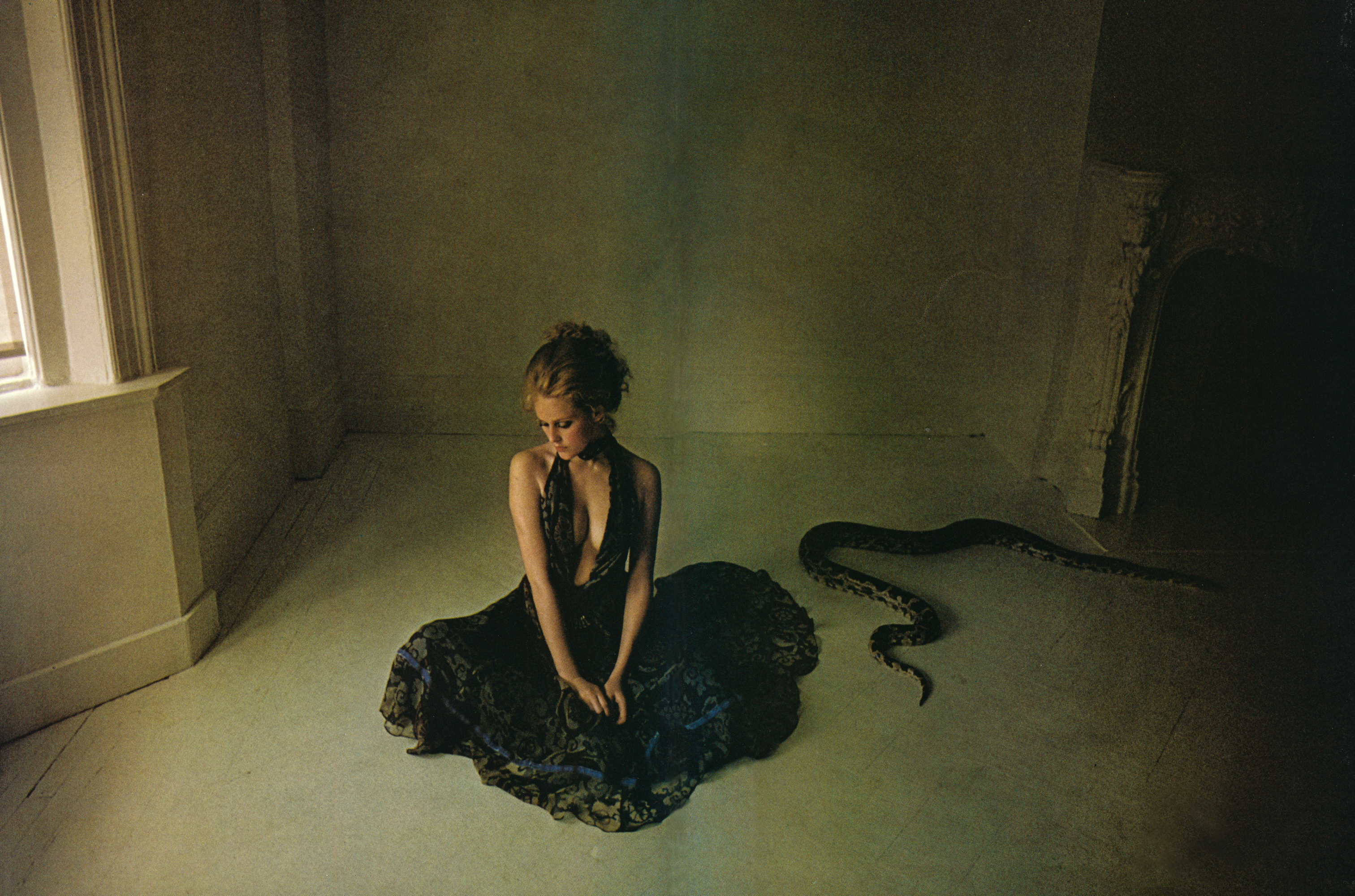
“You love your boyfriend and he’s left you. You’re alone in a big city and an empty apartment.” Kane had not yet picked up his camera, but Margrit Ramme was working on the sadness. She was also scared of the snake. The editors of Queen magazine had asked for an entire issue to be called “Art Kane’s New York,” including fashions, and he had said all right—but don’t expect to see laughing girls running down Fifth Avenue. He had just divorced his second wife, had not yet met Jean Pagliuso or photographed Larry Rivers, and felt fairly bitter.

If you want to call it Art Kane’s New York, he told Queen, you’ll have to accept pictures showing that the place right now is kind of empty for me. Righto, they said.

He left the studio and rummaged around for real-life locations. He had found the apartment on Gramercy Park, and decided to shoot the fashions there before the furniture came in. Truth is, he wasn’t motivated entirely by a desire to display his mood. Not only does training as an art director make him look for a theme when he has space for an essay, as against a bunch of random shots that just present the merchandise; Art Kane loves almost more than anything else to tell a story.

He also loves snakes. The first boy scout in the Bronx to get a Reptile Study merit badge, he kept 32 of them at home despite a mother who tried to make him flush the first one down the toilet.

This story would reflect the dilemma of a lovely woman—always beautifully dressed, of course—searching for a man, for identity, for something. A snake would be not only an obvious male symbol but also a reminder of a Garden of Eden to start it off. Since Kane had given, his collection to the Bronx Zoo when he was drafted, he called All-Tame Animals, a pro-vider of non-human performers in New York. They referred him to a snake owner in one of the city’s residential hotels, asking that he be discreet; she would be evicted if the manage-ment discovered that she kept a boa constrictor and a python in her room. So Kane was Uncle Joe when he called to ask about Cousin Bea: “She must be a really big girl by now. Oh, six feet six, that sounds good.” And Patricia? “Over eight feet tall? My goodness.” He went over to see them. Their owner showed him the boa in her bathtub and pulled the python out of a closet. “Terrific,” he said. “Bring them up to my place at 10 o’clock tomorrow.”

When she arrived with the snakes in a laundry bag, Kane was moving white window shades up and down, studying the way they filtered the natural light he would use all day. Morning light came softly through the west-facing windows of the living room. He arranged the python, then stood back to peer through a Nikon. Moving forward, back, left, right, he kept the model close to the center of the frame. He was using a 24mm lens, not only for depth of field that would keep the picture sharp from front to back but also to make objects near the edges seem to lean away, focusing attention on the center.

“Okay, Margrit, you’re unhappy, unaware, the two of you can never really come together. . . .” Bracketing—one shot at a normal exposure, one above, one below—he redesigned the picture as he moved. “That’s it, keep it, keep it,” he told her when he liked what was happening. “Now, hold every pose for three clicks and then change … Beautiful. Now keep that until I say stop. I want to explore this until we’ve eaten it up.”

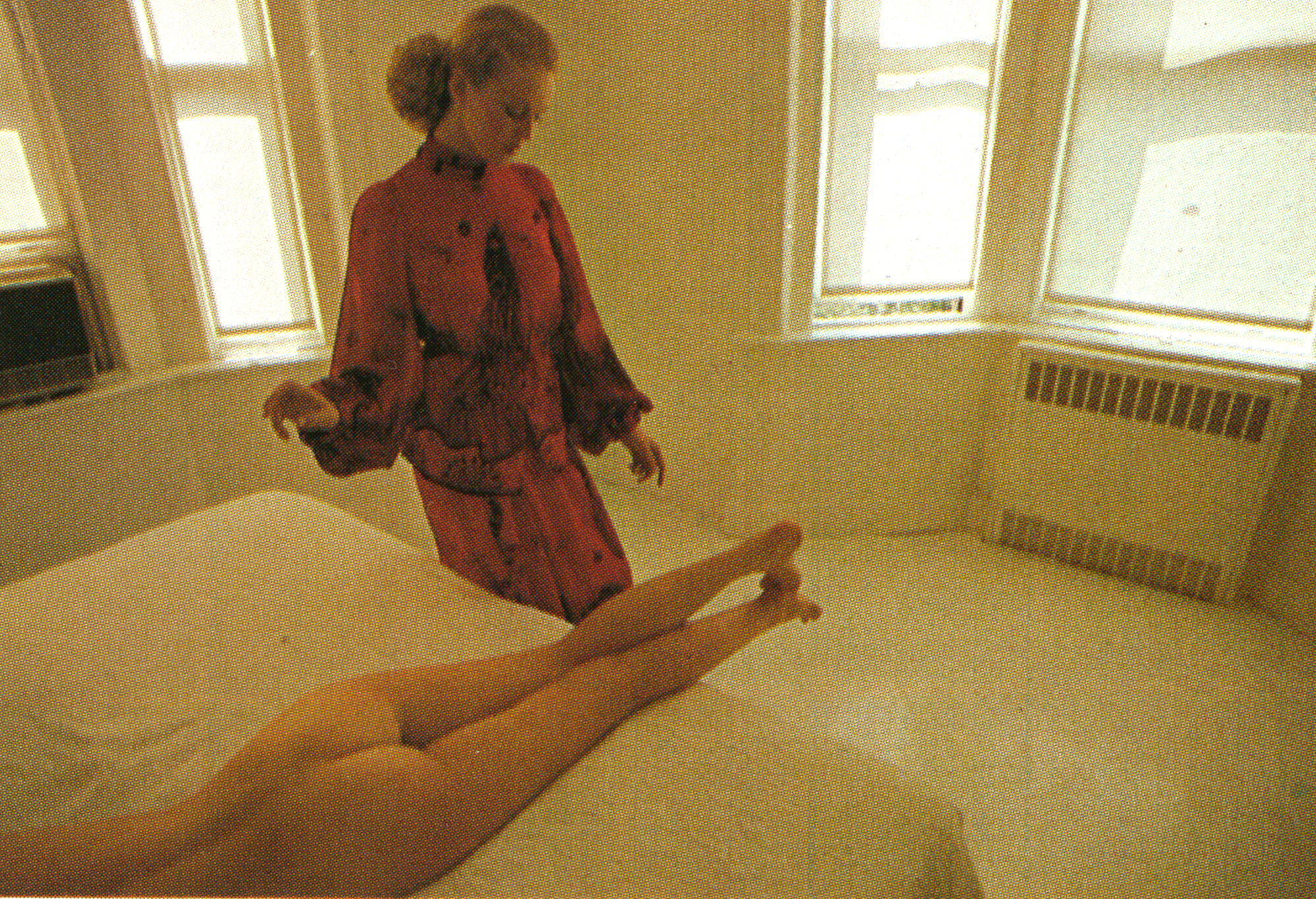
Ninety minutes later he had eaten up the male-female situation (above) and moved to the bedroom (below) to set up an identity problem. A second model had arrived. “You’re clothed and you’re naked,” Kane said, “you’re really the same woman, trying to figure out who you are.” This time he wanted to stretch the image more alarmingly toward the edges, so he put on the 21mm lens that he had used to shock the editors of Vogue on his first fashion assignment.

Images originally published in Queen magazine .

(date not given but looks circa 1969/70 to me, especially given Queen merged with Harpers Bazaar in 1970).

Clothes are uncredited here but both look like Thea Porter to me.

Photographed by Art Kane.

Scanned from Art Kane: The Persuasive Image, 1975.
Scents of Smell

19 magazine, 1970s, hand tinting, Inspirational Images, james wedge, japonisme, Make-up, marie helvin, Mitsukiku, photomontage
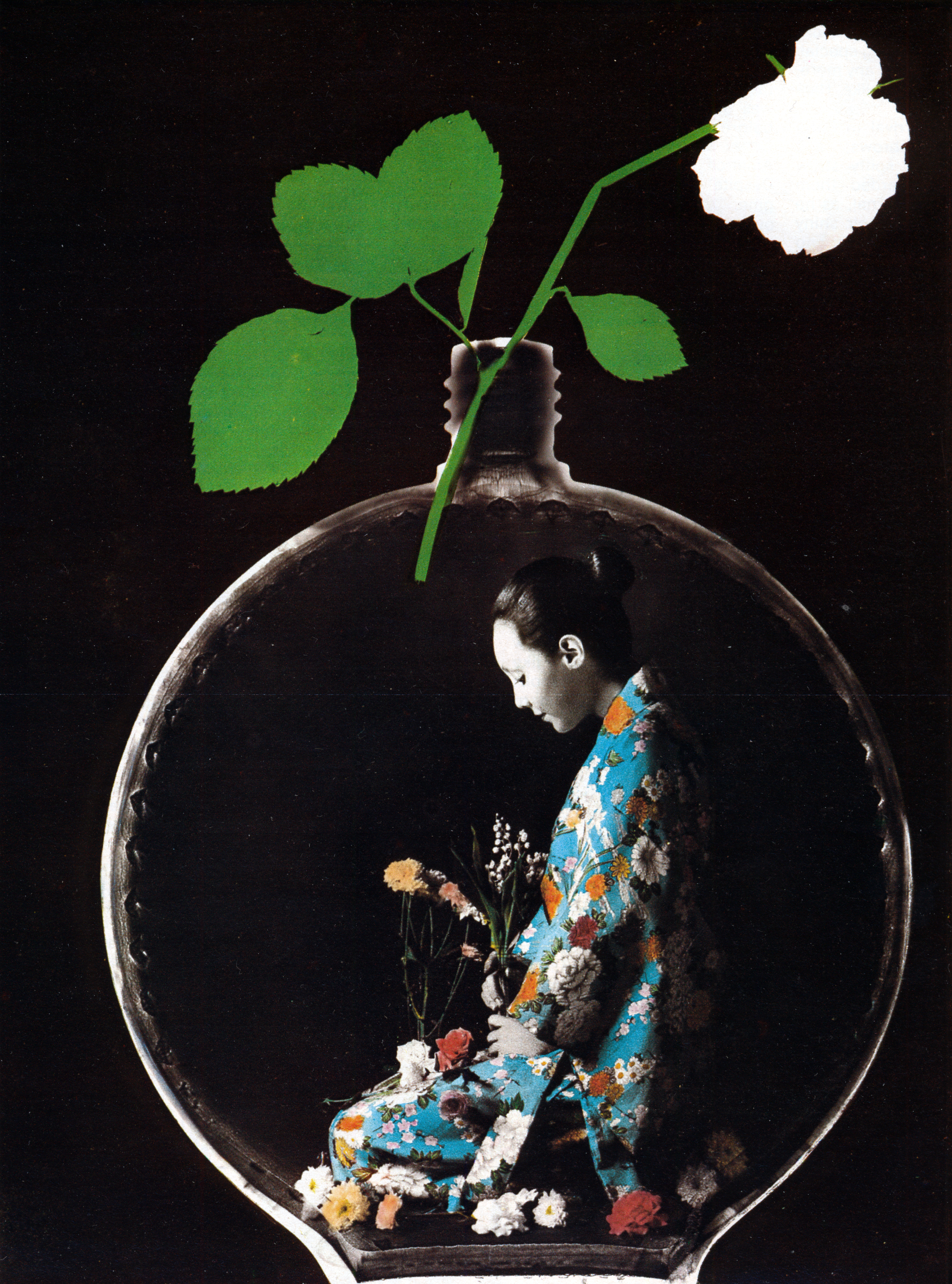
Immersed in a bottle of Nina Ricci’s L’Air Du Temps toilet water, £2.15, and surrounded by a mass of colourful blooms – rose, geranium, lily of the valley and chrysanthemums – we show a pure silk kimono by Mitsukiku, £21, and make-up from the Boots No. 7 range.

This illustrative image for an article about scents and smell also perfectly showcases James Wedge’s genius for hand-tinting and photomontage.

Modelled by Marie Helvin.

Photographed by James Wedge.

Scanned from 19 Magazine, November 1971.

Gingham Checks In

1970s, Acme Attractions, anello and davide, Crocodile, Dora Reisser, elisabeth novick, Gamba, Gina Fratini, hard rock cafe, jean junction, Lucienne Phillips, Over 21, quorum, radley, Rose Bradford, Vintage Editorials, Vivienne Lynn
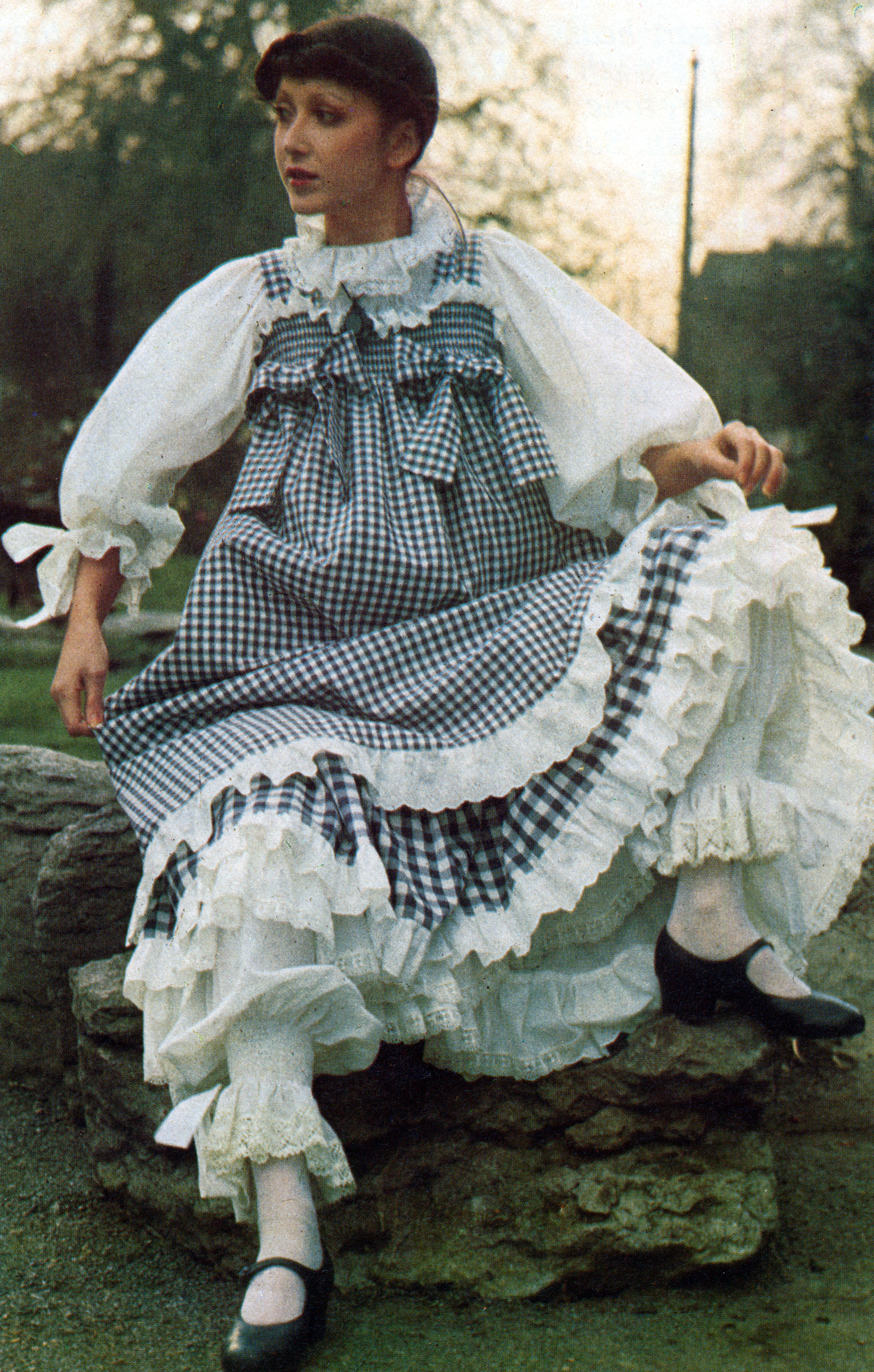
White blouse and pantaloons, gingham pinafore and skirt, all by Gina Fratini, to order from Lucienne’s, 89 Knightsbridge SW1. Shoes by Anello and Davide.

Brigitte Bardot first glamorised gingham, mixing it with sex and broderie anglaise to set a devastating new trend. It’s back, showing every sign of being the big summer ’76 story, versatile enough to go from ingenue to sophisticate.

Always incredible to see Gina Fratini clothes being worn to their full effect, this time by lovely Vivienne Lynn, and also to see the Hard Rock Cafe in its earlier, less gimmicky life.

Hair by Kerry at Molton Brown.

Photographed by Elisabeth Novick.

Scanned from Over 21, April 1976.

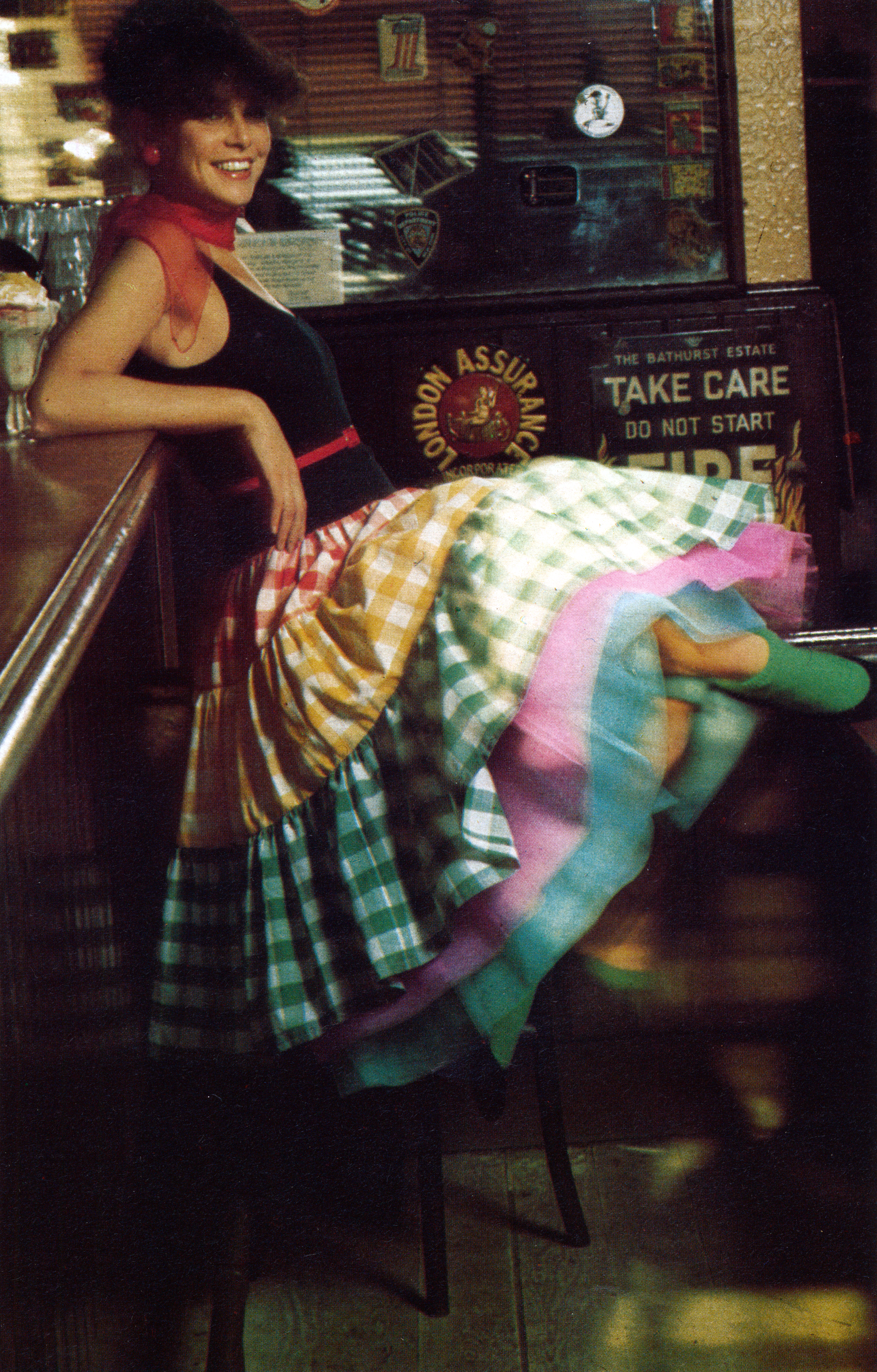
Gingham dress by Rose Bradford at Radley and net petticoats from Quorum, 52 Radnor Walk. Scarf from Acme Attractions, patent pumps by Gamba. Photographed at the Hard Rock Cafe, Piccadilly, London W1.

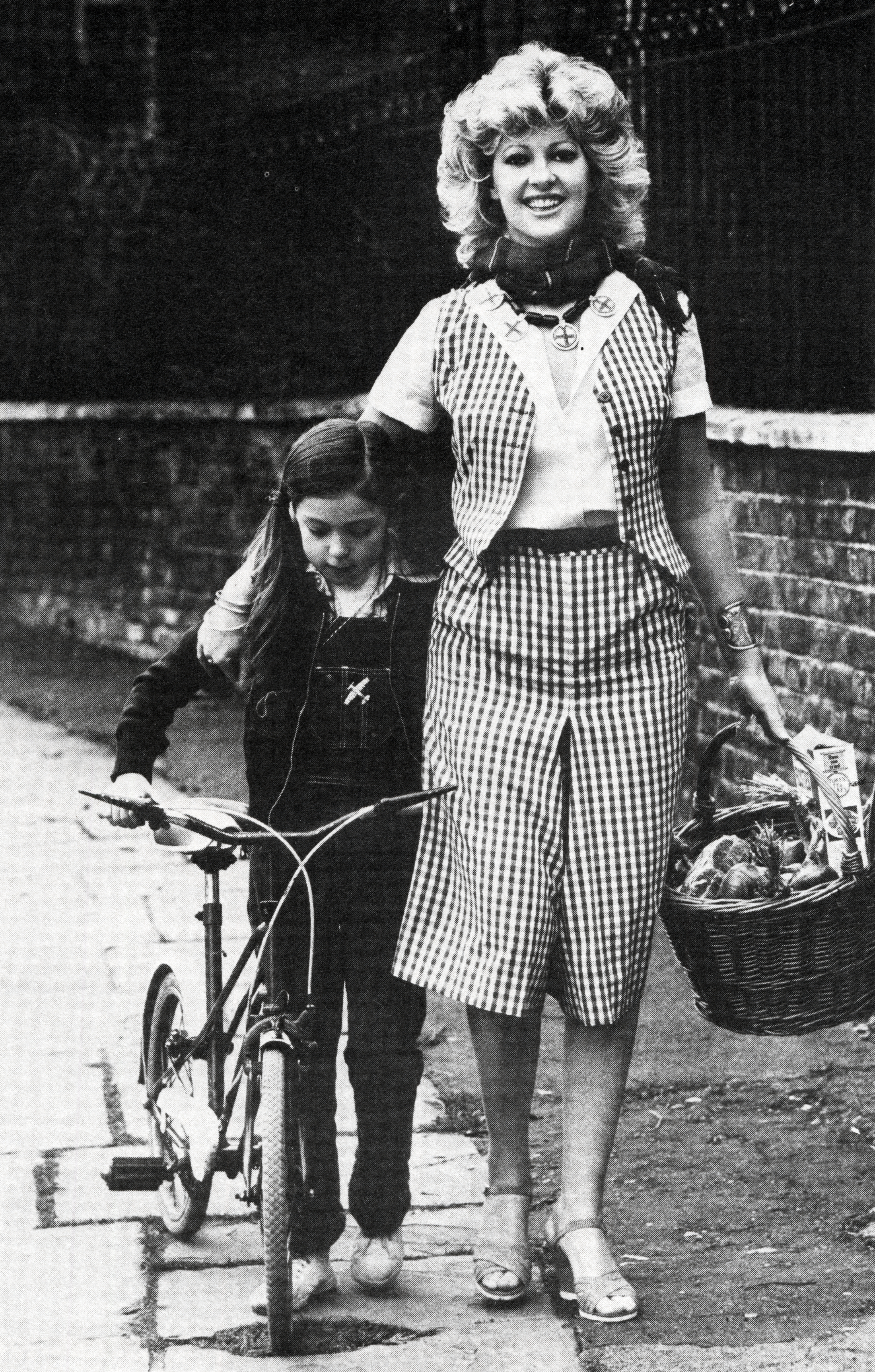
For the final stage in our gingham story we photographed a “real” woman rather than just a model: actress Ruth Rosen. Ruth has recently been edifying and diverting us with her performances at major art exhibitions where she virtually brings the artist to life, presenting a one-woman show based on his life and works. Recent subjects have been Turner at the Tate Gallery and Burne-Jones at the Hayward. The next one will be Constable at the Tate. Look out for it…

Ruth wears Dora Reisser’s gingham waistcoat and culottes and pique blouse, all from Crocodile. Shoes by Chelsea Cobbler, scarf from Medina Arts. Ruth’s daughter, Doraly, wears a check shirt and dungarees from Jean Junction and cardigan by Jump for Jamie from Harrods. Hair by Nicky at Leonard.

Go Jet

Antiquarius, barbara daly, barry lategan, Butler & Wilson, Cathee Dahmen, hair, Hair and make-up, Inspirational Images, leonard, Make-up, pablo and delia, Vogue
Spangled georgette ruff cape and dress by Pablo and Delia, about £90 at Browns. Rings and bangles from Butler and Wilson, Antiquarius.

Modelled by Cathee Dahmen.

Hair by John at Leonard. Make-up by Barbara Daly.

Photographed by Barry Lategan.

Scanned from Vogue, January 1973.

Streaking So It Barely Shows

1960s, barry lategan, charlotte martin, hair, Hair and make-up, leonard, Make-up, The Purple Shop

Naturally mouse hair is usually limp so it needs extra life, extra lift, extra bounce. All this can be achieved by very, very fine highlighting. Keep away from obvious streaks, let your hair look instead as if it’s just come out of the sun. An expert will know exactly which colours to choose for you, exactly the right depth and contrast of highlighting. You can have water-rinse streaks or permanent; you can have your own hair coloured, or your hairpiece. The subtly streaked hair, left, is controlled at the top, combed into waves, then frizzed into a soft cloud at the shoulders. The make-up has the same romantic, pre-Raphaelite look with Orlane’s Satilane beige no. 4 with brush-on rouge no. 3. Eyes: cream pearl shadow in Bleu Perle, Bleu Marine roll-on mascara. Lipstick: beige-pink Paprika. Necklace: an eagle from the Purple Shop, Chelsea Antique Market. Hair colour, here, and in the picture, above, by Daniel, styling by Leonard, both from the House of Leonard.

Modelled by Charlotte Martin.

Photographed by Barry Lategan.

Scanned from Beauty in Vogue, 1969.

Blue Baloo

1970s, barry lategan, Hair and make-up, Inspirational Images, leonard, Make-up, pablo and delia, Revlon, Sue Baloo, Vogue
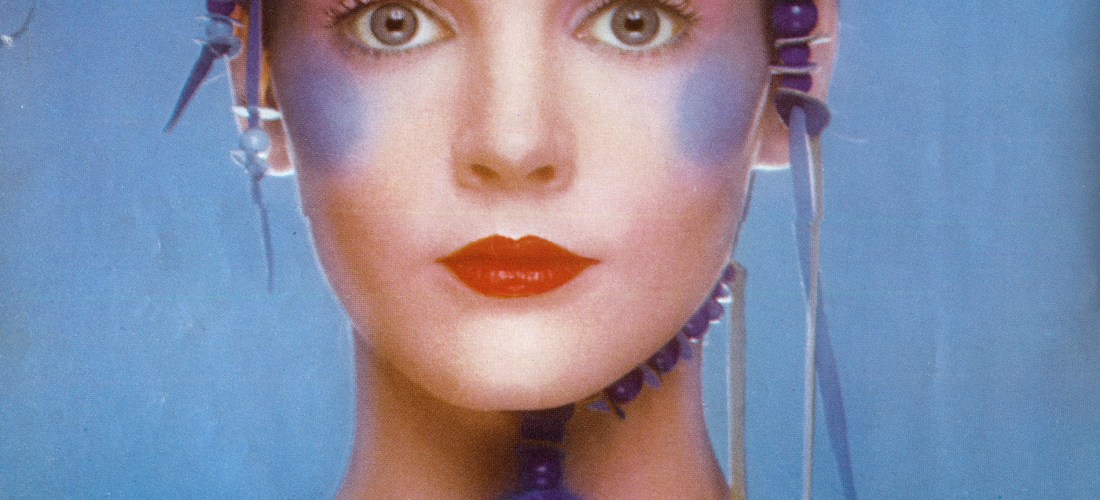
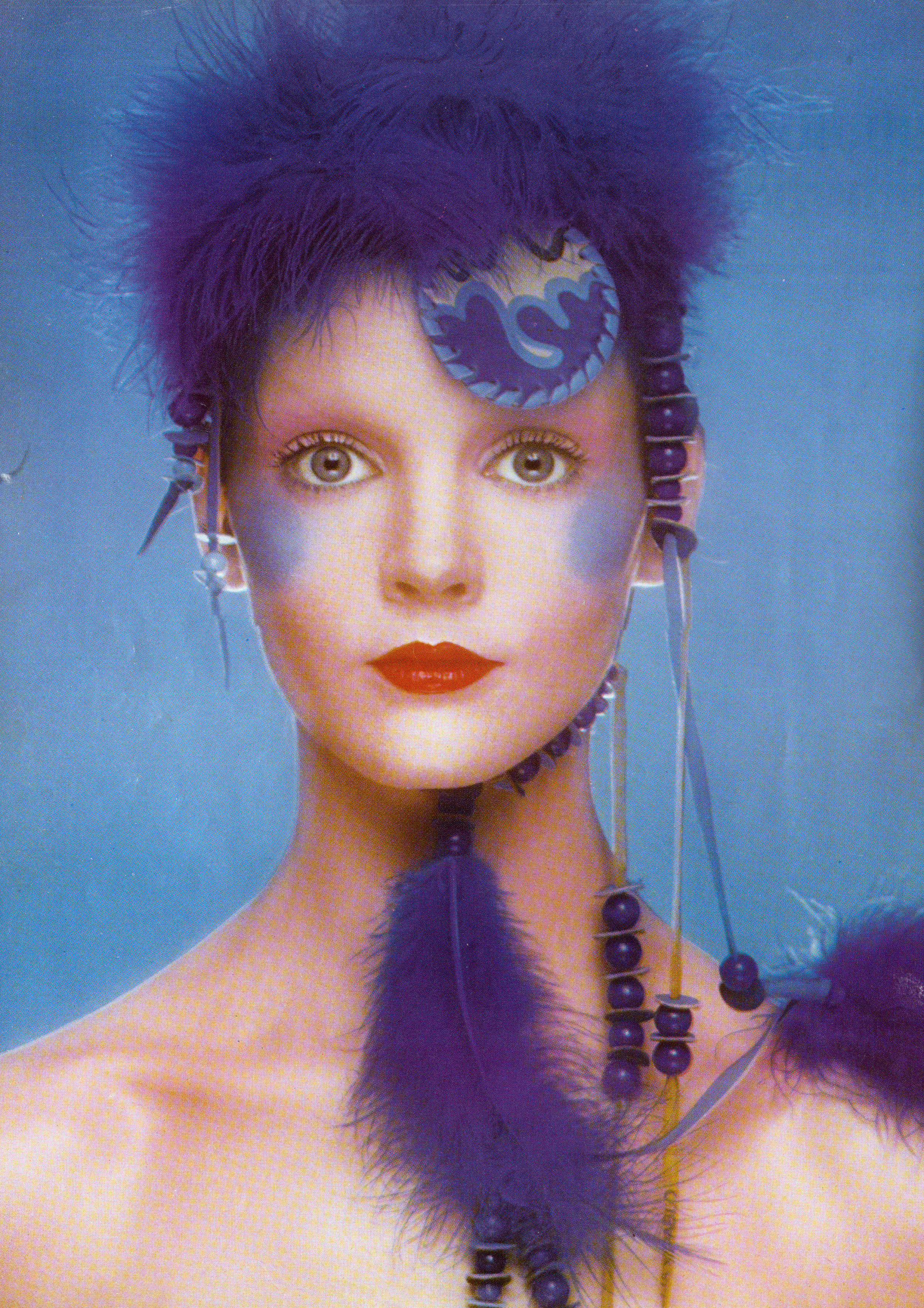
Model Sue Baloo, brightly glowing with Revlon’s Ultima 11 Dresden Peach Cream Foam smoothed over her face and neck, then dusted lightly with Transluscent Face Powder – her cheeks learning the blues in Lapis Blue eyeshadow from the new Silk Print Eye Collection, blending into its compact partner, Sari Pink on the eyelids with Carbon Blue Lash Makeup Automatic intensifying her grey eyes. Blue Baloo’s lips are smiling in Rich Rich Russet – a stunningly clear bright red from the Couture Lip Collection; her hair is drawn back by Oliver at Leonard under a leather, feather and wooden bead belt wound around her head of brilliant blue and yellow ochre with medallions painted in powder blue, by Pablo & Delia.

Photographed by Barry Lategan.

Scanned from Vogue, February 1971.

Flat Power

1970s, Barbara Carrera, cosmopolitan, Elyse Lewin, interior design, interiors

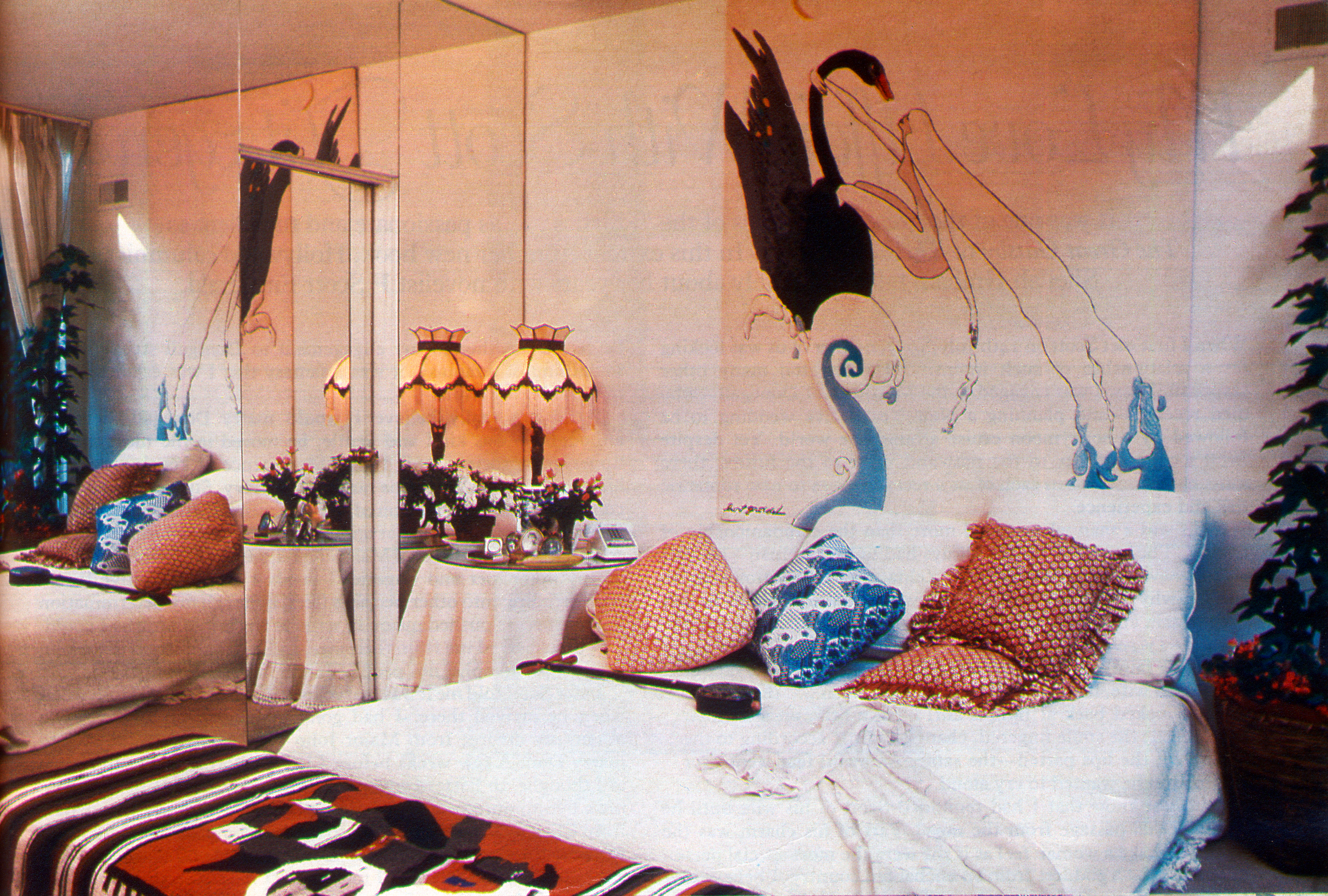
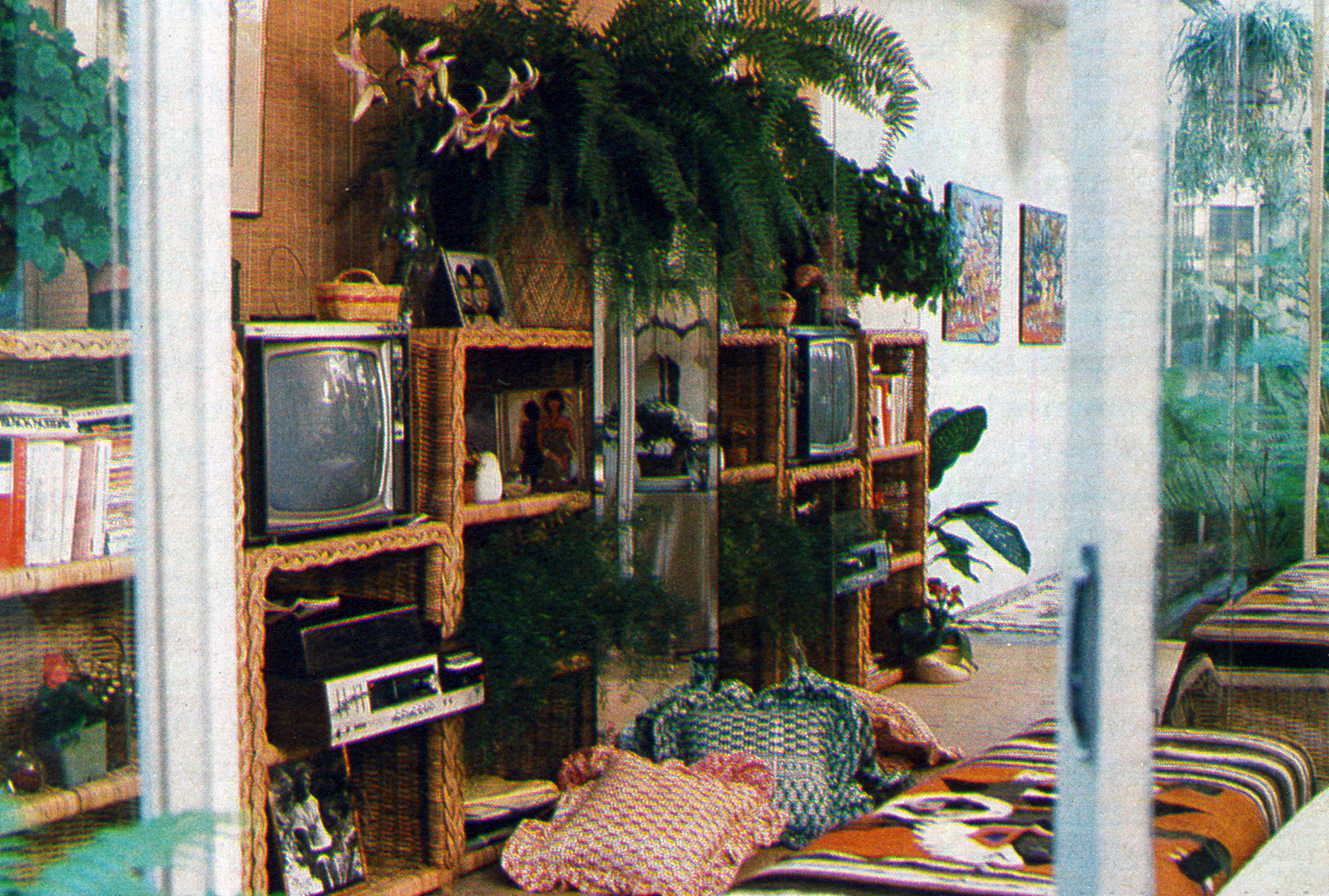
You might be short on space, but that’s no reason to skimp on imagination in doing up your own place. “Studio flat, one bed, kitchen and bath, ch, pleasant aspect.” That’s the kind of accommodation most of us want when we look for somewhere to live in the big city. And the metal windows, featureless walls and skimpy dimensions are liable to be standard whether you call it a flat and you’re in London, or Liverpool, or it’s pronounced “apartment” and the address is Beverly Hills, Los Angeles. Case in point is the one-bedroom pad, shown on these pages, of Barbara Carrera, Nicaraguan-born model and actress. The plethora of ruffled pillows, jungle of greenery and vast coffee table indicates the Hollywood influence, but you don’t need to be Liz Taylor to aspire to mirror tiles on your wall to expand a poky bedroom. The Californian passion for pale colours, low sofas and casual arrangements of objects suits the English climate, too. Wicker mania is also rampant here in the UK, hence the boom in shops that sell basketware of every kind. Barbara must have bought a job lot of laundry baskets which she mounted in two tiers. These now hold her TV set, record player, art books and some of the jungle greenery. The mirror walls make the basket shelves look double the amount, but the initial investment in six strong cane baskets is a fraction of shelving bought by the yard. Bonus: you can take the baskets with you when you decide to move elsewhere.

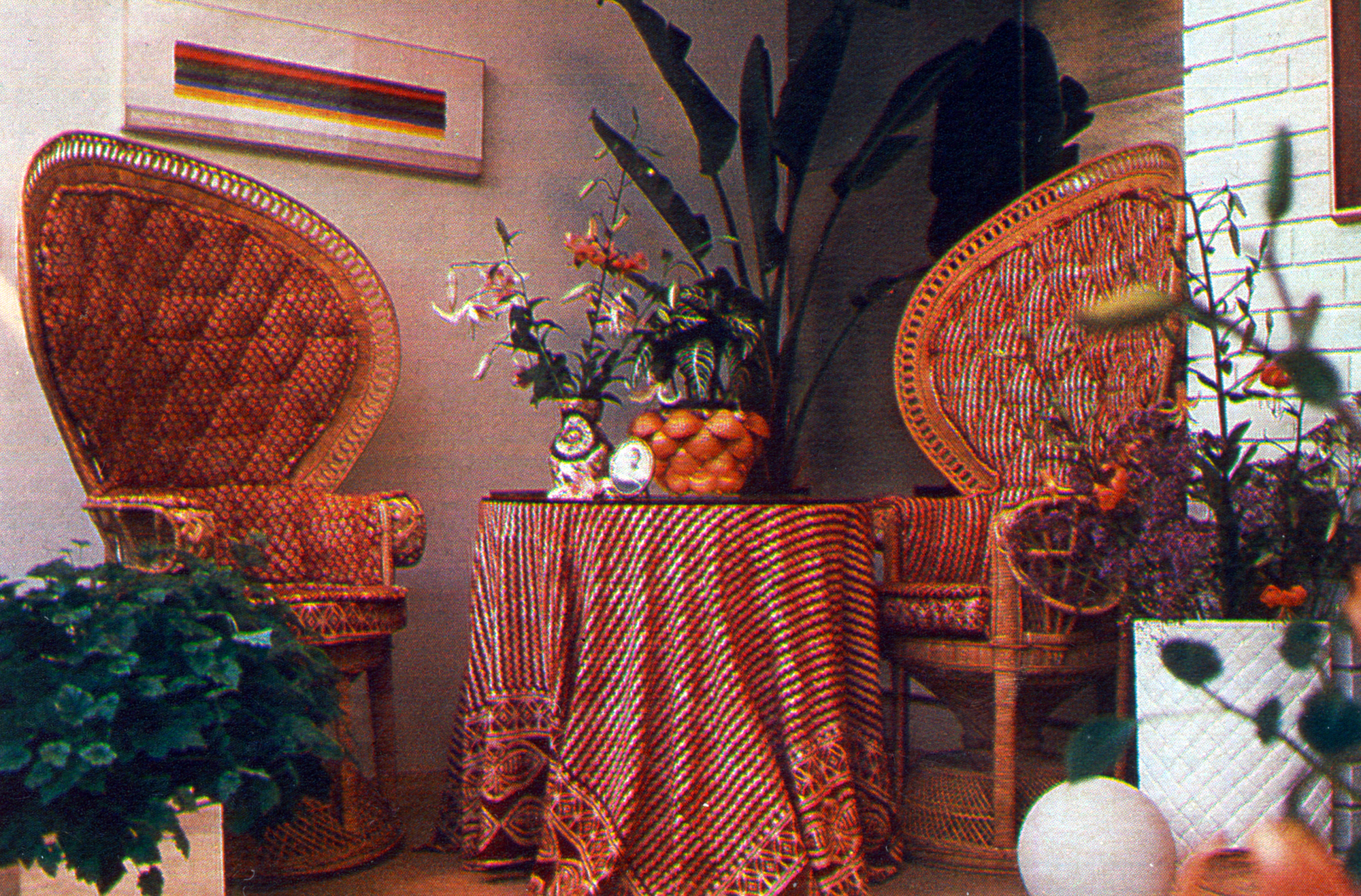
Barbara is celebrating her first part in a film—she plays Victoria in Embryo opposite Rock Hudson—hence the purchase of the wall-hanging “TAKE ME TO YOUR LEDA” seen over her bed. But if, like Barbara, you can handle a paint brush, why not splash out your own abstract art like Barbara’s picture hanging over the sofa ? Most working girls don’t have the space for a dining area. Barbara gives intimate dinners—never more than four—in the corner of her living-room where two peacock chairs flank a small round table. Make one yourself from a round plywood top balanced on a metal plinth finished off with fabric skirt.

The all-over printed batiks have the freshest look in printed fabrics with the correct ethnic feeling. Models like Barbara who jet round the world can pick up Indonesian sarongs, embroidered Greek cushions and Navaho rugs in the Country of origin at airport shops as well as in the authentic souks and bazaars. Happily, anyone with a day ticket can find the same merchandise in the clutch of ethnic shops in Pimlico, Covent Garden and Hampstead. Beautiful kangas, batiks, or baskets, shells. Oriental china and wall-hangings can be seen at one of the newest sources, Rain (late Klong and Roots and Shoots), Pimlico Road, London SW1. A wind-bell to tinkle at the window and a dozen or so green plants (don’t forget a decorative watering-can and plant mister are available at Conran, Draycott Avenue, SW3, which also stocks handsome cane furniture) will complete your private Oriental fantasy. We can’t all be movie stars, but we can all afford some of the comforts of Hollywood.

Photographed by Elyse Lewin.

Scanned from Cosmopolitan, November 1976.

Anjelica Huston by David Bailey

1970s, anjelica huston, david bailey, elizabeth arden, Hair and make-up, Inspirational Images, leonard, Piero de Monzi, Vogue, zandra rhodes

Make-up by Elizabeth Arden. Hair by Oliver at Leonard.

Print silk dress by Zandra Rhodes at Piero de Monzi.

Photographed by David Bailey.

Scanned from Vogue, 15th September 1971.

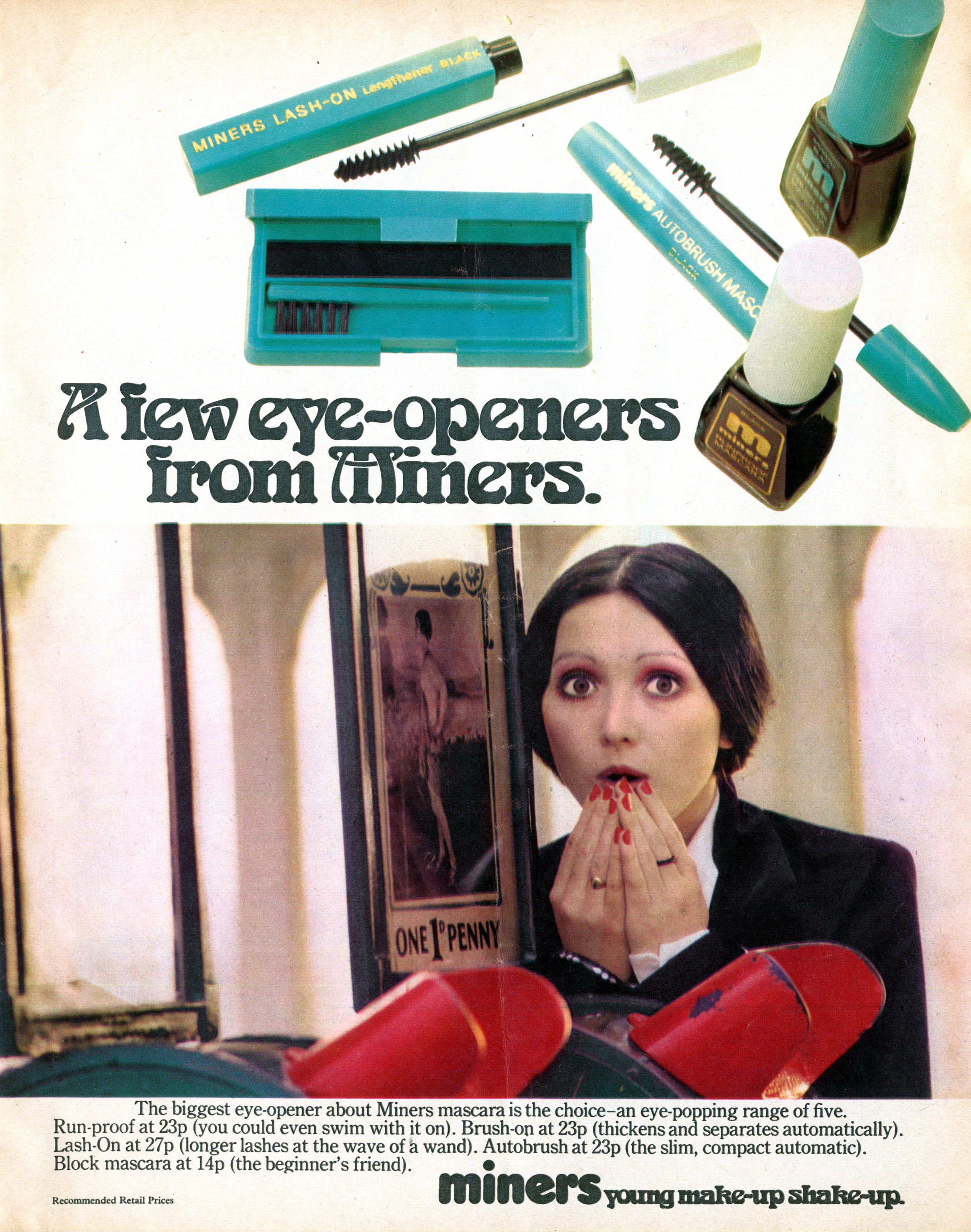
A few eye-openers from Miners

1970s, Hair and make-up, Miners, petticoat magazine, Vintage Adverts, Vivienne Lynn

Scanned from Petticoat, 30th September/7th October 1972.

Anarchists go their own sweet way

alice pollock, beauty, biba, gala, Hair and make-up, Honey Magazine, Inspirational Images, Jill Harley, kari ann muller, Make-up, Steve Hiett

They break boring beauty traditions and riot lip colours go on eyes, eye colours go on lips. Upside down- Quite contrary. And why not? Make-up was getting so dreary. We just stuck to the rules and slicked warm colours—pink, amber, soft orange—on our mouths, and cool colours—grey, green, blue, brown—on our eyes. Till now. Till the anarchists started this new groove. Now things are happening. Putting on a face isn’t a daily chore to be done as quickly as possible. Make-up is something to enjoy. It’s art. Total fun. Total fantasy. After all, painting on warm mobile skin is so much more exciting than .cold fiat paper or canvas. Come, join the anarchy party and experiment with colour. Sit down this evening in front of a well-lit mirror, not the telly, and design surprise eyes.

Alice Pollock (top) says she would like to be invisible (can’t think why) and her favourite perfume is Chanel No. 5. She has tried every hair colour under the sun, including green, but she’s glad it’s her own shade now—”At least I know who I am when I wake up.” Every morning she washes it in the bath with Boots Herbal Shampoo, 2s. 11d. On her eye-lids she paints Leichner’s Ivory Stick No. 5, 5s. 3d., and then an arc of pale green under the brow and round along the cheek-bone. Her lip-colour is a mixture of the same Leichner stick and Christian Dior’s Sepia 61 lipstick, 15s.


Moon (centre left, whose real name is Constance Mullens and who was nicknamed after a South African cartoon character called Moon Mullens) wears Mary Quant’s Citrus Jeepers Peepers, 18s. 7d., on her eye-lids and a purple Caran D’ache water crayon all round the eyes to tone with her hair which is cleverly coloured mauve and butterscotch by Erik and styled by Herta at Vidal Sassoon, Grosvenor House; 01-629 2463. Her favourite perfume is jasmin and, asked what the most vital beauty product is, she said, “a razor.”


Gala Mitchell (centre right) is a beautifully original actress. You may have seen her before in Ken Russell’s television film about the Pre-Raphaelites. Her most treasured beauty product is lipstick. Here she’s wearing Biba’s purple lip-tint, 5s., with black liner round her mouth. She uses more of Revlon’s Natural Wonder Lid Liners, 17s. 6d., to paint intriguing black spots across part of her face to symbolise a veil, and then twists a string of blue curls, tinted by Erik, amongst her copper hair which she keeps in place with two ’40s tortoiseshell hair-combs.


Kari Ann Moller (bottom left) says she wants to look like the wicked witch in fairy tales, yet she loves cosy perfumes like Apple Blossom and Lily of the Valley (Coty’s Muguet des Bois Creamy Skin Parfum, 17s. 6d.), and she couldn’t live without Nivea. “I found an old purple crayon in my boyfriend’s car—he’s a painter—so I’m wearing purple with a dab of lipstick and Leichner silver sparklers on my eyes today, plus tart red lipstick by Elizabeth Arden.” Her soft ginger wig is by Ricci Burns, 151 Kings Rd., S.W.3.


Jill Harley (bottom right) never wears fake eyelashes now, she’s only interested in colour: Chrome stick by Leichner.. 5s. 3d., with Gait orange paint near the socket line and Dorothy Gray’s Light-Up Yellow lipstick, 11s. 6d., as a highlighter for her eyes. Woltz ltaliana’s pale green polish, Laguna, goes on her nails to match up with her pale green wellingtons. Instead of expensive face-shapers, she brushes on Miners’ Frosted Brown Powder Eye Shadow, 2s. 10d. For her lips, she mixes an old red lipstick with Boots 17 Shiny Brown Eye Shadow Stick, 2s. 6d.

Two of my favourite models + one of my favourite designers + some wild 1970 make-up = happy Liz.

Photographed by Steve Hiett.

Scanned from Honey, September 1970.