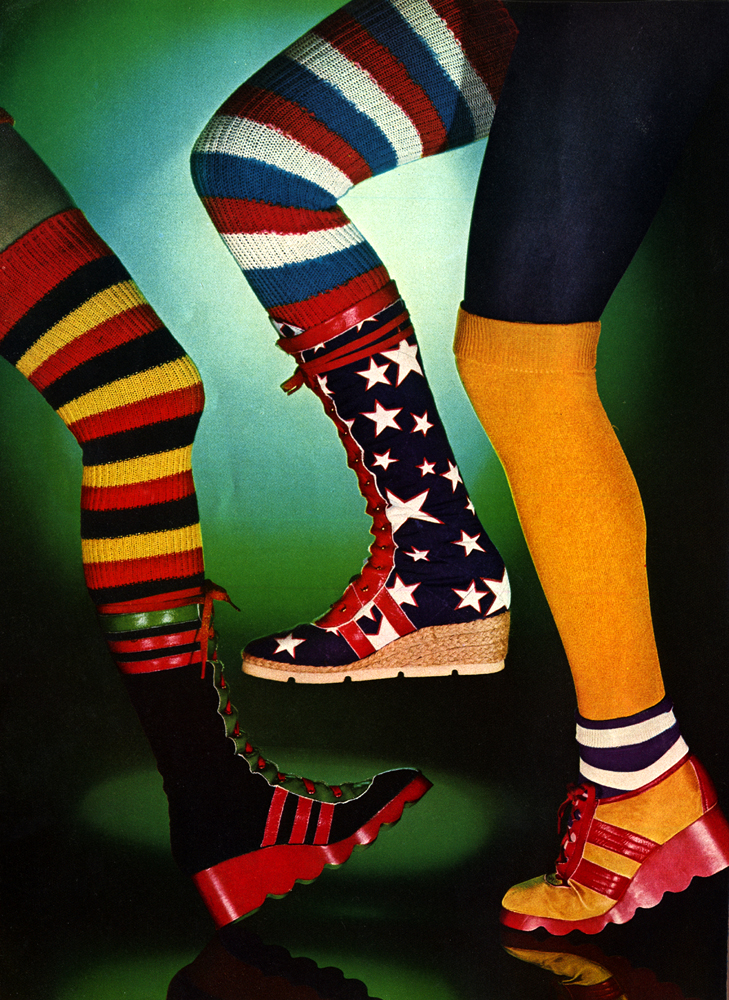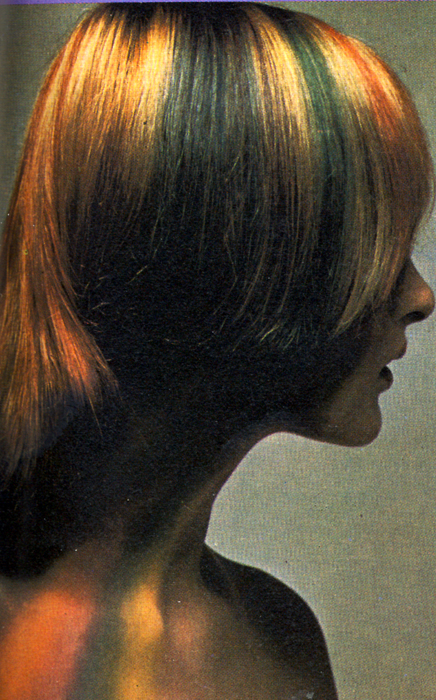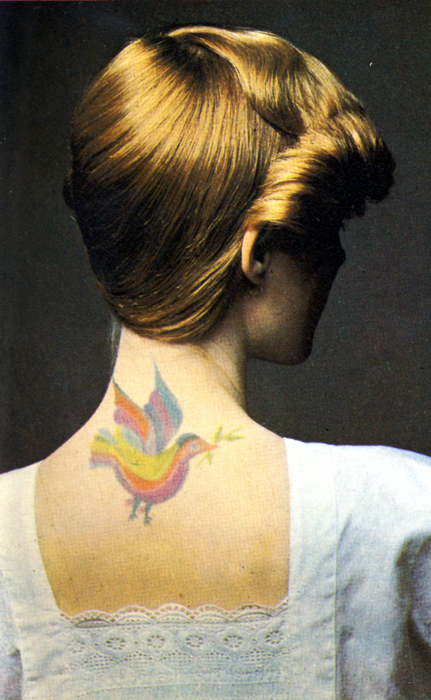
Moya Bowler’s pow-packed new collection of funny boots for Mitsubishi. She designed them in Japan, they’ll be worn on both sides of the world.
Photograph by Tessa Traeger. Scanned by Miss Peelpants from Vogue, January 1972.
Moya Bowler’s pow-packed new collection of funny boots for Mitsubishi. She designed them in Japan, they’ll be worn on both sides of the world.
Photograph by Tessa Traeger. Scanned by Miss Peelpants from Vogue, January 1972.

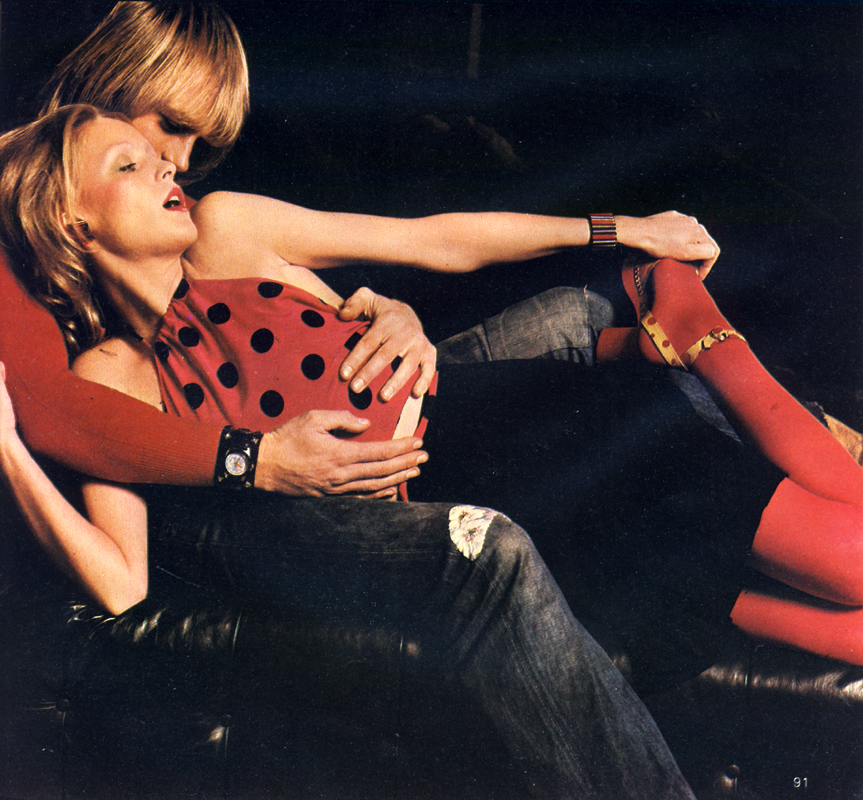
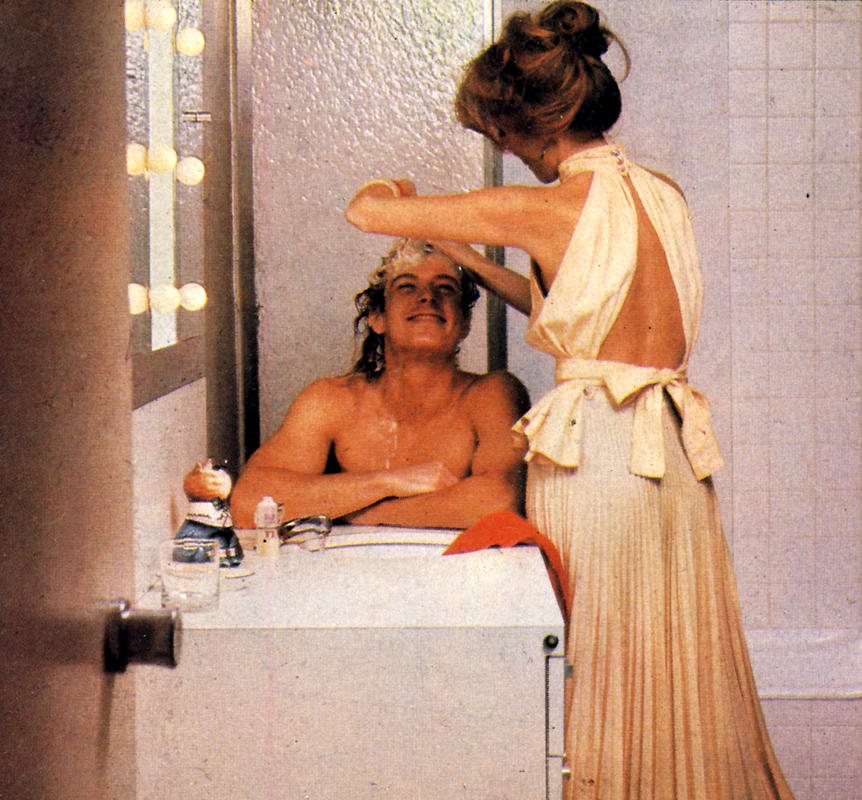
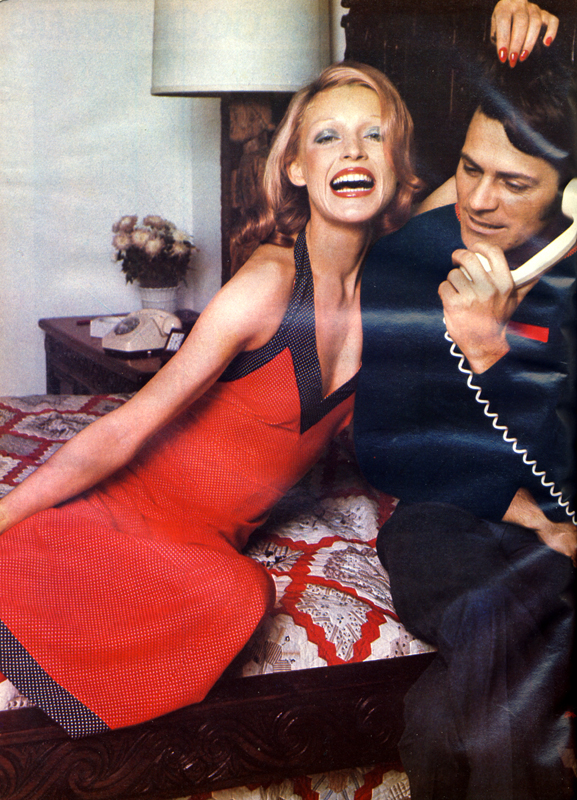
Barbara wears halter top and pleated skirt by Mary Quant, £23 for the rigout, and shoes by Chelsea Cobbler. He wears intarsia sweater by Ballantyne.
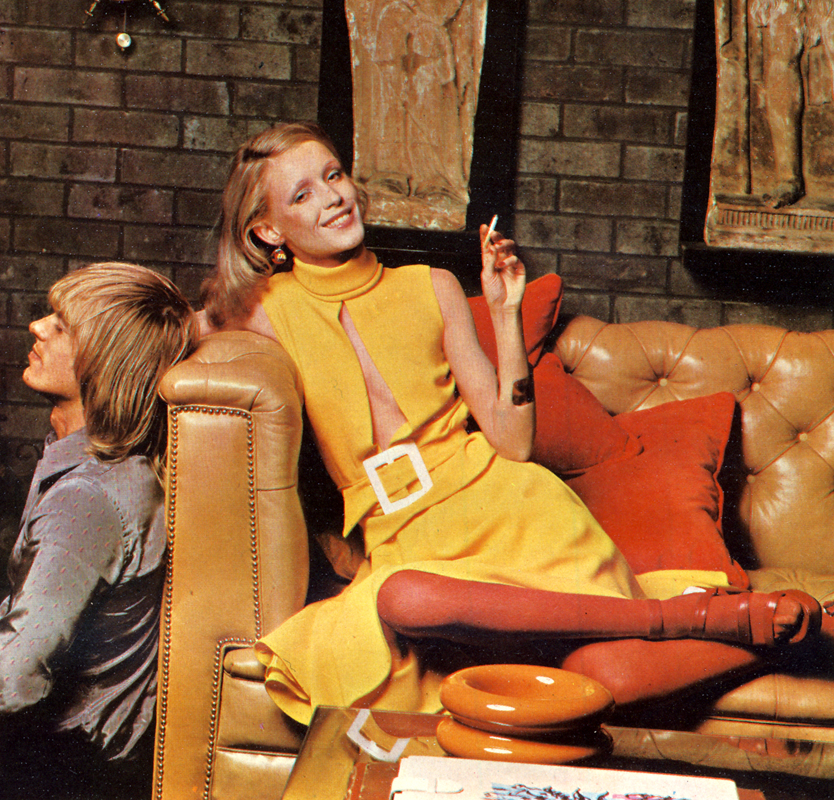
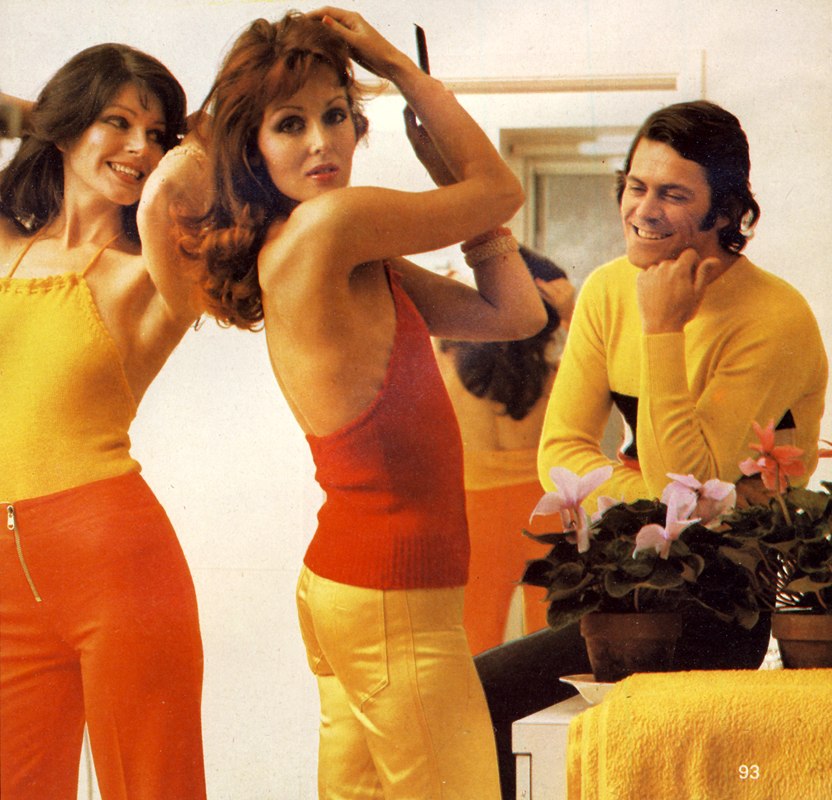
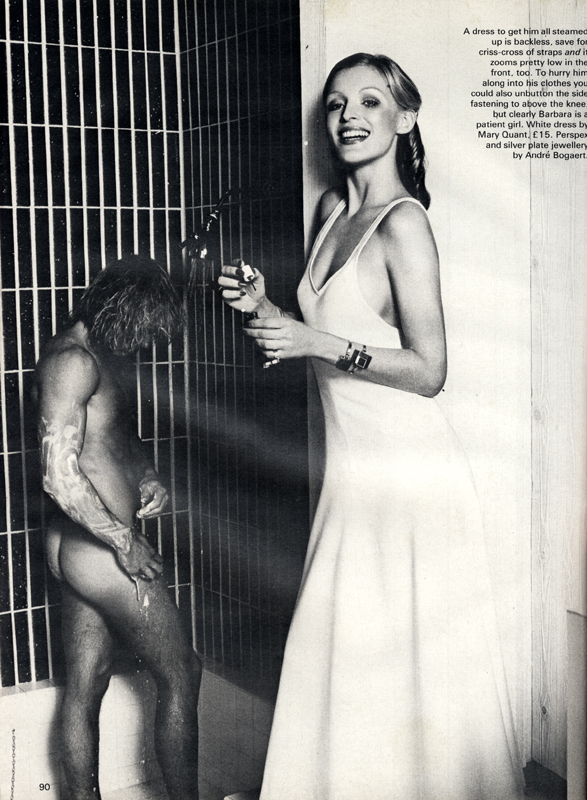
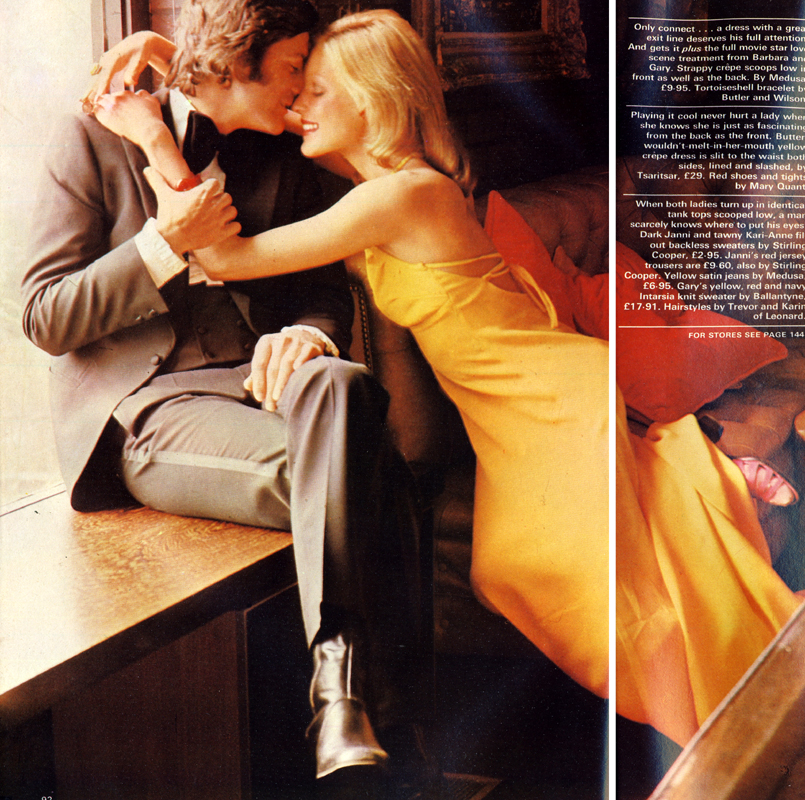
Nice girls are turning a cold shoulder on some of the best looking men around. Perfectly enchanting girls, like Twiggy, who flashes her famous shoulder blades at Christopher Gable through her sleeveless, backless The Boy Friend costumes. And who can forget Lauren Bacall and lngrid Bergman acting with their backs turned on Bogie in all those Late Late Show films. Now you can make some of the best exit lines in the backless—and fairly frontless—cIothes previewed here. lt’s clear that fashion is on the side of the female female in clothes that show off a nice warm back and allow plenty of MANoeuvring room. Putting the Back-to-Basics through their paces in many of the pictures are Barbara Trentham and Gary Myers, a couple of Cosmo people to watch. Blonde, brainy Barbara with the 1,000-watt smile will soon be seen in her first film, opposite Shirley MacLaine. called, if you can believe it, The Possession of Joel Delaney, and Aussie Gary is tall, dark and one of television’s busiest tough guys. Together they show that a cold shoulder never turned a good man off…
Scanned from the very first UK edition of Cosmopolitan, March 1972. Photographs by Norman Eales.
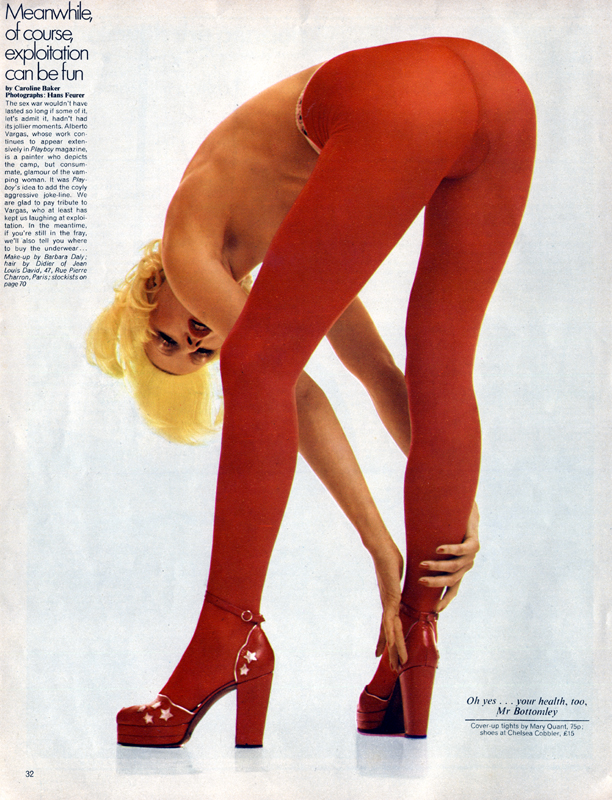
One of my favourite images from a Vargas-inspired spread in Nova, photographed by Hans Feurer. I will scan the others in time, but they all deserve solo appreciation. I think I would actually give my firstborn for those Chelsea Cobbler shoes. Red leather AND stars? Fetch my smelling salts!
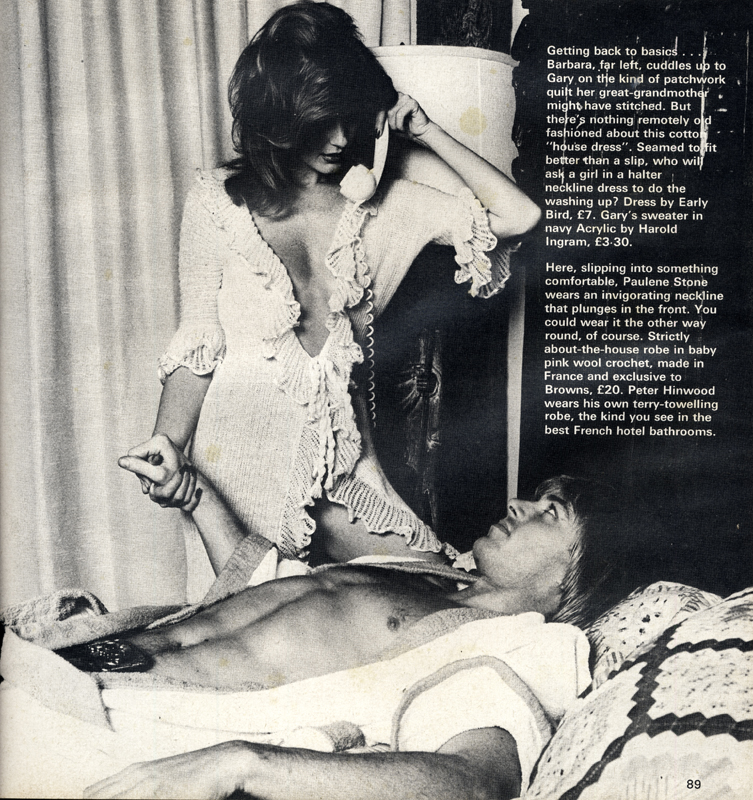
I’ve said it before, and I will say it again, there is something about the Seventies take on Forties style (and particularly pin-ups) which I find infinitely more appealing than the originals or the tired current trend for such things.
It takes all the glamour and sauce, but gives it that subversive, pop art-esque treatment so typical of designers like Tommy Roberts, Terry de Havilland and Rae Spencer-Cullen for Miss Mouse (amongst so many other Vintage-a-Peel favourites). The models look quirky, confident and very knowing; I never get a sense of exploitation or submission. Even the tagline ‘exploitation can be fun’ is perfectly pitched and mocking both the exploiters and the prudes. Viva la Seventies!
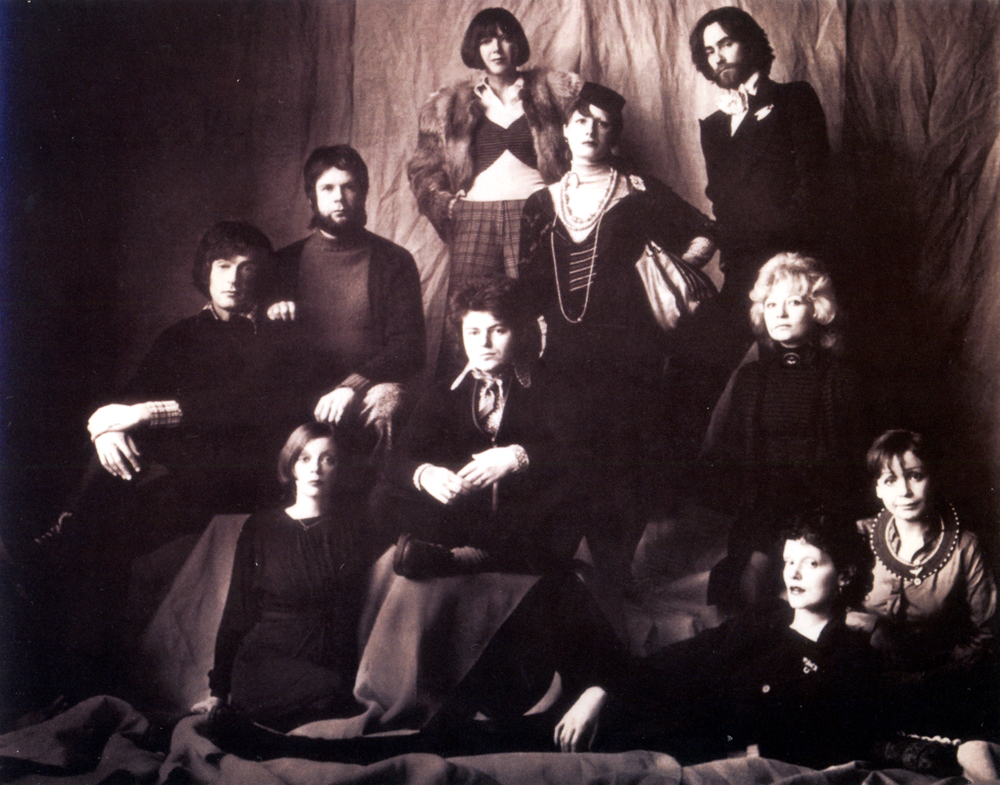
Front row left to right: Jean Muir, Alice Pollock, Thea Porter. Second row: John Bates, Tim Gardner, Gina Fratini. Third row: Bill Gibb, Zandra Rhodes. Top: Mary Quant, Ossie Clark.
So many egos, so little space… I’m placing bets that Quant and Bates didn’t speak to each other for the duration. But it’s also nice to see Bates sitting with his friend Bill Gibb, and now I like to think that Alice Pollock and Thea Porter must have been quite pally as well.
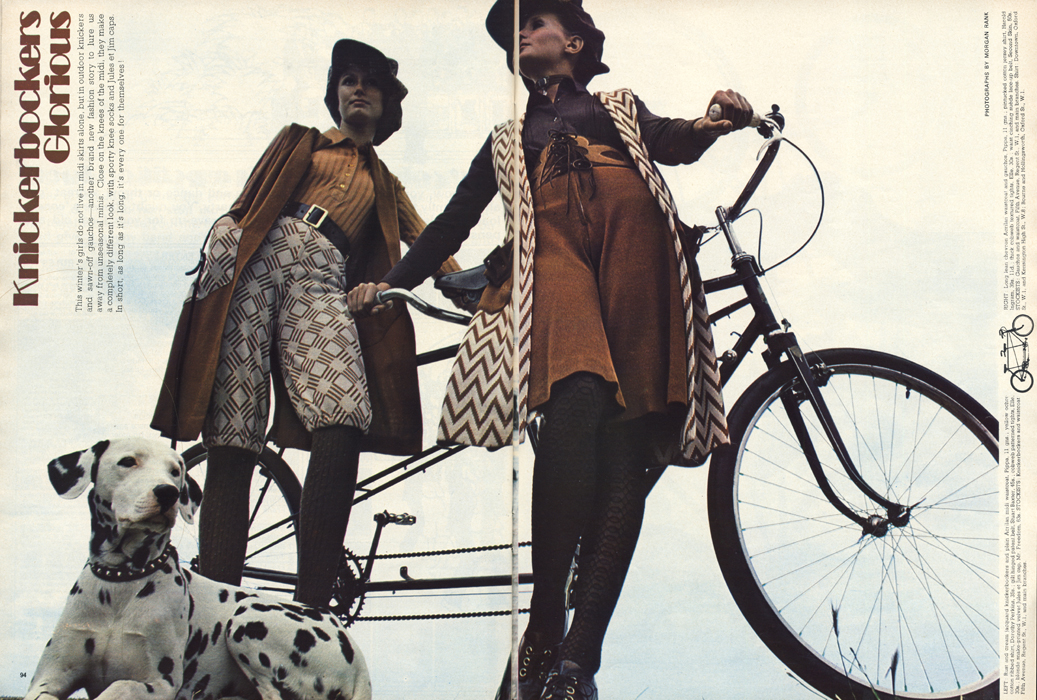
Left: Knickerbockers and midi waistcoat by Pippa. Gilt hinged patent belt by Stuart Baxter. Snake printed Jules et Jim cap by Mr Freedom. Right: Waistcoat and gauchos by Pippa. Belt by Second Skin. Shirt by Harold Ingram.
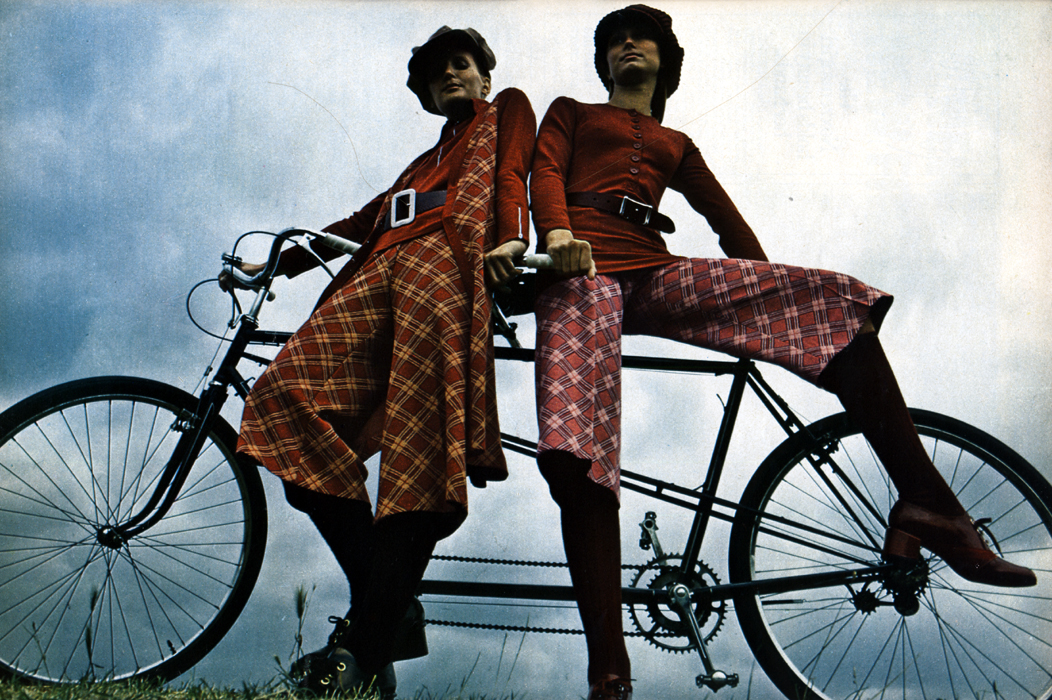
Gaucho trousers are one of those styles that ‘the powers that be’, i.e people you don’t want to be listening to, like to say can be ‘pulled off’ by very few people. Well, I’ve been happily strutting around in a gorgeous pair of tomato red linen gauchos from Wallis, circa 1970, for a while now and I can safely say that they are one of my most favourite items of clothing. Ever. Because of their bold, clashy kind of shade of red, I’ve been mainly teaming with a plain black top, black tights and my chestnut brown brogues. So I was delighted to see these two photos from a spread in Honey (the rest are knickerbockers, I have no knickerbockers yet. This makes me sad.) where some super hot gauchos are teamed with, yes, leather brogues. I’m so 1970, and I don’t even try.
Of course, because I’m so 1970, my outfit post pictures are, errr, stuck on a roll of film which I haven’t finished yet. And, errr, then I’ve got to have them developed. So, enjoy Morgan Rank’s pictures of the photogenic ladies wearing the gauchos and brogues.
More James Wedge fabulousness. I’m always delighted to find and scan a ‘new’ James Wedge photoshoot, and this one is adorable, despite lacking the trademark Wedge hand-tinted touch.
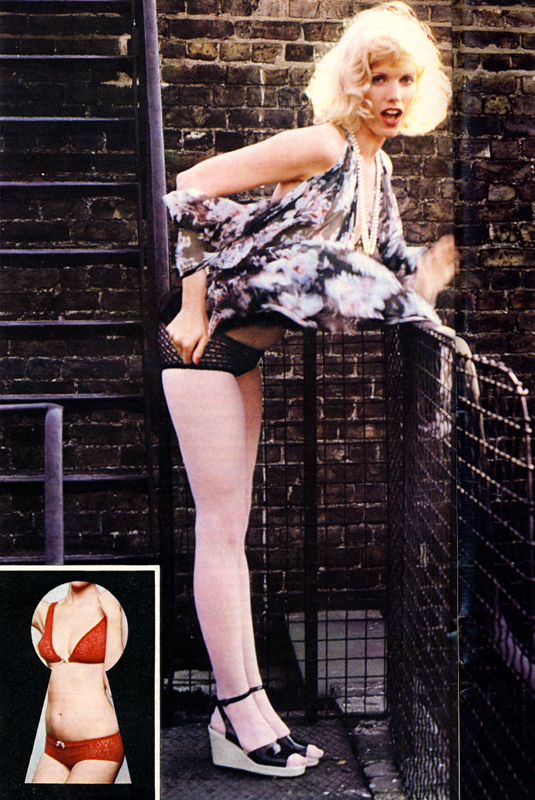
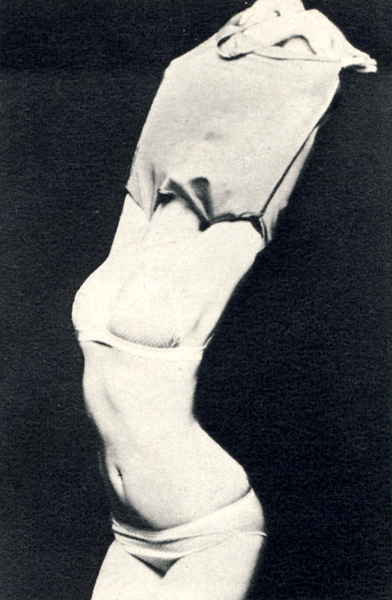
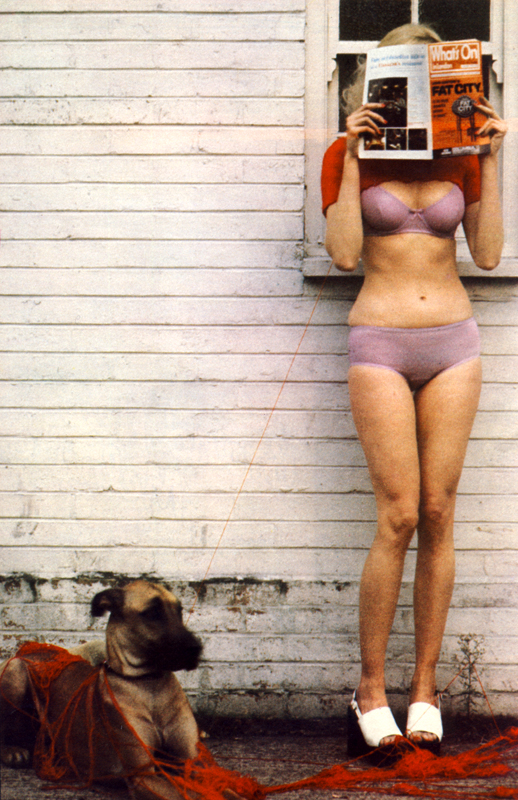
You never know when next you may stand revealed in the full glory of your underwear. Will it stand the test? Bare with us and we’ll show you how to steal even the most embarrassing scenes in these glamorous, seductive undies-to-get-caught-in.
Honey. December 1972.
Images scanned by Miss Peelpants
Aha!! So who really invented eye crayons, eh? Was it Boots or Mary Quant? Mary Quant or Boots? We’ll probably never know, but I’m willing to place a bet that the Boots ones worked better*…
Scanned from 19 Magazine. September 1974
*I speak from experience. My nan worked in the factory where the Quant ones were made and I attempted to use them in my teens. They were, frankly, useless.
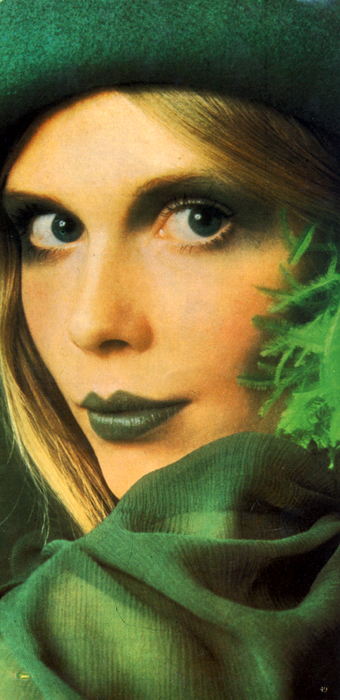
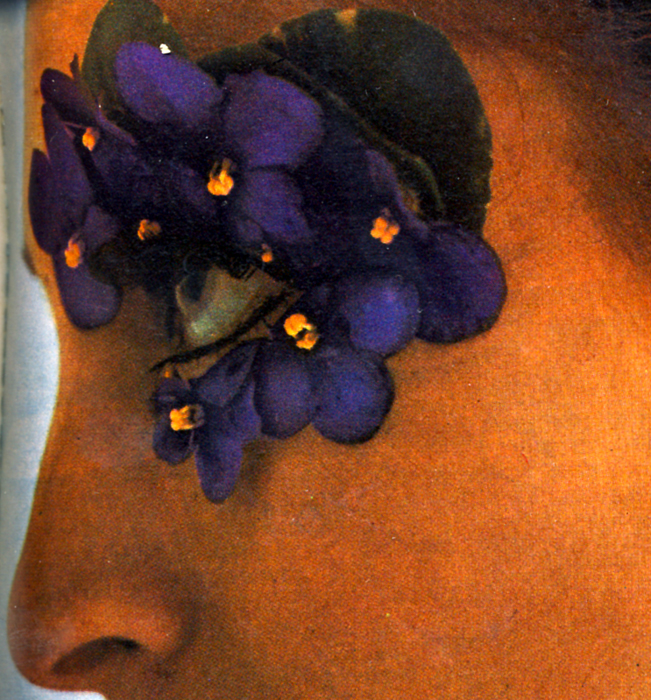
All the top beauty talent is currently colour-crazy – and we’re very much for it; it’s a fabulous enlivener of the grey winter scene. Your party look could be a variant of any of the gloriously off-beat ideas you see here – and anyone who considers green lips unnatural might dwell, briefly, on the knock-you-down naturalness of bright plum or orange ones.
Vanity Fair, December 1971
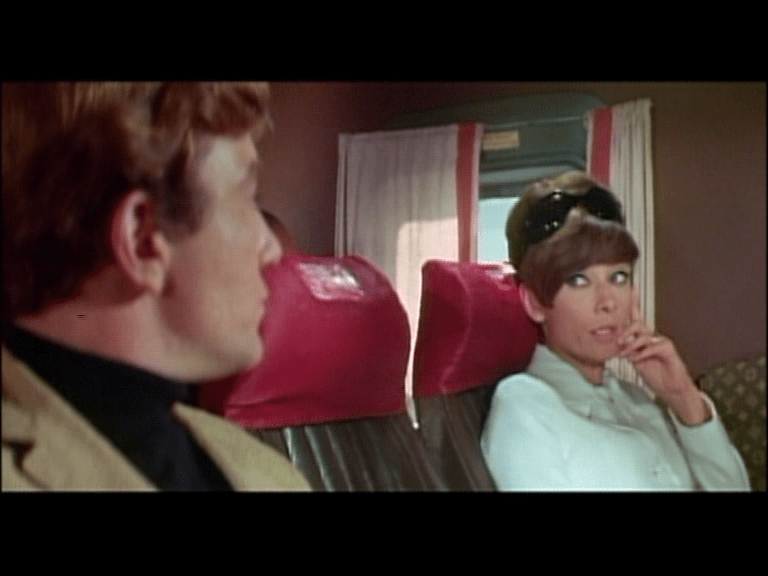
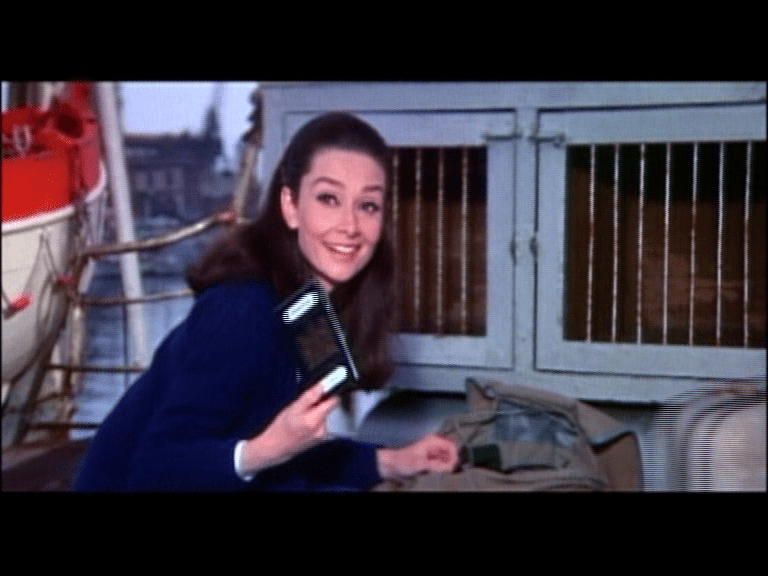
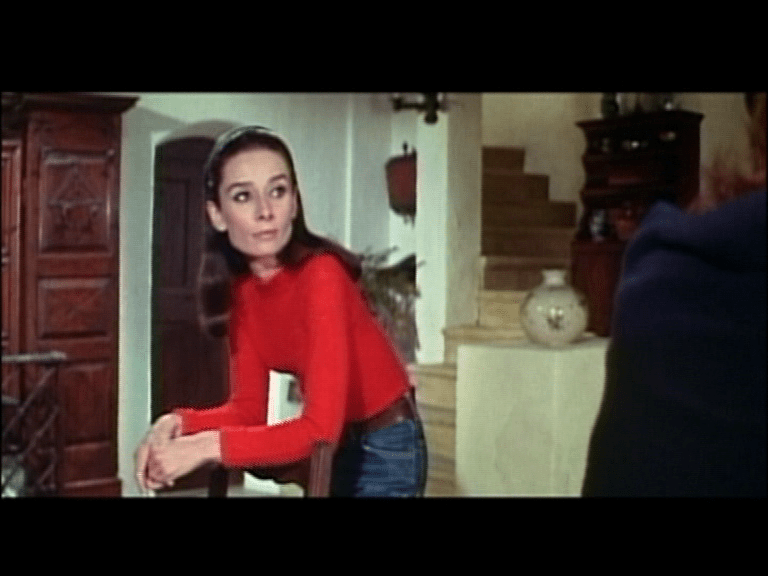
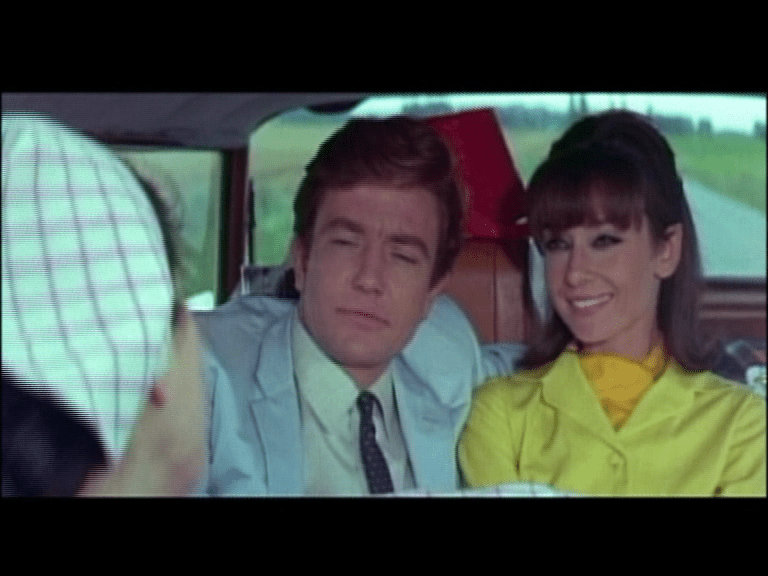
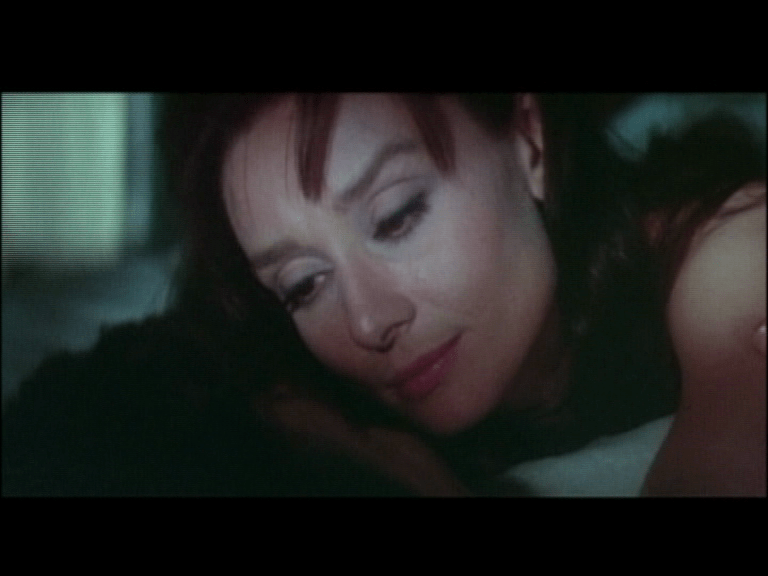
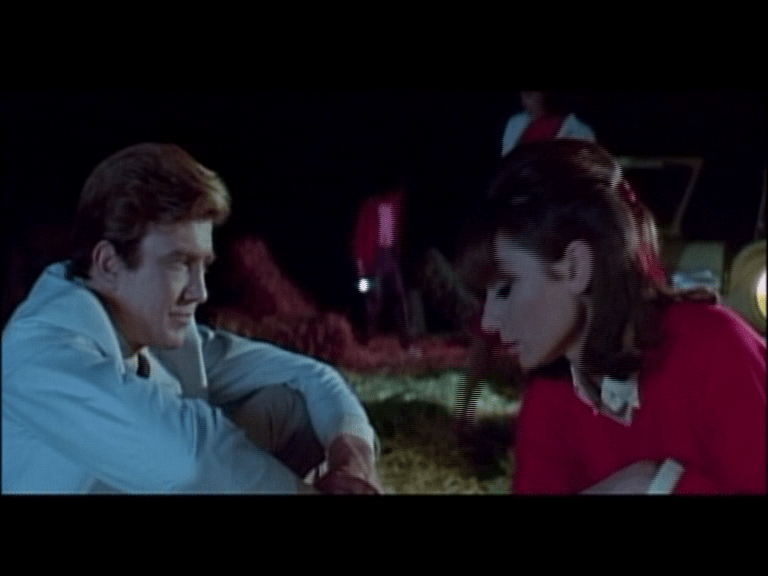
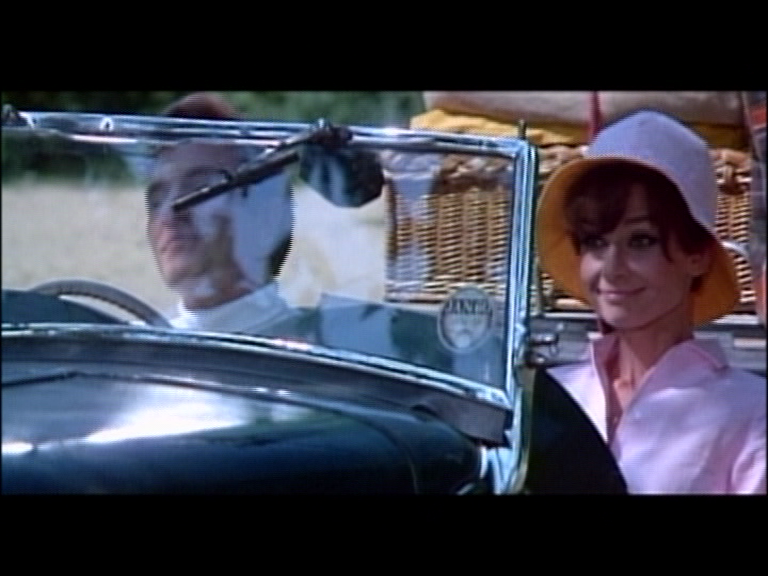
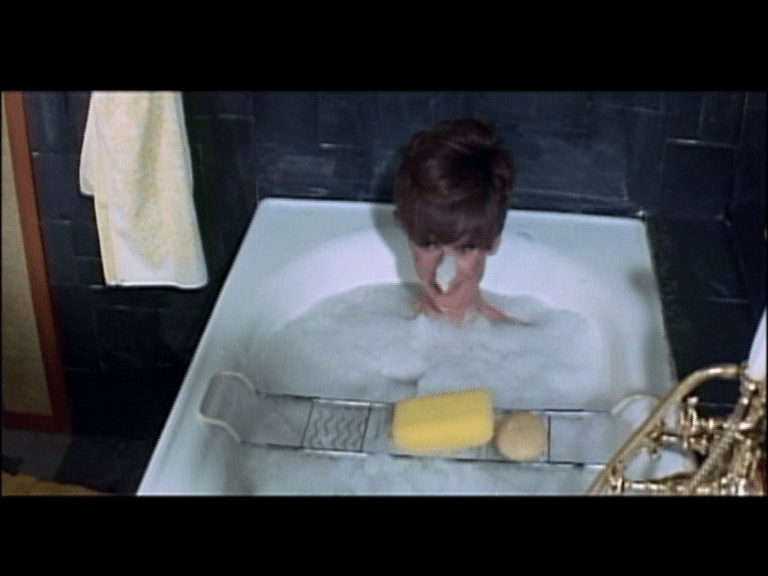
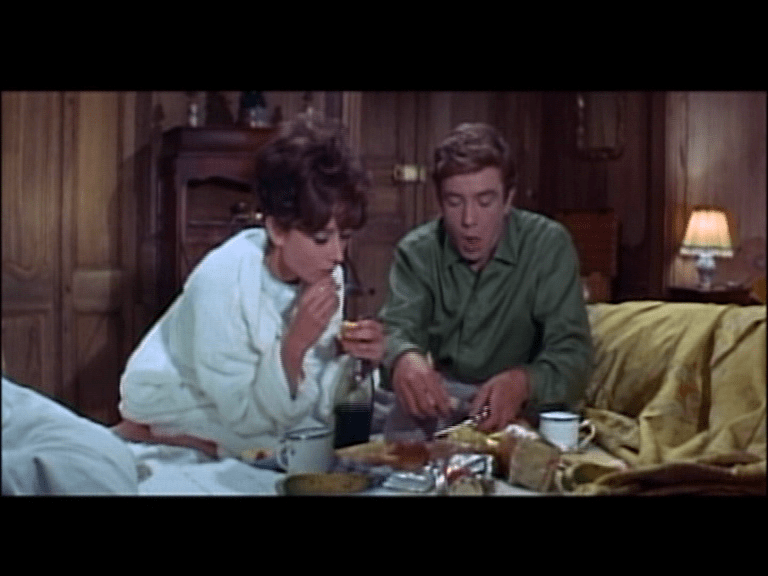
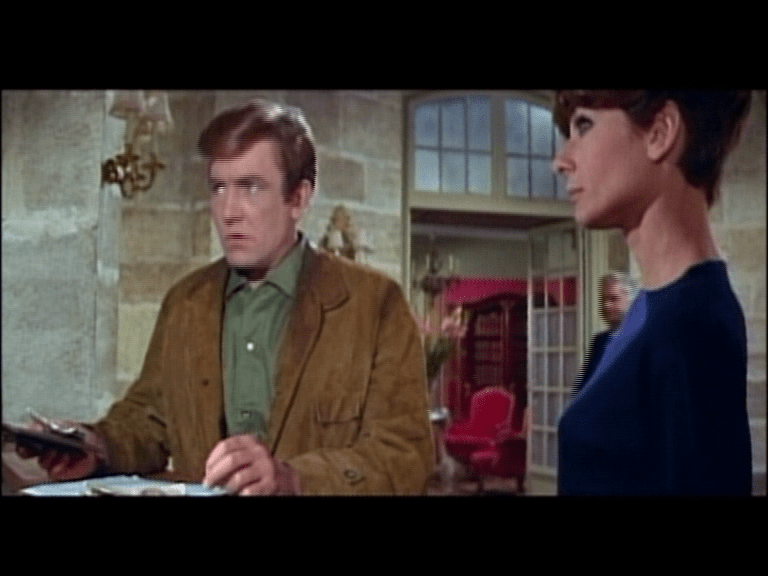
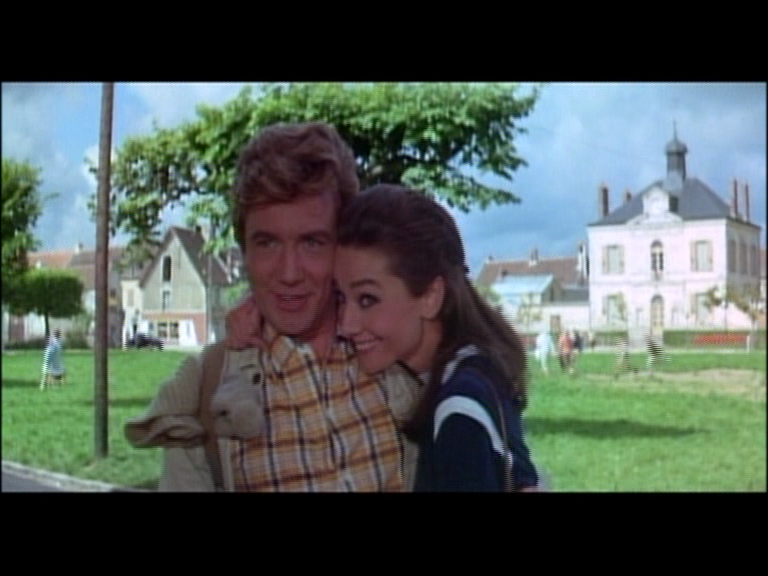
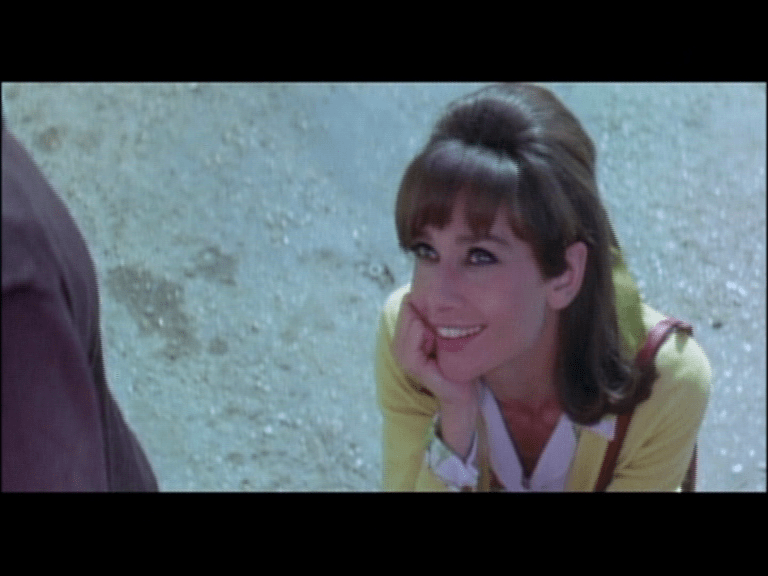
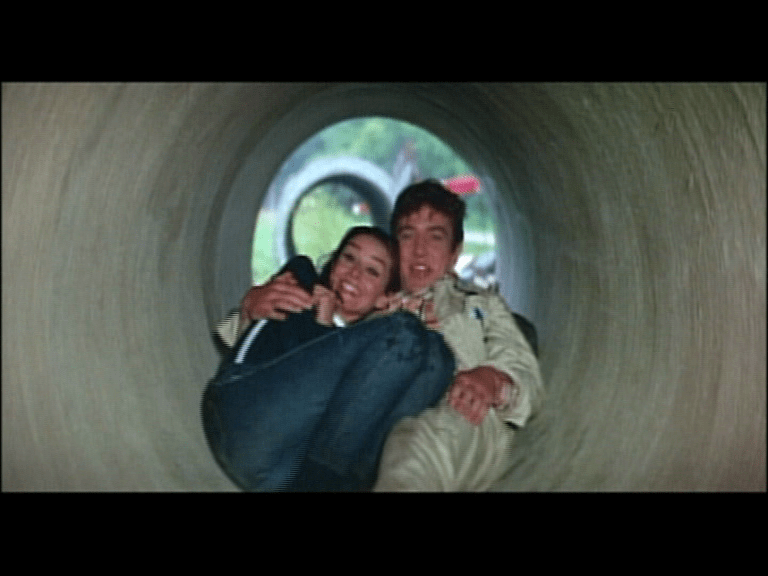
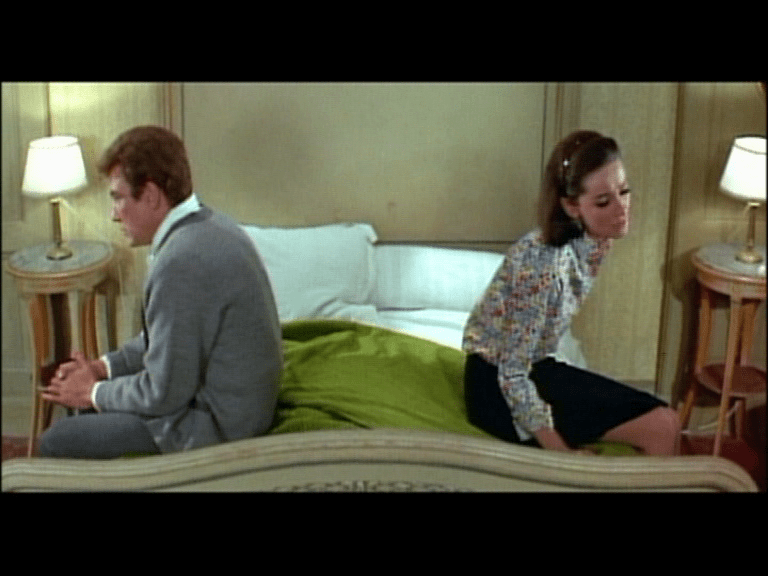
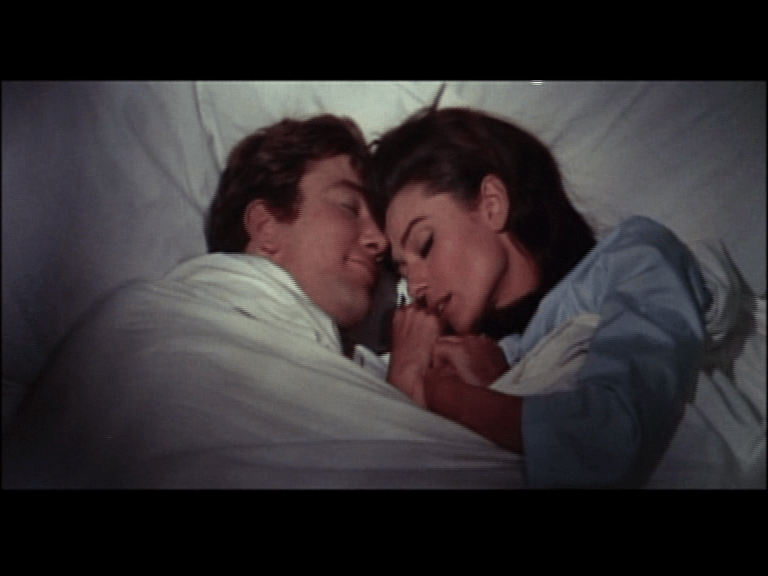
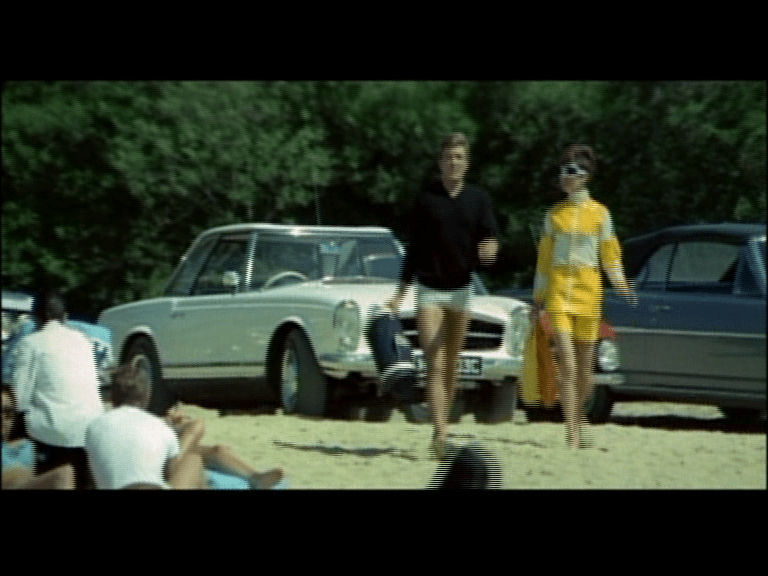
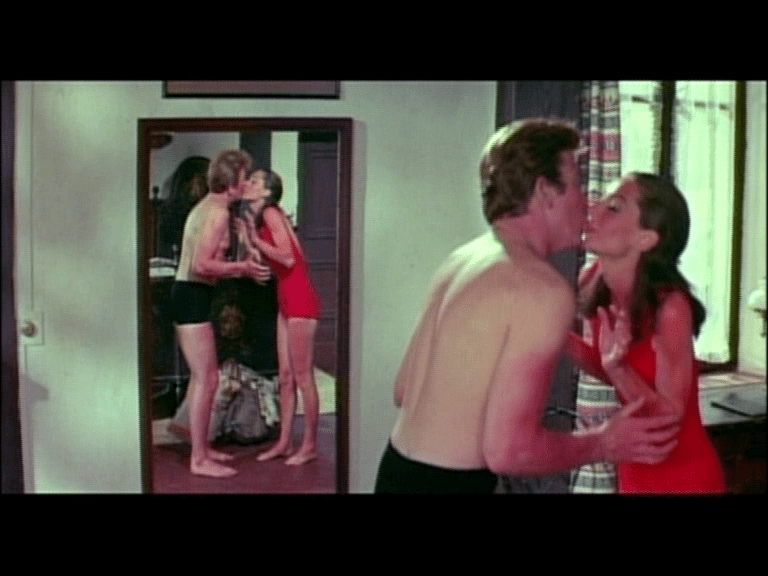
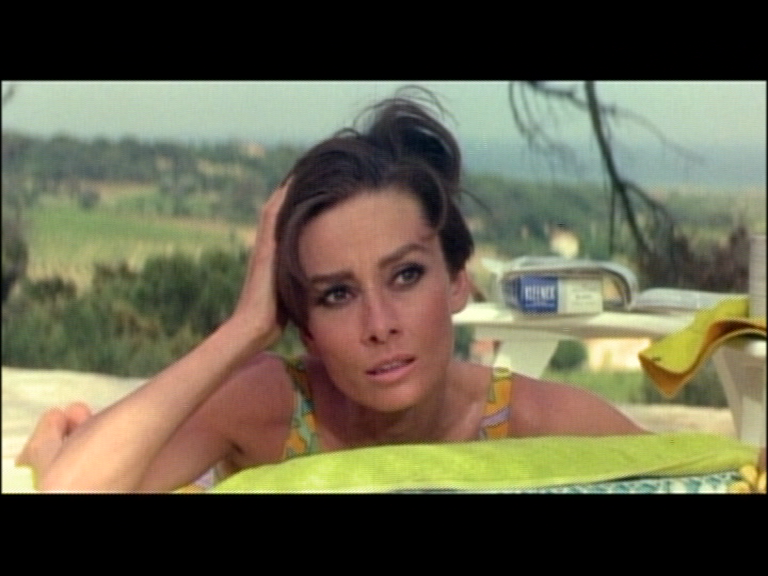
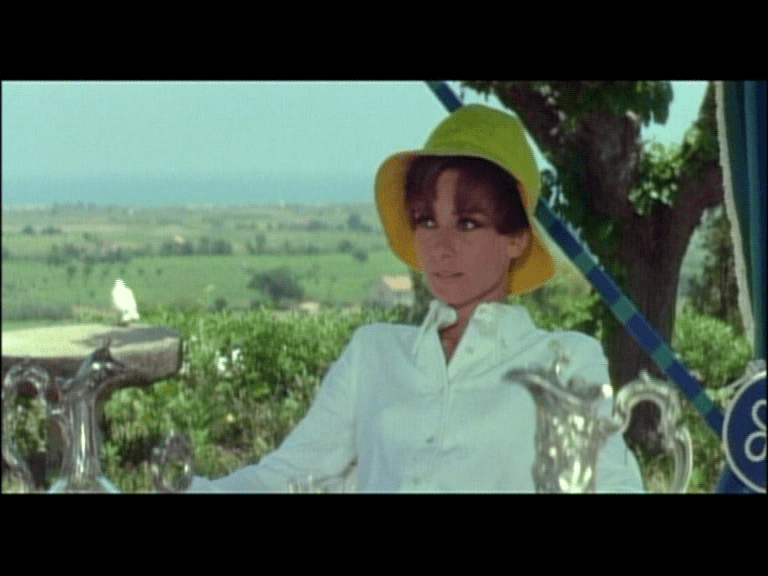
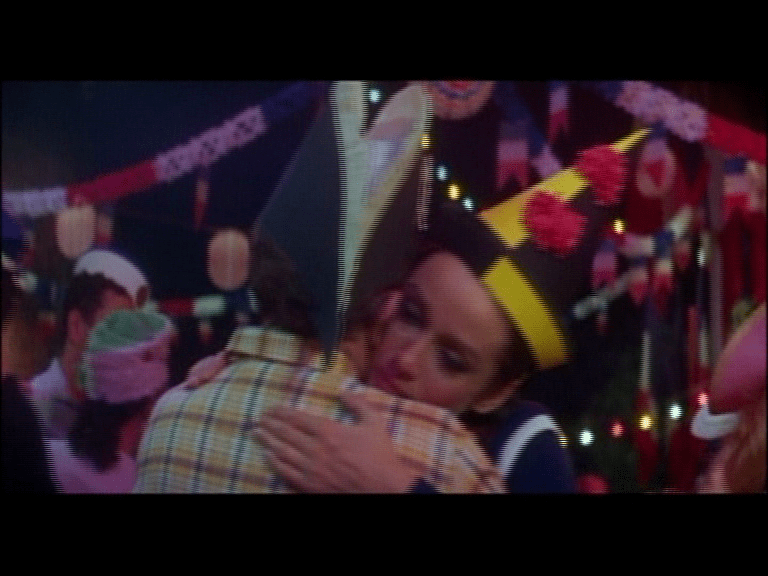
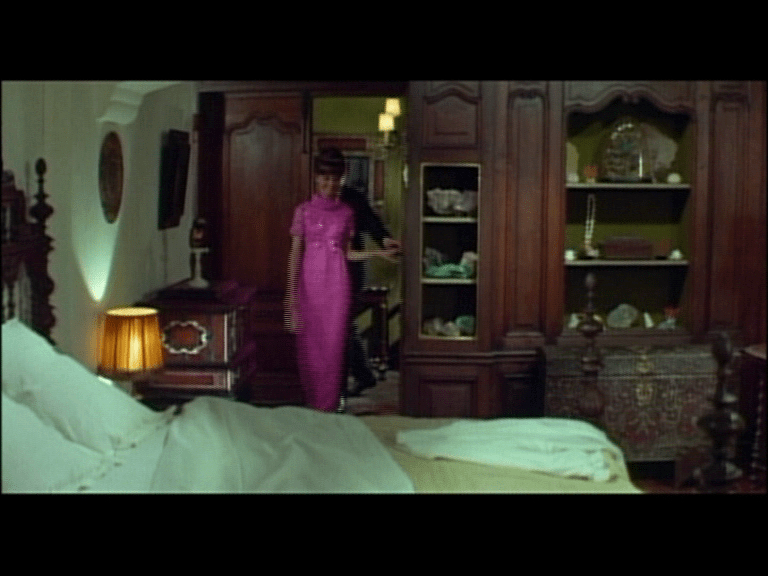
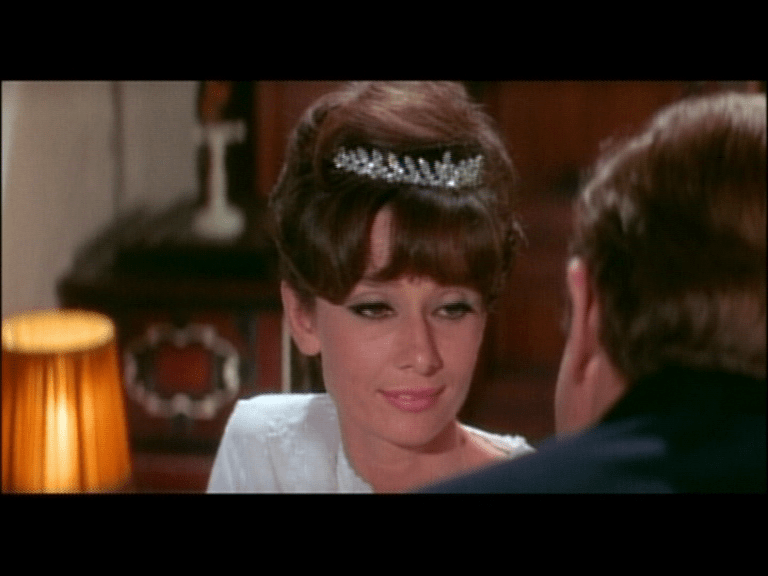
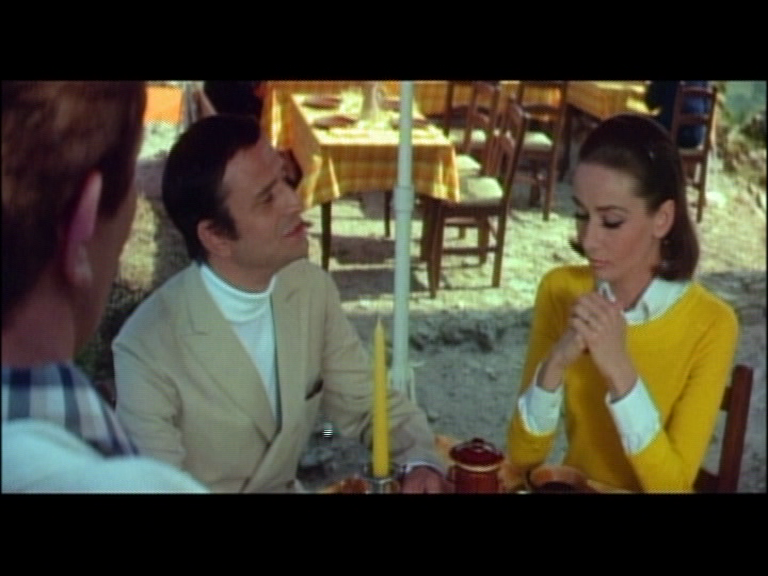
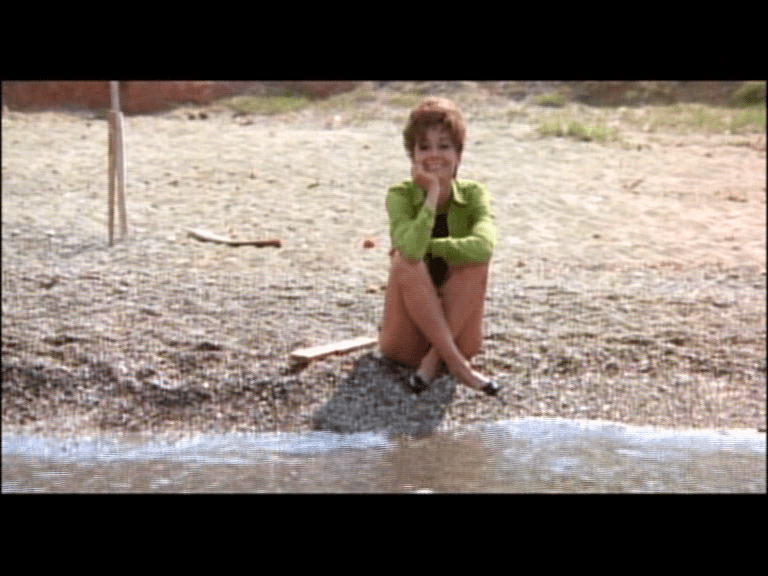
My most recent Lovefilm rental was a film I’ve been dying to see for years: Two for the Road starring Audrey Hepburn and Albert Finney. I can safely say that it did not disappoint and I remain baffled as to why it wasn’t more successful at the time, or why it hasn’t been re-evaluated as a classic in the years since. I suppose it is mainly a lack of familiarity; when was the last time it was shown on’t’telly?
One reviewer explained the possible contemporary drawback that Audrey Hepburn was a much more established Hollywood star in 1967, and someone like Albert Finney would have seemed a terrible upstart to have equal billing opposite her. It doesn’t help that his character is a dominant, aggressive, opinionated Alpha male, and she is as delicately beautiful and softly spoken as always. That isn’t to say that her character is a washout, far from it, but in analysing a marriage across its entire lifespan, you will certainly see the worst sides of both parties. And the phrase ‘a bit of an arse’ was created precisely for a man like Mark Wallace.
The rhythm of the film is deliciously undulating and swervy, which is dictated by the fact that it is a road movie and that it switches between several different time periods through its entirety. You see how the couple first meet, how they fall in love, how they survive youthful poverty, pregnancy, the changing fortunes of their lives (and how these, perversely, make them unhappier), their dalliances, how they seem to be falling out of love. In fact, it shows every nuance of a complex relationship in snippy vignettes from several holidays, each involving a long journey across France. You never see their home, but you really don’t notice and certainly don’t need to.
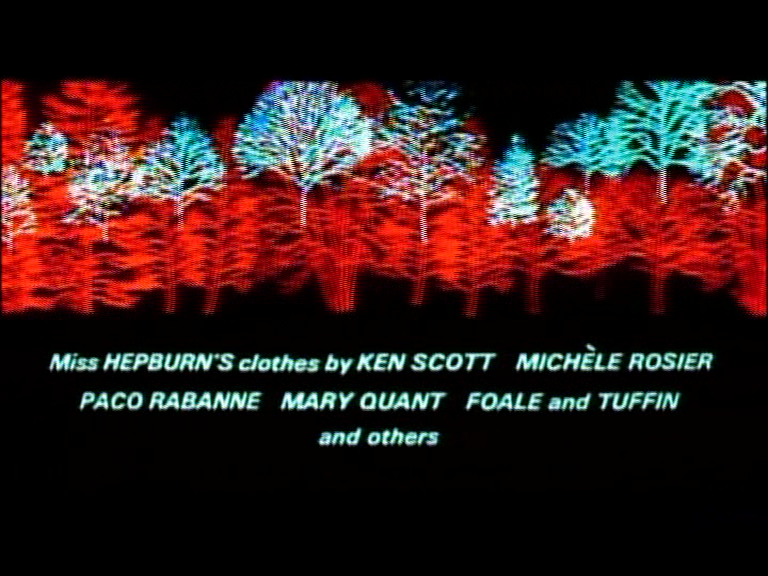
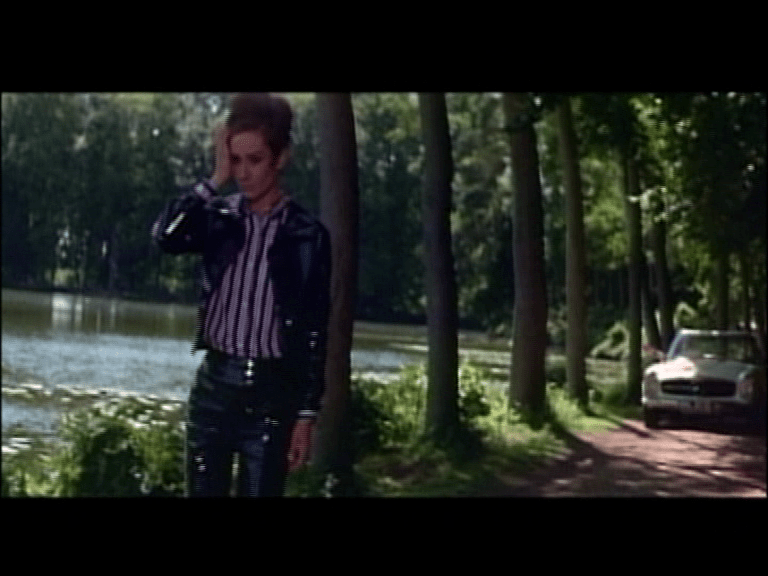
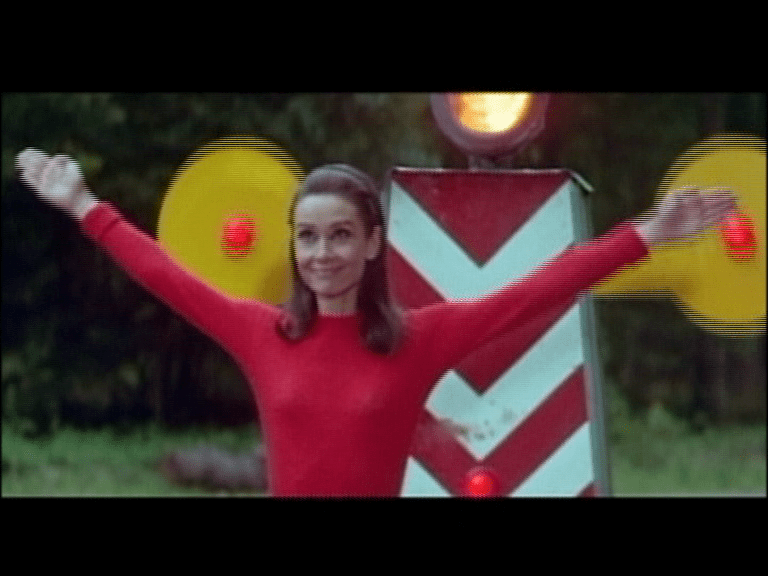
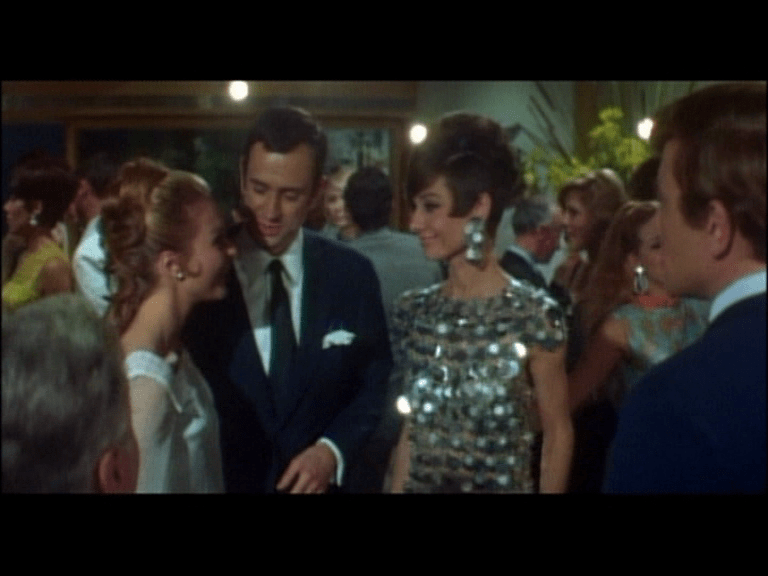
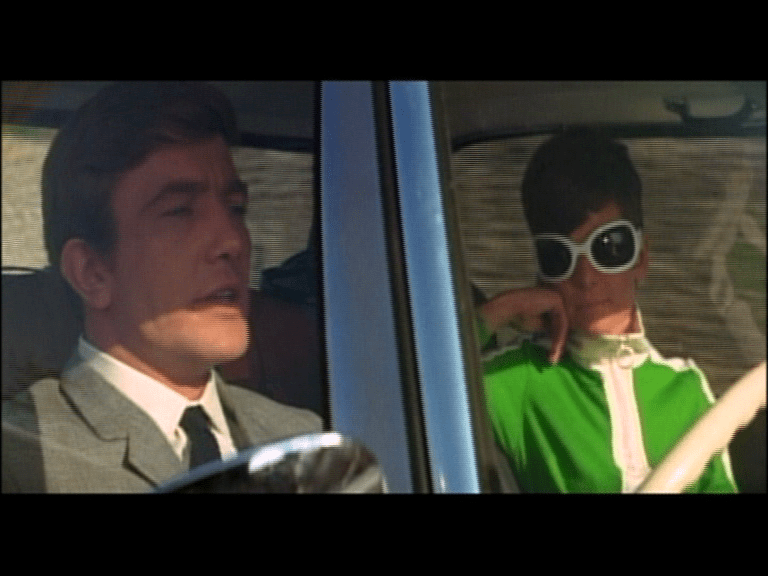
It is also notable for Hepburn’s wardrobe, which is provided by a host of swinging young designers (Foale and Tuffin, Mary Quant, Paco Rabanne, Ken Scott etc…) and perfectly places each time period. You know where you are when her hair is long, and her beatnik jumper is red, or when her hair is perfectly coiffed into a Vidal Sassoon cut and her clothes are mod perfection.
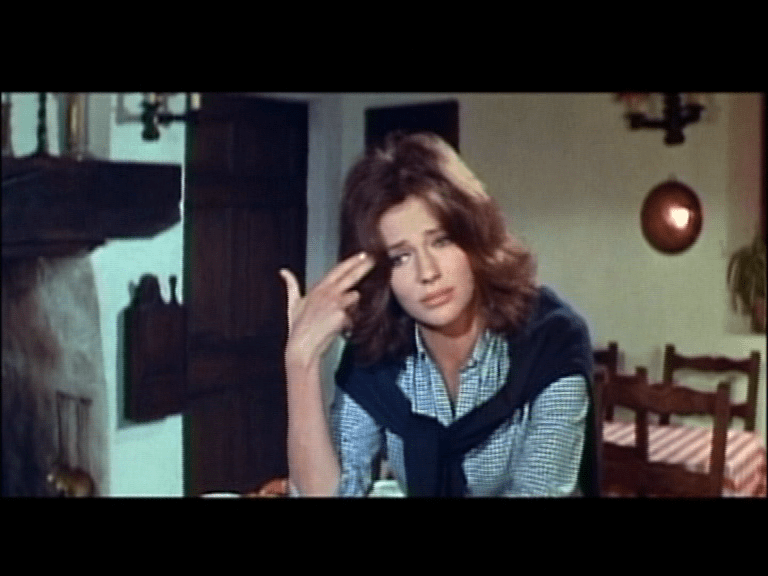
You’ll laugh, if you’re anything like me you’ll cry, and you’ll fall ever more in love with Audrey and Albert. There’s even an early Jacqueline Bisset appearance. Definitely a ‘must see’, in my opinion.