

Clothes available from Sheridan Barnett and Sheilagh Brown.
Shoes available from Zapata.
Jewellery available from The Purple Shop.
Model is Gael McKay.
Make-up and styling by Yvonne Gold.
Photographed by Neil Kirk.
Scanned from Ritz, no.15 1978.


Clothes available from Sheridan Barnett and Sheilagh Brown.
Shoes available from Zapata.
Jewellery available from The Purple Shop.
Model is Gael McKay.
Make-up and styling by Yvonne Gold.
Photographed by Neil Kirk.
Scanned from Ritz, no.15 1978.


more of it, less of it, what there is of it, frilled.
Preview of new white shapes you’ll be seeing when the sun’s hot: all cut out, cropped or split, beginning with flamenco frills piped in with red.
Well, it may not be May any more but this editorial feels perfect for the current weather. And those Manolo Blahnik for Zapata shoes? Pass the smelling salts…
Hair by John at Leonard.
Photographed at the Serpentine Gallery, Kensington Gardens
Photographed by Peter Knapp.
Scanned from Vogue, May 1972.


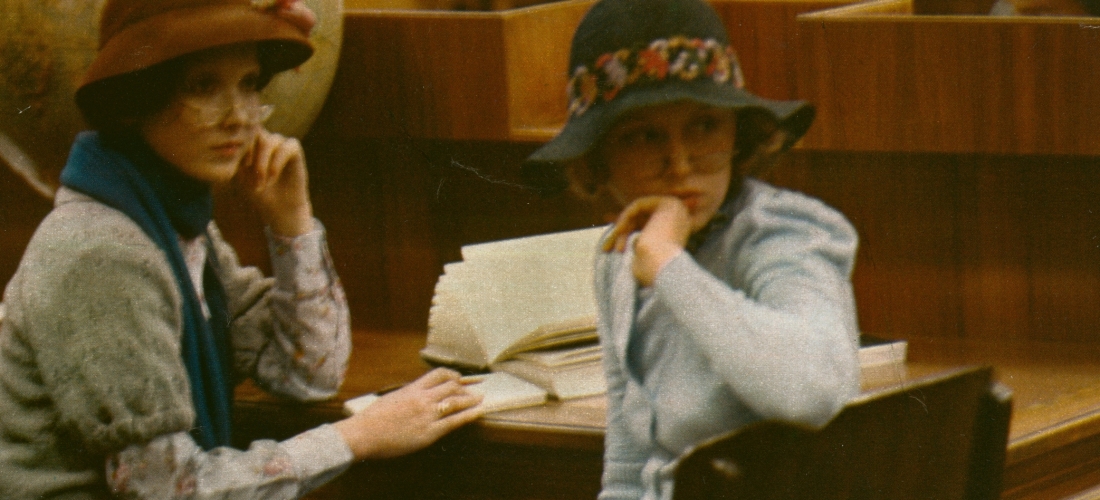
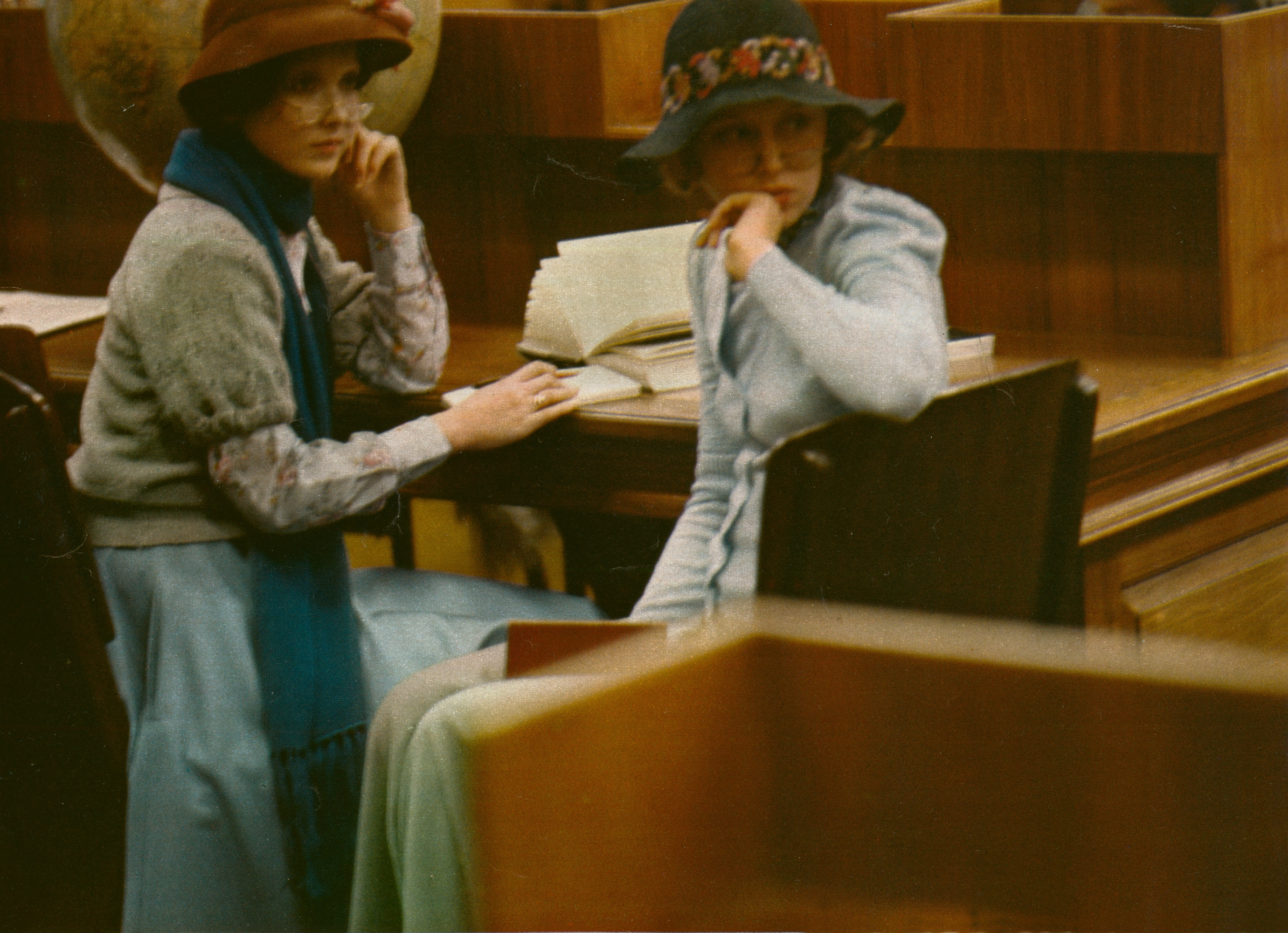
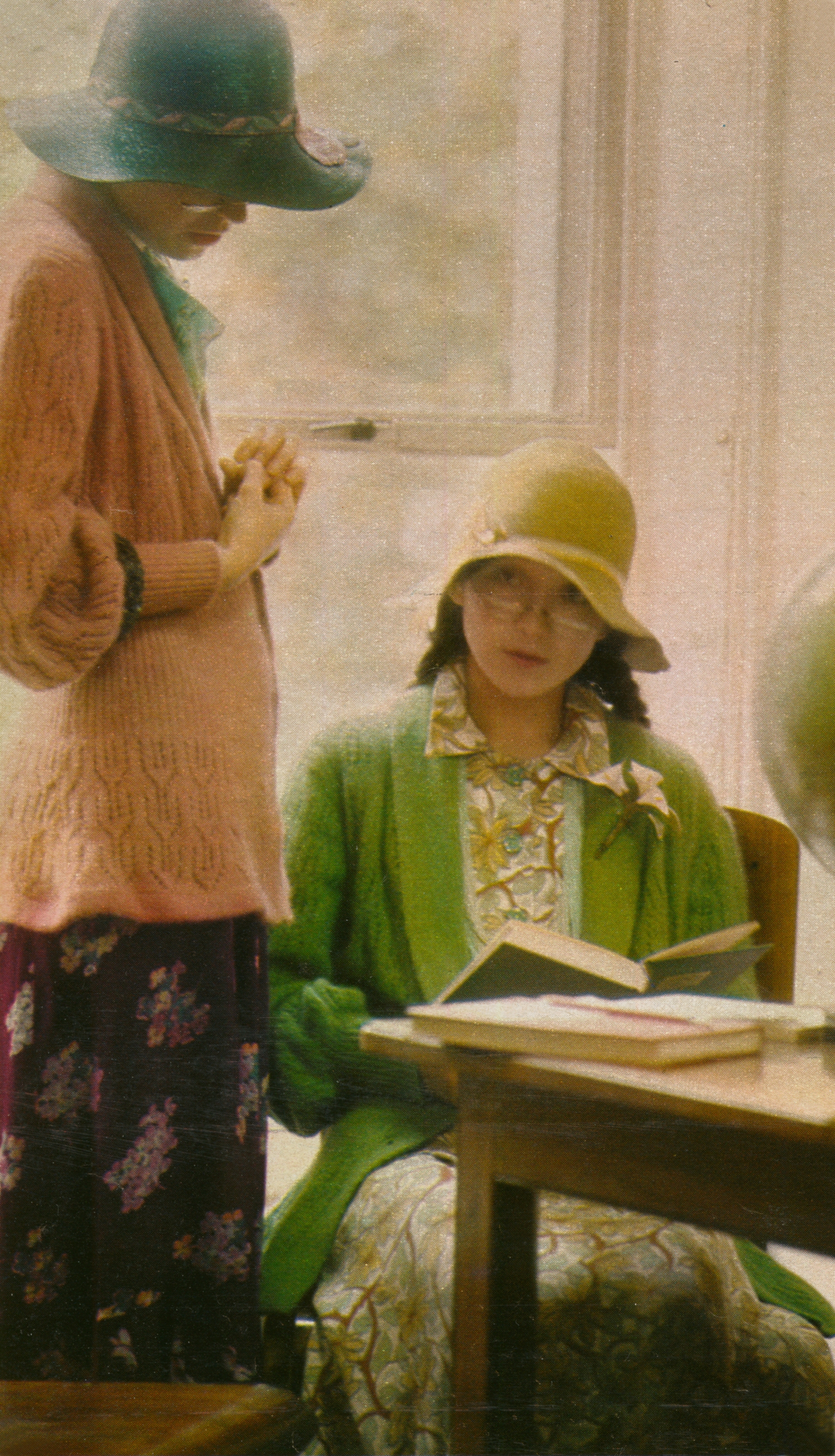
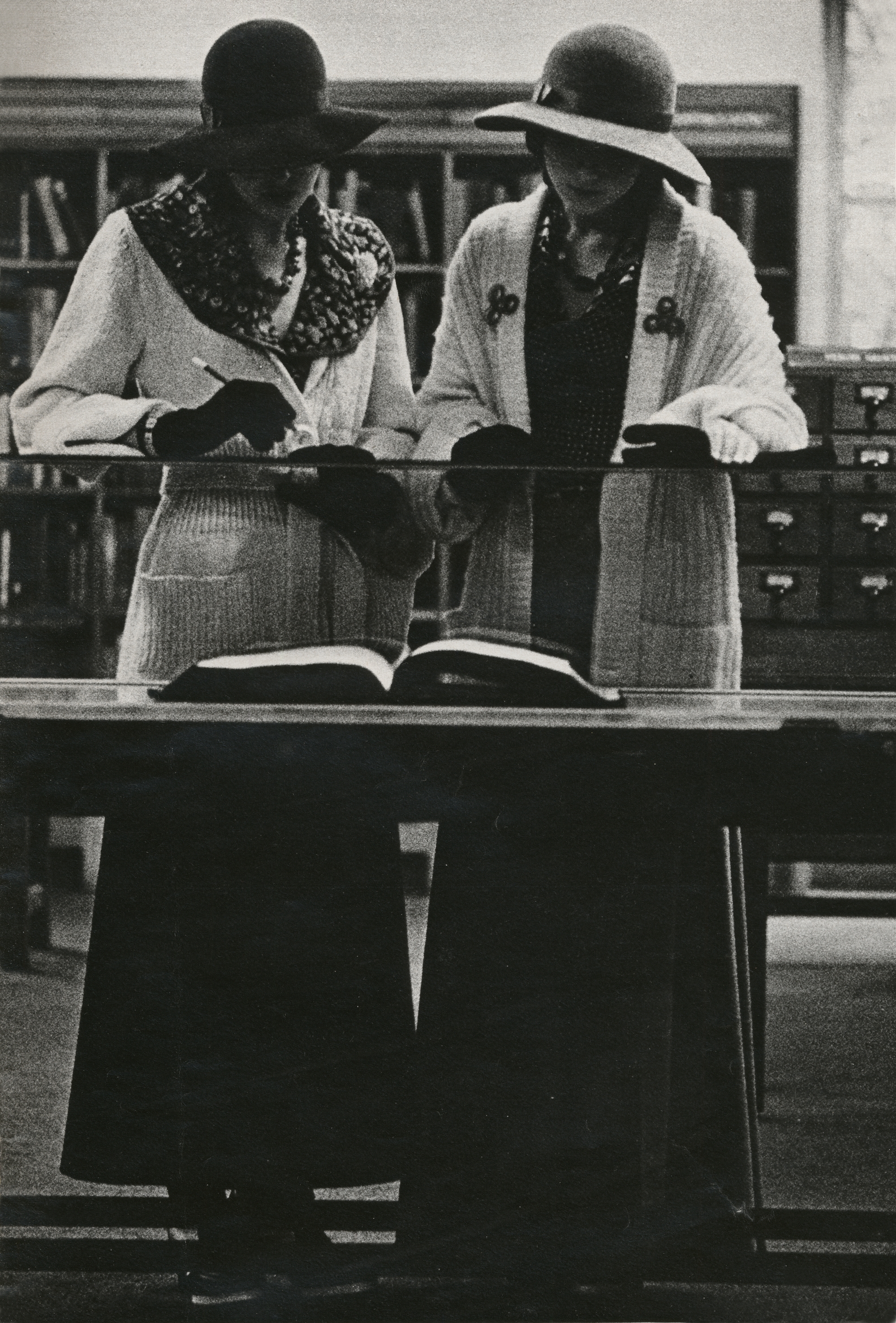
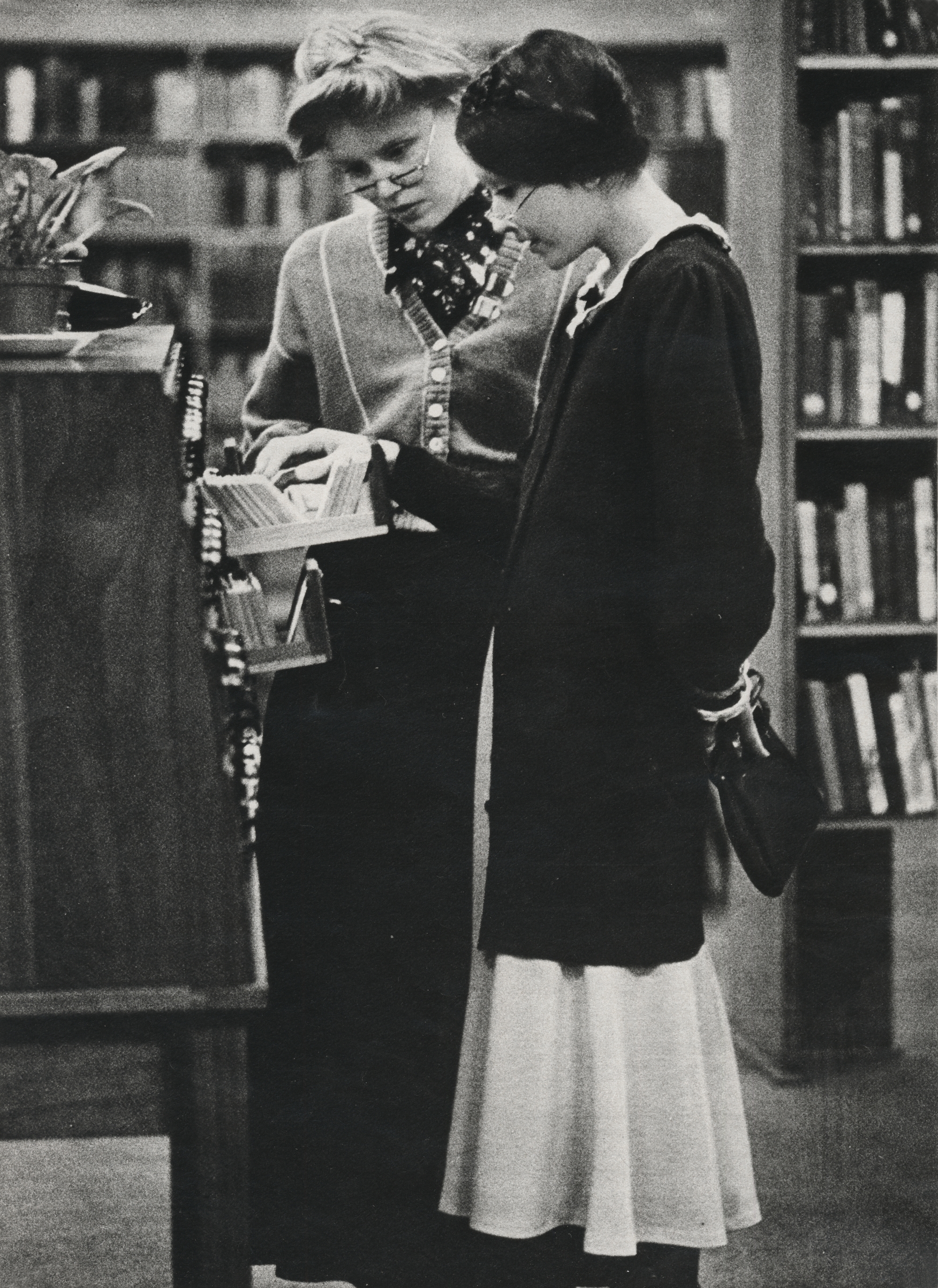
Ten years ago, the British woman was bound to her cardigan. Then, in a feverish review of fashion, the cardigan was shelved for the jacket. Now, it’s back in circulation, not as the rather insipid number of yesteryear, but renewed in a long wrap-around version — the sort you cuddle into when it’s cold outside, the sort you wear over dresses, jeans or even suits. Cardigans like this are the most practical knitwear created for ages and the Paris Collections, if they spell excitement to you, were full of them.
All jewellery in feature from a selection at Marie Middleton and Susan Marsh at Chelsea Antique Market. Gold-rimmed glasses from any good optician.
Modelled by Vivienne Lynn and unknown model.
Styling by Norma Moriceau.
Photographed by Ku Khanh.
Scanned from 19 Magazine, January 1973.
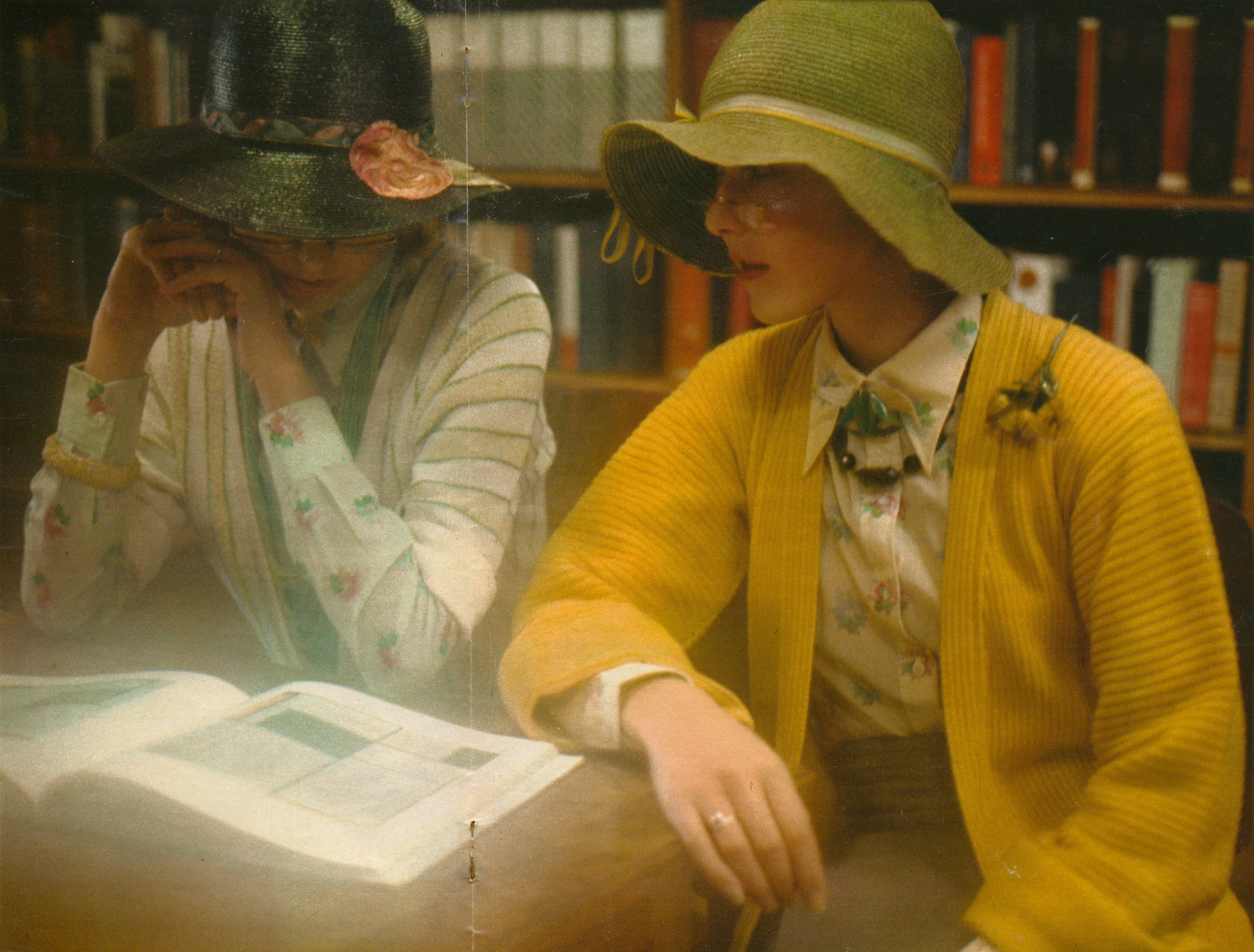
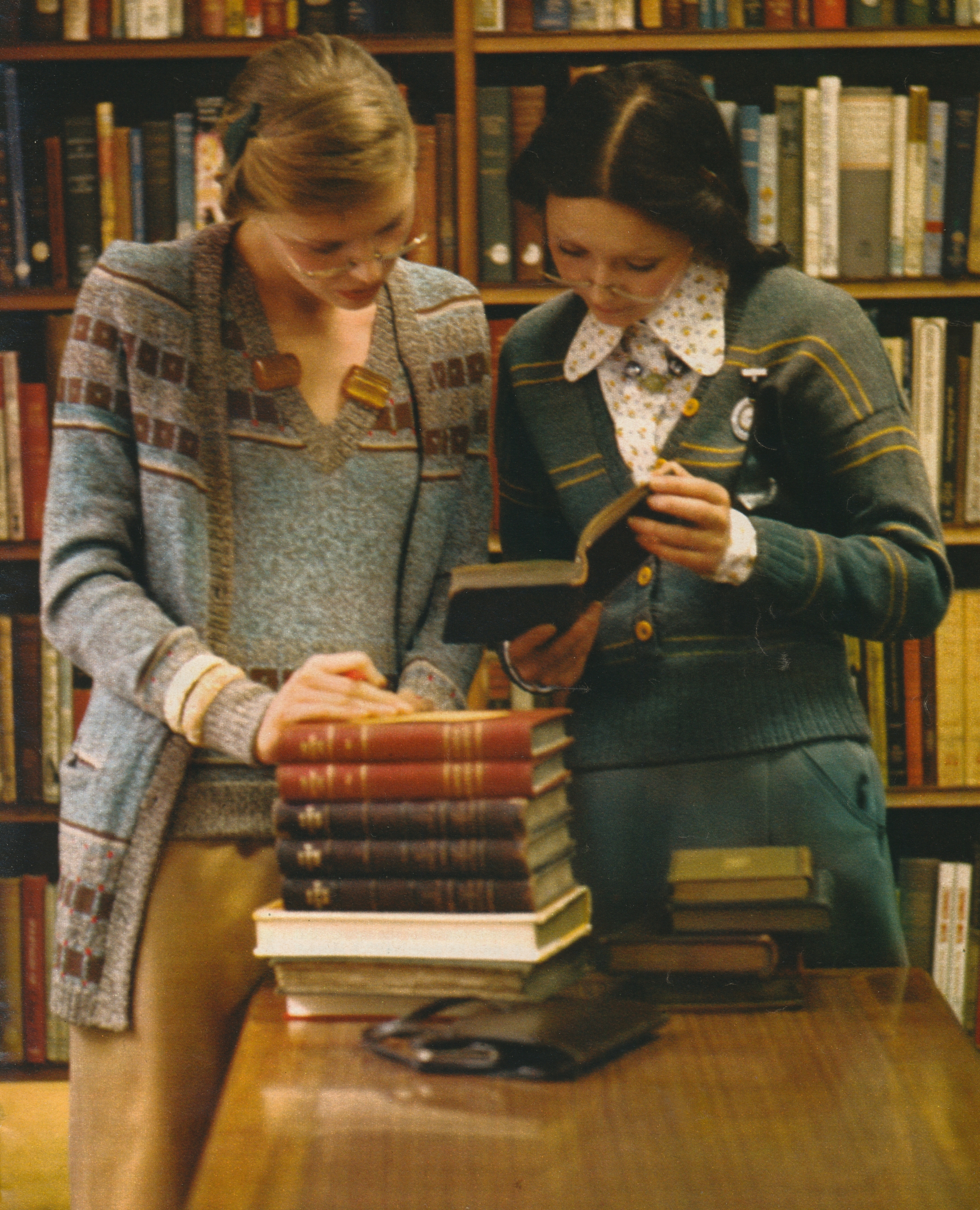


A 19 SPECIAL PREVIEW OF AN EXCITING DESIGNER’S COLLECTION
Sheridan Barnett, pictured above, is the young designer who gave Coopers such a good look and who has now joined the Quorum label, with Ossie Clark and Alice Pollock. At twenty-six, he has established himself as the most exciting designer in London, with a fabulous first collection for Quorum that left them clapping in the aisles. Women’s Wear Daily, the fashion bible of America, devoted an entire double-page spread to his collection, previously unheard of for an English designer. He designs with his girlfriend, a ballet dancer, in mind, and ladies like Grace Coddington, model Eija and Liza Minnelli: “Girls who are individual and chic, interesting, attractive and with oomph . .” and likes them to look alluring, classy and sexy. At the moment, his clothes are expensive but we are hopeful that, later on, they will be available in the cheaper Radley range as Ossie Clark’s clothes are. Meanwhile look out for similar lines.
My slightly belated tribute to the great Sheridan Barnett, who died in November. He is one of those many British designers of the time whose work doesn’t really get the attention he deserves; as you can see here his tailoring was exquisite.
All clothes by Sheridan Barnett at Quorum.
Shoes by Zapata. Hats by Digby Howard.
Hair by Ricci Burns.
Photographed by Harri Peccinotti.
Scanned from 19 Magazine, September 1973.


Call it nostalgia, admission of defeat, lack of inventiveness or what you will: the ugly fact is that there is a strong trend among designers to dig up the Fifties for a fashion revival. Those were the days of the A-line, the tulip dress, Lurex and pleated skirts. If you are disturbed at a Fifties revival, so are we. We think it a period in fashion terms best forgotten, with one or two exceptions. If you don’t favour the fashion but fancy the authentic ambiance you’ll get the right idea at Mr Freedom’s restaurant, Feed’em, where we photographed. Here, written about in the Fiftie’s style, are some of the up-dated Fifties fashions on sale now.
At the same time as the Thirties and Forties were being raided by British Boutique designers, so were the Fifties (or Fiftie’s as so spectacularly put here) and it’s pretty hilarious to see the cynicism by the writer here (possibly fashion editor Sarah Drummond) – who had presumably been a young woman then. The cyclical nature of fashion is nothing new and nor is the disbelief when it’s happening in your own timeline!
On another note, it’s always lovely to see some new-to-me shots inside the legendary Mr Feed’em restaurant!
Photographed by John Kelly.
Scanned from Flair, November 1971.


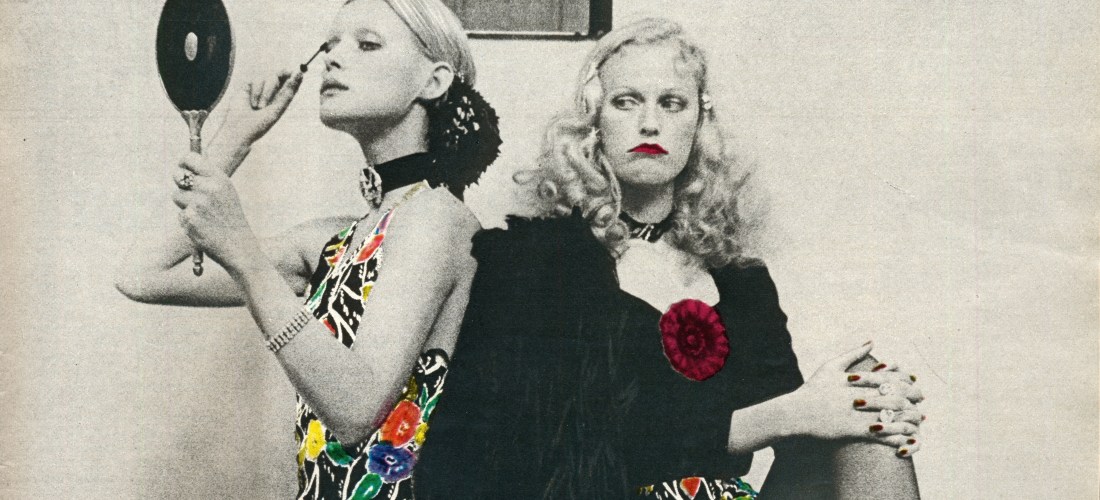
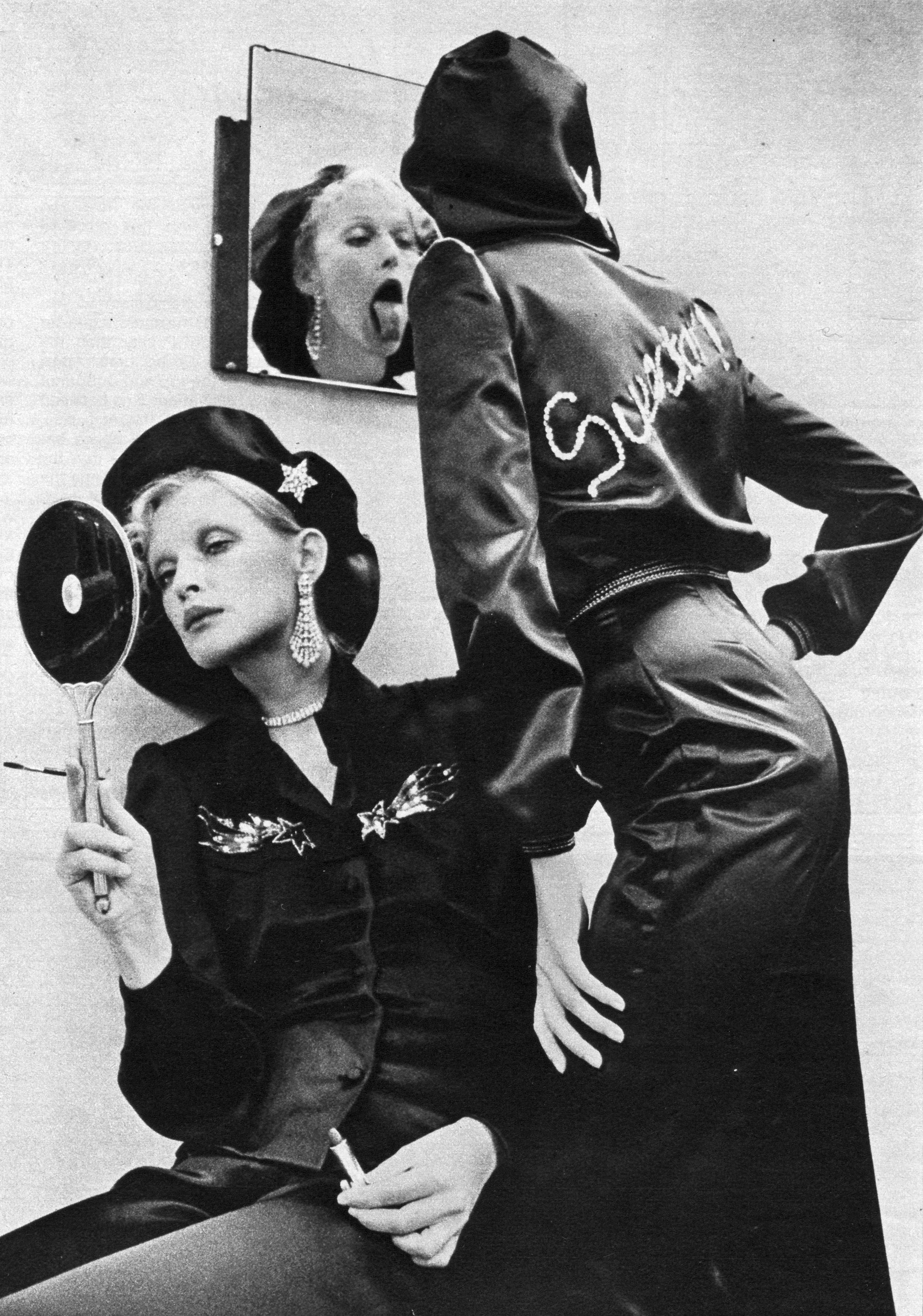
Christmas is coming, so take a good long look at the new you and your clothes. Look for something sexy in black with lots of spangles, for diamonds are a girl’s best friend again.
Just one word from me: Perfection.
Hair by Ricci Burns. Fashion by Norma Moriceau.
Photographed by David Tack.
Scanned from 19 Magazine, December 1971

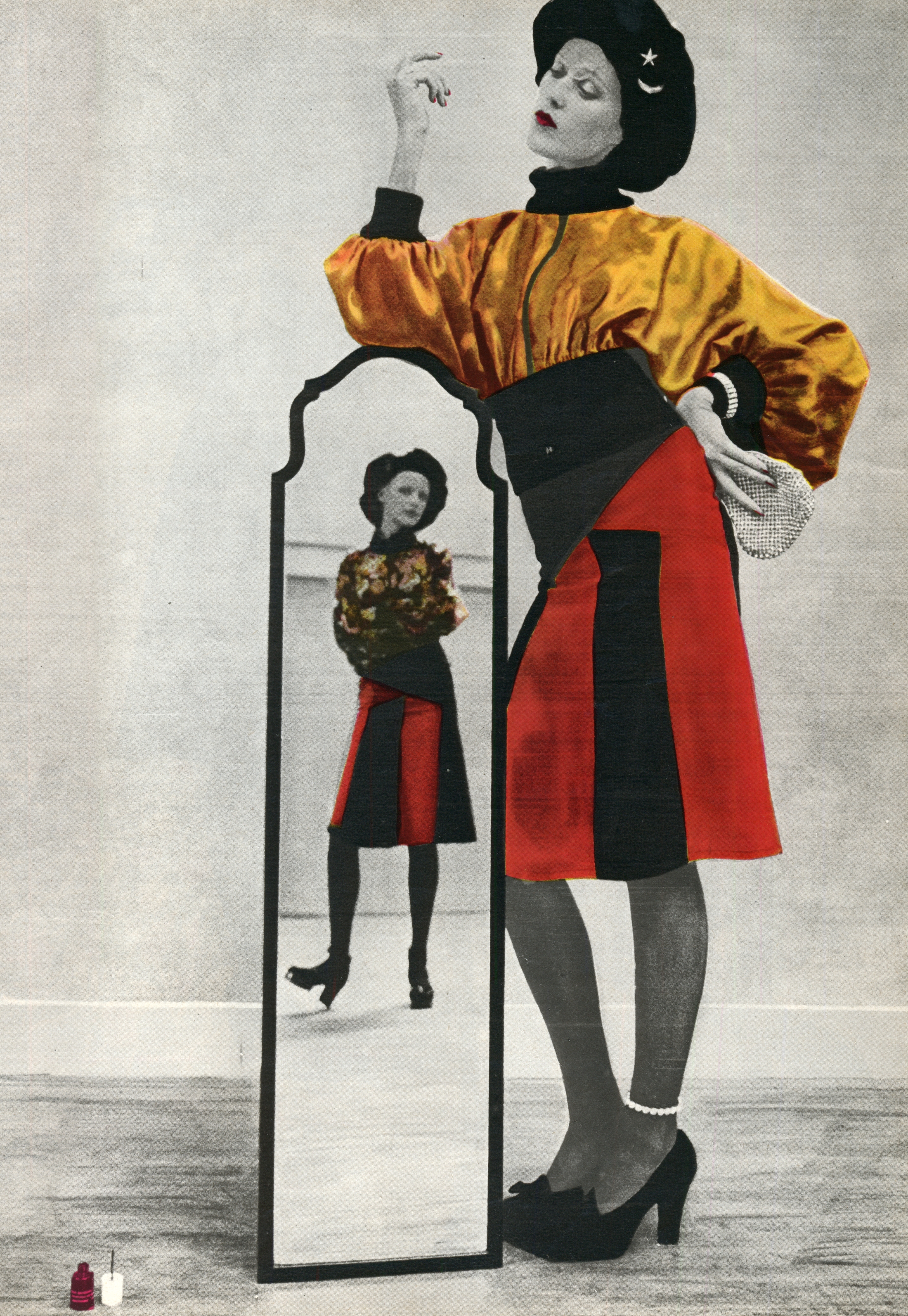

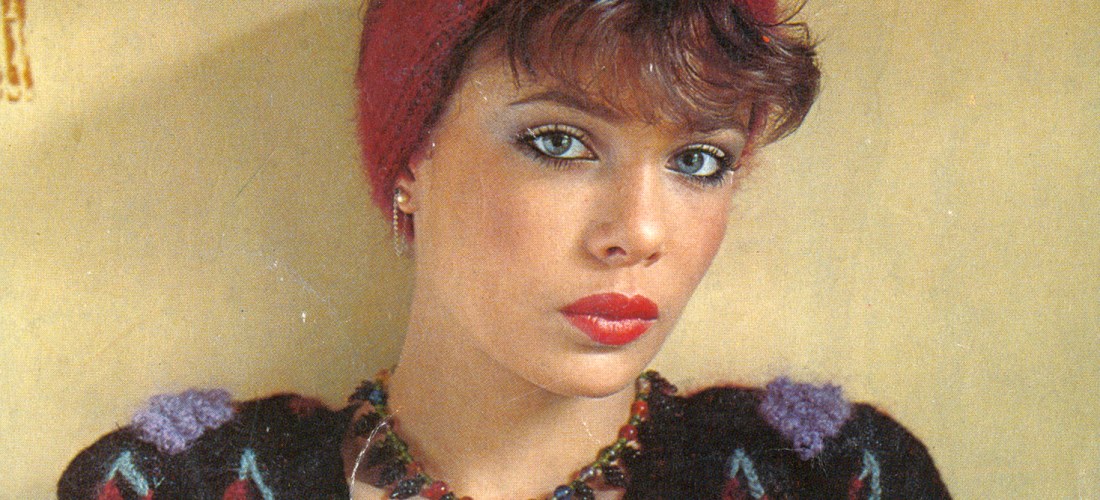
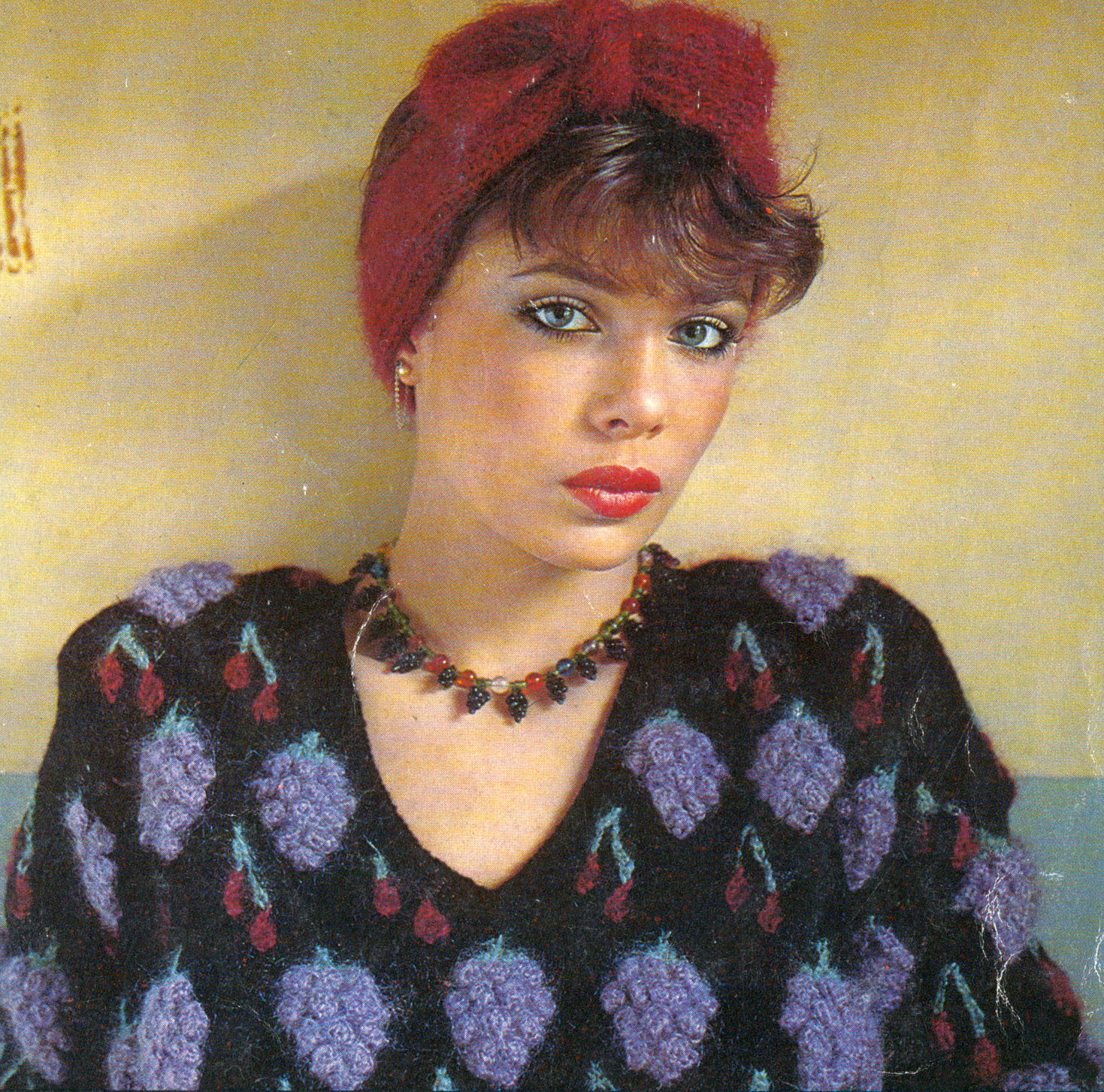
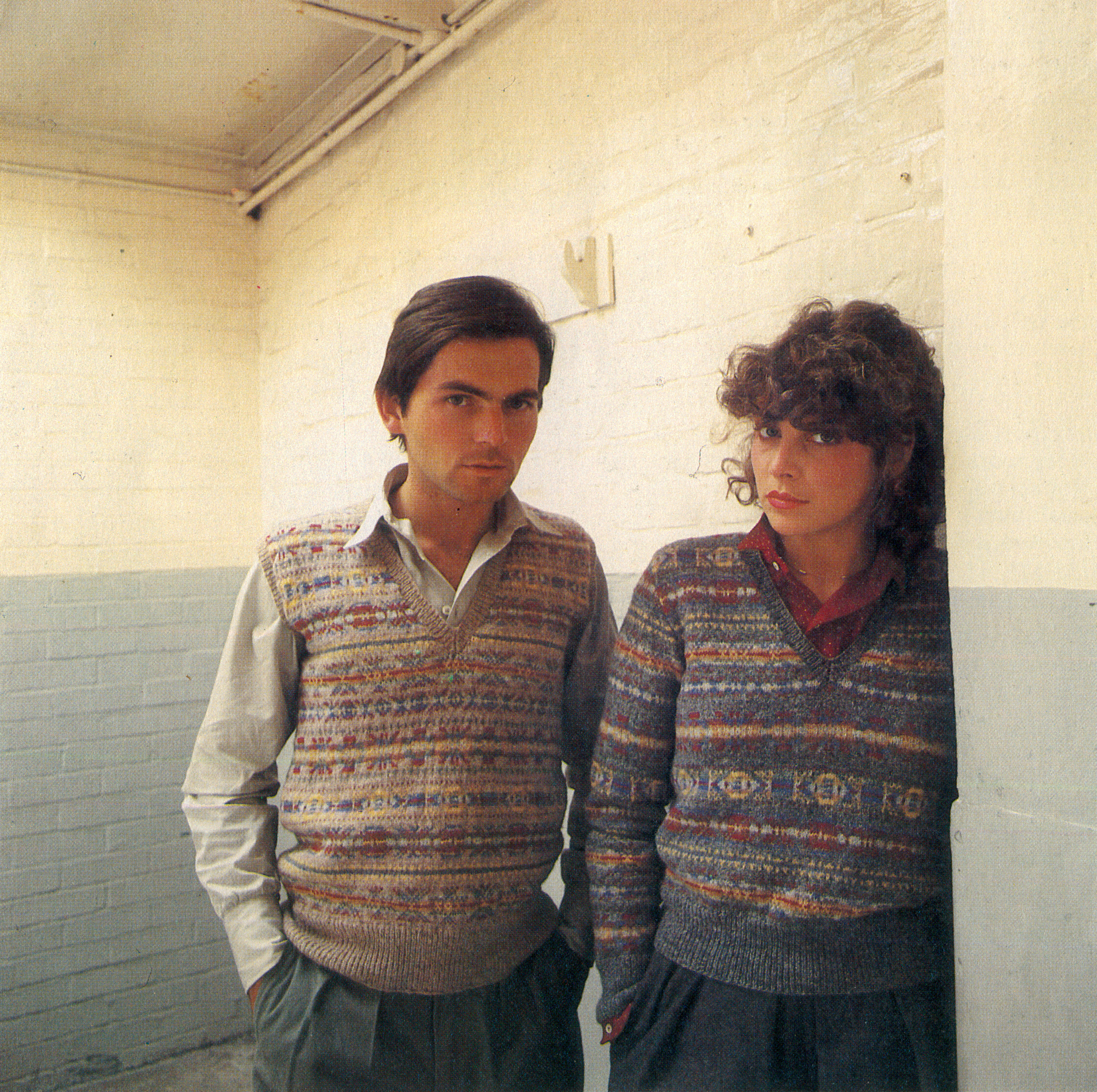
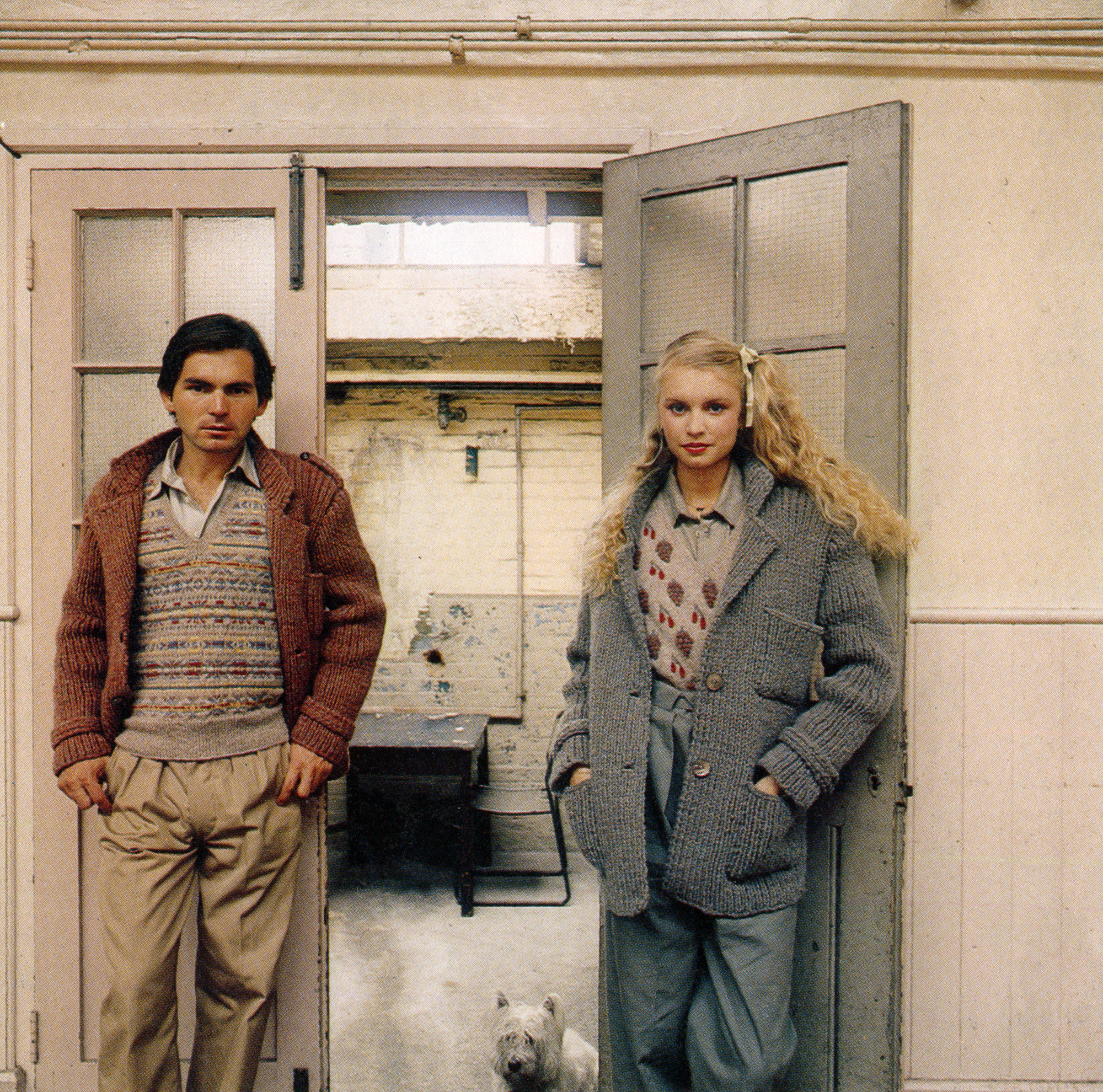
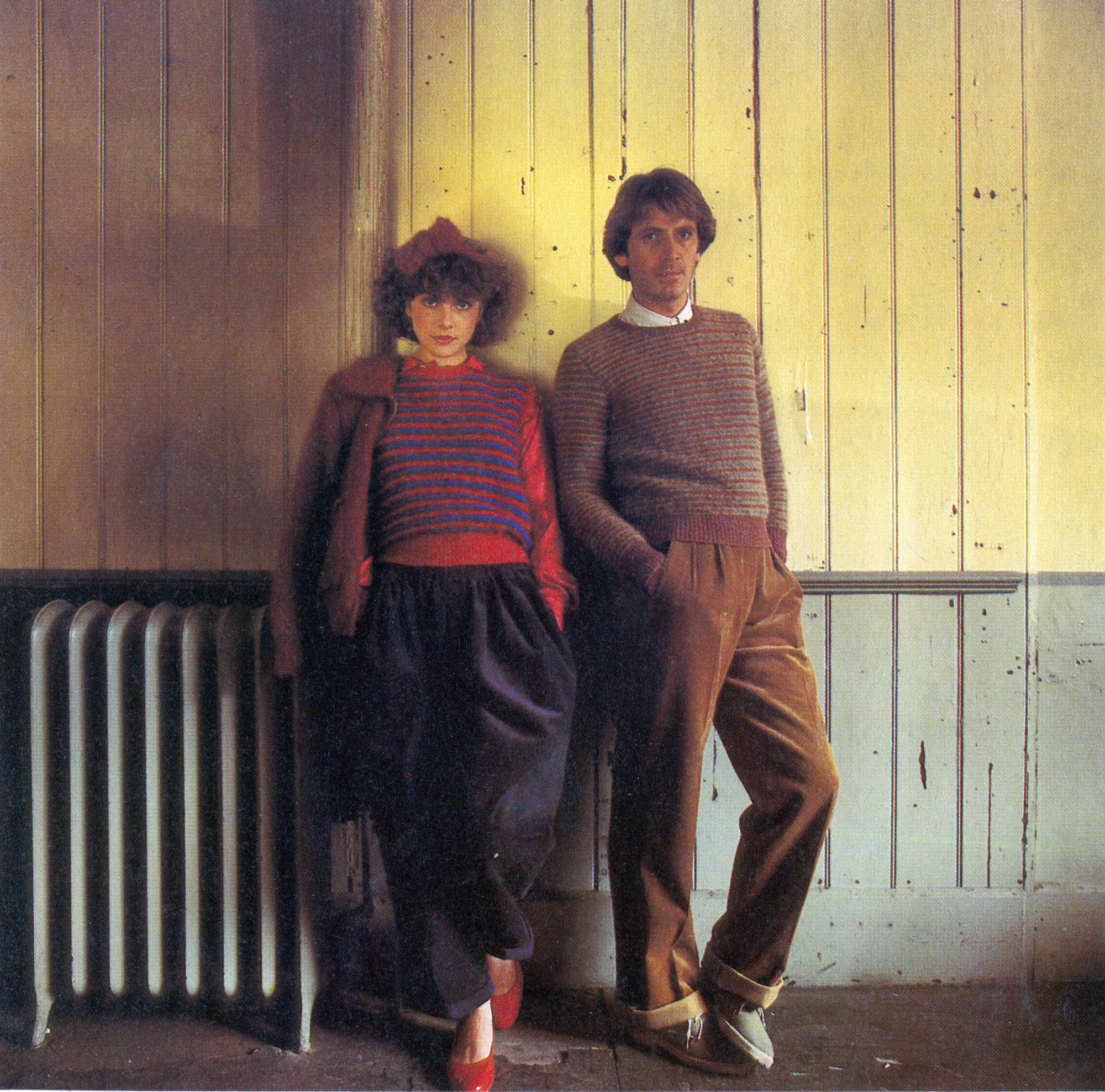
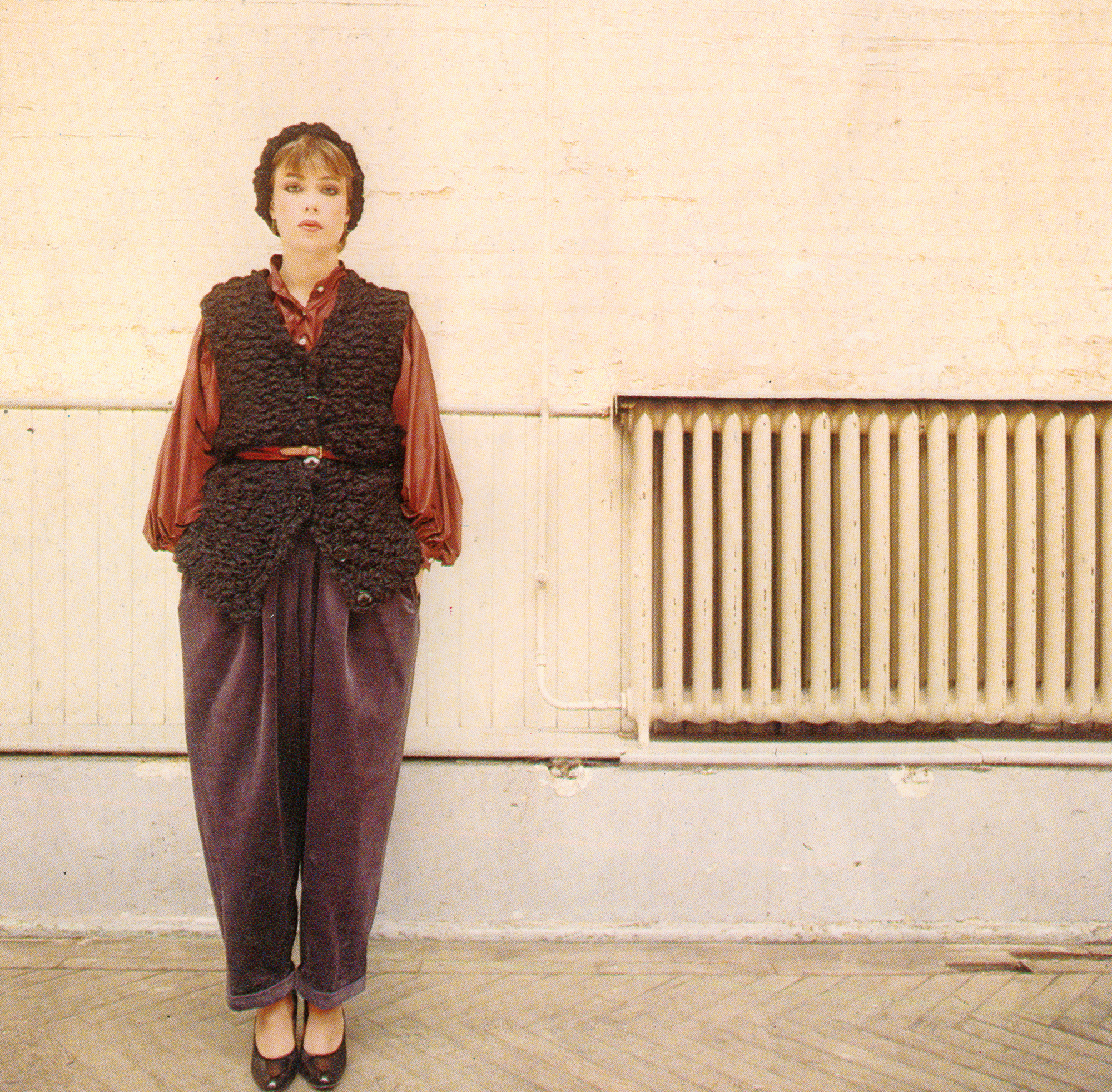
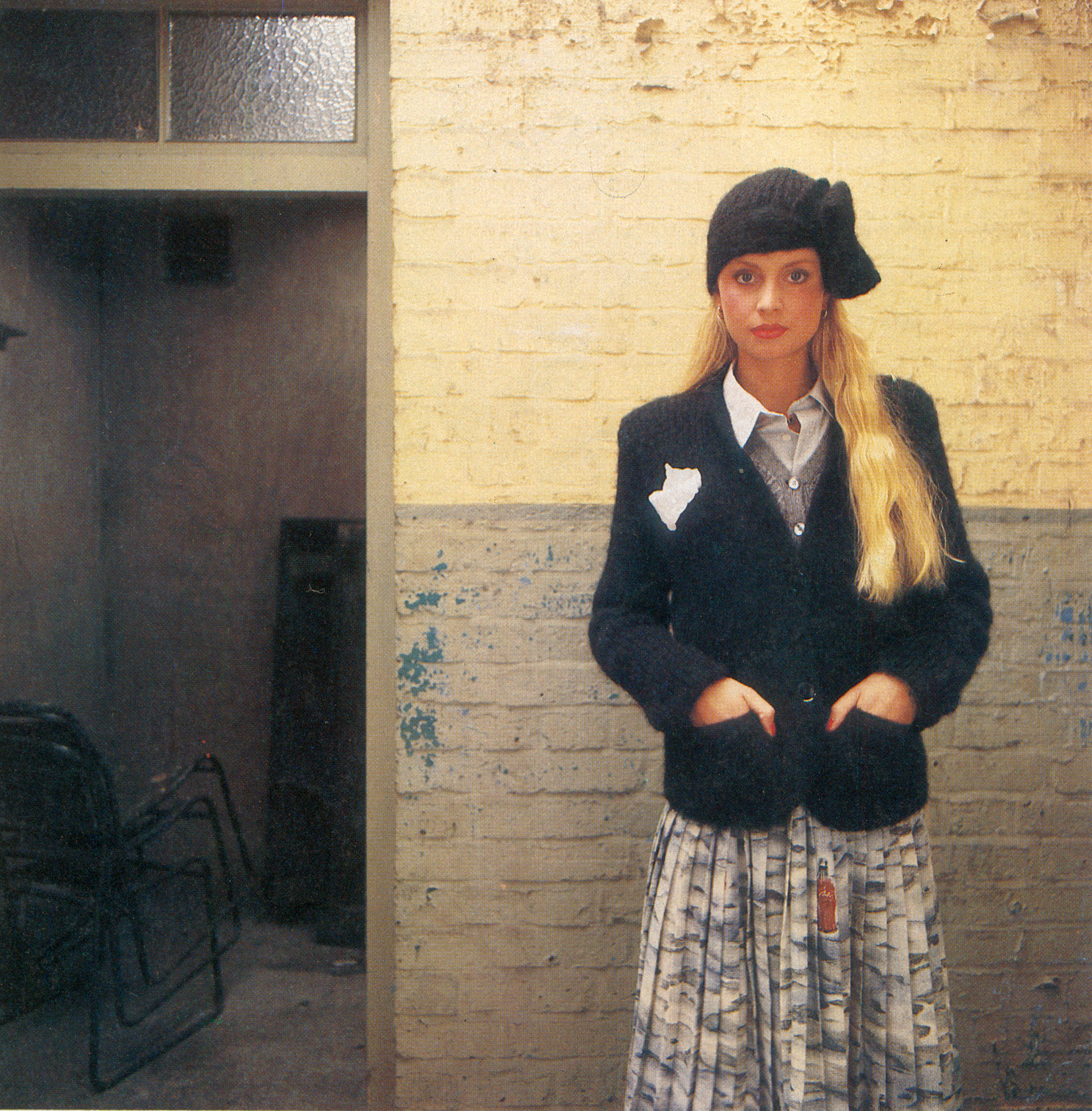
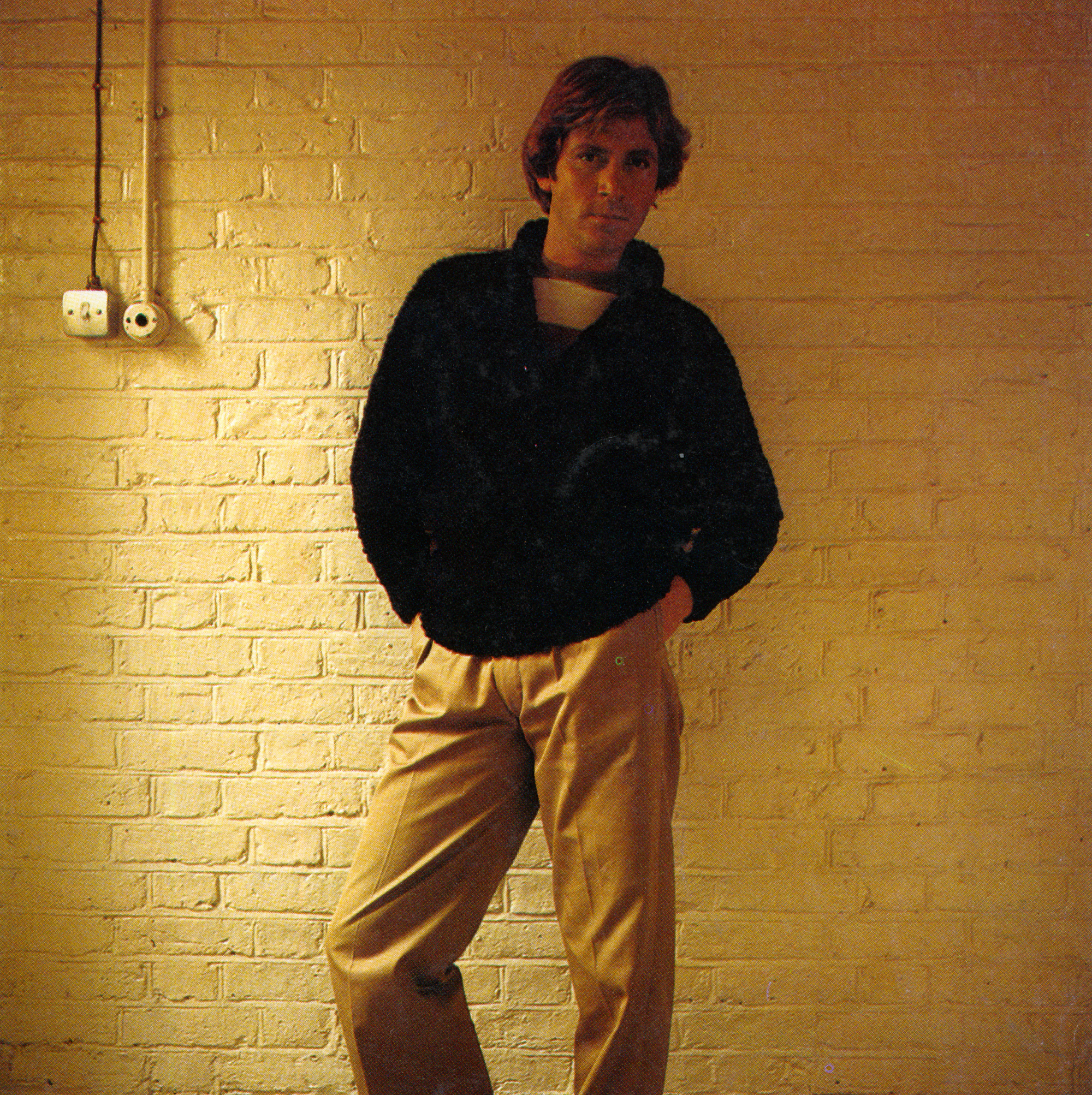
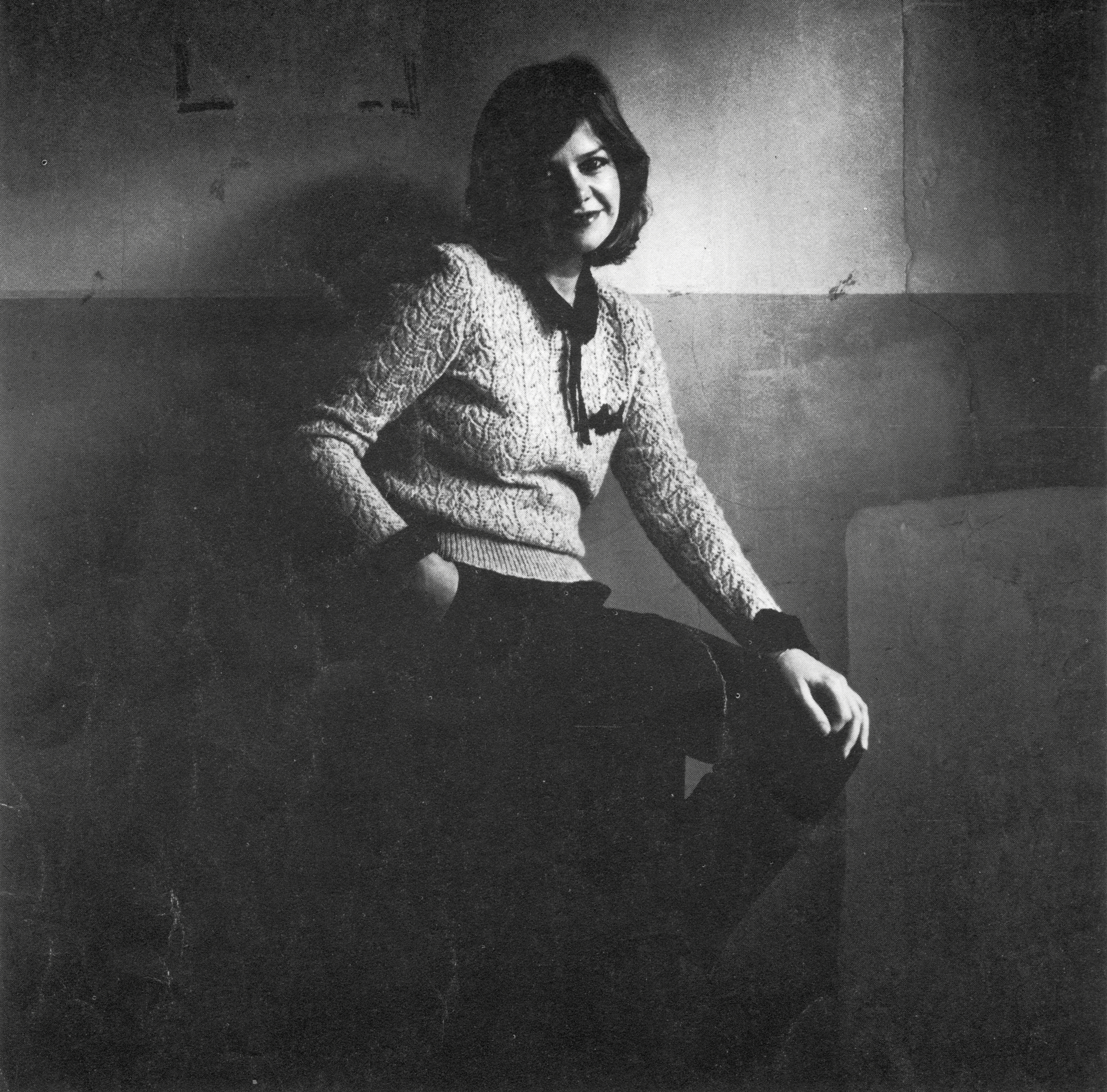
Patricia Roberts designs exclusive hand knits worn by the famous and sold in the most prestigious fashion boutiques in Europe and America.
In 1976 she opened a knitting shop at 60 Kinnerton Street, London S.W.1., selling her own brand of hand knitting wools called “Woollybear Yarns”.
Such was the success of these pure natural yarns dyed in beautiful flattering colours, that buyers from prestige storesthroughout the country were quick to include them in their ranges.
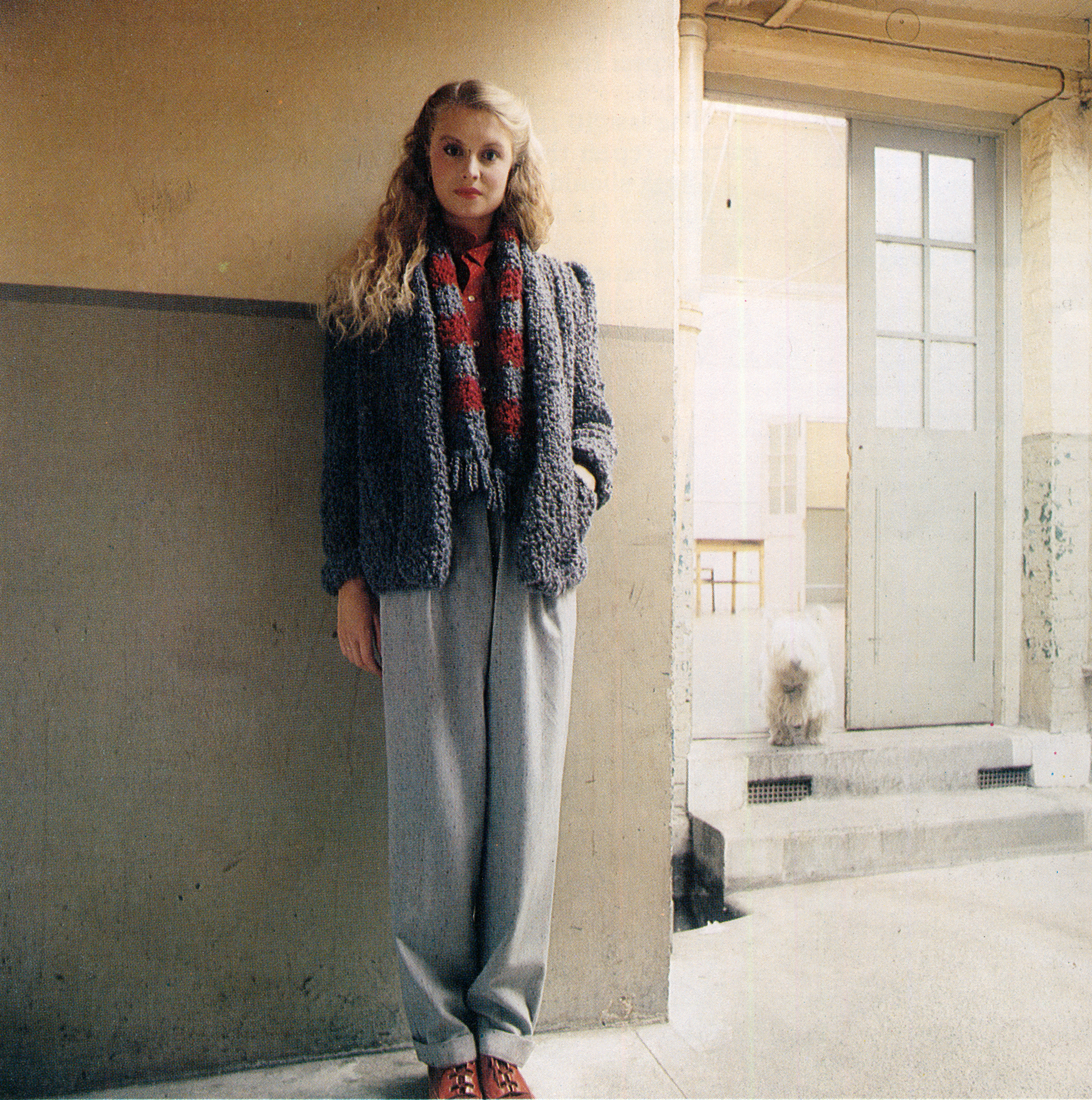
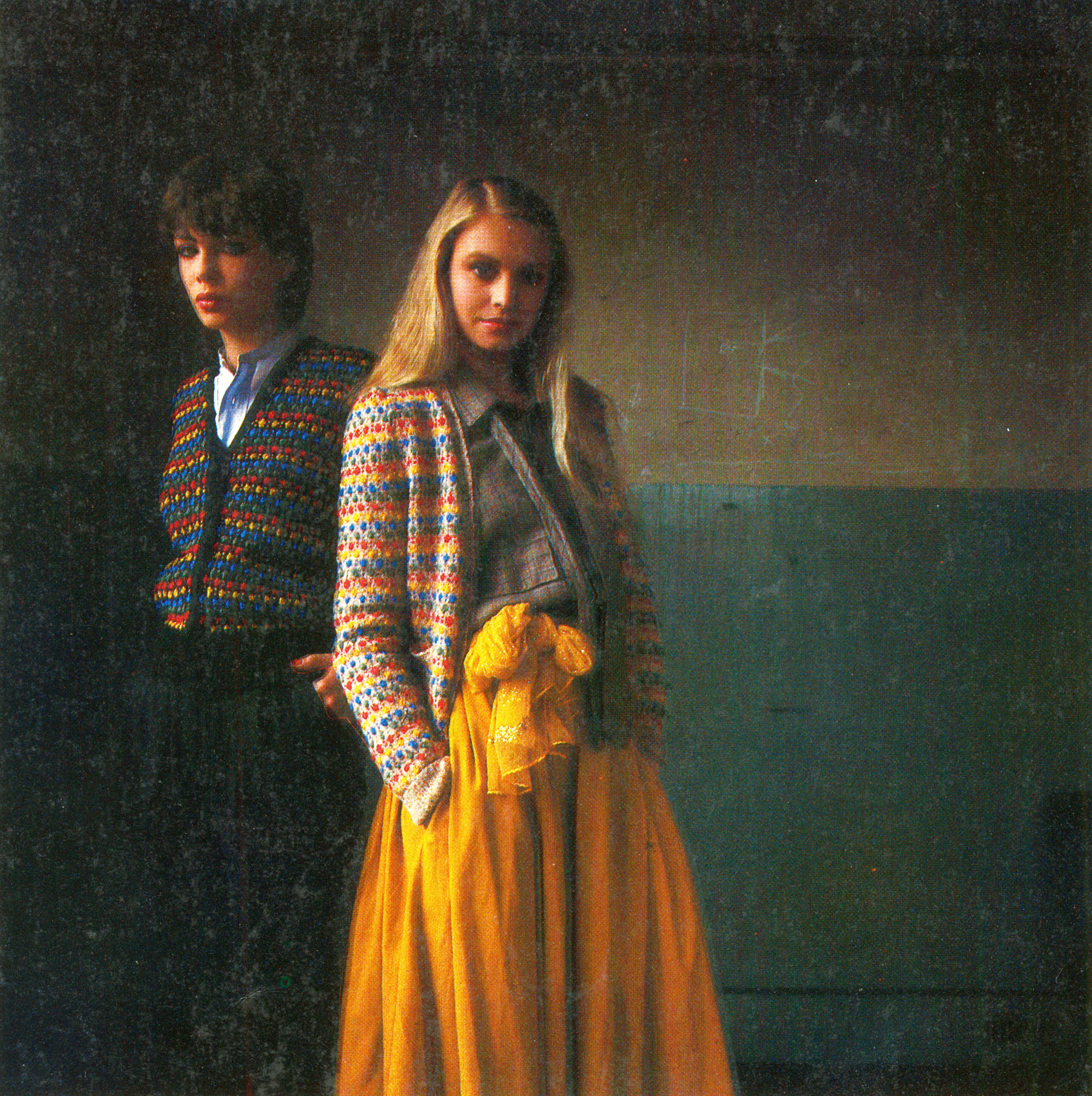
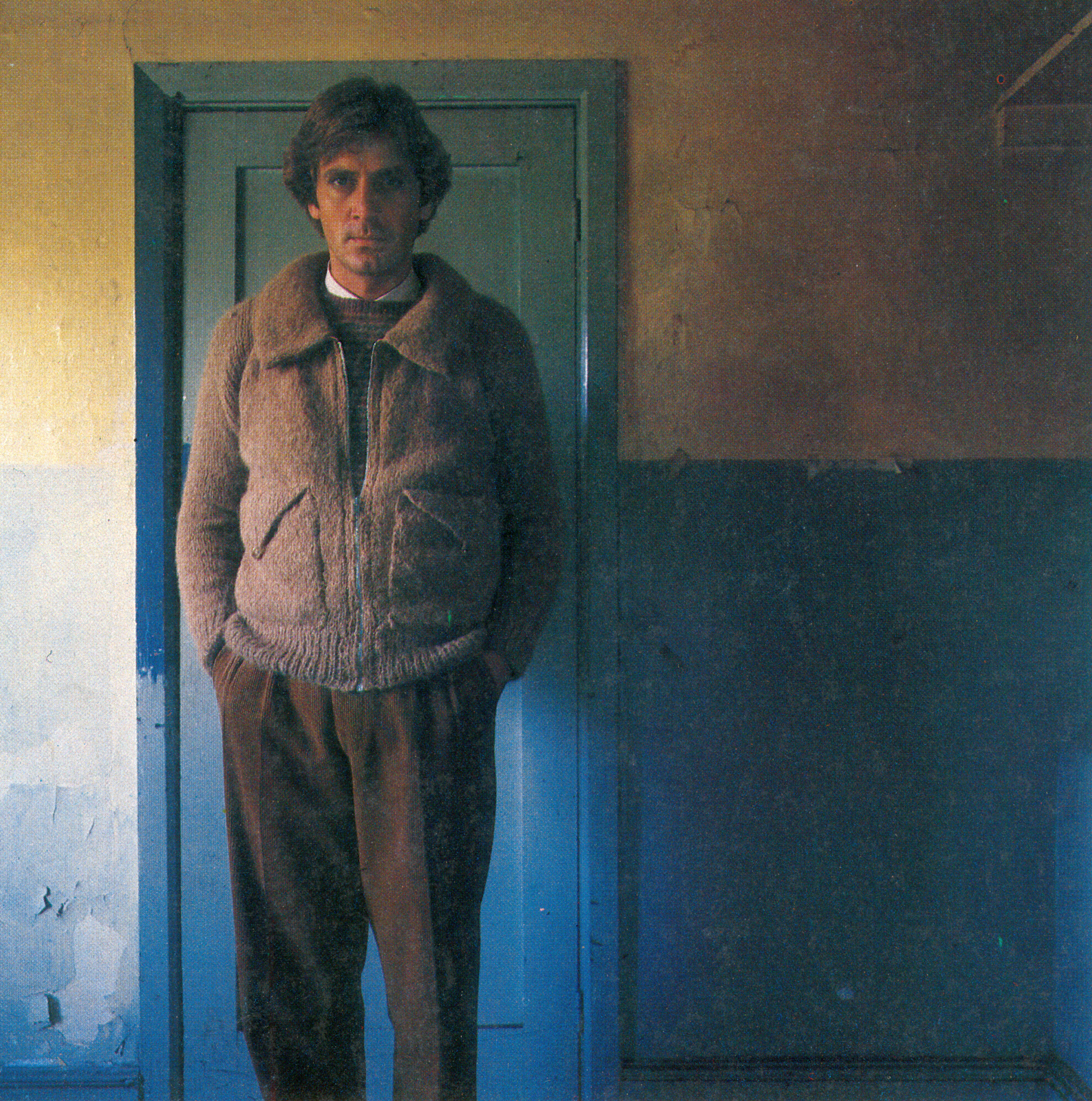
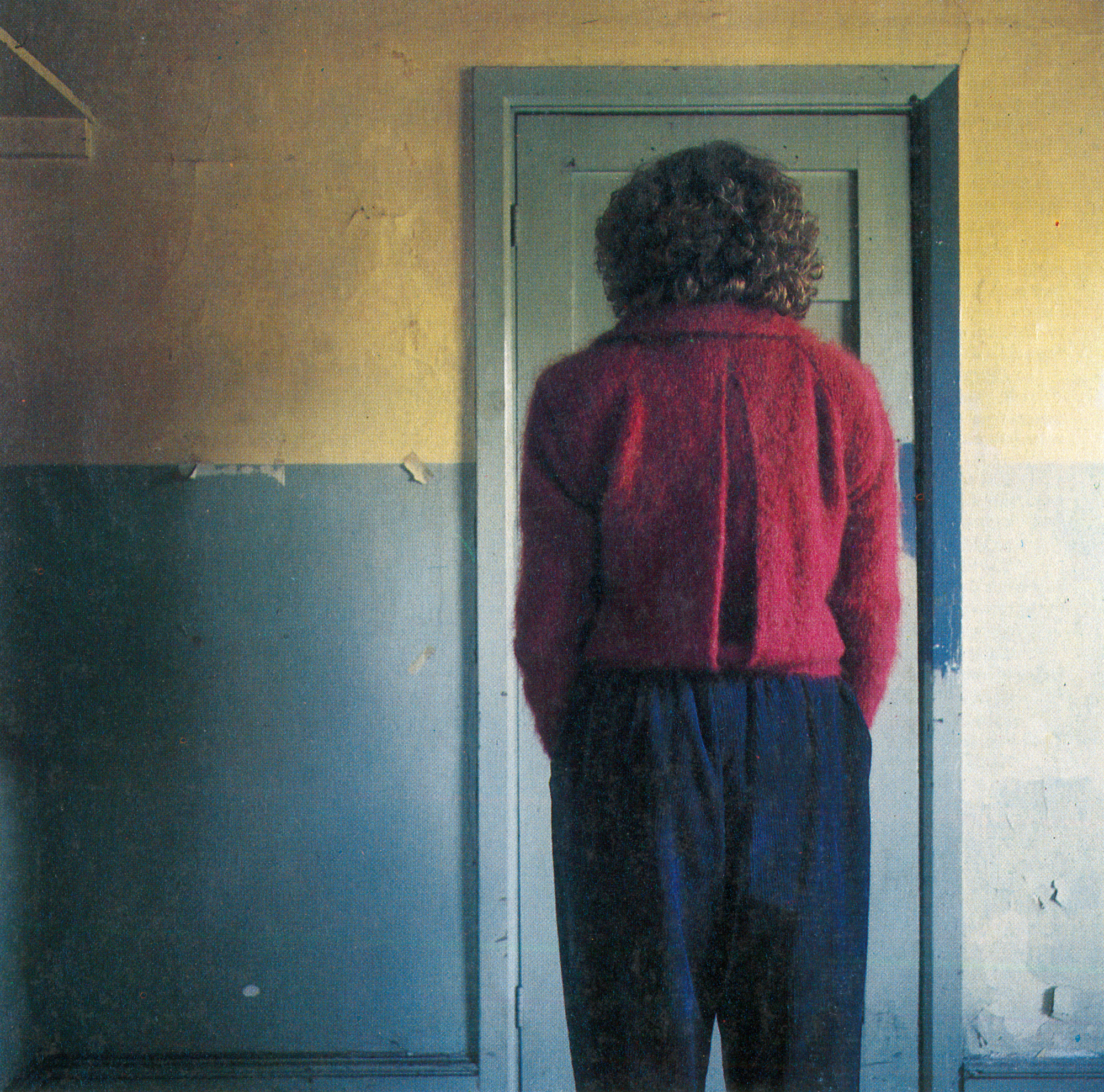
1978 sees the first of Patricia’s magazines to be published independently. All the designs are knitted in Patricia’s “Woollybear Yarns”.
For the first time knitters will have the opportunity to knit these patterns in the luxurious and inexpensive yarns, for which Patricia’s designs are intended.
Happy Knitting!
Possibly some of the loveliest photographs I have ever seen in a knitting pattern booklet, but perhaps unsurprising given the designer is Patricia Roberts and the photographer Rolph Gobits.
Art Direction by Desmond Serjeant.
Hair by Smile.
Make-up by Mary Vango.
Models: Joanna Jacobs, Kelly, Jane Rochelle, Kevin Hand, Helmut.
Photographed by Rolph Gobits.
Scanned from Patricia Roberts Knitting Patterns, 1978.
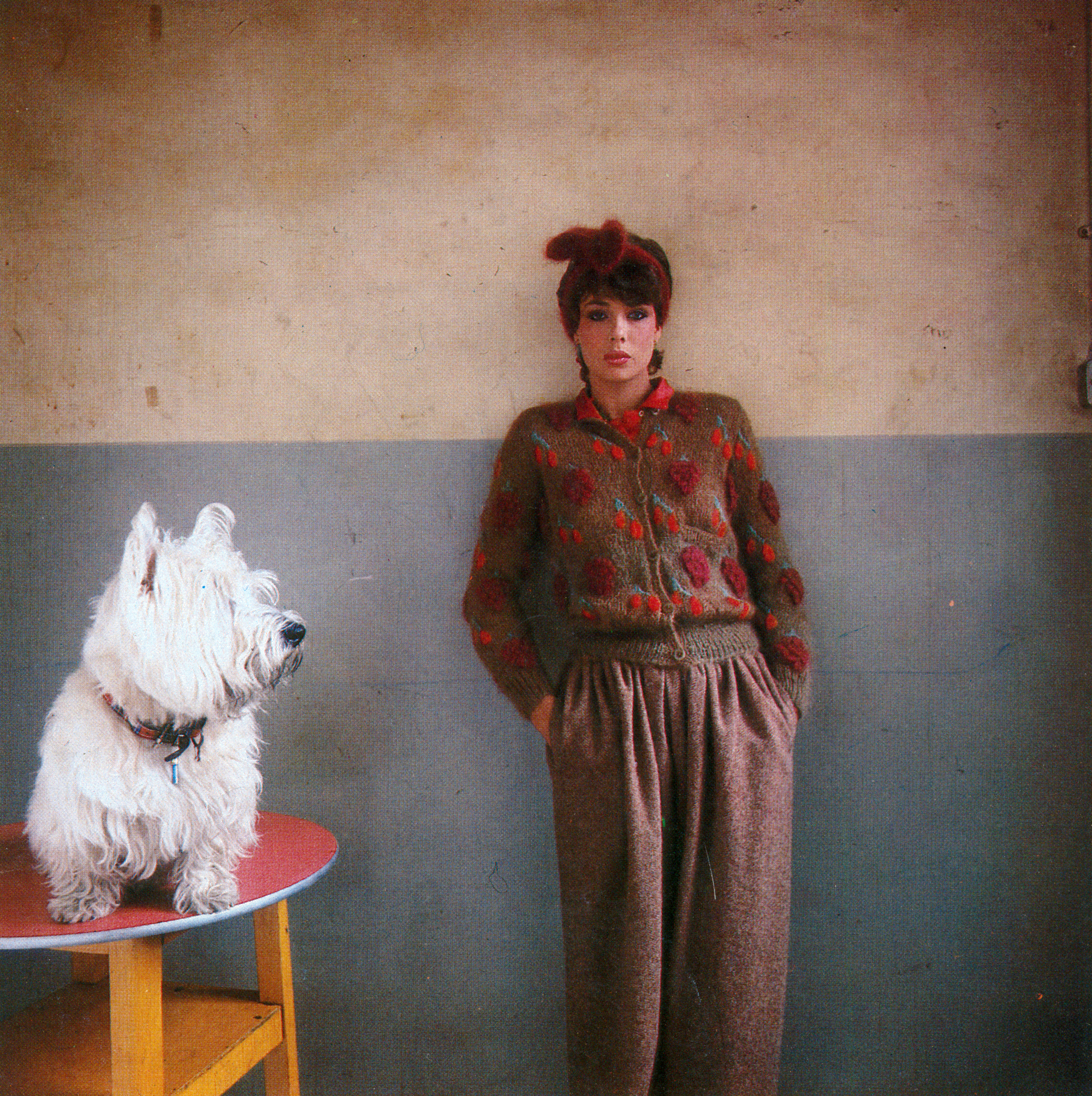

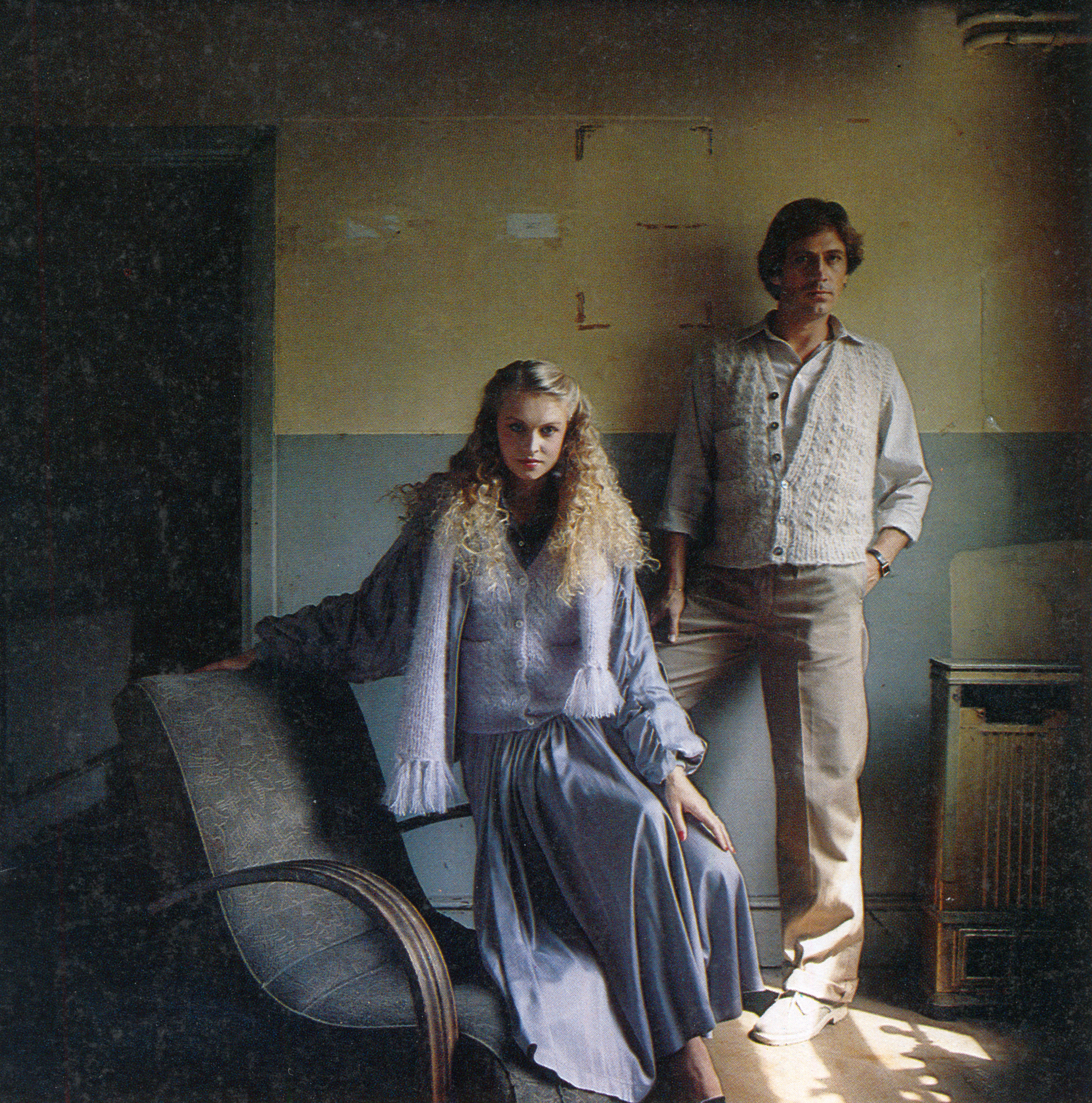
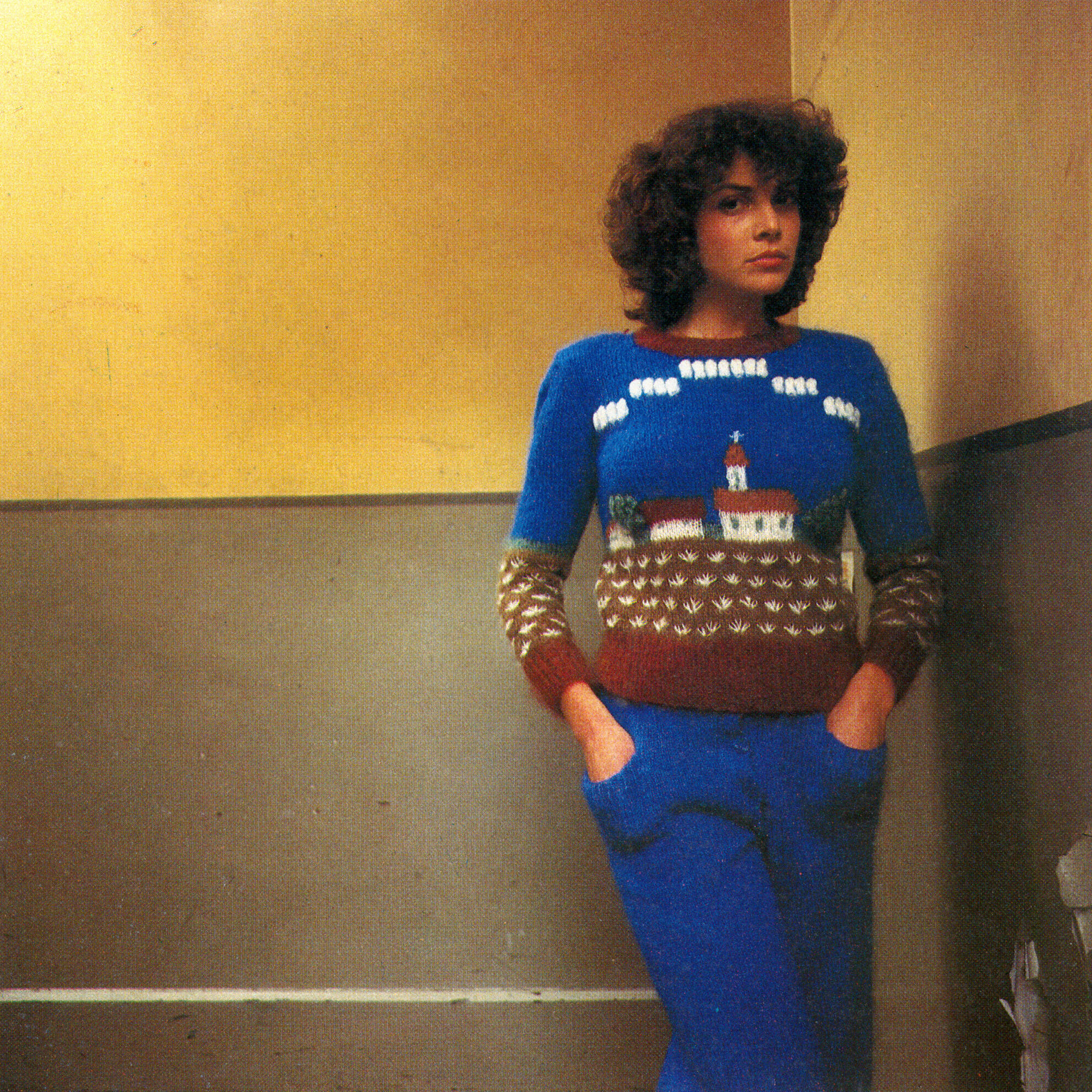
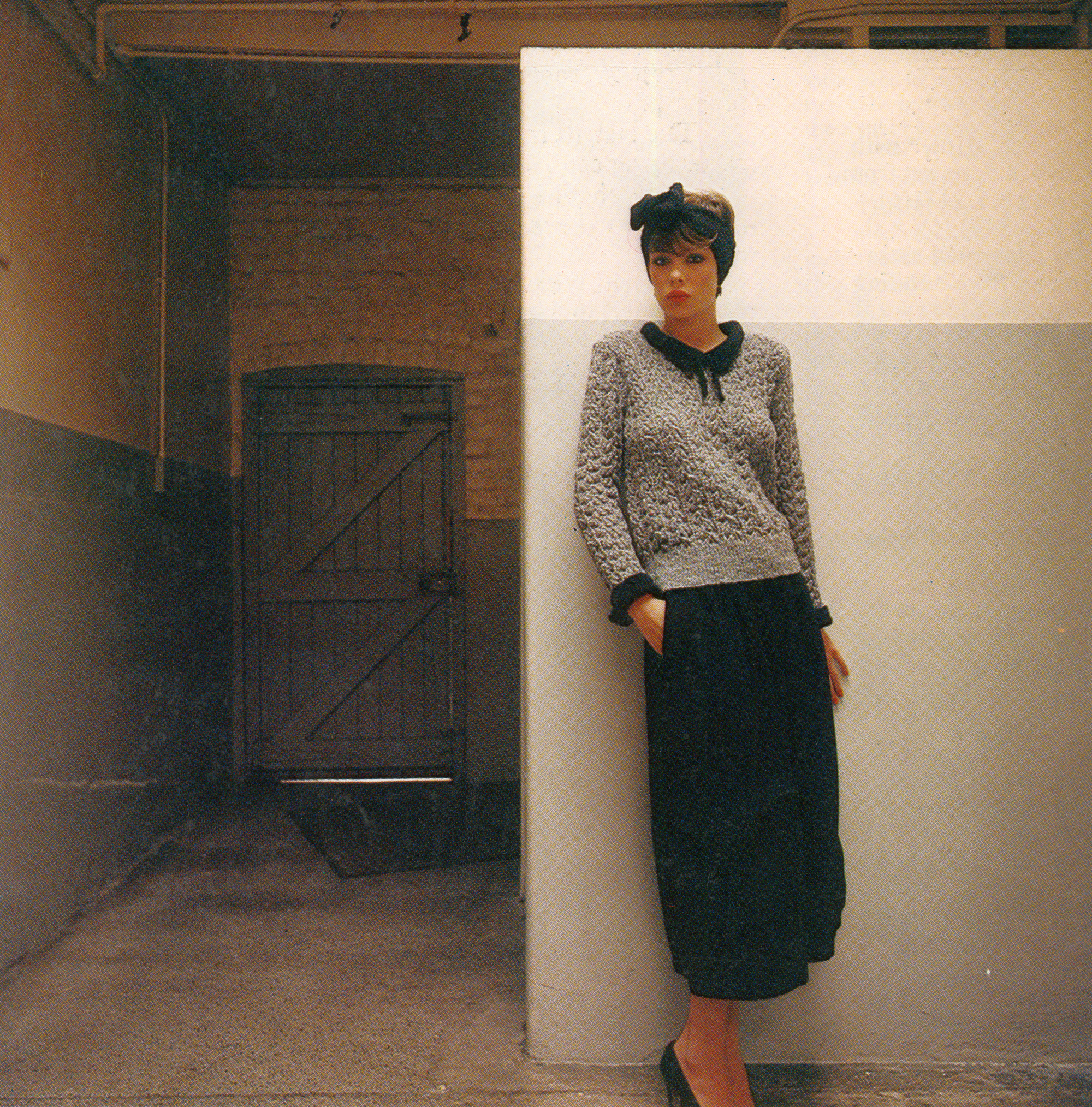
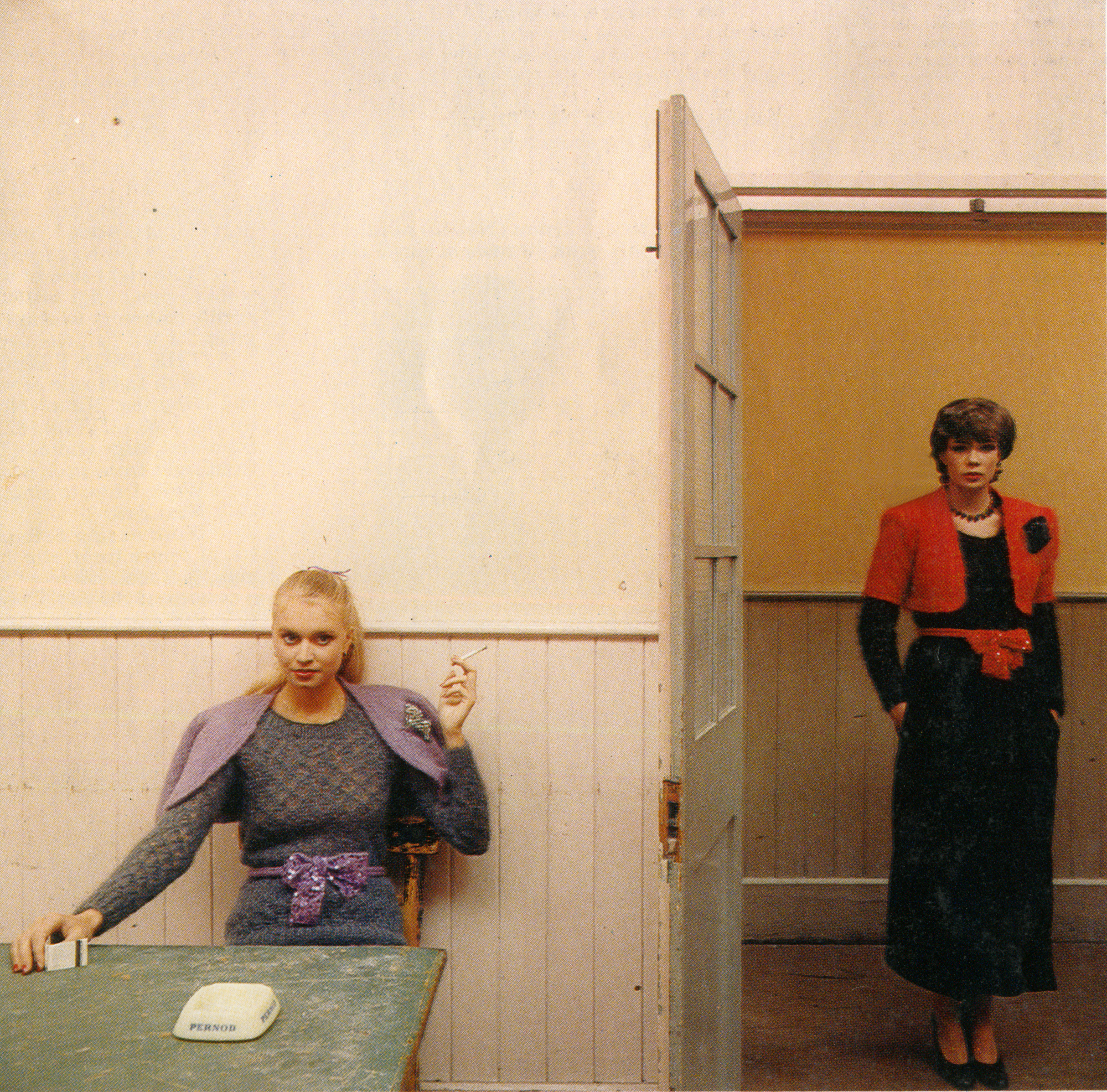
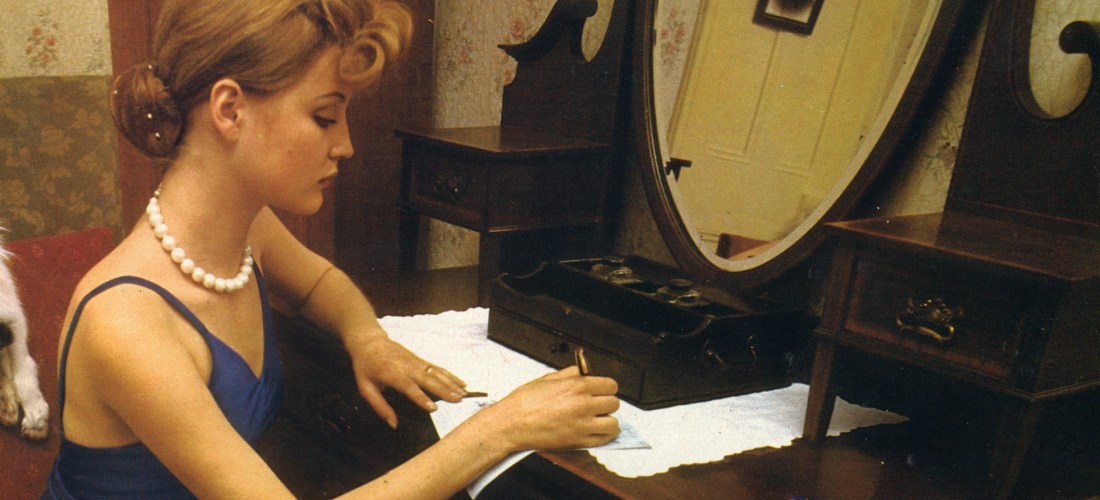
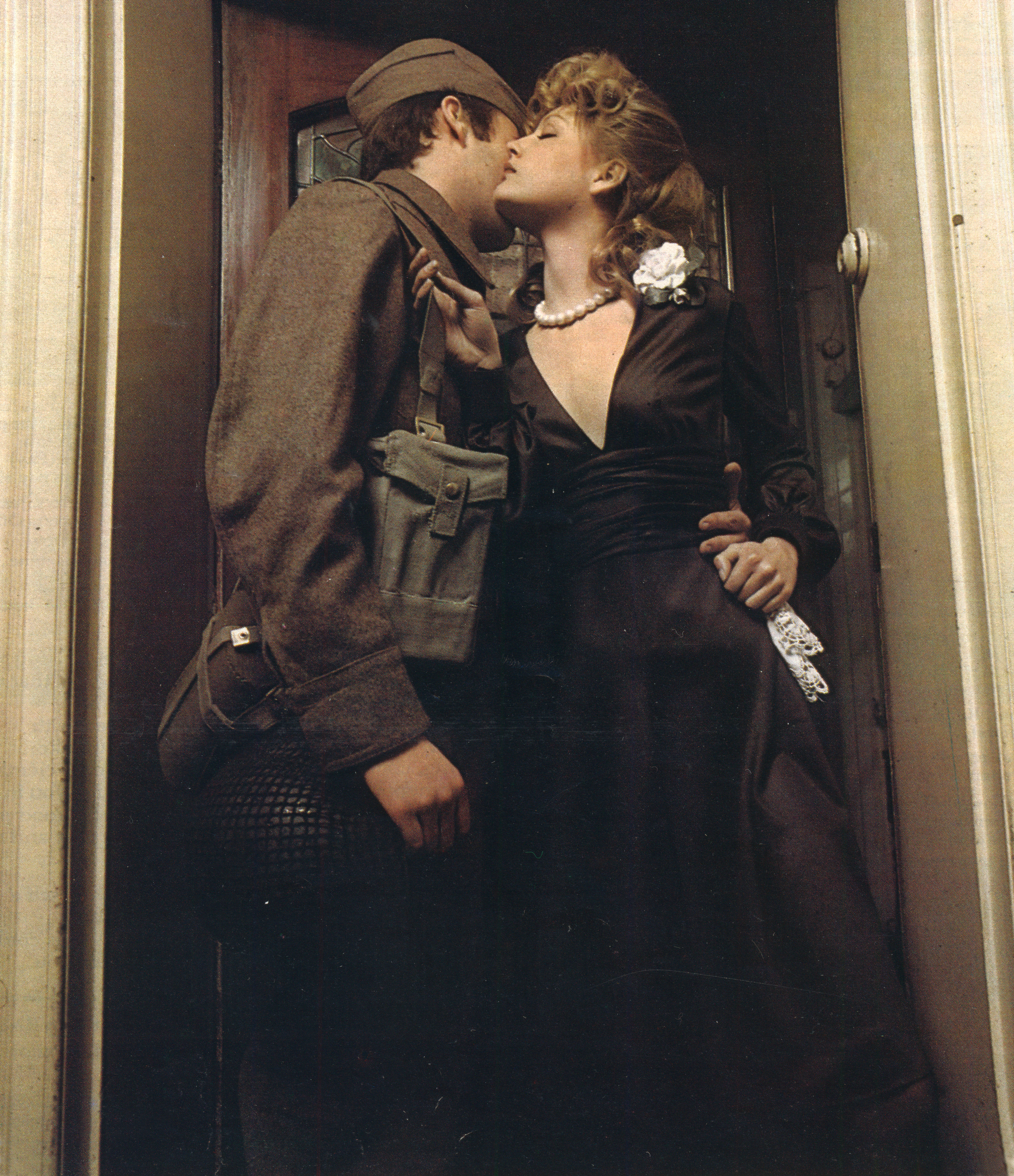
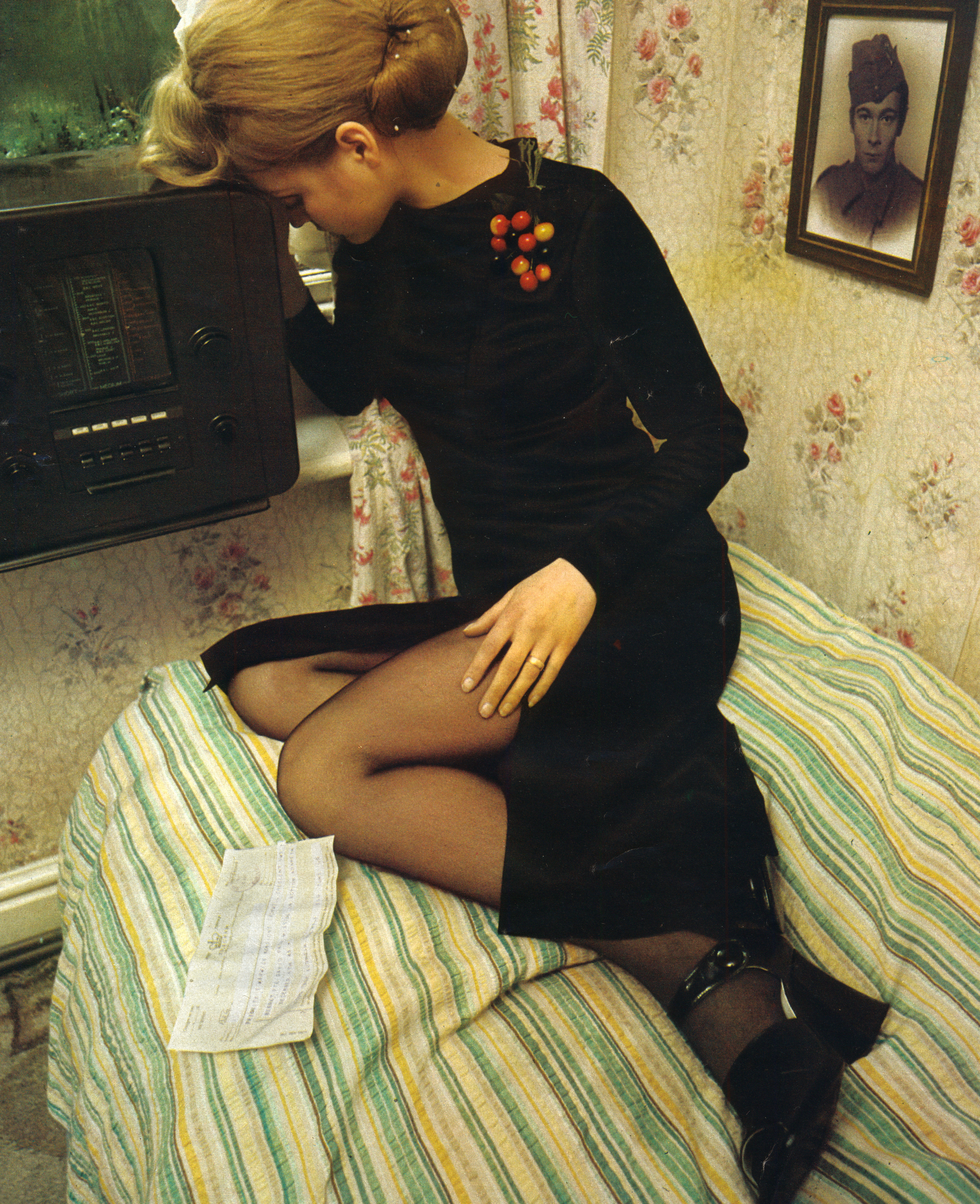
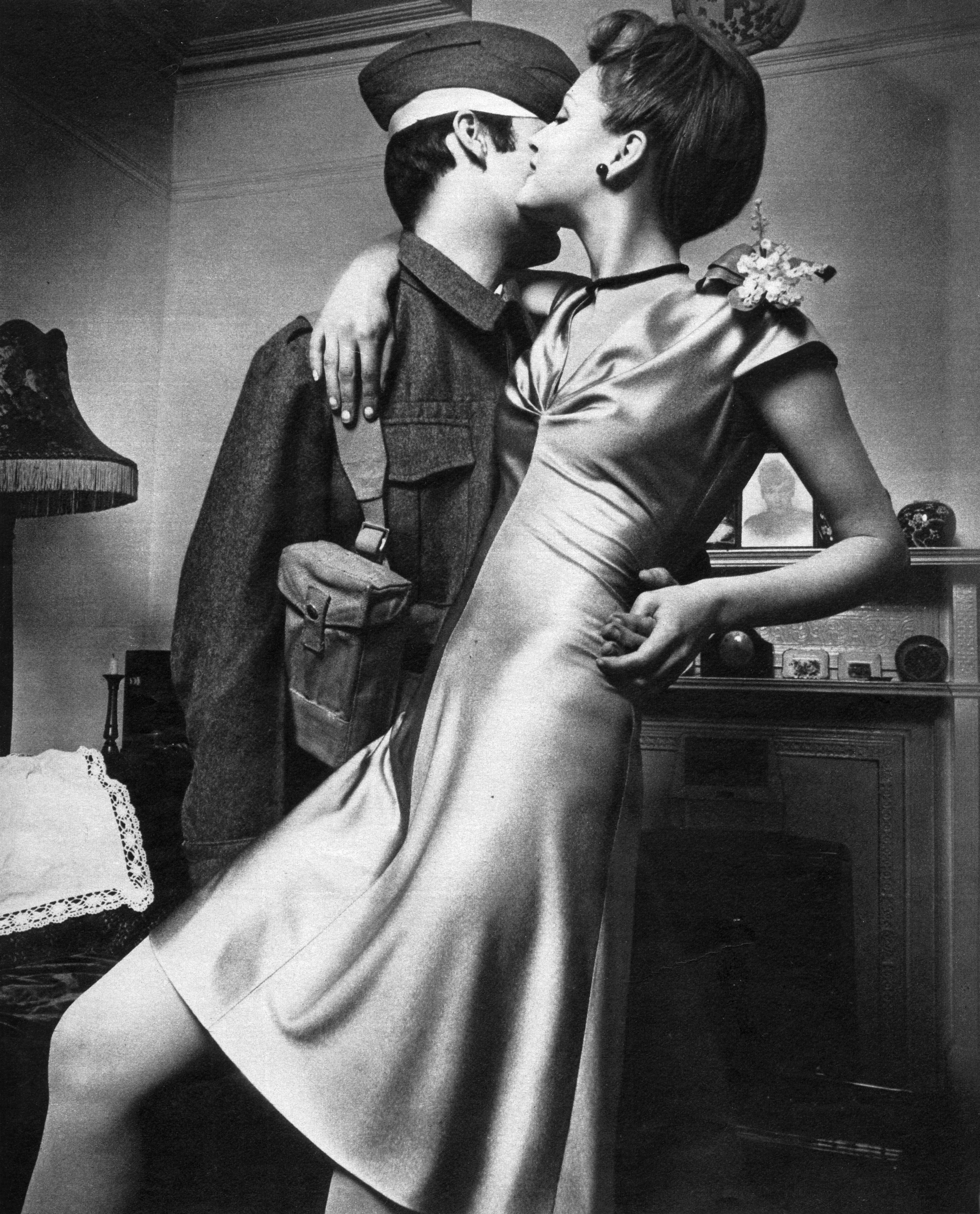
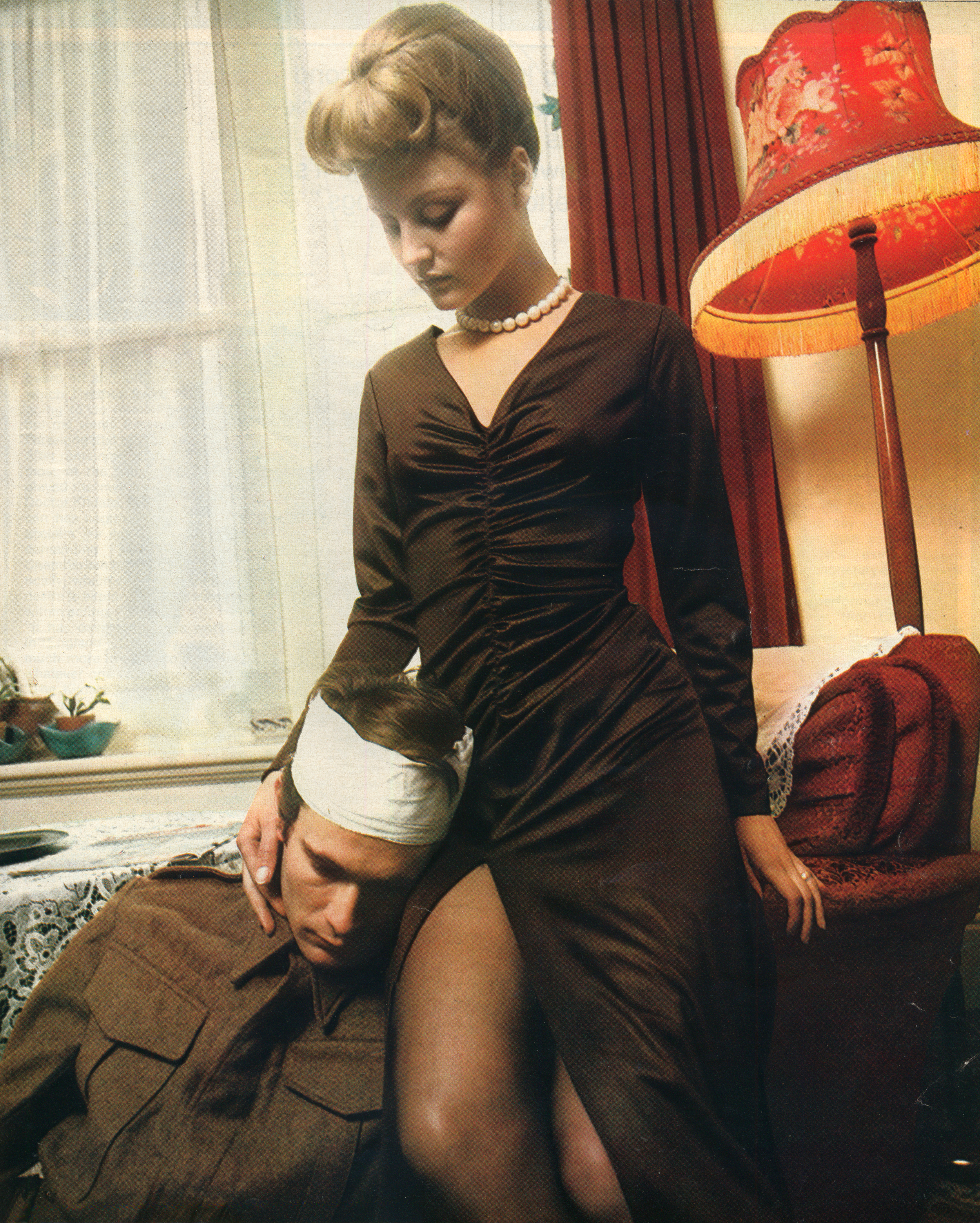
Remember those Joan Crawford, Bette Davis, Hollywood weepies where men were heroes and women were fluttery, feminine creatures who stayed at home, controlling the tremble in their lower lips when the boys went off to war? Well, the best of the Joan Crawford era has finally hit town, and few designers have caught on to the ‘Forties look as successfully as Sheridan Barnett of Tony Berkeley. A talented twenty-three-year-old, he is one of the newest designers to emerge in London. He obviously likes women to be women as his clothes are beautifully cut and styled and are entirely feminine. He has a keen eye for line and simple detail which he carries through in his choice of fabric. All the dresses photographed (available from the Way In at Harrods) are in Tricel and show how important shape has become again. The clothes are seductive with the emphasis on simplicity and style …
Model is Ingrid Boulting.
Photographed by David Tack.
Scanned from 19 Magazine, July 1970.
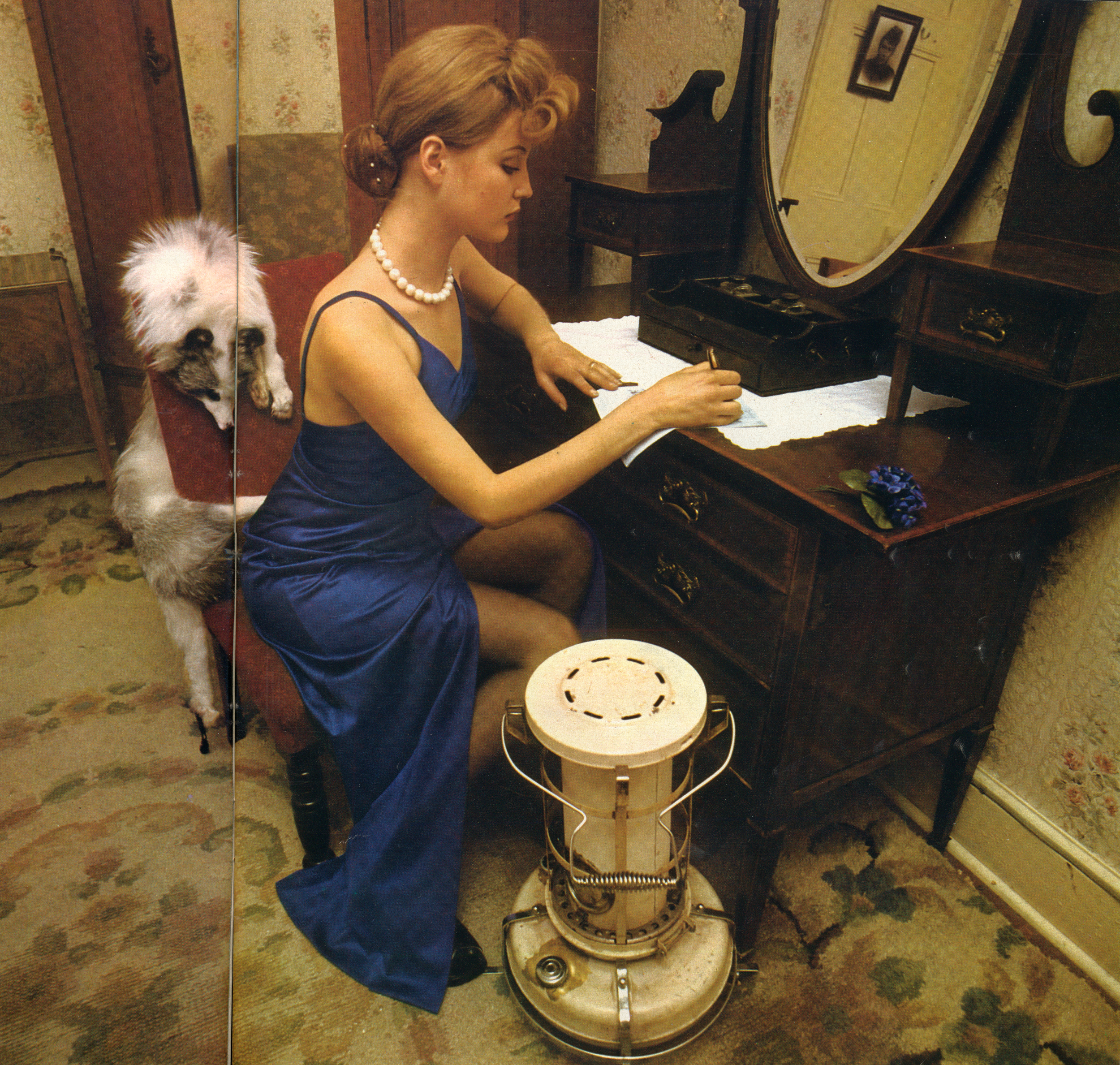
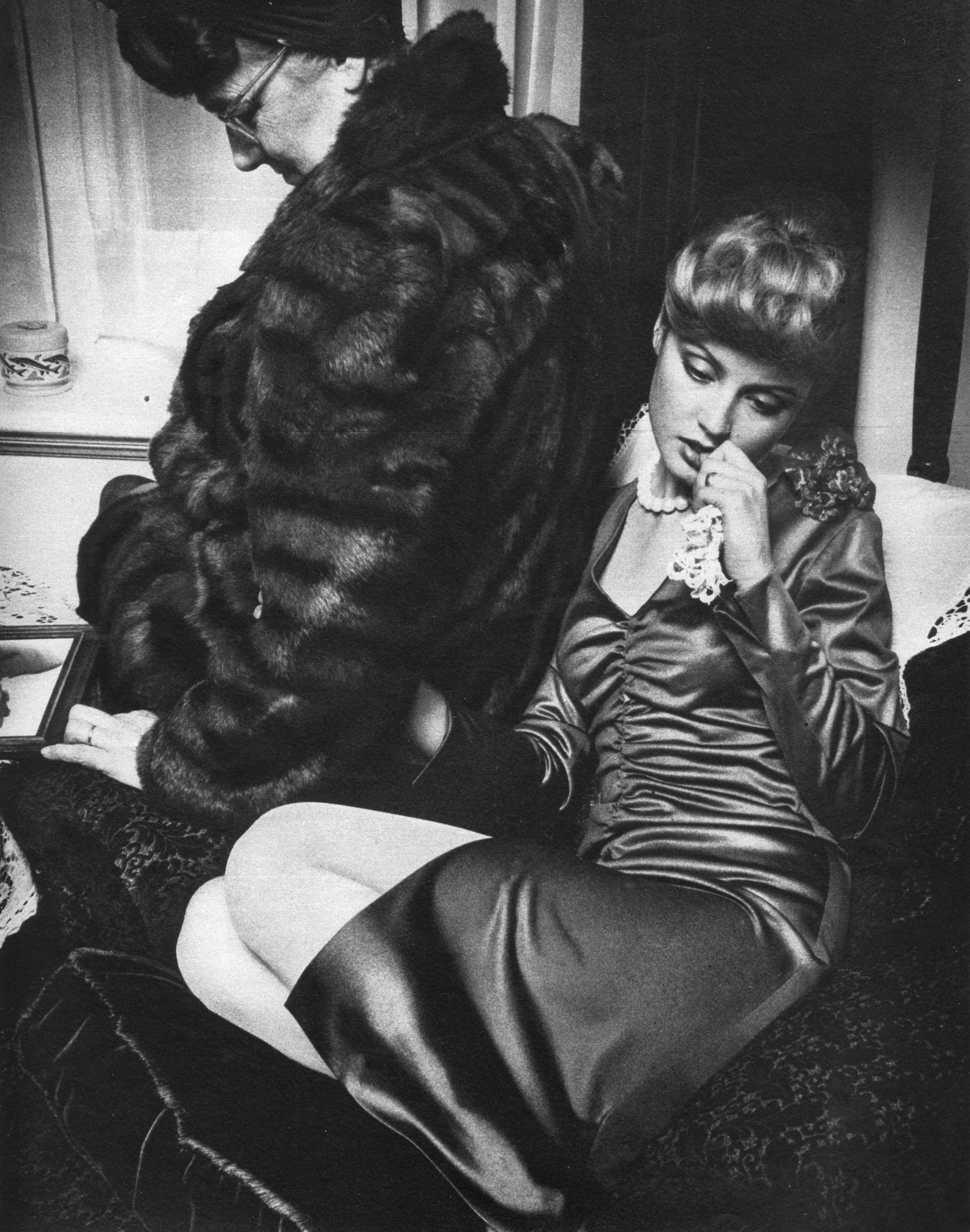


José Fonseca is the co-owner of Models One, a busy model agency with top names like Marisa Berenson and Lauren Hutton on the books.
“As a child, I loved fancy dress and I still like breaking the fashion rules. I go to the office in clothes that can take me to a party afterwards—I just don’t know how to wear casual clothes perhaps because I hate my bottom! I feel more like a woman in long skirts than in pants or jeans. Ever since Ossie Clark made his first mid-calf skirt I have been trailing along—Ossie-style. I wear a lot of black because it always makes me feel fantastic. I like the anonymity of black and the way you can use it as a foil for jewellery and scarves. I went mad on sequins last winter. I bought jackets, berets, even a gold sequin ‘Twenties theatrical outfit—I like to sparkle. I wear a lot of make-up as I feel I can hide behind it. My hair used to be straight but I wanted a change so I had it cut and curled and then permed. But I’m going to grow it out.”
This is a part of a larger feature with ‘real’ Cosmo women putting fashion to the test, but this is definitely my favourite one.
Fashion by Penny Graham.
Photographed by Mike Berkofsky.
Scanned from Cosmopolitan, March 1974.

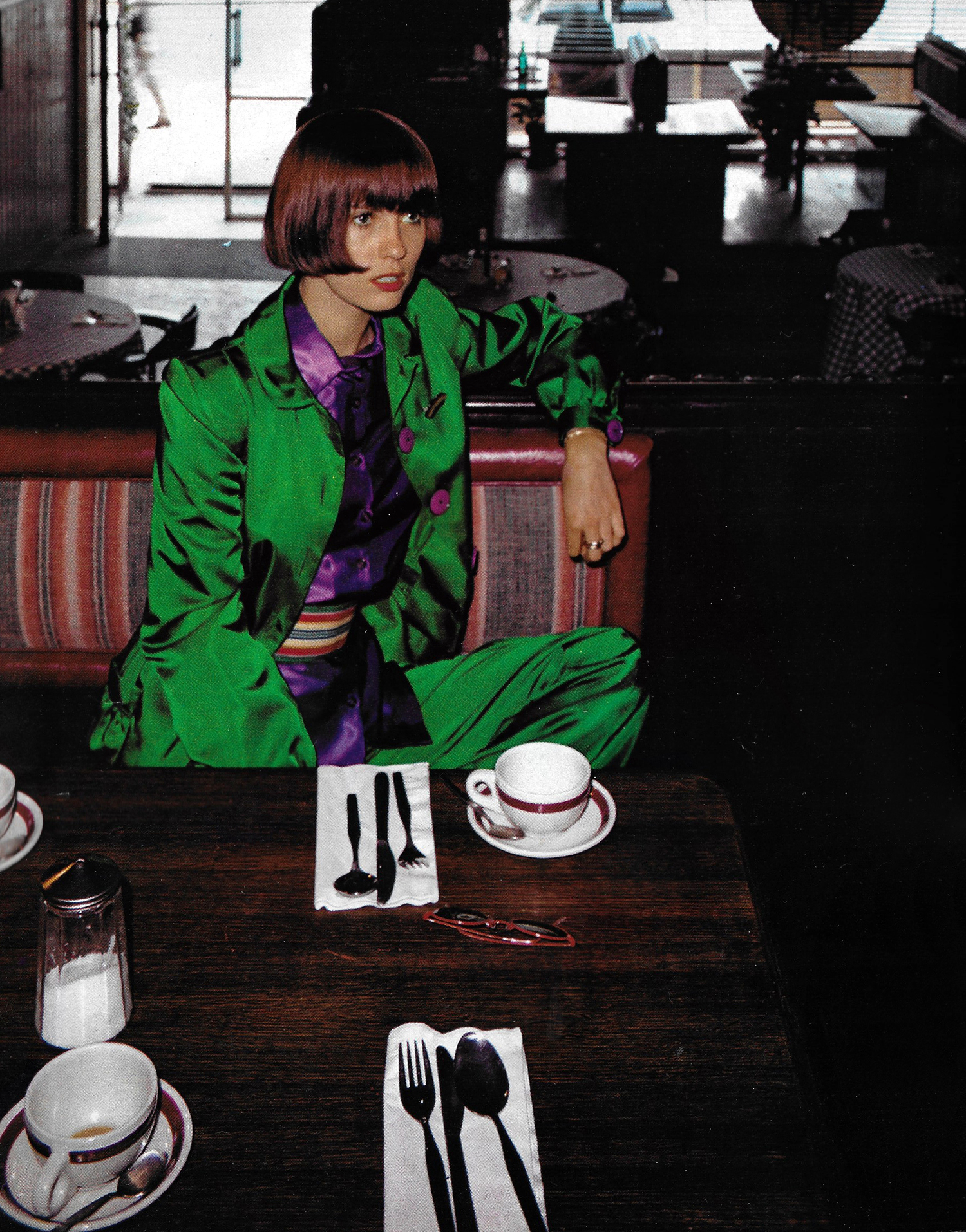
Purple satin blouse by Ann Reeves. Green satin jacket and matching green satin Oxford bags both by Sheridan Barnett for Copper Coin. Belt from Bus Stop. Rainbow brooch by Cash Graphics.
The original St Laurent satin blazer would cost you around £50, but otherwise they are available from about £10 and probably only you will know the difference. The best ones are from Bus Stop… very Joan Crawford, complete with ‘Forties’ shoulder pads. One thing’s for sure… you must have at least one in your wardrobe. They look particularly good worn over jeans and T-shirts, but if you want to look smart, wear them with matching trousers, a skirt, or over a printed dress.
Dreamy editorial which uses the brand spanking new Hard Rock Cafe on Park Lane in London as its backdrop.
Opened on 14th June 1971, by Isaac Tigrett and Peter Morton, its original decor was less memorabilia, more American-diner-transported-to-London. Sensing a gap in the market for musicians playing in London but unable to get a decent burger etc, within a decade they were expanding into the international chain it is now. The original is the only one I’ve ever visited, and it maintains a lot of its authentic charm – as long as you avoid the busy times. Oh how I wish I could time travel back to this era though.
This isn’t the first HRC-based photoshoot I have scanned, and I’m sure it won’t be the last. Its authentic-feeling interiors, much like Brighton’s seafront, seemed to lure photographers and models like moths to a flame.
Photographed by Harri Peccinotti.
Scanned from 19 Magazine, September 1971.
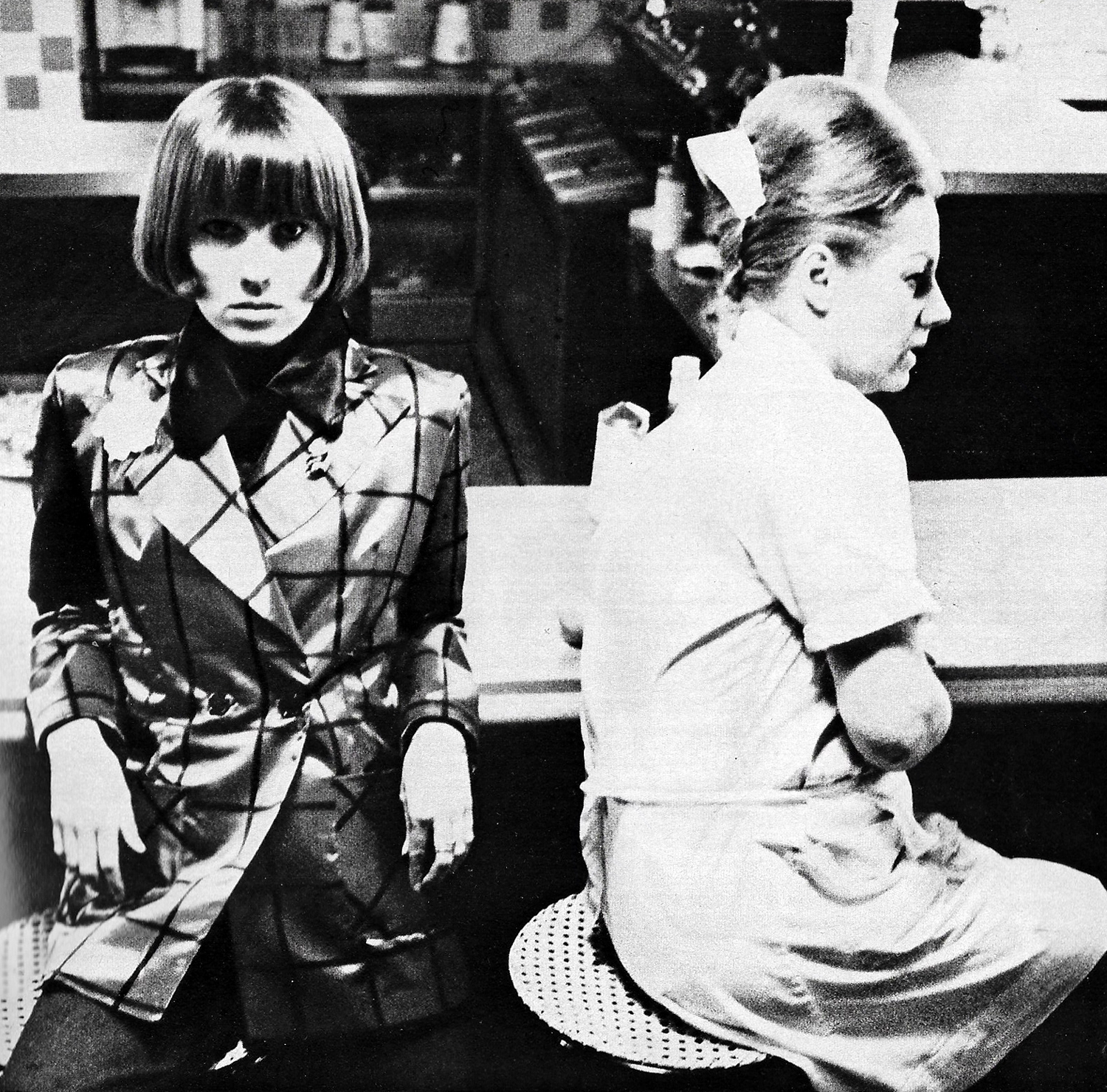
Crepe shirt by Ronnie Stirling at Stirling Cooper. Jade green satin blazer with black check (has matching pleated skirt not shown) from Mr Freedom. Panda brooch from Susan Marsh, Chelsea Antique Market.
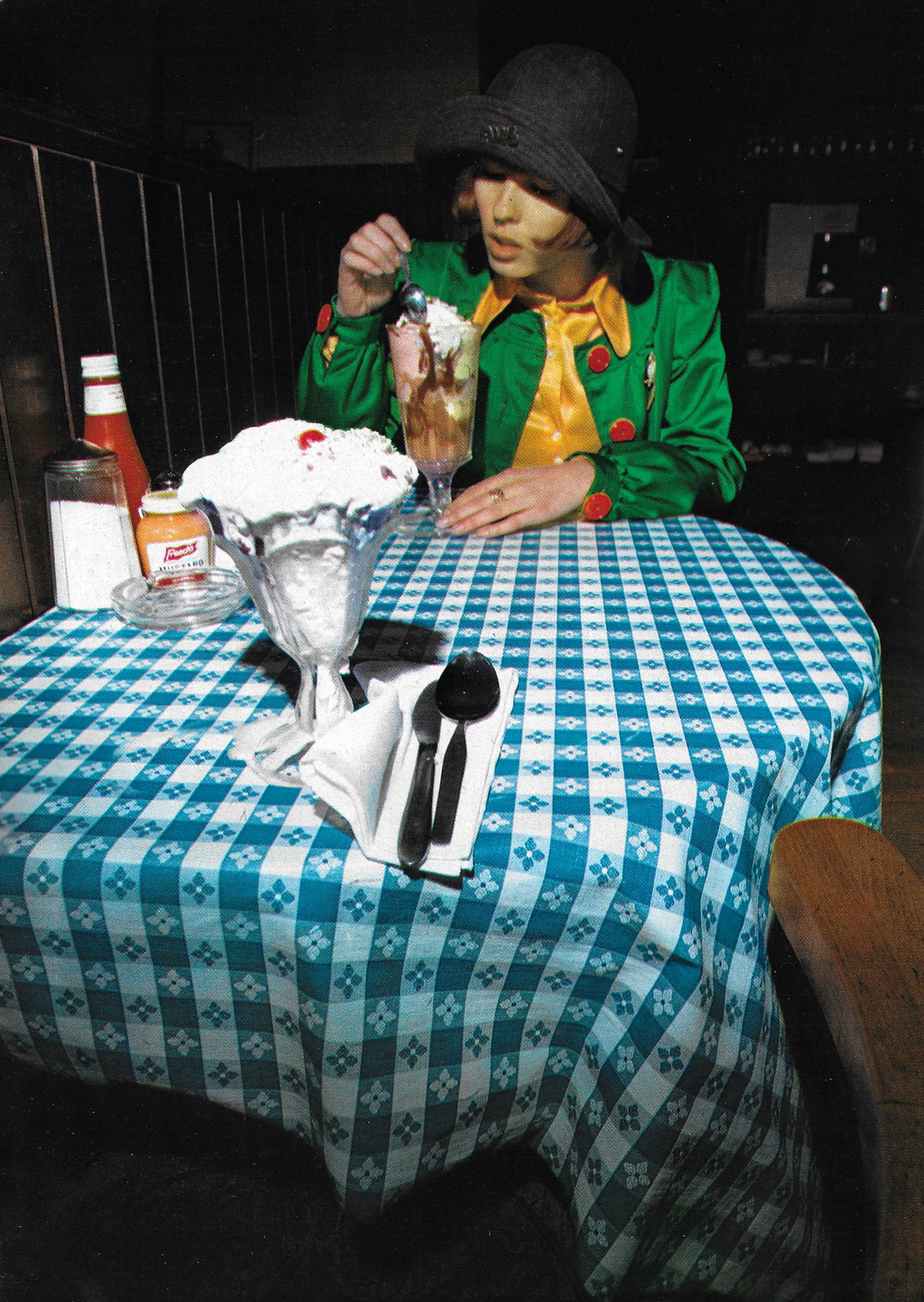
Blue denim hat by Titfers. Yellow satin blouse by Jeff Banks. Green satin jacket with red buttons by Sheridan Barnett for Copper Coin. Elvis brooch by Cash Graphics. Parrot brooch from a selection at Hope and Eleanor.
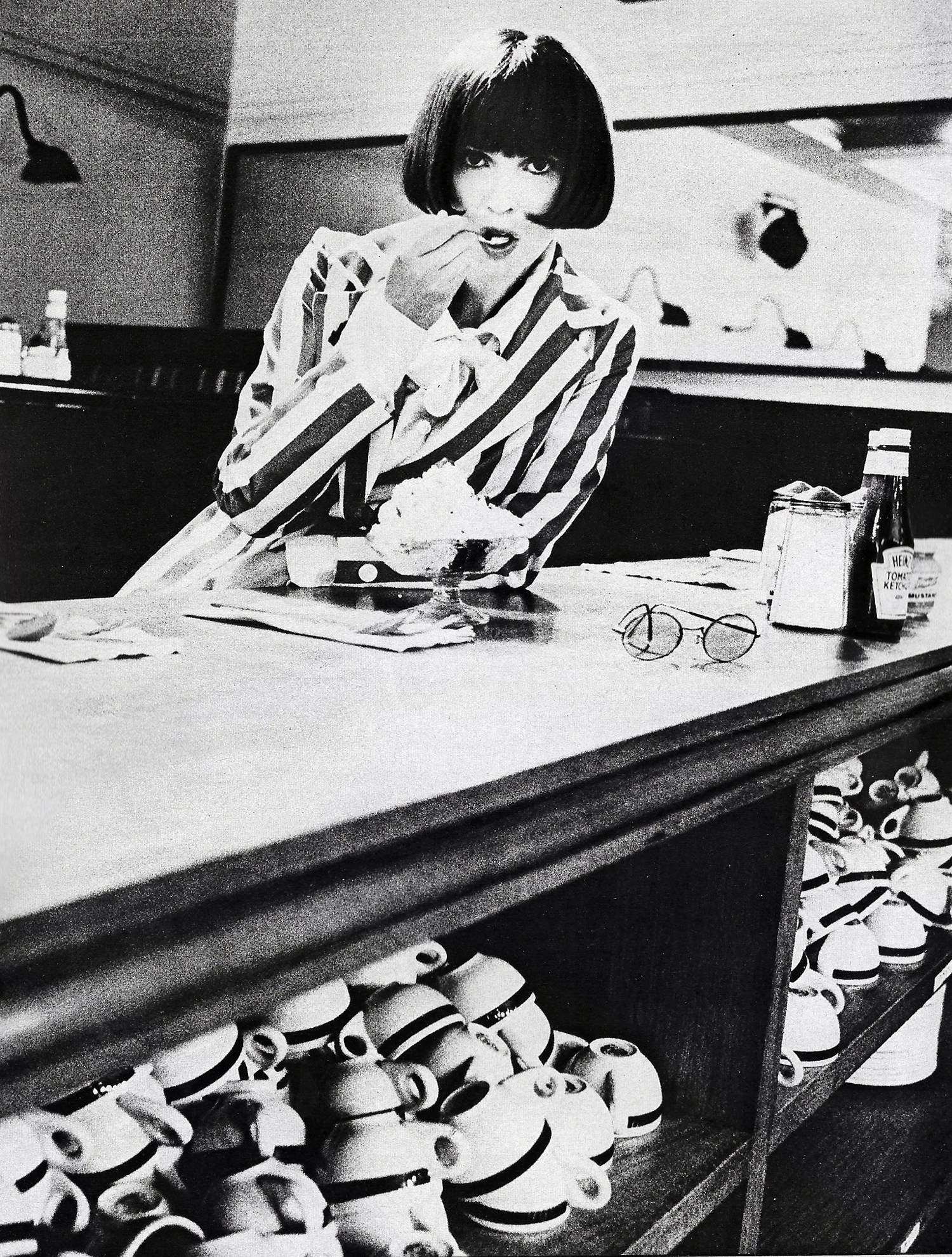
Long sleeved white satin blouse with bow at neck by Ann Reeves. Single breasted red and white striped blazer by Angela at London Town. Sunglasses from Biba. Hand brooch from Hope and Eleanor.
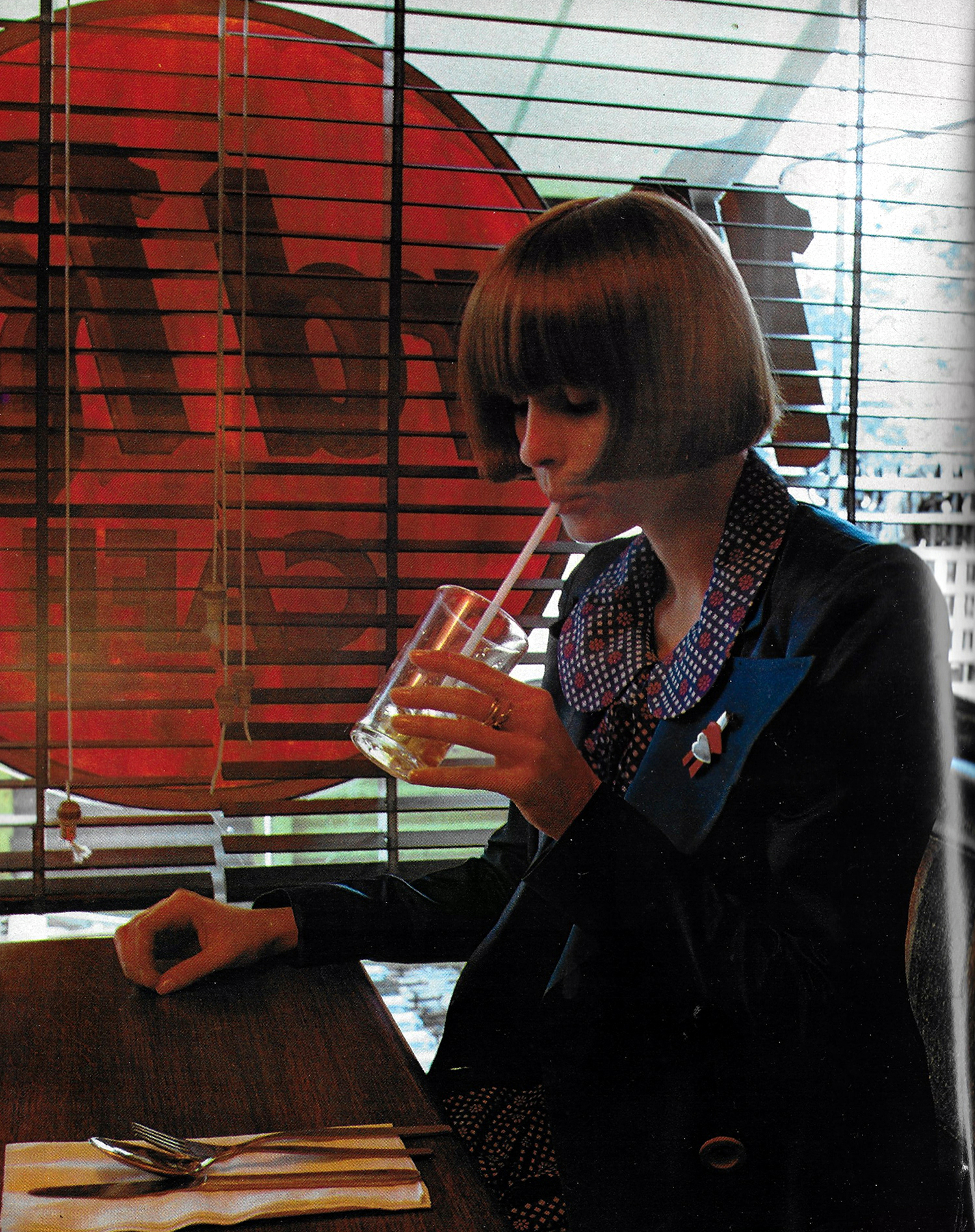
Blue and red printed rayon crepe dress and blue satin blazer with red buttons, both by Lee Bender at Bus Stop.
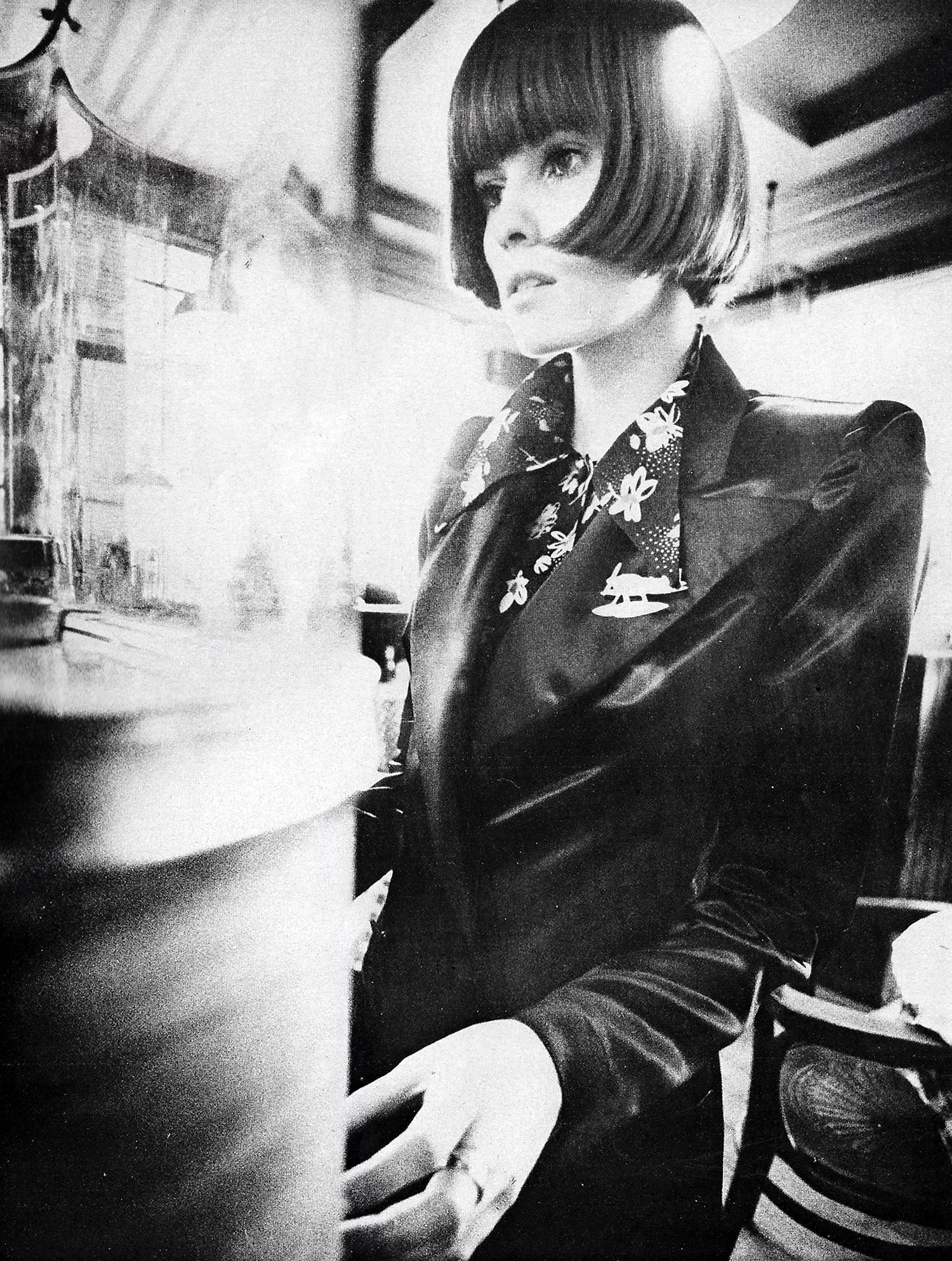
Black rayon shirt with floral print and tie belt. Black satin double breasted blazer with self buttons and padded shoulders, both by Lee Bender at Bus Stop. Aeroplane brooch from Cash Graphics.
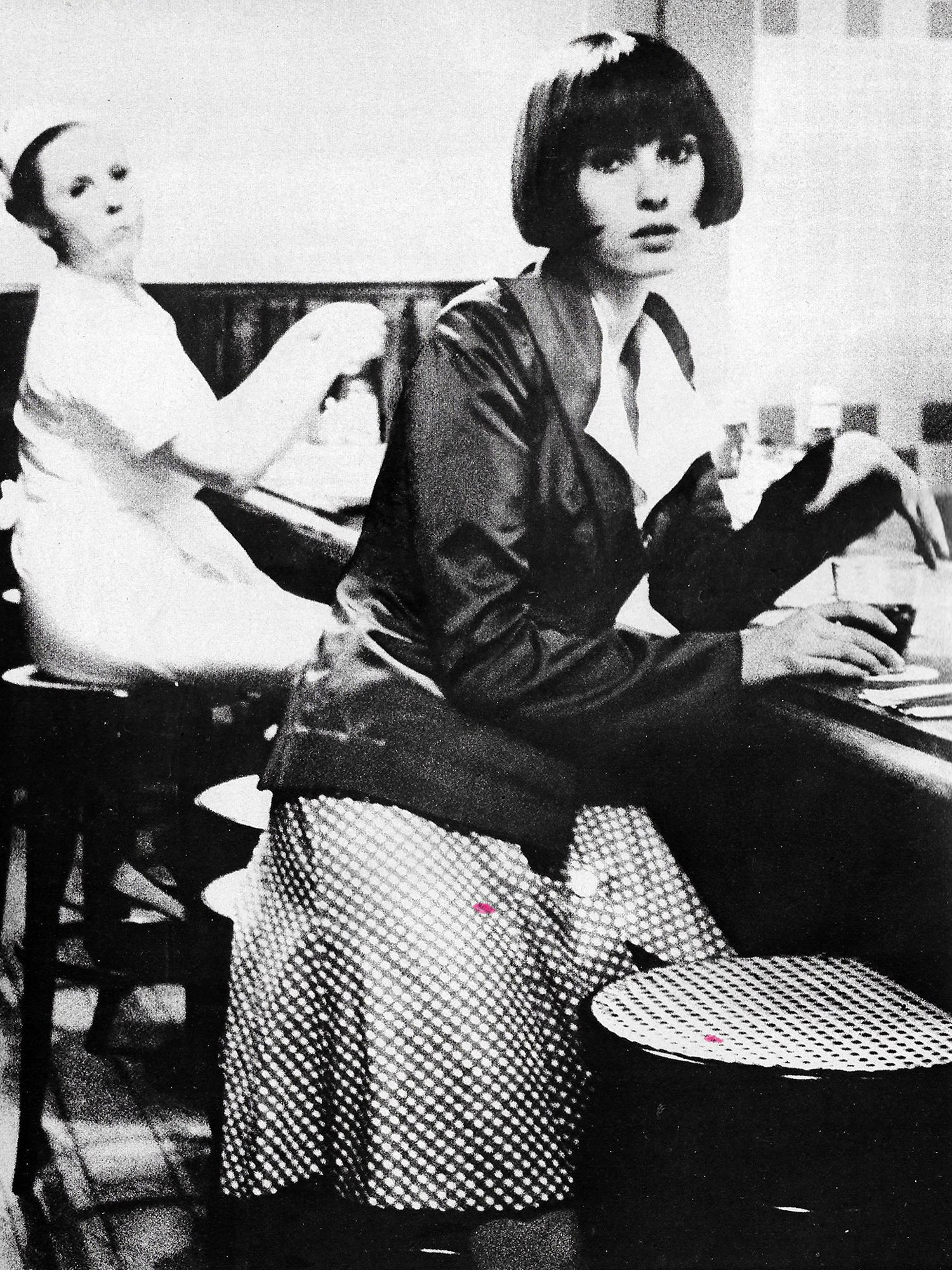
Red and white spotted cotton button through dress by Lee Bender for Bus Stop. Royal blue satin blazer from Crowthers.
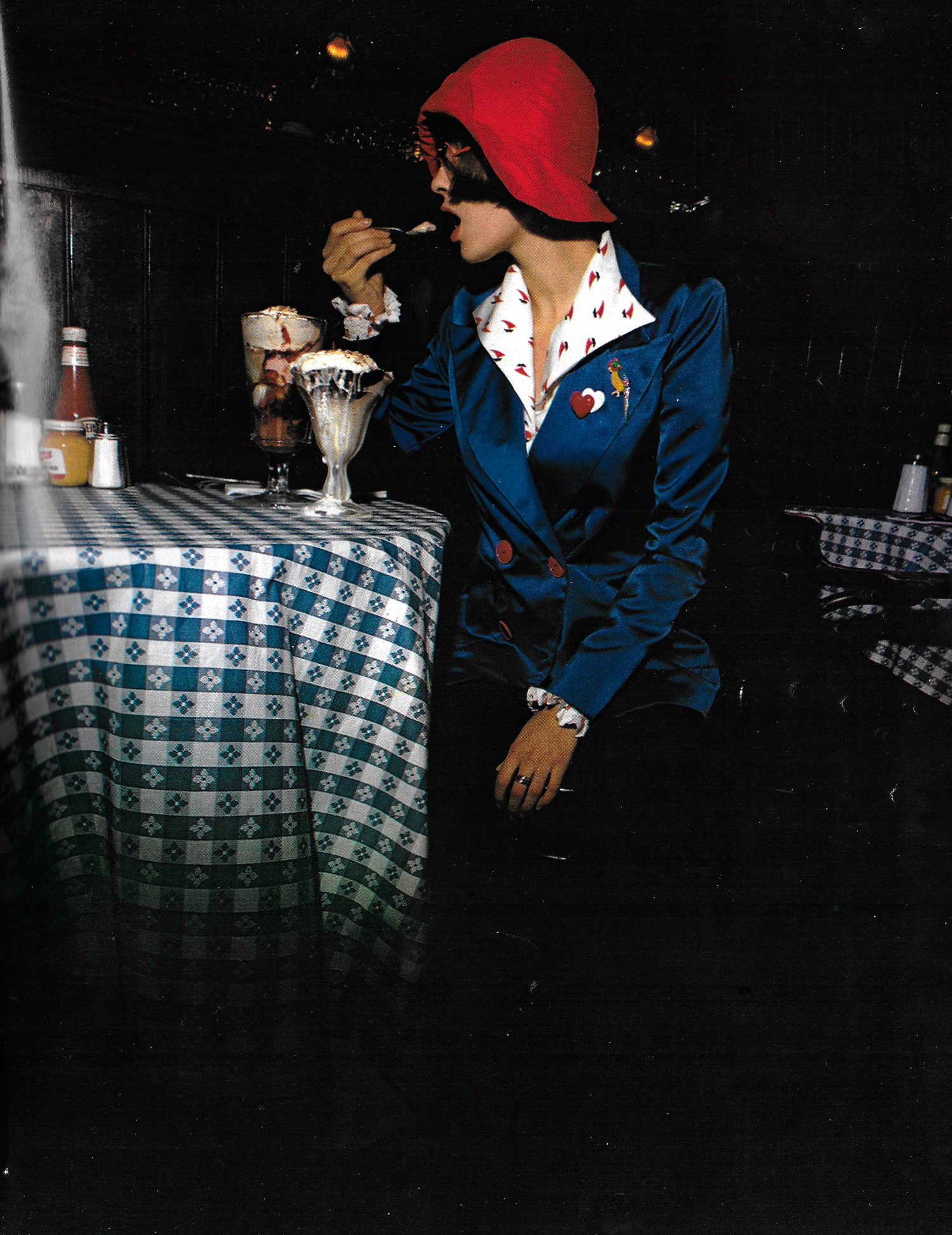
Red cotton hat from Titfers. Long sleeved white rayon blouse with sail boat print by Lee Bender at Bus Stop. Double breasted blue satin blazer with red buttons by Sheridan Barnett for Copper Coin. Sunglasses from Biba.
 Liz Eggleston