
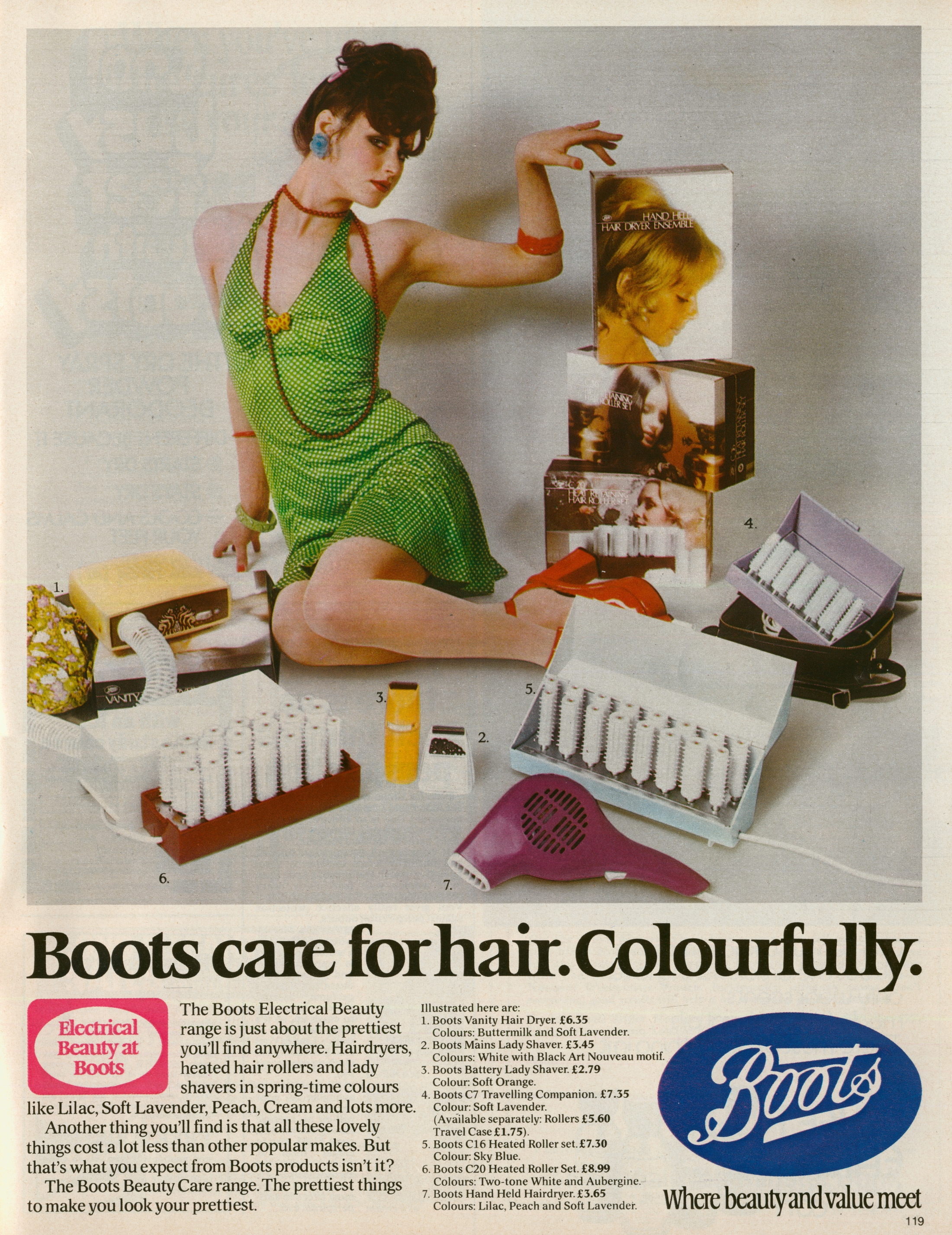
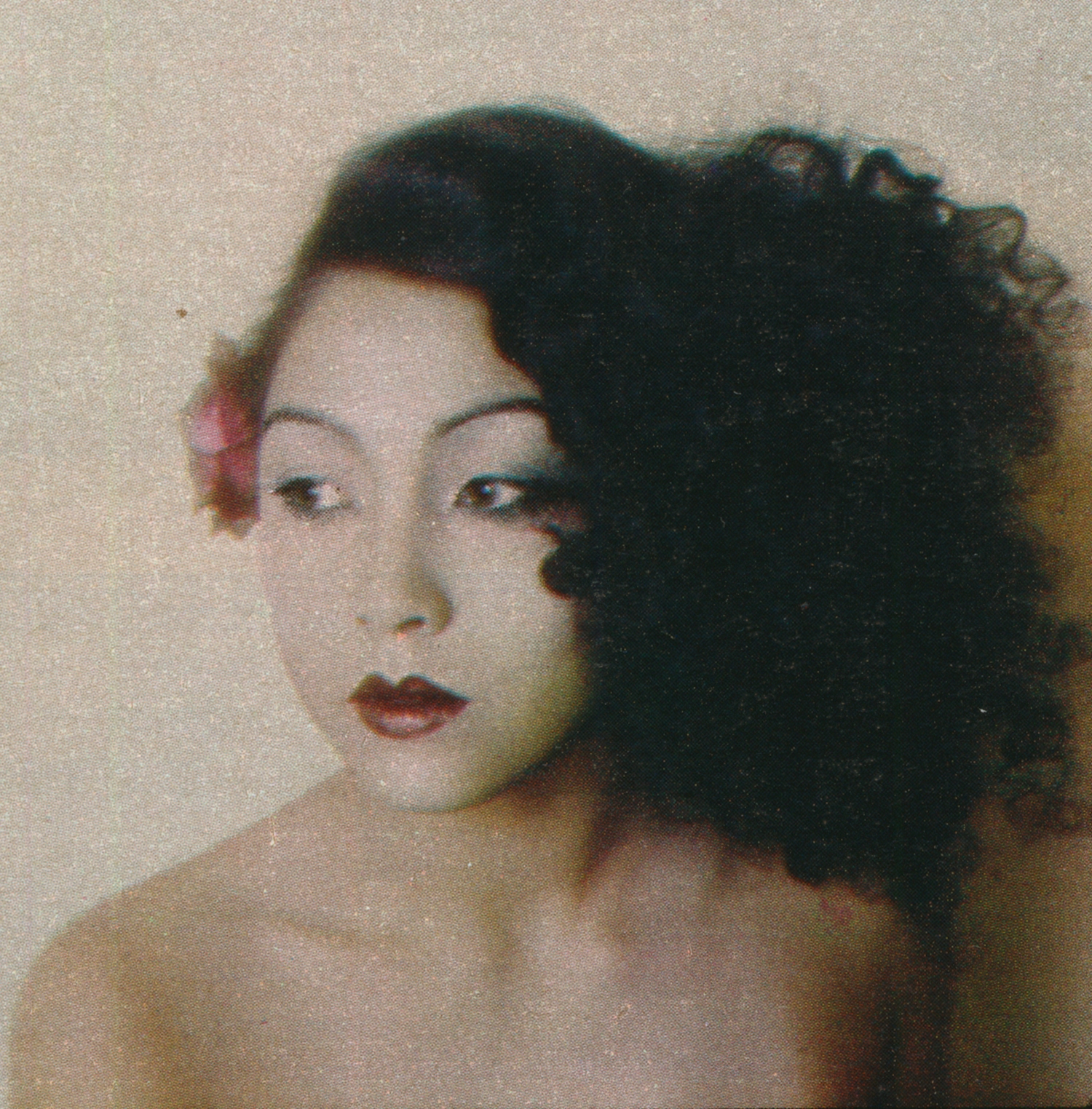
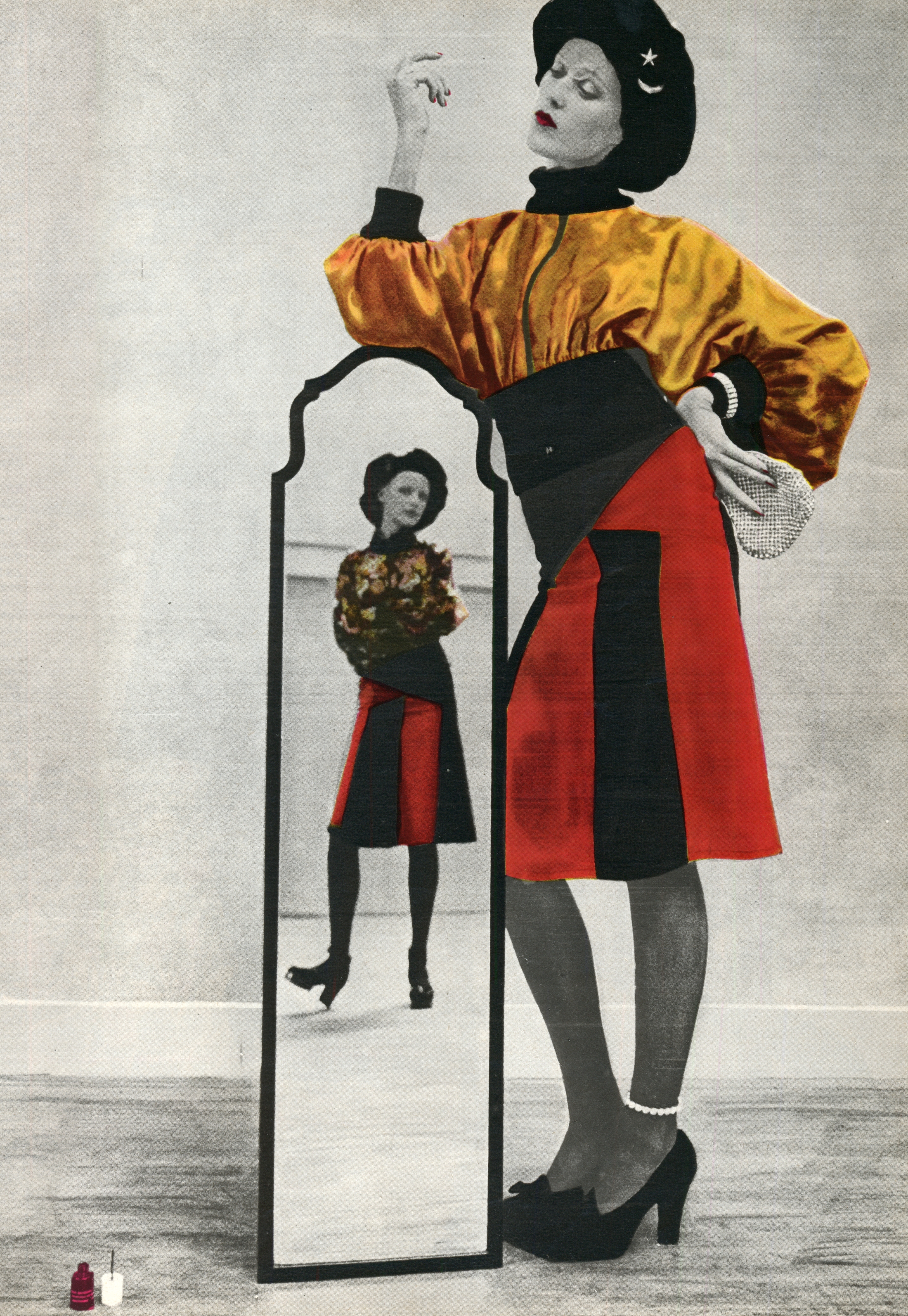
I’m not sure it gets much more 1973 than the styling here. Almost worthy of a Roxy Music cover. In fact, it wouldn’t surprise me if it was consciously or subconsciously influenced by that.
Scanned from 19 Magazine, July 1973.
I’m not sure it gets much more 1973 than the styling here. Almost worthy of a Roxy Music cover. In fact, it wouldn’t surprise me if it was consciously or subconsciously influenced by that.
Scanned from 19 Magazine, July 1973.
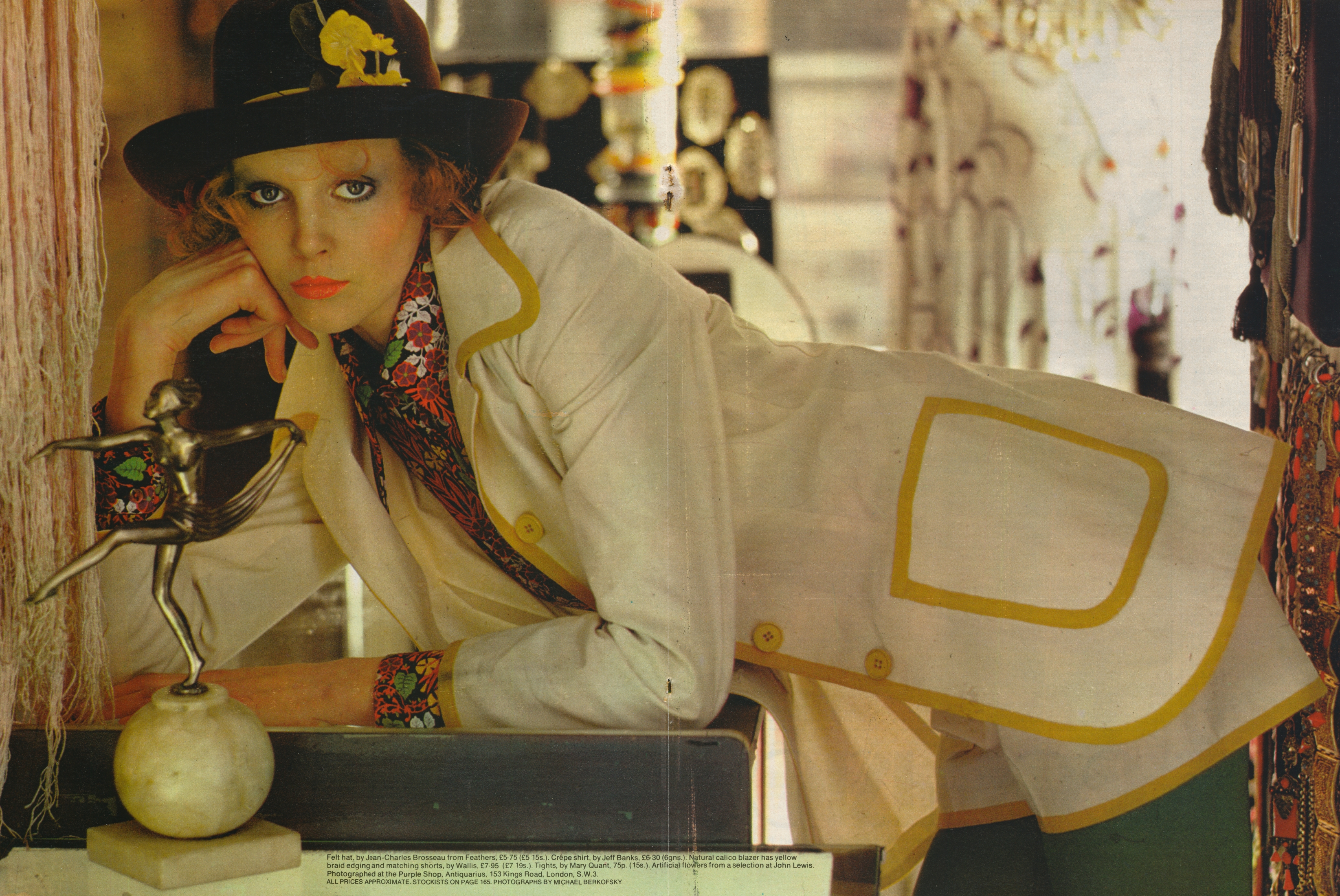
Yves St. Laurent’s ‘Blast From The Past’ award is taken by the blazer. Fashioned a la Dietrich, casual but smart, it looks especially good with shorts, hot-coloured tights and long knee-socks, or pleated skirts. The best choice is plain white, black or red; or hot checks and stripes.
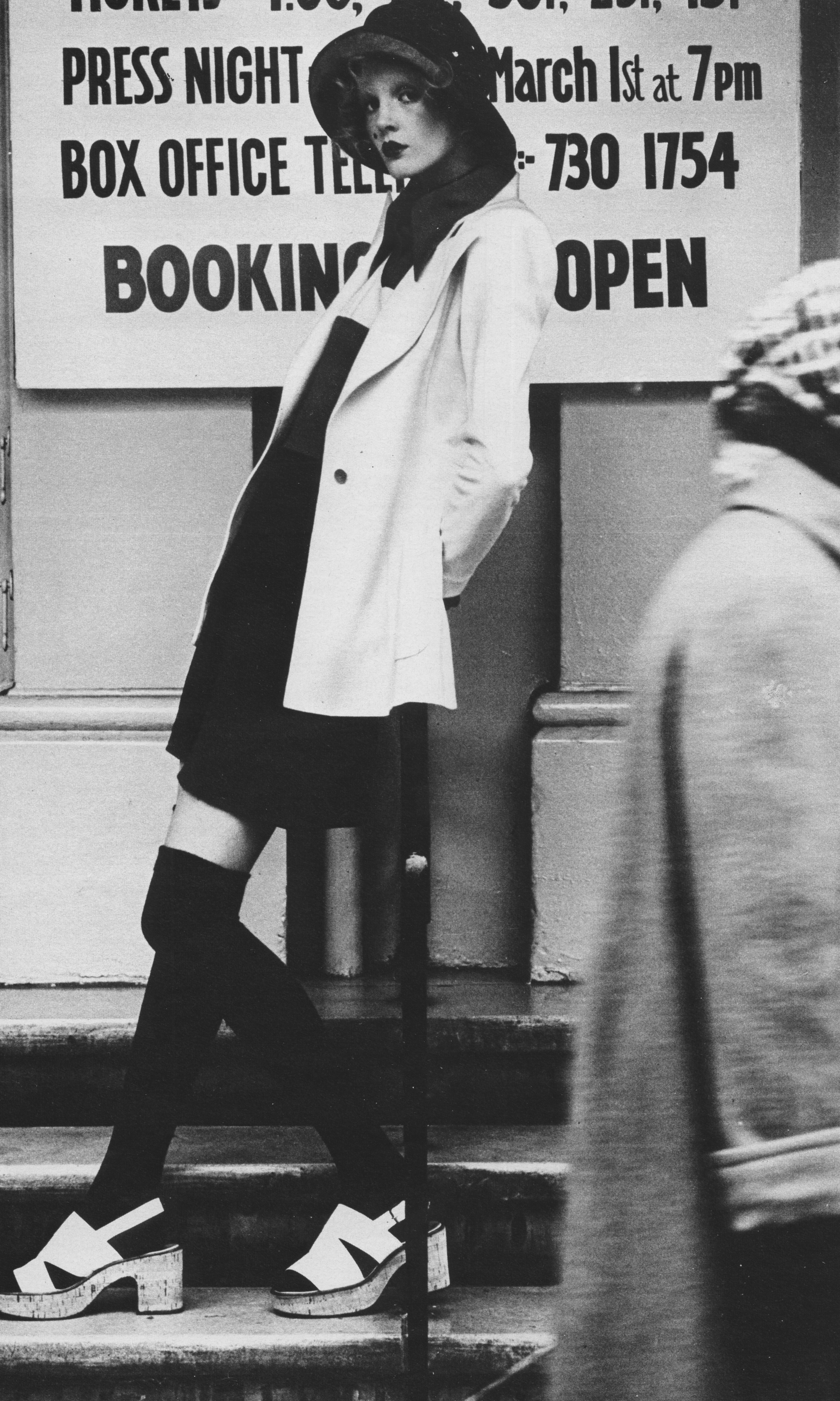
A superb editorial, giving us an insight into the short-lived but legendary Hollywood Clothes Shop and The Purple Shop in Antiquarius (which I feel like I’m regularly crediting in other posts on here) and also designer David Mellor’s shop. It also has the unusual element of every price being given in new and old money – with decimalisation having been introduced in February of the same year. I’m surprised I don’t see this a lot more in editorials from 1971.
Modelled by Sue Baloo
Styled by Norma Moriceau.
Photographed by Michael Berkofsky.
Scanned from 19 Magazine, May 1971.
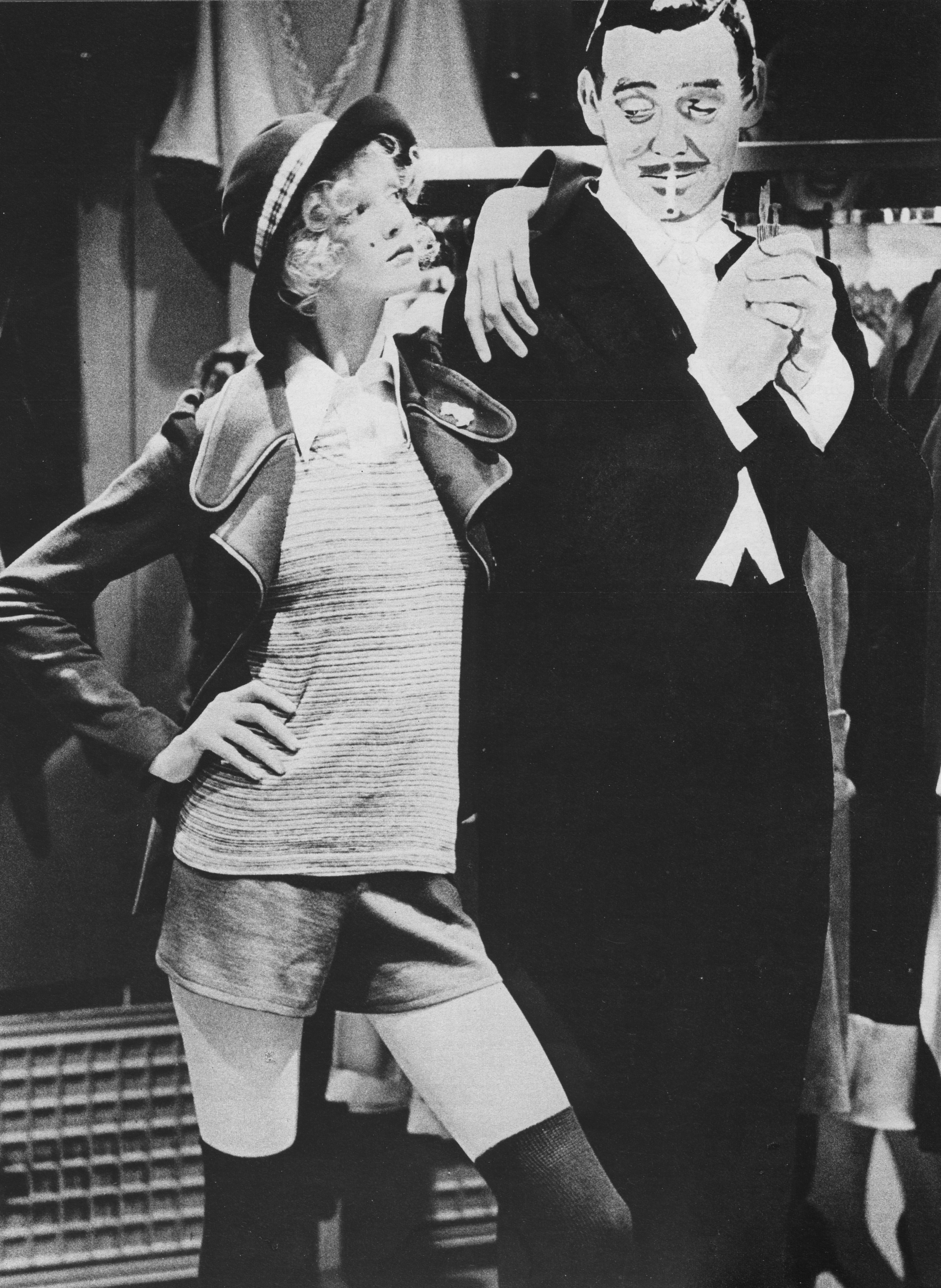

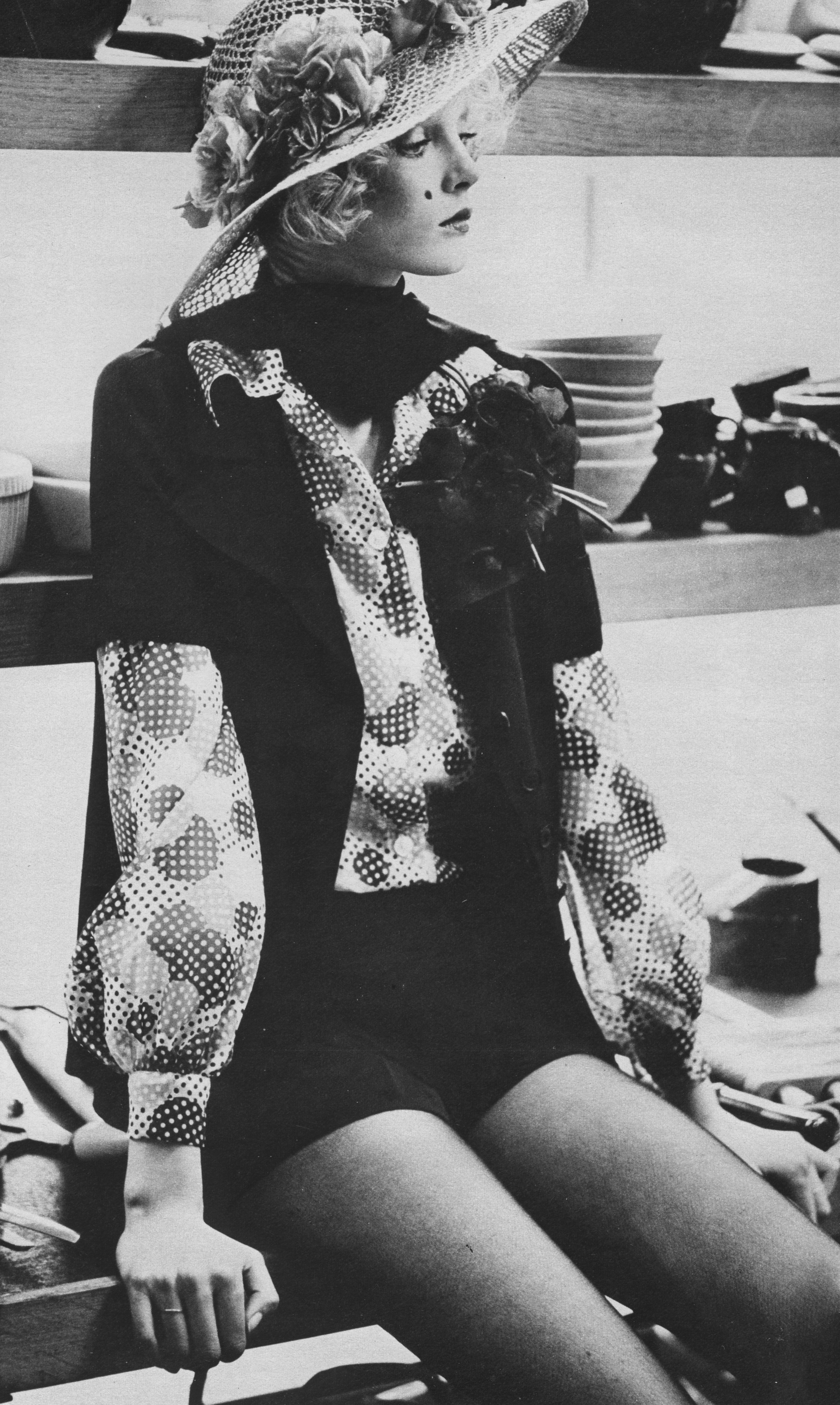
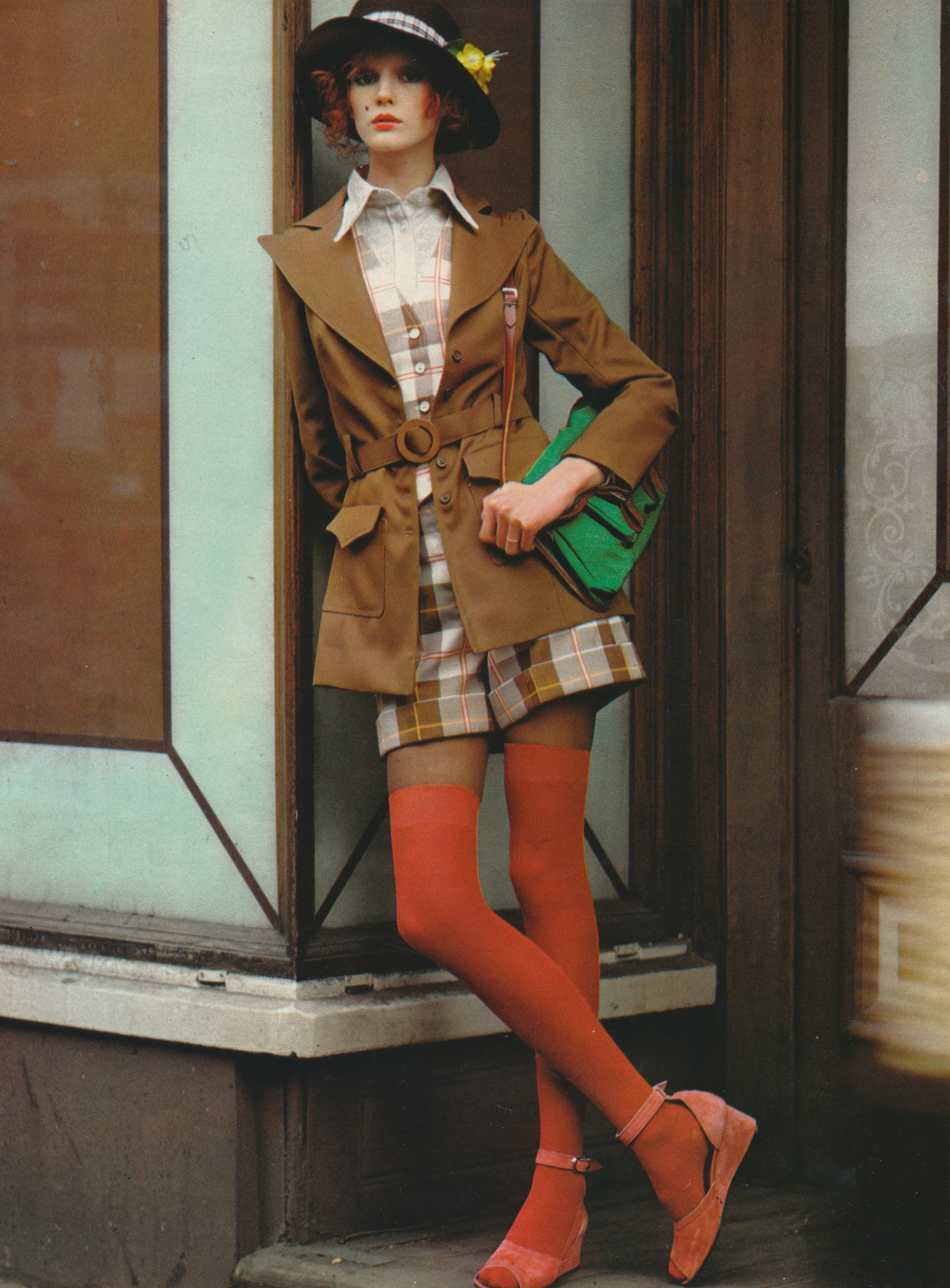
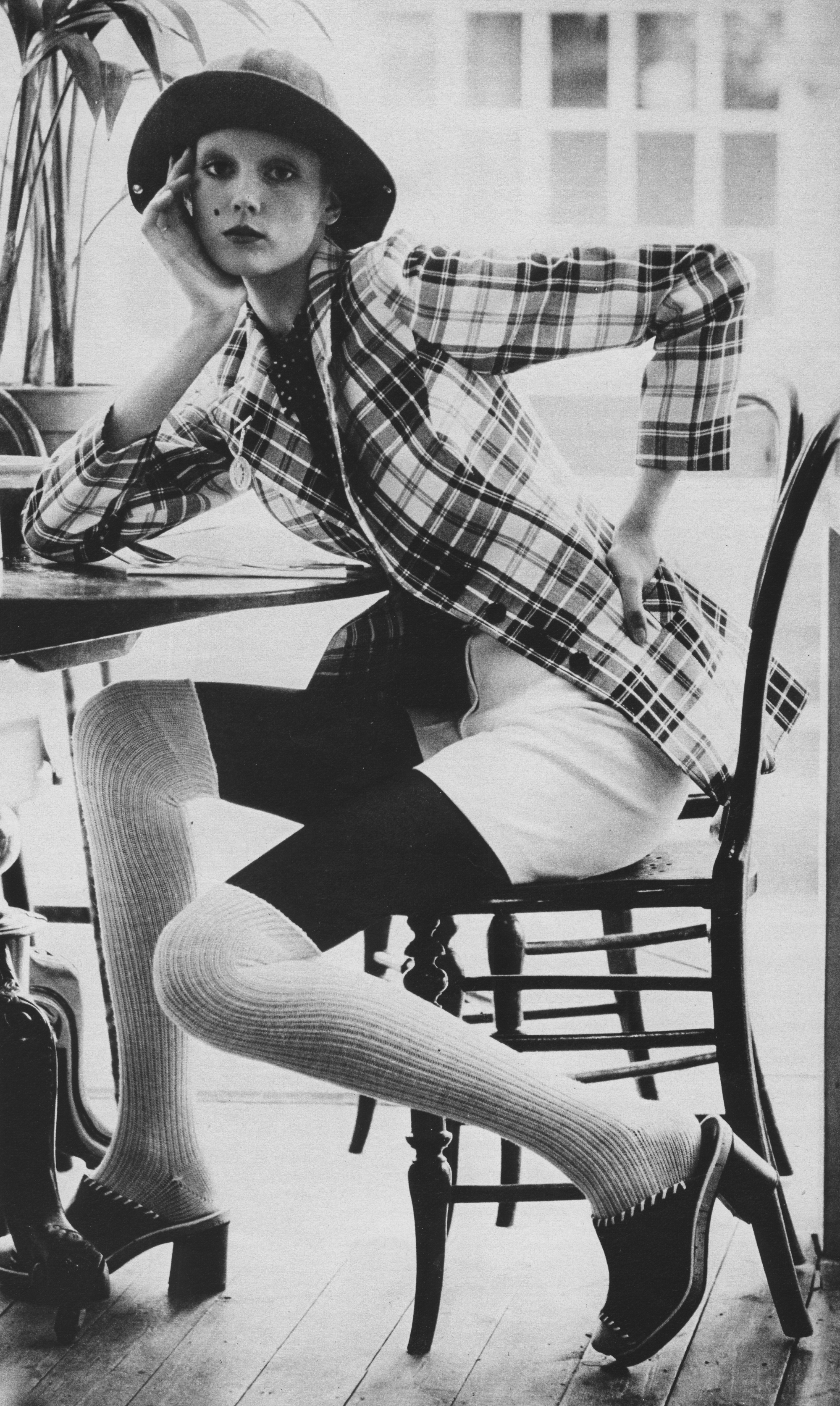
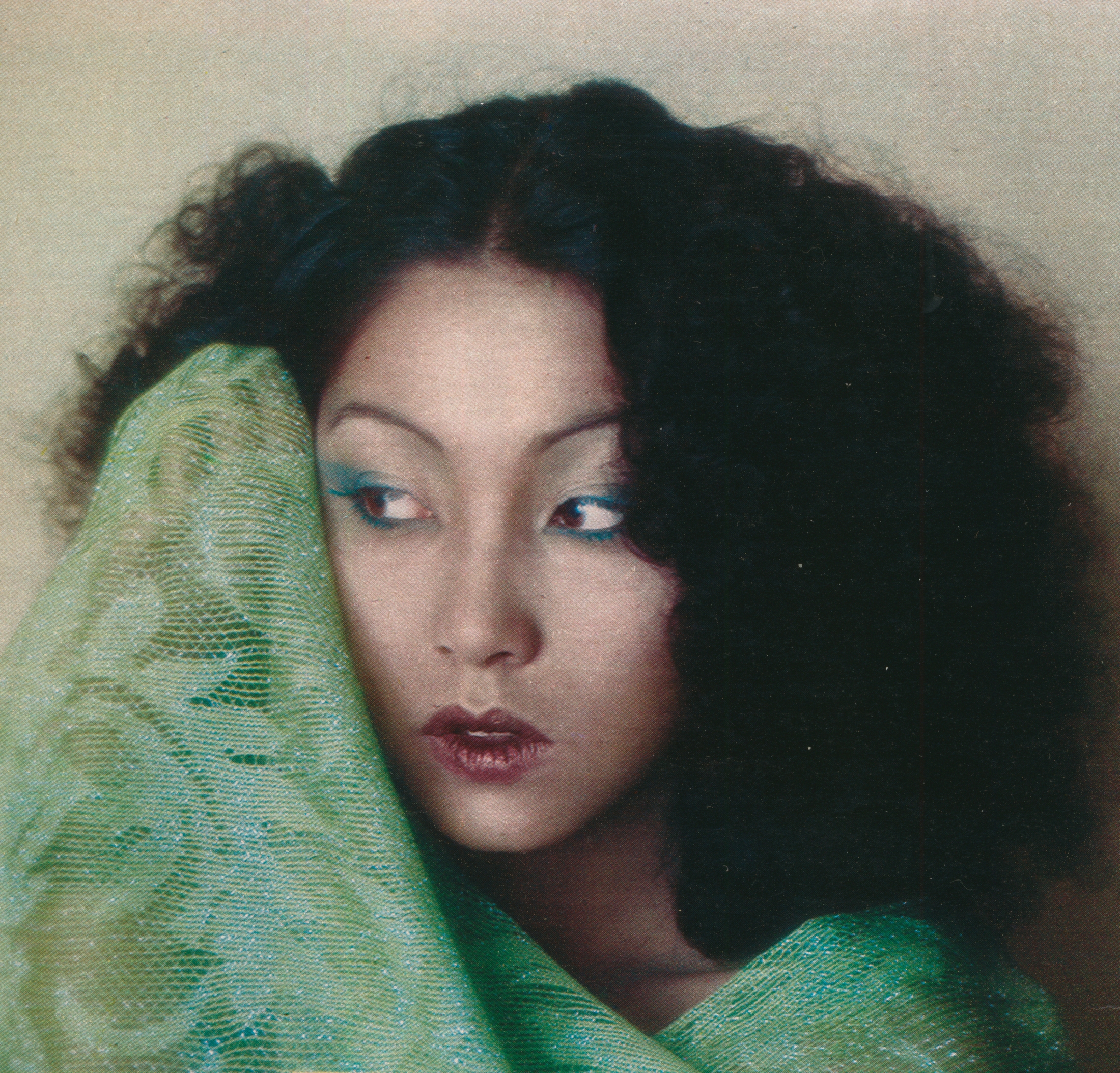
As with everything Biba creates, its newly opened Beauty Parlour in the Kensington store hits that striking note of sparkling originality.
It has 19’s stamp of approval. because it is a genuine beauty parlour, in the true, old-fashioned sense of the word. The Parlour welcomes you into a relaxed, spacious and luxurious, ‘Thirties’ world of cream and black decor, bedecked with dark green palms. It is the brain-child of Barbara Hulaniki— Biba’s creator—and Regis, a brilliant and inventive make-up artist and hairdresser.
Before Regis showed us around, we asked him to tell us about his past.
Looking every bit as dashing as Valentino himself. he said: “Call me a man with no past. Although I trained and worked in many leading salons, I don’t want to be attached to anything I’ve done before or The Parlour to be compared with others.”
The Parlour offers the services of a modern establishment (from haircutting to leg waxing) which it executes in a novel way. Here you are not a number with a gown—you are treated as an individual with individual needs. In true Biba tradition, on arrival, you are fitted out with a fabulous gown—either a long black satin one (if you are having your hair done), a black velour robe (for the guys) or a super black towelling robe (if you are going into the beauty room). Even the hair nets are pretty— black and silky.
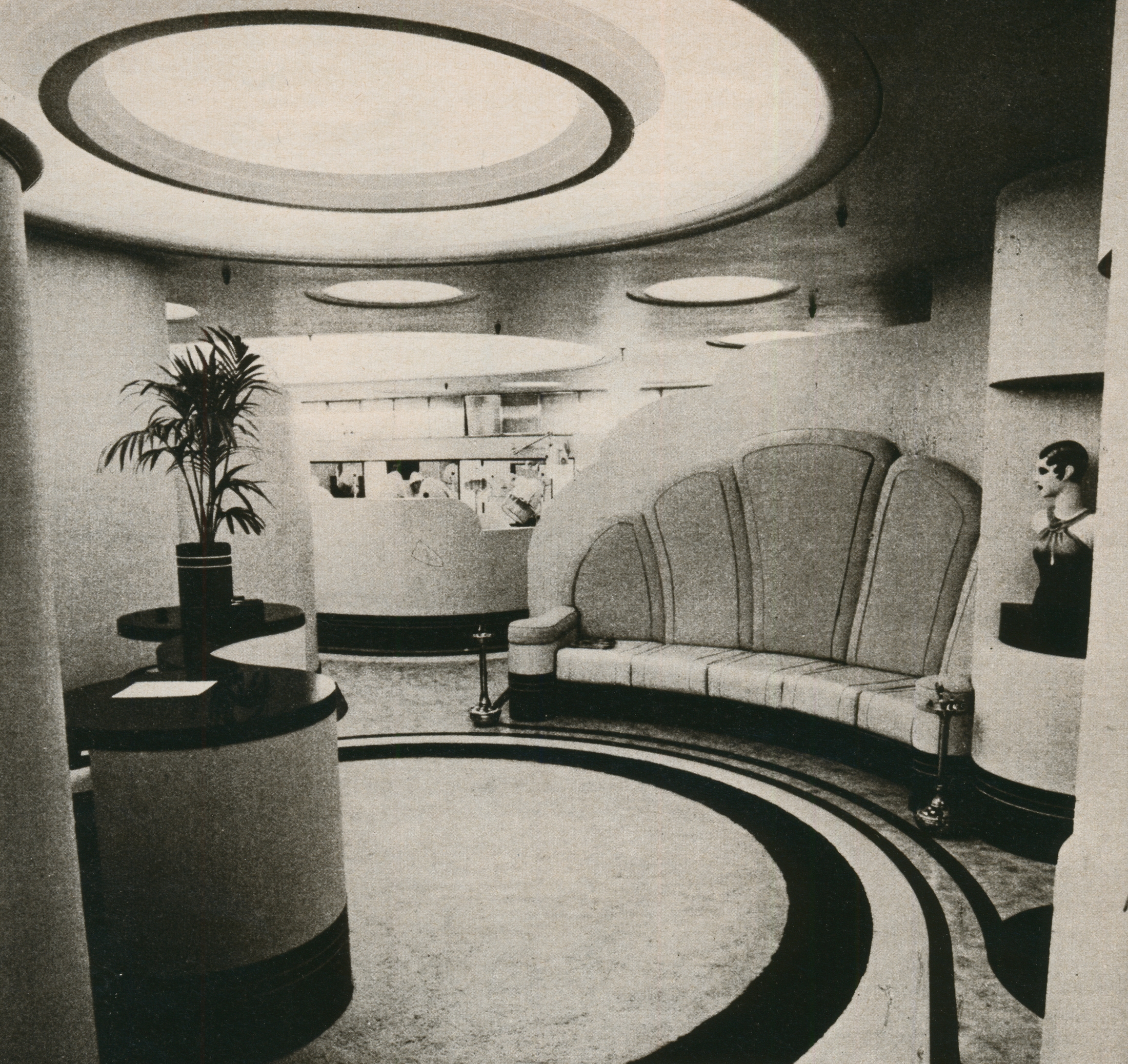
The seating is so cleverly designed in the curved and pillared room that one client hardly sees another and, although each hairdresser—and there are three, plus Regis— has his own ‘corner’, all the involved treatments, such as tinting, bleaching, high-lighting and perming. are done in private cubicles.
Biba carries every conceivable shade of hair colouring and hasn’t just confined The Parlour to all the well-known branded names. Regis virtually combed the earth to find special formulas and effects.
Henna treatments are very popular and Biba uses several varieties—Black Henna, for dark heads; Neutral Henna, for blondes; Henna Wax for dry, split hair; ordinary henna, for a rich, red glow and a special henna, which can be used with a perm—normally you cannot perm hair which has henna on it. (Henna treatment costs from £6: tinting from £6.50; perming from £10.) Regis has fixed ideas concerning shampoo.
“A good shampoo is the most important step in the whole process. because if you use a bad one. then you can forget about doing an original style. Dull, horrible hair can never look good, however hard you try.”
Biba has 17 kinds of shampoo to choose from, ranging from ‘Almond’ and ‘Strawberry’ to ‘Henna Gloss’ shampoo, which doesn’t actually colour the hair but, with constant use, produces marvellous red lights. There are also three biological shampoos: one for greasy hair, one for dry and one for dandruff sufferers. (A shampoo and set costs £3, no matter which shampoo you need to use.)
Other Biba specialities are the after-washing, pre-setting goodies. Regis’ favourite is the Champagne Rinse, which gives a remarkable gloss and softness. The Henna Conditioner is good and there are Frictions, too, which are spirit-based hair perfumes, to make your hair smell beautiful, as well as look good. (Frictions are something mothers and grandmothers know all about. but which had disappeared from our lives—until now.) These cost 50p. each, and you can choose from ‘Orchid’, `Fougere., ‘Eau de Cologne’, ‘Passionate’ and ‘Gardenia’.
Blow-drying is virtually non-existent at Biba.
“We want girls to look truly groomed and feminine again.” said Regis. He believes in the old-style training and he and his staff use rollers (but not heated ones), Marcel Wave tongs, wave clips. small tongs and irons, and do lots of exacting pin-curling.
The Beauty Room is run by a very efficient lady and practically anything is done. There are treatments to help acne problems; waxing to remove unwanted hair; massage including a deep-back massage. with an infra-red lamp; spot reducing with Slendertone and eye treatments, which include eyebrow shaping, eyelash dyeing and the application of Permanent lashes. (This costs £4. and replacements later on cost 10p. a lash.)
The manicures and pedicures are superb. If it is just a plain one you want, then, of course, they will oblige. But if you want something for a special occasion then they can do fantastic combinations of colours, patterns and designs on nails and toes, too, if required. (Ordinary manicures cost £1: the special kind. £2.50.)
As far as make-up is concerned. Regis will create a fantastic new look for you and will advise on form-ulas, colours and applica-tion. (Cost £5.)
The Parlour opens at 11am., on weekdays, and last appointments are at 6.30pm. On Saturdays. opening time is 9.30am. and last appointments are at 4pm.
It’s sobering to remember that about seven months after this article appeared, Biba was closed forever.
Photographer(s) uncredited.
Scanned from 19 Magazine, February 1975.
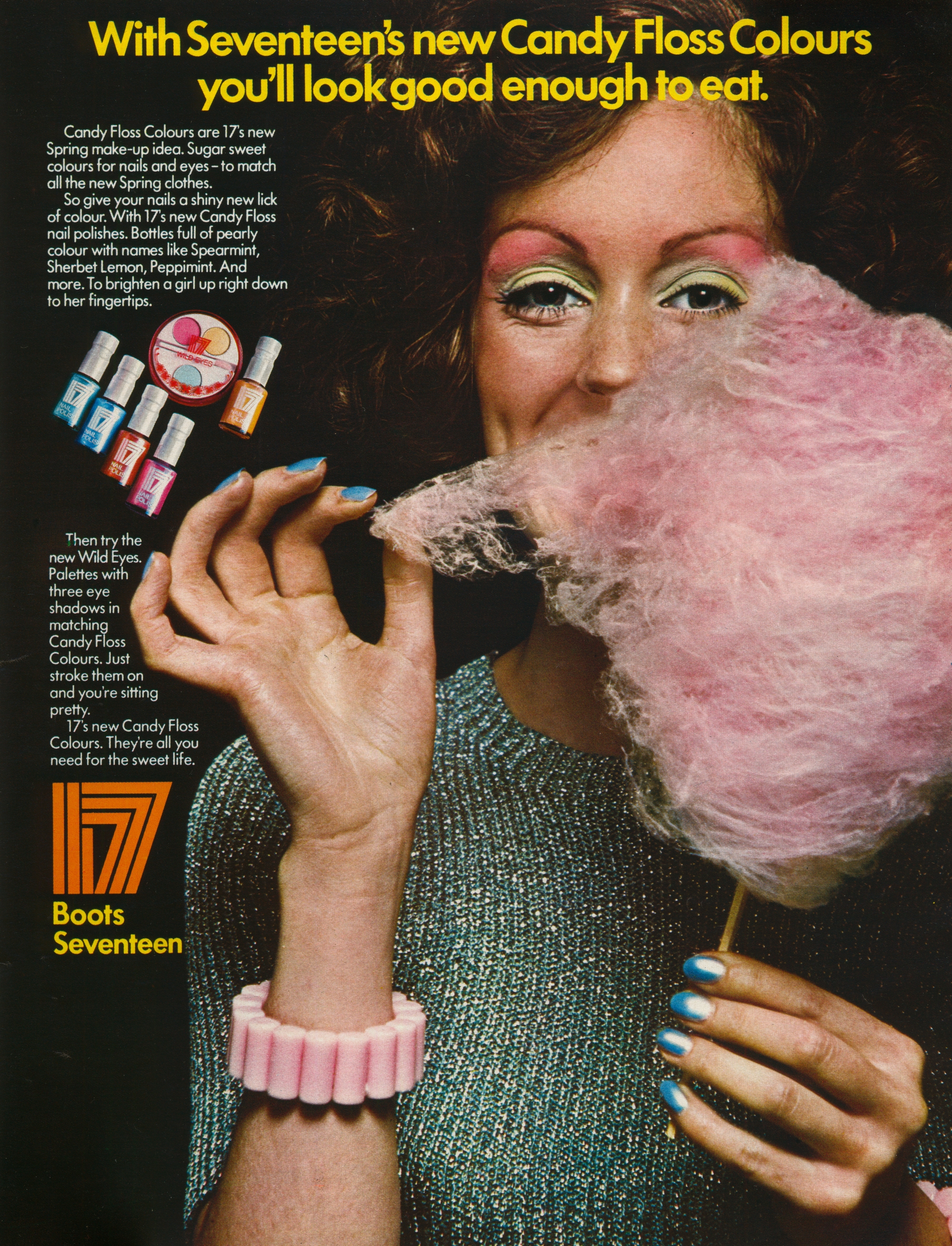
I can only hope that the newly relaunched Boots Seventeen range will be as much fun as it looks like it was back in the Seventies!
Scanned from 19 Magazine, April 1973.
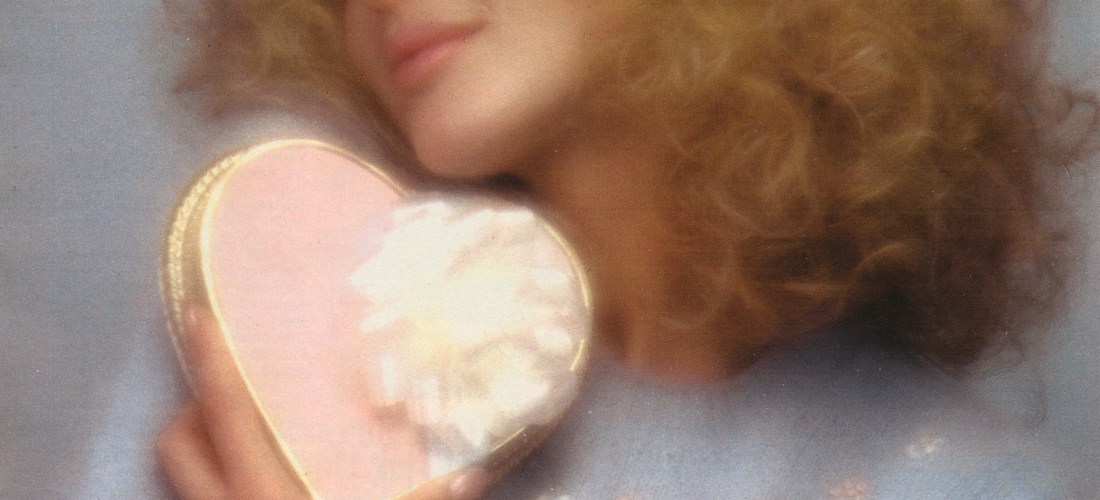
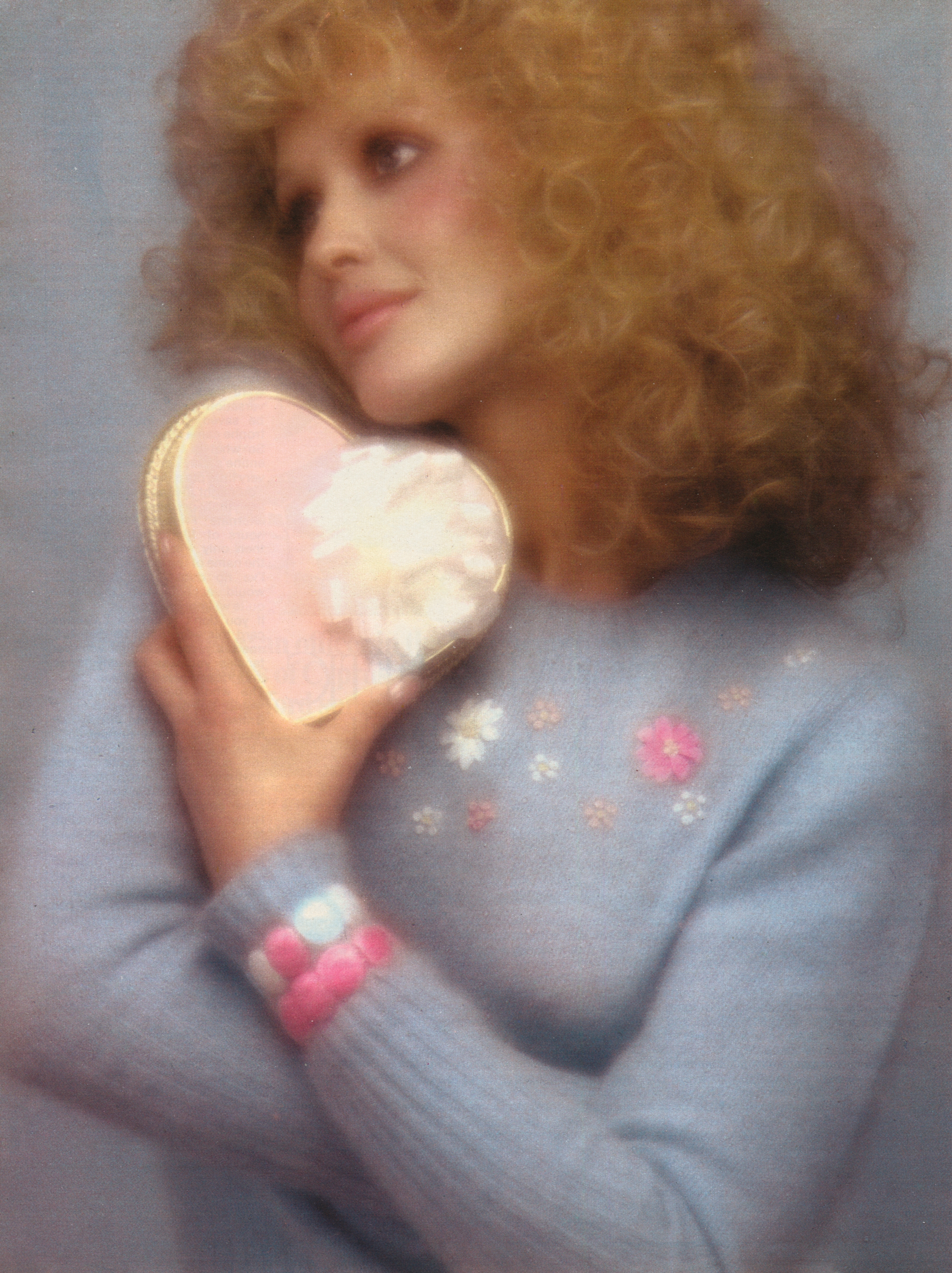
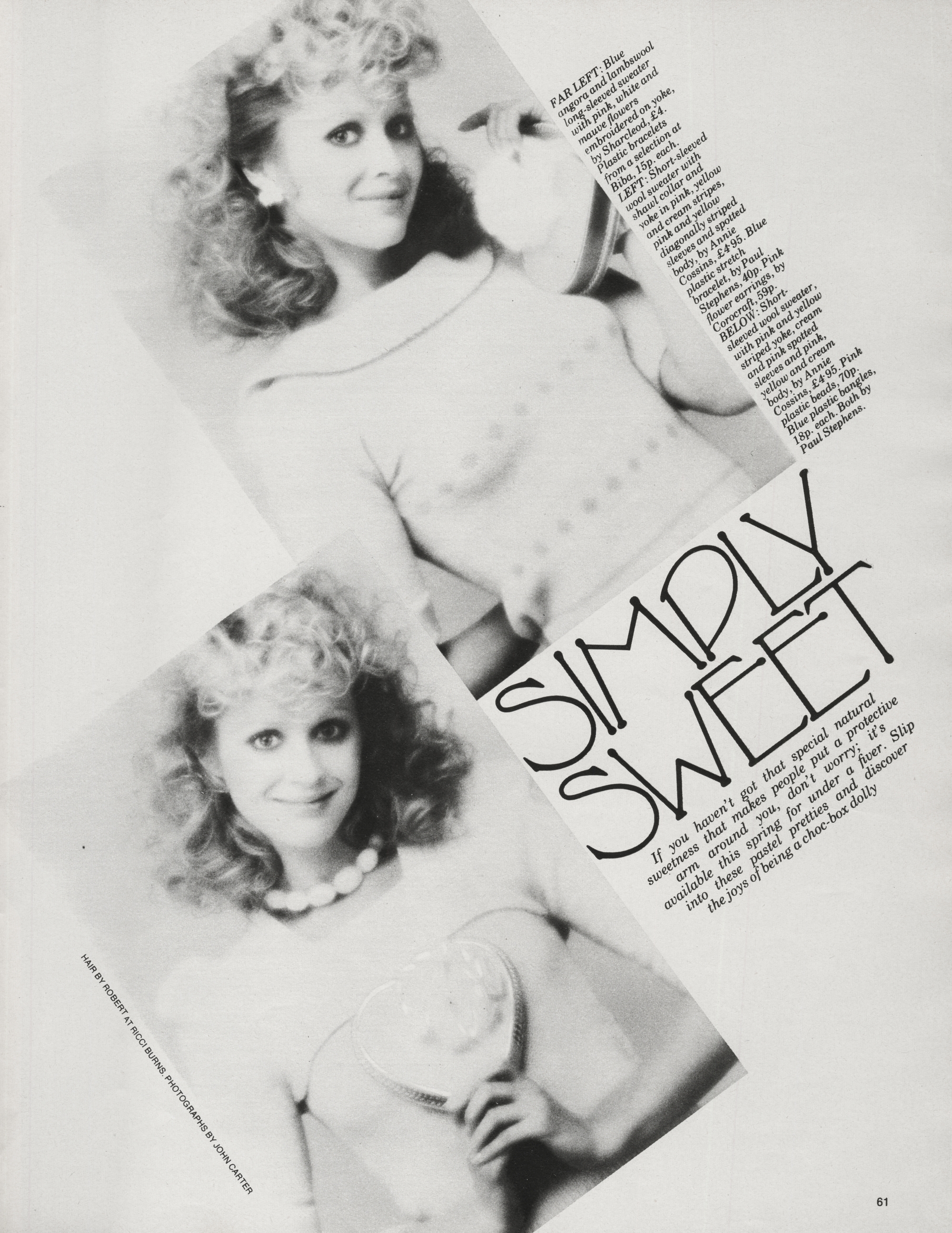
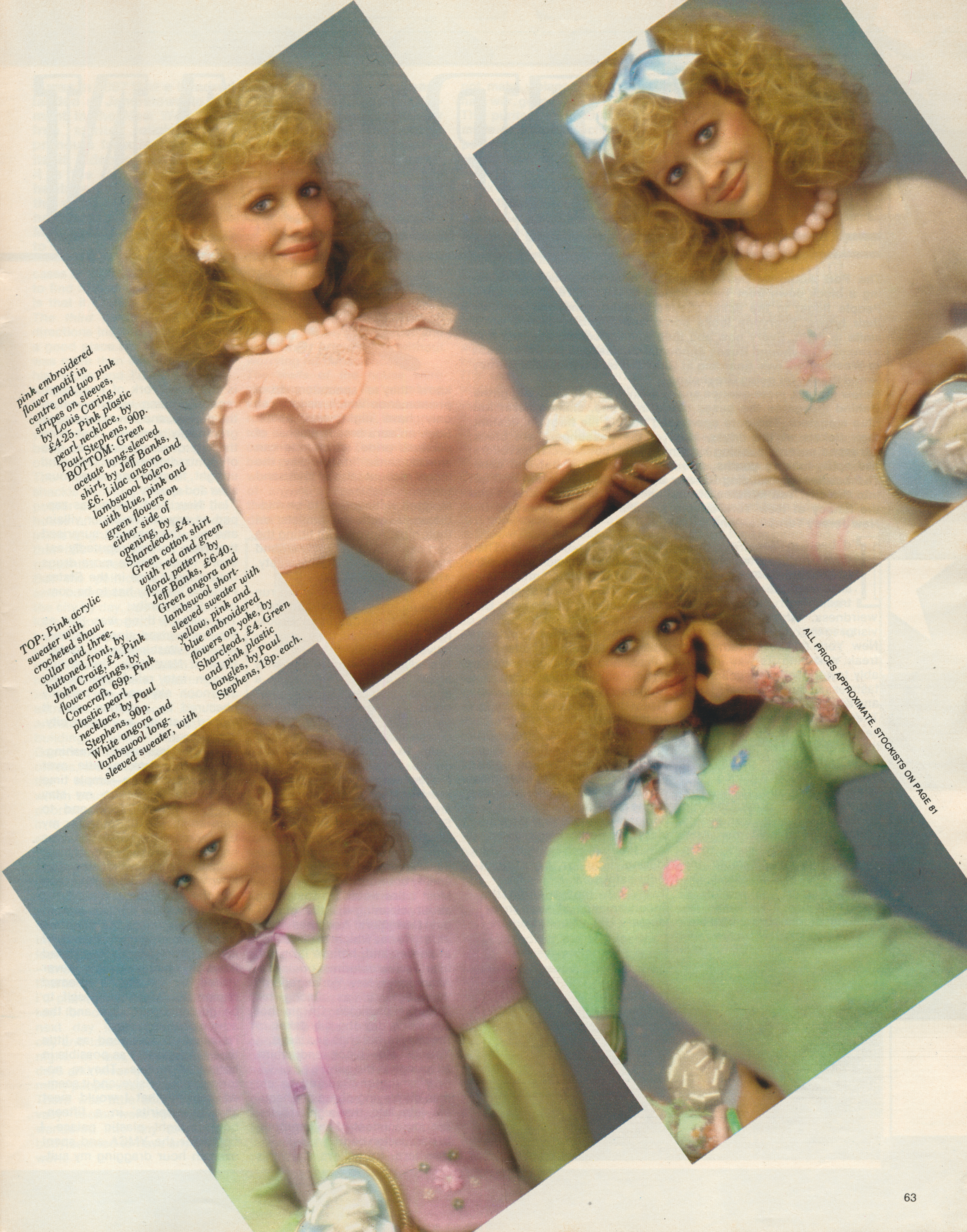
If you haven’t got that special natural sweetness that makes people put a protective arm around you, don’t worry; it’s available this spring for under a fiver. Slip into these pastel pretties and discover the joys of being a choc-box dolly.
Photographed by John Carter.
Scanned from 19 Magazine, February 1973.
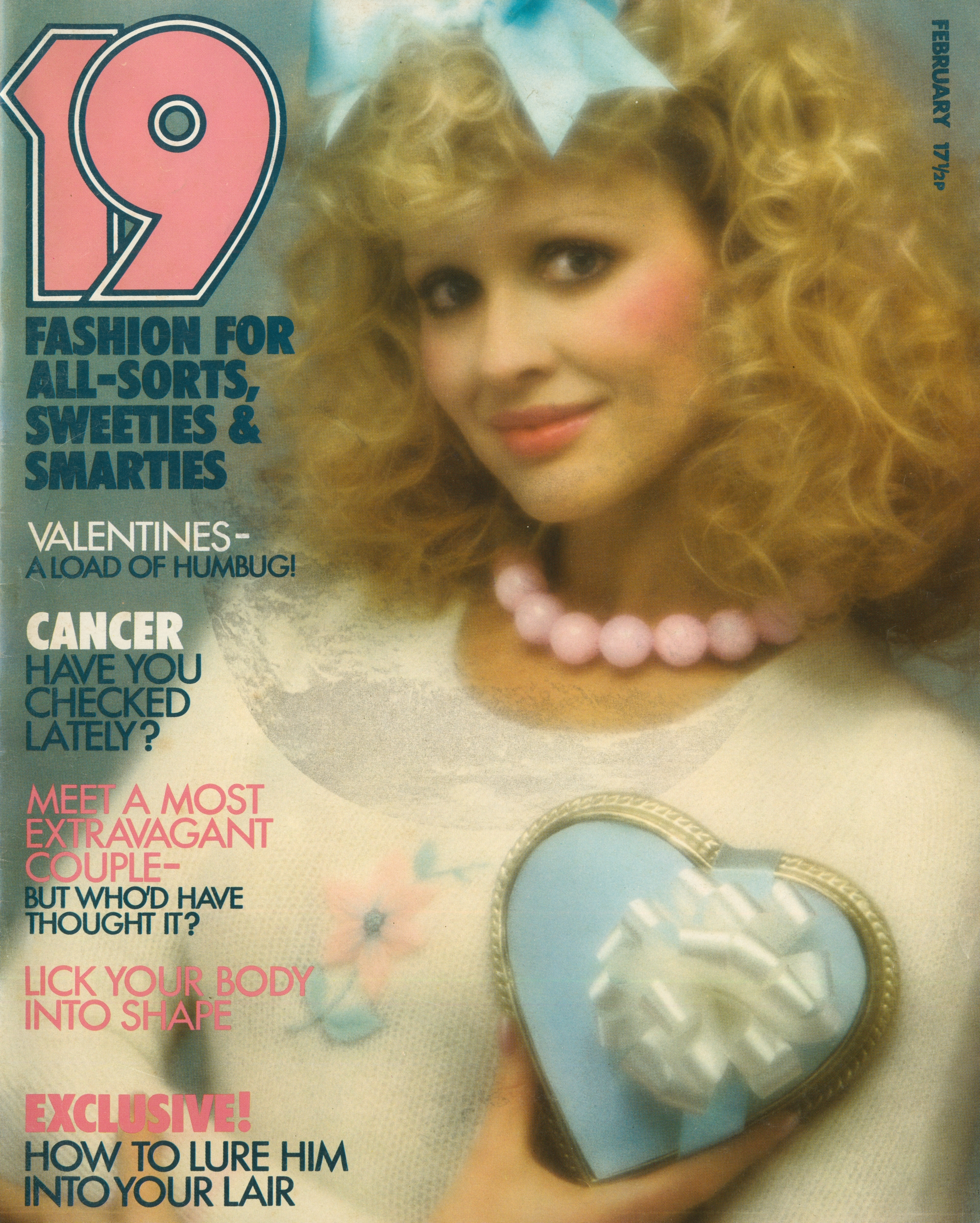
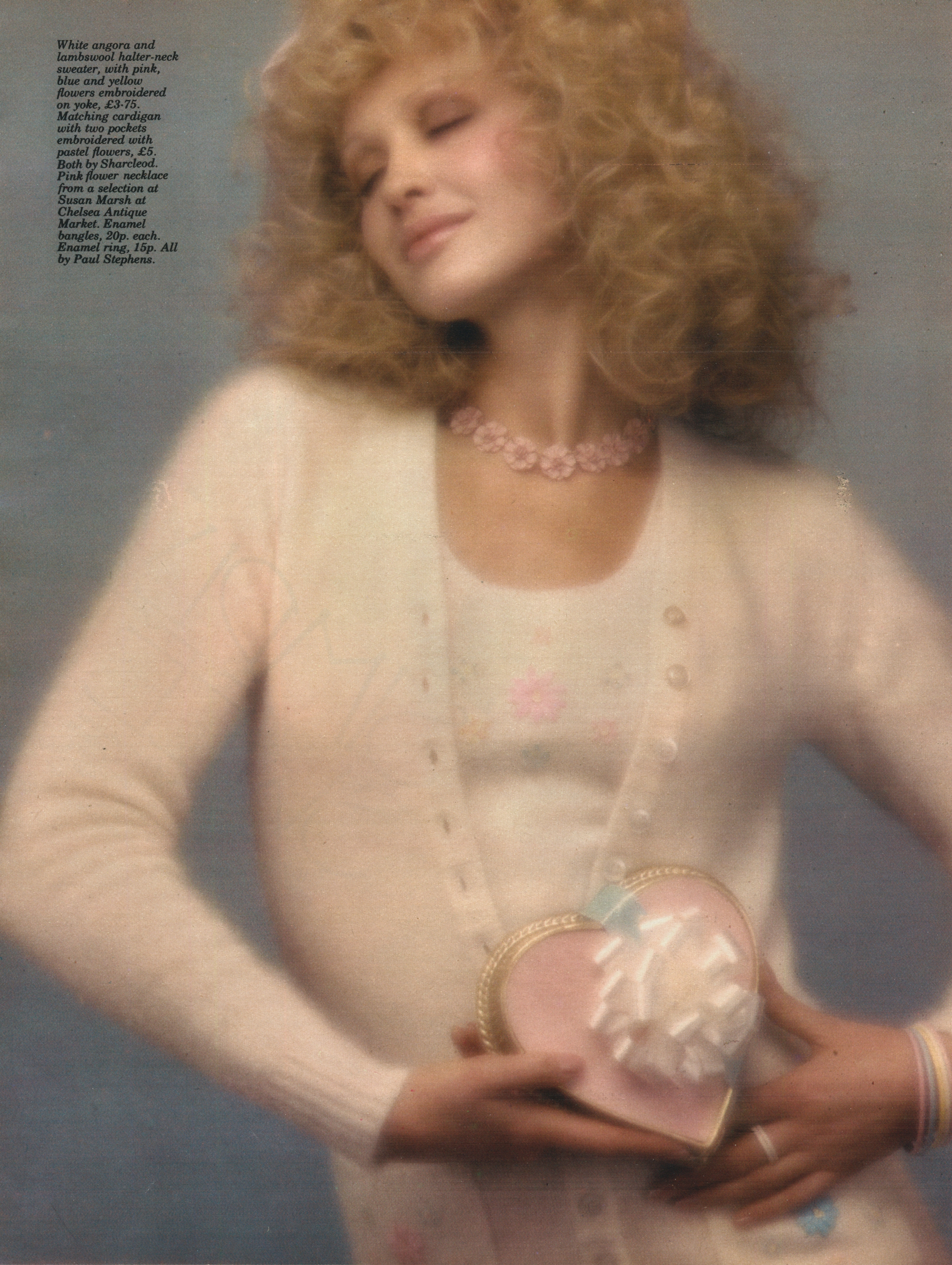
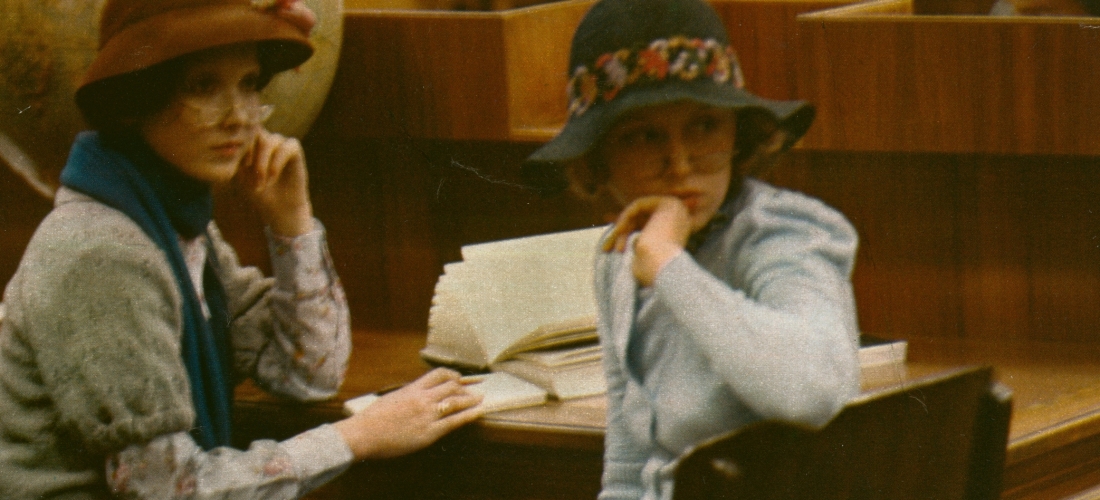
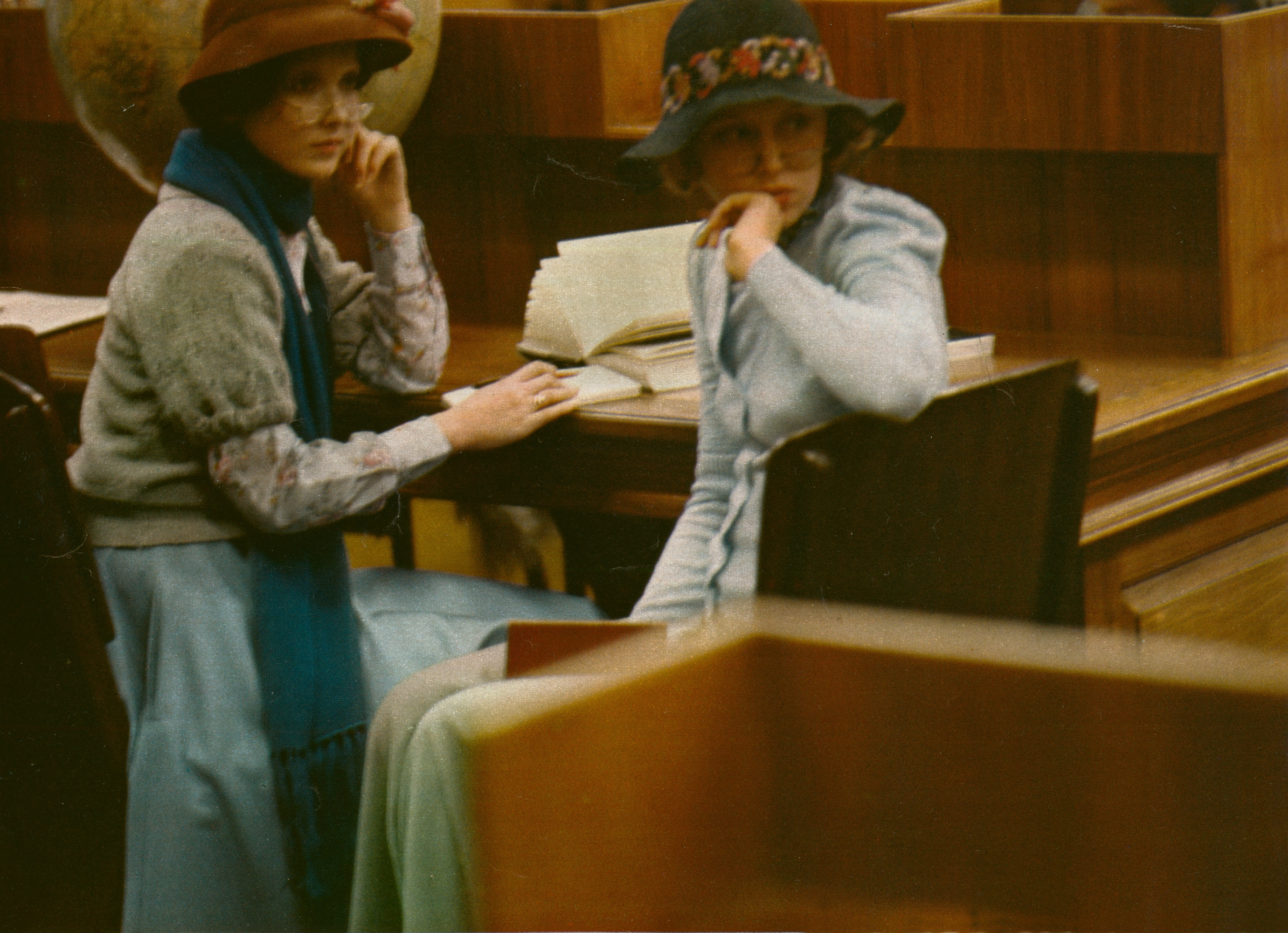
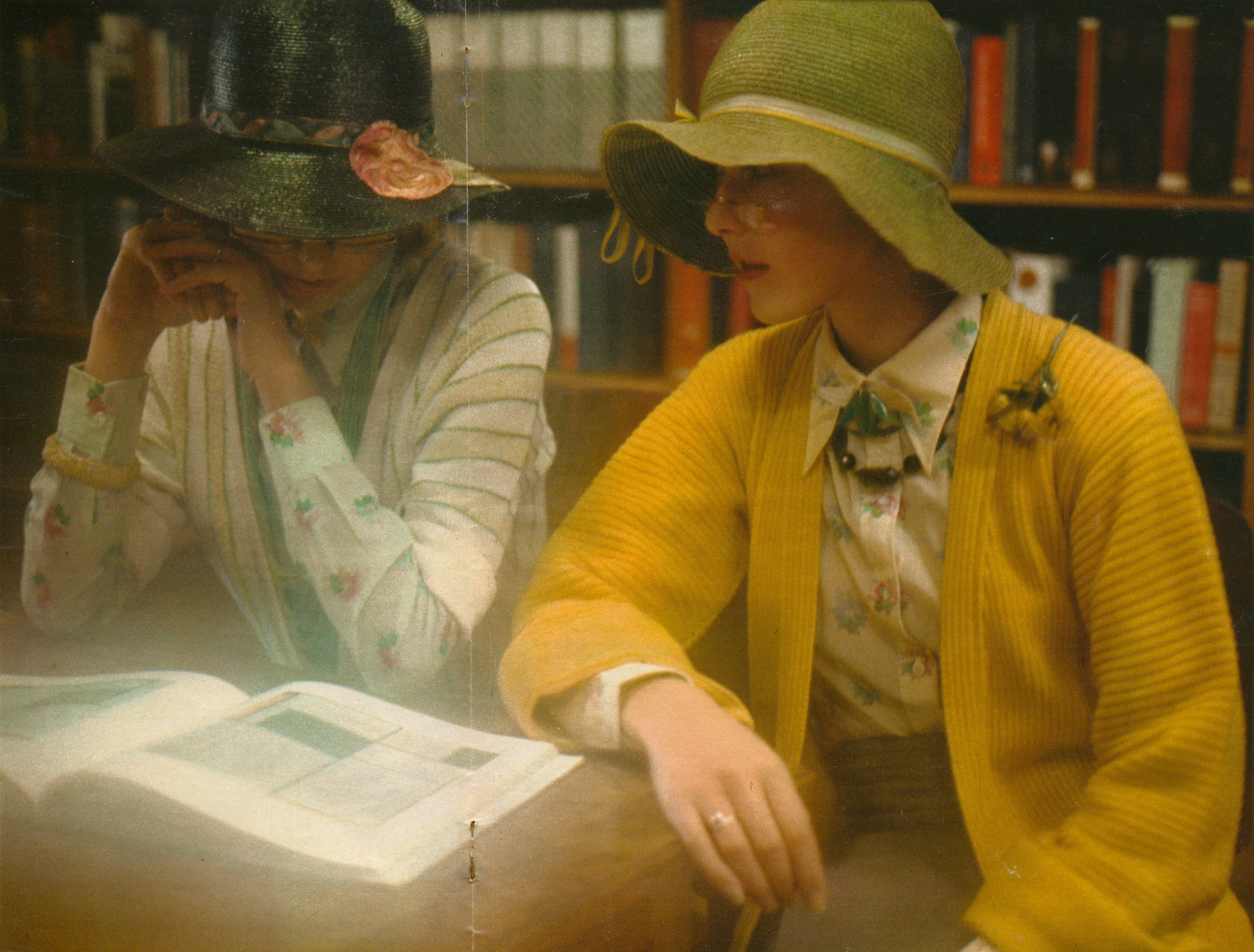
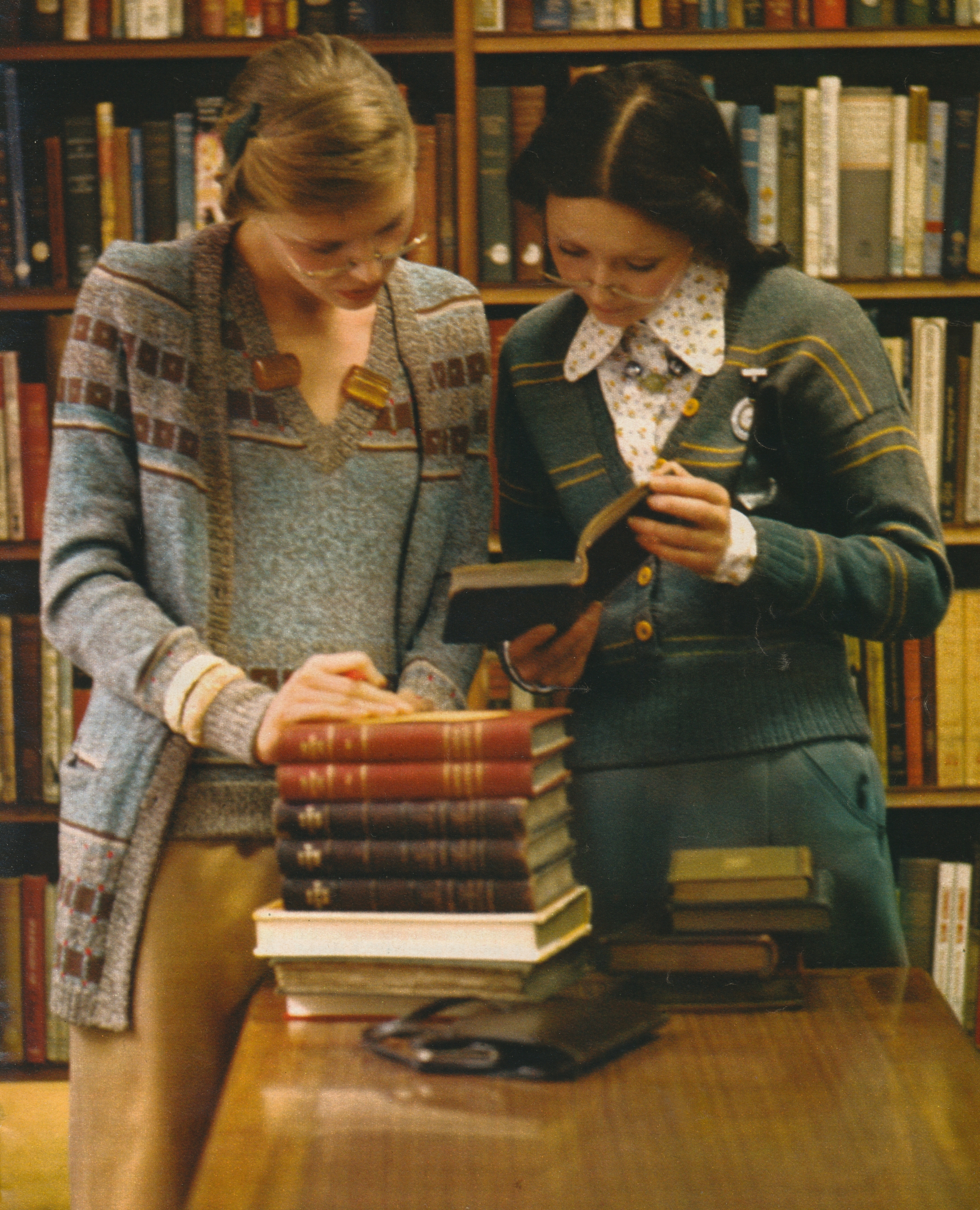
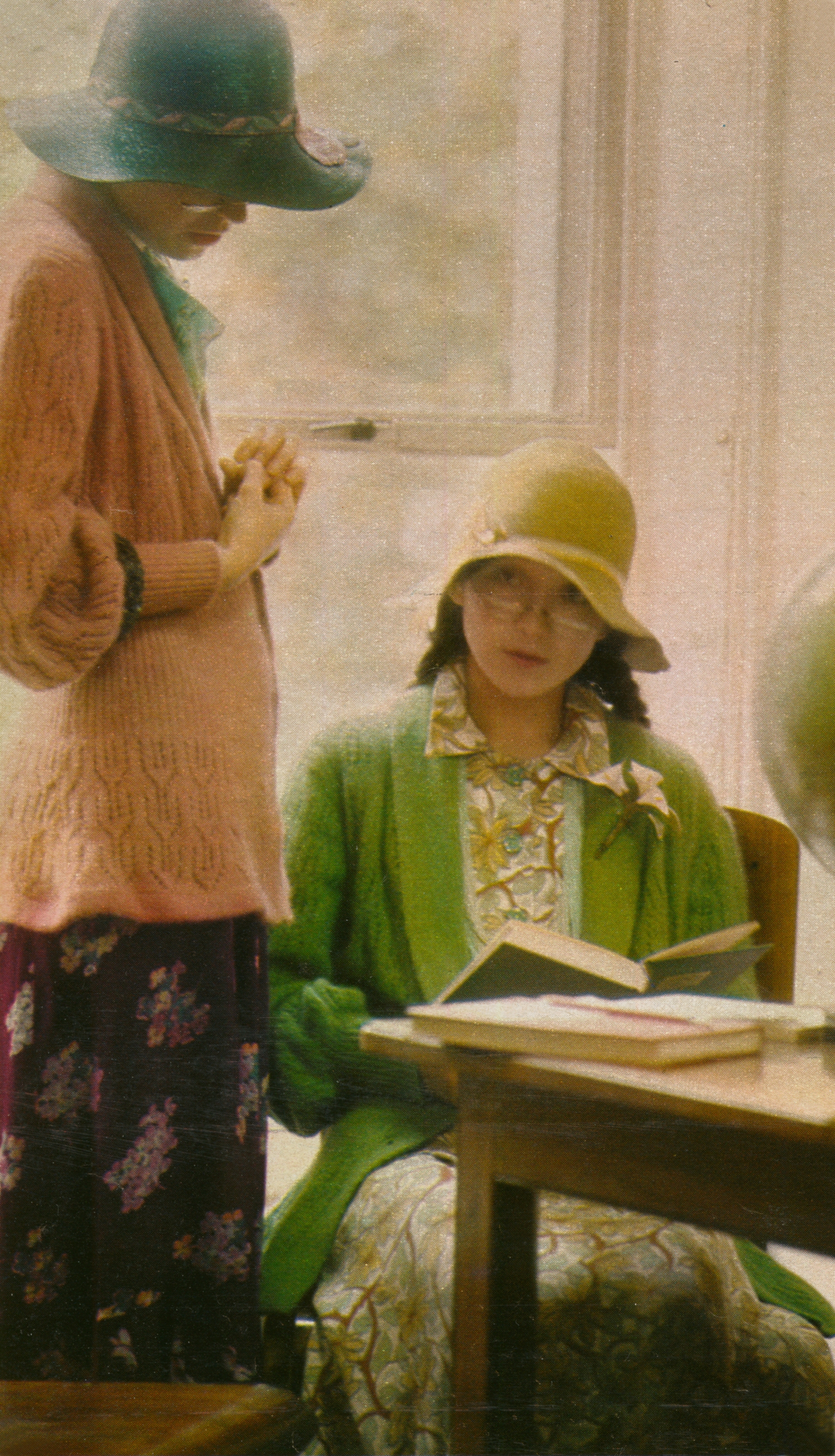
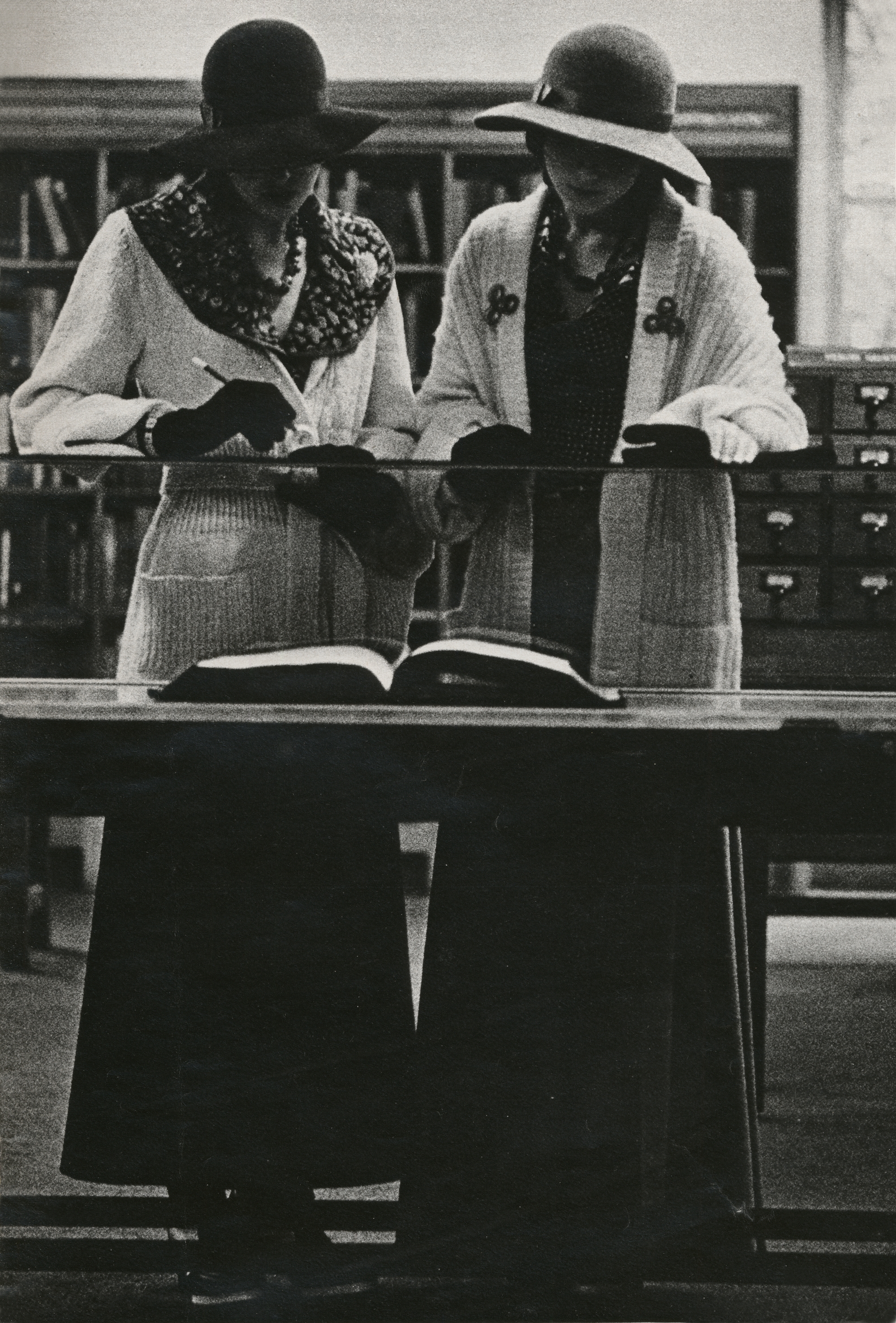
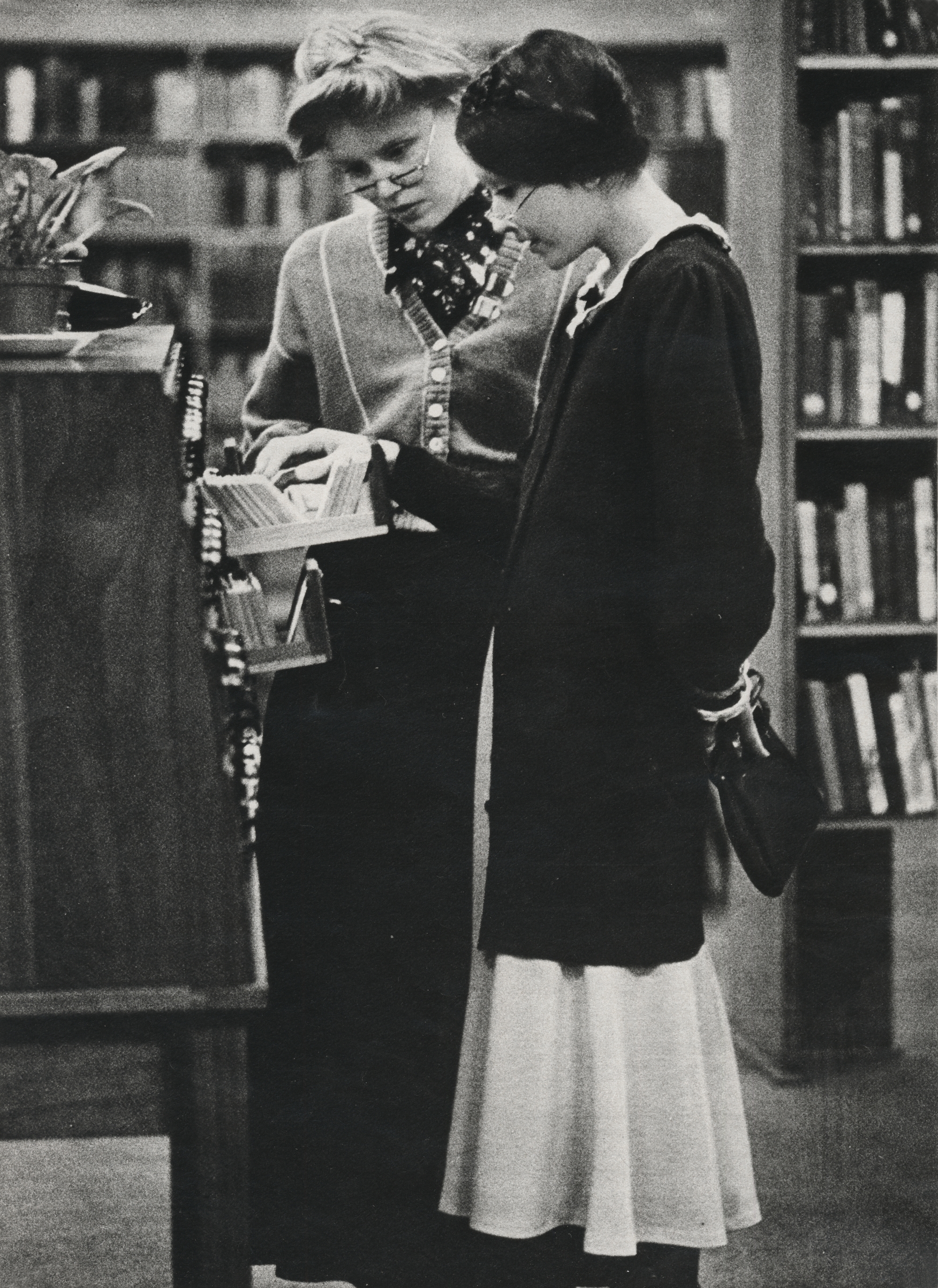
Ten years ago, the British woman was bound to her cardigan. Then, in a feverish review of fashion, the cardigan was shelved for the jacket. Now, it’s back in circulation, not as the rather insipid number of yesteryear, but renewed in a long wrap-around version — the sort you cuddle into when it’s cold outside, the sort you wear over dresses, jeans or even suits. Cardigans like this are the most practical knitwear created for ages and the Paris Collections, if they spell excitement to you, were full of them.
All jewellery in feature from a selection at Marie Middleton and Susan Marsh at Chelsea Antique Market. Gold-rimmed glasses from any good optician.
Modelled by Vivienne Lynn and unknown model.
Styling by Norma Moriceau.
Photographed by Ku Khanh.
Scanned from 19 Magazine, January 1973.
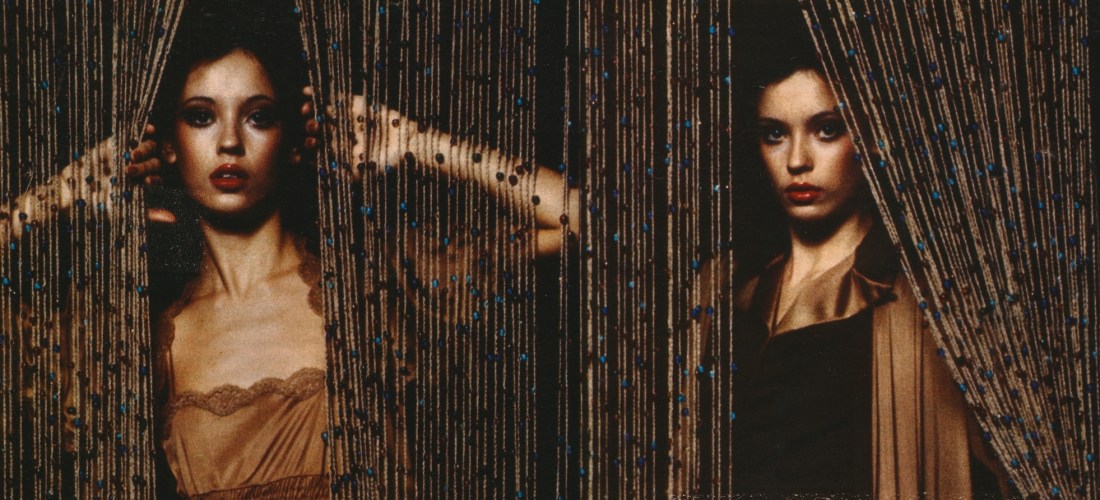
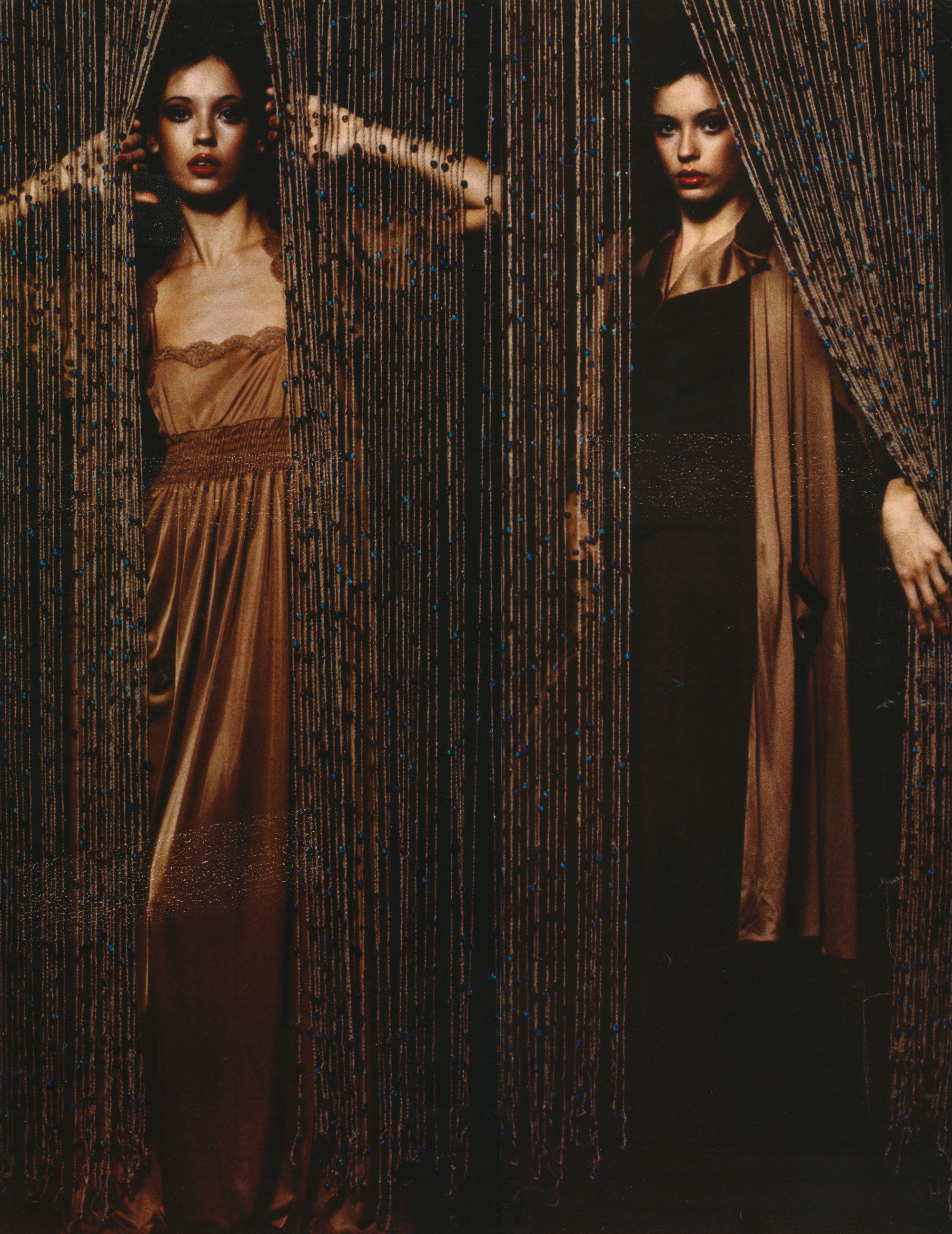
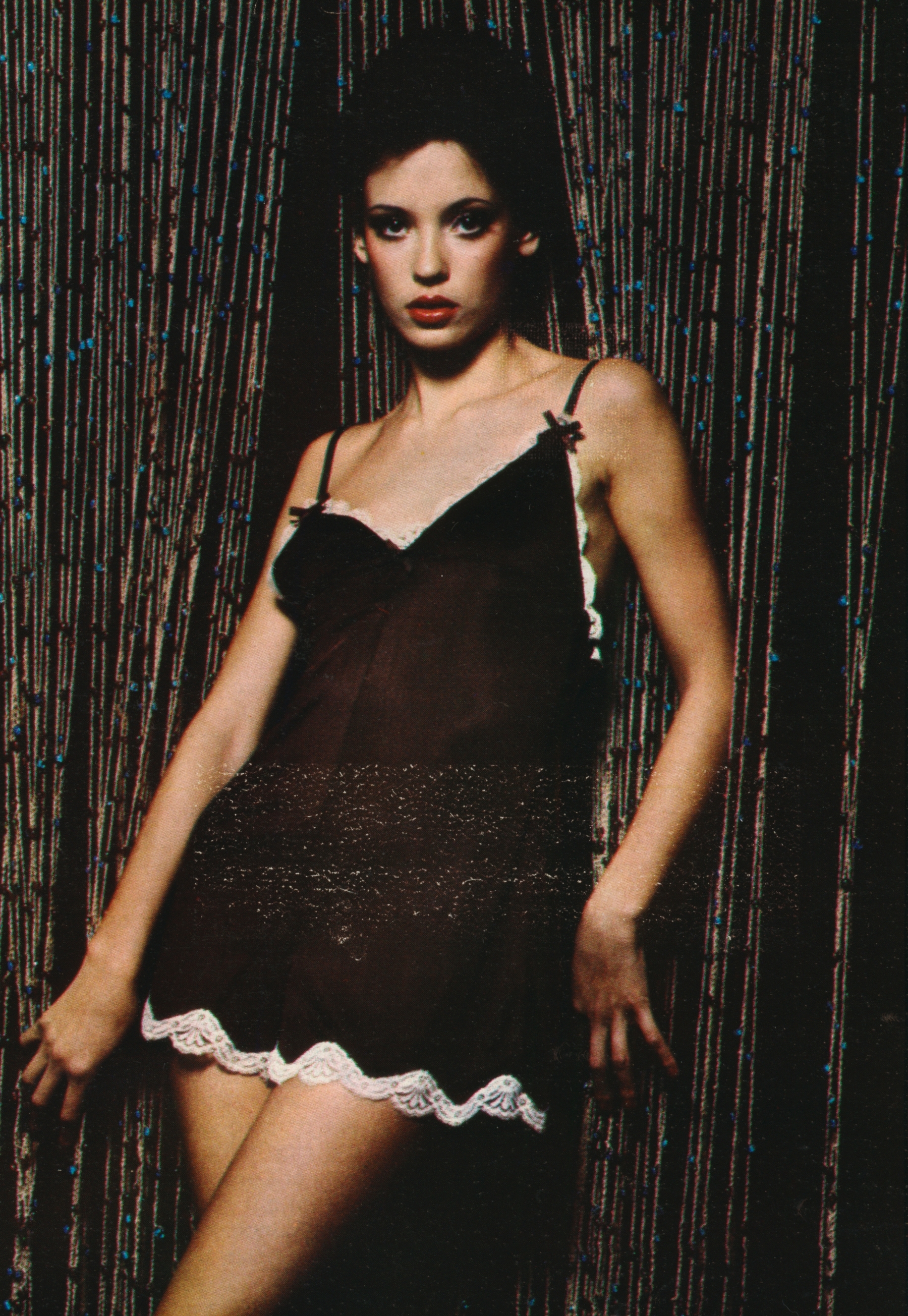
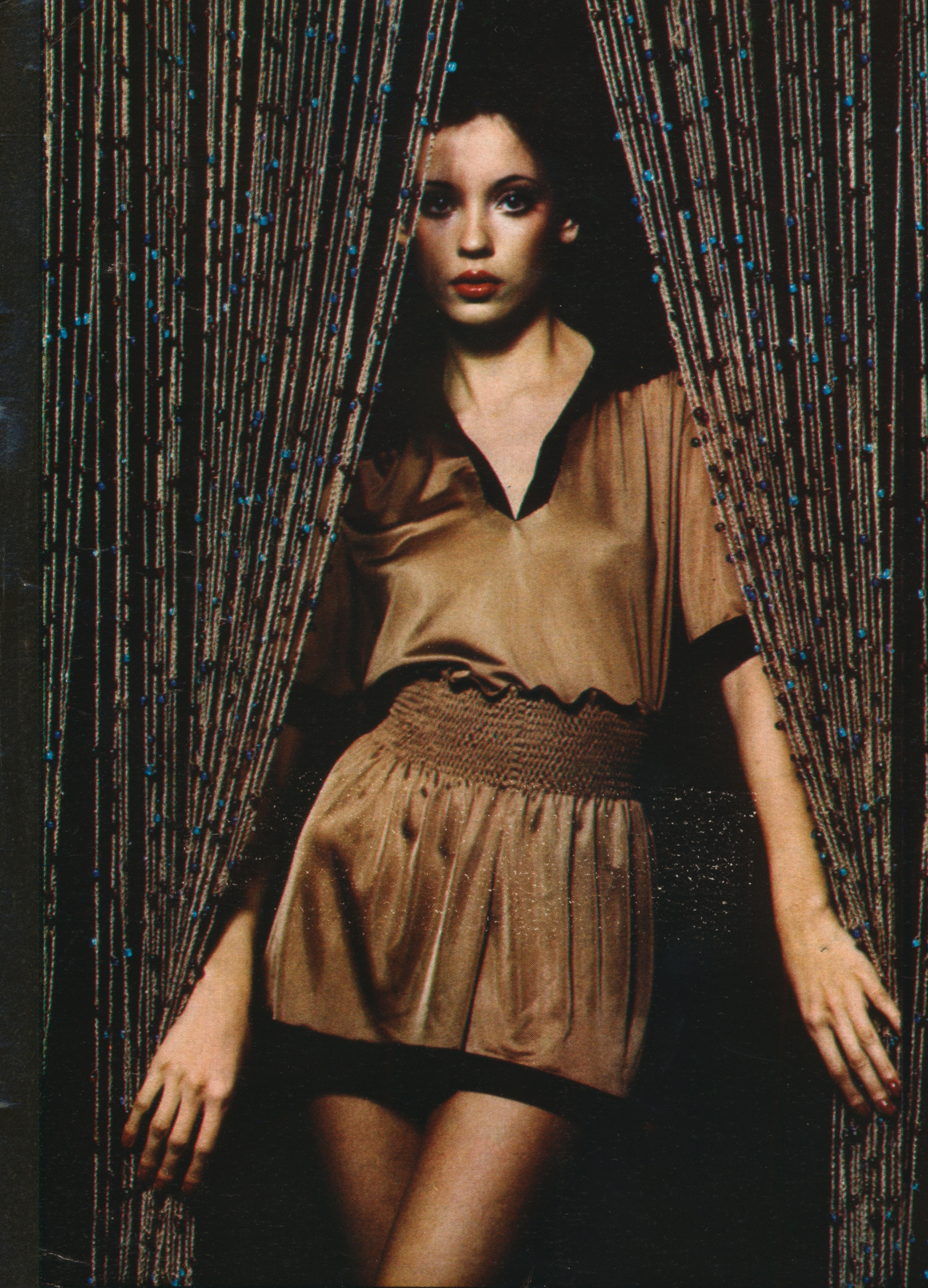
Students at the Kingston College of Art had an interesting assignment set them recently by Miss Selfridge. The store wanted young designs for young people and asked the students to make up a complete wardrobe of clothes, from undies right through to coats, keeping Miss Selfridge and its many branches in mind. The garments had to be commercial in the widest sense, suitable for sale all over the country. From the many beautiful designs sent in, Miss Selfridge chose what it thought were the best for retail. The one to make the most money will win its designer a trip to Paris. We photographed a selection in the lingerie range, all made in Dicel, to show you what’s in store.
Photographed by Peccinotti.
Scanned from 19 Magazine, February 1974.


A 19 SPECIAL PREVIEW OF AN EXCITING DESIGNER’S COLLECTION
Sheridan Barnett, pictured above, is the young designer who gave Coopers such a good look and who has now joined the Quorum label, with Ossie Clark and Alice Pollock. At twenty-six, he has established himself as the most exciting designer in London, with a fabulous first collection for Quorum that left them clapping in the aisles. Women’s Wear Daily, the fashion bible of America, devoted an entire double-page spread to his collection, previously unheard of for an English designer. He designs with his girlfriend, a ballet dancer, in mind, and ladies like Grace Coddington, model Eija and Liza Minnelli: “Girls who are individual and chic, interesting, attractive and with oomph . .” and likes them to look alluring, classy and sexy. At the moment, his clothes are expensive but we are hopeful that, later on, they will be available in the cheaper Radley range as Ossie Clark’s clothes are. Meanwhile look out for similar lines.
My slightly belated tribute to the great Sheridan Barnett, who died in November. He is one of those many British designers of the time whose work doesn’t really get the attention he deserves; as you can see here his tailoring was exquisite.
All clothes by Sheridan Barnett at Quorum.
Shoes by Zapata. Hats by Digby Howard.
Hair by Ricci Burns.
Photographed by Harri Peccinotti.
Scanned from 19 Magazine, September 1973.


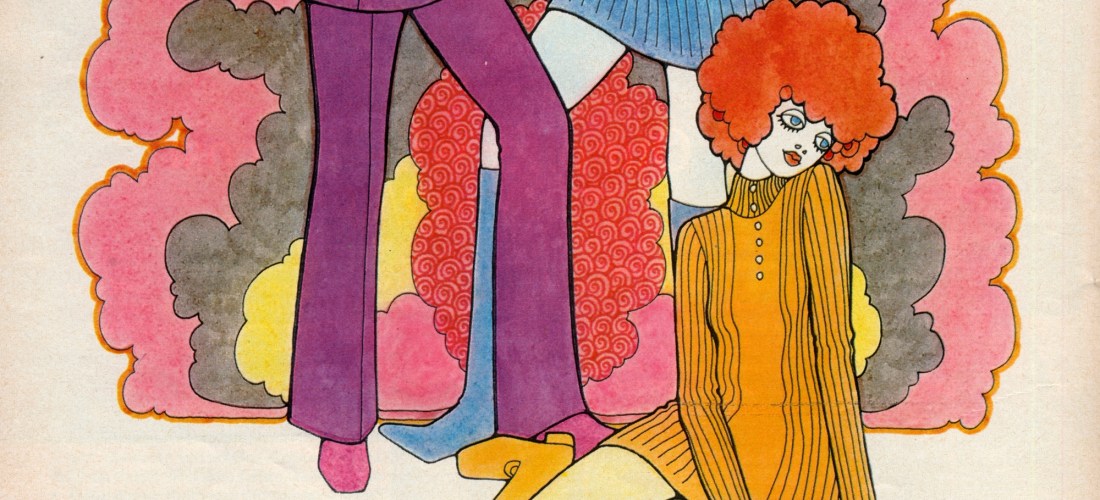
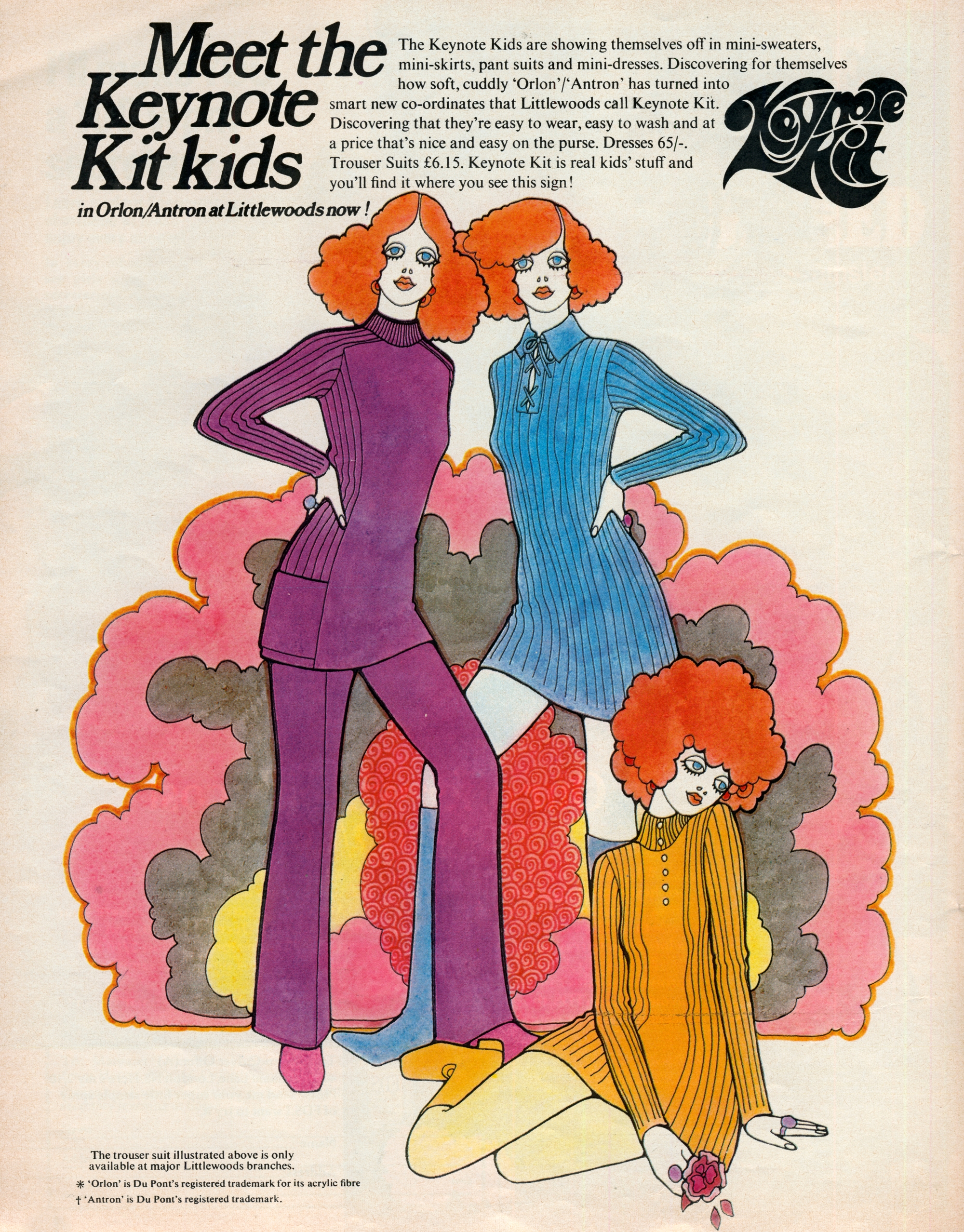
Very sadly the illustrator is uncredited, but incredible.
Scanned from 19 Magazine, October 1970.
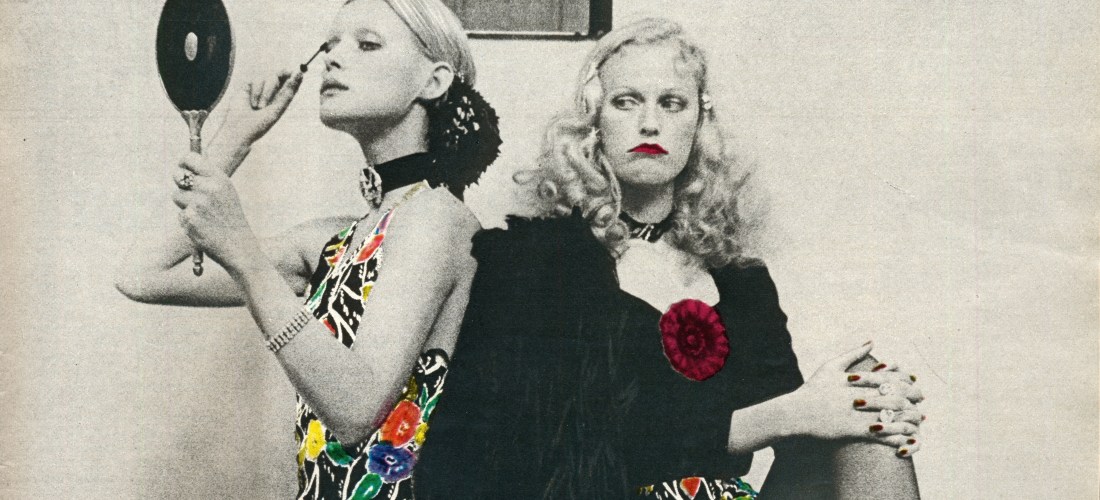
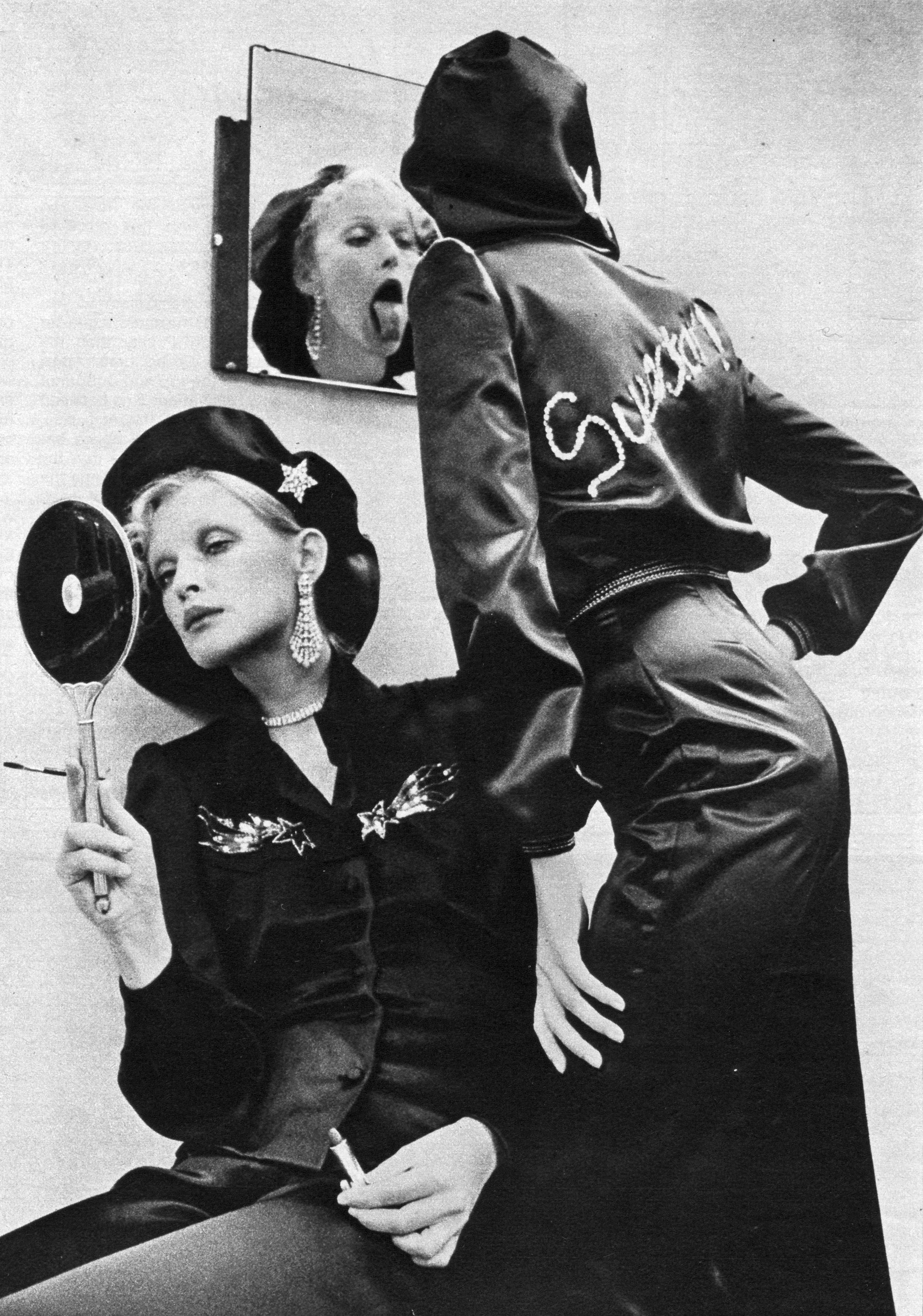
Christmas is coming, so take a good long look at the new you and your clothes. Look for something sexy in black with lots of spangles, for diamonds are a girl’s best friend again.
Just one word from me: Perfection.
Hair by Ricci Burns. Fashion by Norma Moriceau.
Photographed by David Tack.
Scanned from 19 Magazine, December 1971


 Liz Eggleston