

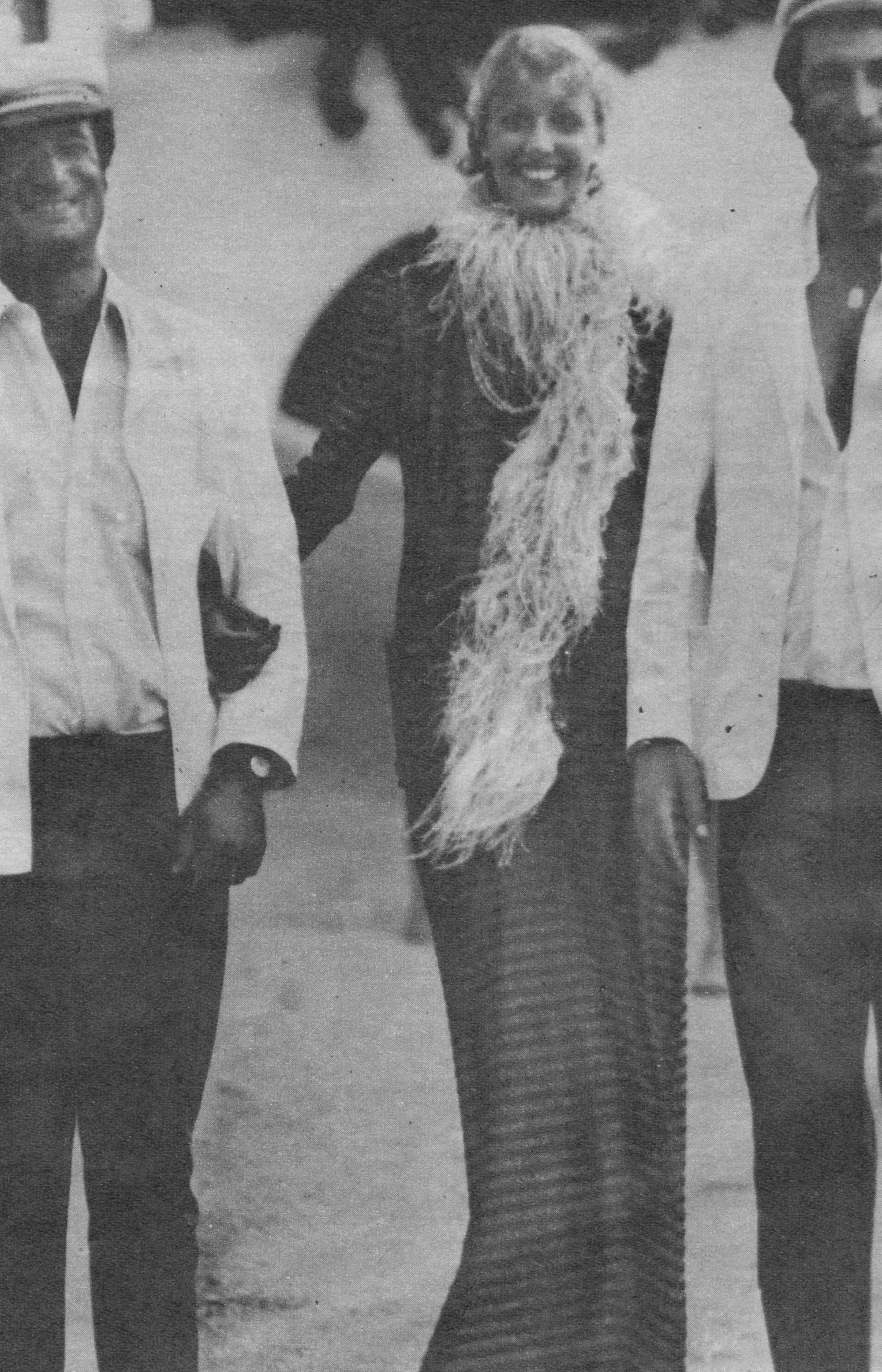
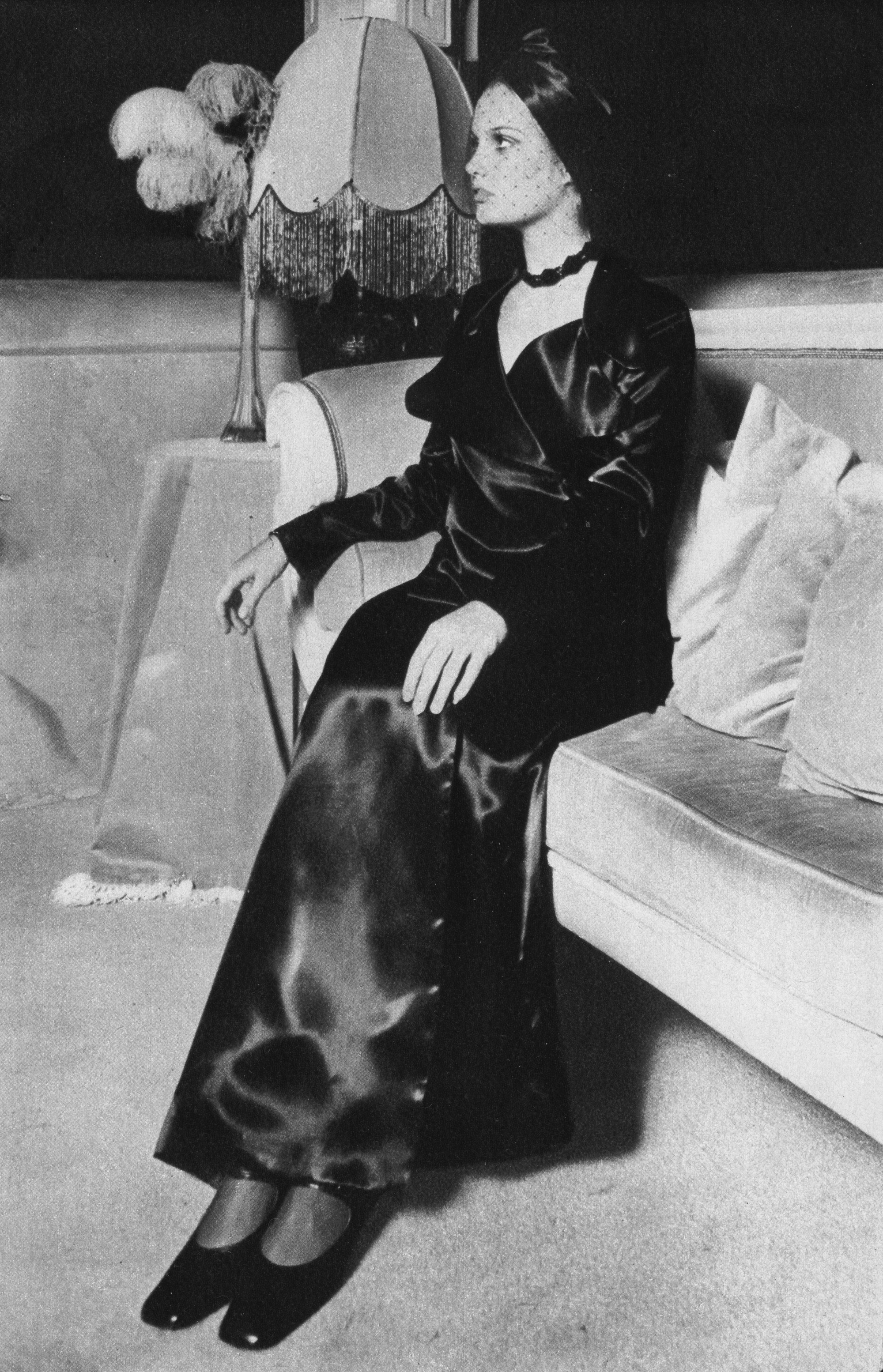
Entice in clothes of clinging silk and flowing crepe de chine, fragile and provocative. Mata Hari knew the secret … try it for yourself.
Photographed by Mike Berkofsky.
Scanned from Honey, September 1974.


Entice in clothes of clinging silk and flowing crepe de chine, fragile and provocative. Mata Hari knew the secret … try it for yourself.
Photographed by Mike Berkofsky.
Scanned from Honey, September 1974.

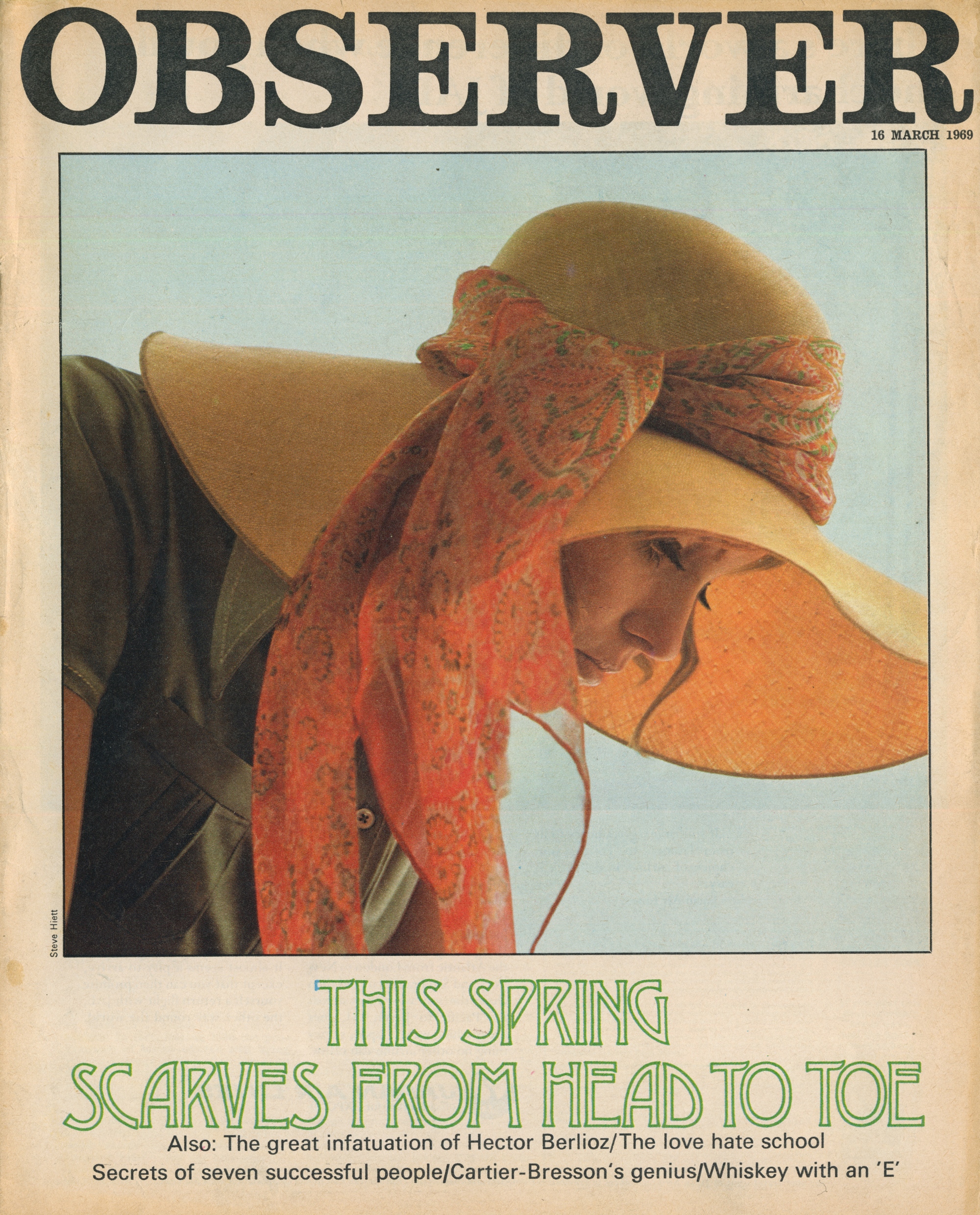
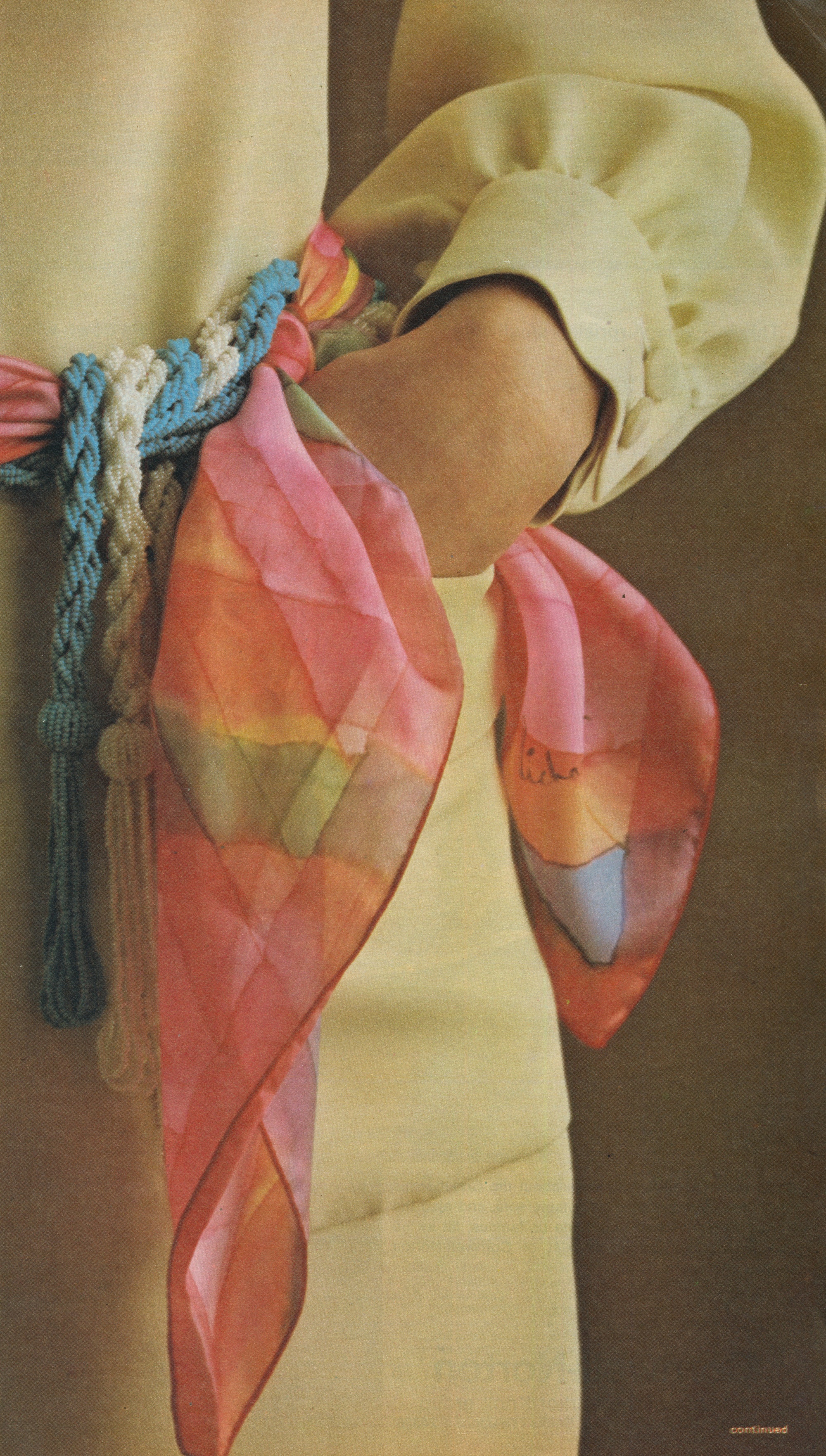
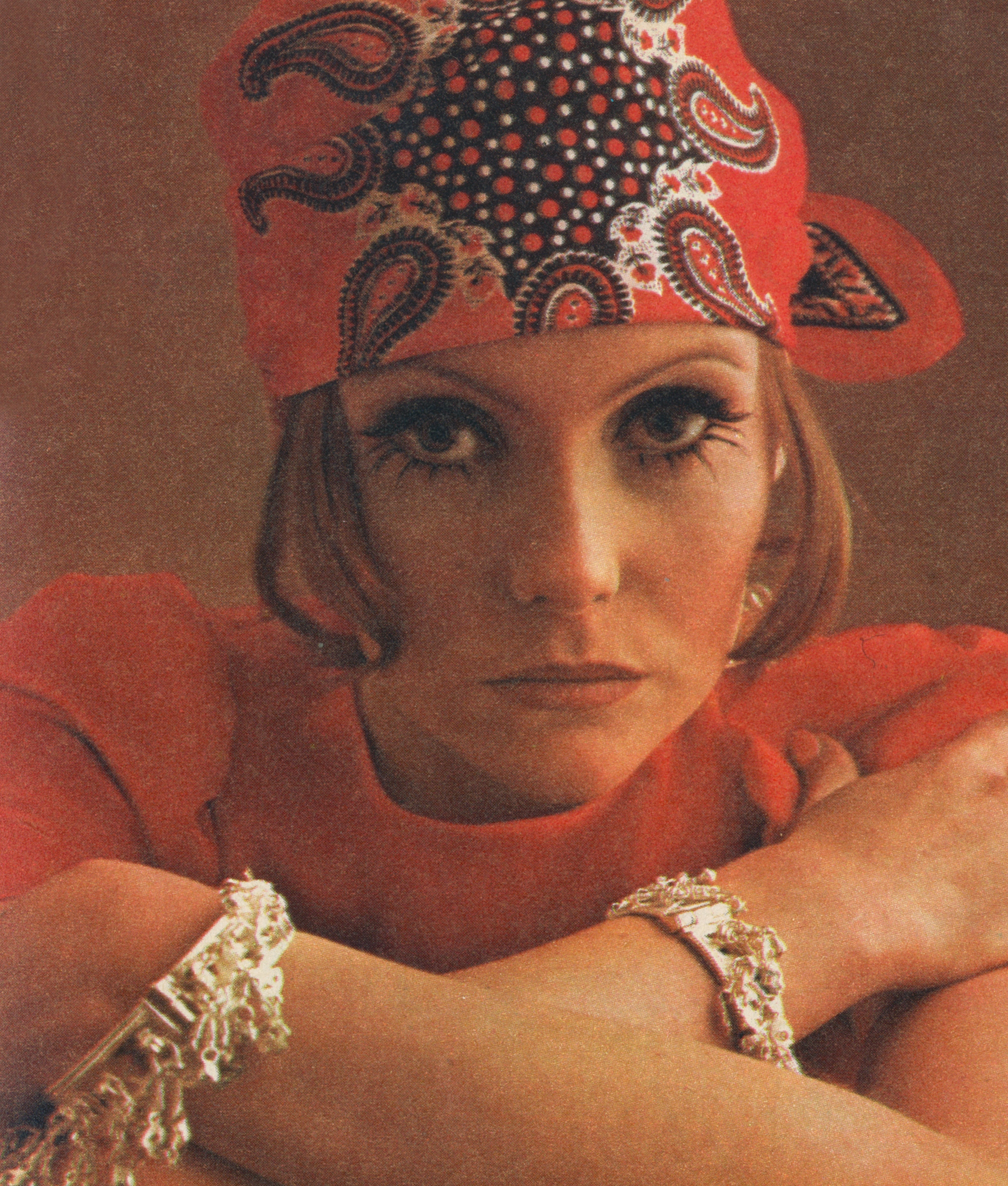
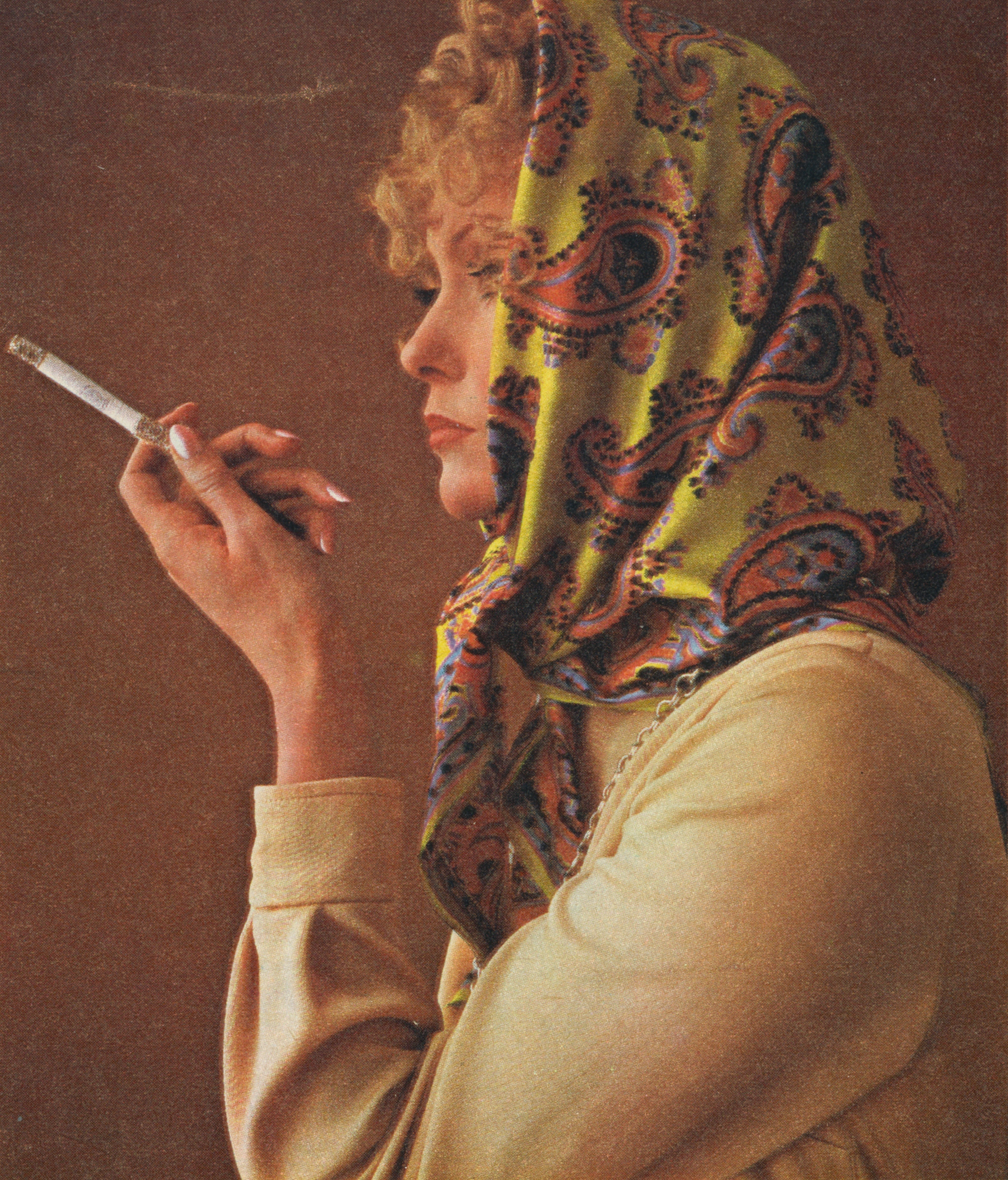
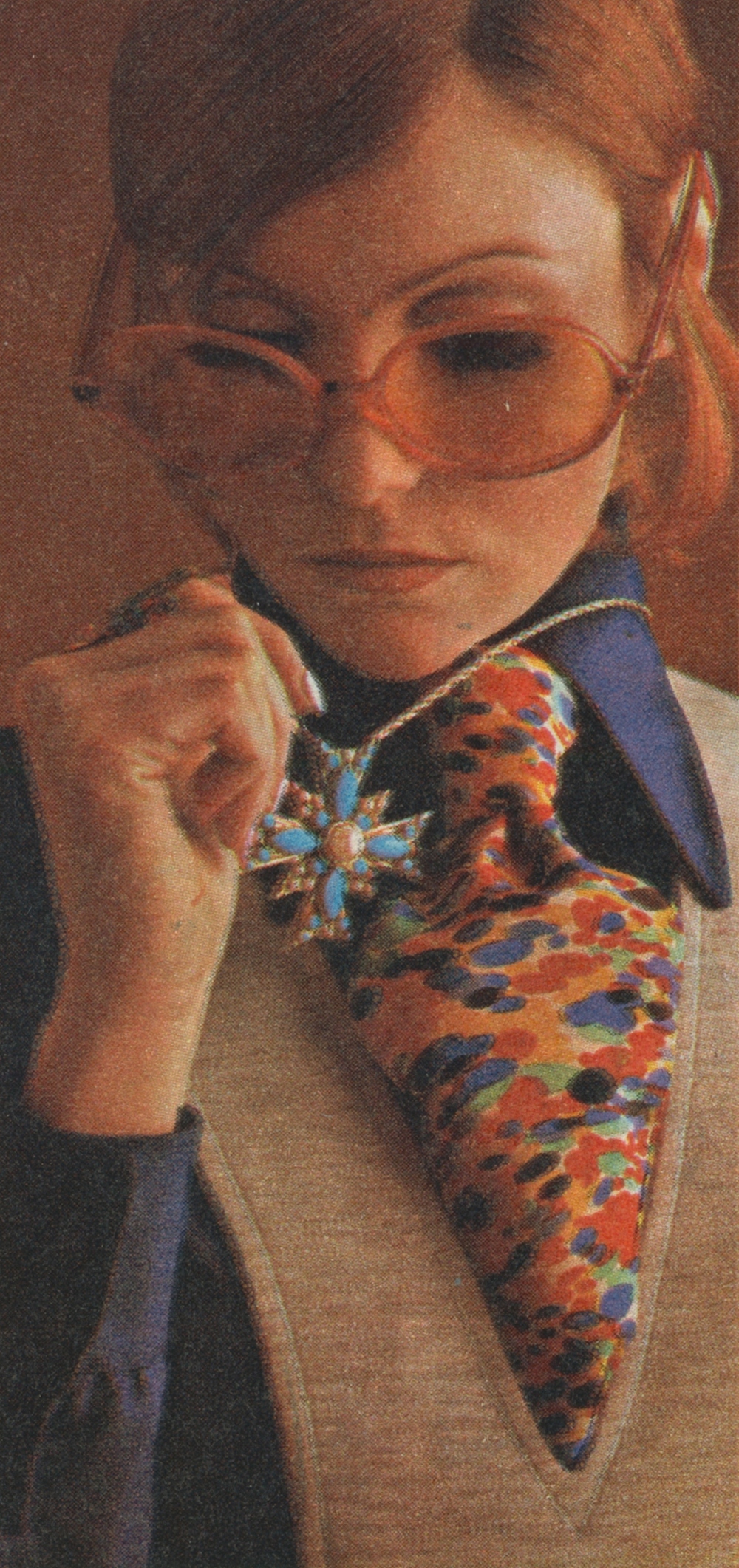
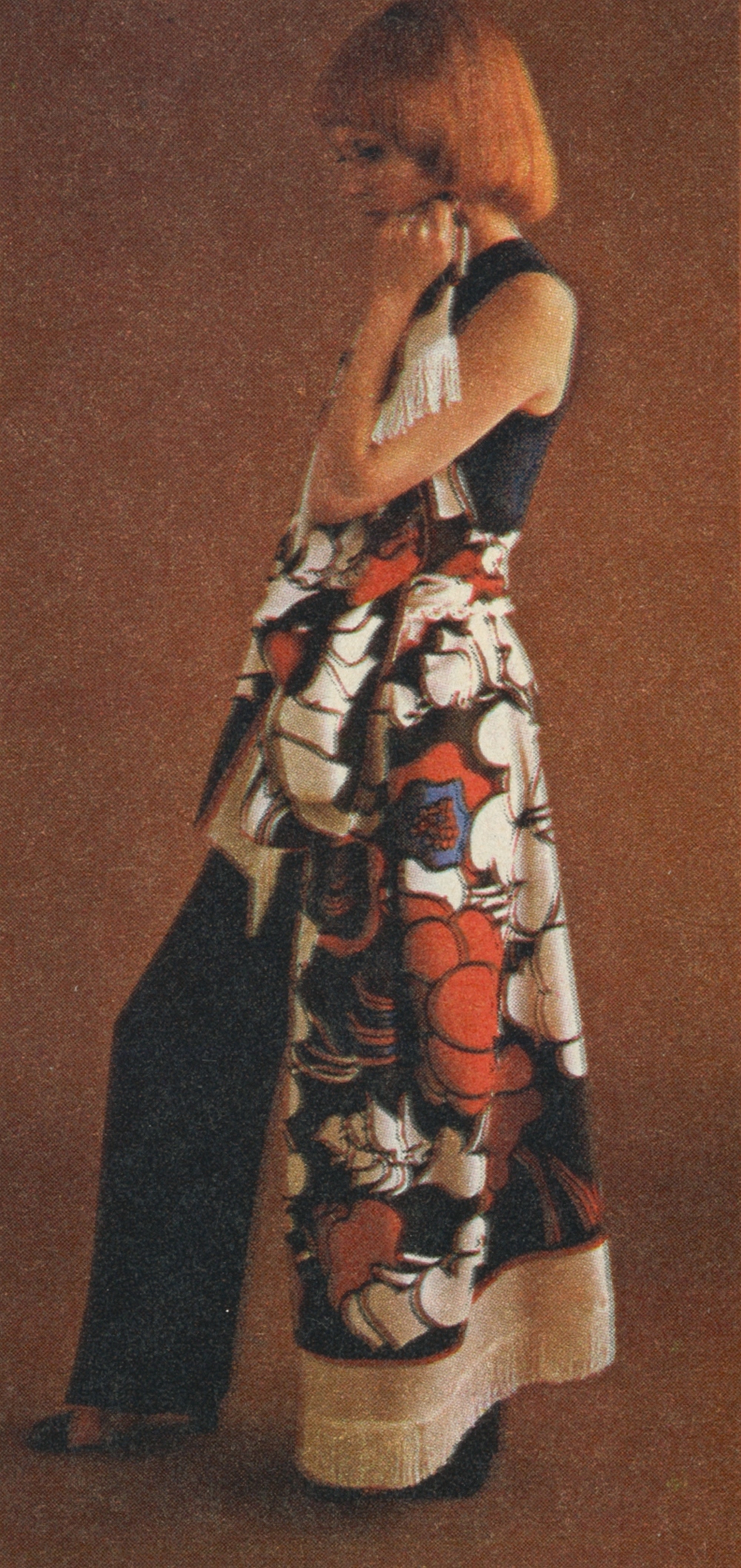
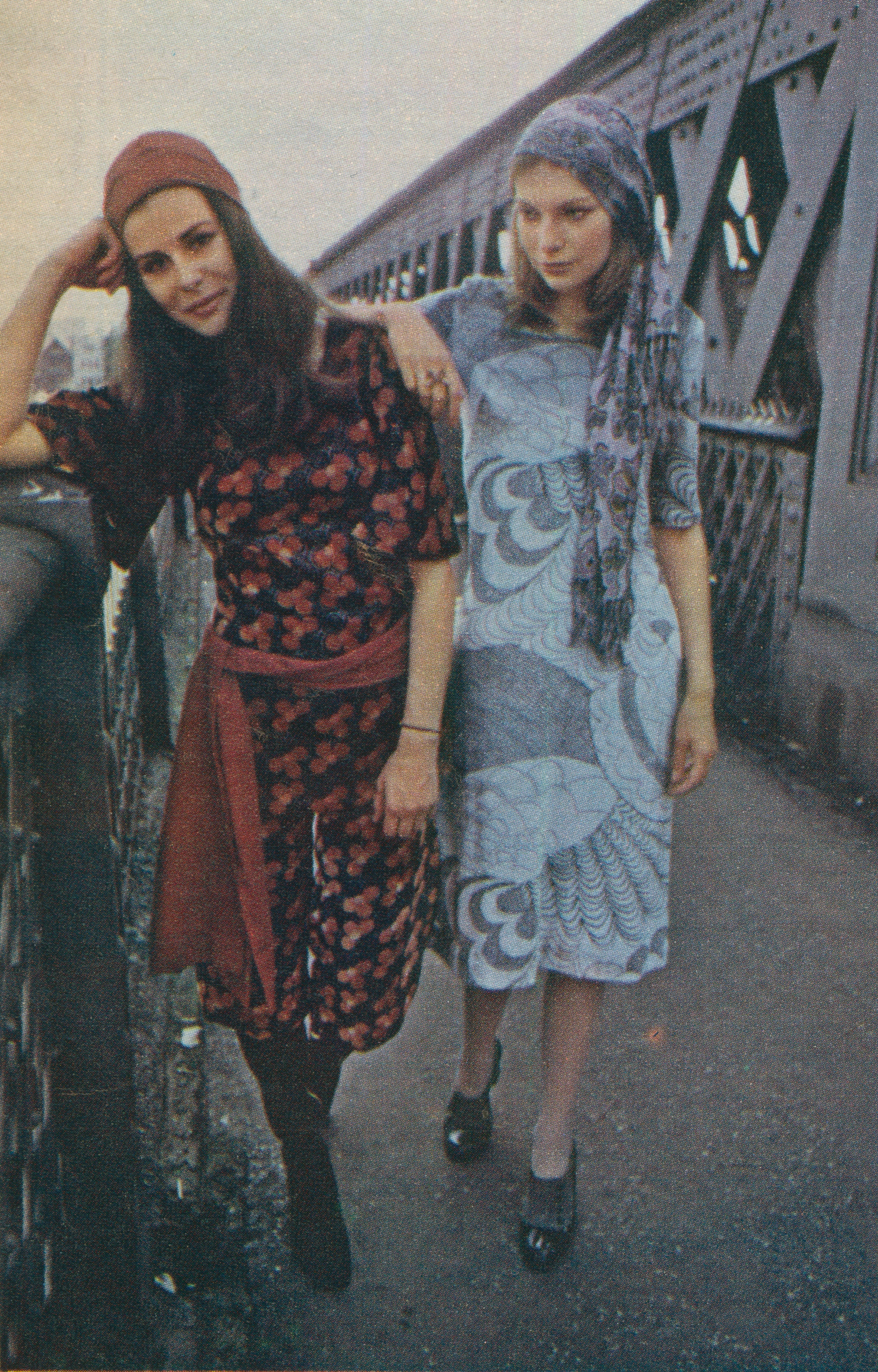
Scarves, instead of being dismissed as last year’s fashion gimmick, are being perpetuated as this year’s most important accessory. Still the simplest way to wear a scarf is to flip a long one casually college-style around the neck. As long as it’s not literally a college scarf this somehow adds enough chic to whatever you wear, without making you look fussily overdressed. There are dozens of different ways to tie a scarf. Smart French girls are tying scarves around their waists, twisted in with chain belts or beads. Marc Bohan at Dior makes headscarves tied pirate-style look young and chic, and shows scarves tied like a man’s tie. Although large squares will still be in demand to wear on the head or folded up as cravats, the big fashion in scarves is still for long ones, preferably fringed. Men will have to accept with a good grace that they have lost their long-established monopoly of fringed silk scarves. Until now almost the only places to find them were men’s departments, antique market stalls or somebody’s attic. (Shawls are the latest craze from jumble sales.) But shopping for scarves is easier this spring, with stocks at last in every shape and size. Hair by Valerie at Cheveux, 15 Abingdon Road, London W8.
Fashion by Liz Smith.
Photographed by Steve Hiett.
Scanned from The Observer Magazine, March 1969.

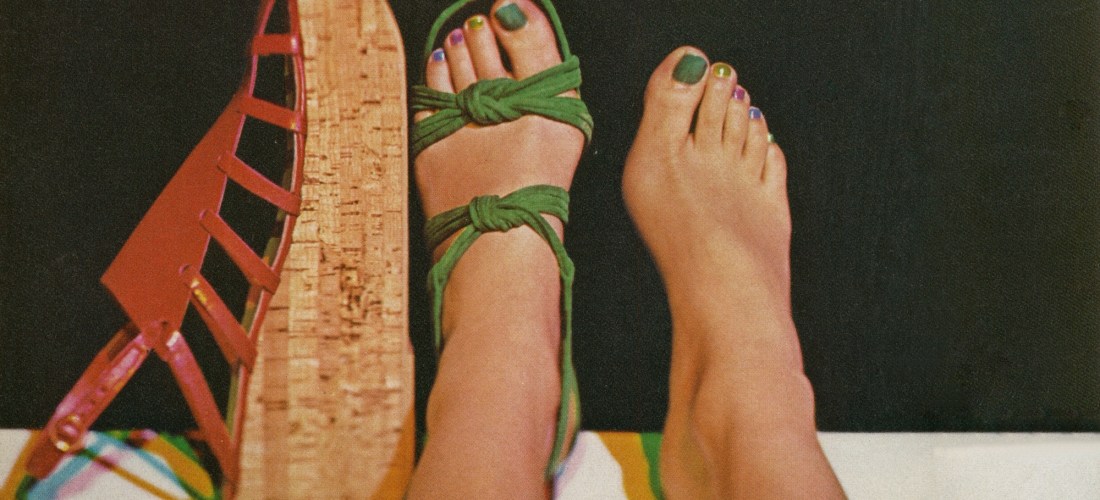

Summer’s sandals have lots of straps and knots and plaits and weaving, they are leather on huge slices of cork, in colours of caramel ice and salads. Toenails are as fresh and bright. Paint yourself a summer foot.
Photographed by Lester Bookbinder.
Scanned from Vogue, June 1972.

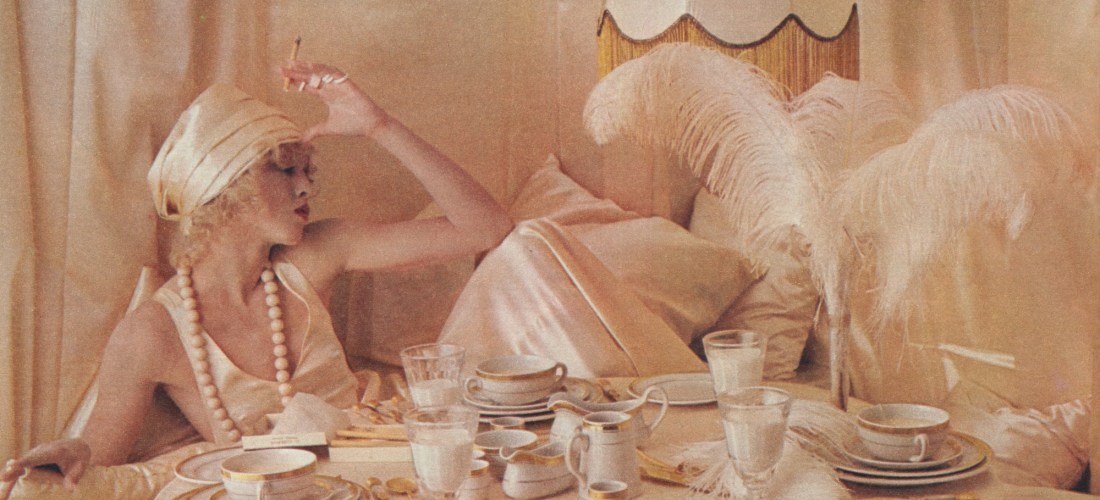

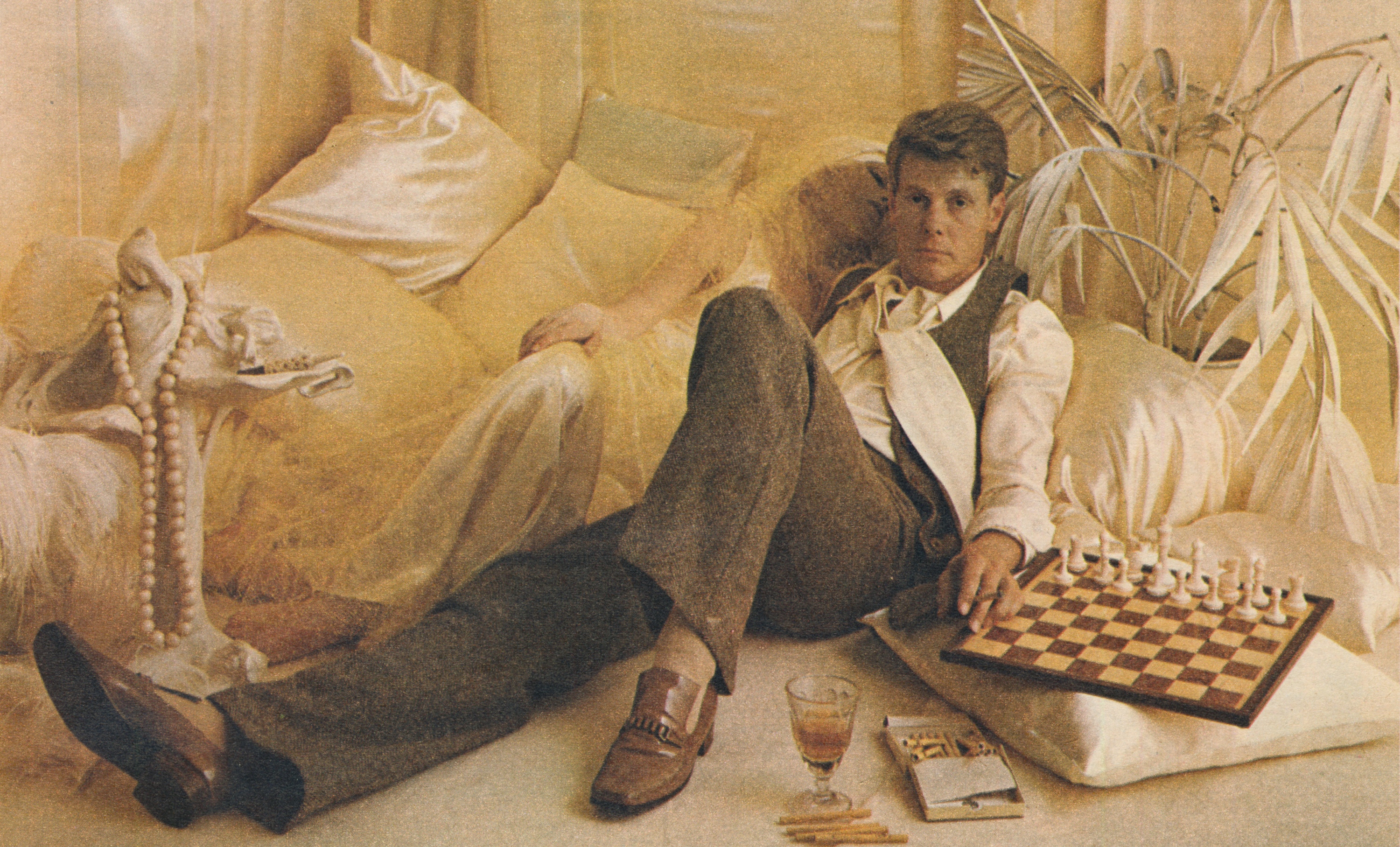
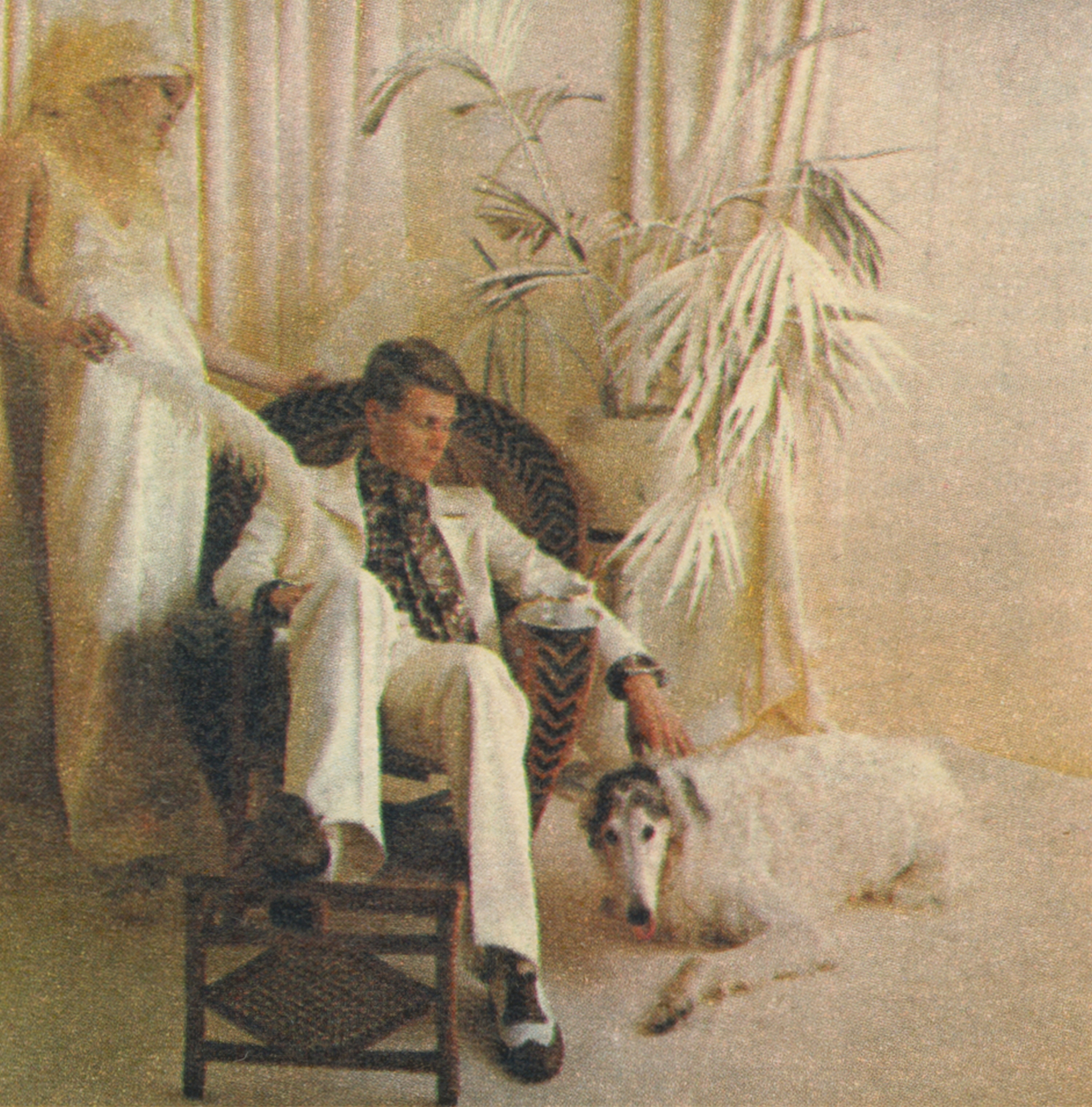
Now there’s hardware and haberdashery, furnishings and fabrics, cosmetics and mens-wear, all carrying the Biba label. Their brave transition from dolly boutique to department store was made last week when Biba opened in Kensington High Street. Although a baby store compared with neighbouring Barker’s, Biba does boast marble floors, a carved gallery from the old St Paul’s school, and a commissionaire at the huge glass doors.
Faithful customers can still find among the familiar palm fronds clothes to wear themselves or put on their children, but everything is on a much bigger scale. Colour-matched underwear and tights are on sale in a special conservatory-style department, and there’s a complete range of Biba makeup and cosmetics, and many more accessories.
But what’s really new, are the clothes for men, and the things for the house.
There’s nothing simple or austere about a Biba home life. The girl whose idea of some-thing comfortable to wear around the house is a slinky satin dress chooses a plush back-ground and hardware that’s softly elegant. Cutlery is rich-looking in gilt and mother of pearl, or silver and ebony. China is white and gold, glasses are chunky goblets. Specially printed wallpapers and furnishing fabrics, plain satins, felts, braids and trimmings, have carefully matched emulsion paints, lamp-shades and cushions, all in a range of 15 colours. Biba are selling the raw materials so that you can make what you want of them. The clue to their own style is Art Nouveau, but the way you choose to use them will be your own.
Biba men’s clothes are worn in these pictures by James Fox, who can currently be seen in ‘Isadora’ and whose new film, ‘Performance’, in which he co-stars with Mick Jagger, comes out next month.
Mr Fox is long and slender and can have little problem kitting himself out elegantly, but the clothes he wears here, plus others by Biba in velvets and tweeds, all come in a size range bigger than most. So fatter men can have fun with clothes too, and at a reasonable price.
By Liz Smith.
Photographed by Steve Hiett.
Scanned from The Observer Magazine, 21st September 1969.
Biba 3 is definitely the Biba I’m most captivated by, I think possibly because it was edged out so quickly by the much bigger (and more Deco) Big Biba and yet was, I think, the perfect encapsulation of the aesthetic and the first time the ‘department store’ ideal was manifested. Basically, I wish there were more photos so I do try and scan them when I find them! It’s also nice to see the menswear getting a bit of attention for once.
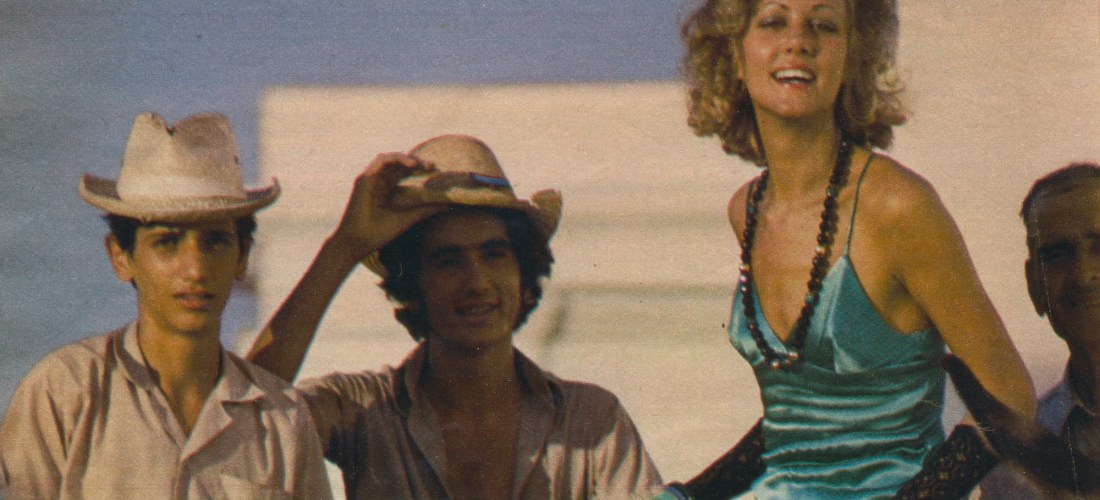
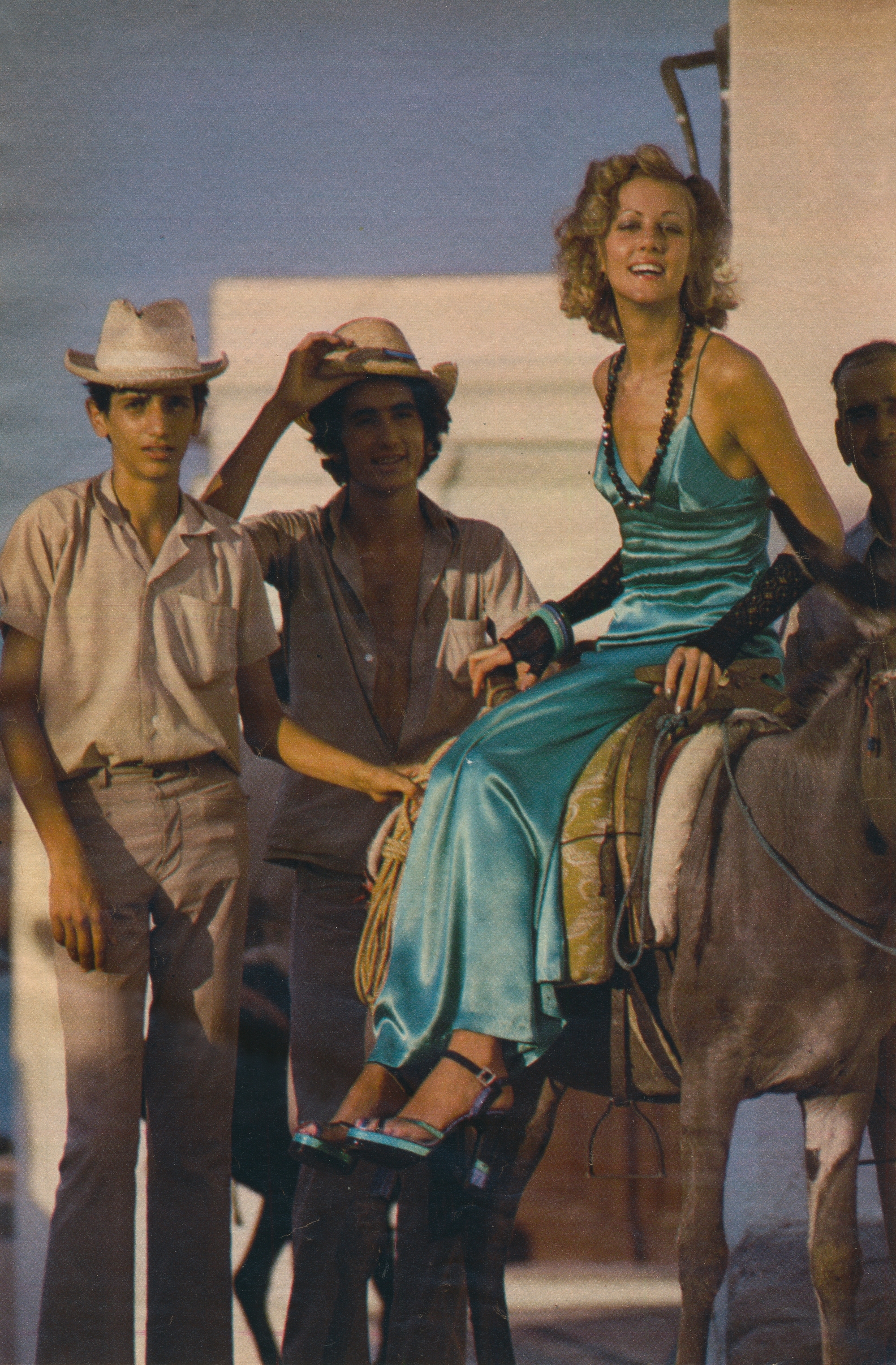
For much too long now, “dressing up” to go out has been looked upon as simply too uncool for words. Being chic meant arriving at a party in the clothes you got up in that morning and heaven help a girl who attempted anything more extravagant than a lurex halter top and trousers. This year the festive season takes its revenge – and with a vengeance! There is room for all the glamour you can muster and then some. It’s time for every girl to discover her own specially good assets, be it a neat pair of legs, smooth shoulders or an uplifting bust, and then show them off in shimmering satin, coolest crepe n’ dazzling decoration.
Pictures taken at Lindos, Rhodes, where Petticoat’s fashion and beauty team stayed by courtesy of Cosmopolitan Holidays Ltd., 296, Regent Street, W1.
Hair by Christine at Mane Line.
Fashion by Marcia Brackett.
Photographed by Fortuna.
Scanned from Petticoat Magazine, 1st December 1973.
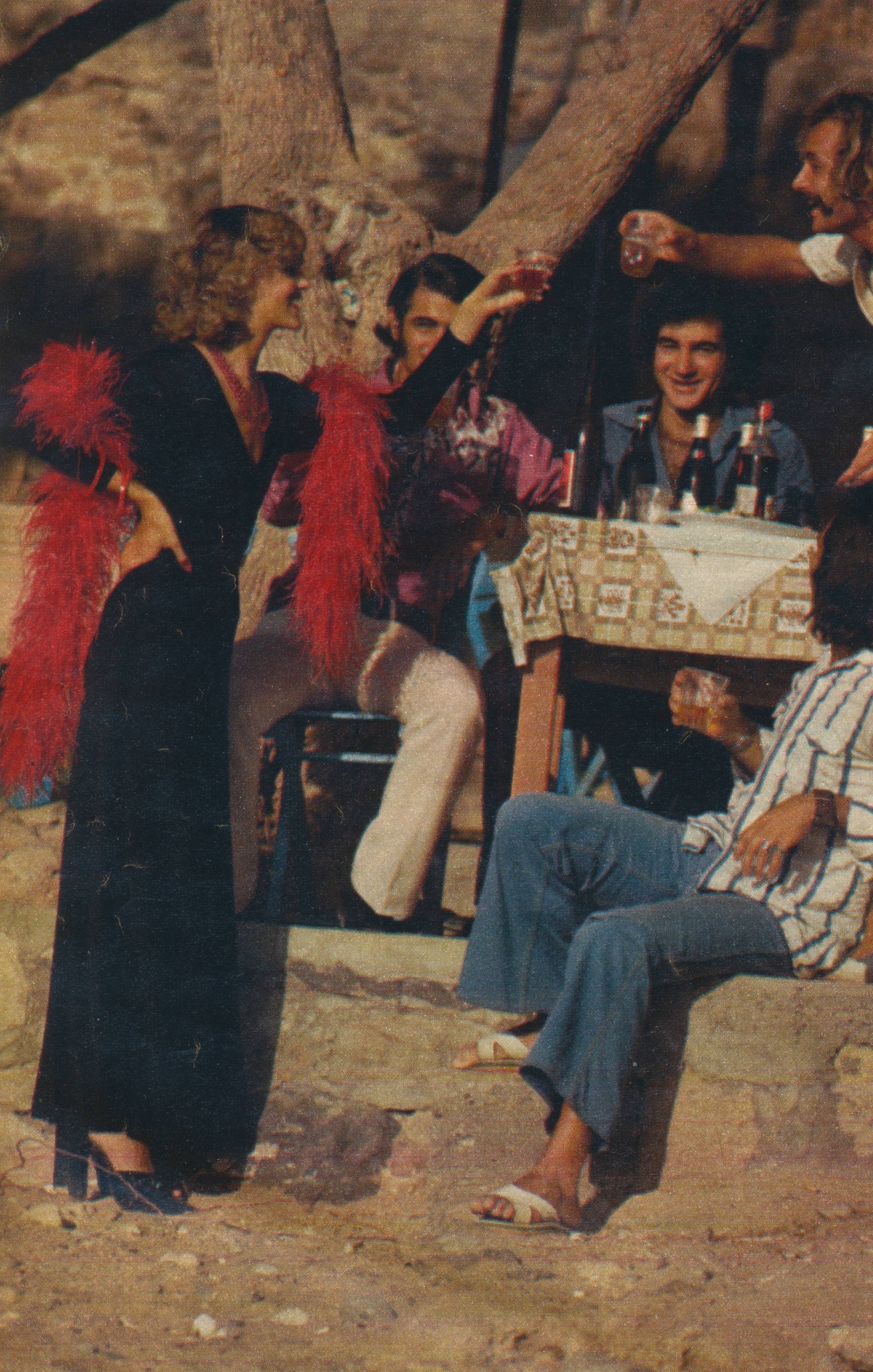
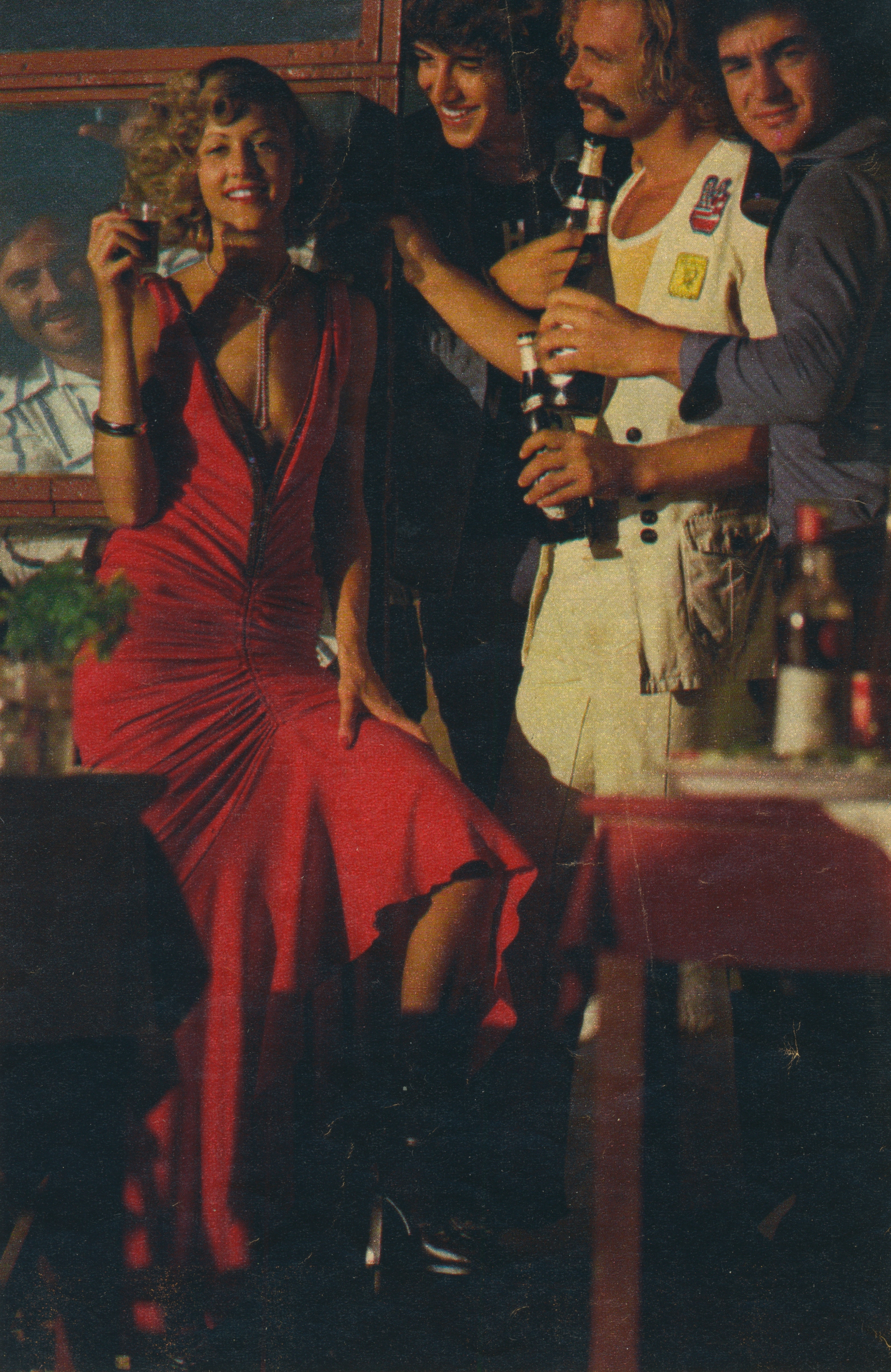
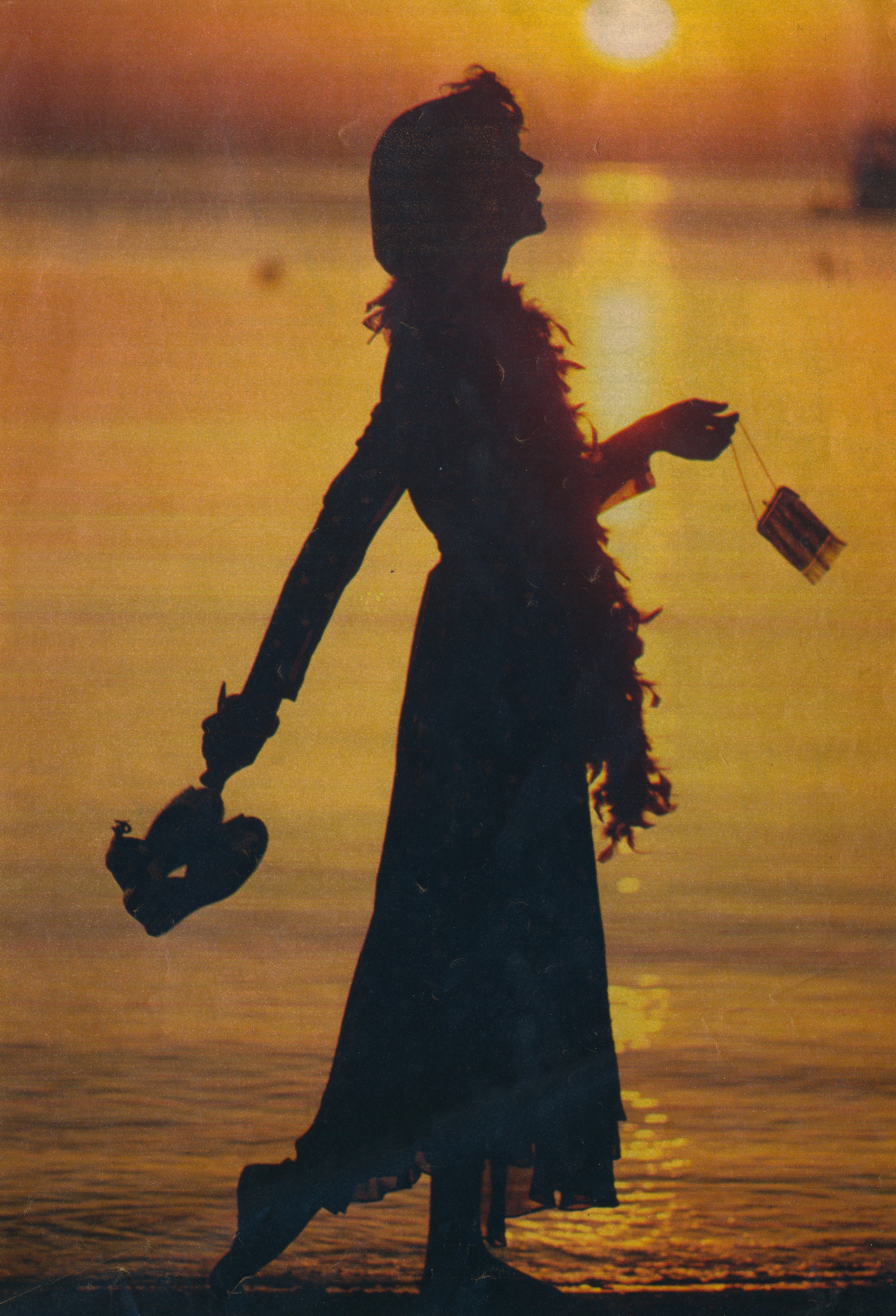
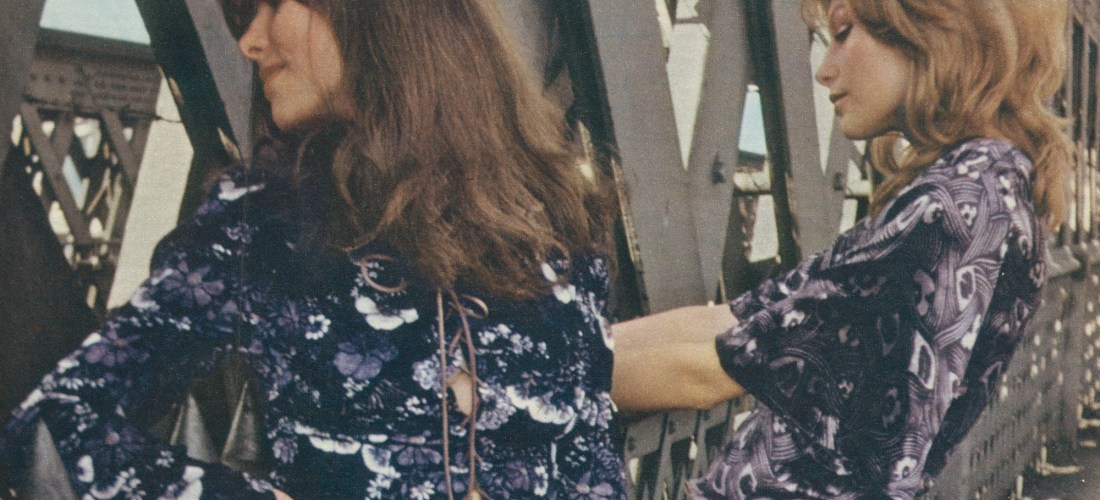
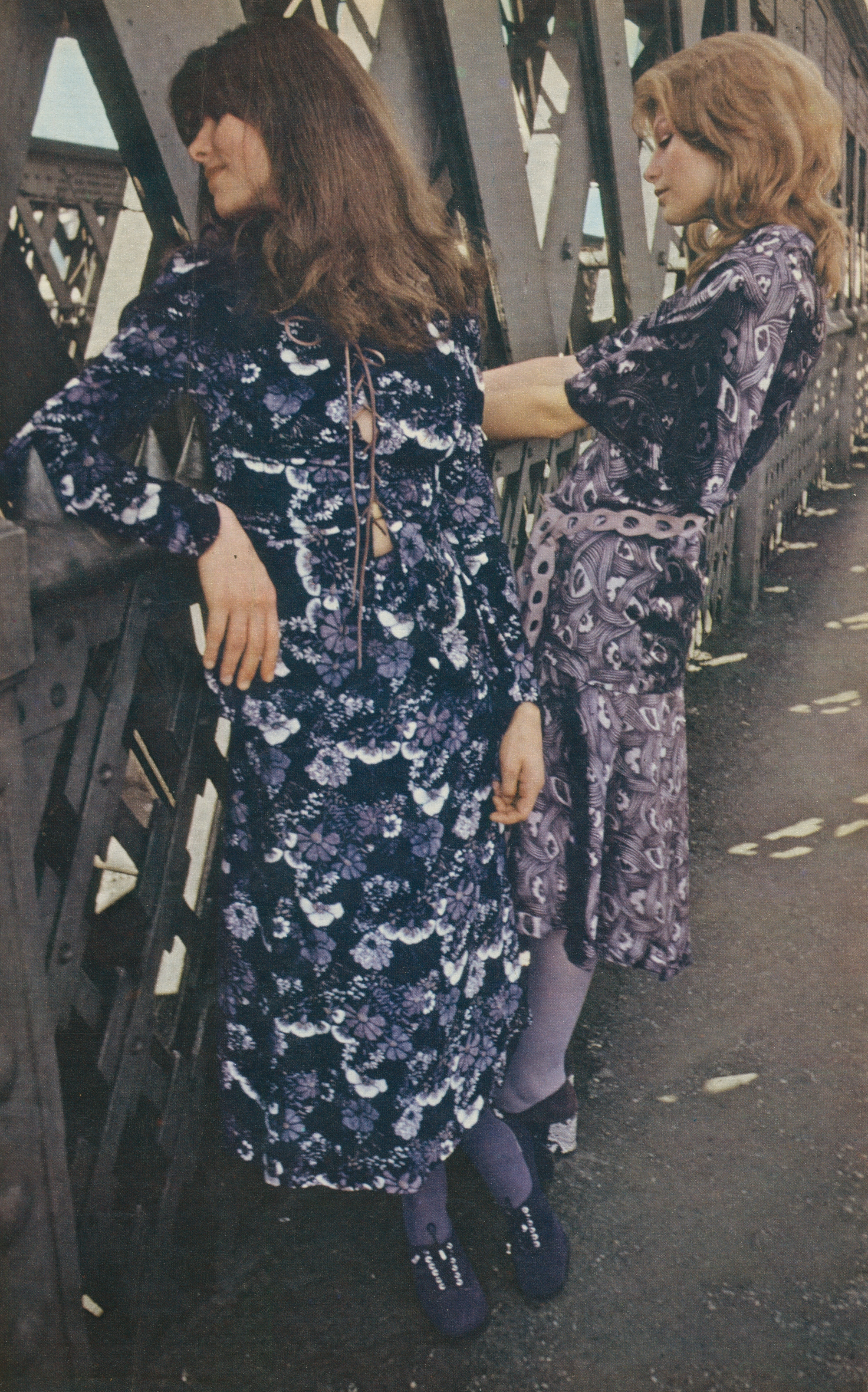
Softly, softly, ever so gently, it’s velvet— printed! It’s as pretty as a picture—so cling to it
Styling by Sue Hone.
Photographed by David Finch.
Scanned from Petticoat Magazine, 3rd October 1970.
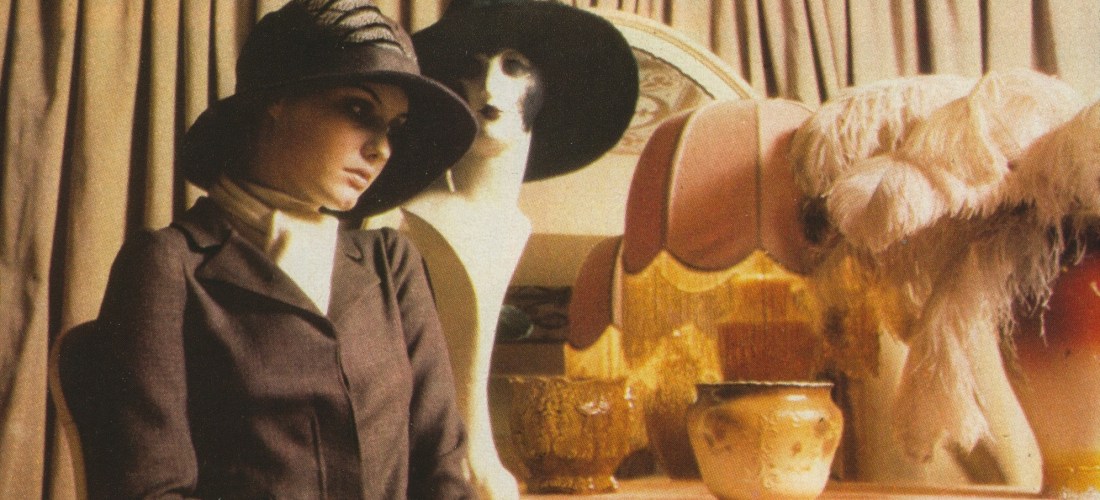
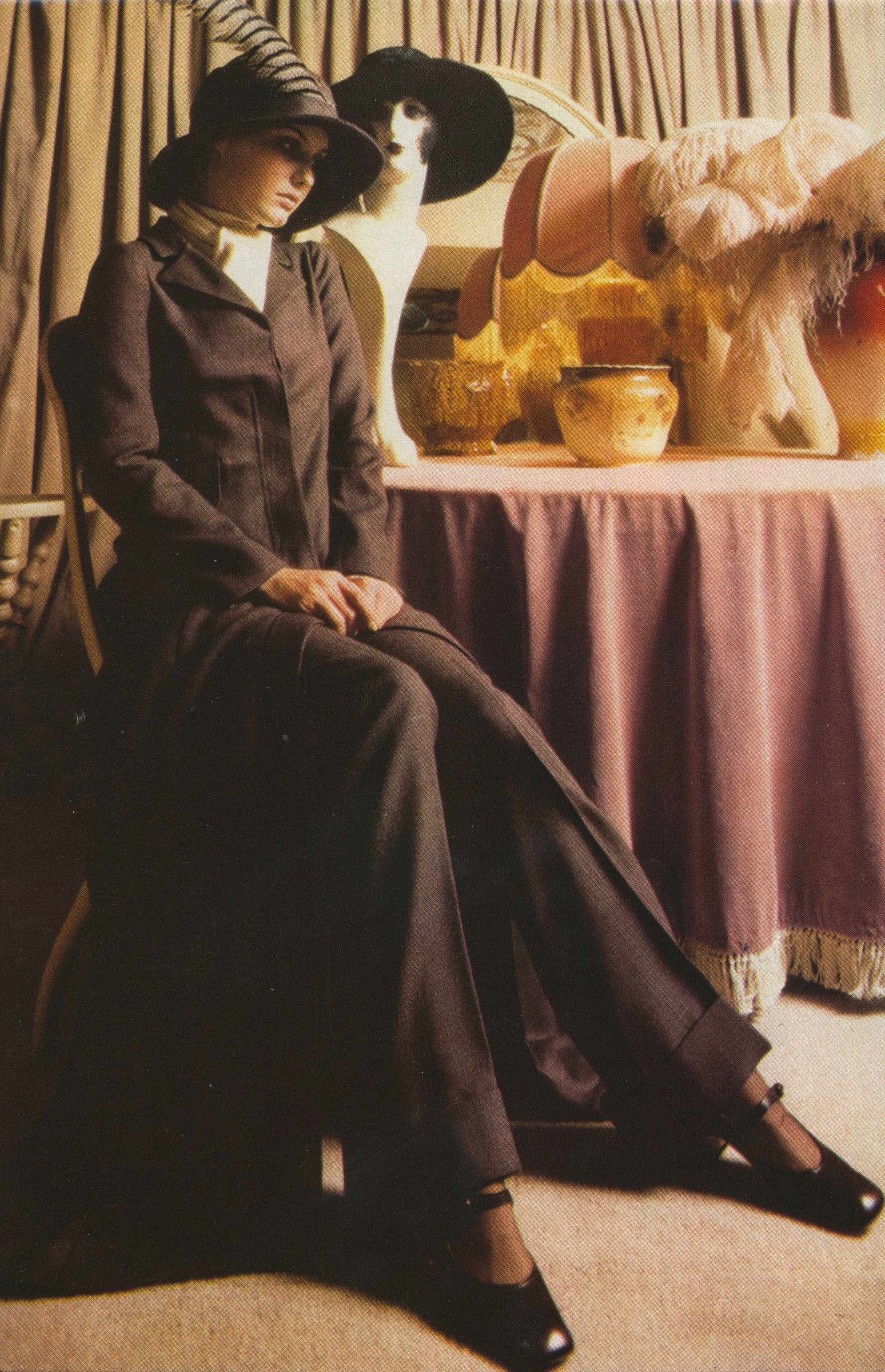
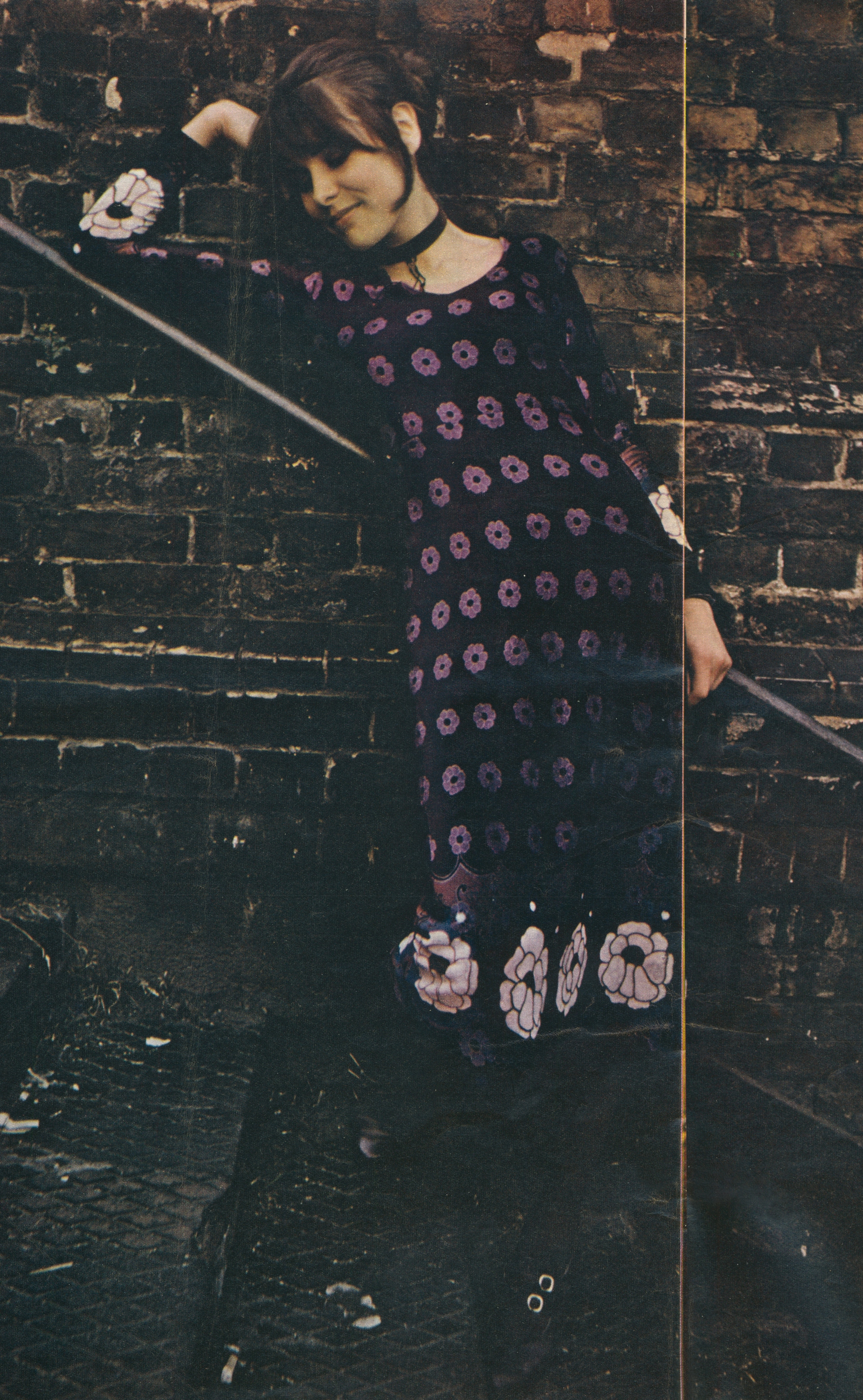
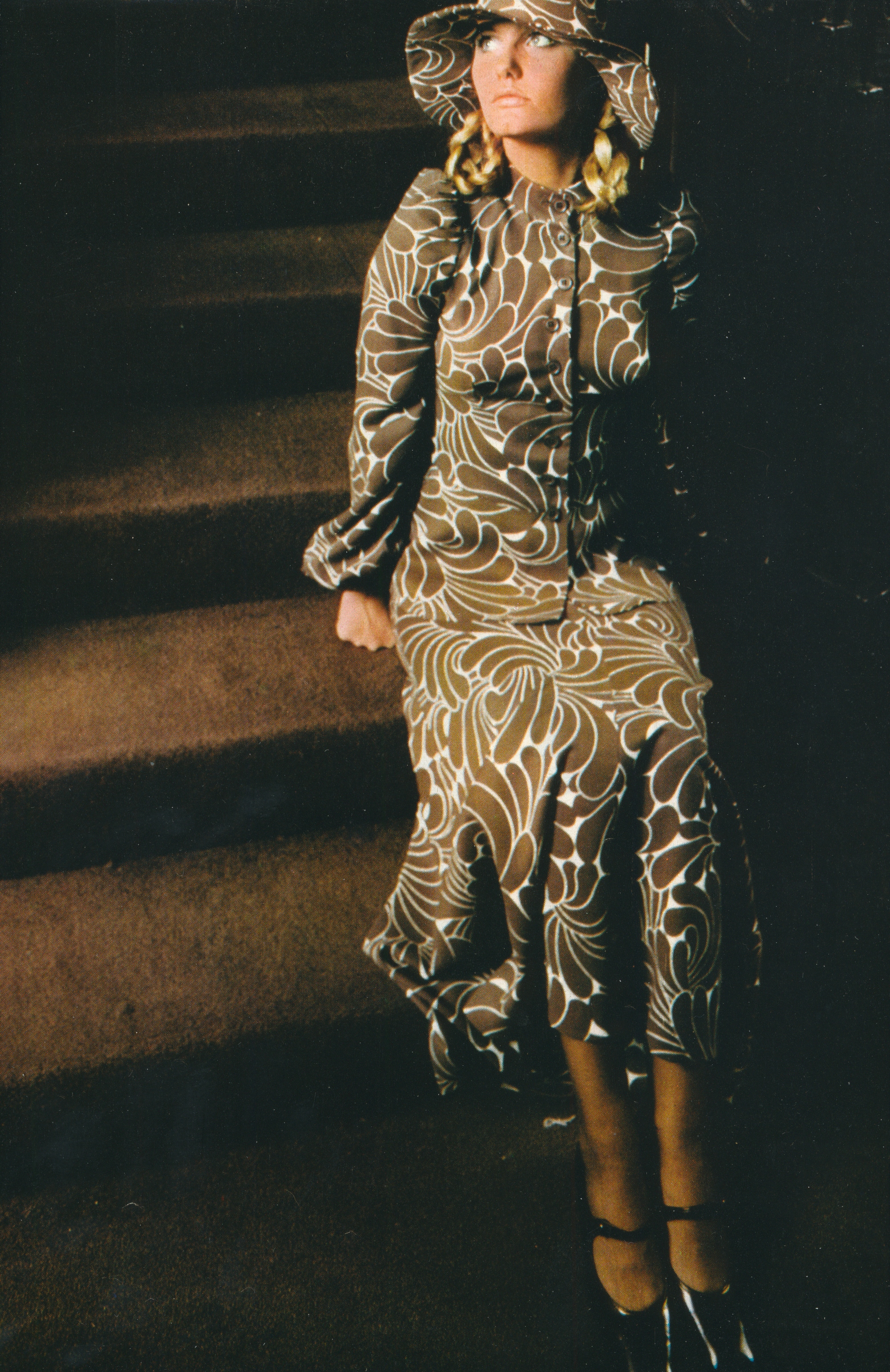
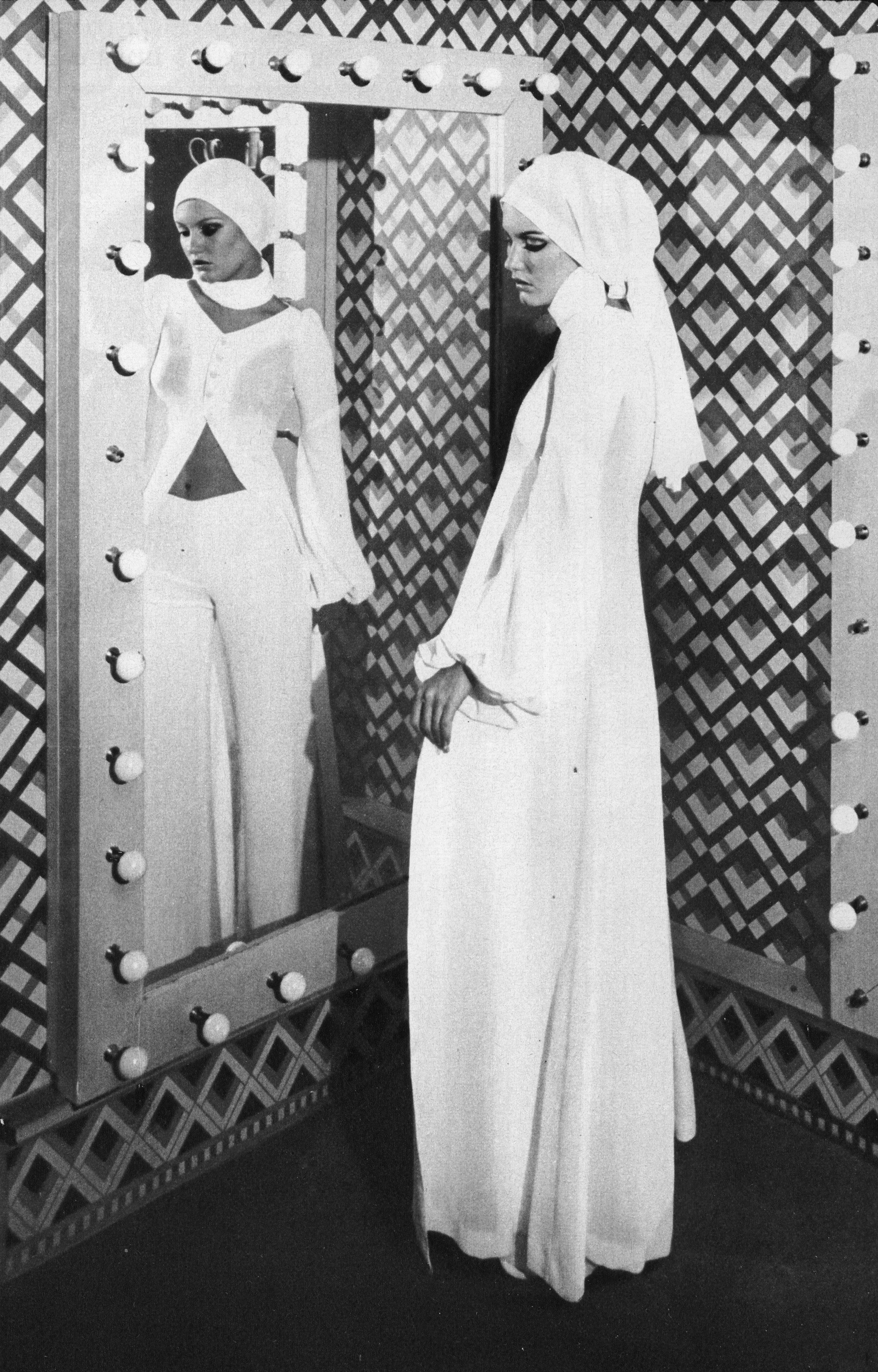
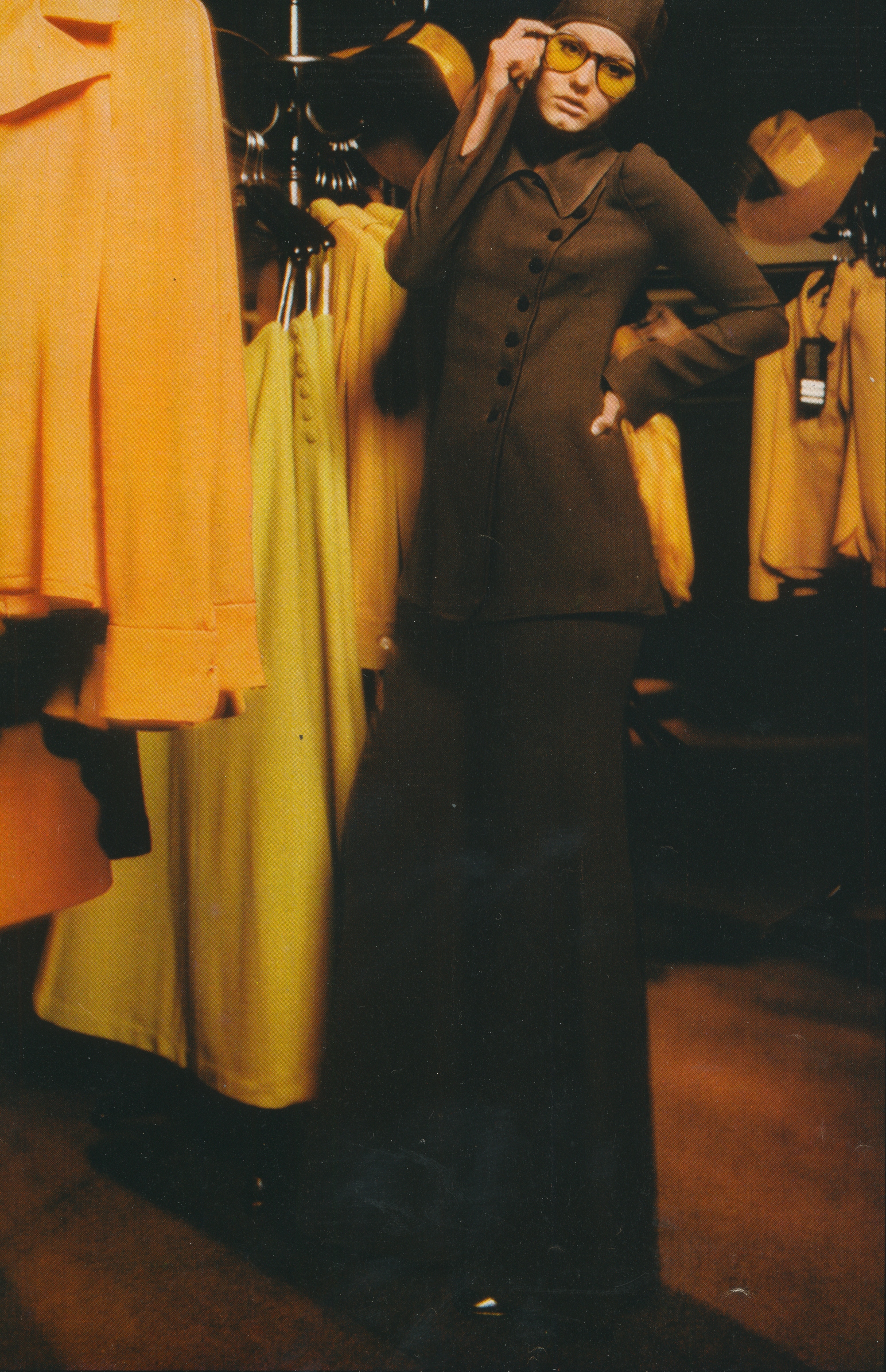
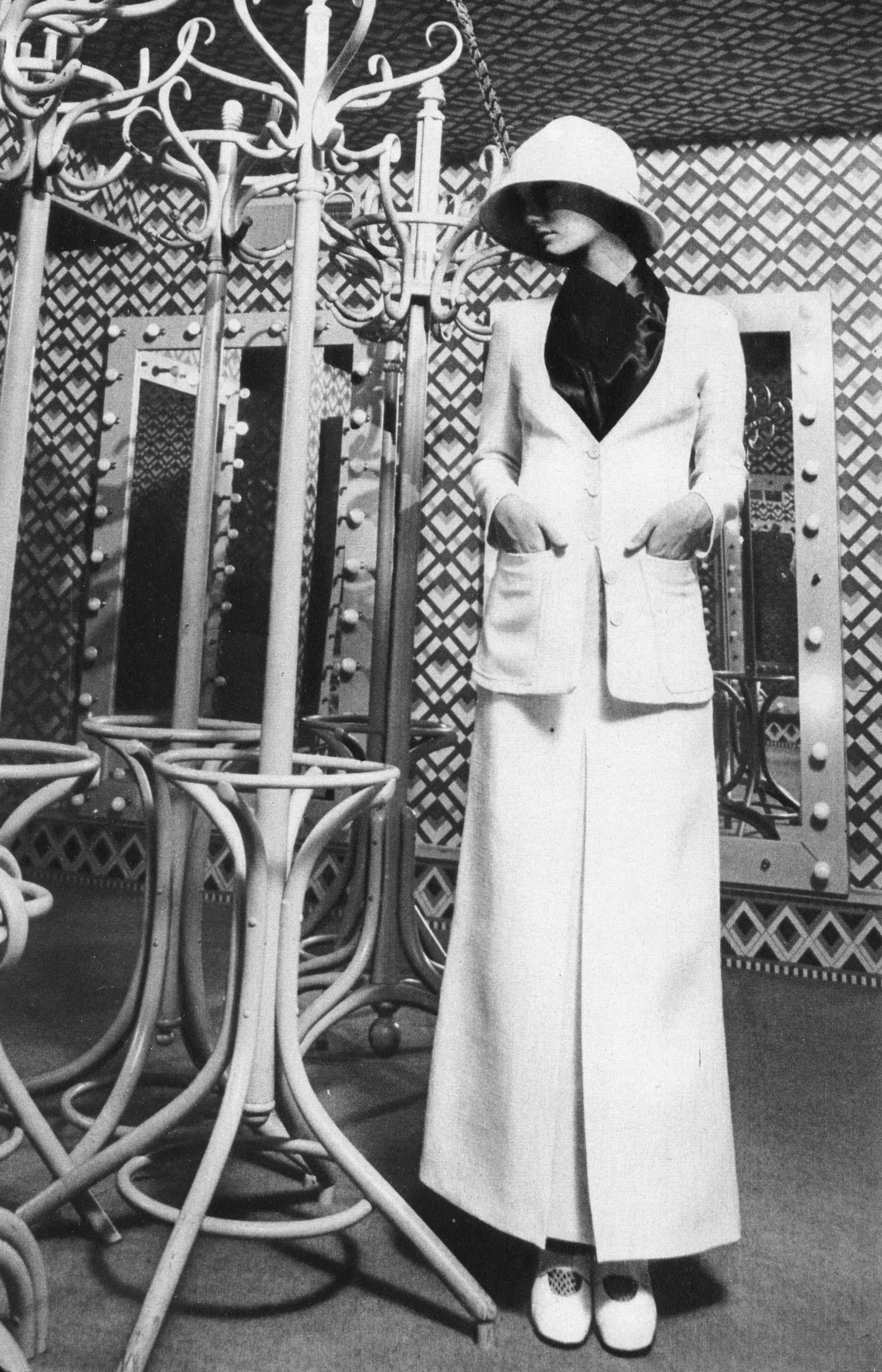
If you want to keep ahead in 1970 you will have something brown and white in your wardrobe. Biba and 19 put their heads together and chose -chocolate brown and stark white as the smartest colours for the spring. Teamed together they make a stunning combination—classic colours cut in that special Biba way to make a head-turning impact. For those in need of something a little bit special to wear at night, take a good look at Biba’s super long satin coat in liquid chocolate brown — designed to be worn over trousers, a dress or just by itself. It’s well worth the money if you go out often enough to warrant an evening coat. Biba goes long again for the spring with a feeling reminiscent of the early 1900s when ladies wore ankle-length skirts,. large picture hats with feathers, plumes and lots of net. We’re in favour of 1970 being a romantic year, and if you agree with us, then Biba’s the shop for you —124-126 Kensington High Street, London, W.8.
Wonderful not only to see Peccinotti’s beautiful photos of Barbara’s beautiful clothes, but a rare and special insight into the lesser-seen Biba number 3 in Kensington High Street (post-Church Street and pre-Derry and Toms). I’m not sure this will ever stop being one of my favourite aesthetics.
Photographed by Harri Peccinotti.
Scanned from 19 Magazine, March 1970.
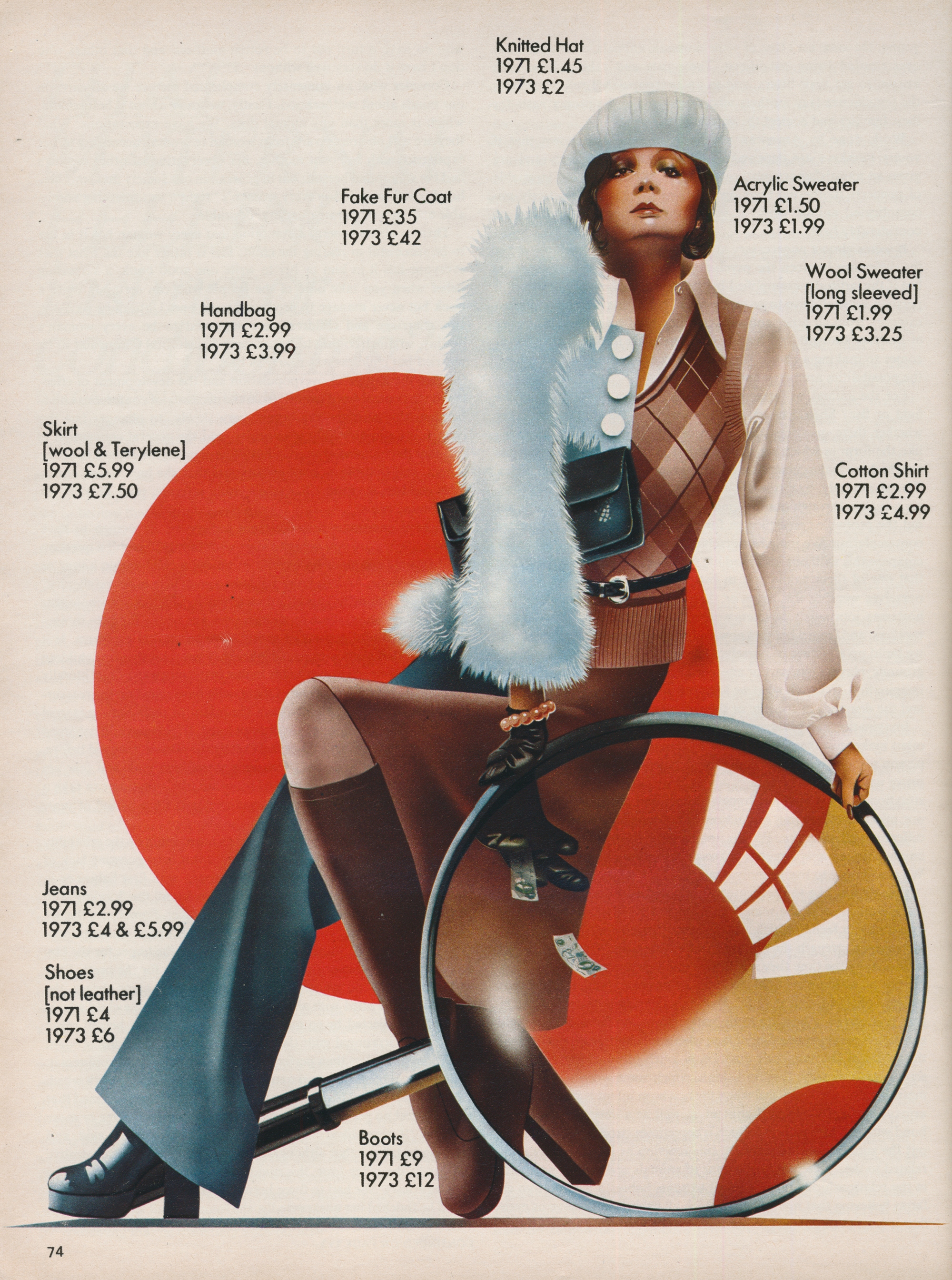
A typically brilliant Philip Castle illustration to accompany an article by Shirley Flack on inflation and the effect on clothes prices at the time. Sounds familiar, doesn’t it? Although I would kill for the quality you were getting for your inflated prices in 1974. And, naturally, I always recommend shopping second hand anyway!
Illustration by Philip Castle.
Scanned from Cosmopolitan, January 1974.
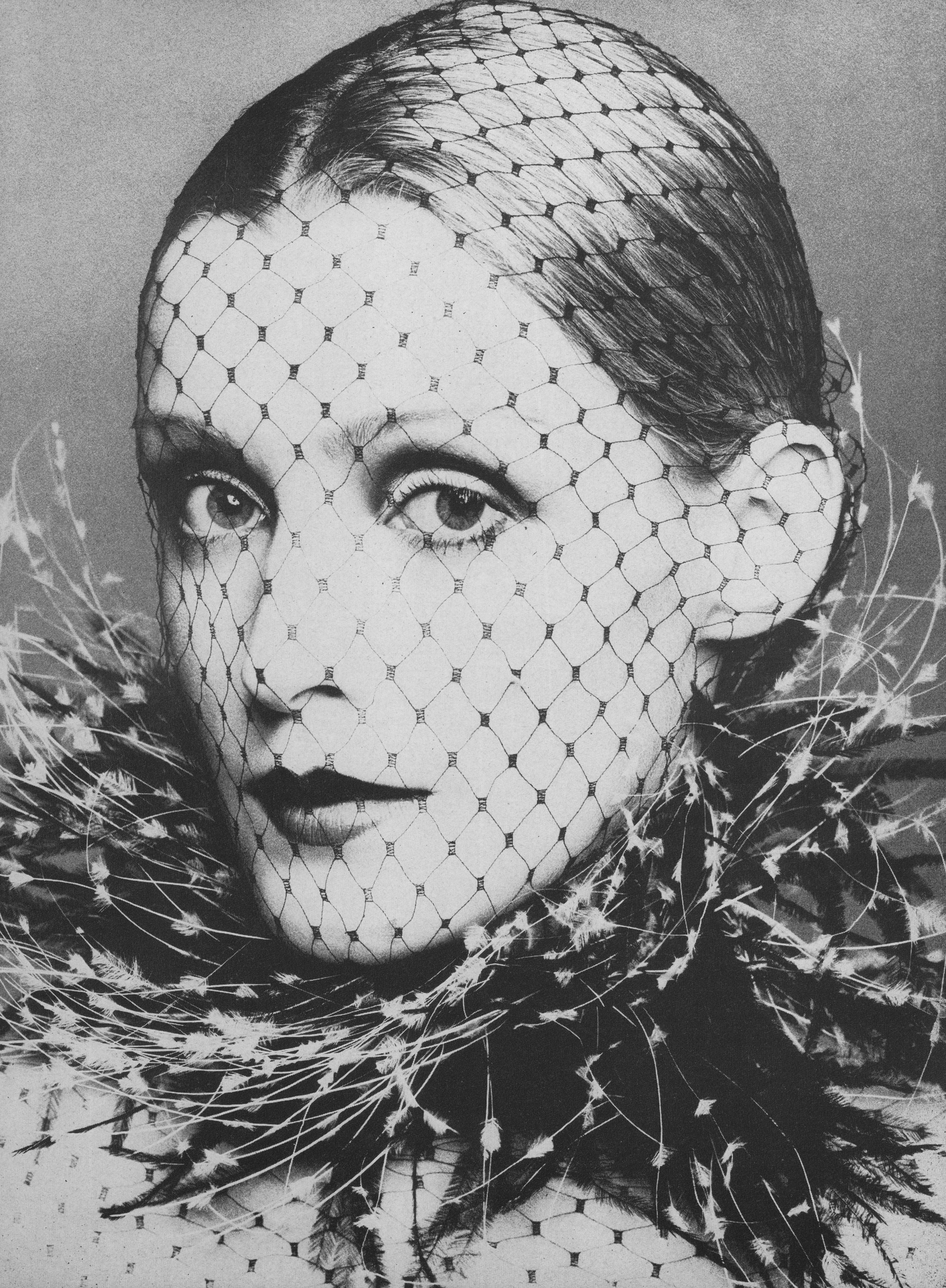
Photographed by Barry Lategan.
Scanned from Vogue, December 1970.


. . . or how to wear furs this winter without hurting your pet’s feelings.
There is nothing, absolute nothing quite like wrapping yourself in fur. As a sensuous experience, it is in the same class as a new love, old champagne or fresh truffles. But even the most hedonistic of women are relieved that the threatened species are no longer imported. Snow leopards, tigers and other cats can go their own way and sensibly sybaritic female will look for furs that are farmed, such as fox and mink. This winter, too, the fakes are so wayout and wildly coloured that only a girl without a heart could resist their charms, albeit synthetic. Perhaps that’s why the fur trade have taken the hint and dipped their favourite fox pelts in the dye pot, Furrier Maxwell Croft offers his explanation of the female urge to wear and the male urge to bestow furs: “For many men it is a primitive desire to see his woman in furs.”. Very nice, too.
Plenty to scoff at the end of the copy there, but oh goodness the clothes – the clothes! And the glorious photography of Alice Springs, whose work doesn’t turn up nearly enough for my liking.
Fashion by Deirdre McSharry.
Photographed by Alice Springs.
Scanned from Cosmopolitan, November 1972.


 Liz Eggleston