
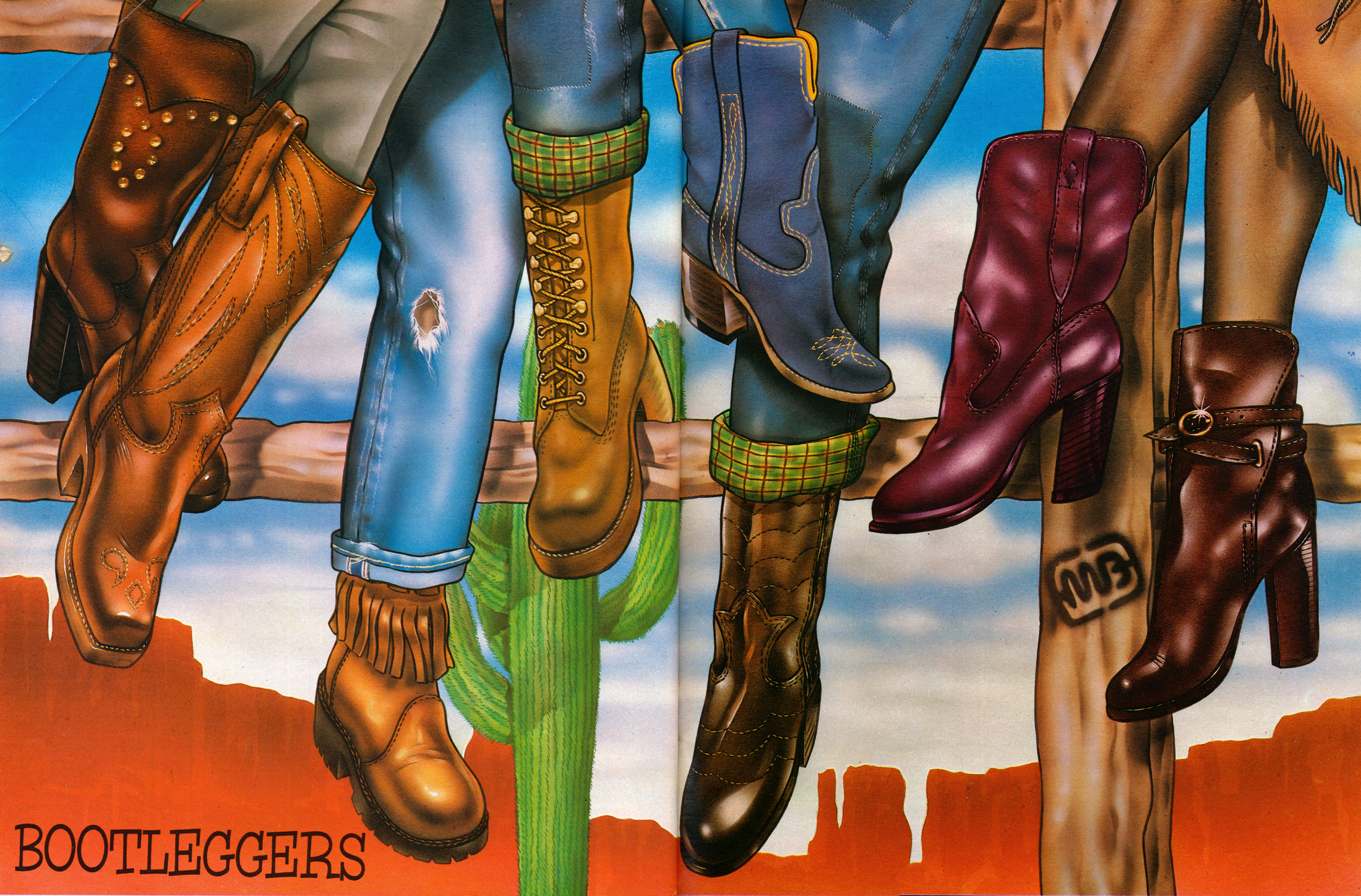
Illustration by Mick Brownfield.
Scanned from Honey, November 1974.
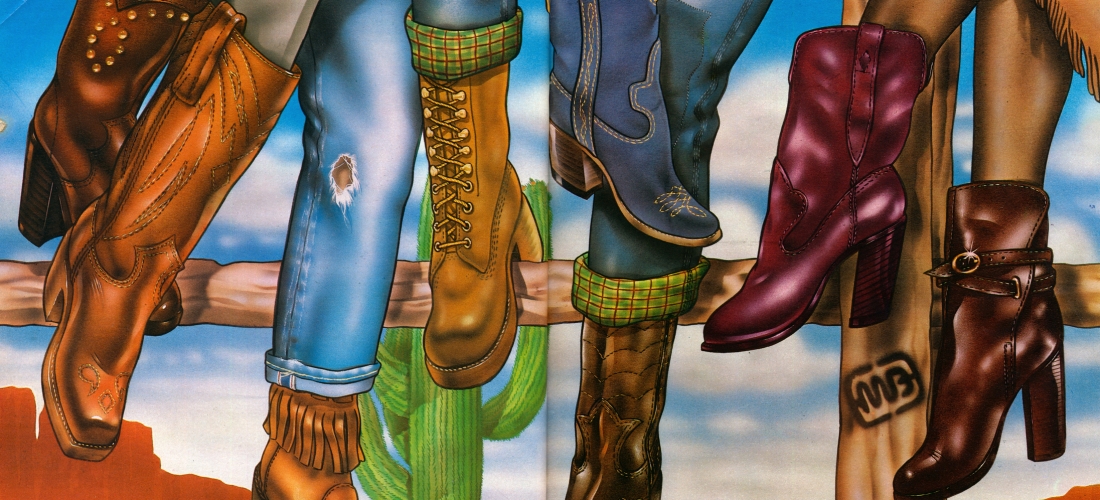
Illustration by Mick Brownfield.
Scanned from Honey, November 1974.


This is definitely the Season of the Midi, which involves a whole new set of fashion rules. Midis look best without an inch of leg showing, which means either long tight-fitting boots to take over where the midi finishes, or coloured tights matching clumpy-heeled shoes. So keep gulping; daily doses will keep you in the pink, fashion wise.
Aside from all the dreamy autumnal clothes and the fact that the blonde model is Charlotte Martin, it’s so lovely to see Terry de Havilland’s early and legendary three-tier wedges. As so often with Terry’s shoes, they are erroneously credited to the stockists (here ‘Jolly Boy’), but it’s still lovely to see them.
Photographed by Elisabeth Novick.
Scanned from Honey, August 1970.


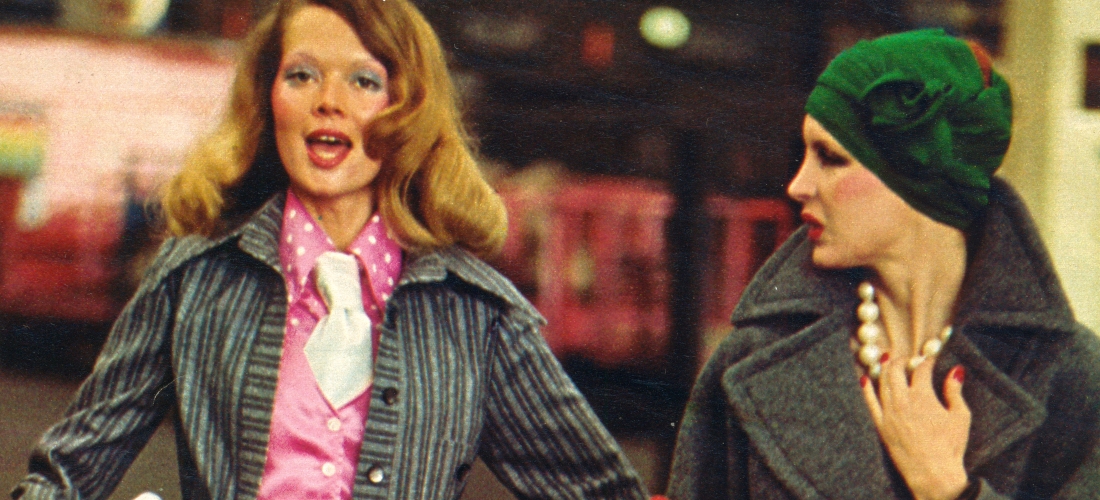
Bright girls use their grey matter and use flannel as a platform for colour
Photographed at St. Pancras Station, London. Hair by Gerald at Evansky.
Photographed by Frank Murphy.
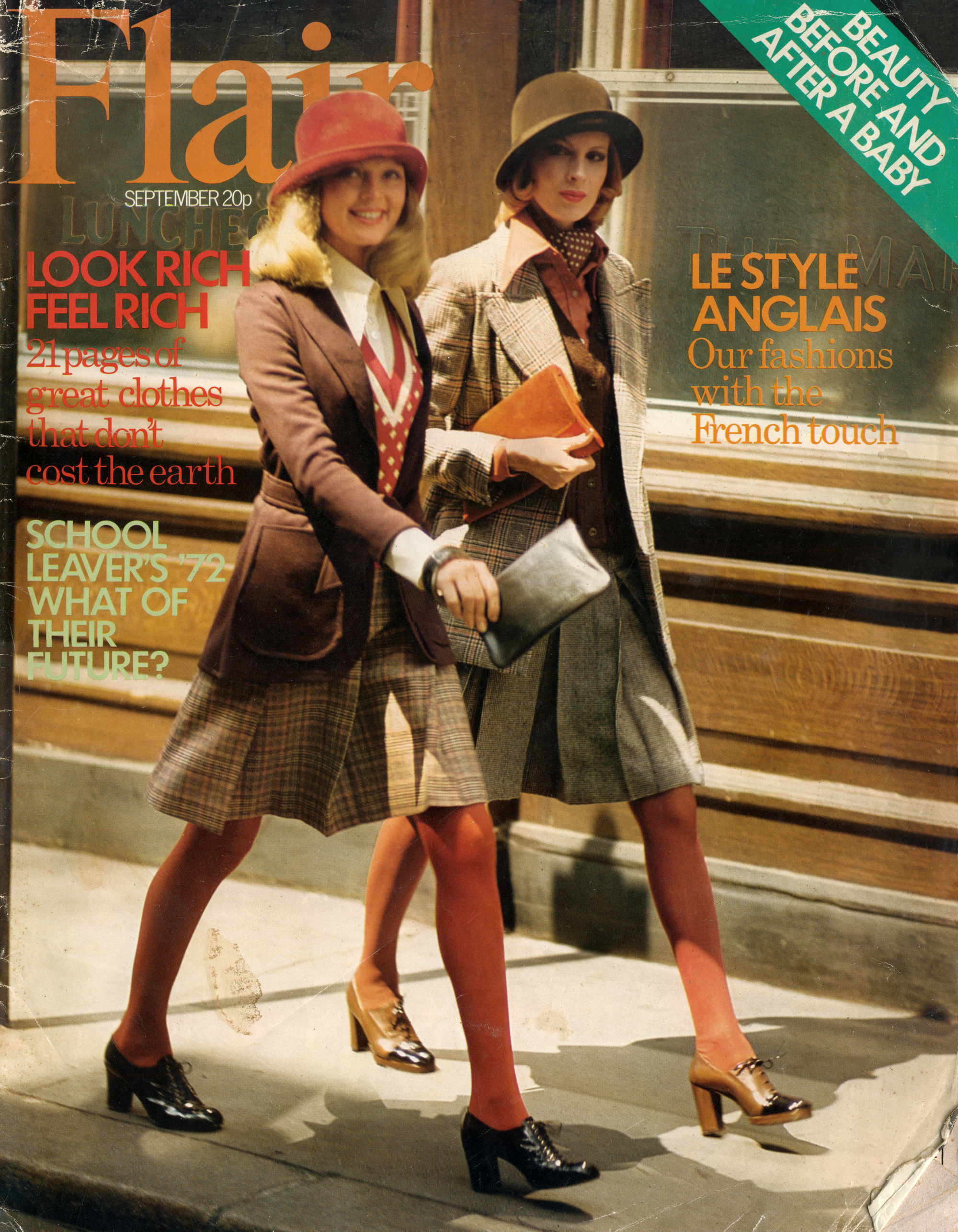
Scanned from Flair, September 1972.
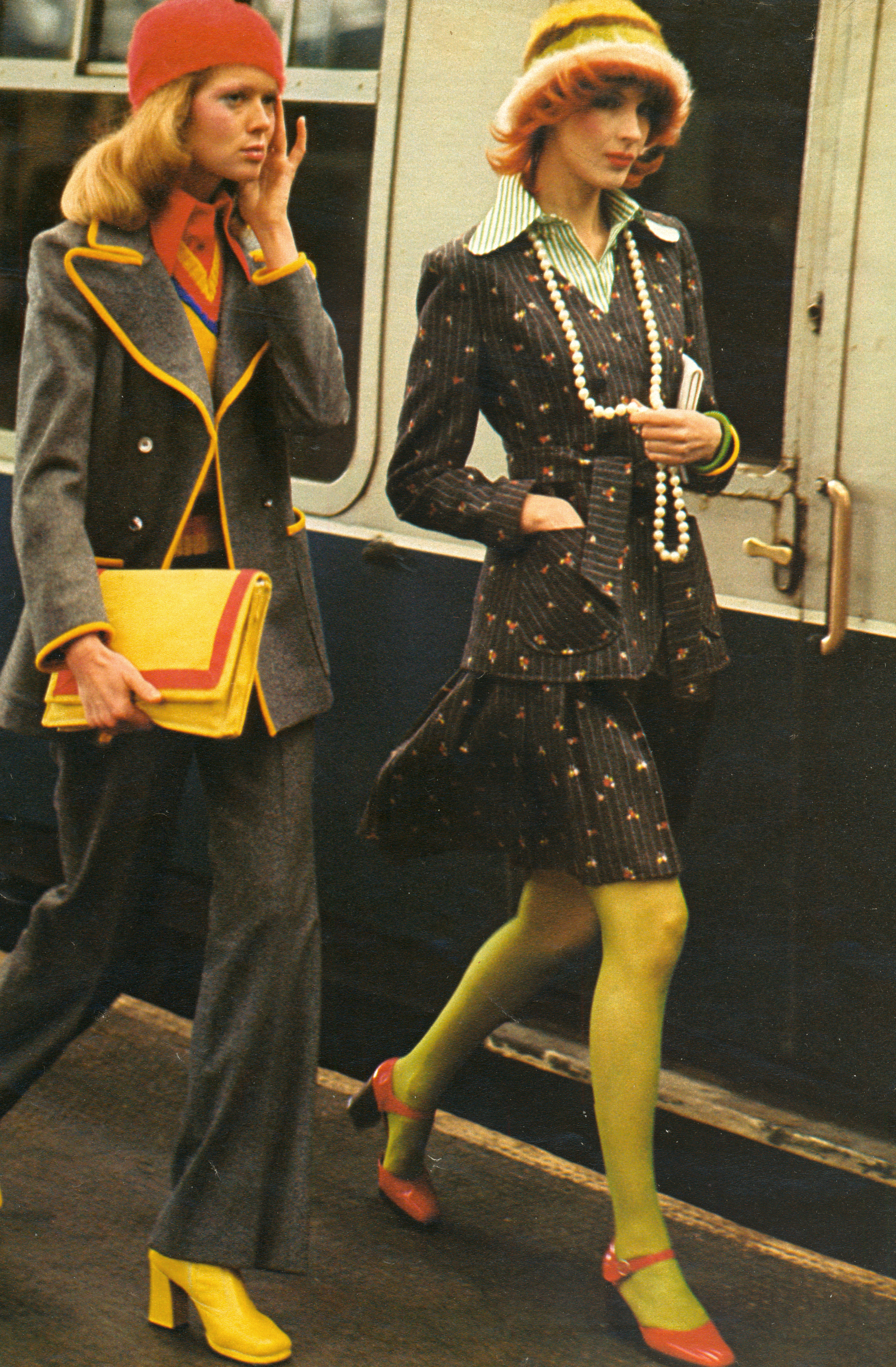
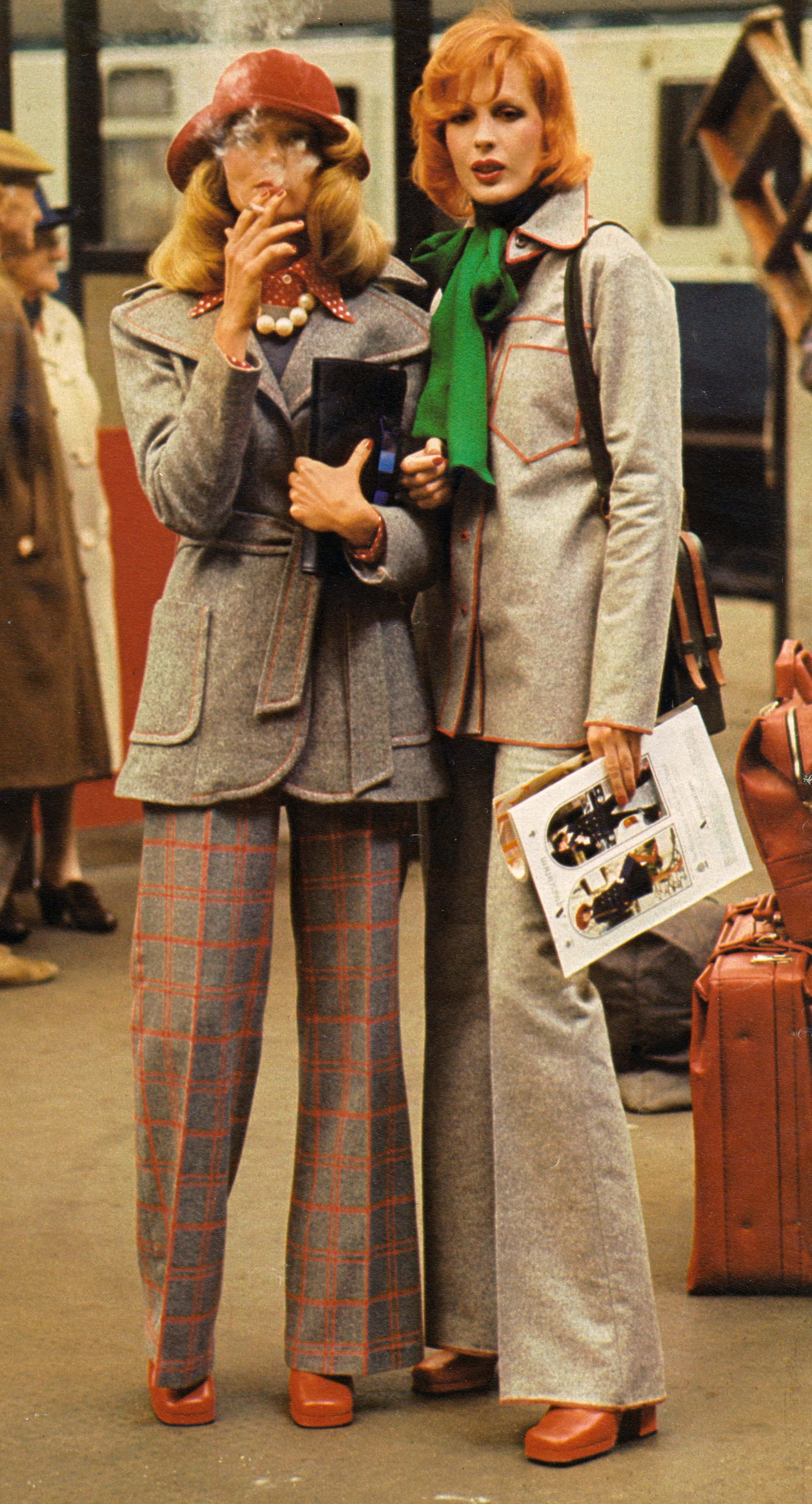
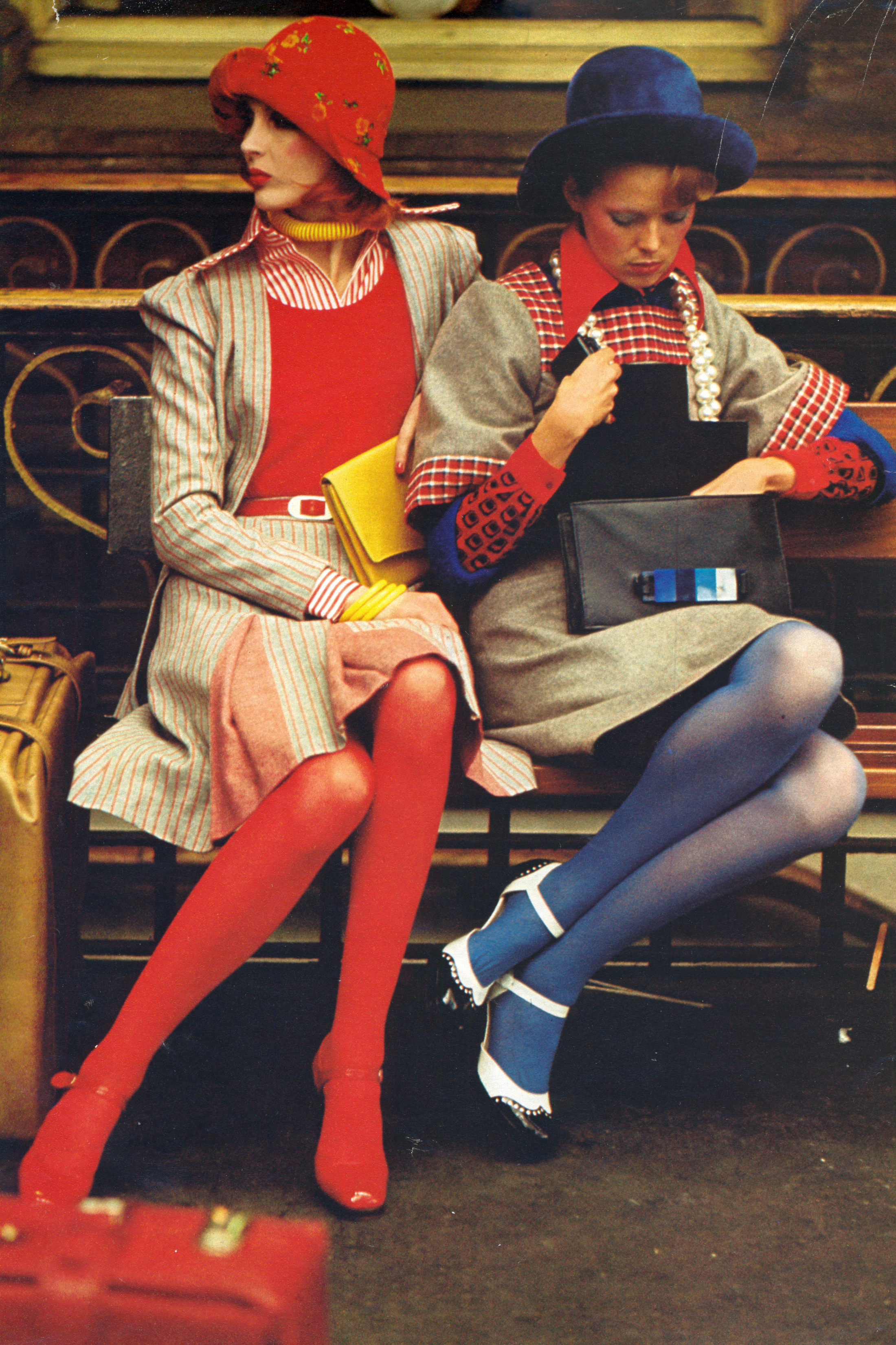
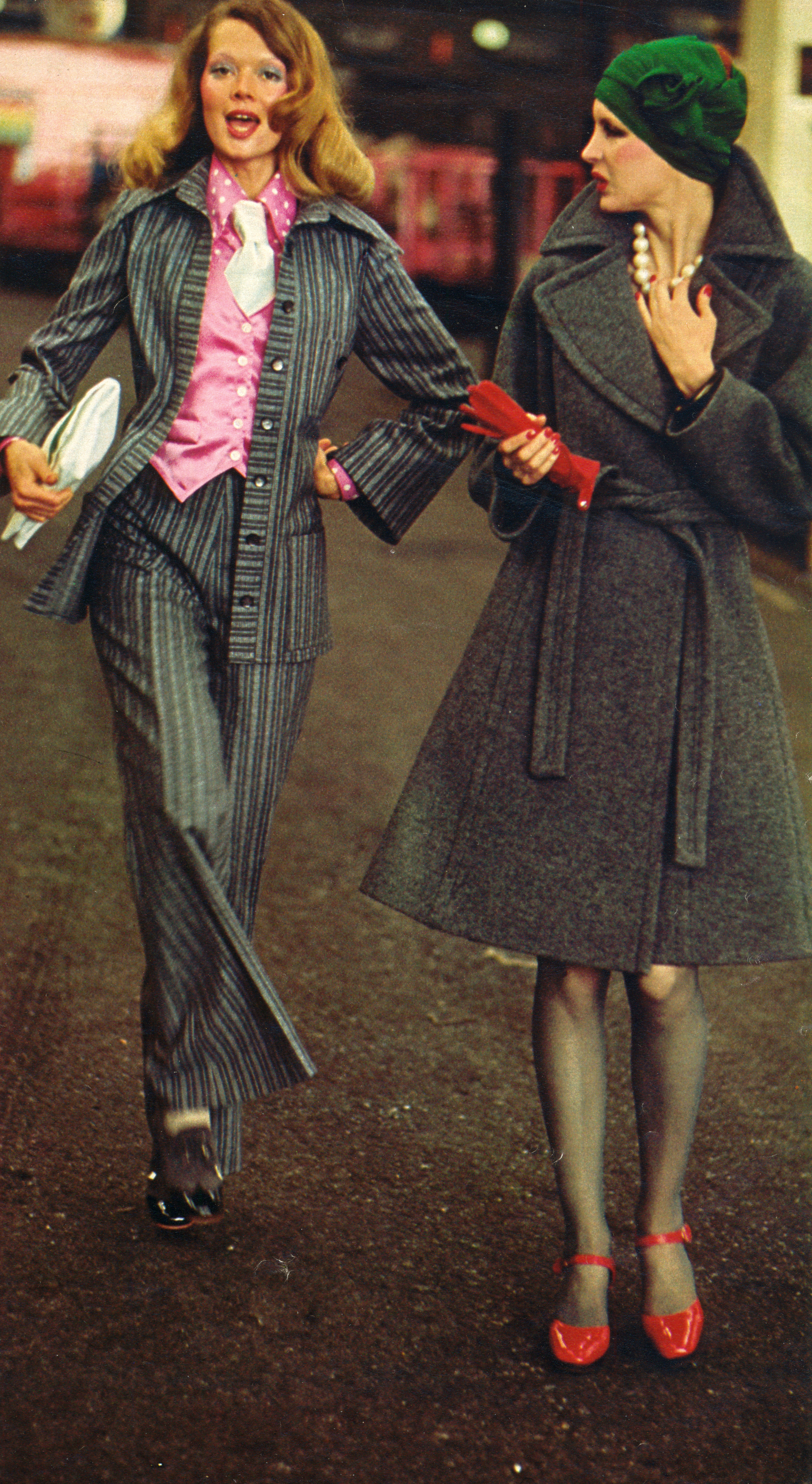


Autumn’s first boots and shoes, taking a backward look at the Fifties and beyond, a forward glance at what the later Seventies will bring. But you don’t need us to tell you the way things are going . . . just take a look at the pictures. Step out in those fantastic clumpie soles and vamps, lots of shady suedes and all the pretty quilting, patterning and painting you like.
(Before you ask, all of them please!)
Fashion Sue Hone.
Photographed by Jean Claude Volpeliere
Scanned from Petticoat, 4th September 1971.
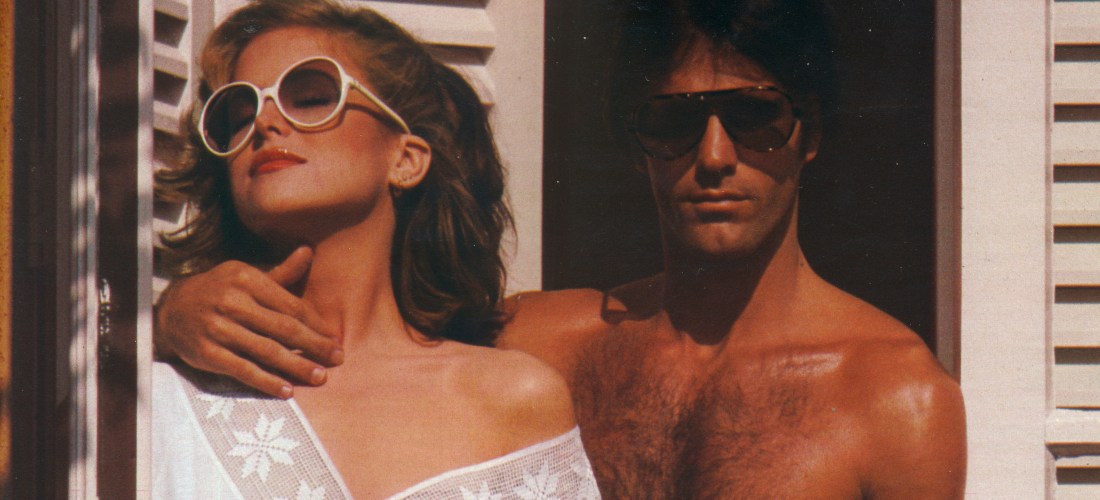
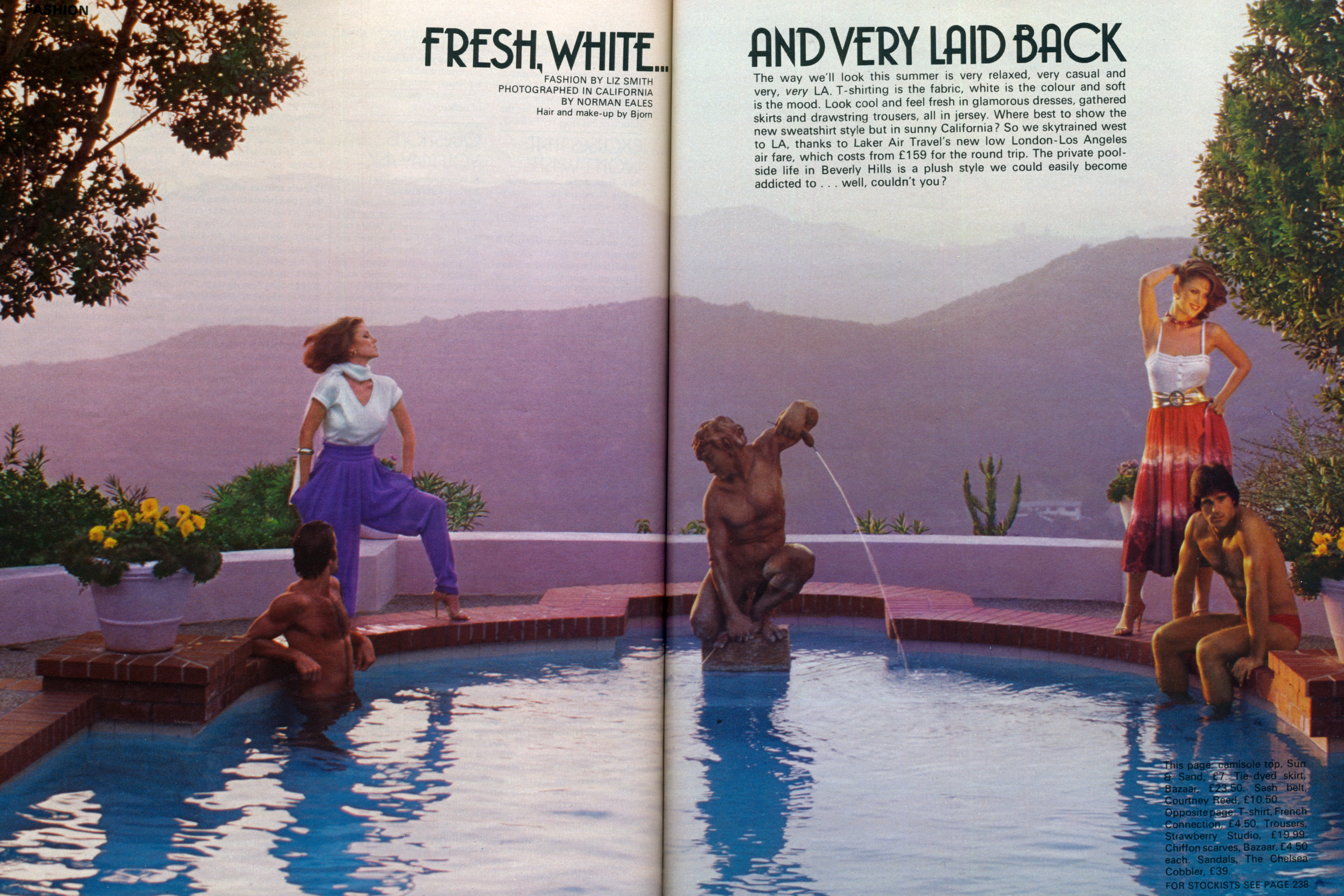
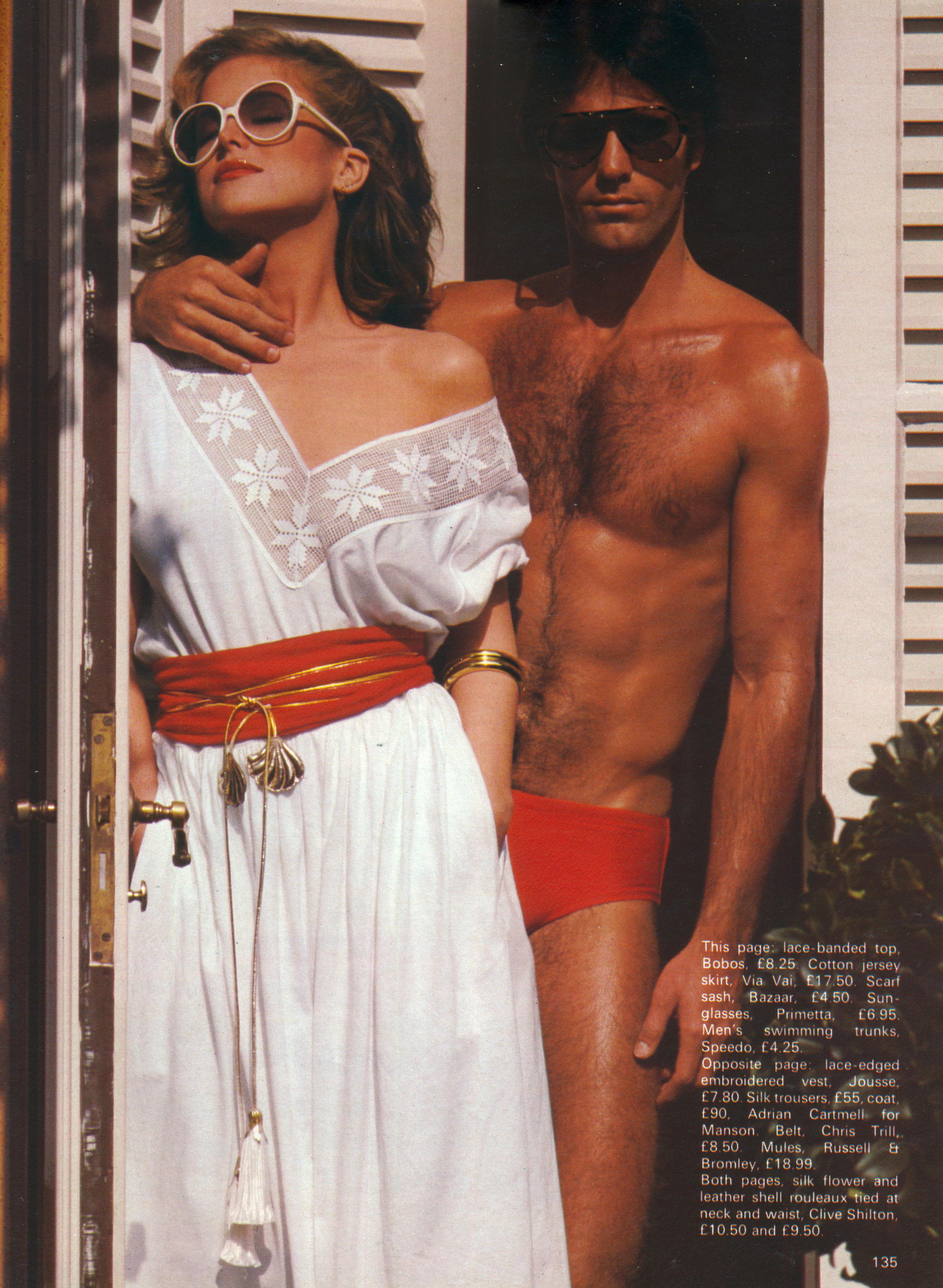
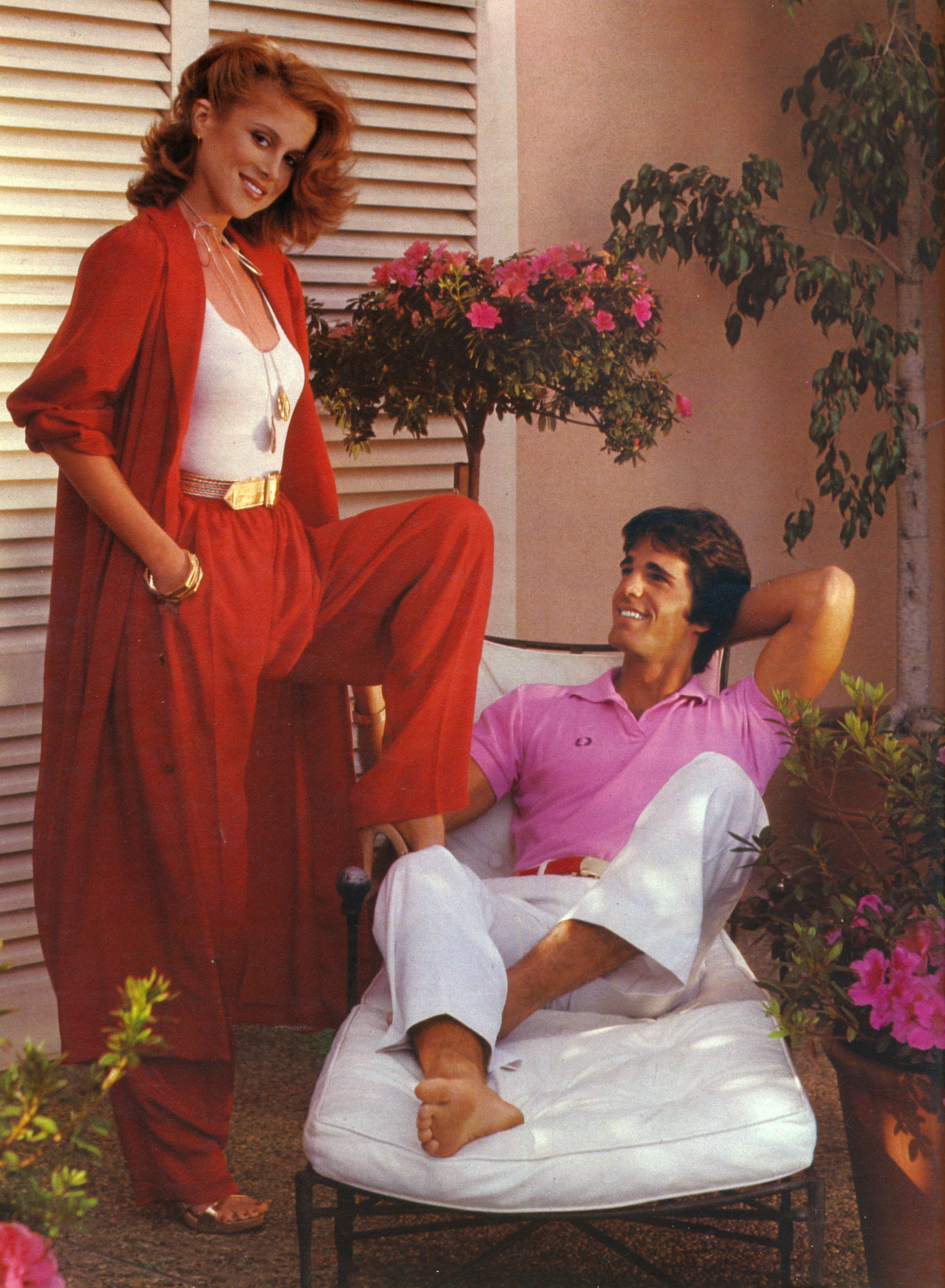
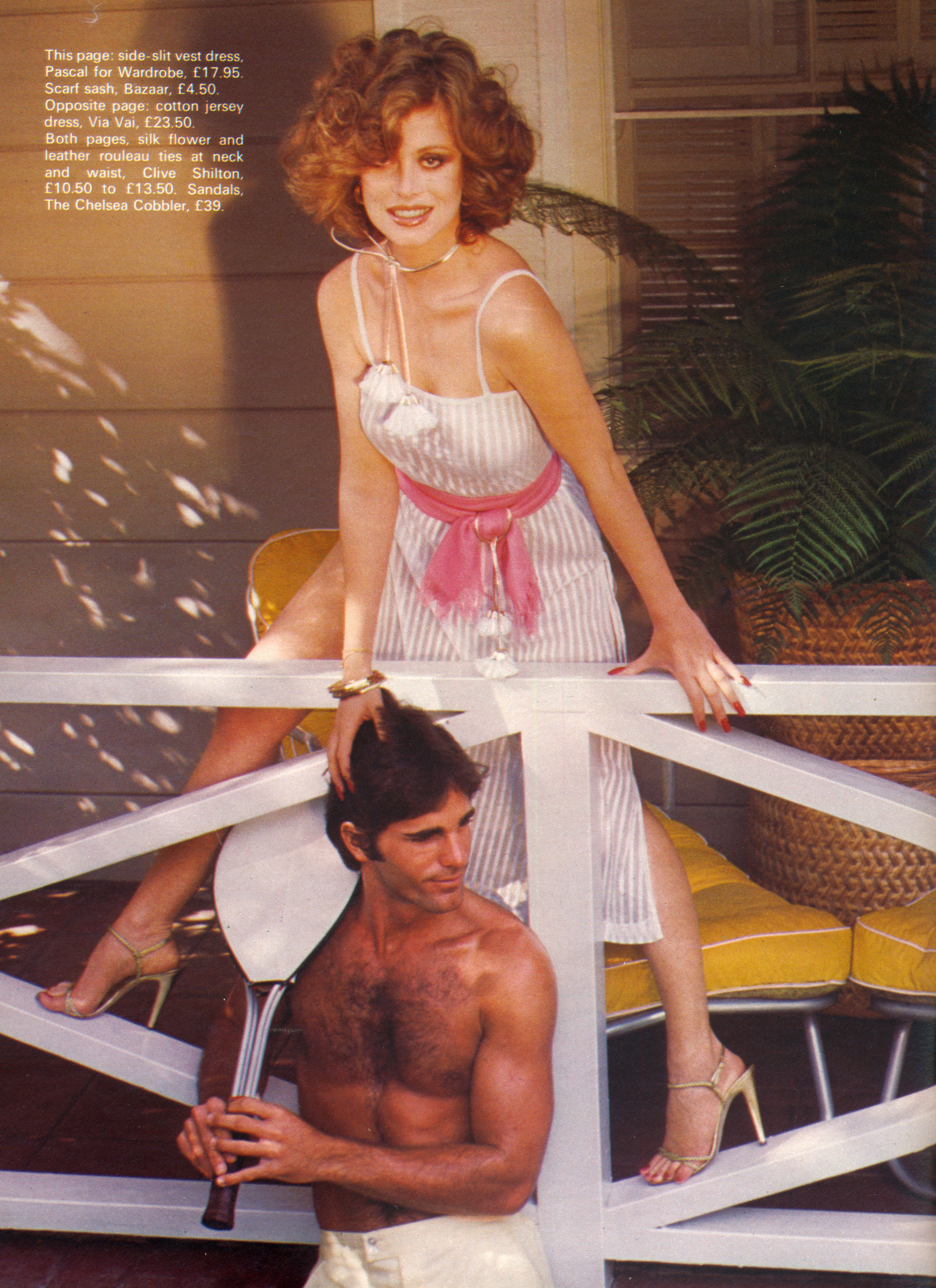
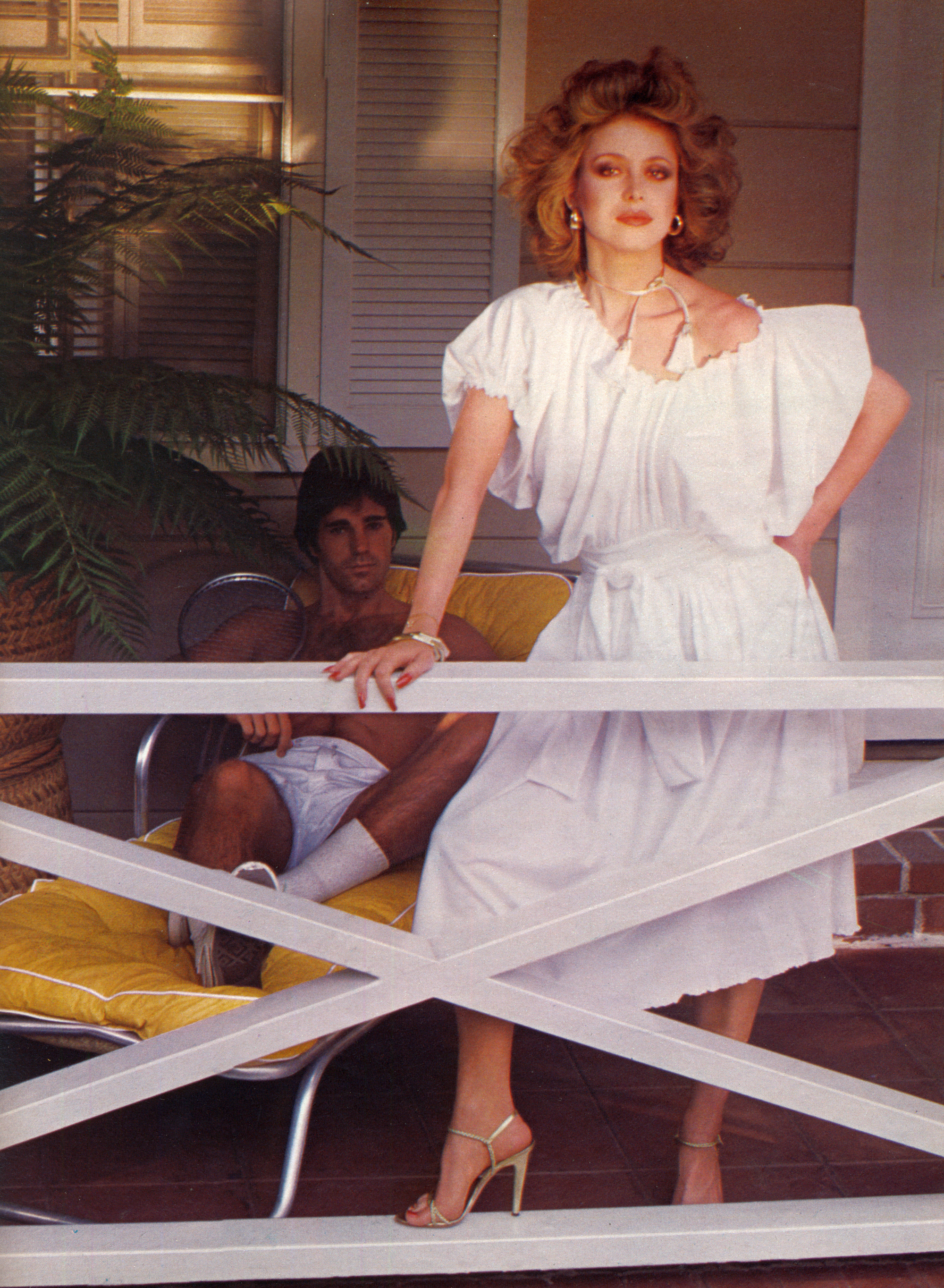
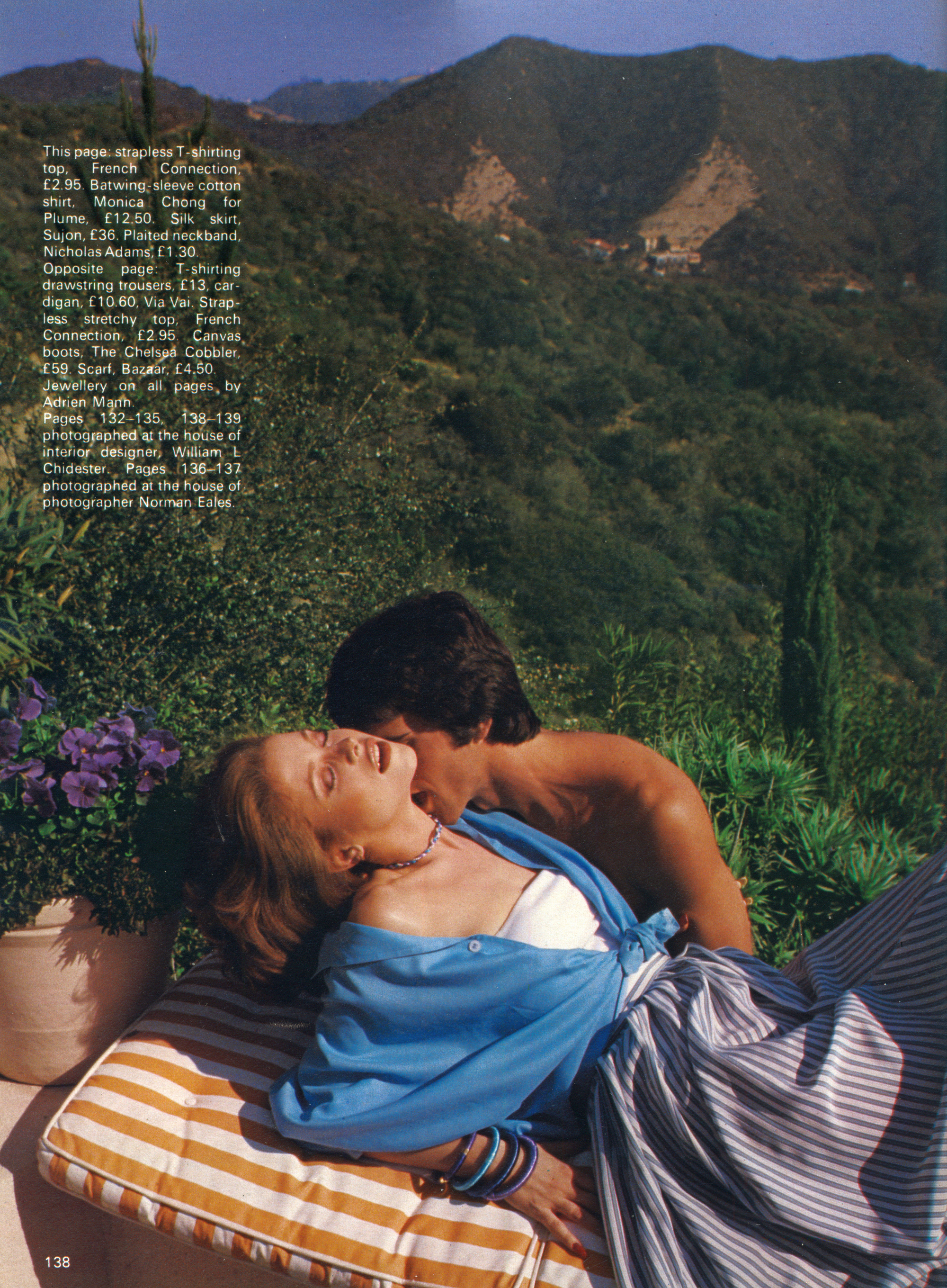
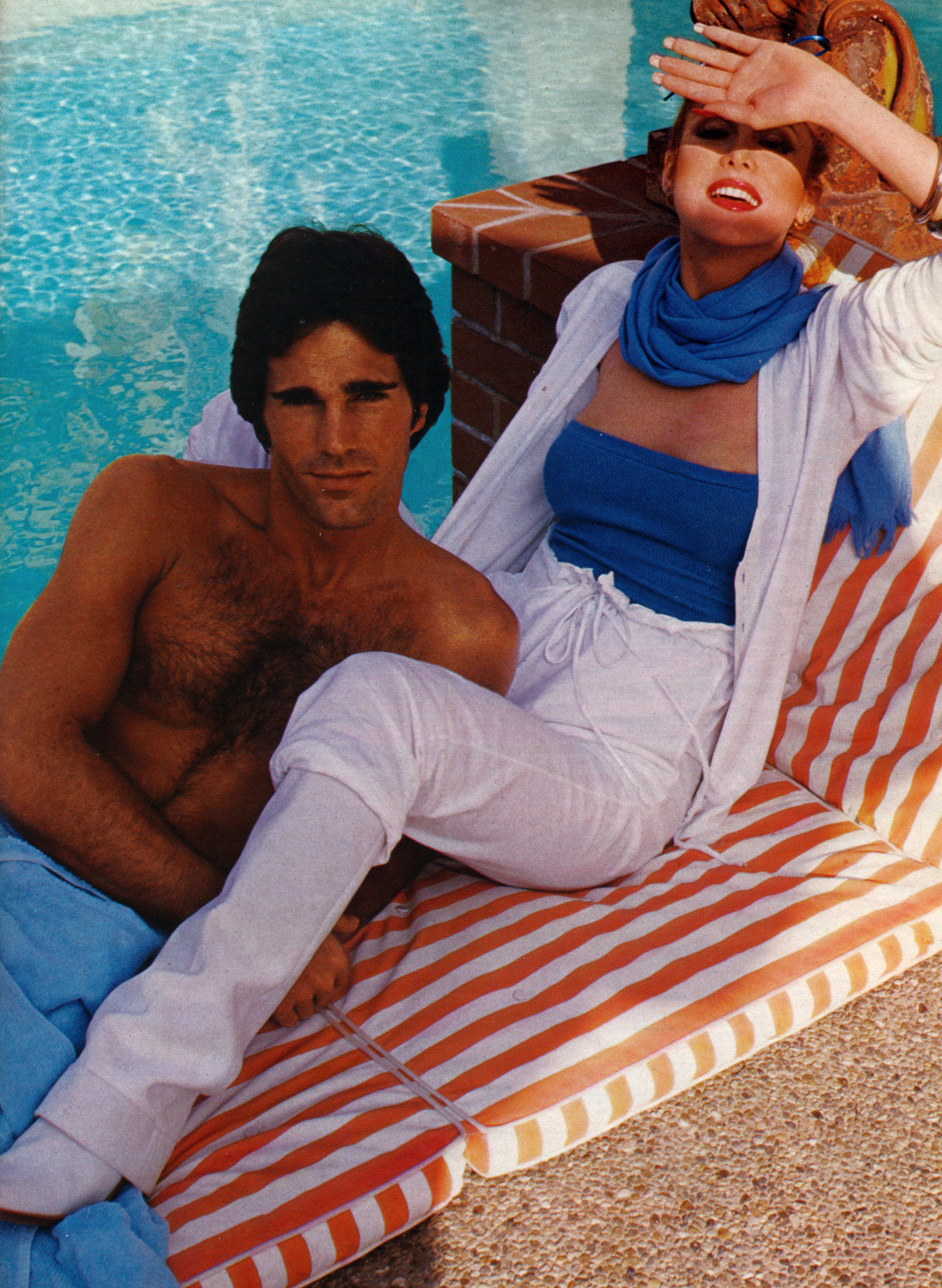
The way we’ll look this summer is very relaxed, very casual and very, very LA. T-shirting is the fabric, white is the colour and soft is the mood. Look cool and feel fresh in glamorous dresses, gathered skirts and drawstring trousers, all in jersey. Where best to show the new sweatshirt style but in sunny California? So we skytrained west to LA, thanks to Laker Air Travel’s new low London-Los Angeles air fare, which costs from £159 for the round trip. The private pool-side life in Beverly Hills is a plush style we could easily become addicted to . . . well, couldn’t you?
Pages 132 -135, 138-139 photographed at the house of interior designer, William L Chidester. Pages 136-137 photographed at the house of photographer Norman Eales.
Fashion by Liz Smith. Make-up by Bjorn.
Photographed by Norman Eales.
Scanned from Cosmopolitan, May 1978.


Ski pants, socks and hot tops – a fresh look for the future with a little help from the past.
Photographed by Roger Charity.
Scanned from Honey, May 1975.


Slip a shawl over summer and dream the days away in a land of your imagination. There couldn’t be a more beautiful way of letting a long sticky heatwave slip by than with these gentle colours made by a bleaching sun and these homespun clothes in soft country shapes. Whether you make it all the way to a shady plantation or just as far as the nearest cornfield, the scenery around any home this summer should look pretty good. Build up layers of cotton checs, sand suede overslips and warm rainbow knit waistcoats because even the sun can havee tantrums sometimes. Pack a pair of laced sandals and one huge-brimed straw hat.
Fashion by Sue Hone.
Photographed by John Carter.
Scanned from Petticoat, 22nd May 1971.


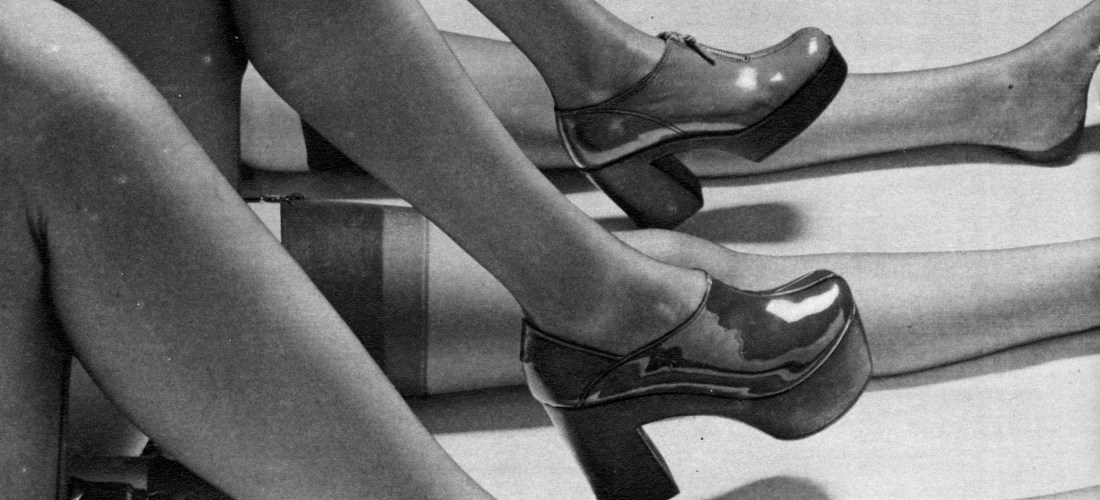
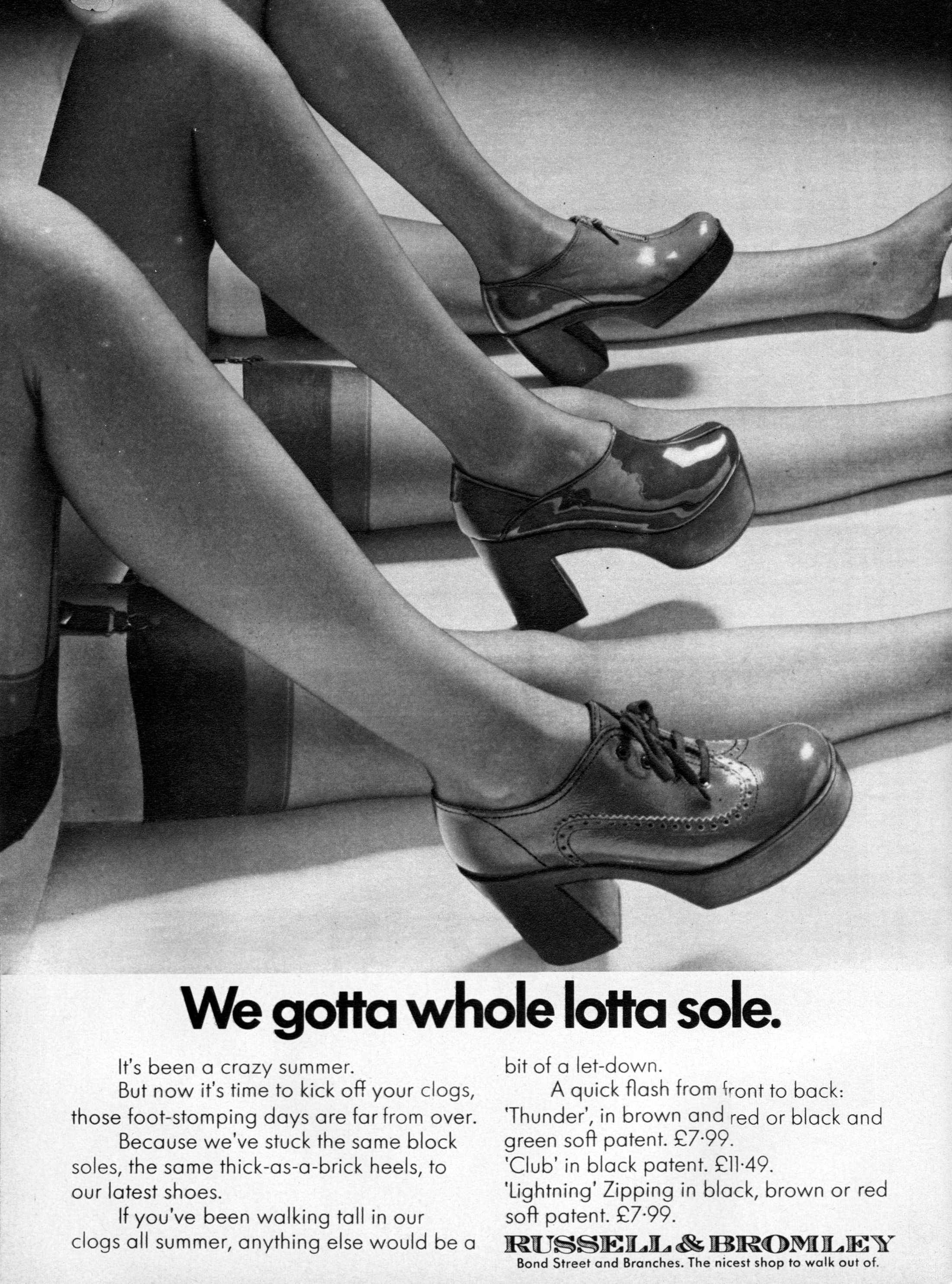
Yes please x 3
Advert for Russell & Bromley scanned from Honey, October 1972.
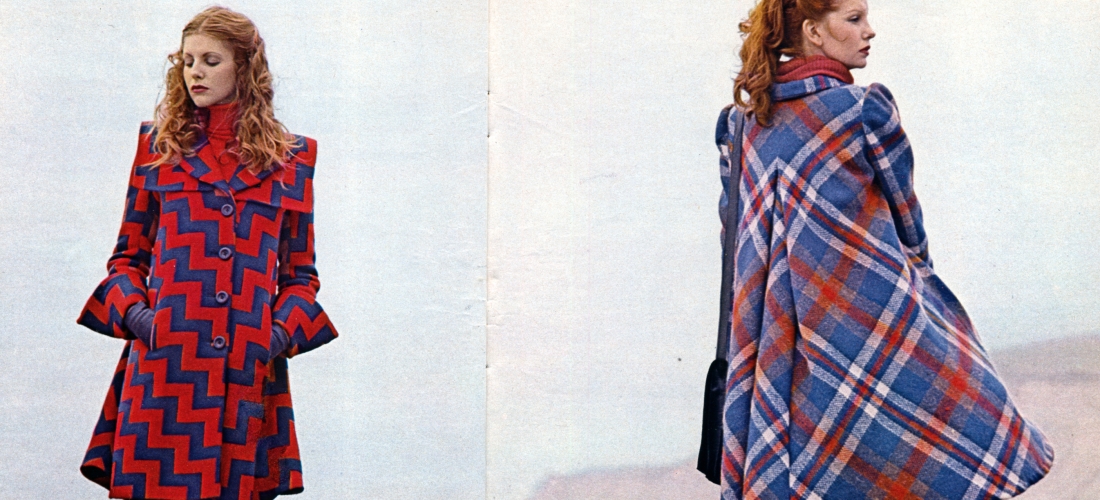
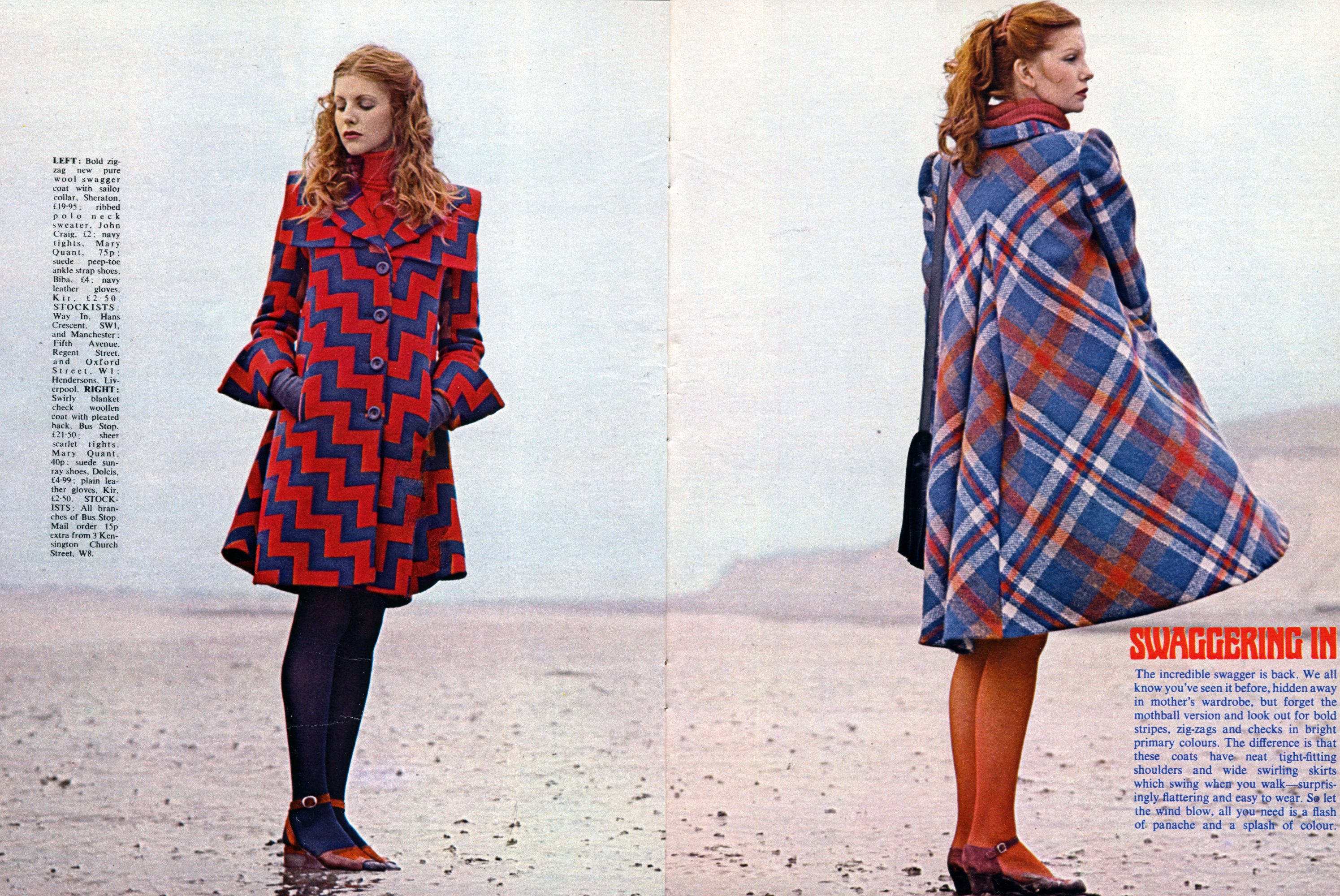
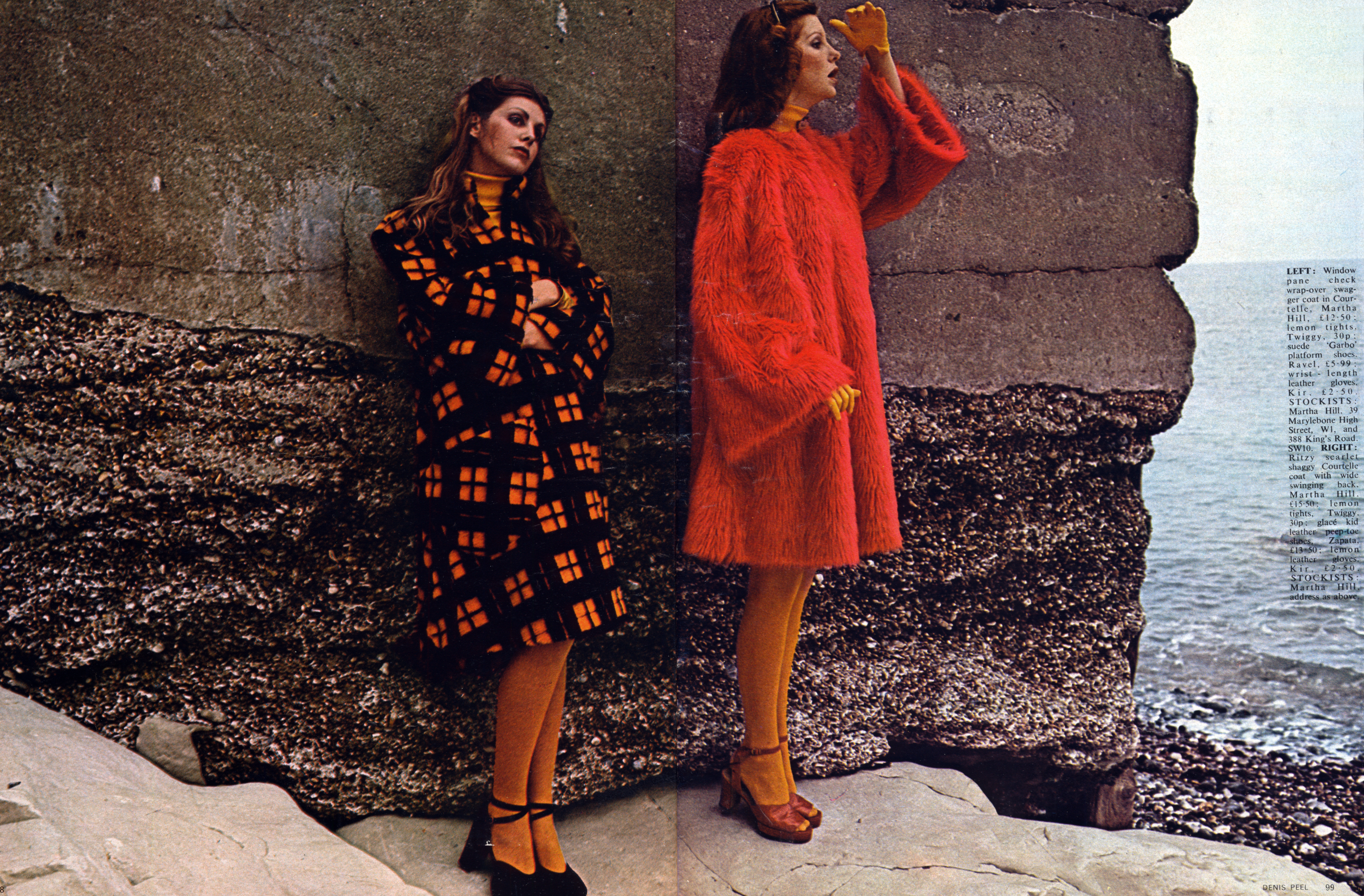
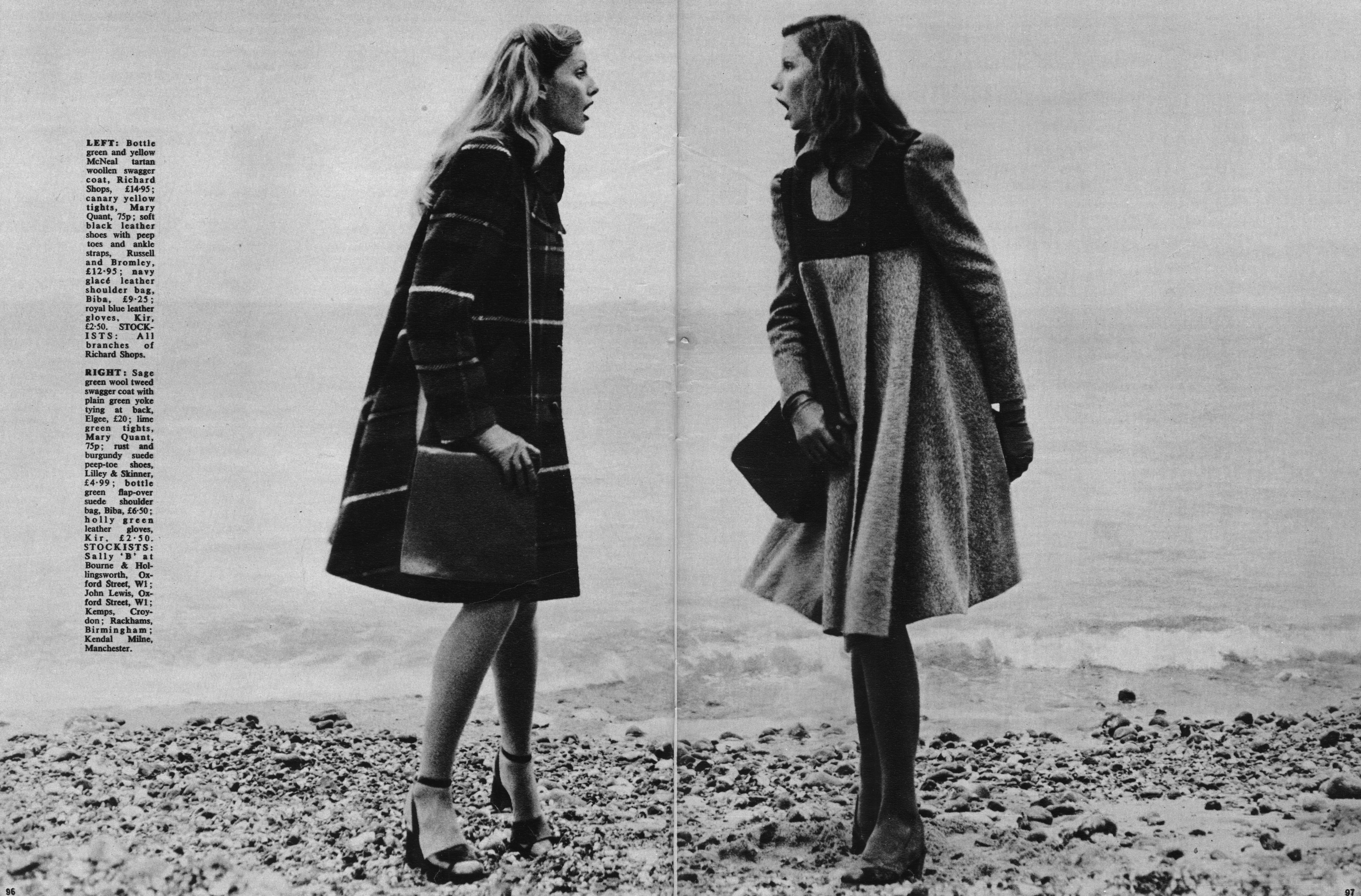
The incredible swagger is back. We all know you’ve seen it before, hidden away in mother’s wardrobe, but forget the mothball version and look out for bold stripes, zig-zags and checks in bright primary colours. The difference is that these coats have neat tight-fitting shoulders and wide swirling skirts which swing when you walk-surprisingly flattering and easy to wear. So let the wind blow, all you need is a flash of panache and a splash of colour.
Photographed by Denis Peel.
Scanned from Honey, October 1971.
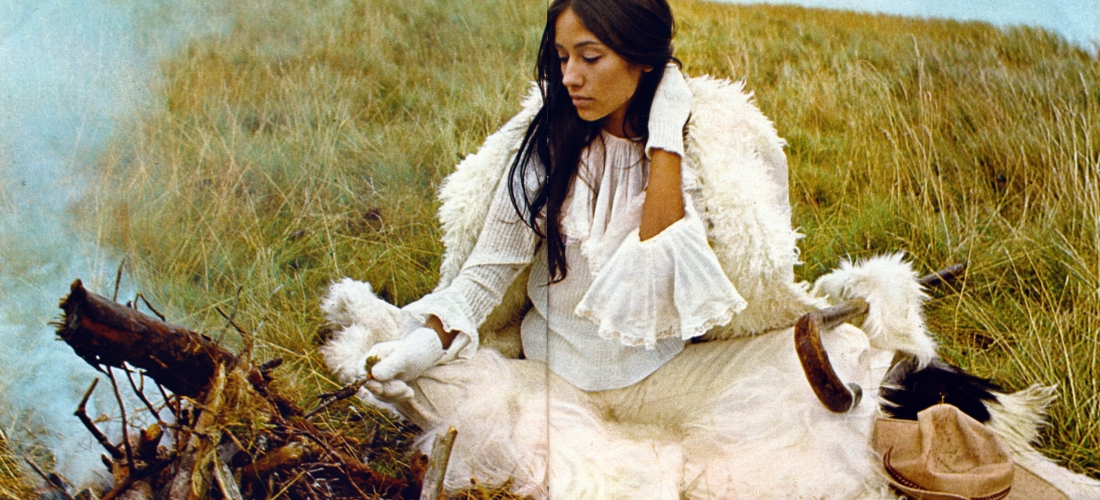
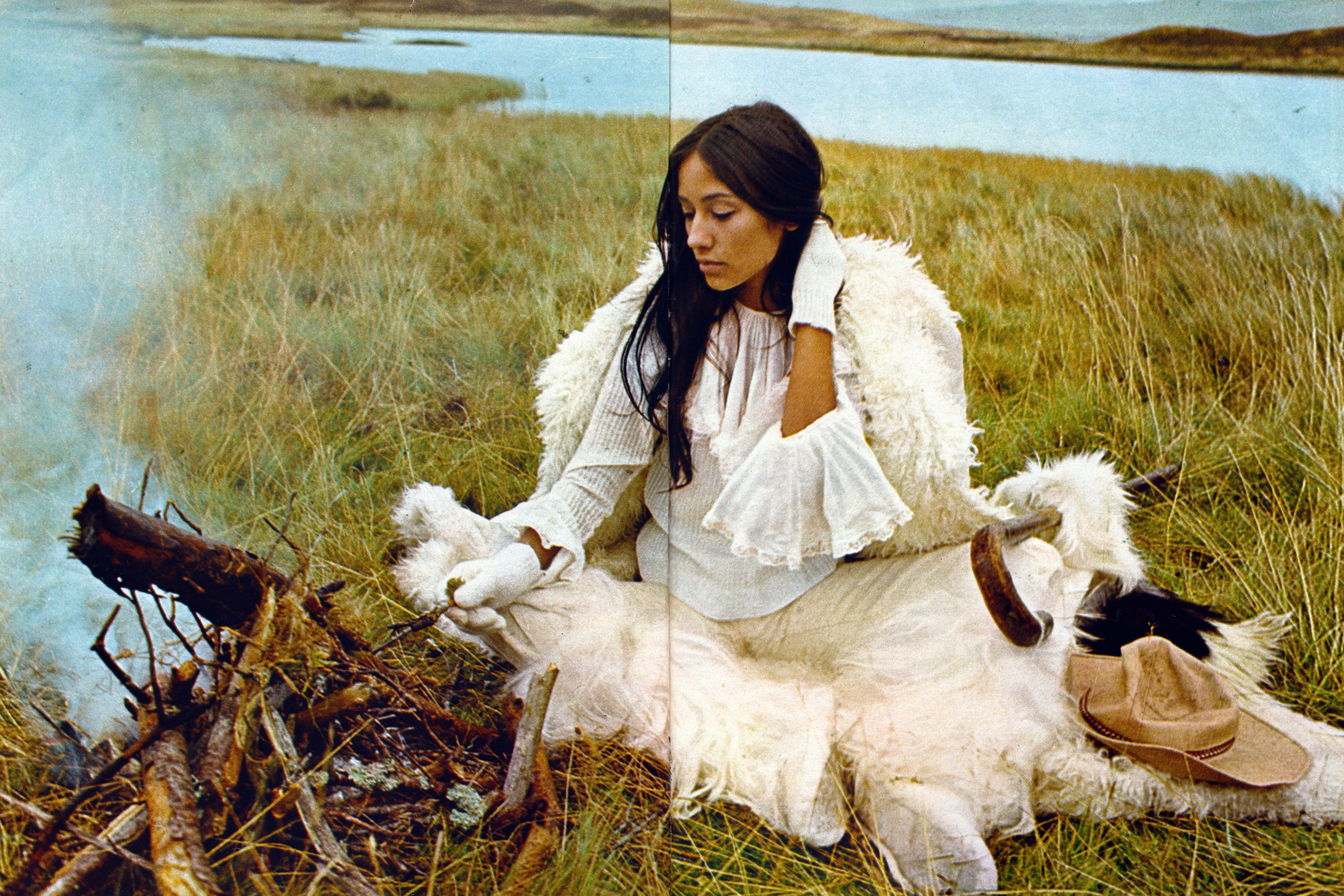
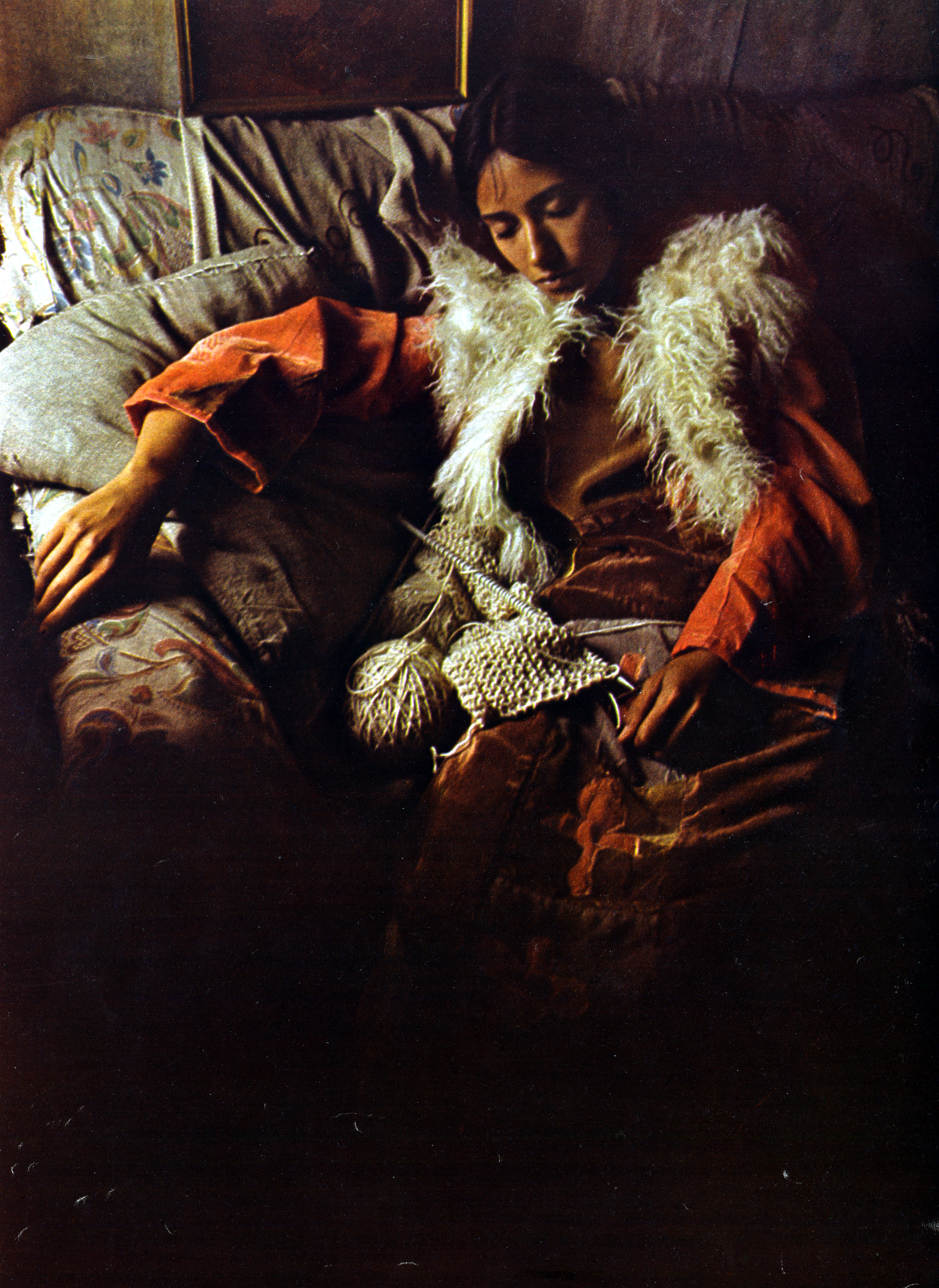
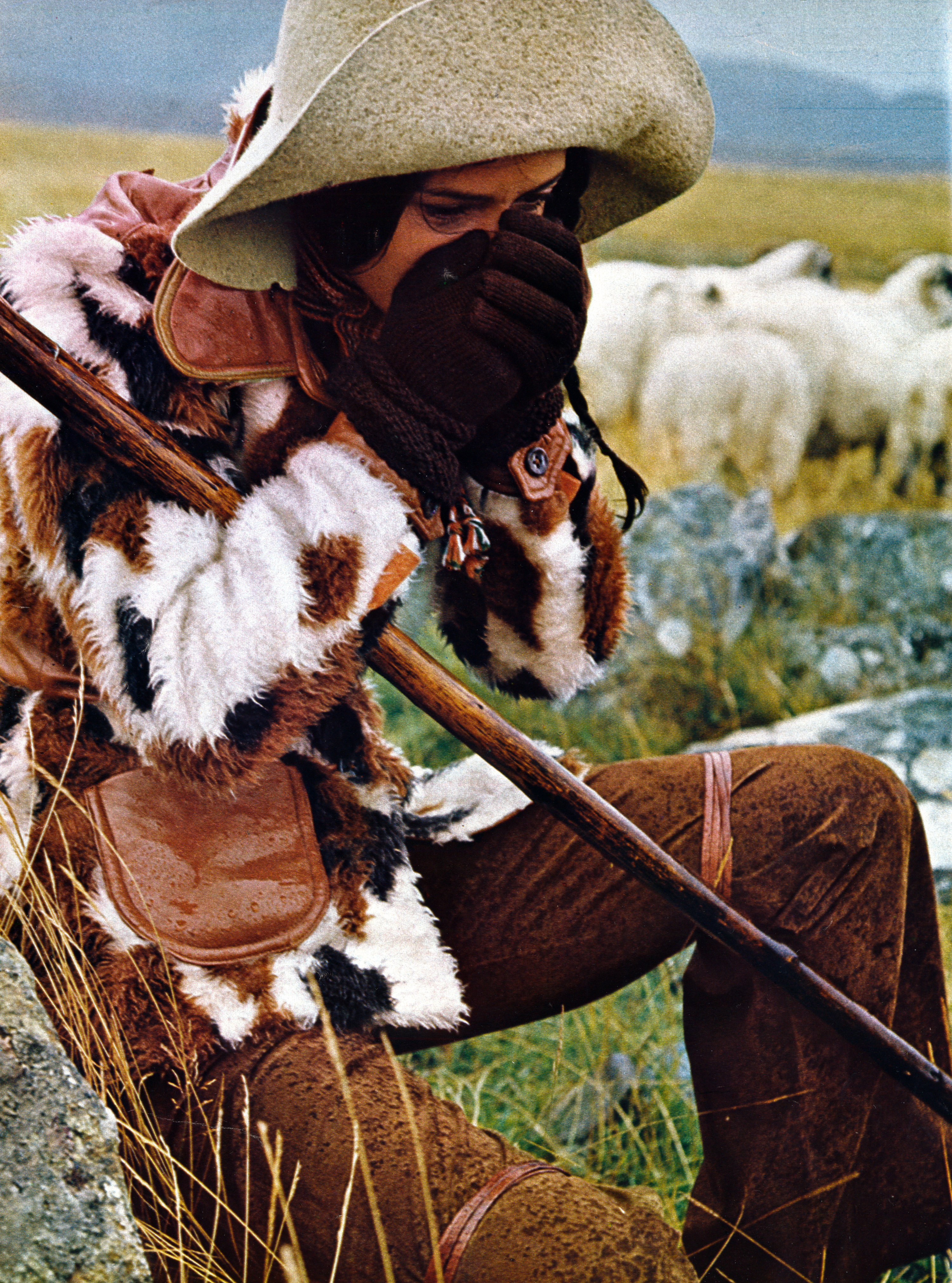
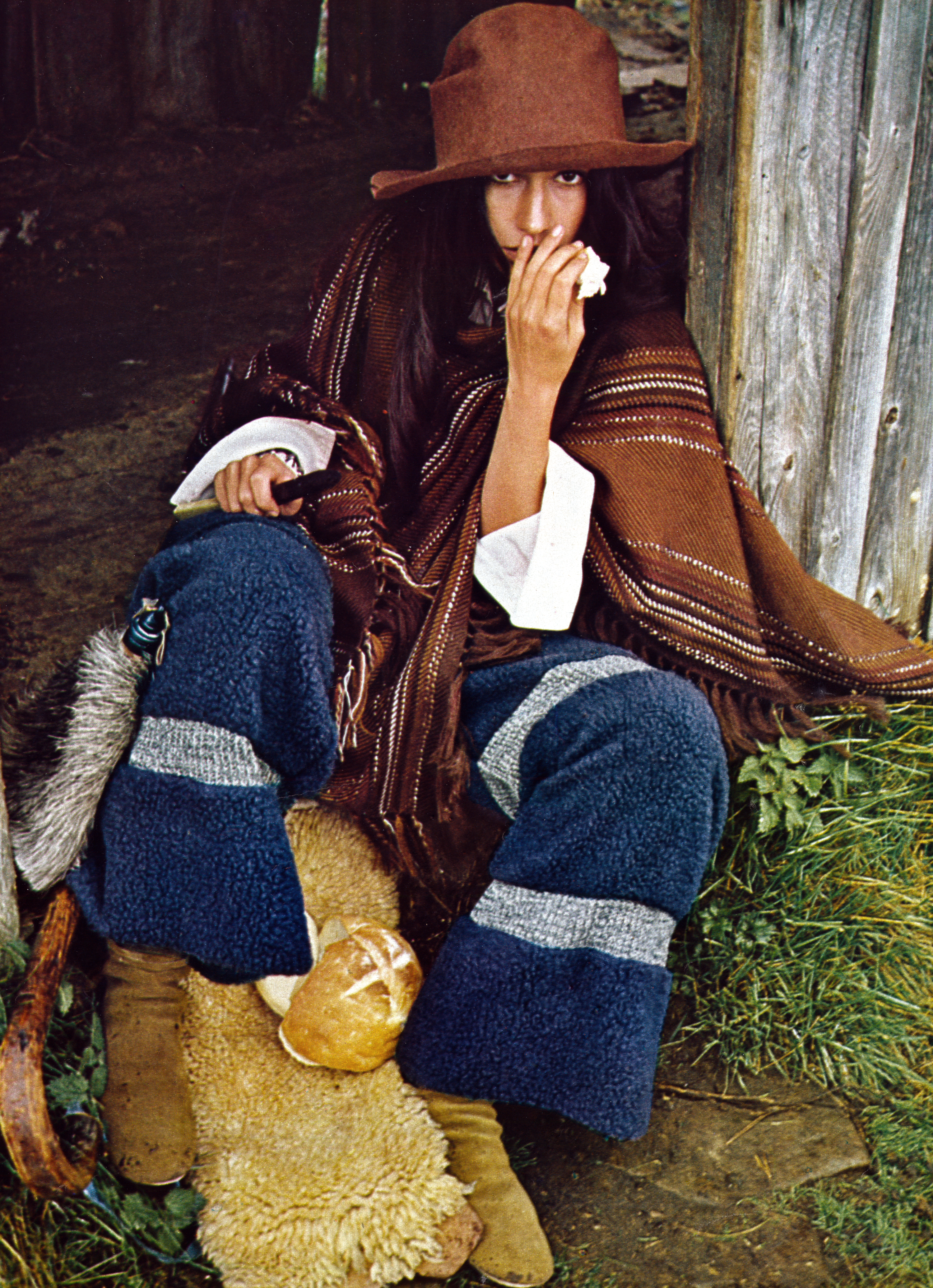
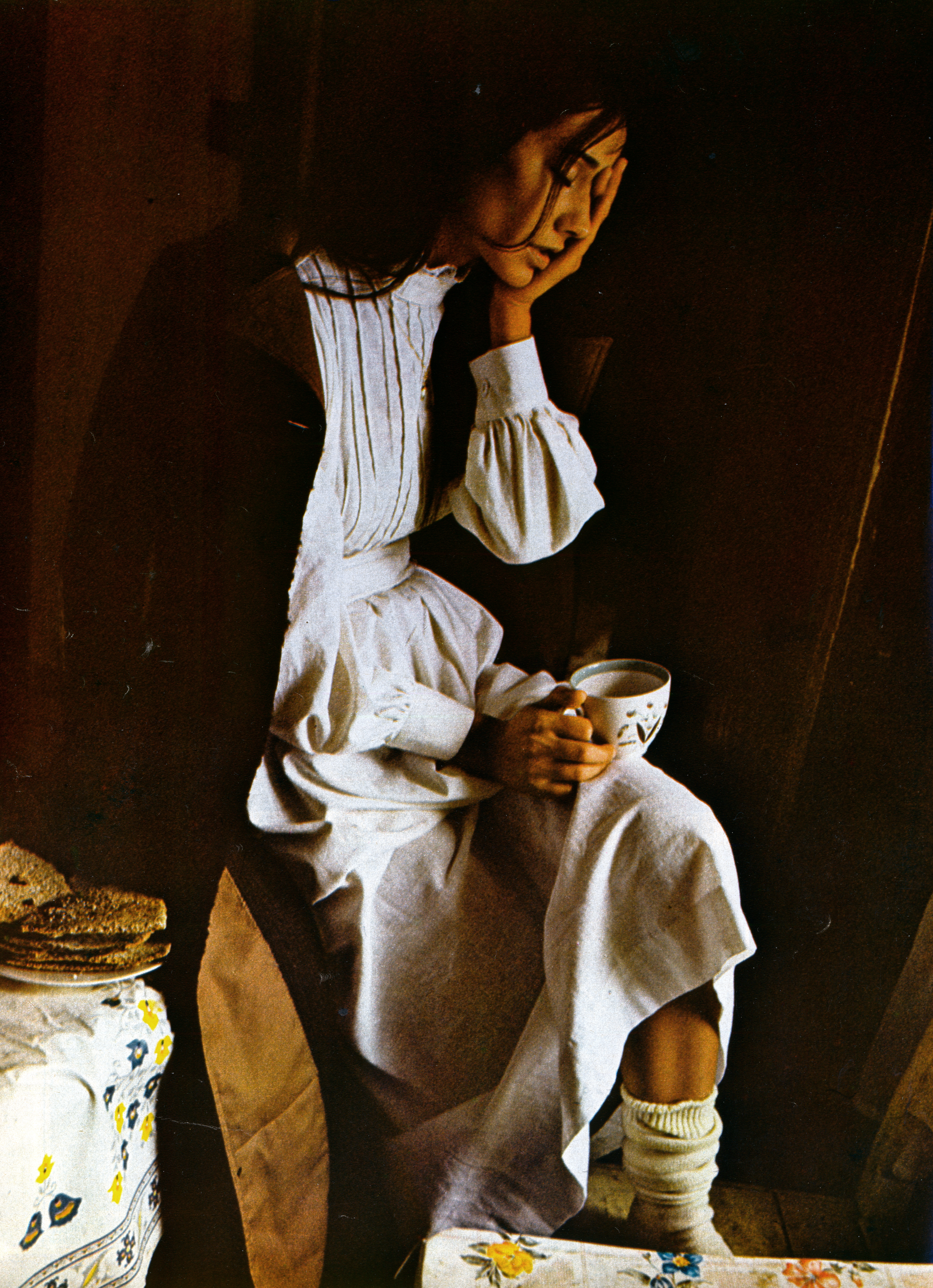
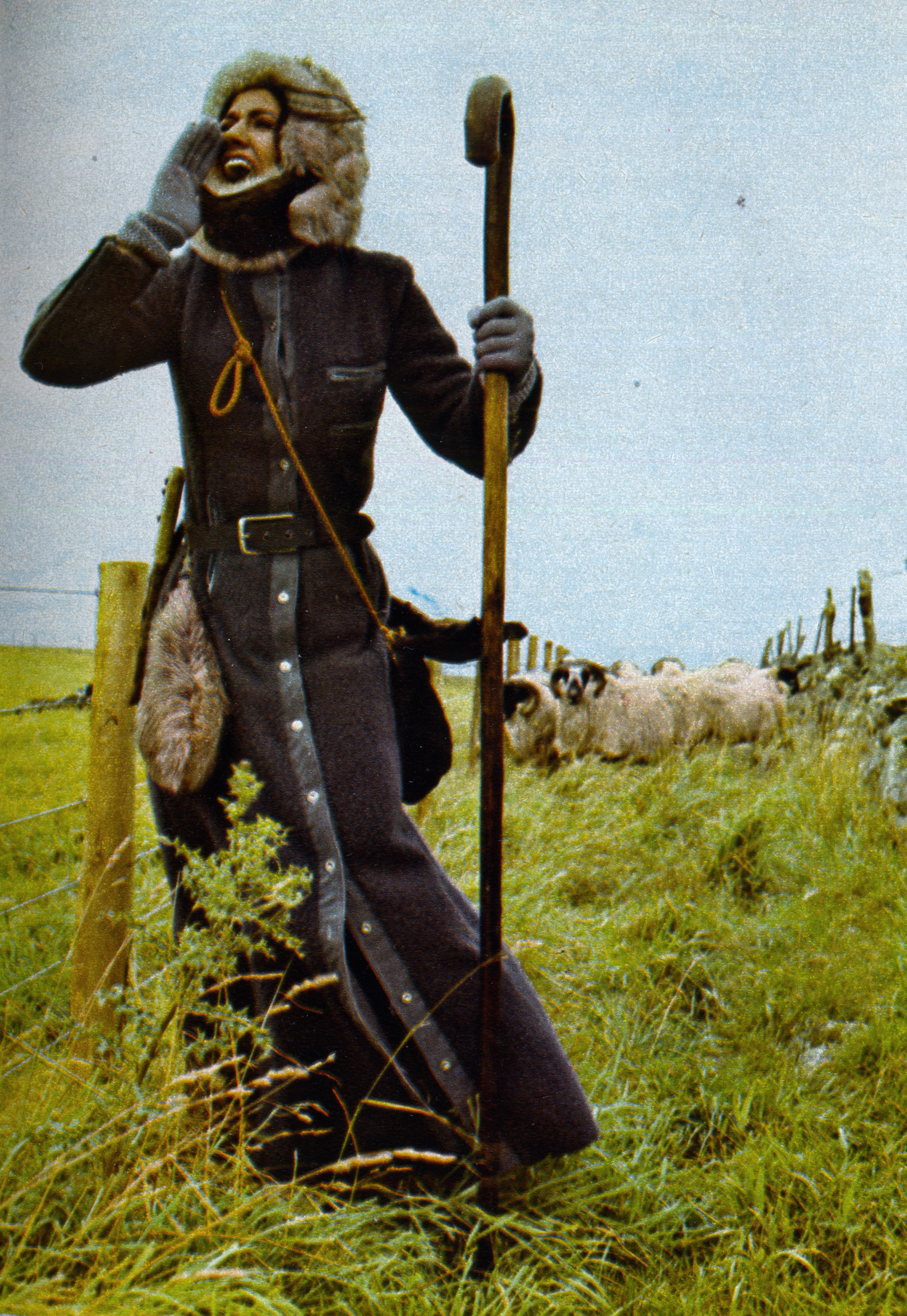
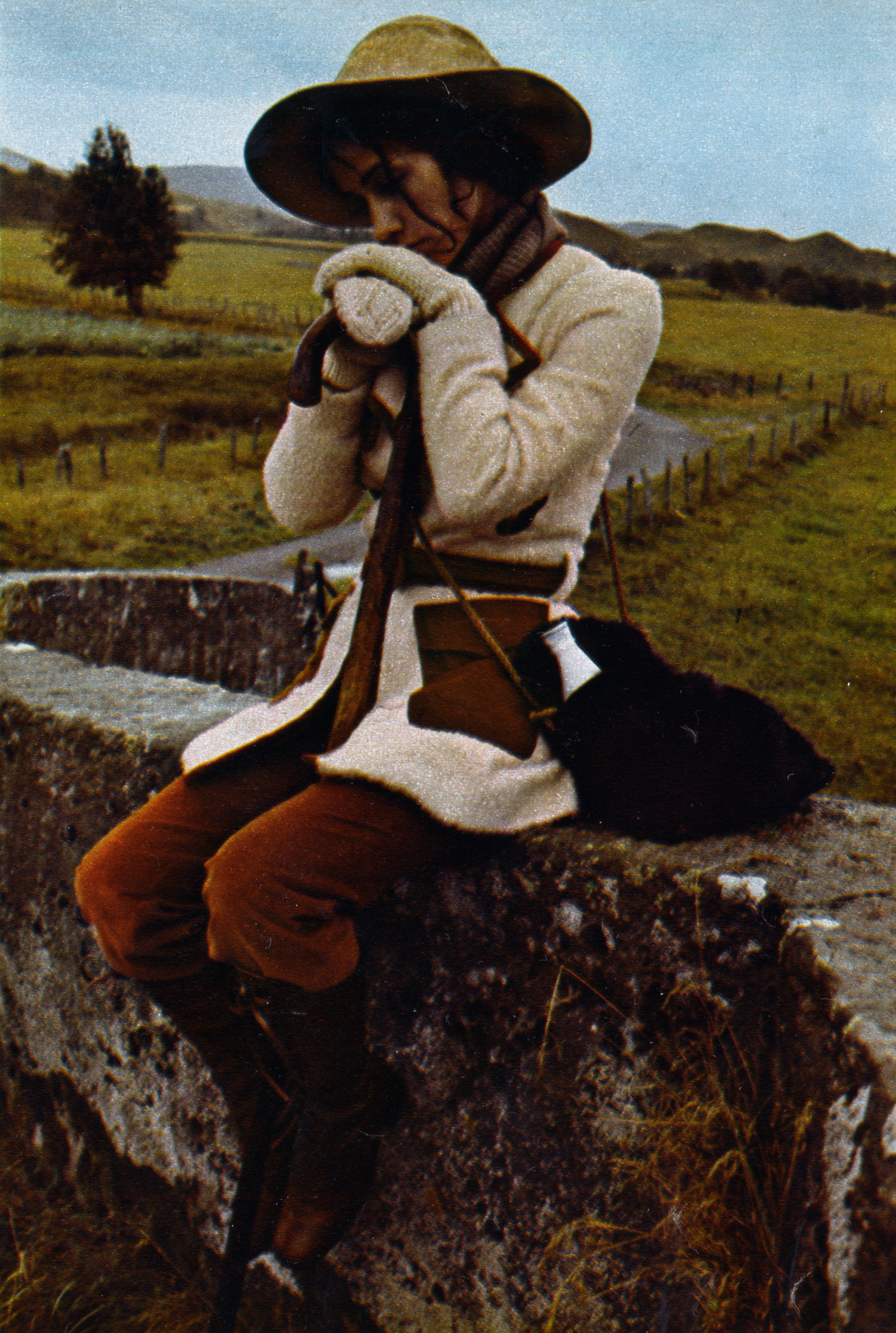
Leather and fur get more expensive every year. It’s not only the taxes and rising costs of production. It’s just that there aren’t enough good animal skins for leather around to meet the consumer demand. Furs are there in quantity for the fabulously rich. Luckily a good substitute has been found – the nylon-spun, man-made sort. Some, especially in the leather field, are so like the real thing the only way you can tell the difference is by the smell. Take the white coat on pages 46 and 47. It’s fake and costs about £50. It has a double in real fur and leather for £270. Made by the same people who have duplicated most of their collection this way and it takes an eagle eye and nose to tell the difference. Others are just furry, woolly fabrics, obviously not imitating some four-legged friend, which is one of the nicest things about them. This fur fabric is now getting the treatment it deserves. Nairn Williamson (more famous for their Vinyl floor and wall coverings) were the first to see its potential and got six designers to use their Velmar fur fabric in their winter collections. Jane Whiteside for Stirling Cooper (new label getting famous fast for their beautiful jersey co-ordinates) was the cleverest of them all. She used the best sludgy colours, mixed it with needlecord to make a group of jackets and coats to go with trousers, skirts and blouses. Borg (American originated and the pioneers in England of this deep pile fabric) has been around for a long time, mostly on the inside of duffle and raincoats but it’s on the outside as a normal fabric that it looks its best. Next winter there will be a lot more of it around, now that designers are getting less snobby about plastics. Not only is it as warm as fur, it is, of course, much cheaper and you don’t smell like a wet dog when you come in from the rain, either. So you can wear it herding sheep on lost weekends, or in town queuing for the cinema without any guilt feelings about ruining your assets.
Insert obligatory ‘I don’t agree with the thrust of the argument for fake furs as just a financial consideration here’ caveat from me, your content provider. Don’t shout at me, basically. But it’s an interesting insight into the mindset of 1970, and the proliferation of fake furs and skins at that time. It’s also a breathtakingly styled and photographed work of art from Caroline Baker and Jonvelle.
Fashion by Caroline Baker.
Photographed by Jonvelle.
Scanned from Nova, January 1970.

 Liz Eggleston