

An age-old game! However well-dressed you are, you’ll always wonder whether her dress-sense is better. Pretty and pastel; cool and chic. Which one’s you?
Photographed by Didier Duval.
Scanned from 19 Magazine, September 1972.
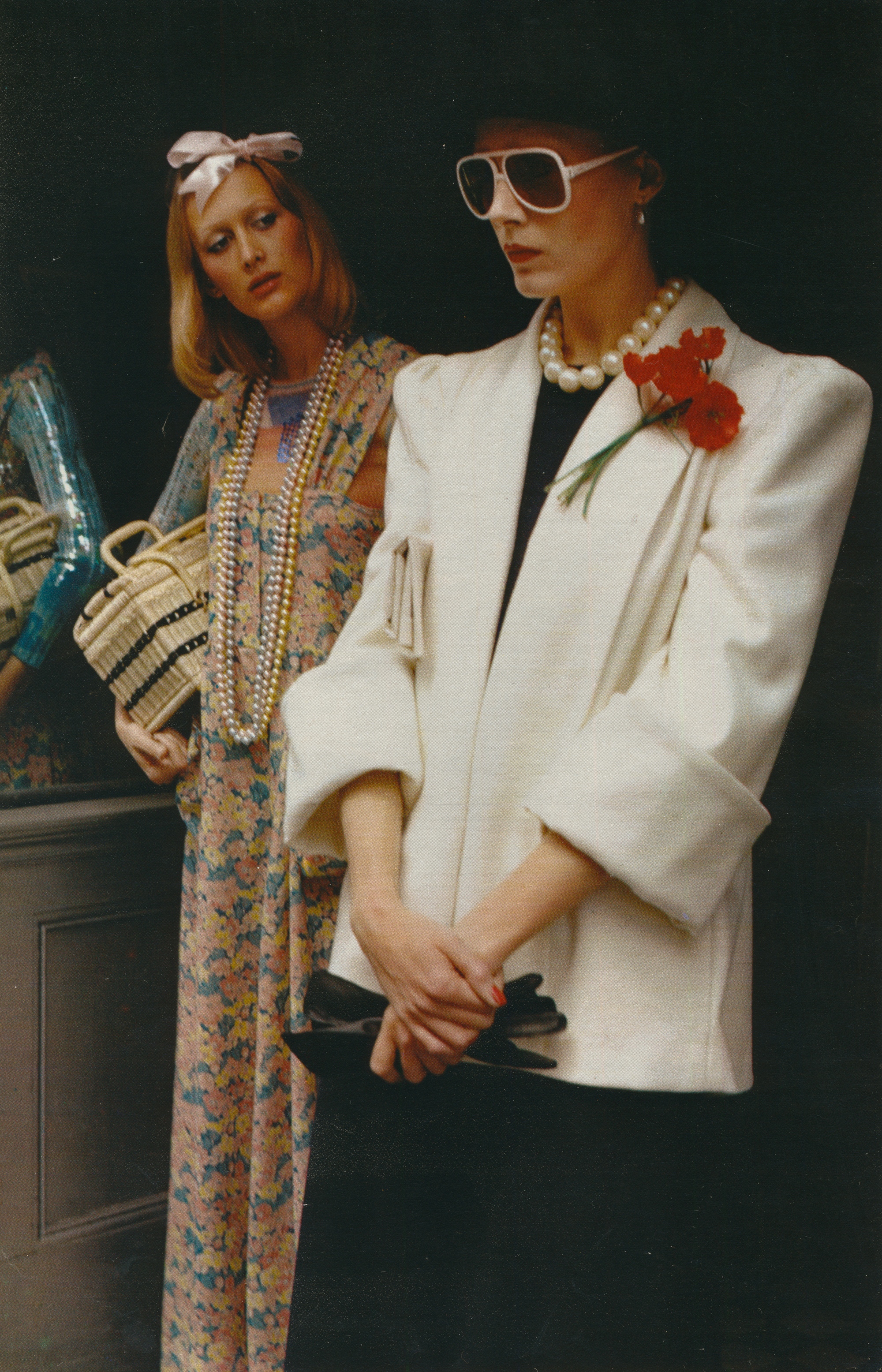
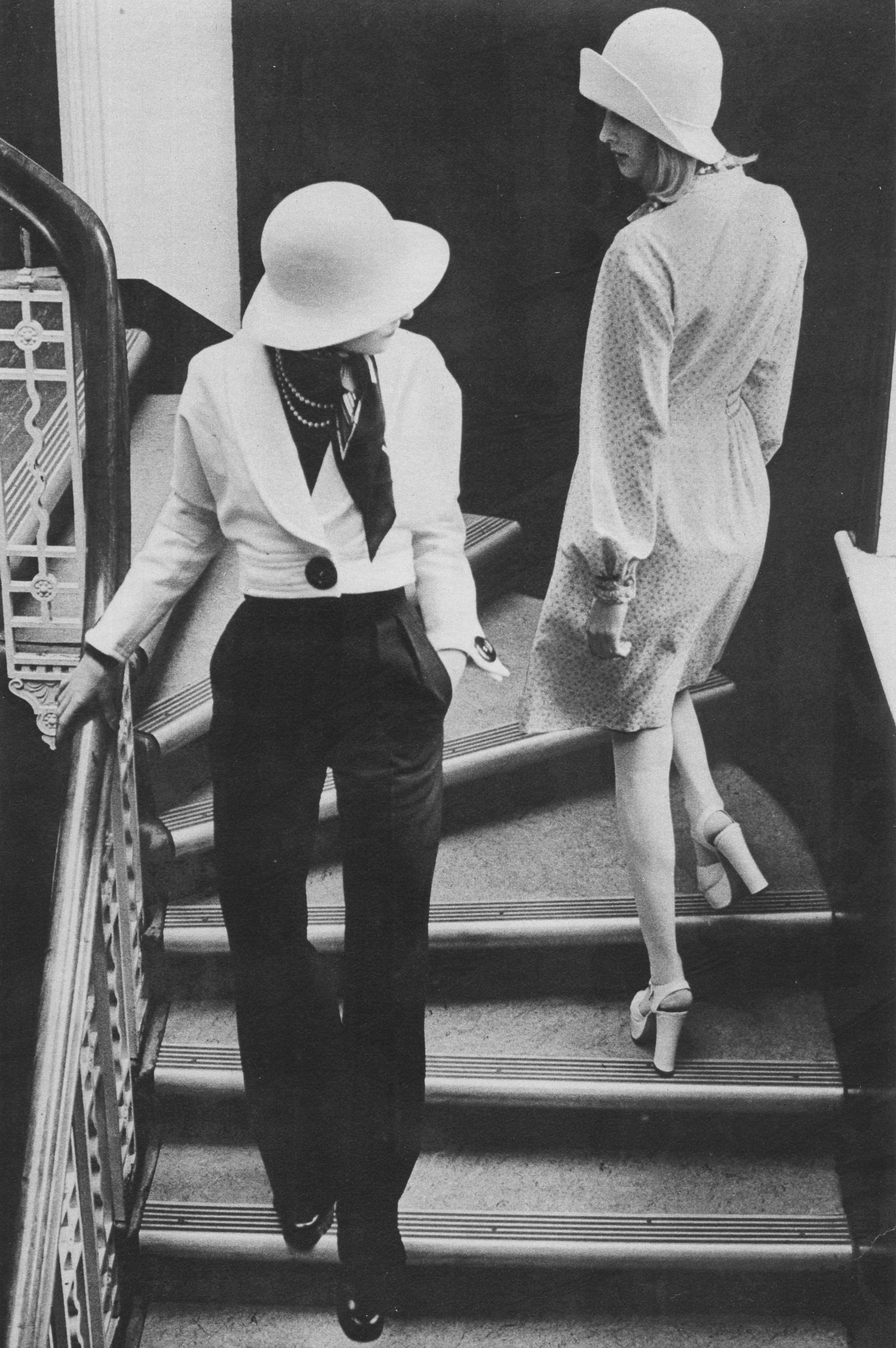
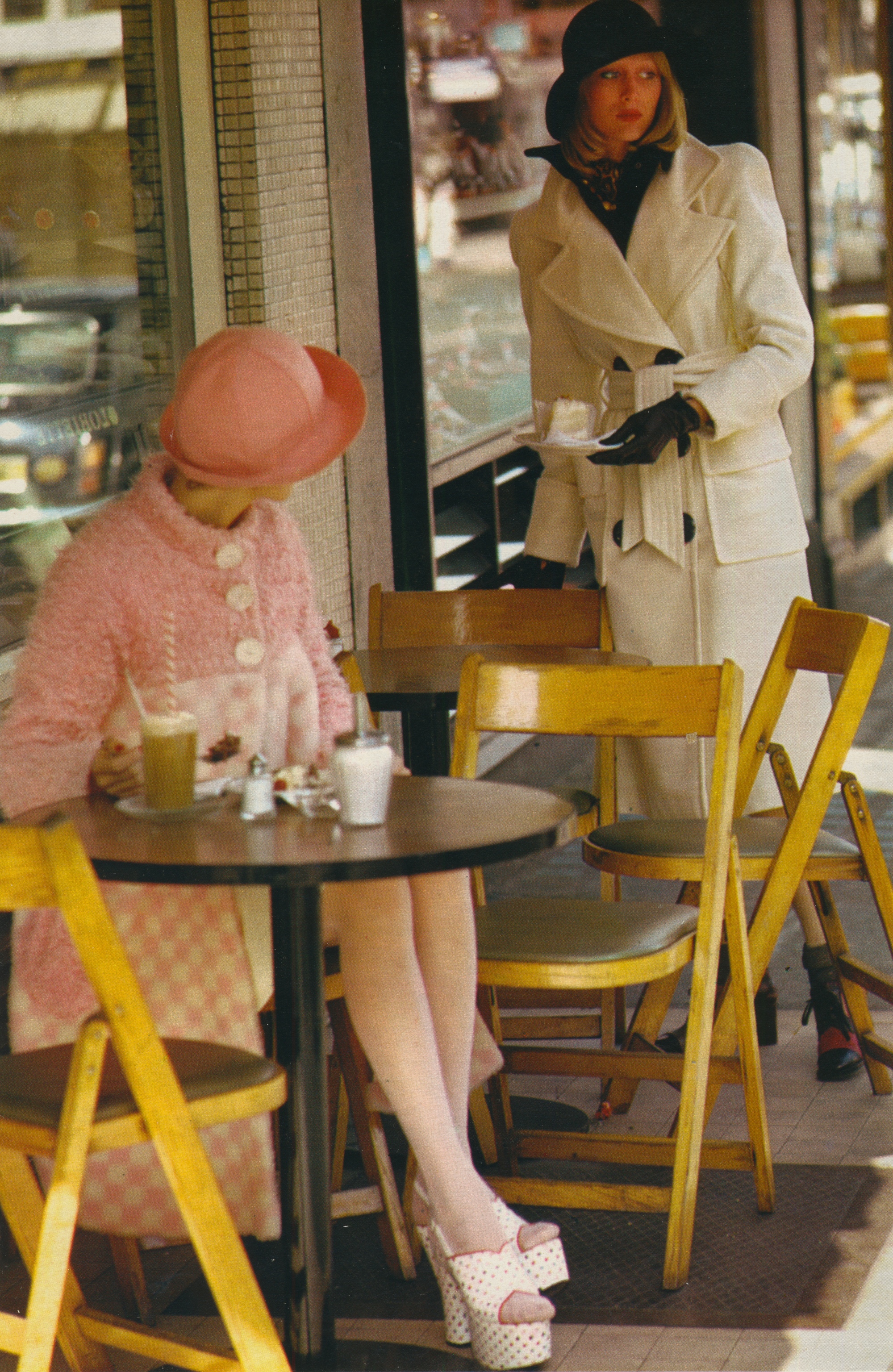
An age-old game! However well-dressed you are, you’ll always wonder whether her dress-sense is better. Pretty and pastel; cool and chic. Which one’s you?
Photographed by Didier Duval.
Scanned from 19 Magazine, September 1972.
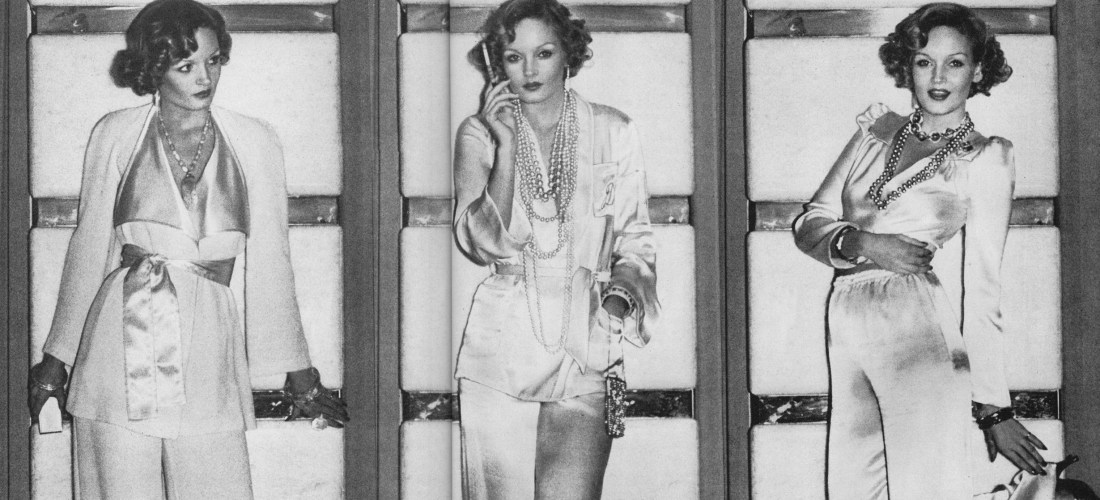
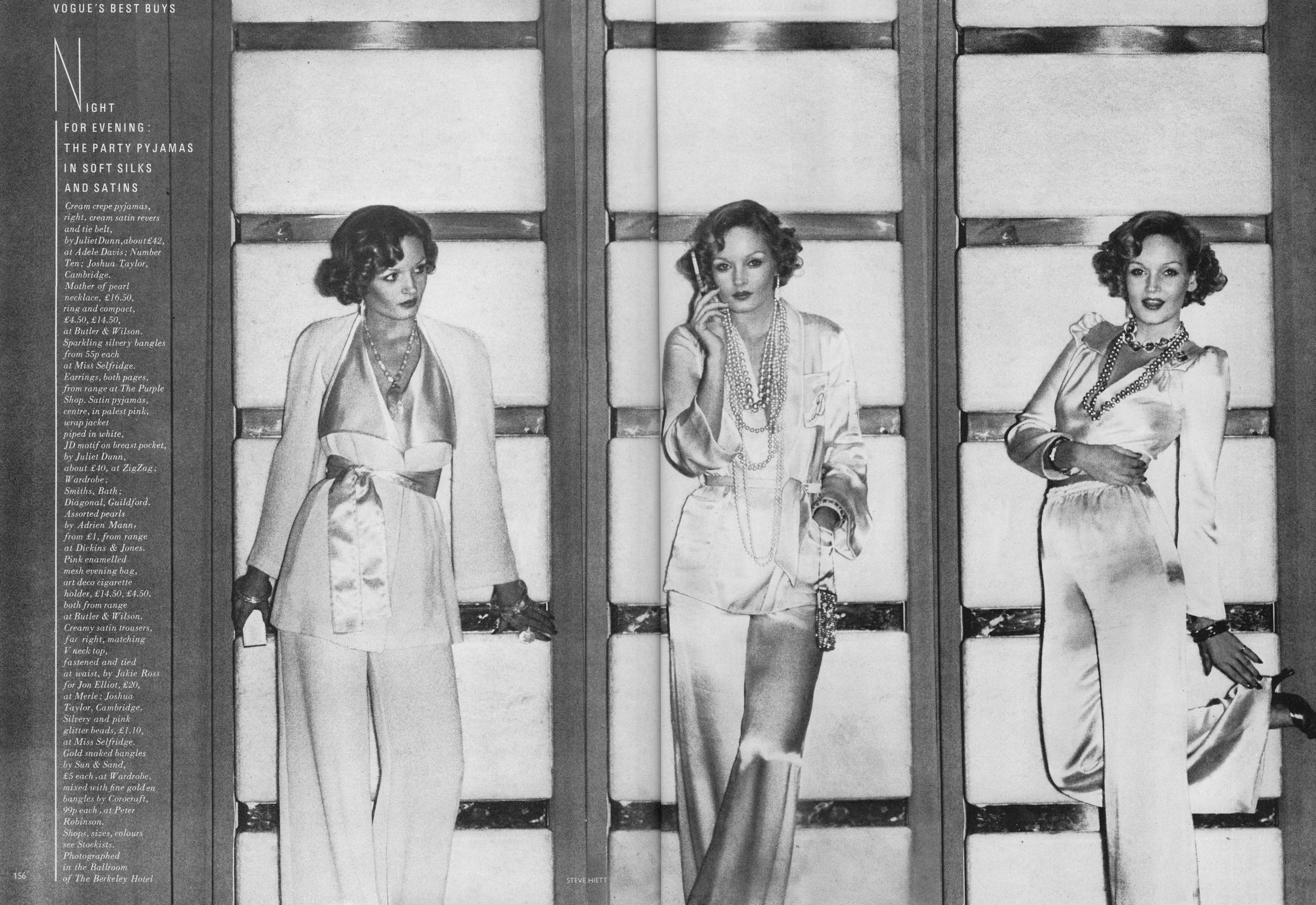
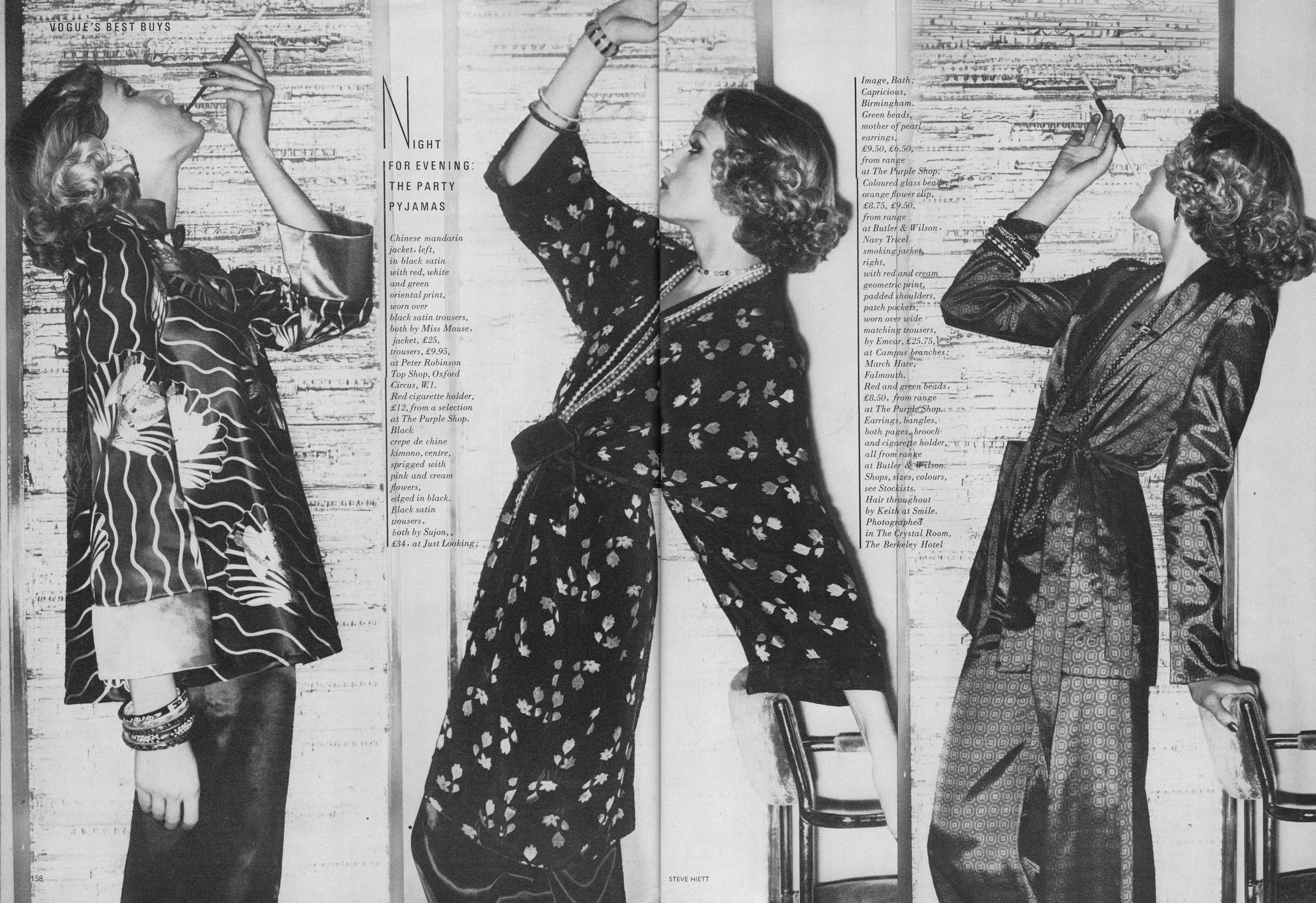
Night for evening: The Party Pyjamas in soft silks and satins.
Photographed in the Ballroom and Crystal Room of The Berkeley Hotel.
Hair by Keith at Smile.
Photographed by Steve Hiett.
Scanned from Vogue, late April 1974.
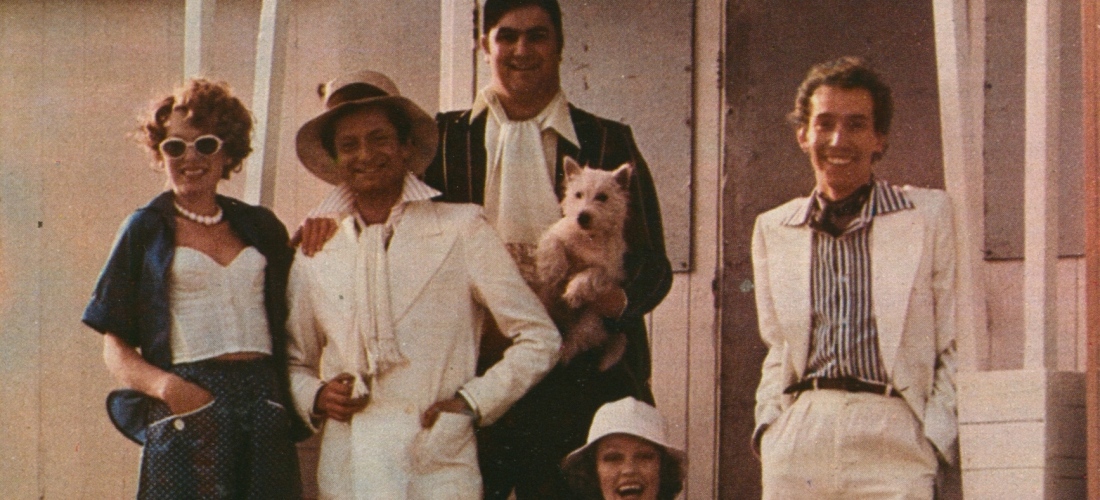

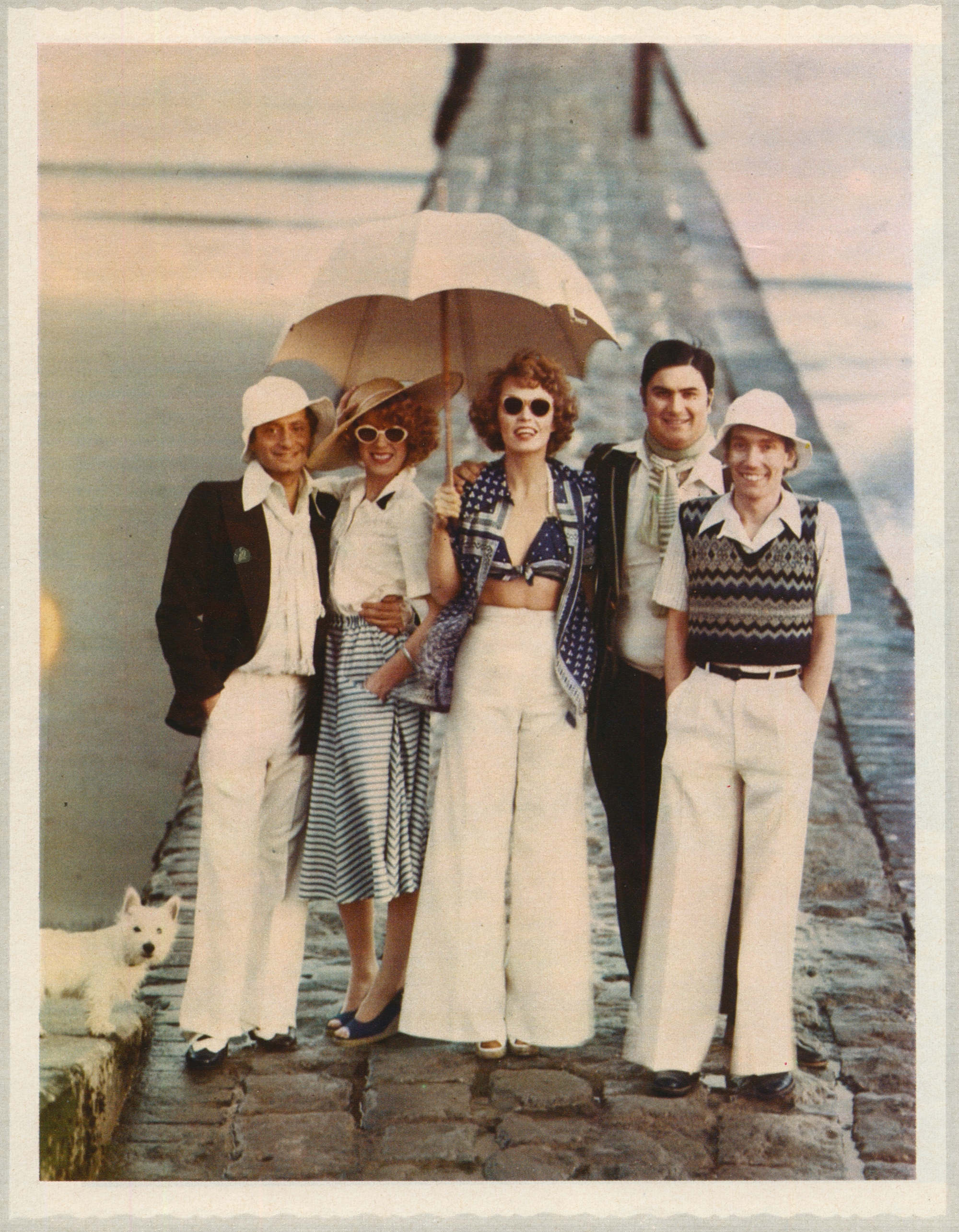
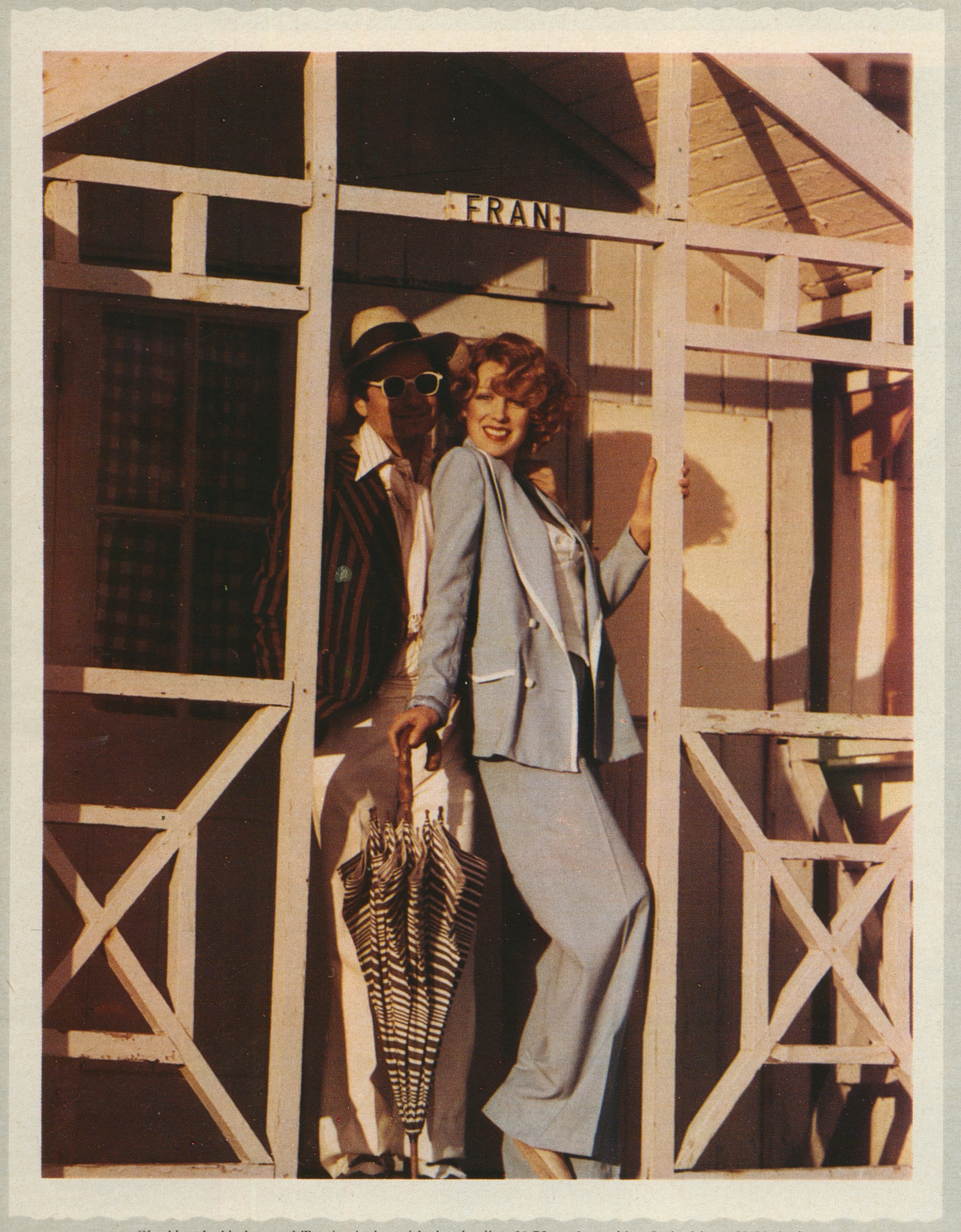
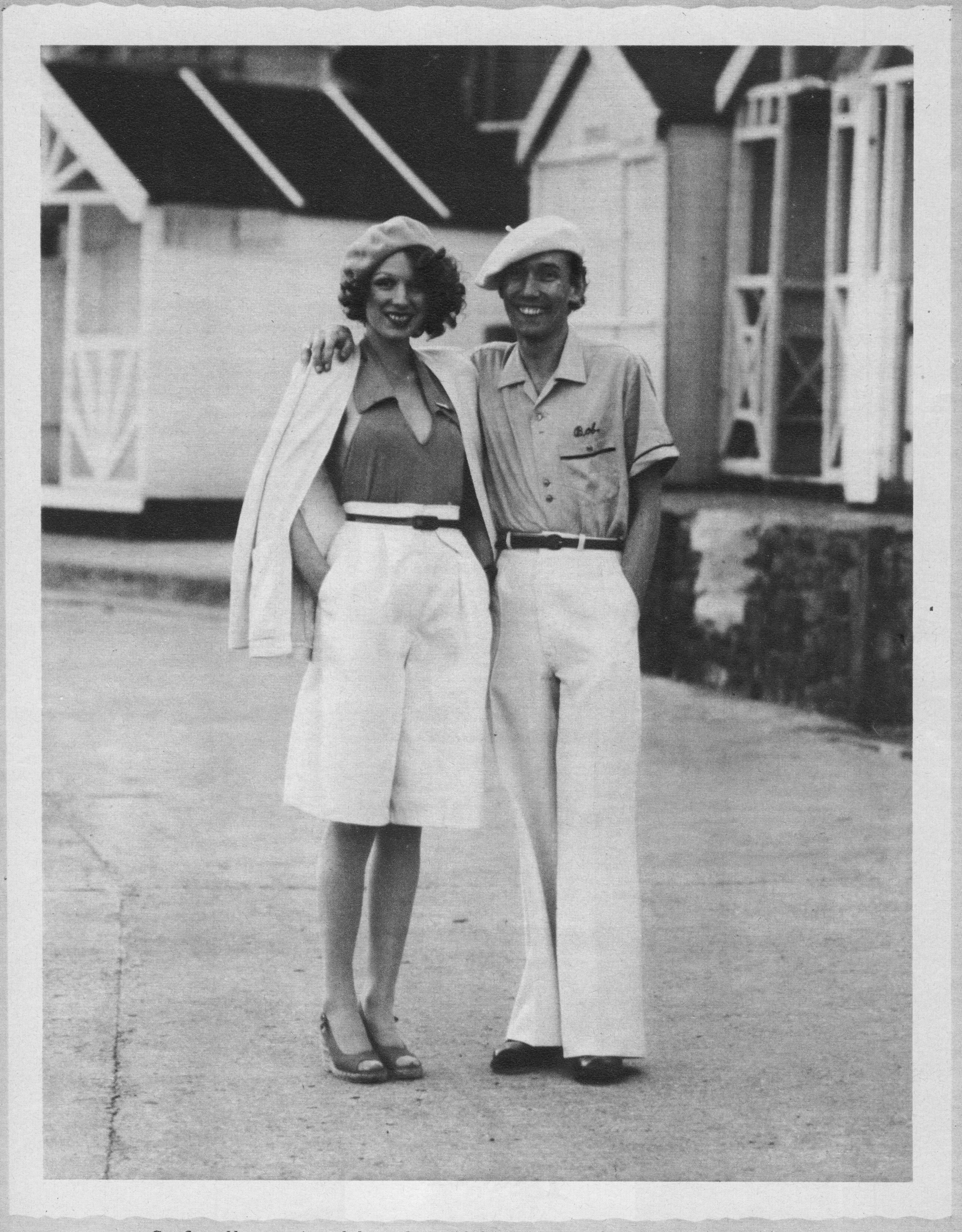
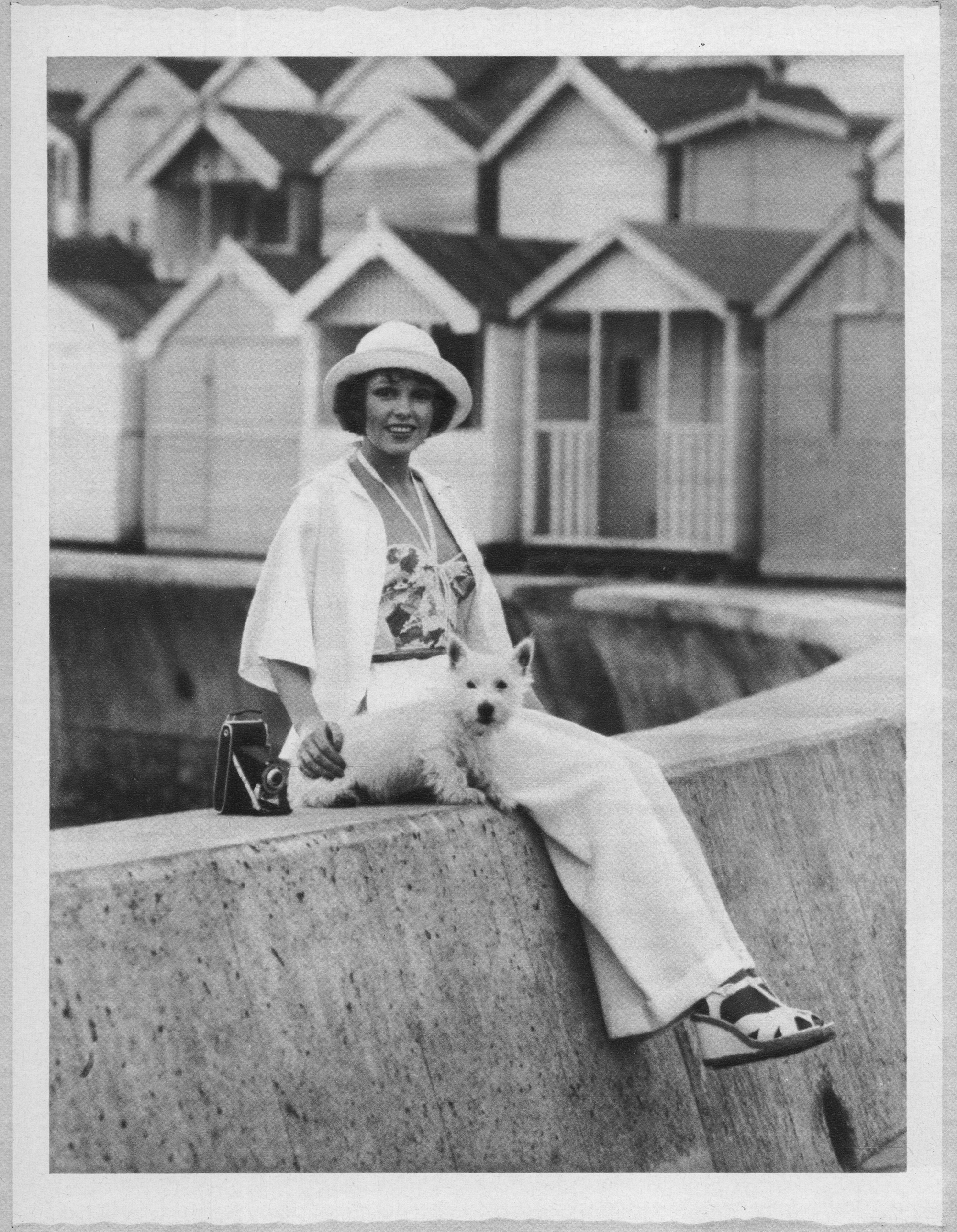
Cotton jackets and blouses, comfortable baggy trousers, skimpy bareback sun tops and neat knee-length shorts. Team them up with saucy felt berets and rope-soled espadrilles —wear them anywhere (or on the prom).
A glorious recreation of 1930s photographs by the late great Mike Berkofsky, but we all know those pups are the real stars of the show!
Photographed by Mike Berkofsky.
Scanned from Honey, May 1974.



. . . or how to wear furs this winter without hurting your pet’s feelings.
There is nothing, absolute nothing quite like wrapping yourself in fur. As a sensuous experience, it is in the same class as a new love, old champagne or fresh truffles. But even the most hedonistic of women are relieved that the threatened species are no longer imported. Snow leopards, tigers and other cats can go their own way and sensibly sybaritic female will look for furs that are farmed, such as fox and mink. This winter, too, the fakes are so wayout and wildly coloured that only a girl without a heart could resist their charms, albeit synthetic. Perhaps that’s why the fur trade have taken the hint and dipped their favourite fox pelts in the dye pot, Furrier Maxwell Croft offers his explanation of the female urge to wear and the male urge to bestow furs: “For many men it is a primitive desire to see his woman in furs.”. Very nice, too.
Plenty to scoff at the end of the copy there, but oh goodness the clothes – the clothes! And the glorious photography of Alice Springs, whose work doesn’t turn up nearly enough for my liking.
Fashion by Deirdre McSharry.
Photographed by Alice Springs.
Scanned from Cosmopolitan, November 1972.


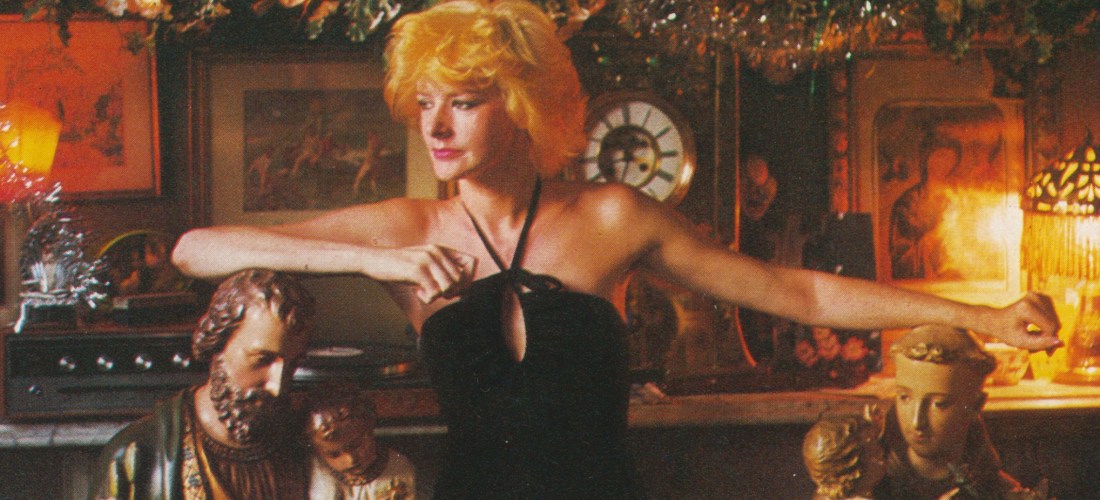
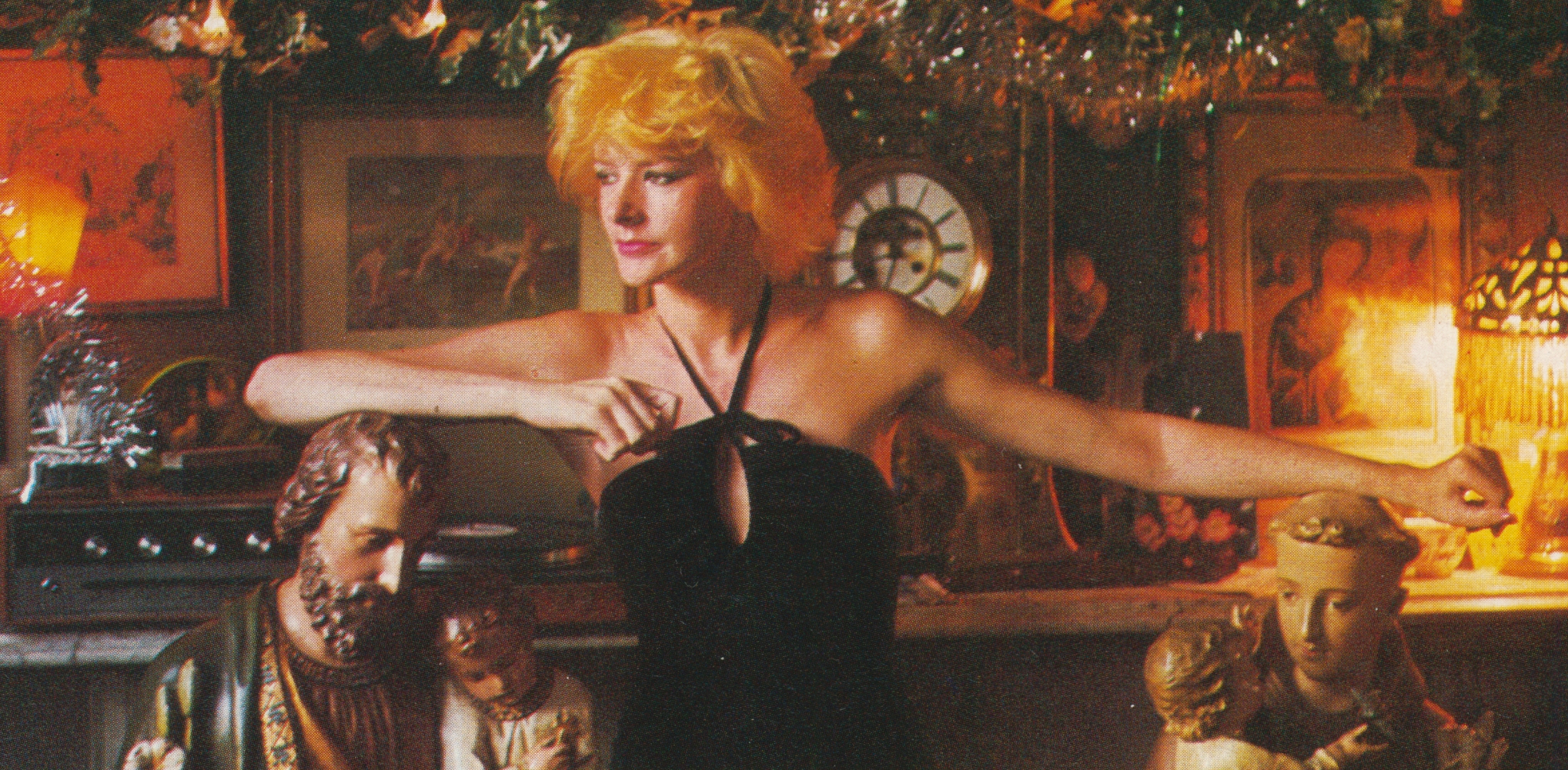
They say you can’t miss what you’ve never had, but you can. And, you can be very misguided about it. Take the time when you’re on that twilight trudge home from work and you pause, for a fraction of a second, in front of a lighted window to envy a couple immersed in conversation. It’s a moment of exquisite, self-indulgent, single-girl melancholy. A very wise person once said: “Be careful of what you want in life. You may get it.” Living in tandem comes to most of us in the end — but spend the intervening time merely waiting for this state and you’ll miss out on a period of absolutely justifiable, selfish please-yourself that is the unique bonus for being single, when you can choose, unfettered by any taste other than your own. You can paint the bathroom puce or lettuce green and have only your own hangover to tell you you’ve boobed. You can work out your own furnishing priorities — like a good, thick carpet to sit/lie on and some decent sound equipment — and cut down your food consumption drastically for a few weeks, or months, to achieve them. You can use the time you might have spent cooking doing something sensational to jumble sale jetsam. You can be poor in style, because time and energy can make a pretty good substitute for money. None of the single women on these pages has money. What they do share is a strong, single-minded sense of their own individuality .. . It’s something they take for granted, but it shows in their lives and in their homes.
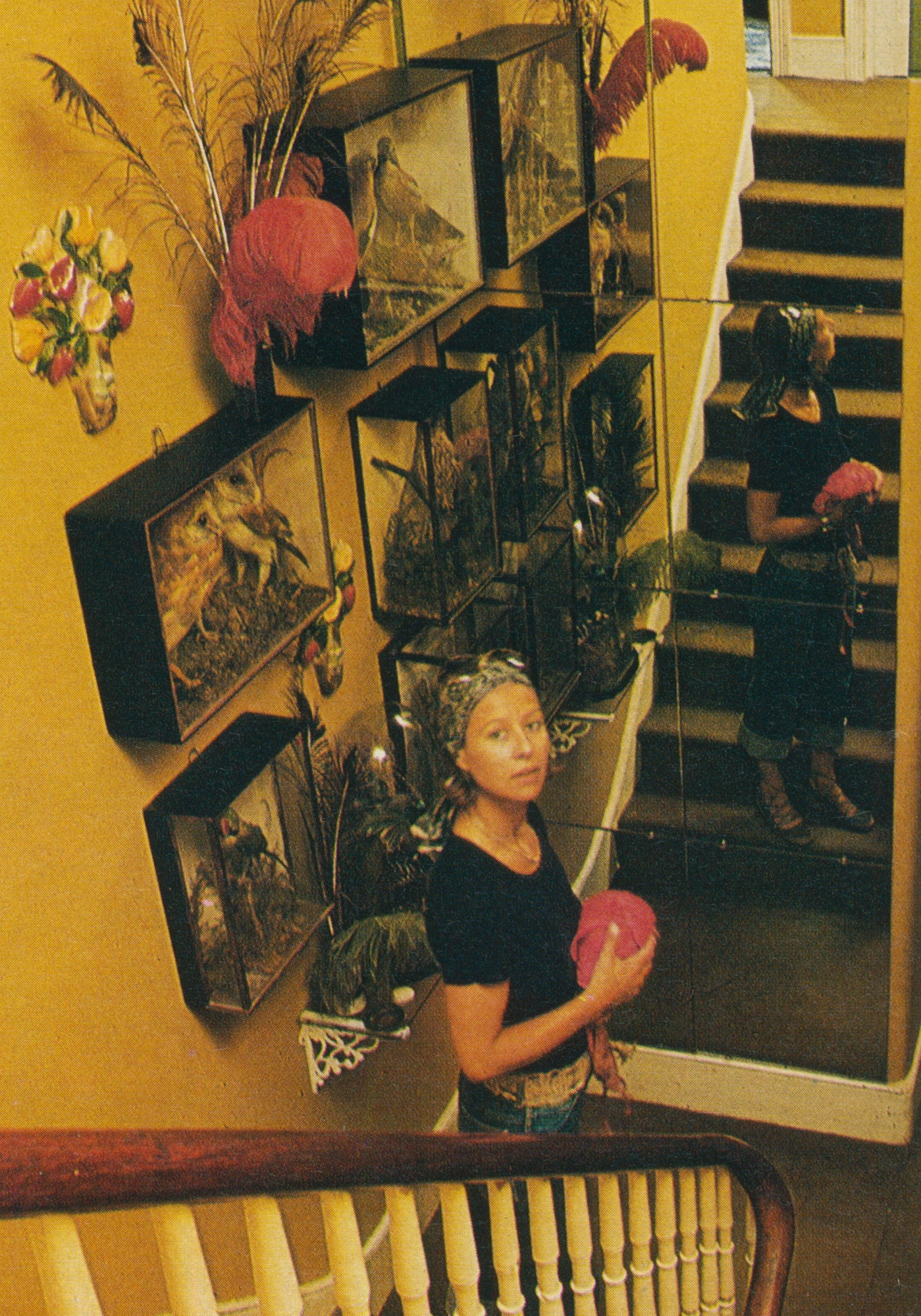
Wonderful to get an insight into the home of the slightly mysterious Rae Spencer Cullen, and what a home! Then again, magpie that I am, I would happily live in any of these beautiful pads.
Interviews by Penny Ragord.
Photographed by Tim Street-Porter.
Scanned from Over 21 Magazine, October 1976.
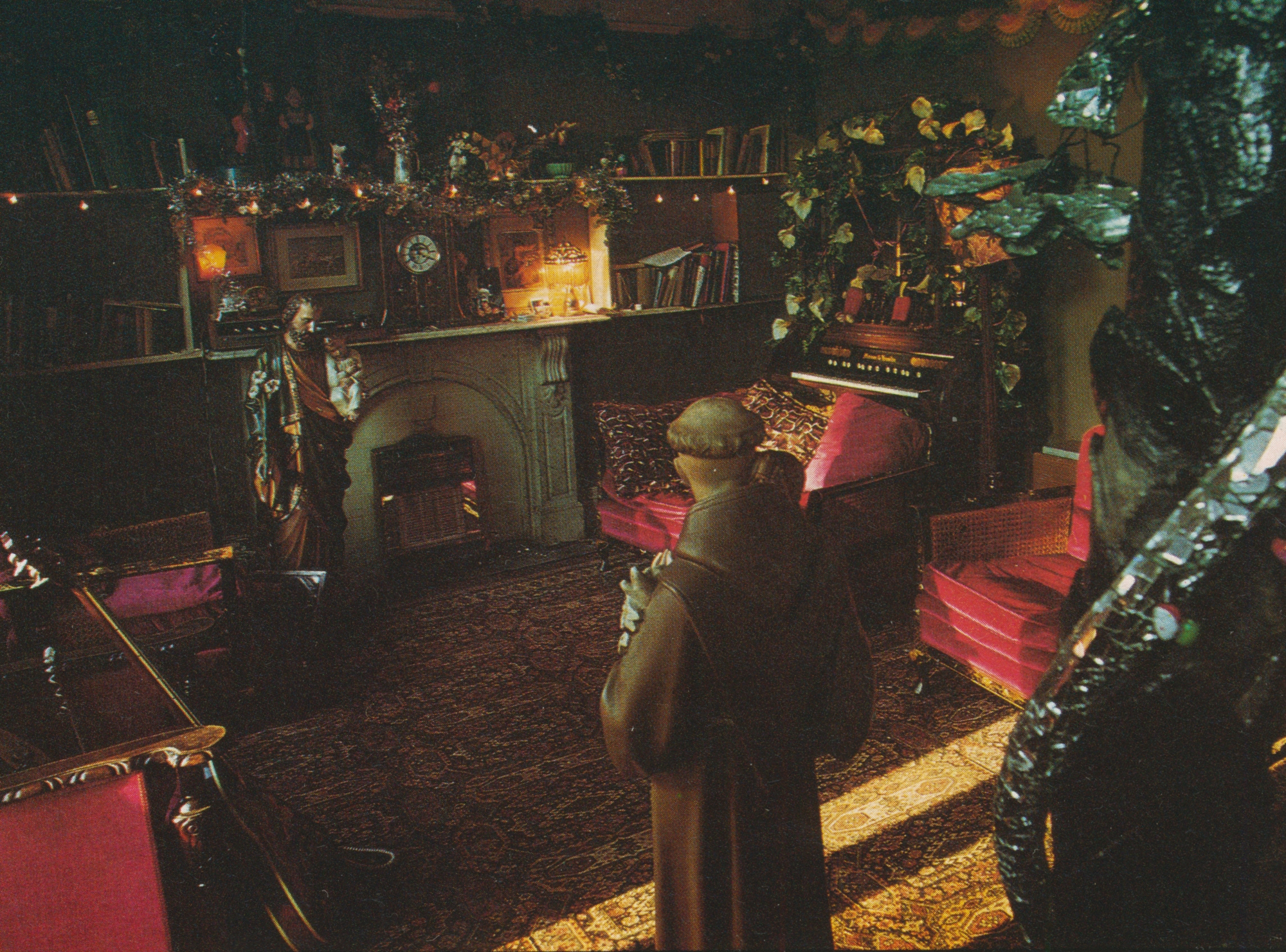
Rae Mouse should be prescribed in small doses to anyone with single-woman blues. Small doses because what she gives out is strong stuff, and it’s not sympathy. “People make far too much fuss about their own per-sonal aggravations,” she says. “And they expect someone else to come along and rescue them. But no man, woman or child can do that, and the sooner they realise this, the sooner they’ll be able to get on with life and stop letting their hang-ups get in the way of having a good time.” This would be hard to take from someone who’d had it easy. Rae hasn’t. She is ‘Miss Mouse’, a fashion designer who, with one colleague, started her own design/ manufacture business from one room in 1970. For four years they managed to keep going, making everything themselves in the early days, and the ‘Miss Mouse’ label became very well known. Then came the slump, the bank manager lost his nerve and the business folded. But Rae didn’t give up. She got herself, and her name, bought up by a big manufacturer and carried on, in a posi-tion of considerably greater security and with her design free-dom very little diminished. But it’s still hard work. When we met, she’d been up since five for the umpteenth morning, working against a deadline to get 60 prototype designs completed. She works from her own home in Putney, just south of the Thames, in an amazing room that is sombre, rich and fantastical. It’s furnished with plum velvet sofa and chairs, dominated by a vast black tulip sculpture by Andrew Logan and crammed with religious statuary and knick-knacks, including an old harmonium hung with macabre, artificial arum lilies. “It’s not that I’m particularly religious,” she explains, “they’re simply beautiful in themselves as objects.” Her taste is obviously and totally individual — “although I’m very influenced by my friends, especially the creative ones. But,” she adds, “I’ve never found that having pretty strong ideas about what one likes causes any conflict. In fact, people rather like it. They know just where they are.”
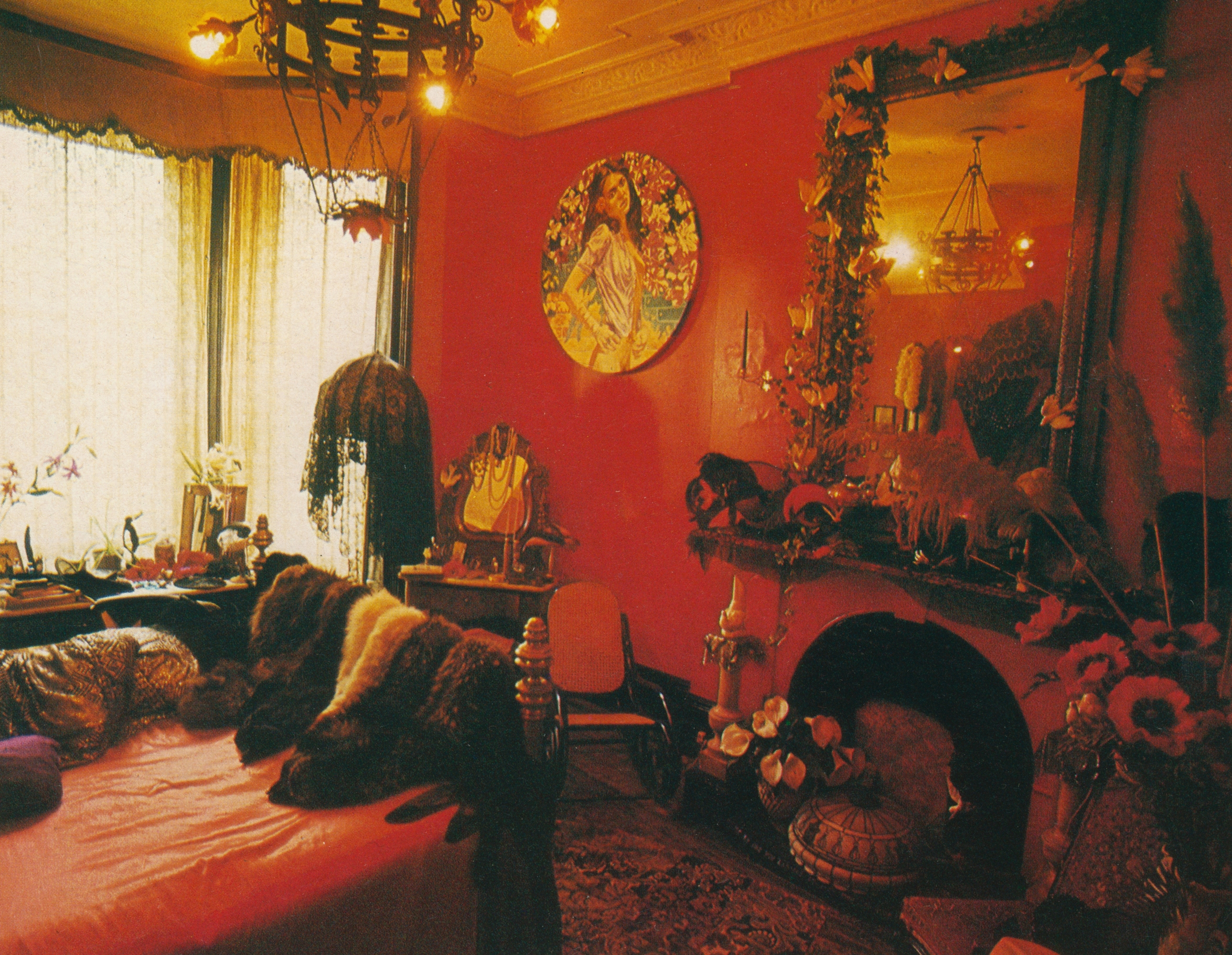
“People who only see me at parties think I do nothing,” says Luciana Martinez della Rosa. This, in a roundabout way, is because she’s an extremist. Predominantly a painter (so far she’s exhibited in mixed shows in New York and Rotterdam), she also makes extraordinary and beauti-ful bead wigs on commission. And the reason people think she’s a very decorative do-nothing is because she buries herself at home, working for days and sometimes weeks on end, and then explodes into the much needed relief of a short, sharp, burst of social life. Her finances tend to be extremist too: long periods of scraping by on an over-draft until she suddenly sells a painting, pays back the bank and the rent — and spends the rest. It’s a very deliberately chosen way of life, and in some ways it’s a lot tougher than a stultifying but secure, nine-to-five job. “I could do things that would earn me a lot more money,” she says, “but then I wouldn’t have time for the most important thing, which is my work. Even a part-time job would break up my day and my concentration.” For the same reasons, anyone with whom she becomes involved, on an emotional level, must be as independent as she is herself. So she shares a house with another painter, Kevin Whitney. And she points out that being single and living alone are two separate concepts: it’s obviously good to have a friend around to sympathise with successes and disasters. But her part of the house has her own character and taste written large and uncom-promisingly across it. “People who work away from home, and then probably go out quite a lot in the evenings, seem to need less personal surroundings. But I spend a lot of time here, so it has to be very me.” Her bedroom says it all: scarlet, and over-flowing with Art Nouveau pieces, old fabrics and furs. She’s been a jumble sale addict since she was 12, and they’re still the major source of her wardrobe. “But they never look like old clothes,” she says. “Because of what I do to them. If I could, I’d have every-thing, clothes and furniture, made specially for me.” It was as a child that she started buying up all the Victoriana that no one else wanted. “My mother thought I was mad.” Not so mad now, because, although she swears that nothing in the room was expensive when she bought it (“Except the bed. That cost £40”), its contents would make a market stallholder weep with avarice. “I suppose some people might find it all a bit overpowering,” she says. “Especially a guy. Not too good for his ego. But I think you tend to gravitate towards people who like the same sort of things as you do. And anyway, I get a lot of pleasure from seeing other people’s places. I hope that it works both ways.”
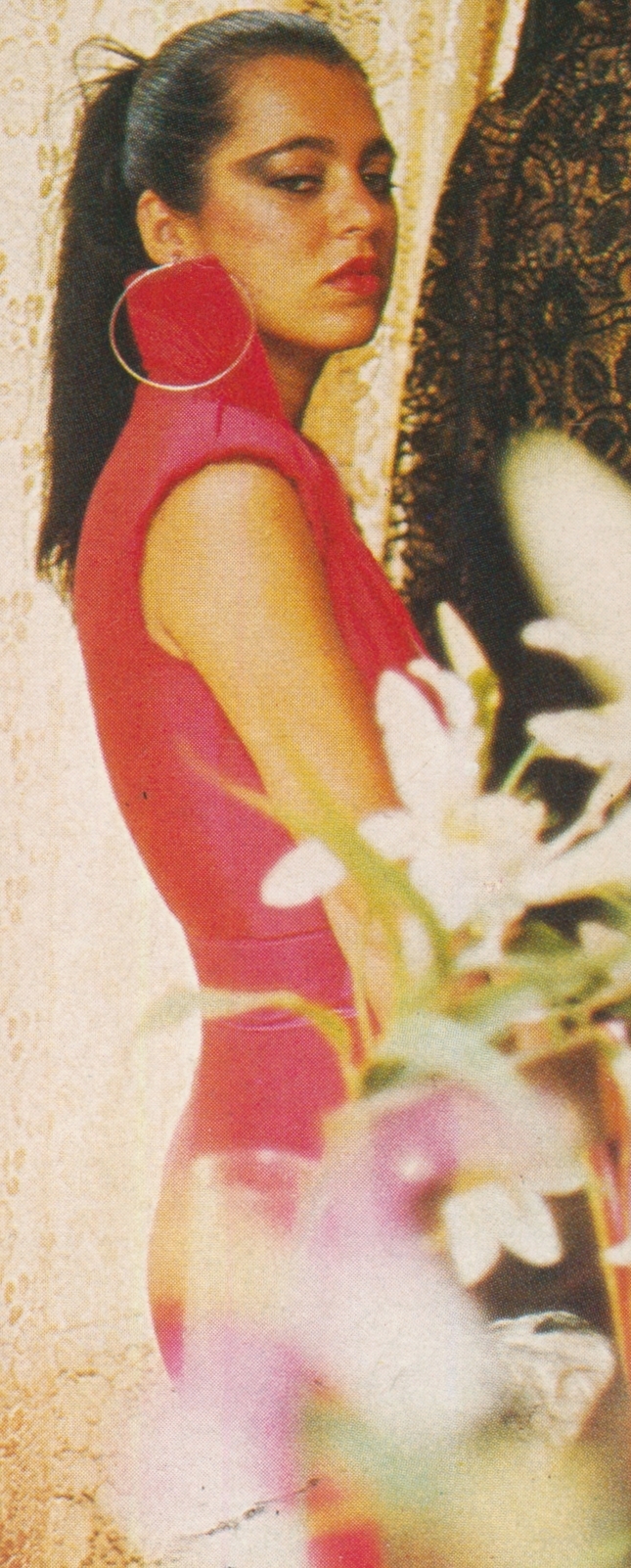
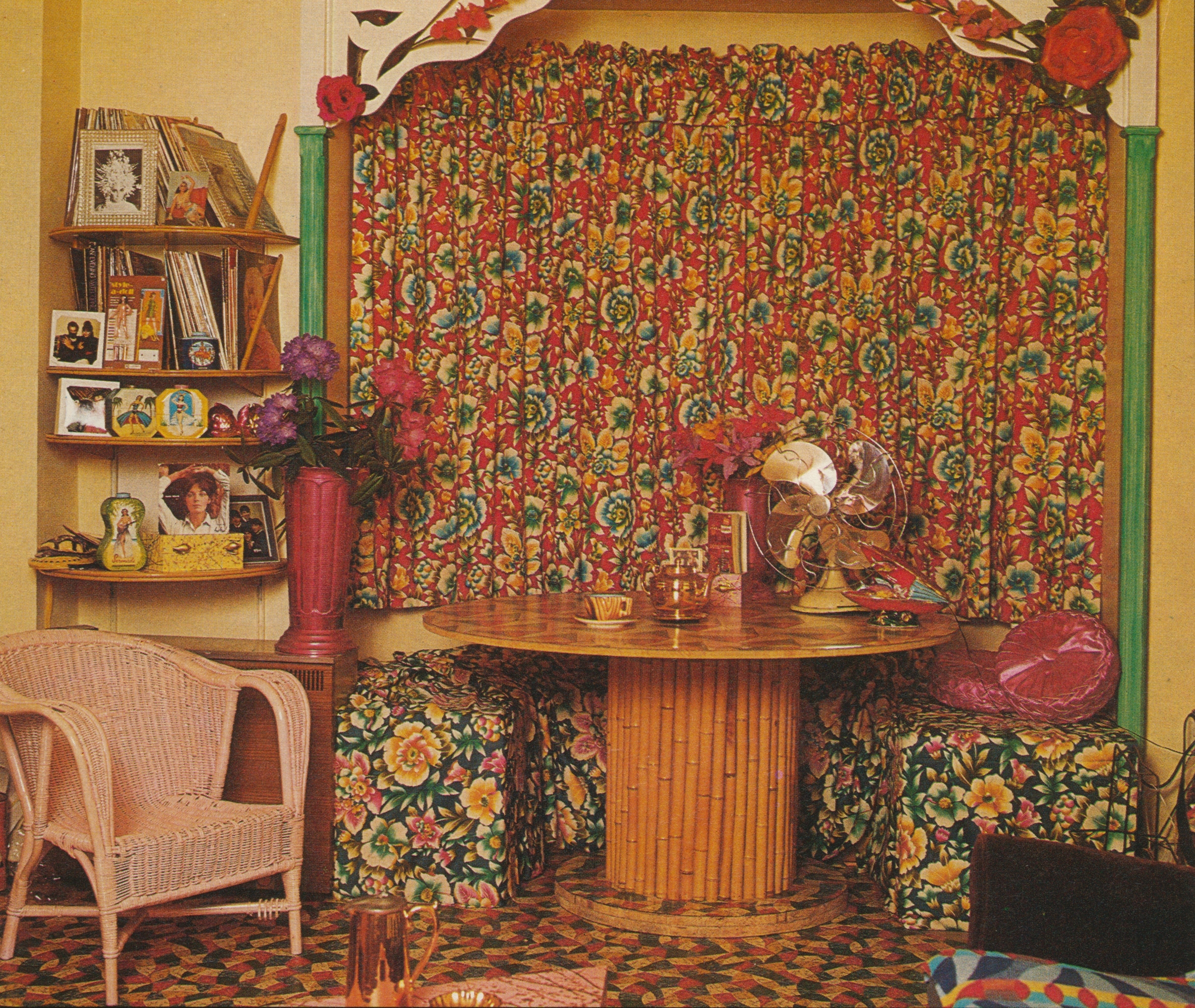
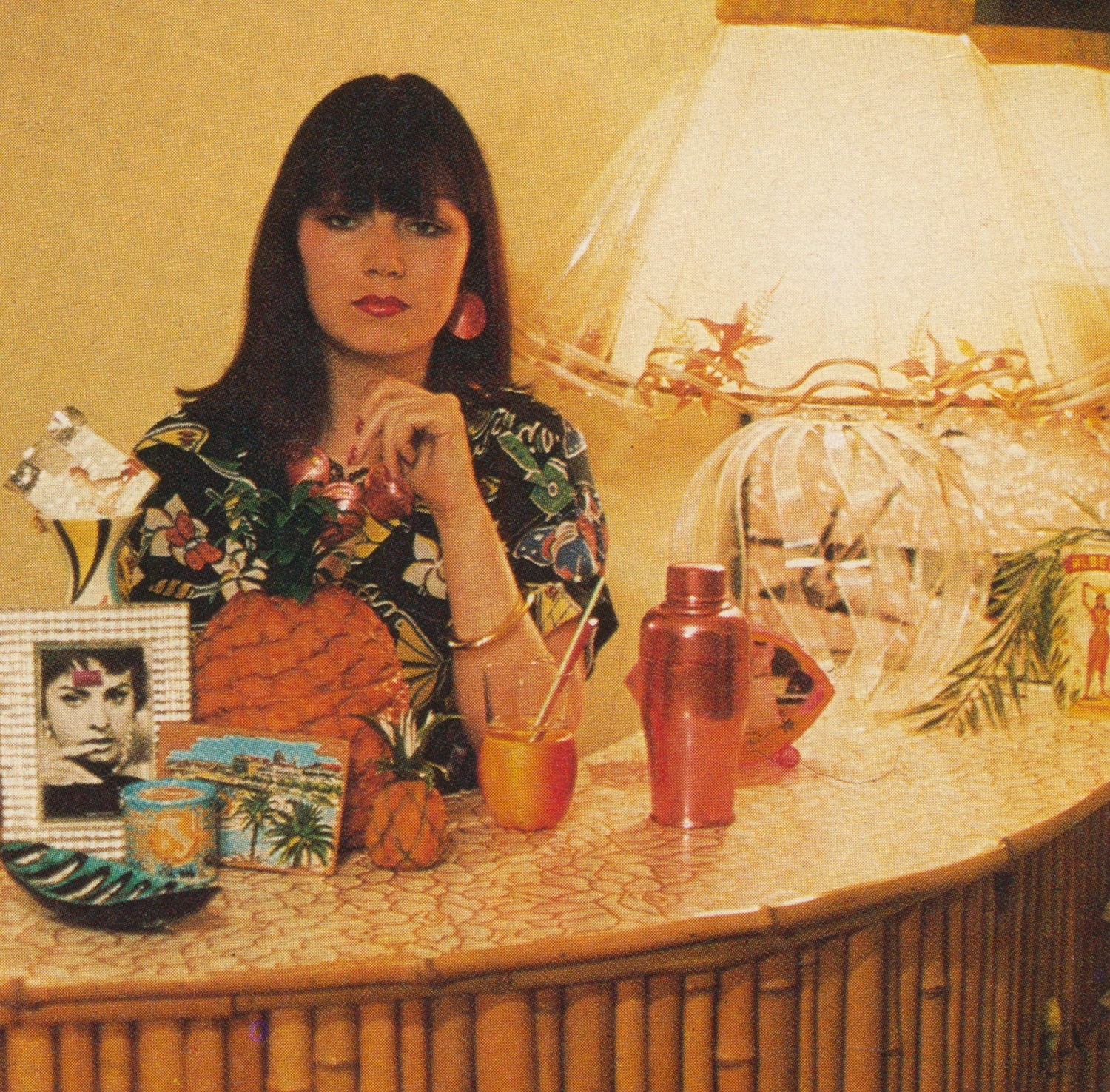
Prudence Walters is Welsh, an only child with a convent up-bringing. At 18, she left home for art college in London, and she hasn’t really looked back since. In her time, she’s been a magazine fashion editor. Currently, she works as a stylist, freelancing for photographers who need the right look for a session. It’s hard work, and quite well paid — if and when people get round to paying. The big advantage is the free-dom, finance permitting, to organise your own working life: deciding to work every day for four months and then take two months off. Prudence lives in a basement flat, complete with cocktail bar, that is uncomprisingly set in the 1950s, a style that she genuinely loves. She obviously treasures her independence, seems to know exactly what she wants in life and to be very contented with what she’s got. This doesn’t preclude men, but they have to accept that her way of life is as important as their own. “I’m a bit ruthless,” she admits. “I have lived with people and I do like it. But I tend to get bored with people quickly and I don’t really like getting to know anyone too well.” The bit that gives her the real horrors is the extra housework that dual domesticity inevitably brings with it. “I probably wouldn’t mind doing it all if there were compensations, such as someone else keeping me in the standard of living I’ve been able to achieve for myself.” But since she can, if she chooses, earn as much as most of the men she meets, or more, the idea of being breadwinner, cook and bottle-washer doesn’t appeal to Prudence Walters at all.
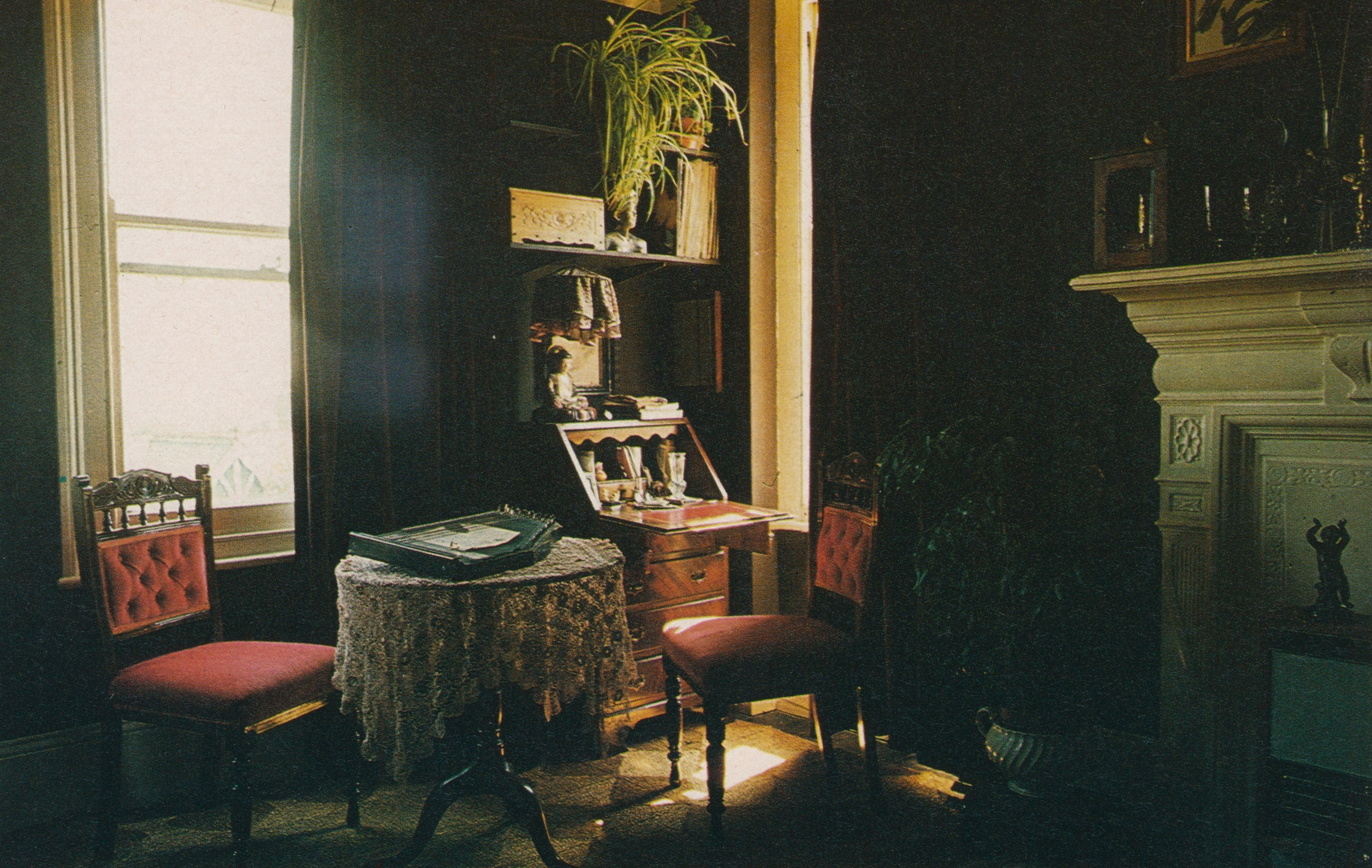
Ursula Yeardye has been through two marriages and out the other side. At the moment, she’s very much biased towards the single life. “Somewhere,” she says, “there may be a man who doesn’t simply want to be looked after, and it would be nice to find one, but both my husbands merely wanted mothers. I tried to fulfil that role, modelling myself on my own mother. But it’s no good to either of you if you become a martyr. I’ve always needed my independence and there simply wasn’t enough of it. I had to get my conditioning about marriage through my system and then get out before I got too damaged and lost sight of my own potential.” Before her first marriage, she studied mime with Marcel Marceau in Paris and toured the States for two years with the company. Now she’s running a small commercial firm in London, but she’s started retraining as a keep-fit leader, studying modern movement and yoga, with the aim of teaching some time in the future. She knows the disadvantages of single life: “I like going to places by myself, but people still look at you strangely if you’re on your own in a restaurant or a cinema. They either steer clear of you or approach you, and both for the wrong reasons. The social structure is still against you. You’re swimming against the stream!” But the advantages are there too: “You have complete freedom. You go home, sit down and think, ‘What do I want to do next?’ And if you don’t want to go home, you don’t have to. There’s no one sitting in front of the ‘fridge, waiting for you to cook them a meal.” Since she’s been single, she cooks far less —except for entertaining, “and that’s cooking for fun, it’s really great”. She lives mostly on fruit and vegetables, and the money she used to spend on what she calls `man’s food’, she spends mostly on her home, which has become something of a symbol of independence. After rent, her salary leaves her enough to do a little more each week. She paints, sews, upholsters, renovates, and what she’s done to the top two floors of a rather dilapidated terraced building is quite remarkable. “It took me a long time,” she says, “to learn that it’s no good living for the past, or the future —always hoping that it’s going to get better. You must live for the present, and enjoy it as much as you can.”
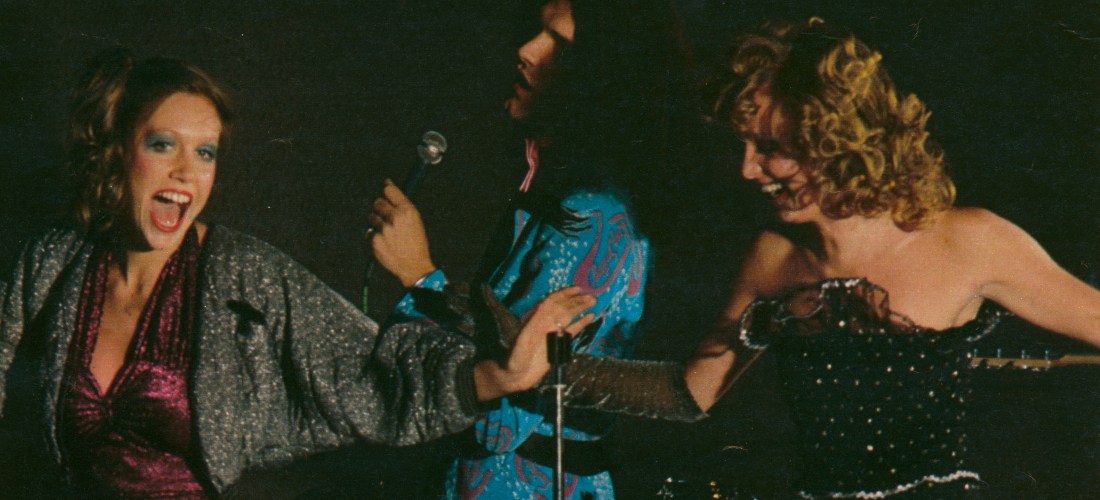
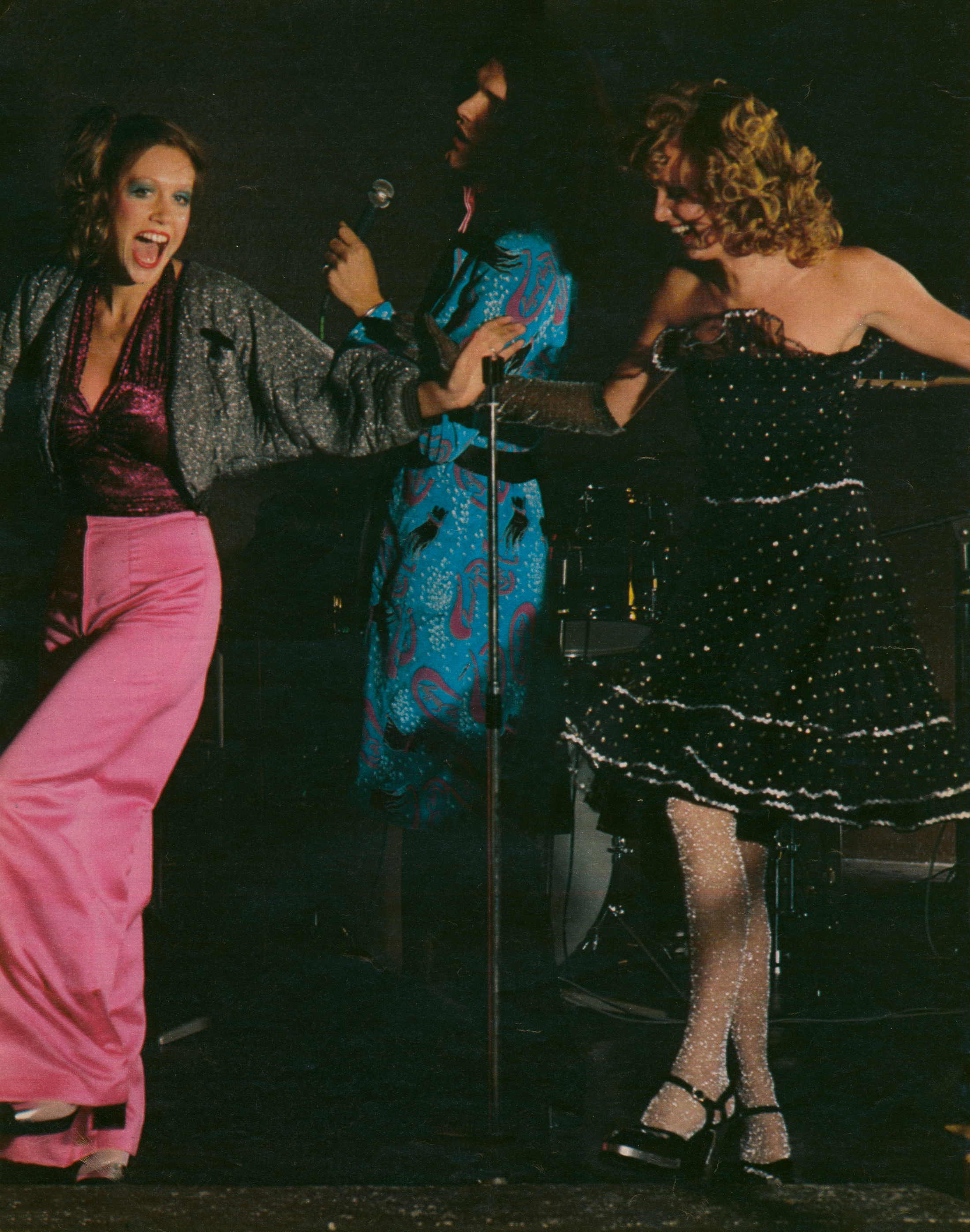
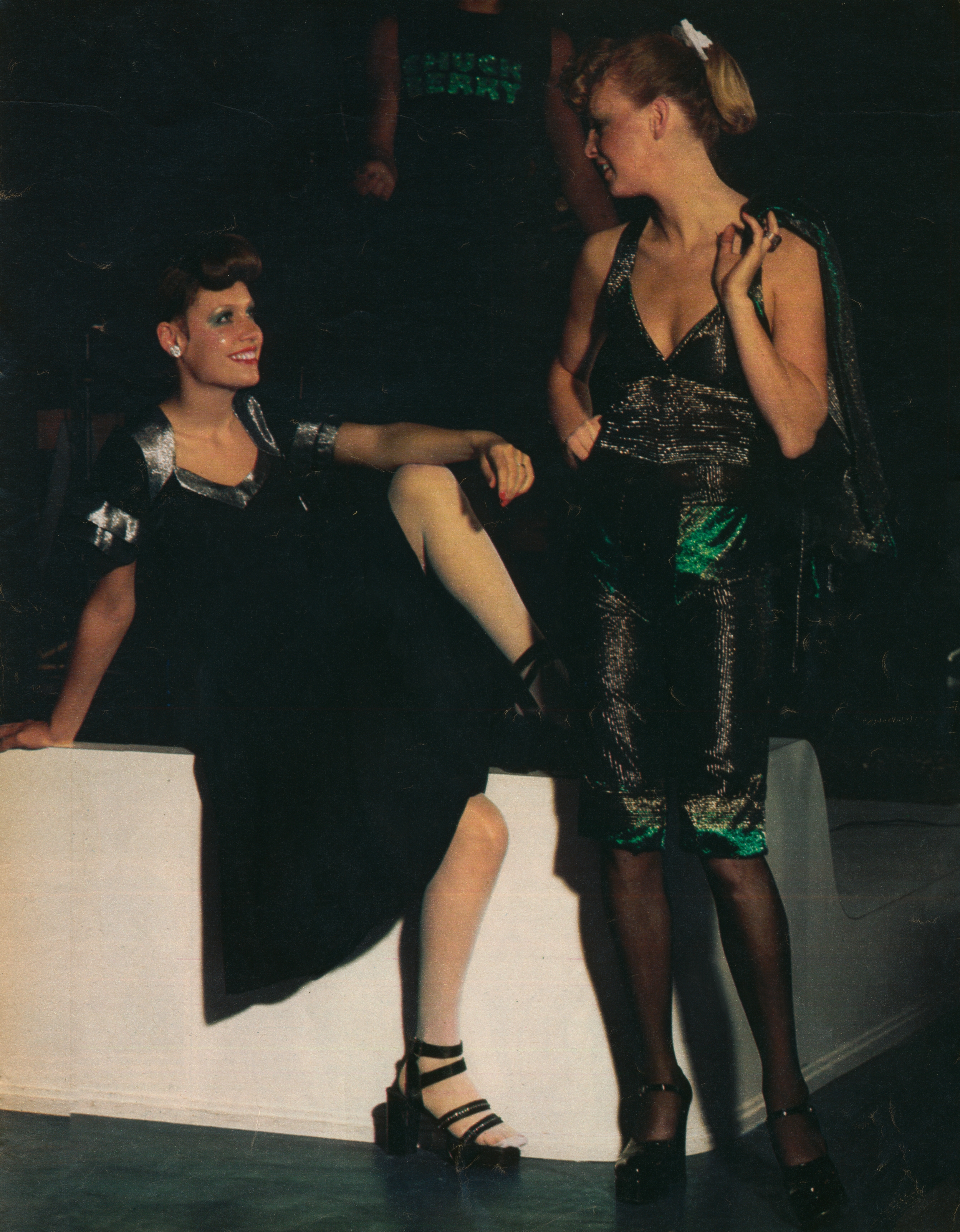
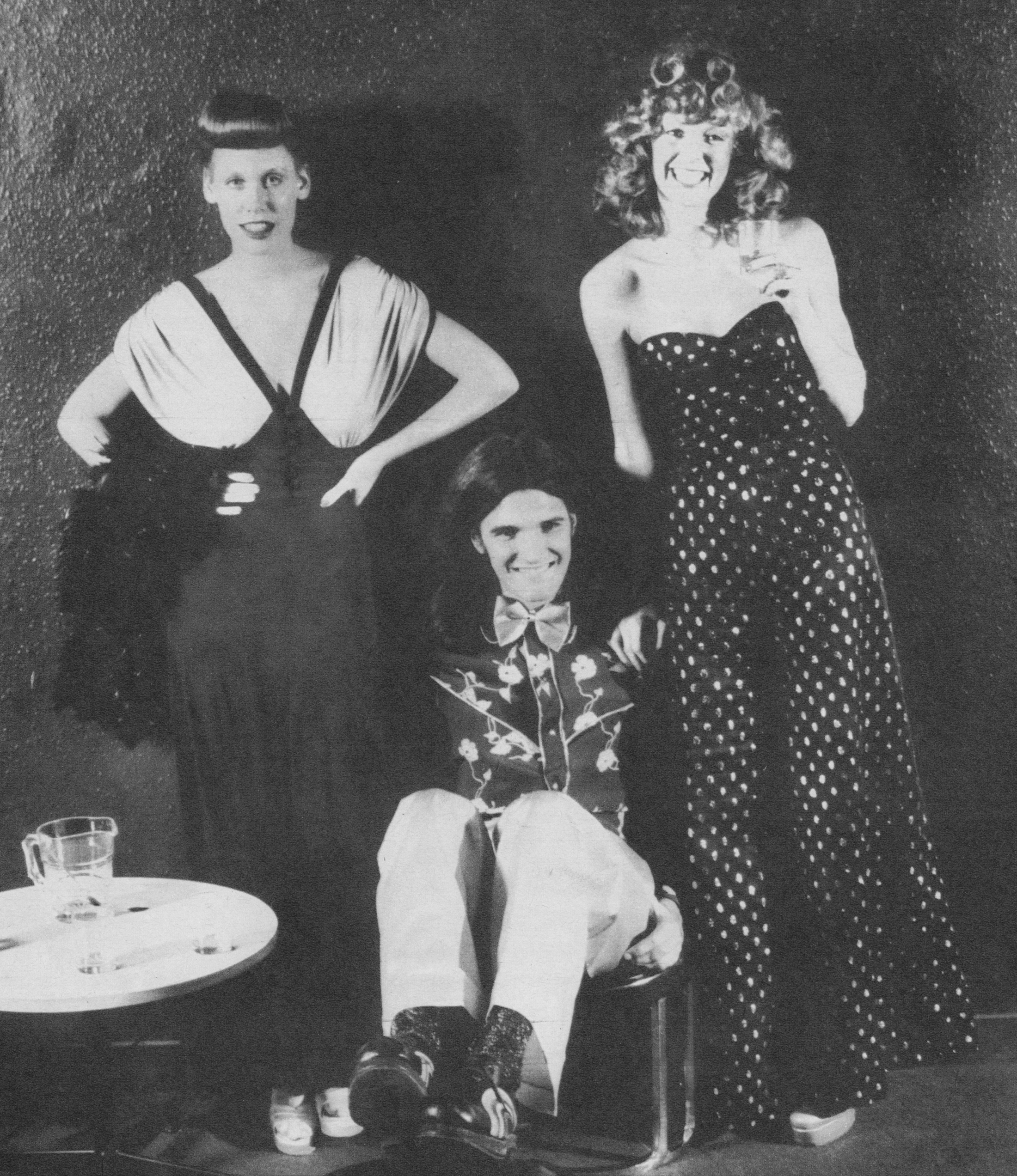
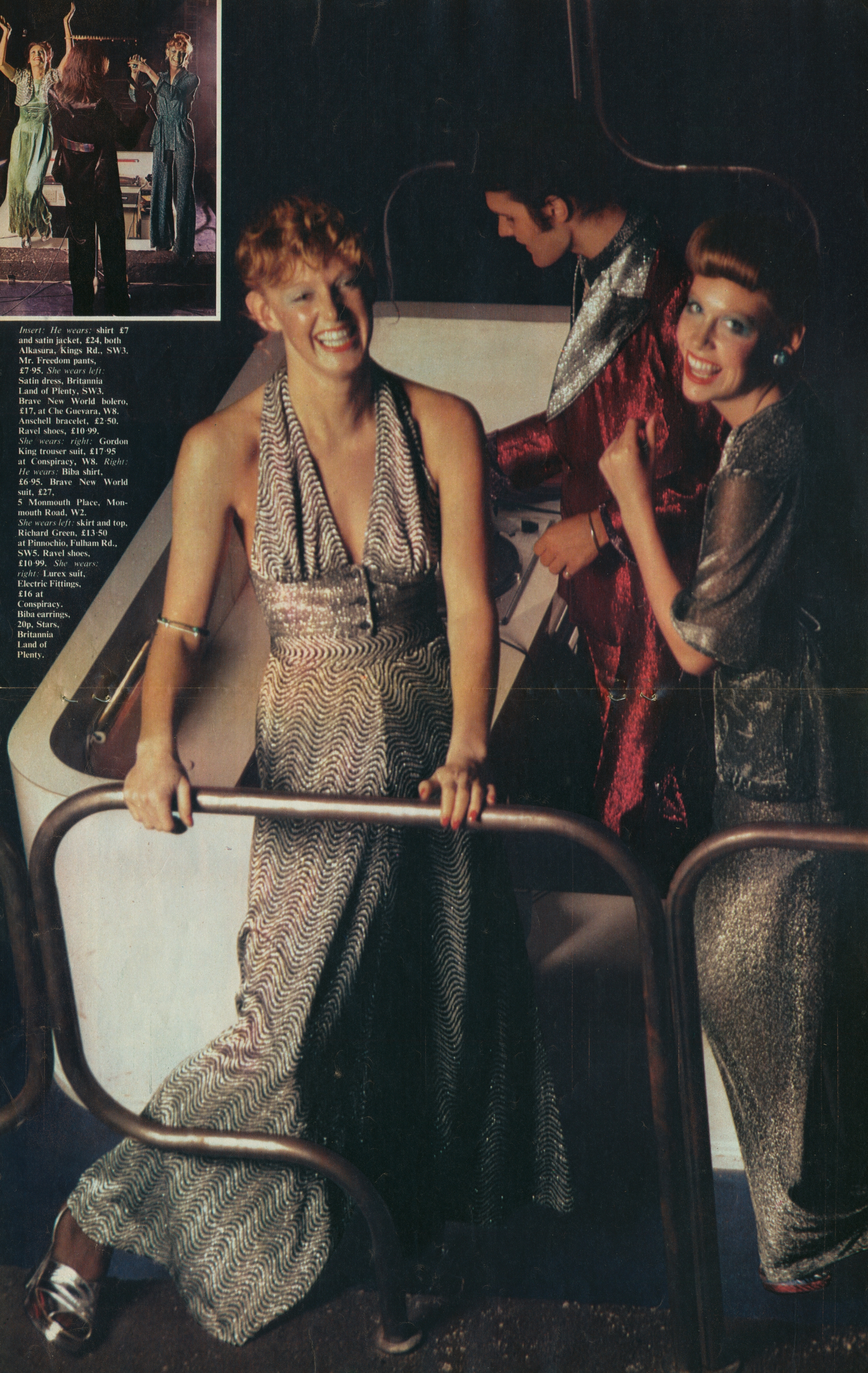
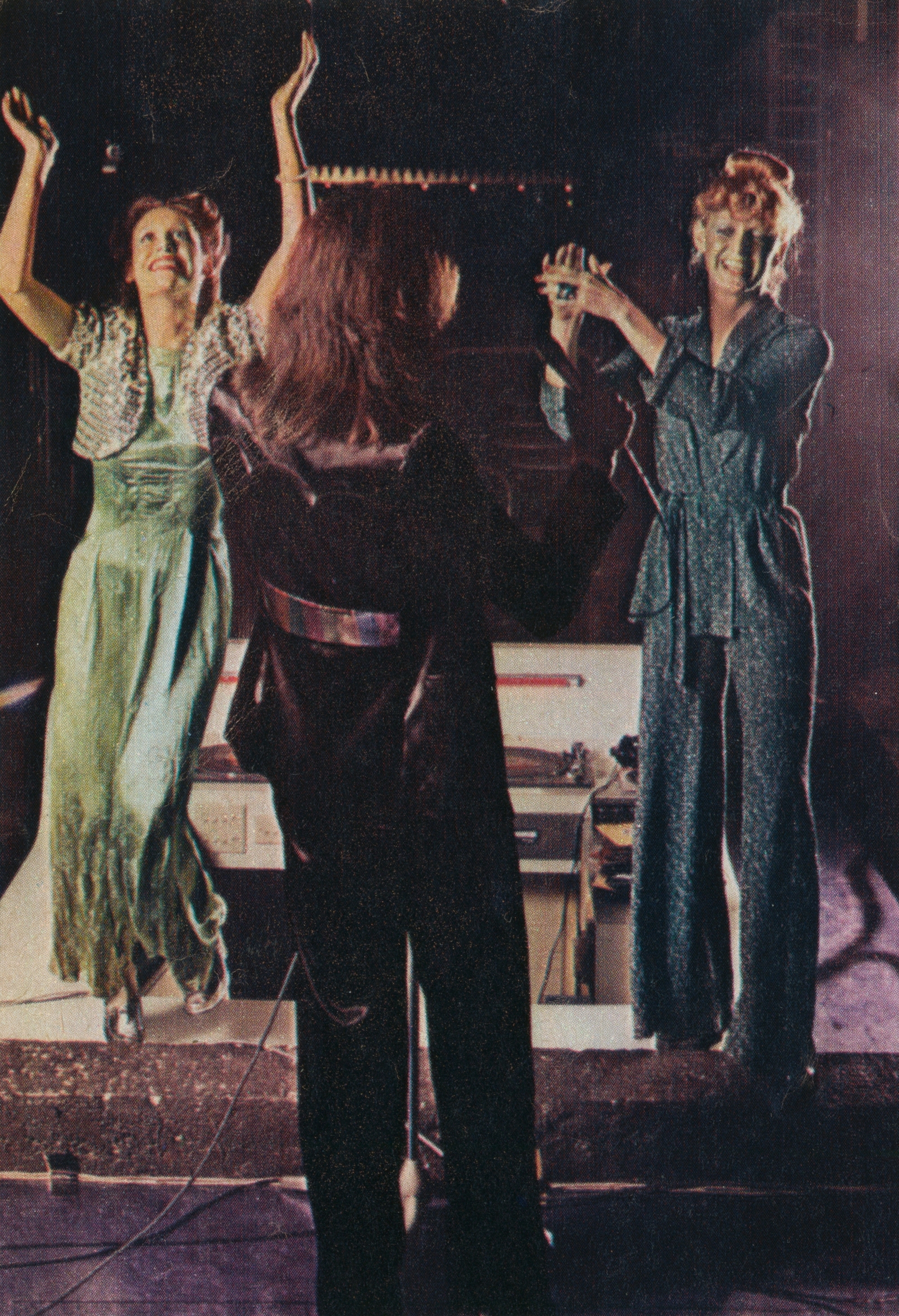
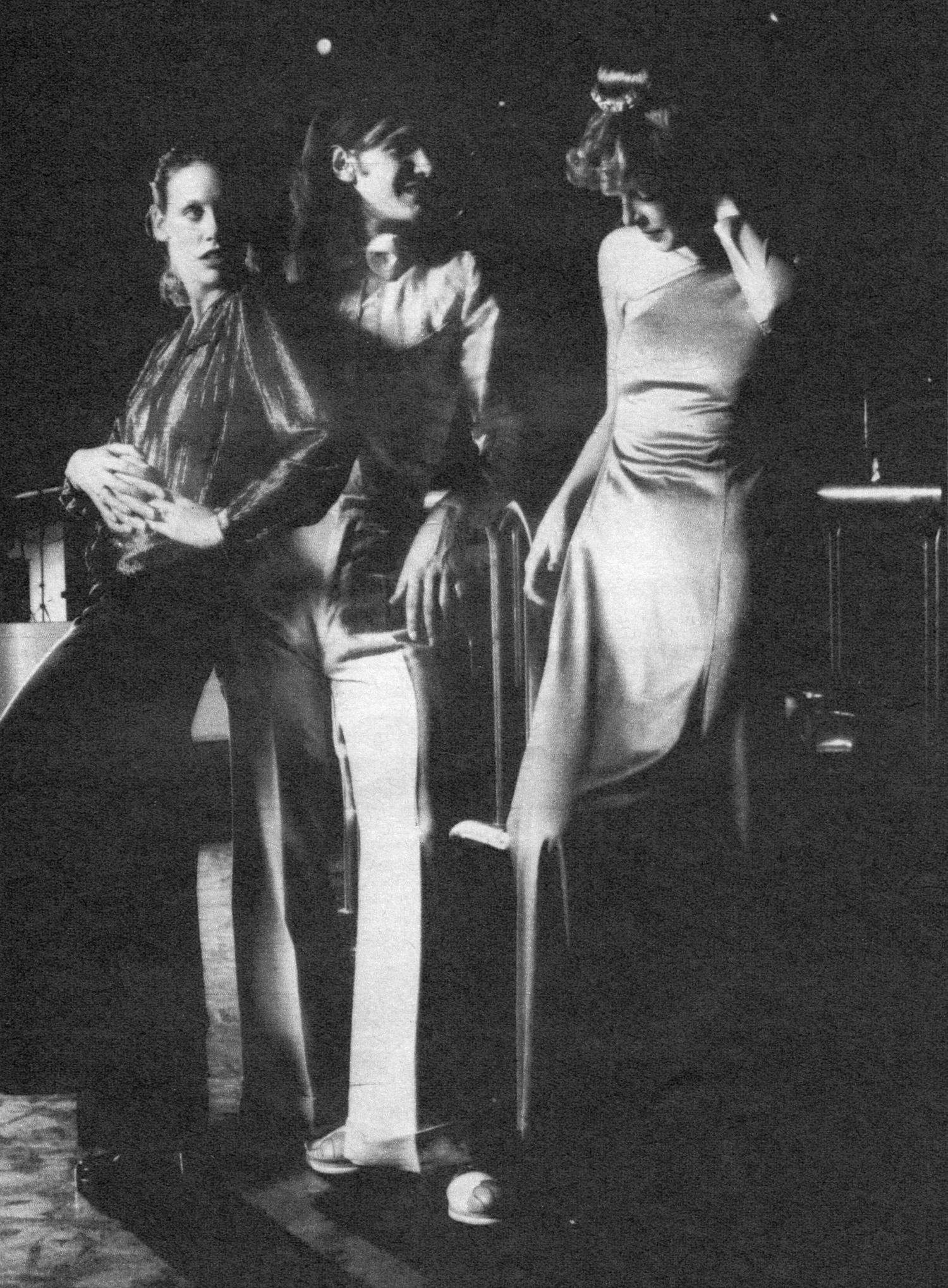
Extra special for a special season — some of the most outrageous party clothes to be seen since the golden days of Hollywood and the silver screen left us open-mouthed in amazement. The Sundown, Charing Cross Road, WC2, is where to find glamour 1972 style — that’s where we took clothes, models and hairdresser Michael Strum from Crimpers. It was amazing too, why not try it some time?
Fashion Marcia Brackett.
Sounds from The Sands of Time.
Photographer is, unusually for Petticoat, uncredited but I think it is probably Roger Charity.
Scanned from Petticoat, 16th December 1972.
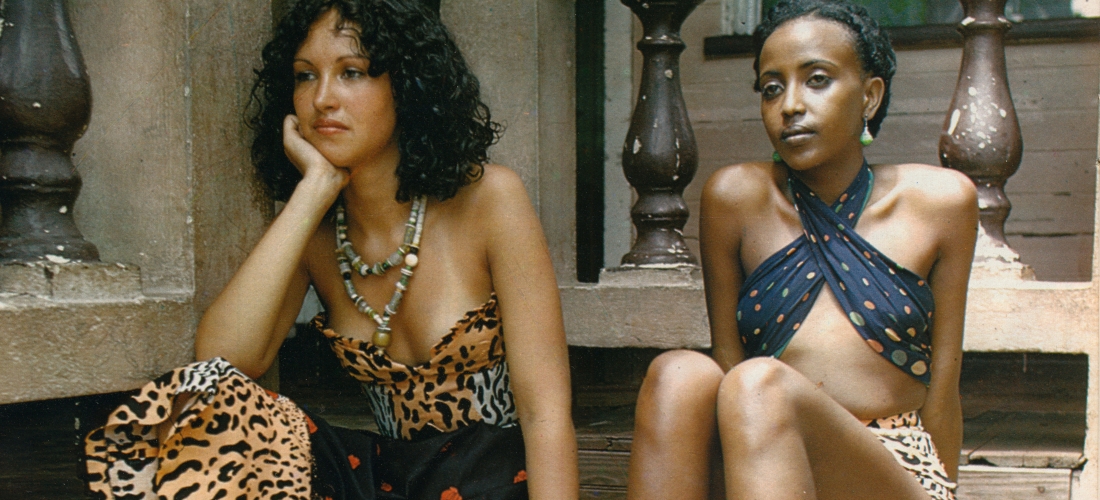
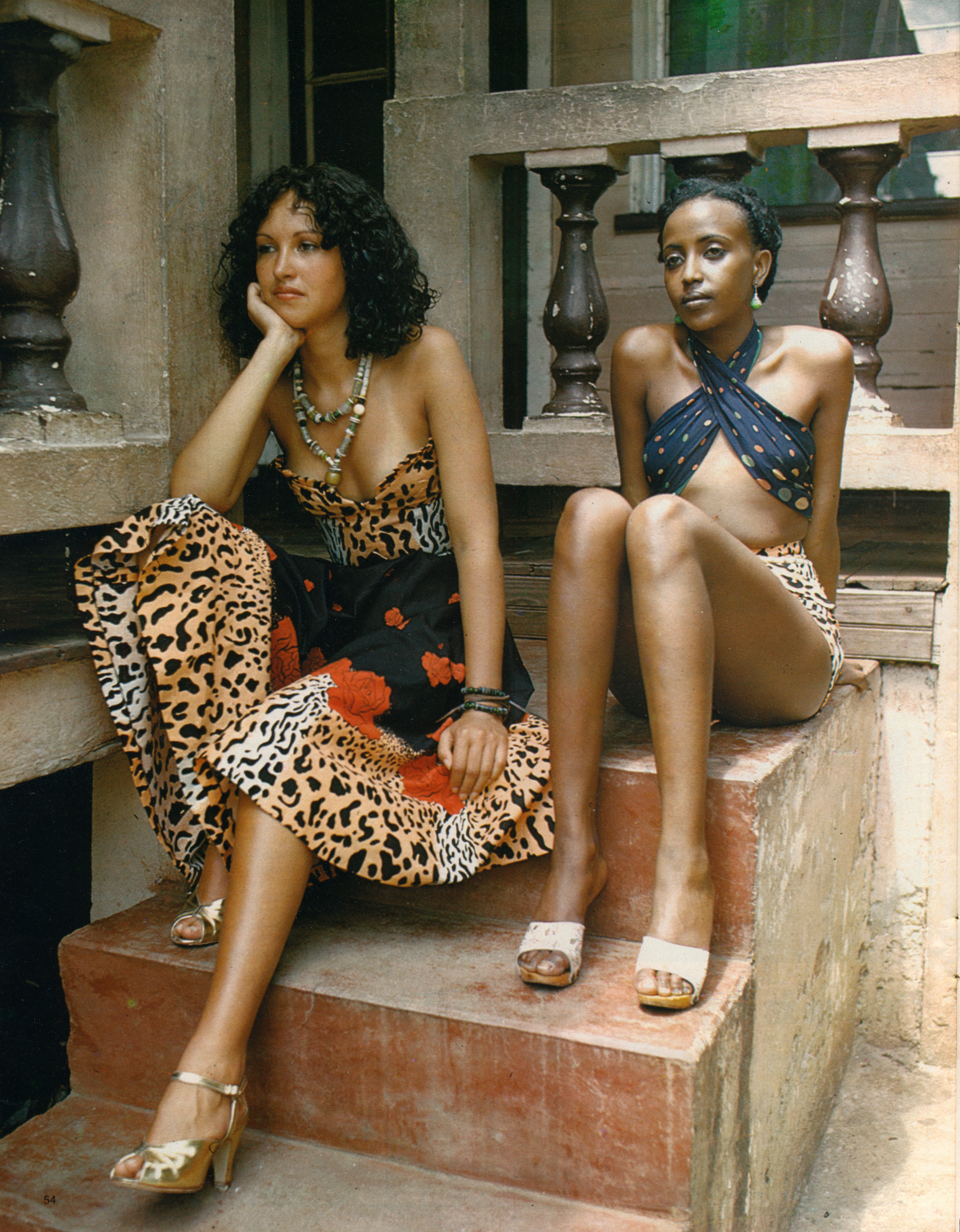
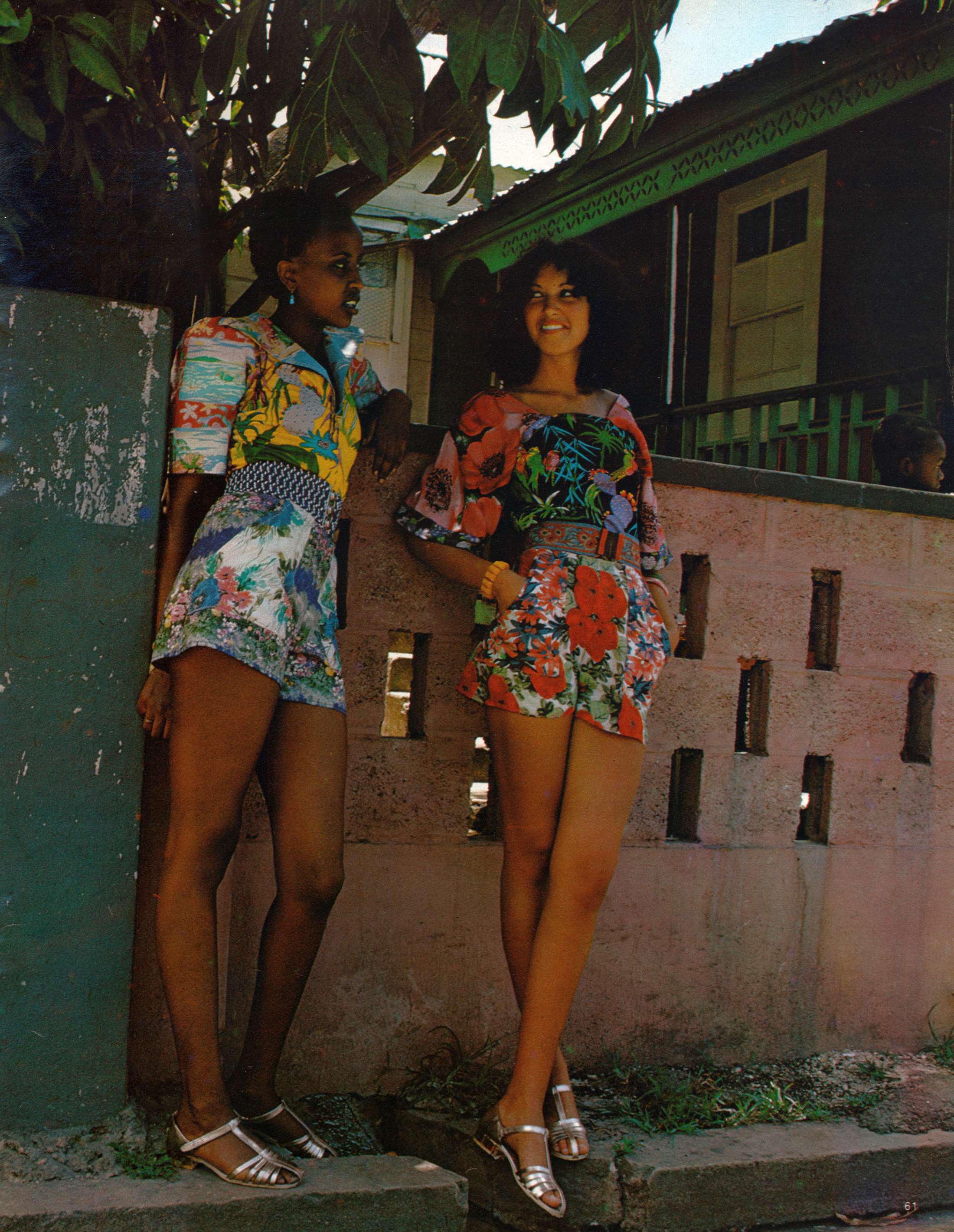
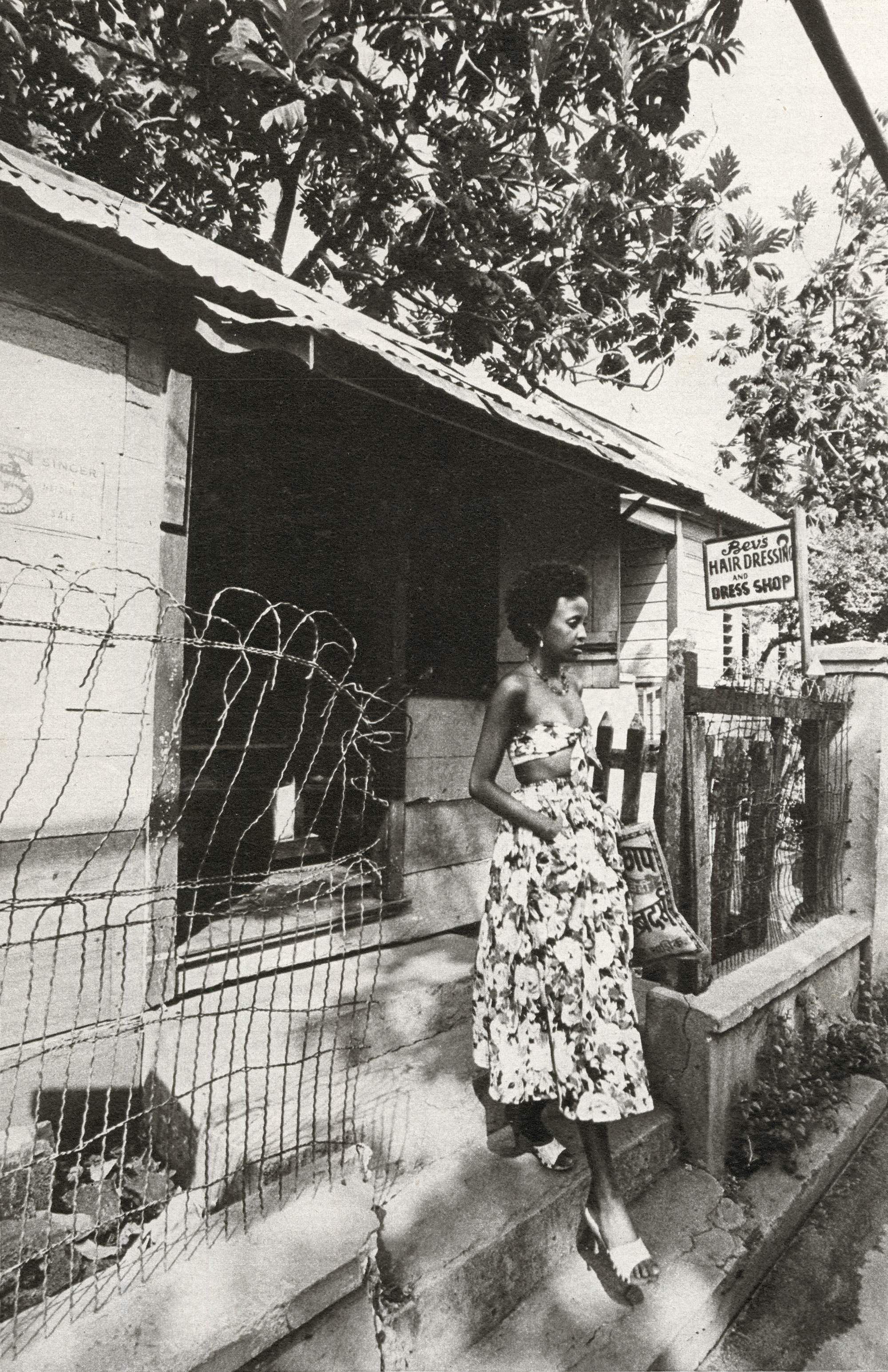
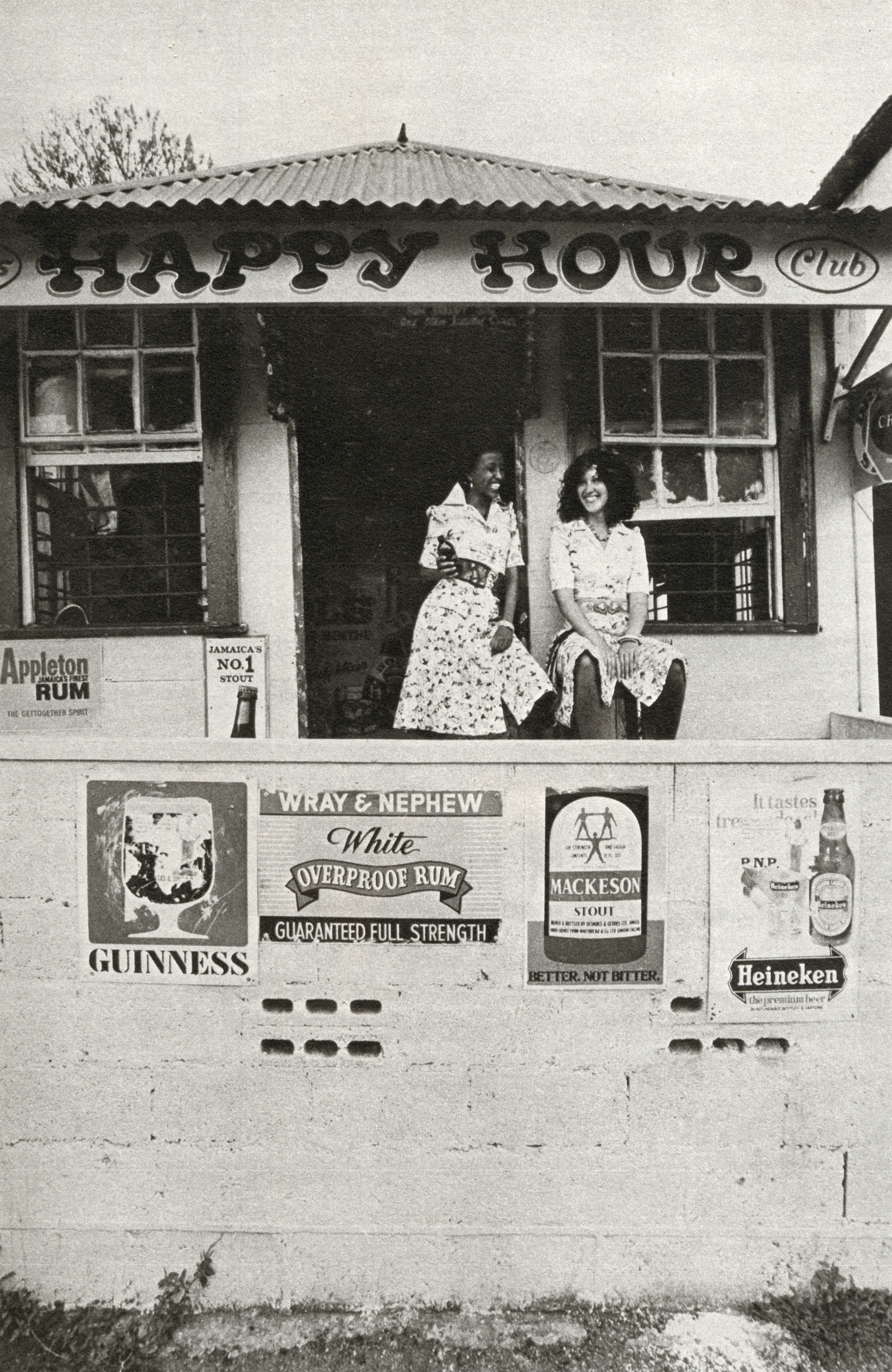
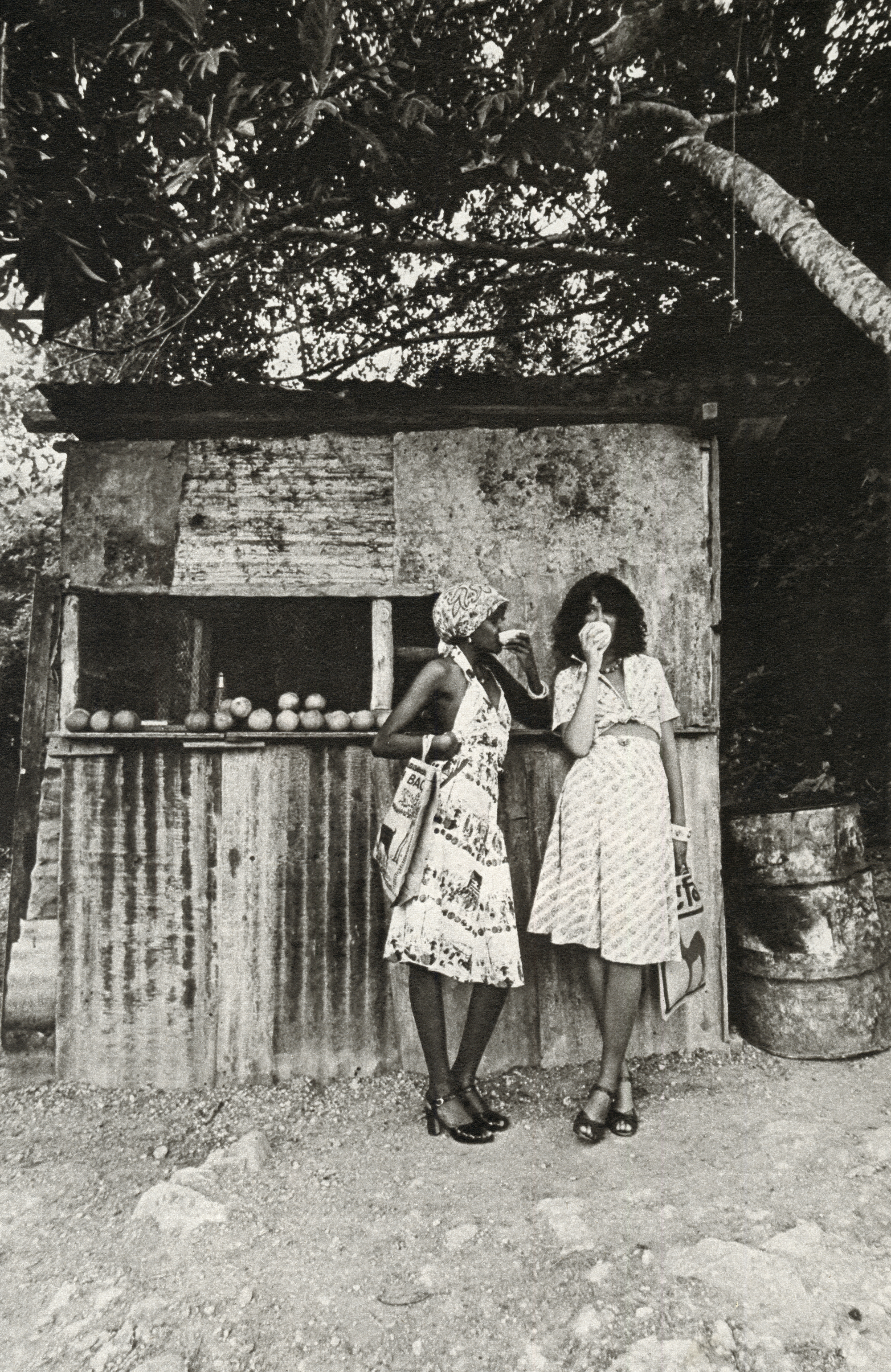
19 AND airJamaica GO DOWN -TOWN
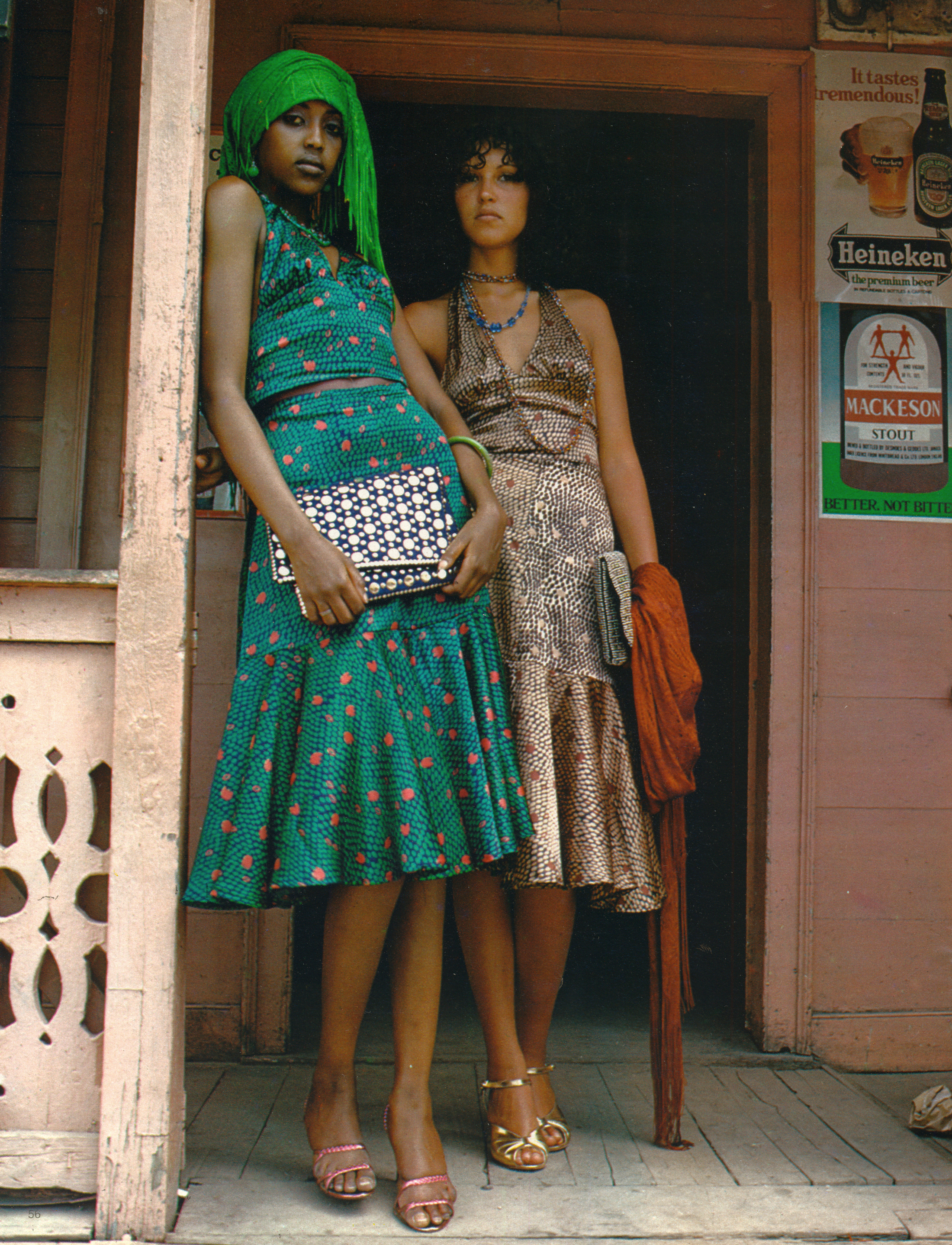
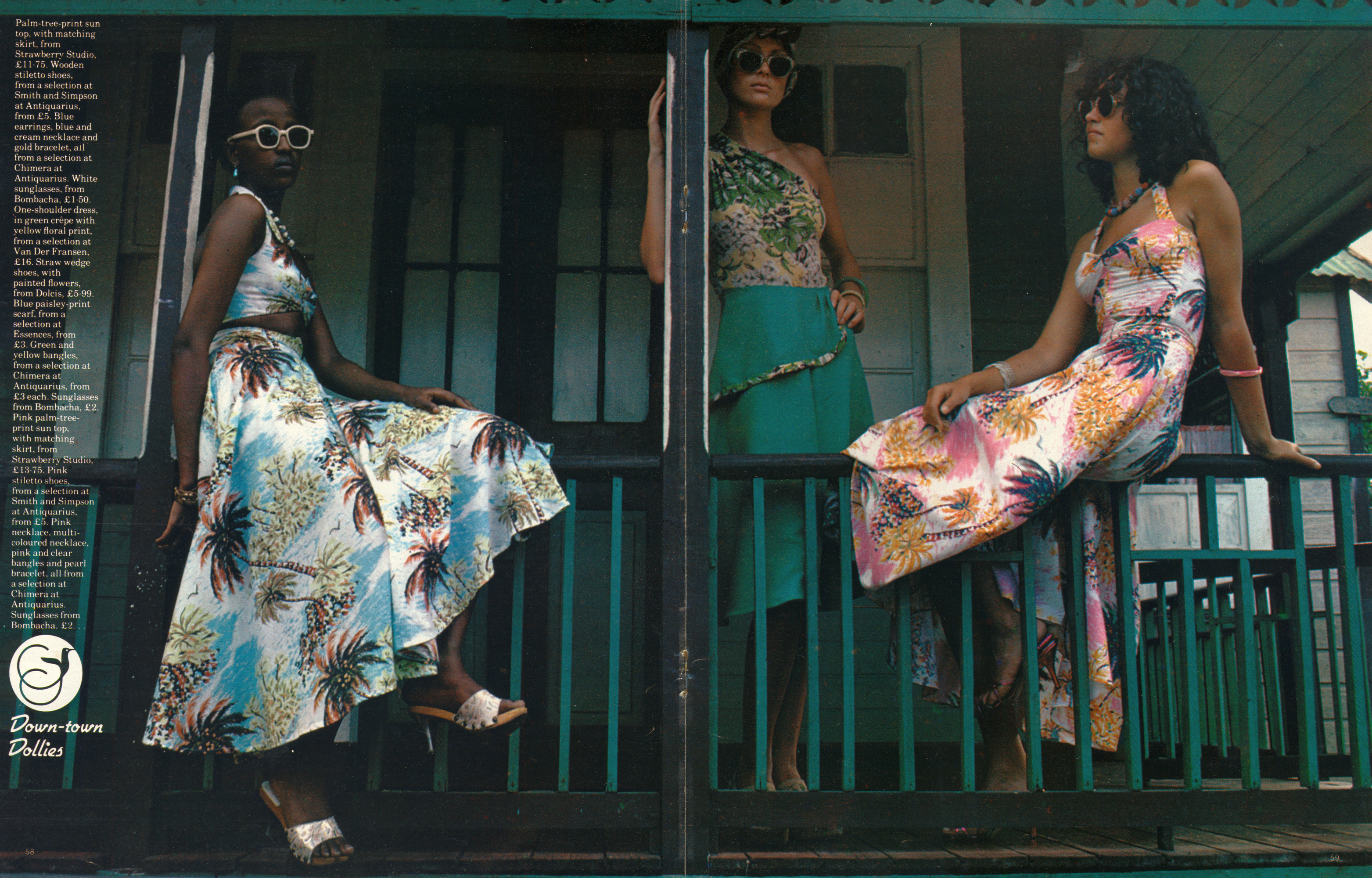
Down-town Mo Bay is a riot of colour. Houses are made of wood and painted red, blue, green or yellow. There’s a different colour at every step, so a walk down any street is quite an experience. Then there’s the soul music which blasts out of every shop, so you’ve got to look cool. Hence our choice of fun clothes to catch the eye even with all that competition.
Photographed by Harri Peccinotti.
Scanned from 19 Magazine, July 1974.
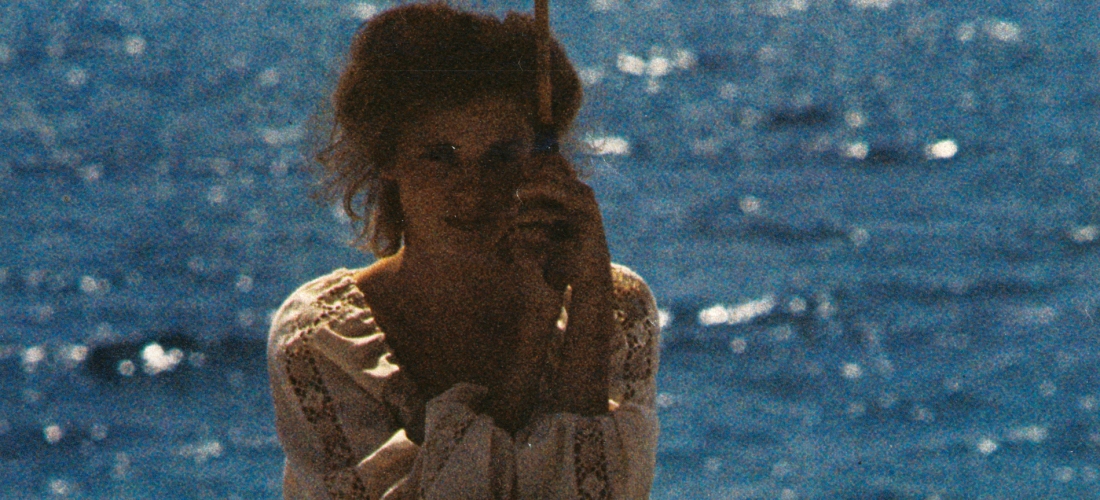
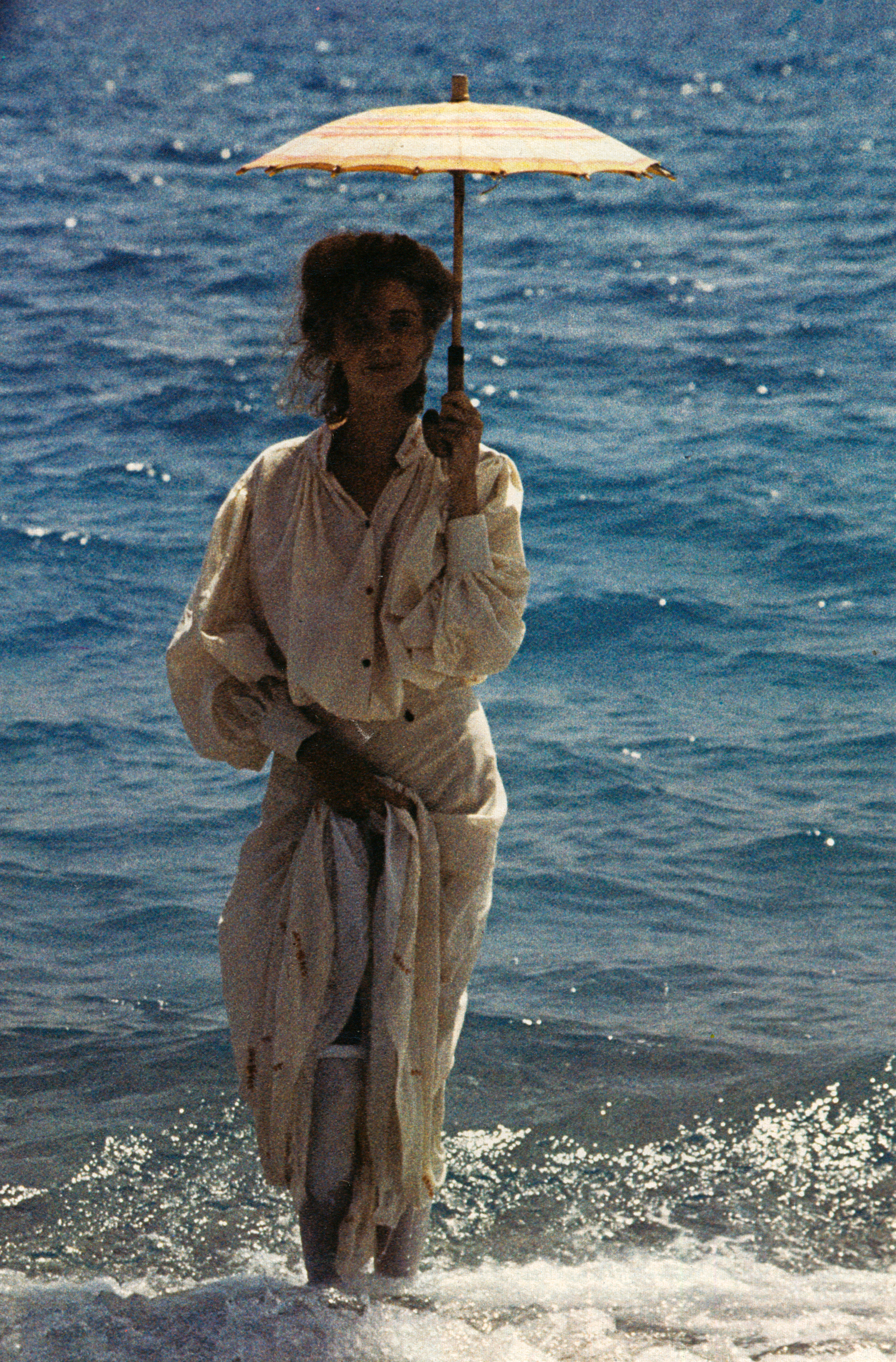
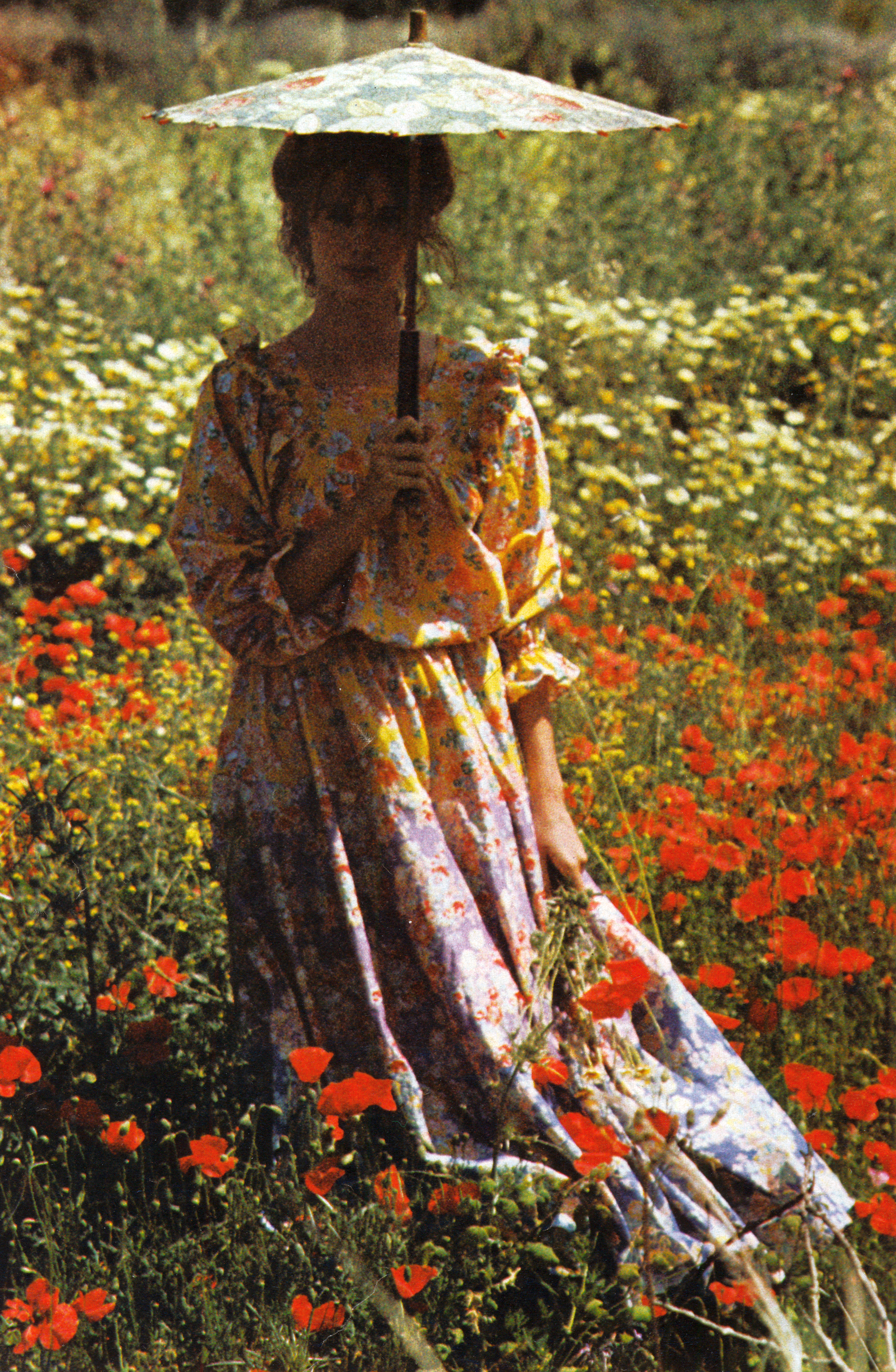
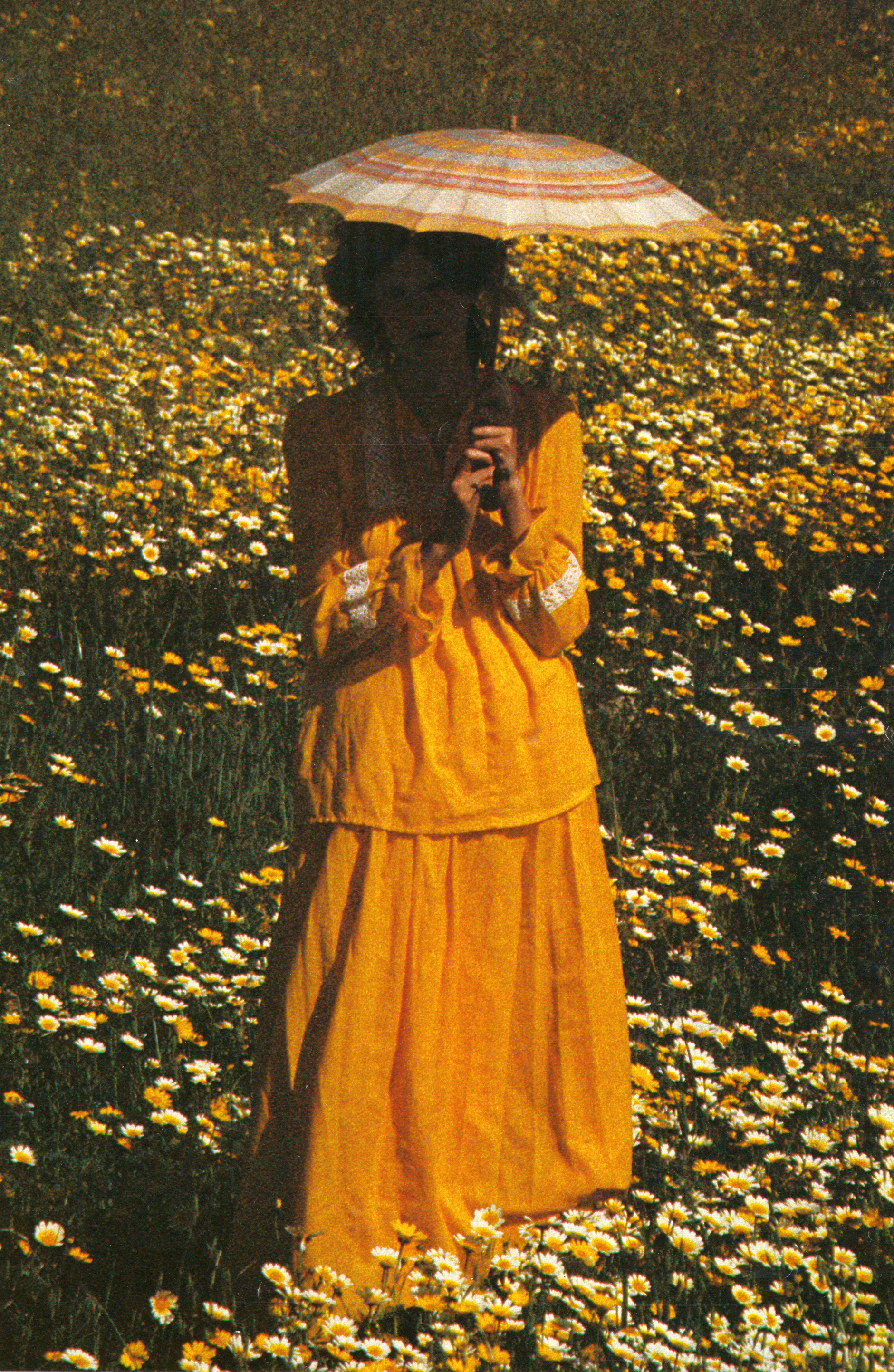
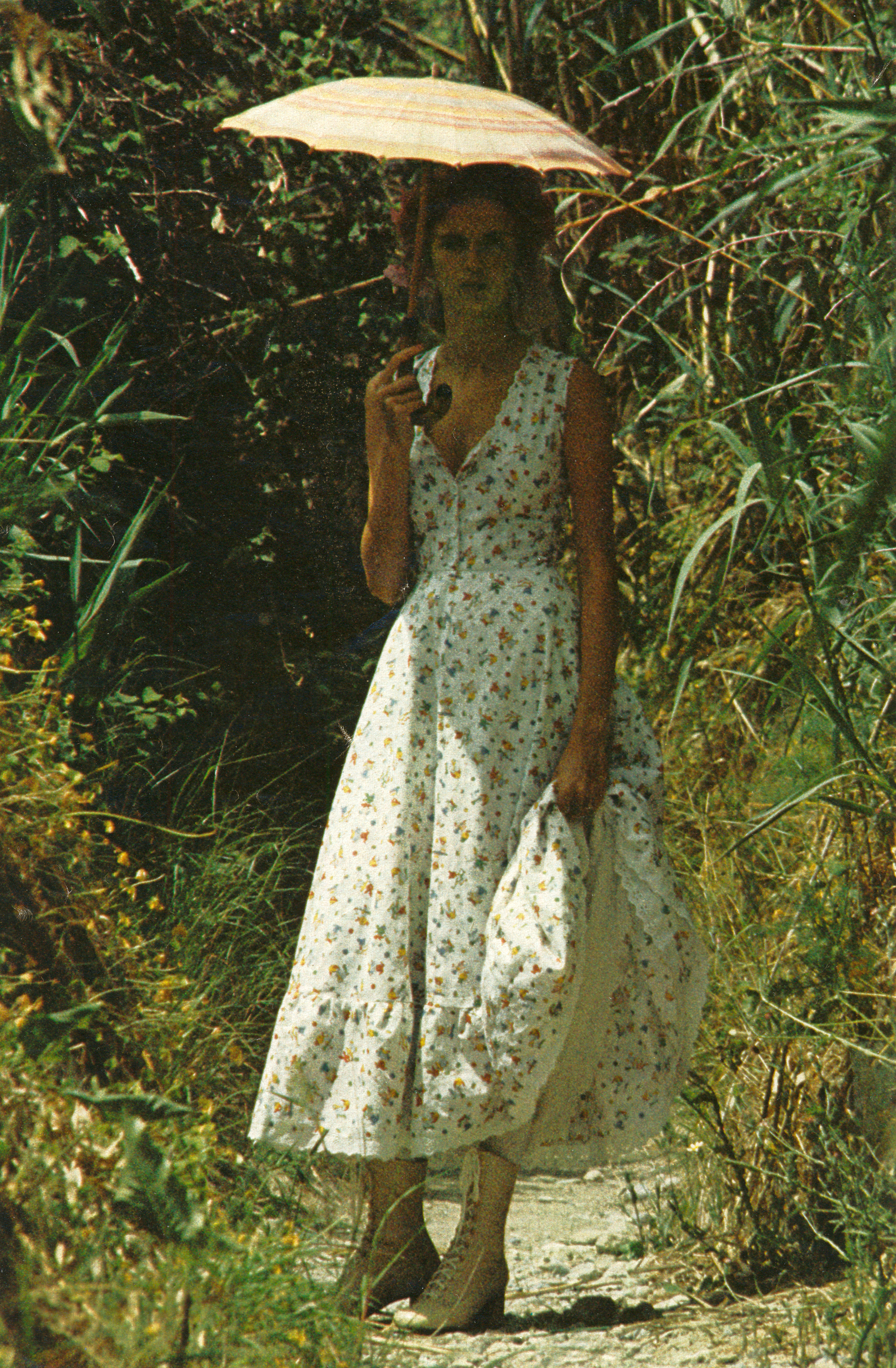
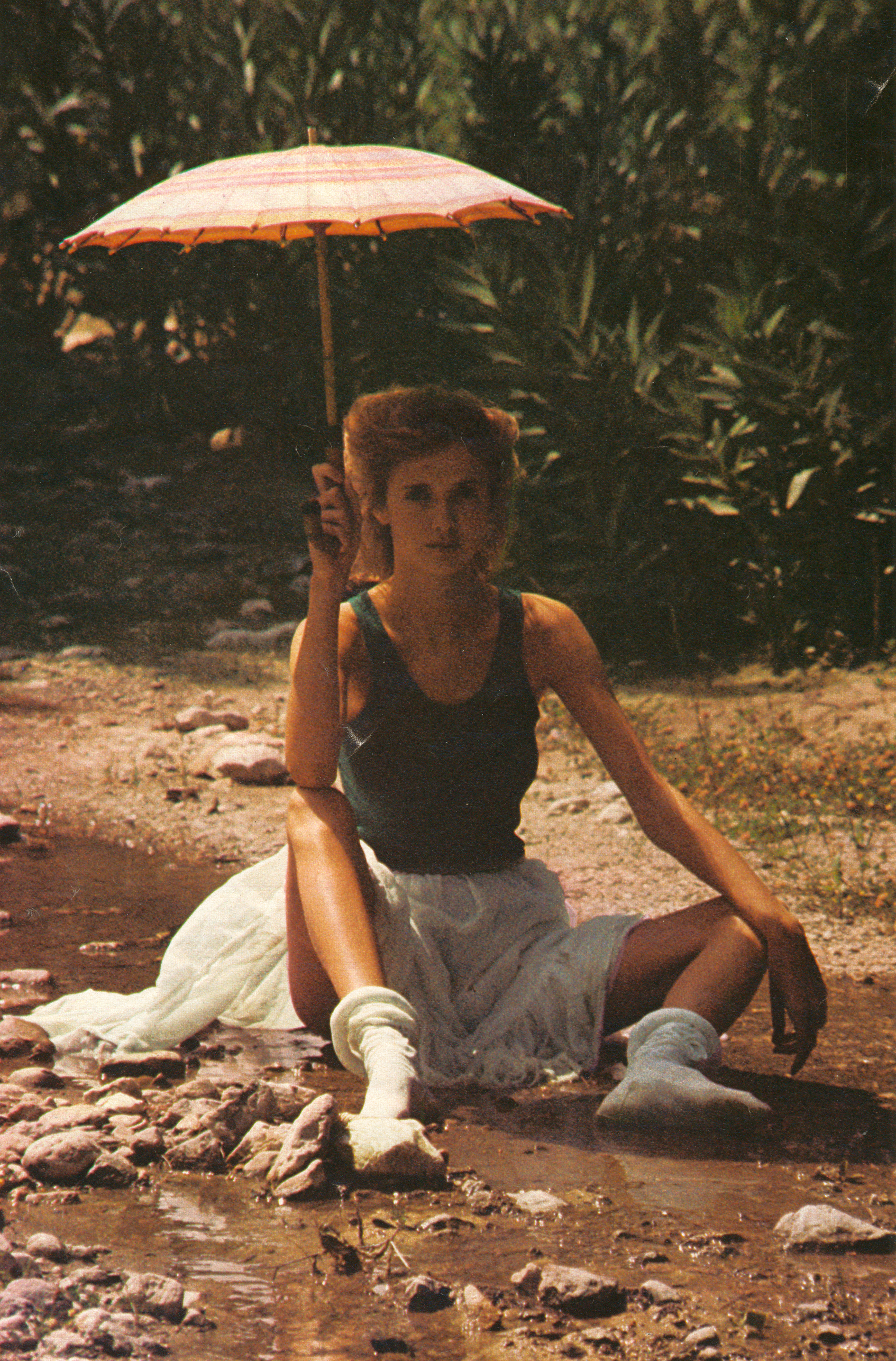
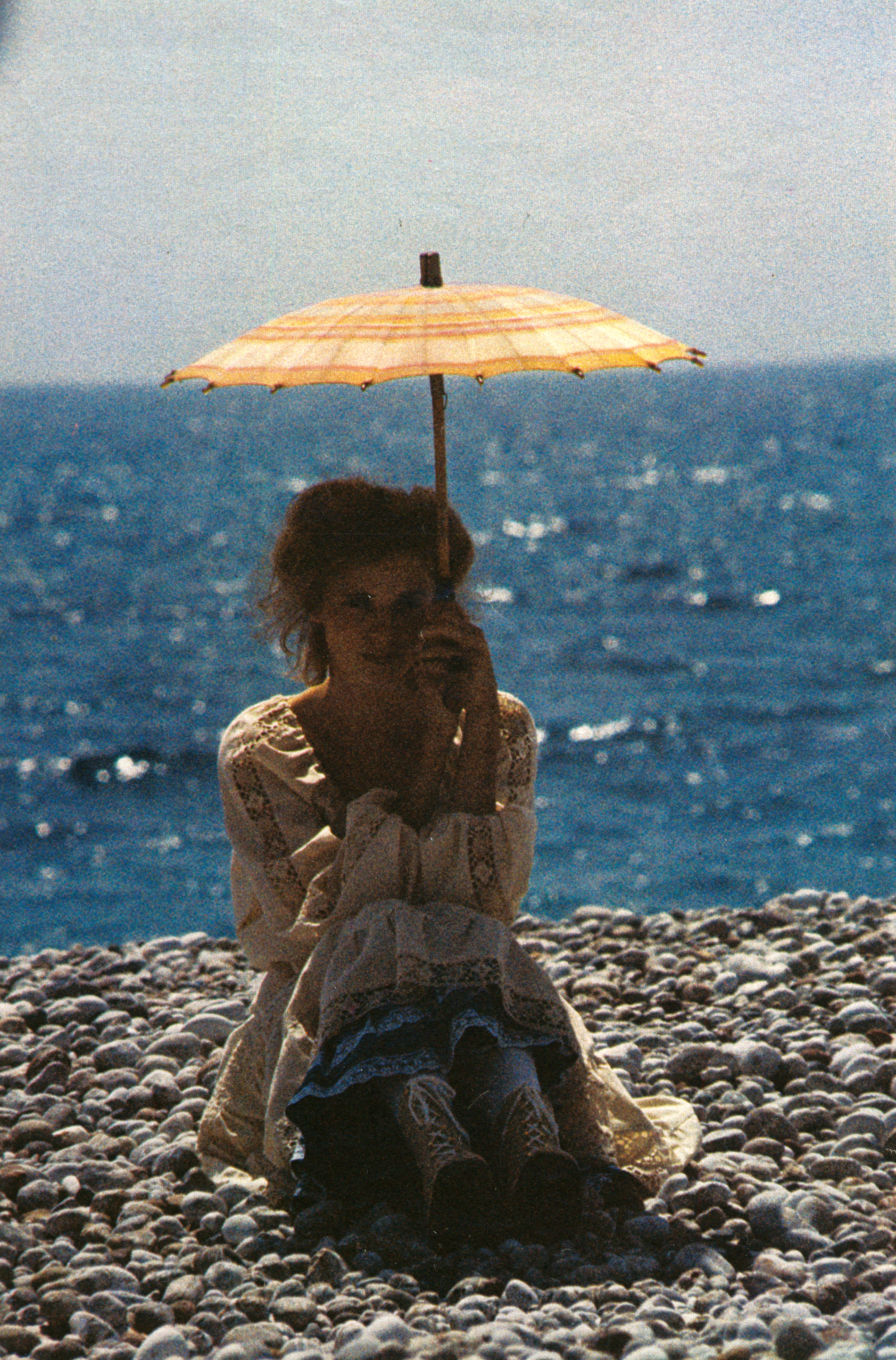
One of the finest editorials of all time, from the dream team of Caroline Baker and Harri Peccinotti at Nova. You can’t help thinking about the clear influence of the Impressionists, such as Renoir, on the aesthetic, but also about how this shoot must itself have been influencing other people for years afterwards. For example, Picnic at Hanging Rock was released a mere three years later and the petticoats, parasols and lace-up boots can’t help but remind you of that.
As a side note, but a pretty impressive one at that, the ‘nursery print’ Miss Mouse dress featured here has also just gone into my Etsy shop. So you can pretend it’s 1972 and you’re ‘shopping the look’.
Photographed by Harri Peccinotti.
Fashion by Caroline Baker.
Scanned from Nova, July 1972.



Ski pants, socks and hot tops – a fresh look for the future with a little help from the past.
Photographed by Roger Charity.
Scanned from Honey, May 1975.


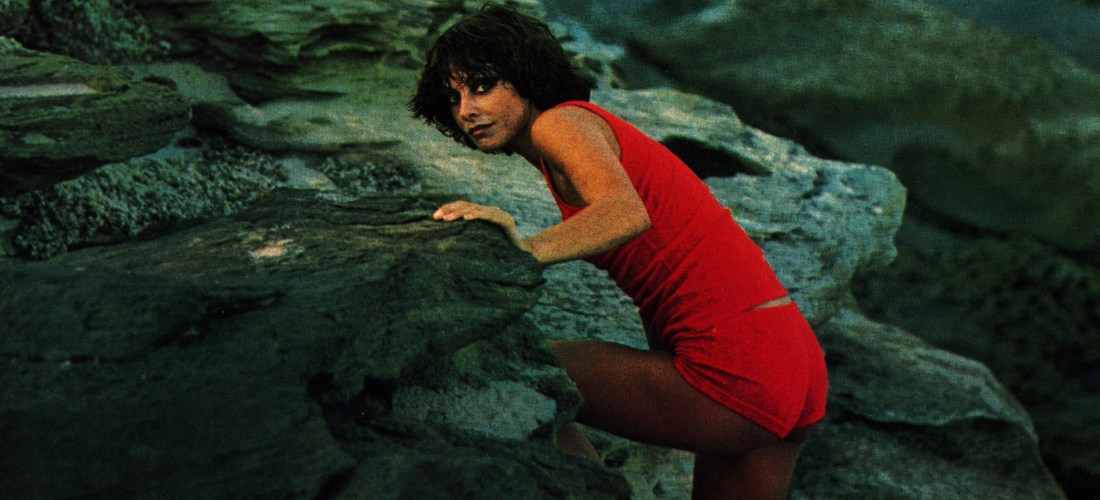
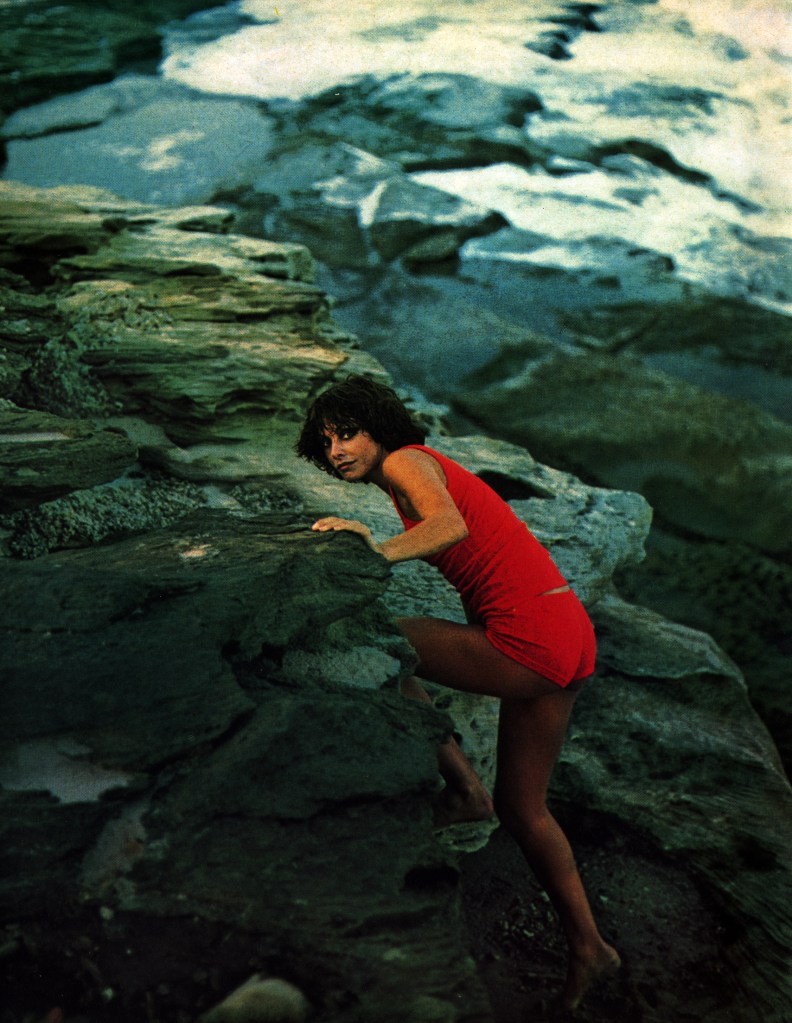
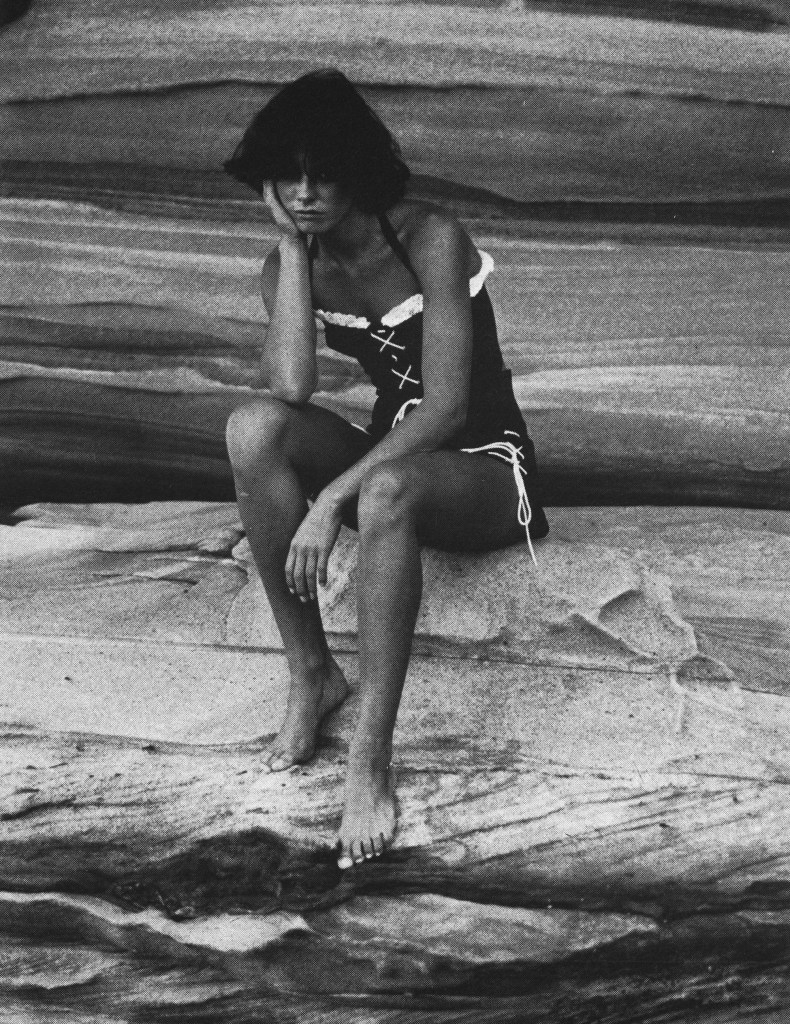
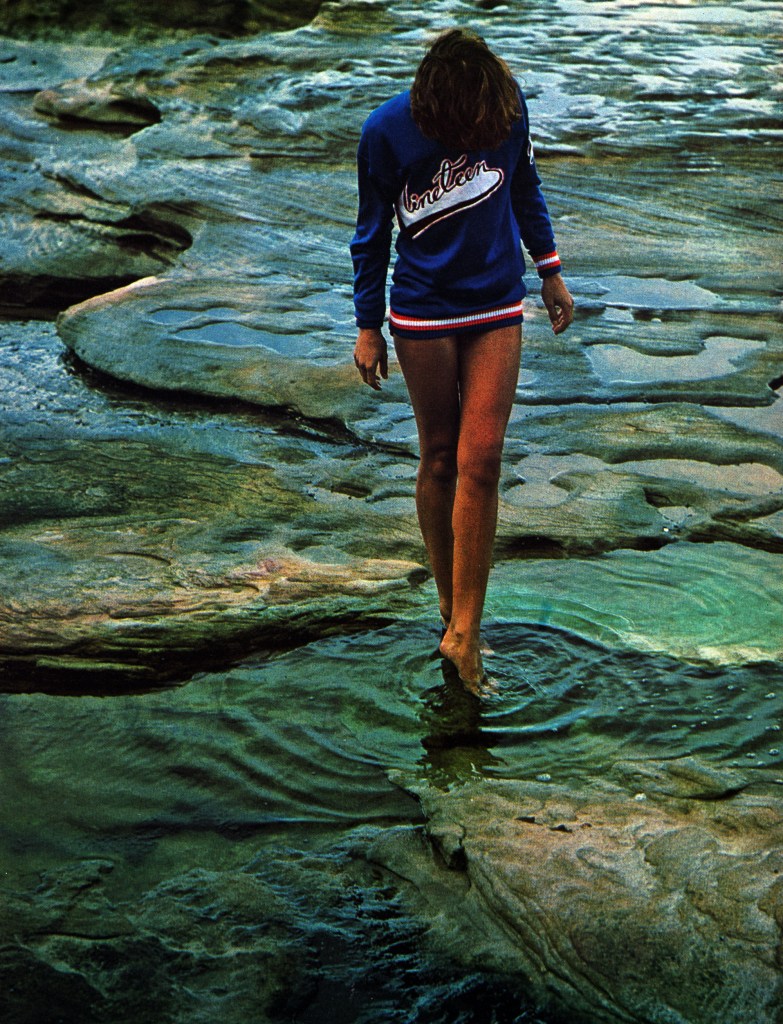
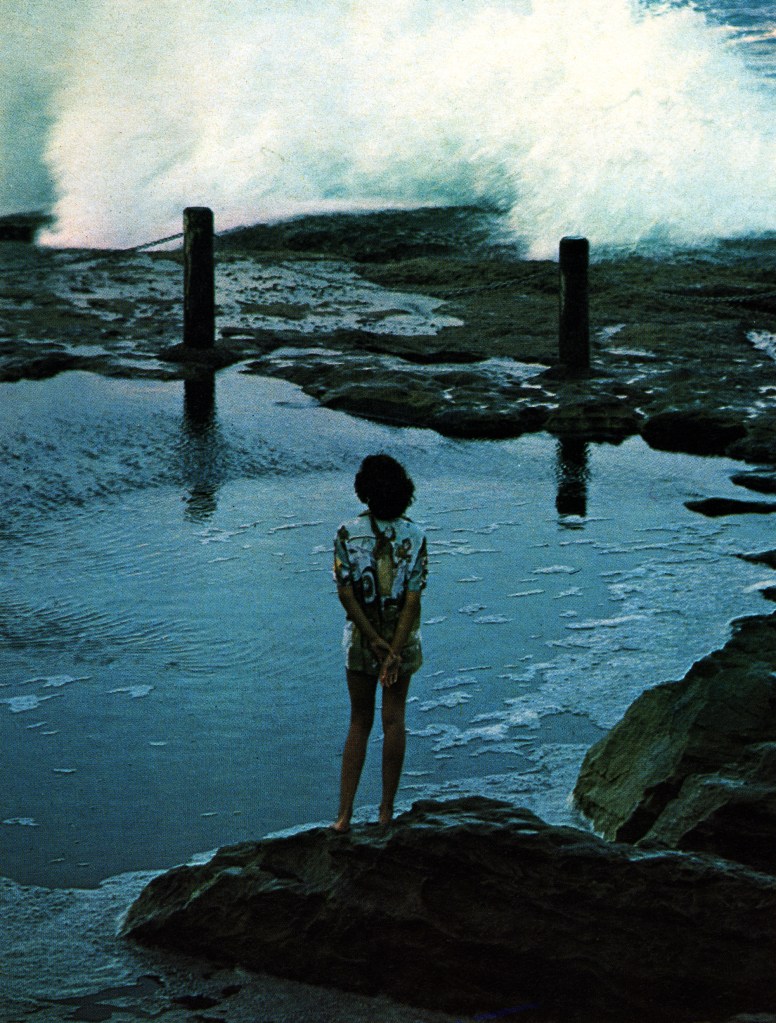
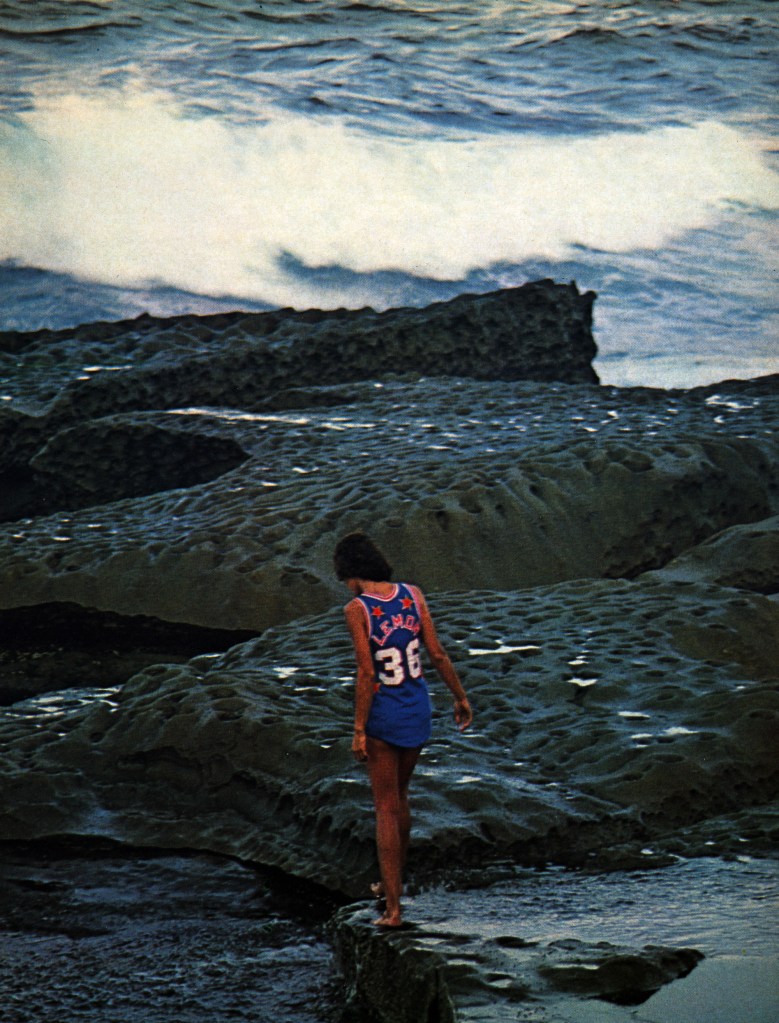
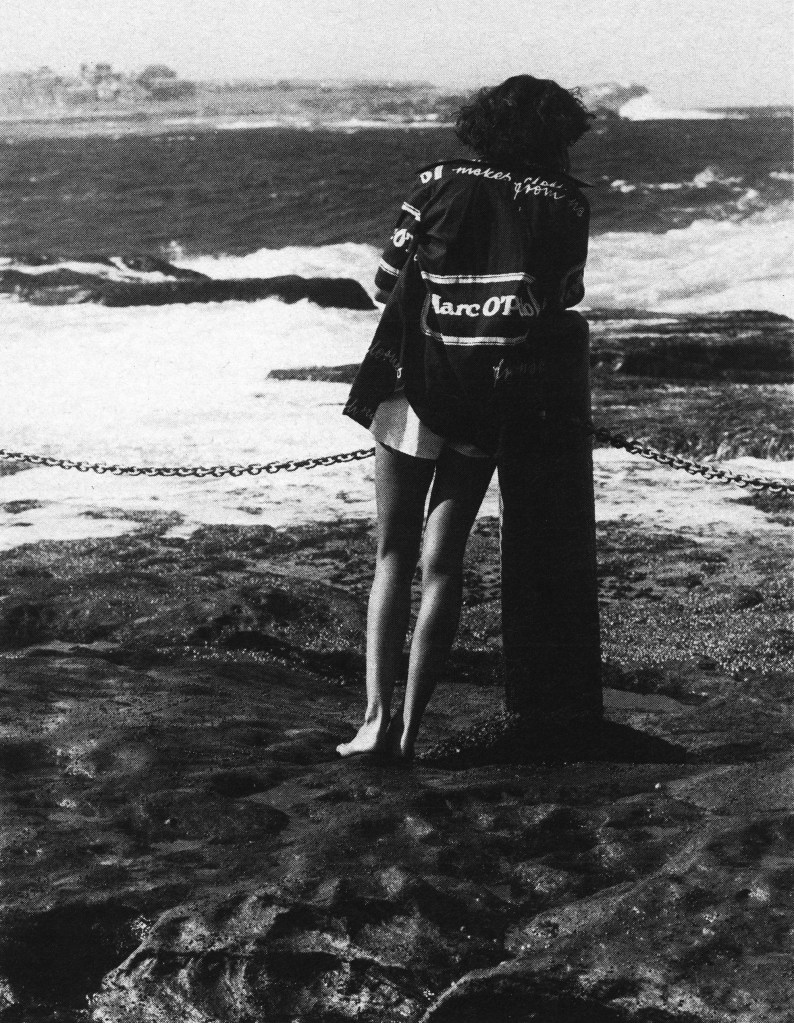
Manly beach, Australia. Rock pools, sea, magnificent scenery. If yours is going to be a clambering holiday, these T-shirts, shorts and fun tops are just the job.
Photographed by Nick Brokensha.
Scanned from 19 Magazine, July 1975.
 Liz Eggleston