

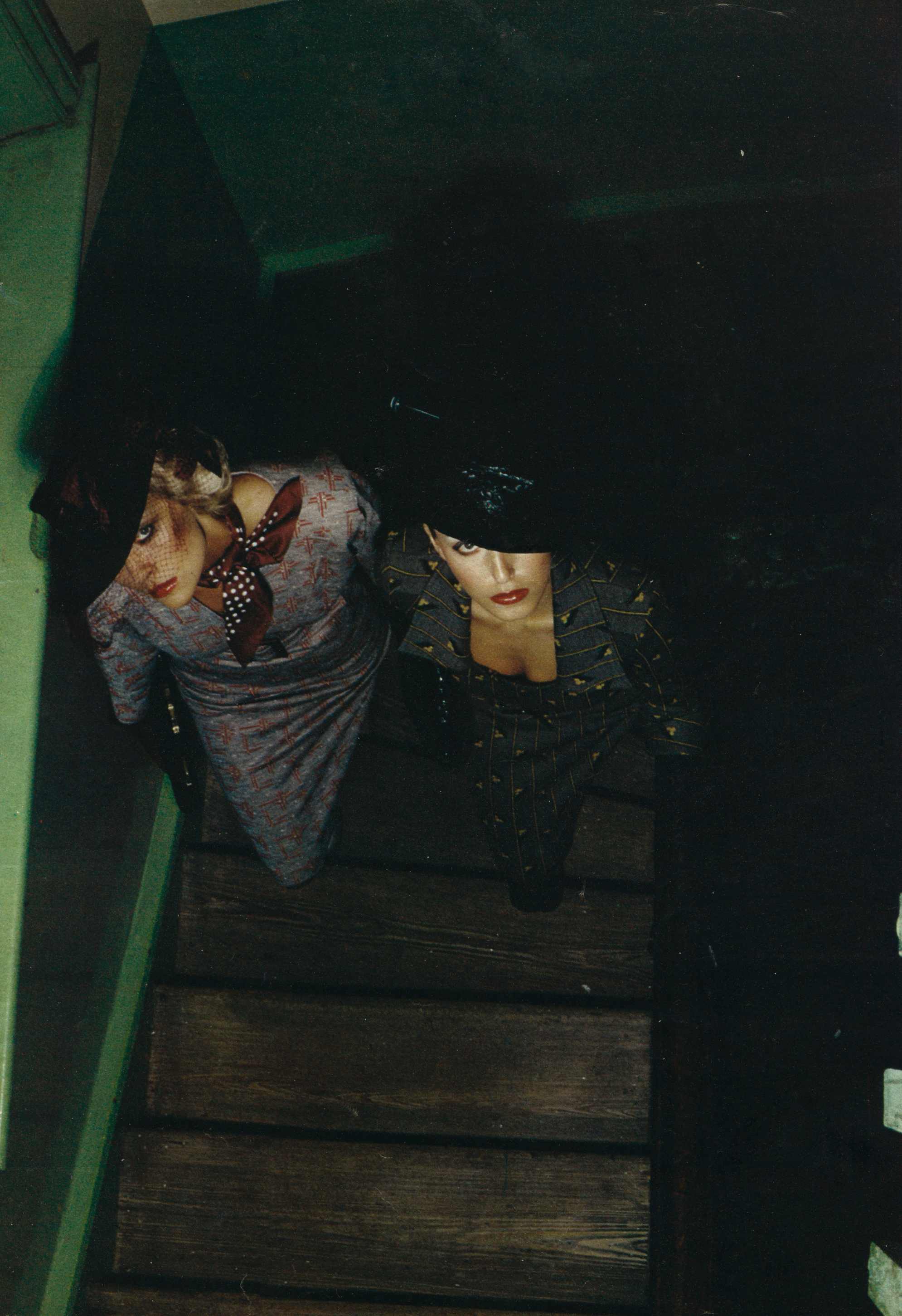
That’s what you’ll be in the latest Fifties-style suits and dresses.
Photographed by Peccinotti.
Scanned from 19 Magazine, September 1973.

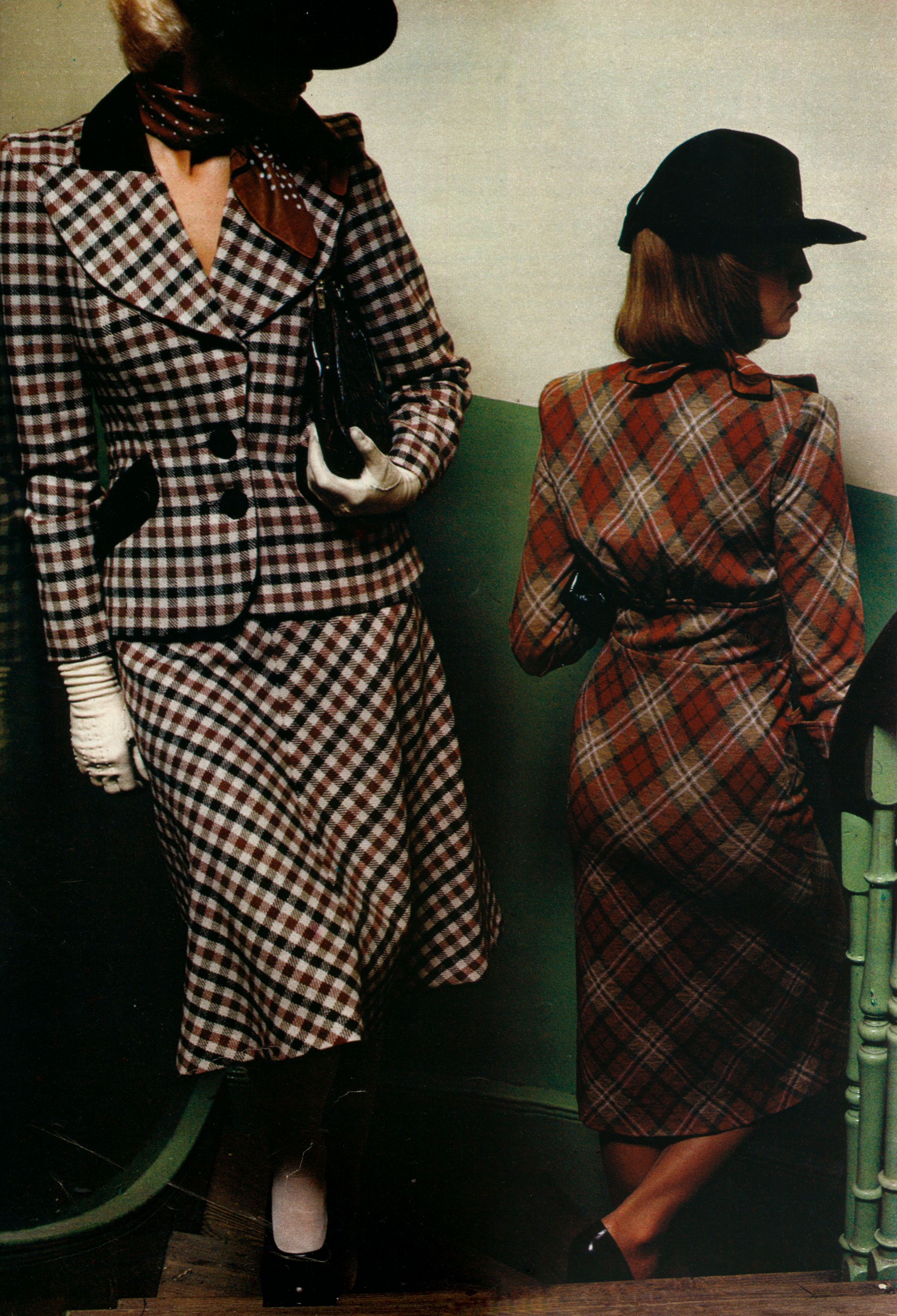
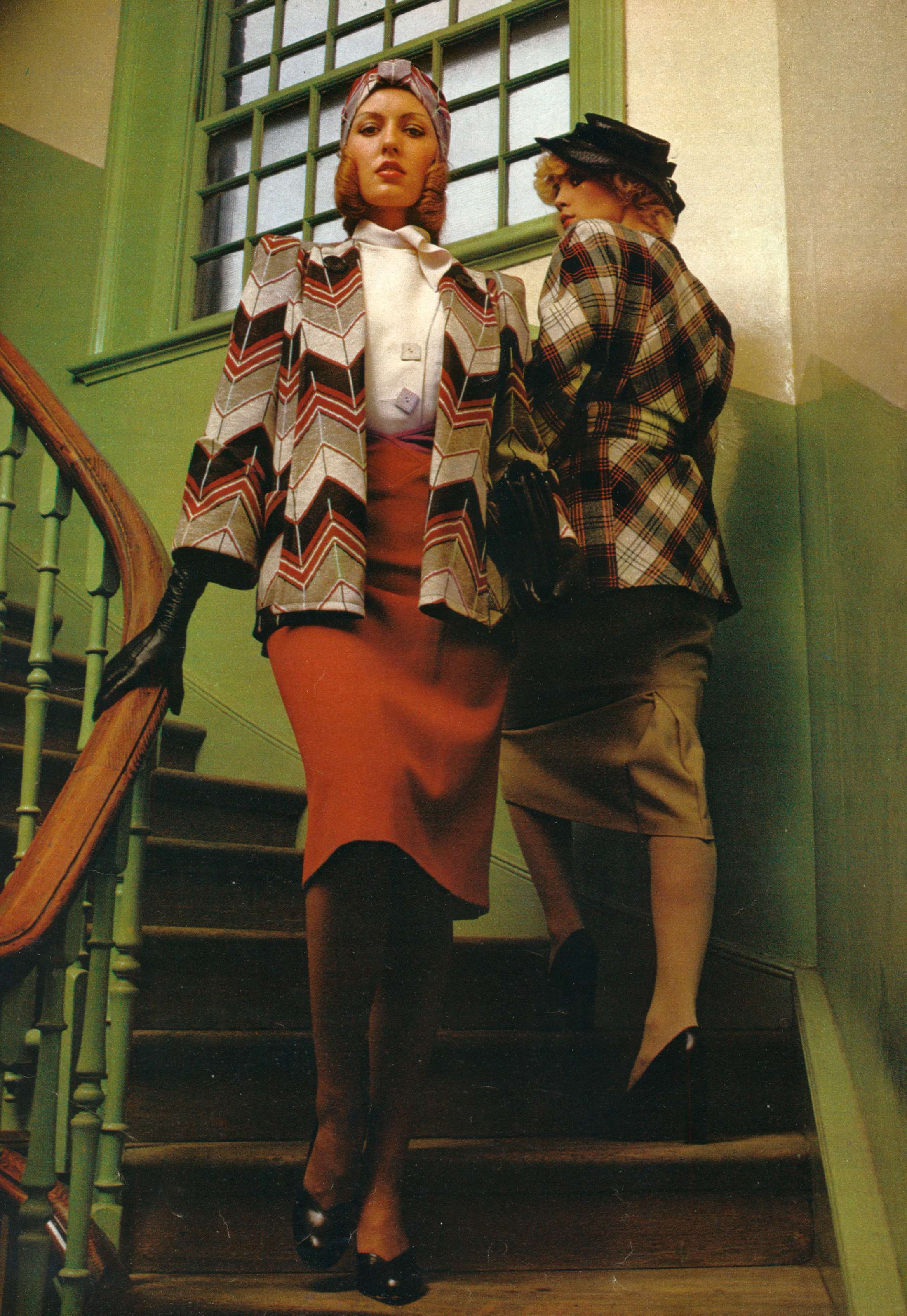
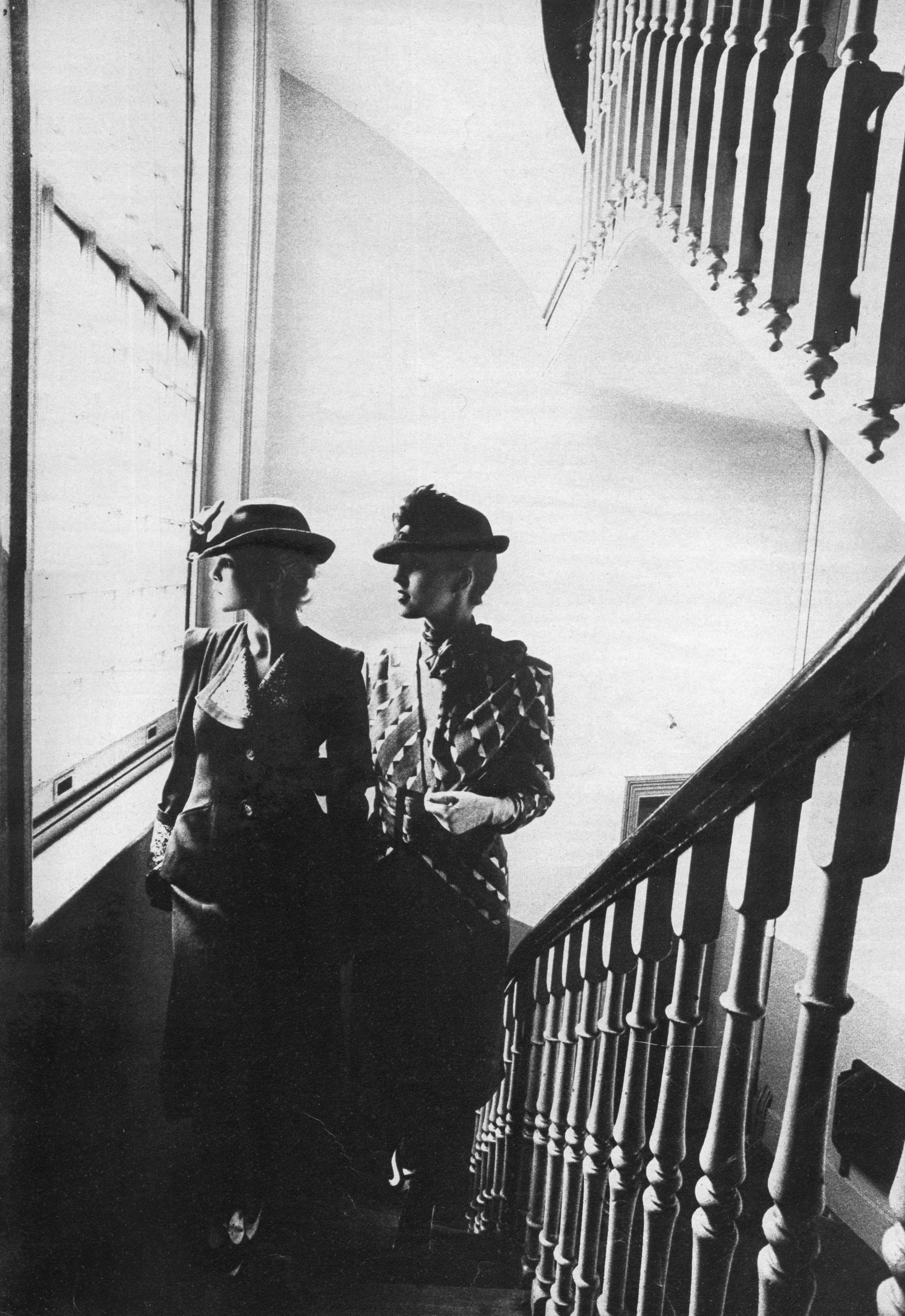
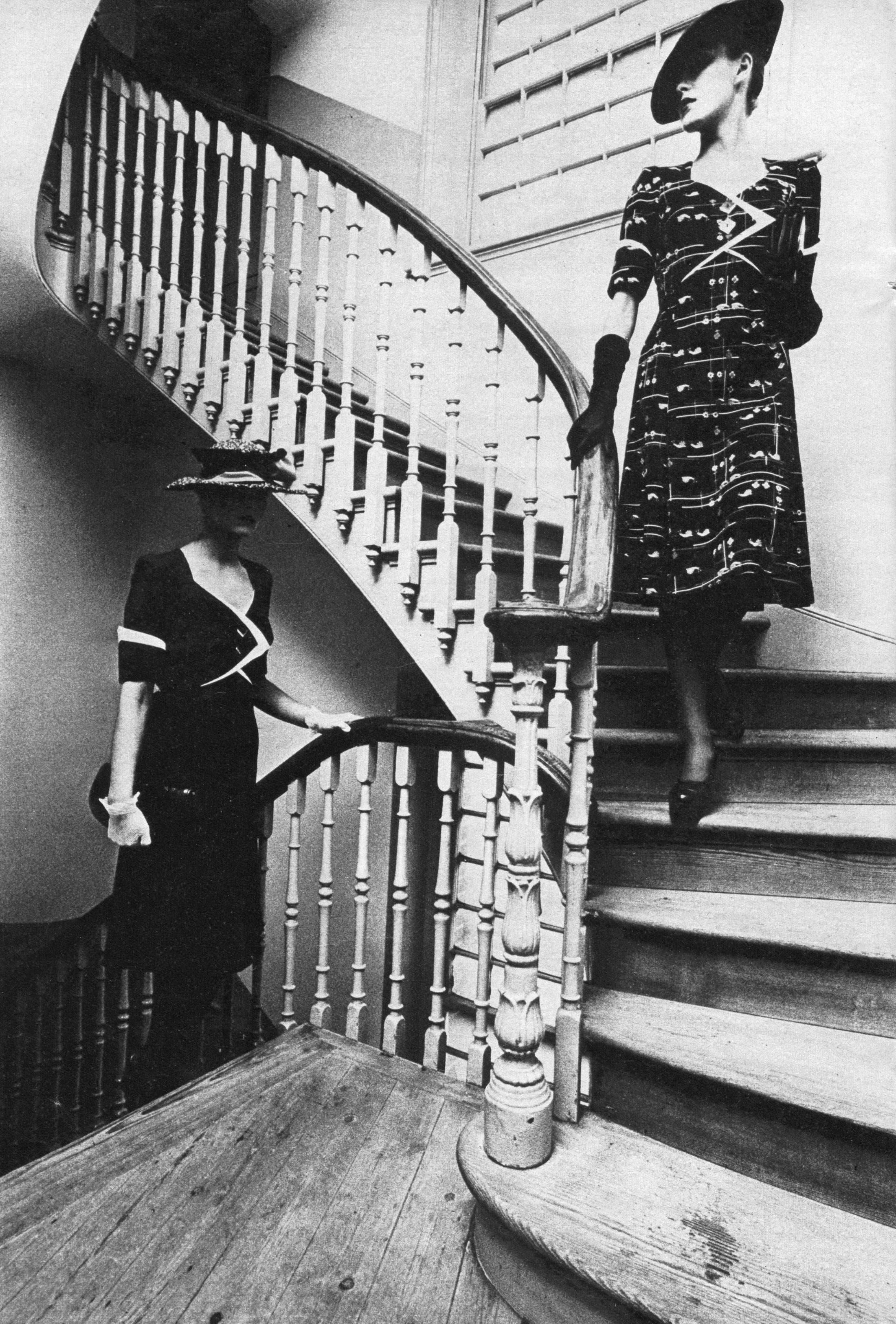
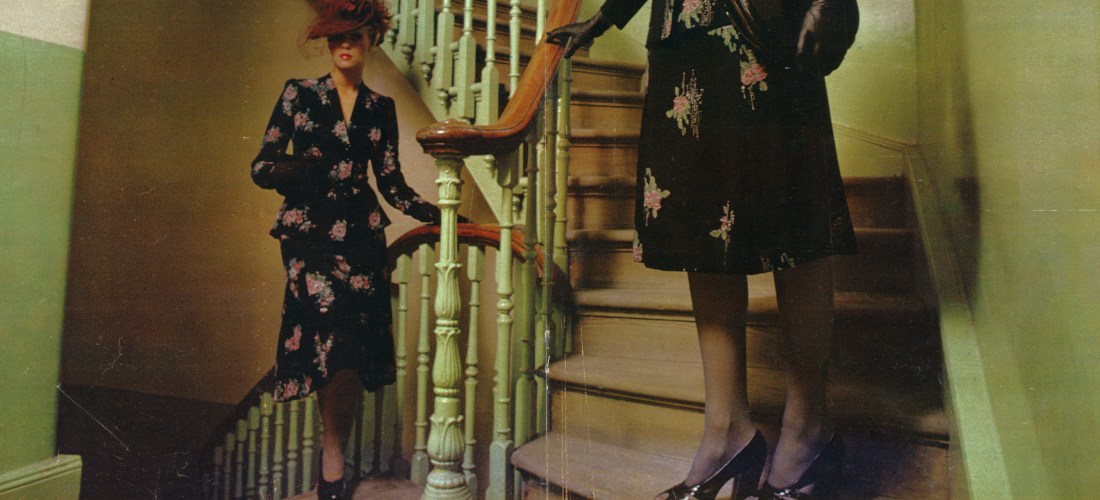
That’s what you’ll be in the latest Fifties-style suits and dresses.
Photographed by Peccinotti.
Scanned from 19 Magazine, September 1973.
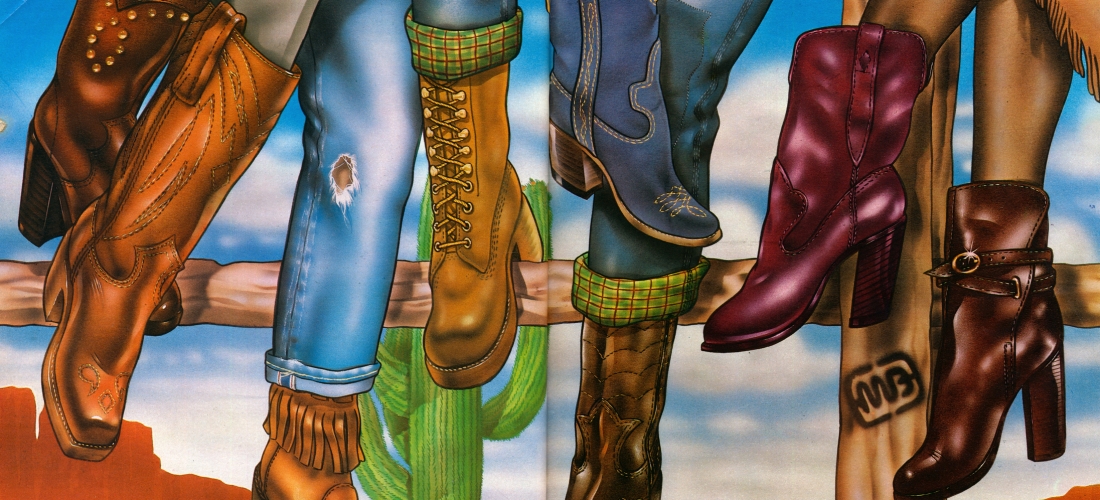
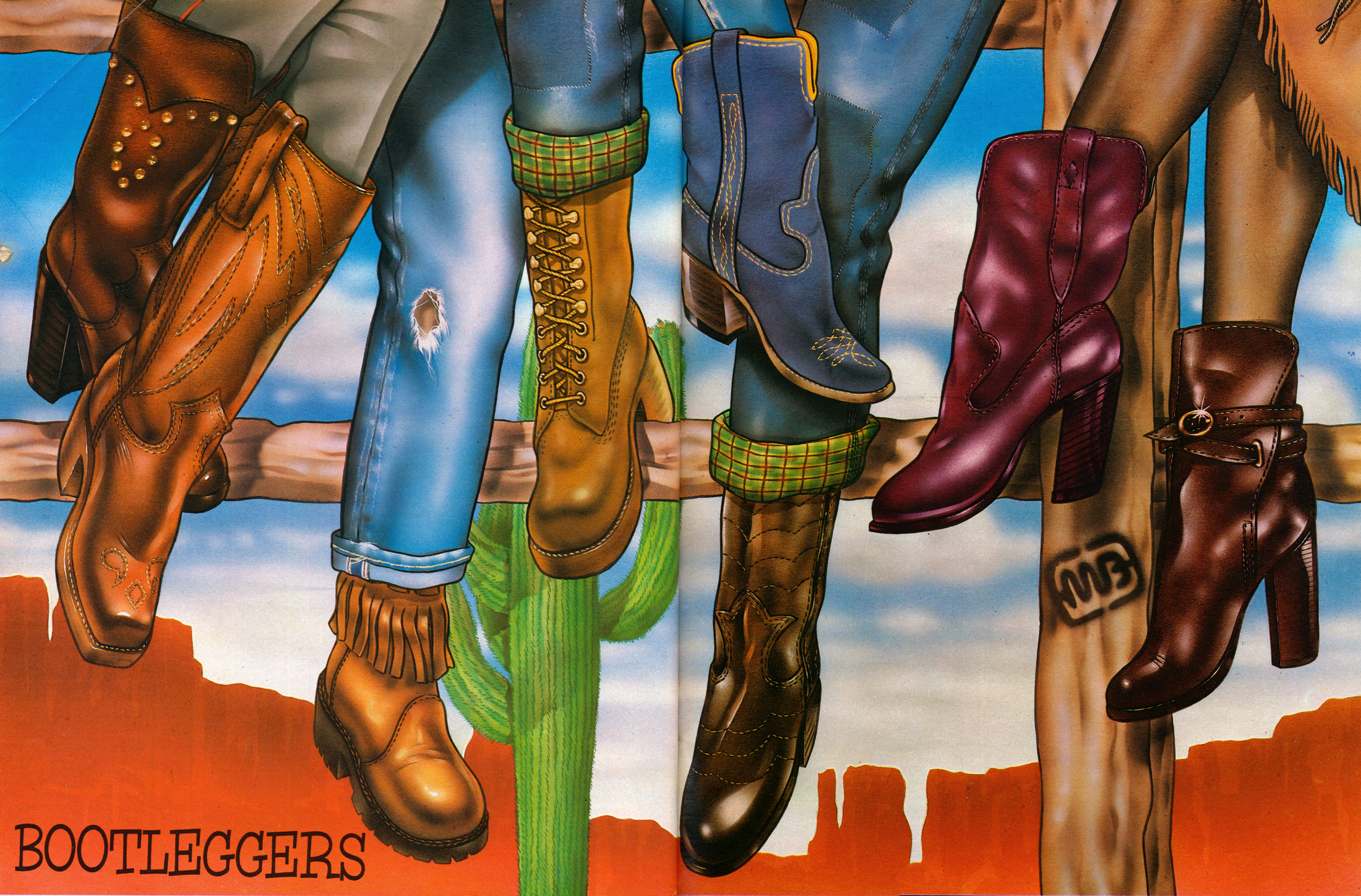
Illustration by Mick Brownfield.
Scanned from Honey, November 1974.
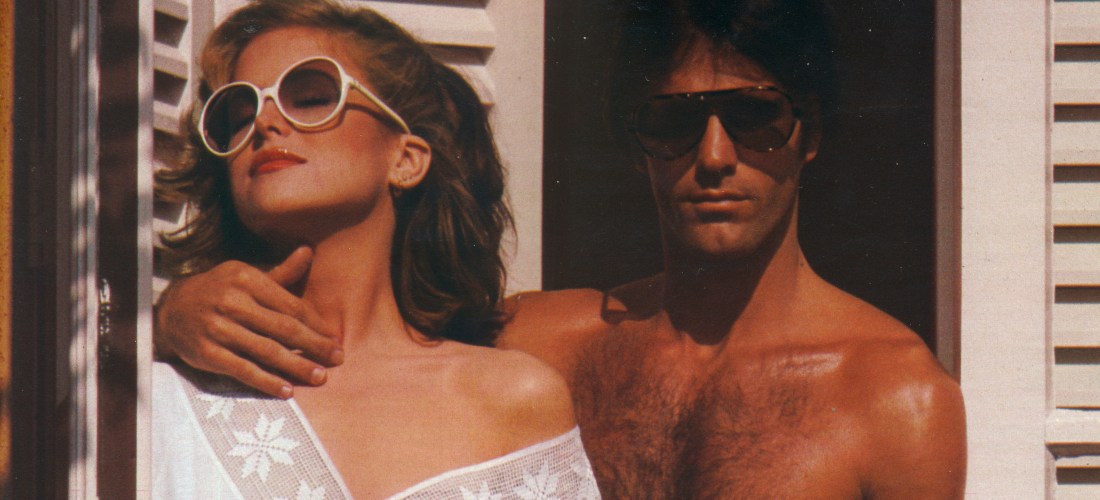
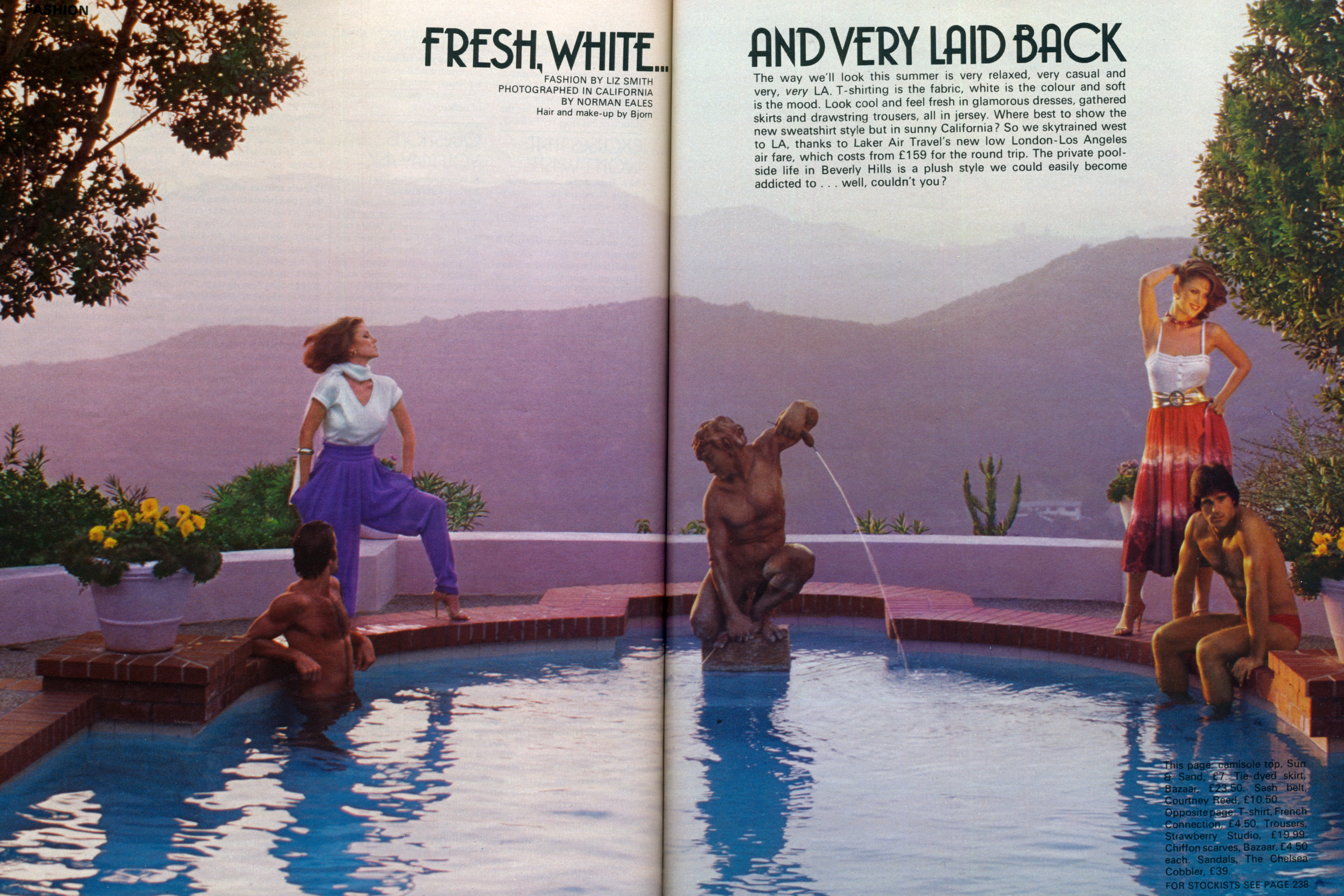
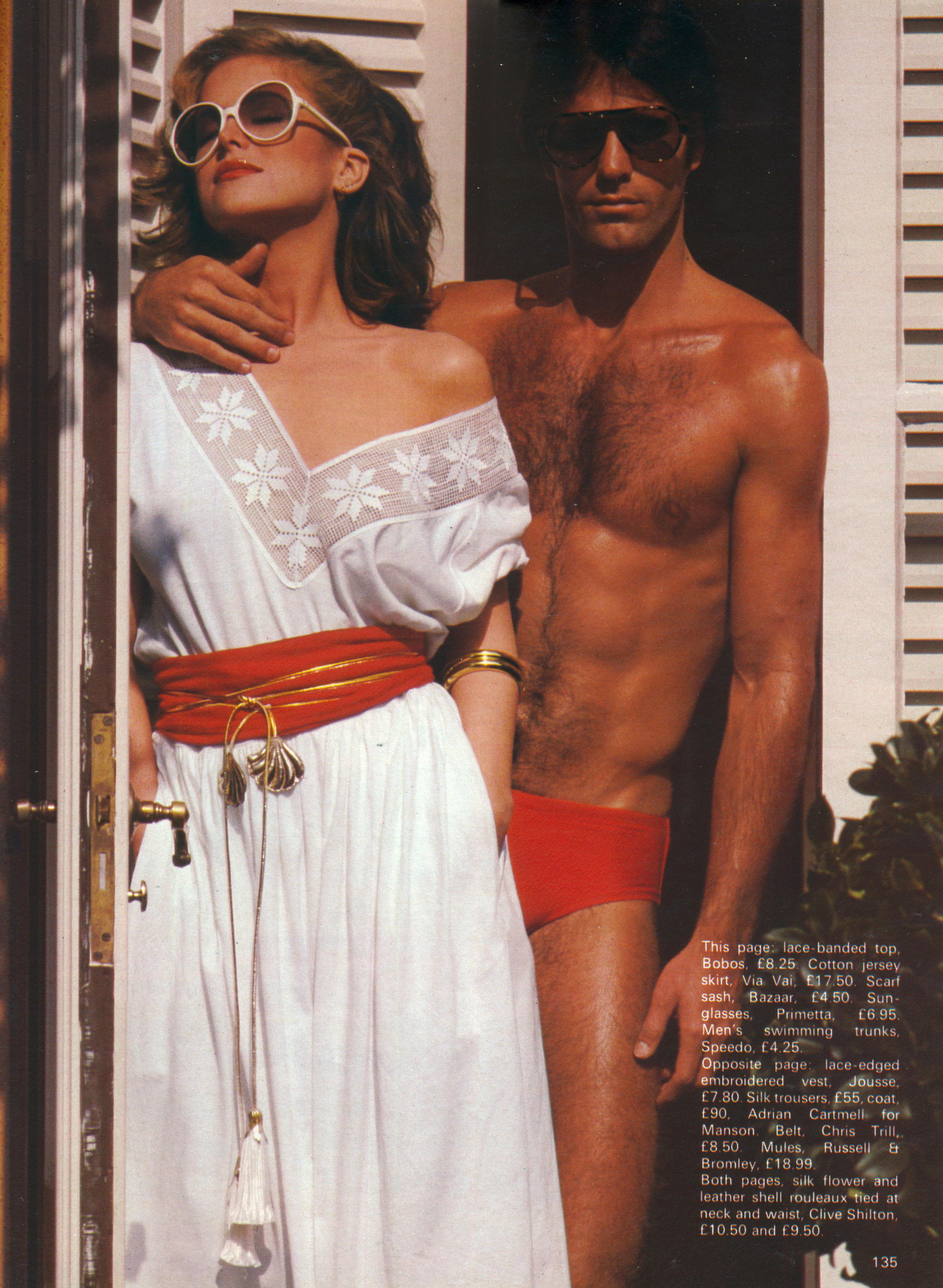
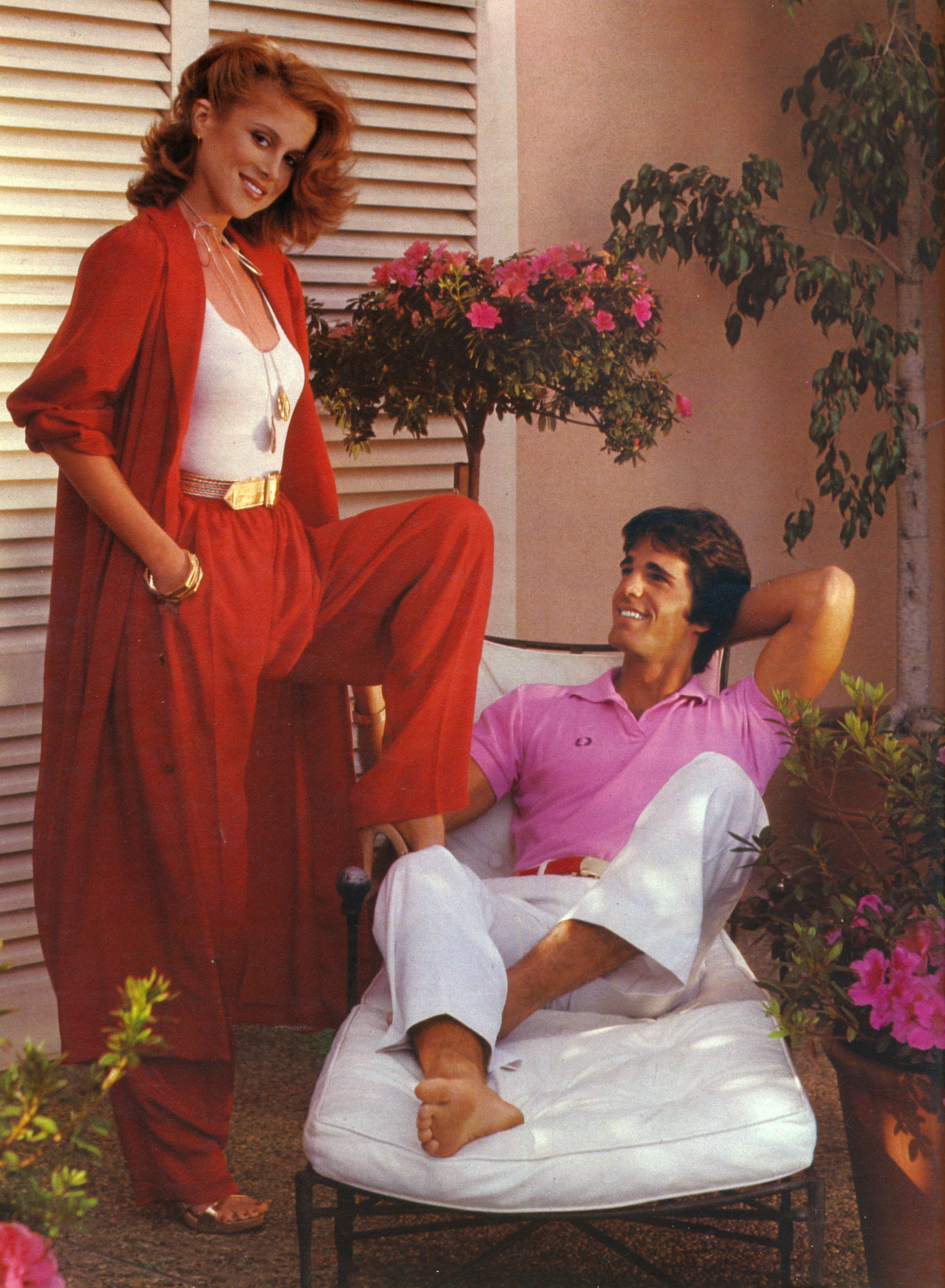
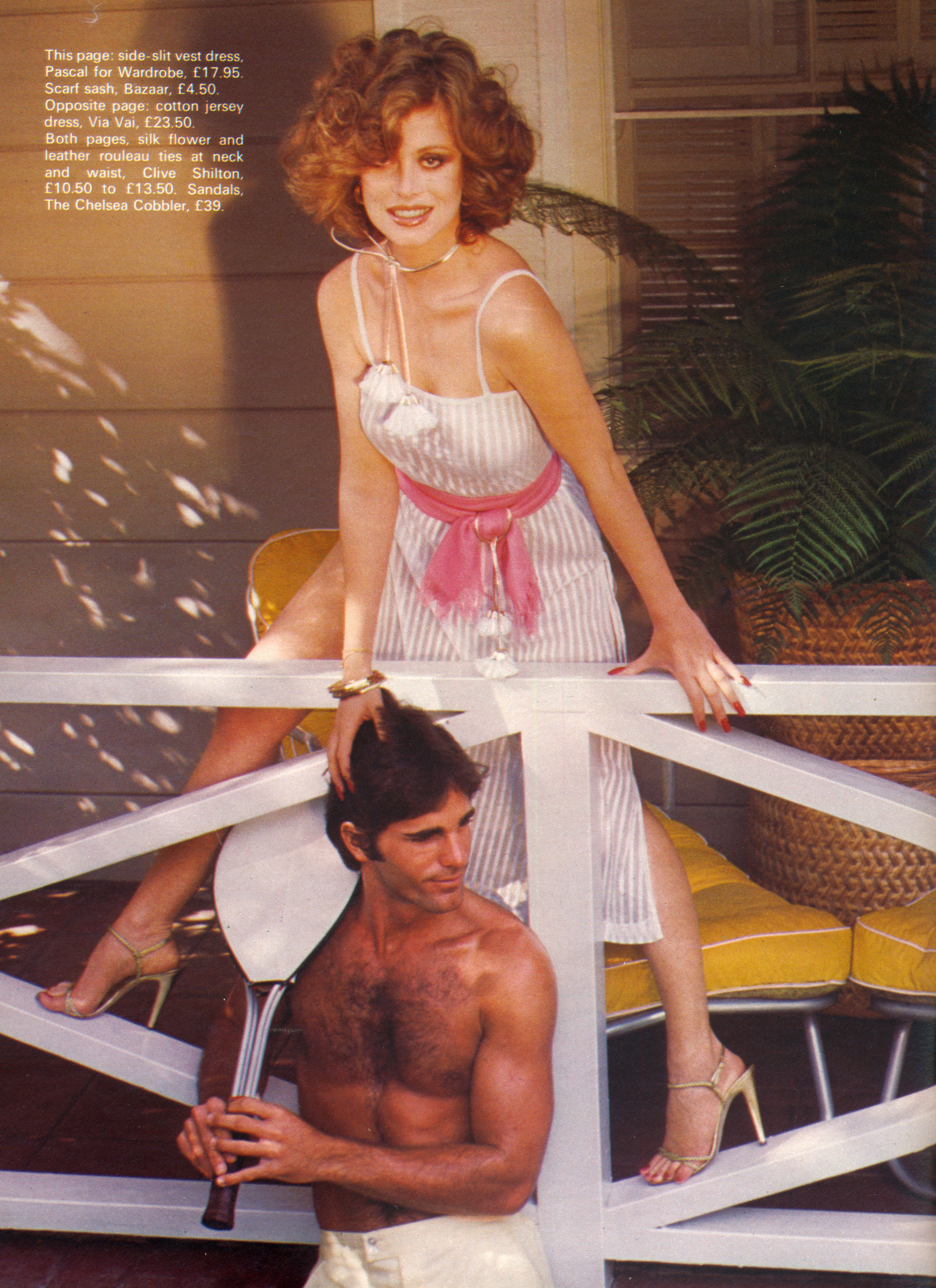
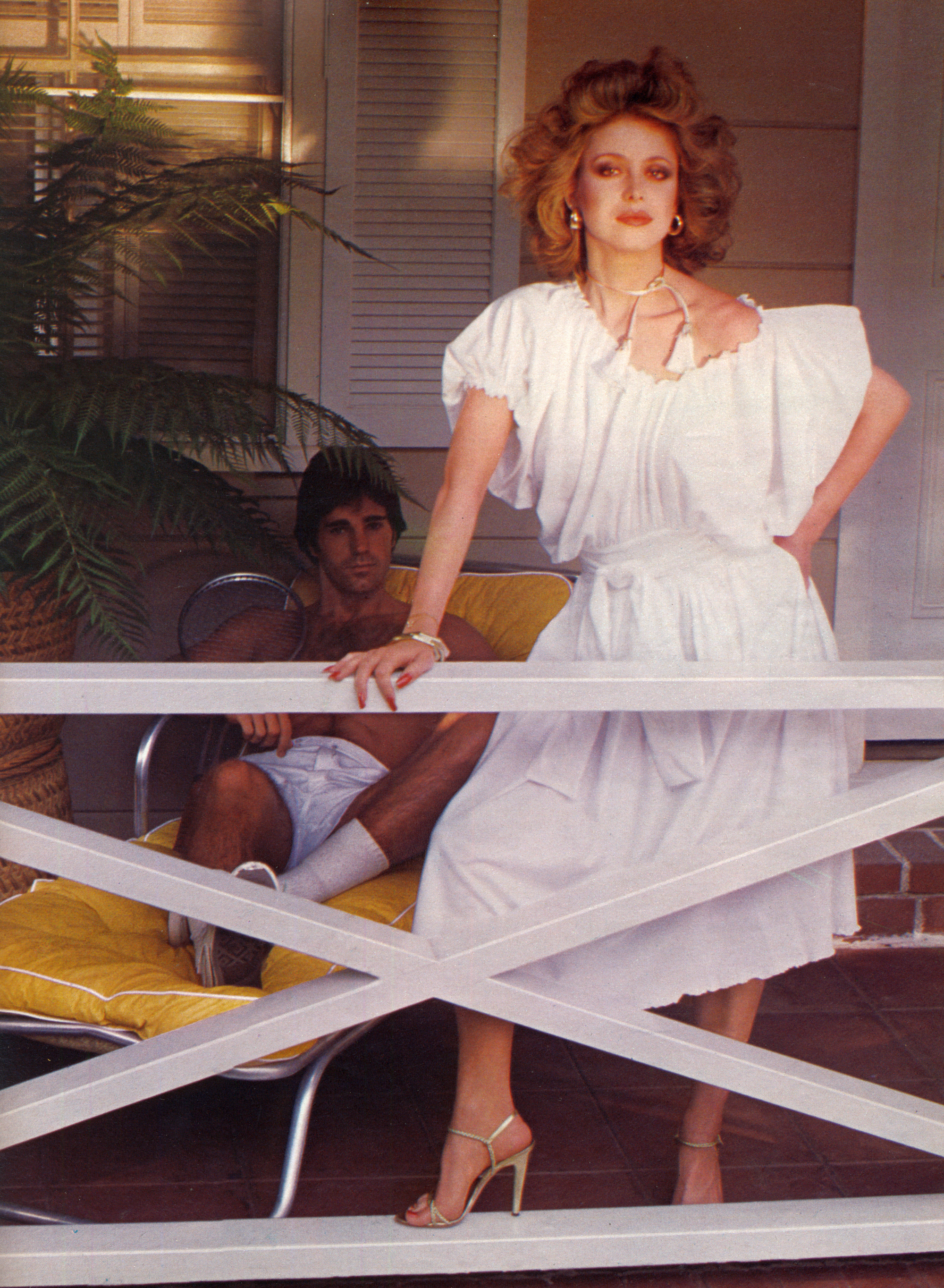
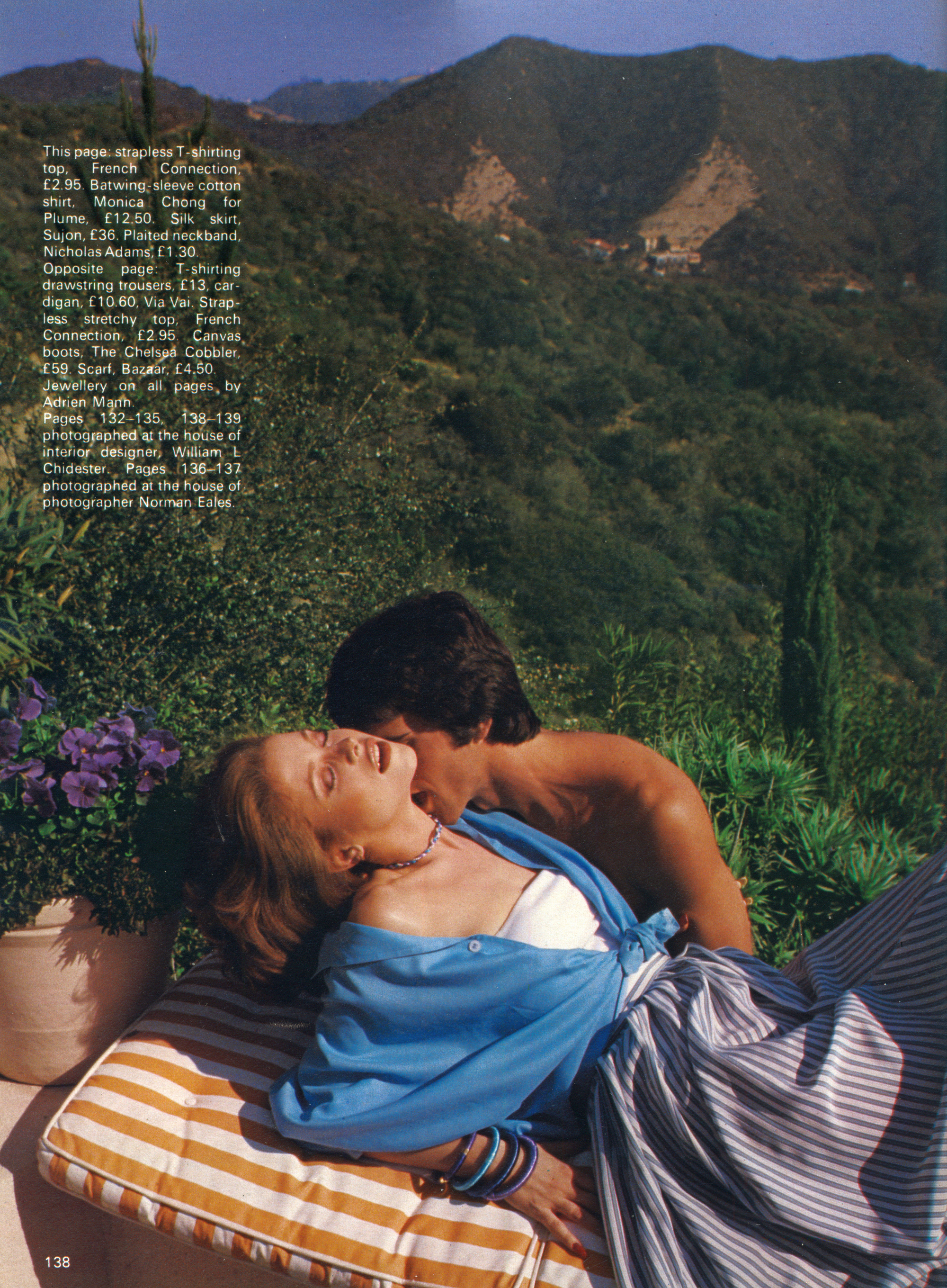
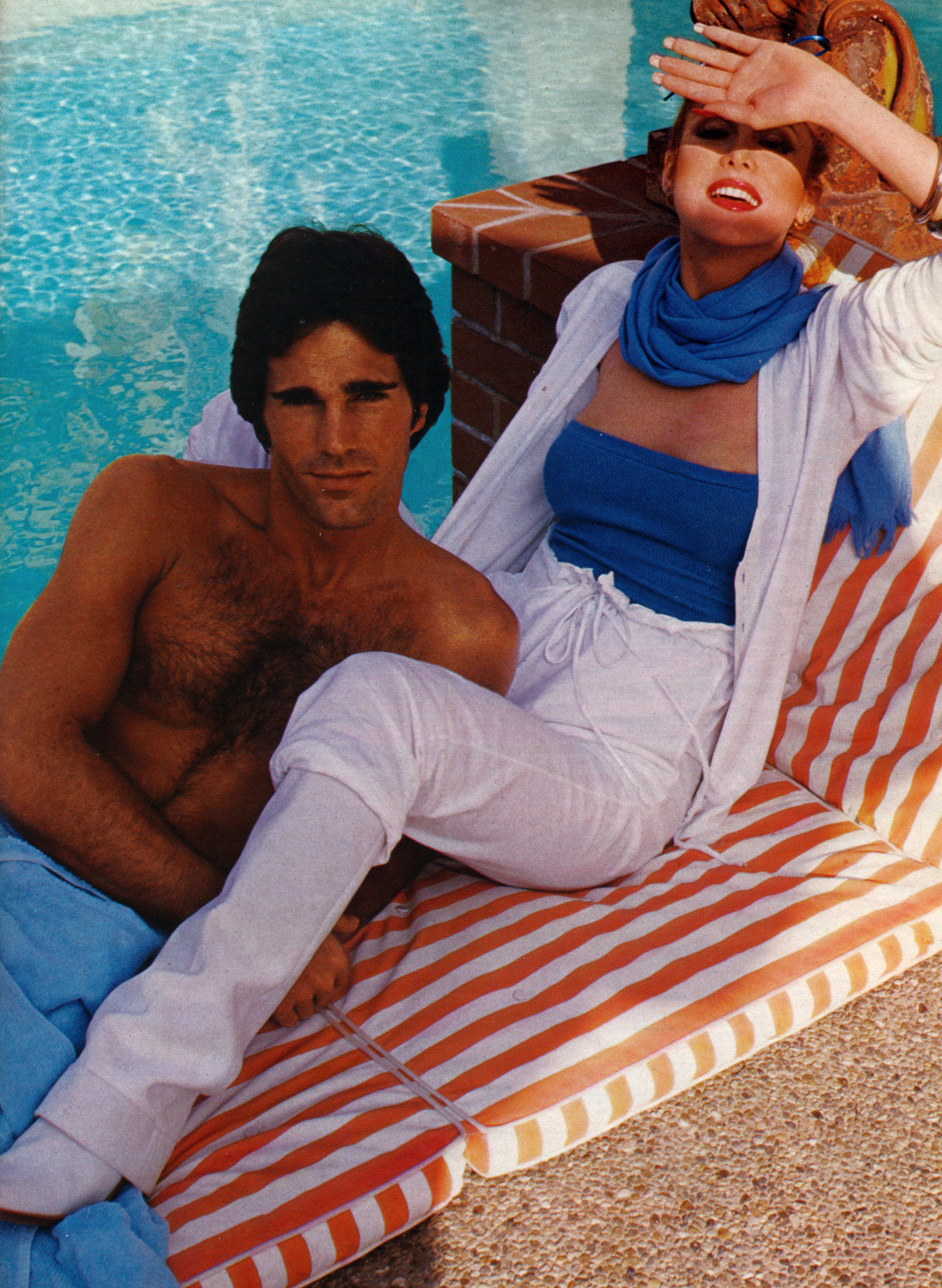
The way we’ll look this summer is very relaxed, very casual and very, very LA. T-shirting is the fabric, white is the colour and soft is the mood. Look cool and feel fresh in glamorous dresses, gathered skirts and drawstring trousers, all in jersey. Where best to show the new sweatshirt style but in sunny California? So we skytrained west to LA, thanks to Laker Air Travel’s new low London-Los Angeles air fare, which costs from £159 for the round trip. The private pool-side life in Beverly Hills is a plush style we could easily become addicted to . . . well, couldn’t you?
Pages 132 -135, 138-139 photographed at the house of interior designer, William L Chidester. Pages 136-137 photographed at the house of photographer Norman Eales.
Fashion by Liz Smith. Make-up by Bjorn.
Photographed by Norman Eales.
Scanned from Cosmopolitan, May 1978.
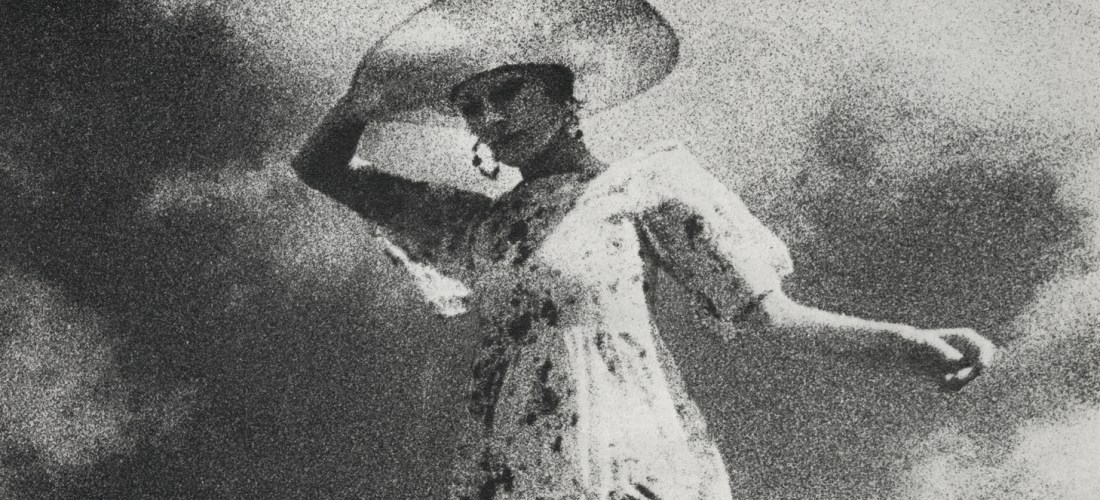
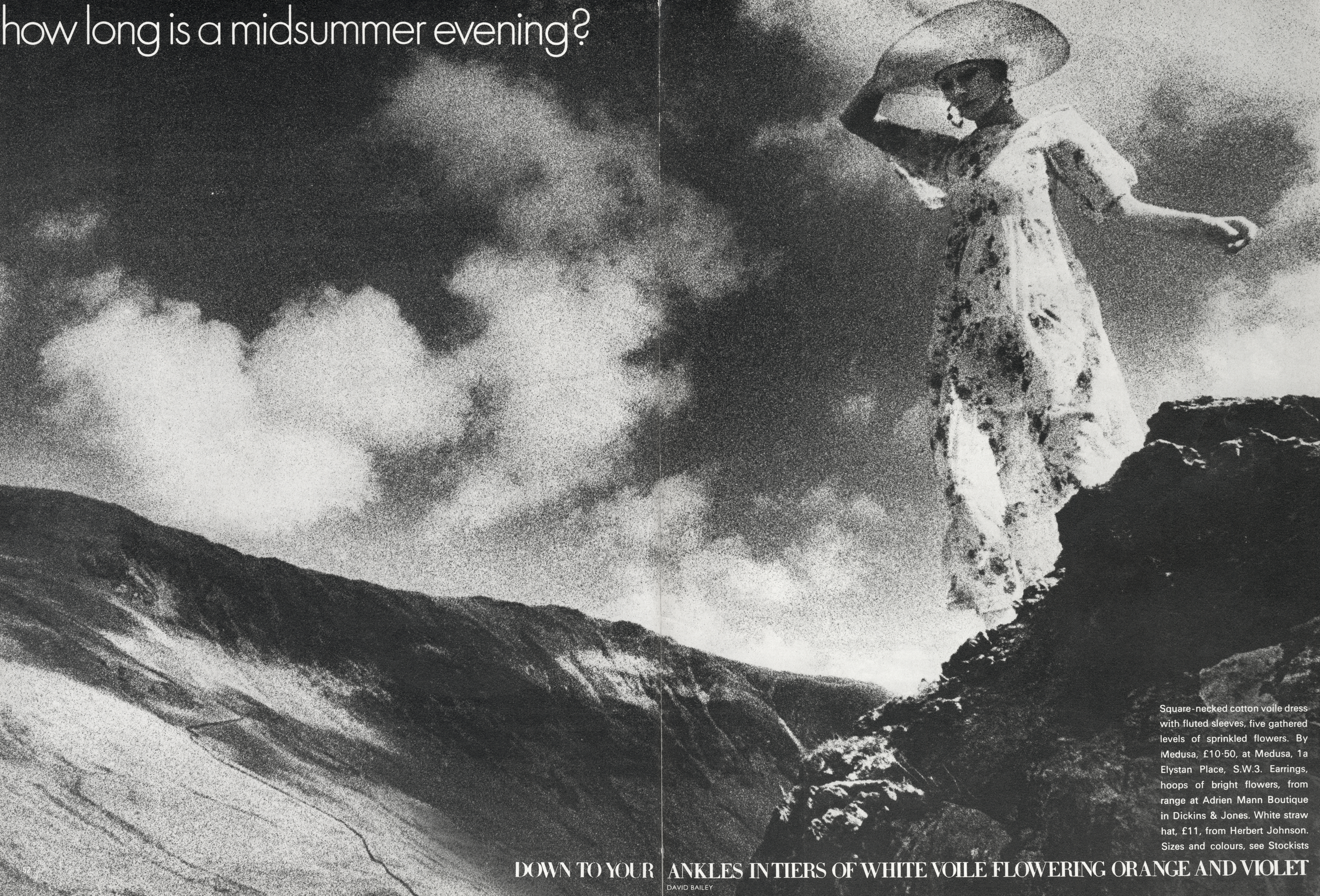
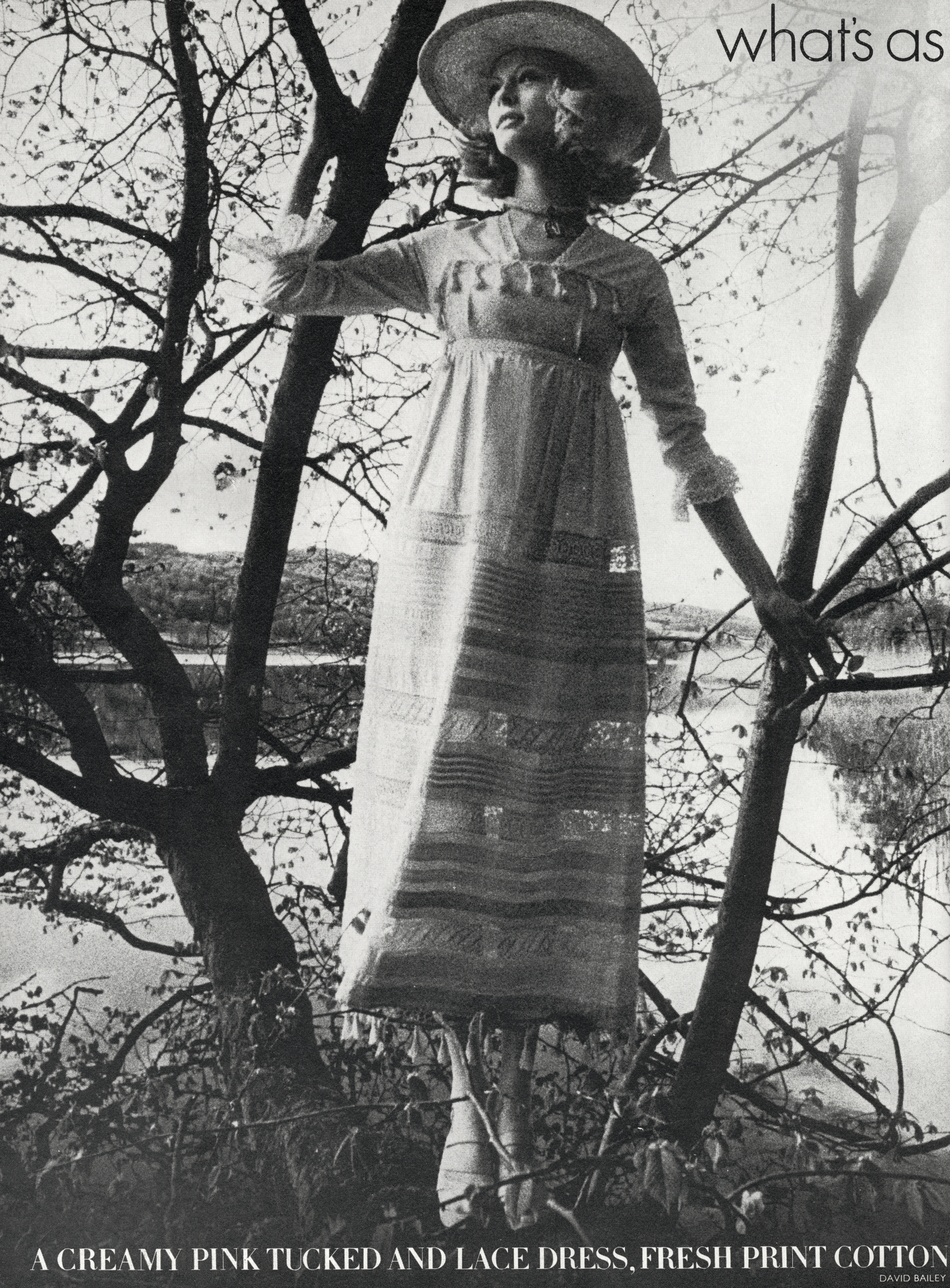
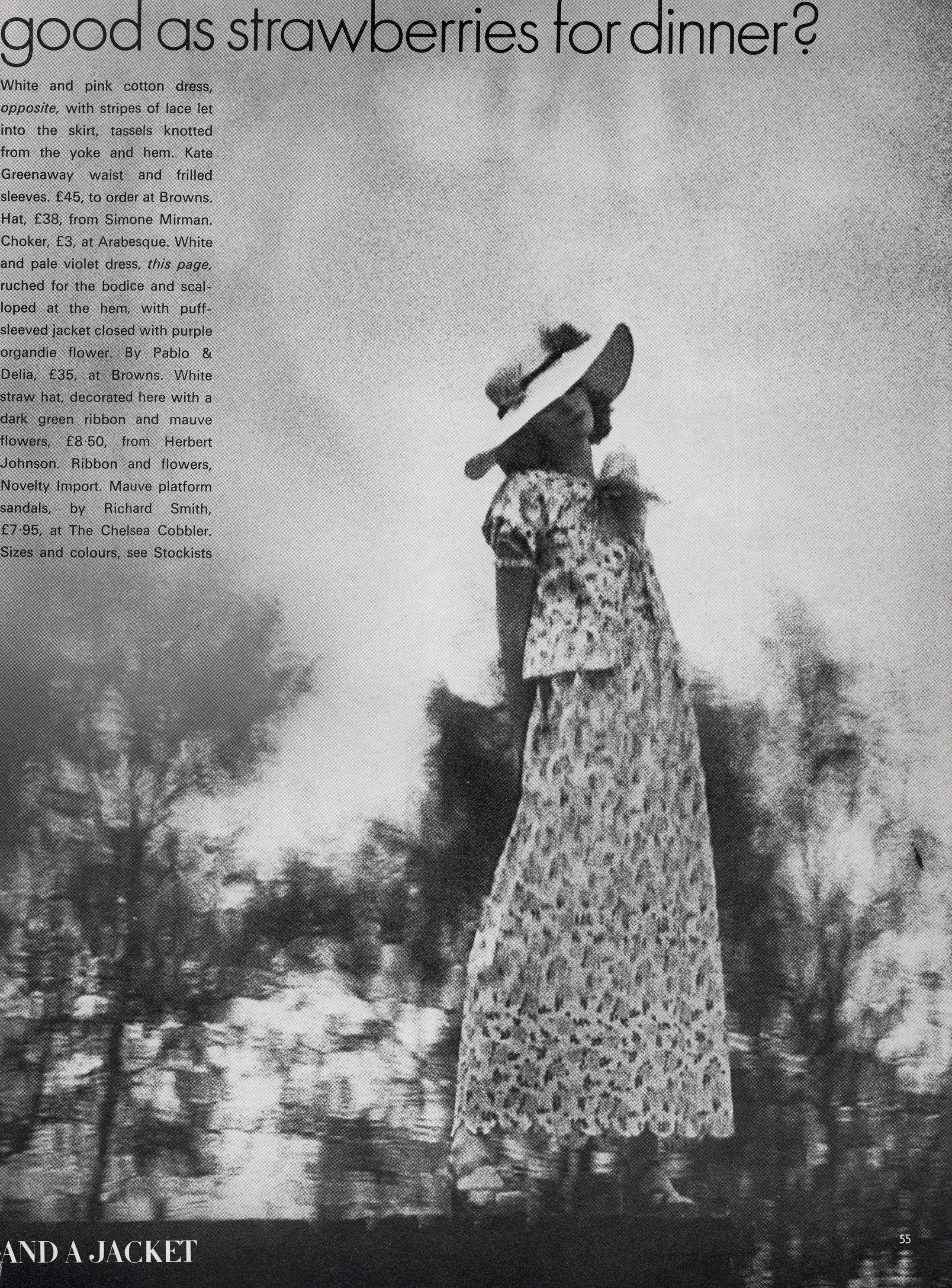
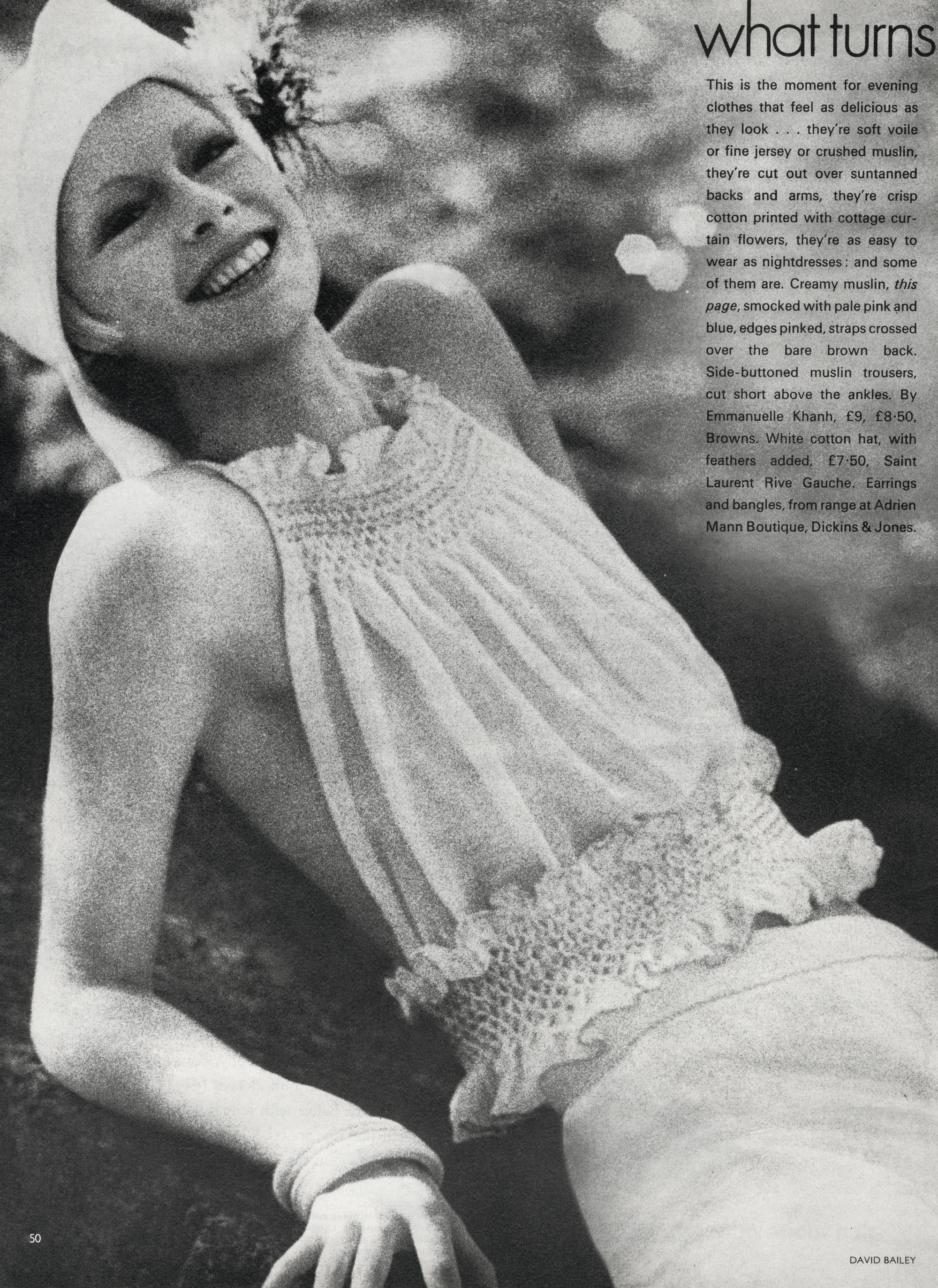
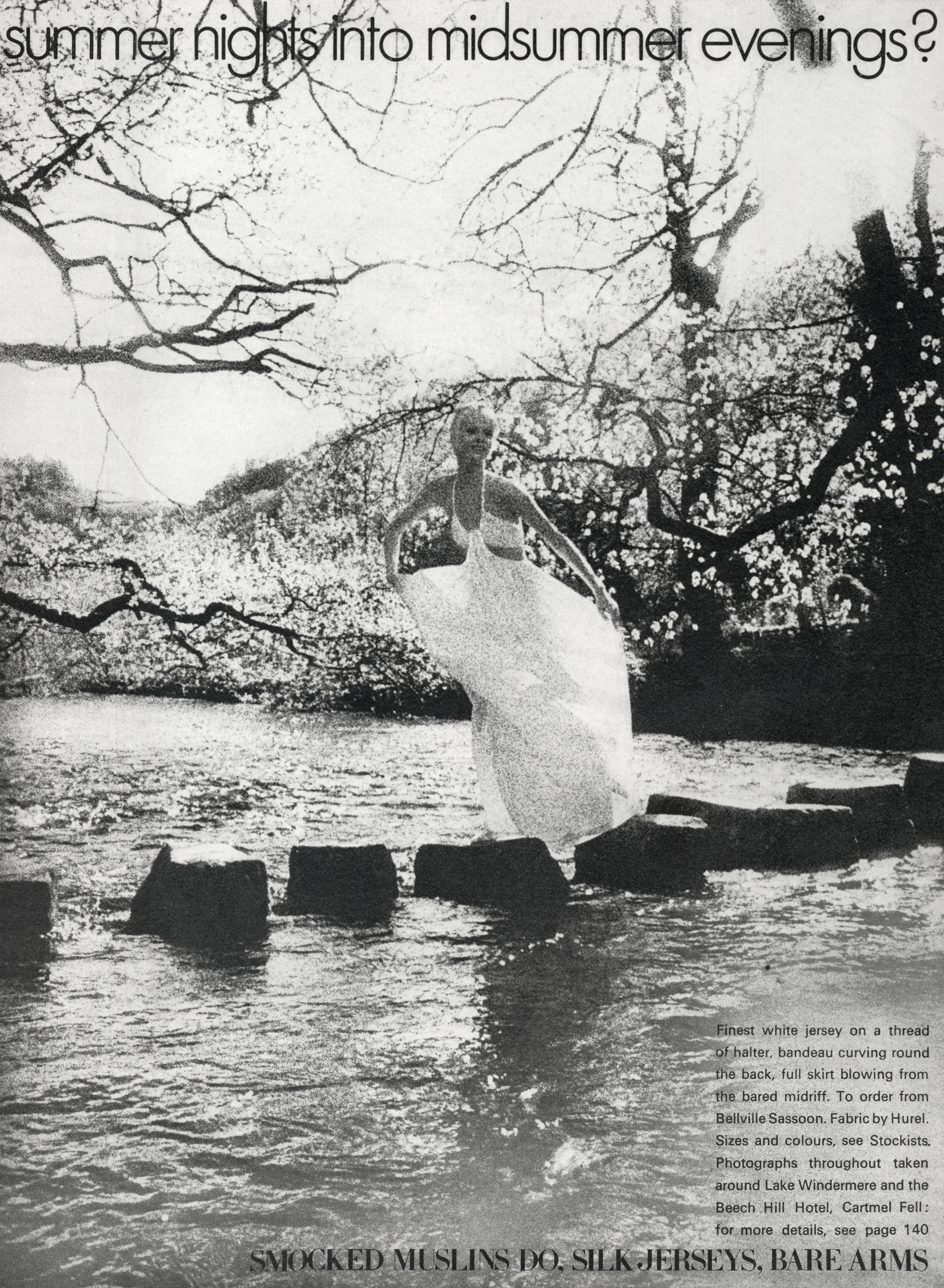
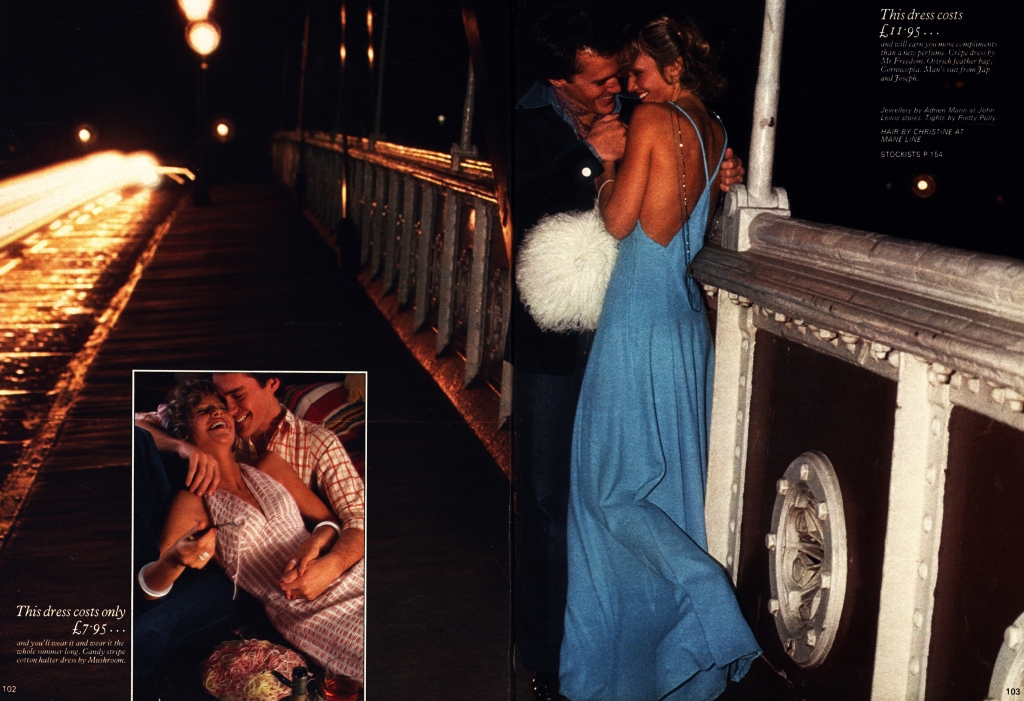
This is the moment for evening clothes that feel as delicious as they look… they’re soft voile or fine jersey or crushed muslin, they’re cut out over suntanned backs and arms, they’re crisp cotton printed with cottage curtain flowers, they’re as easy to wear as nightdresses: and some of them are.
Photographed at Lake Windermere and the Beech Hill Hotel, Cartmel Fell.
Photographed by David Bailey.
Scanned from Vogue, July 1972.
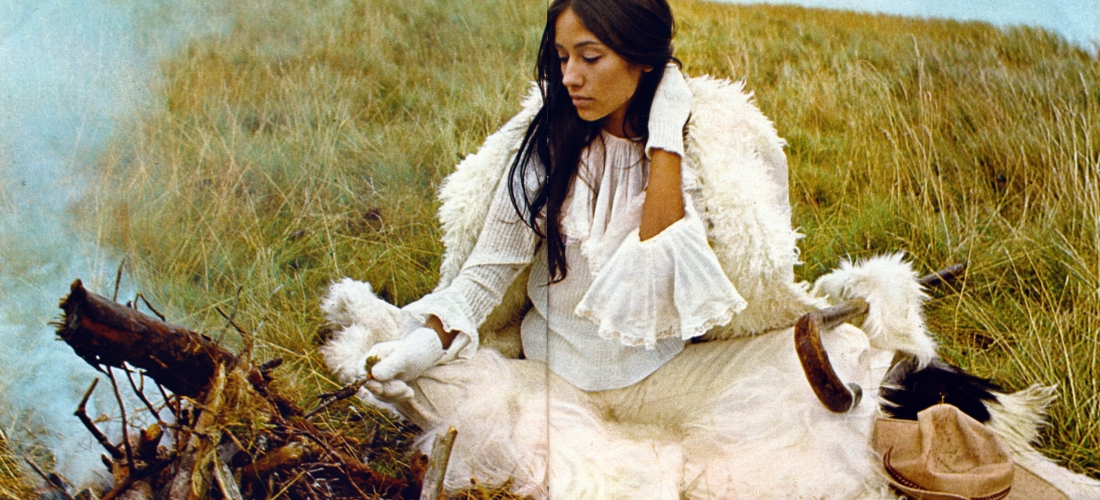
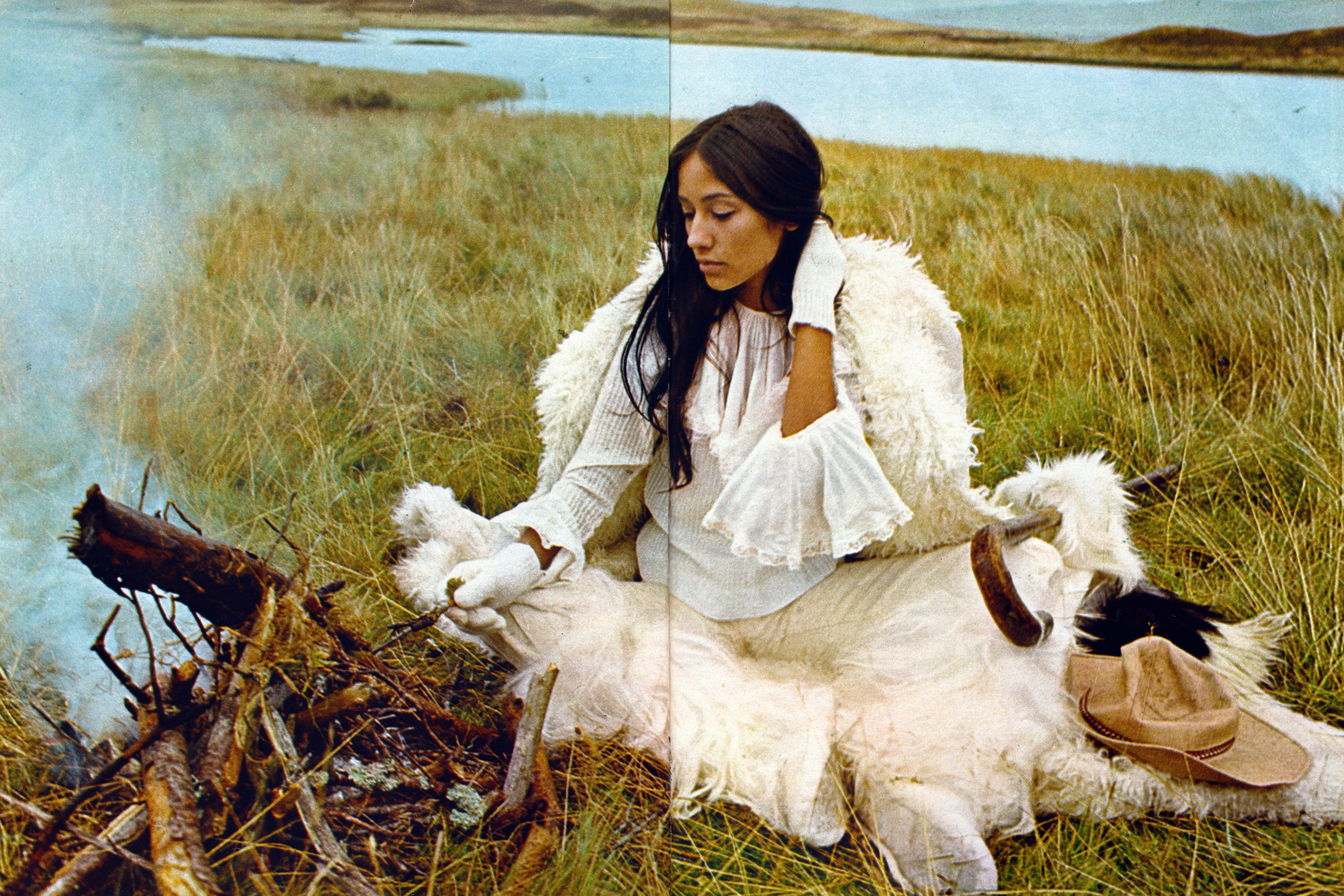
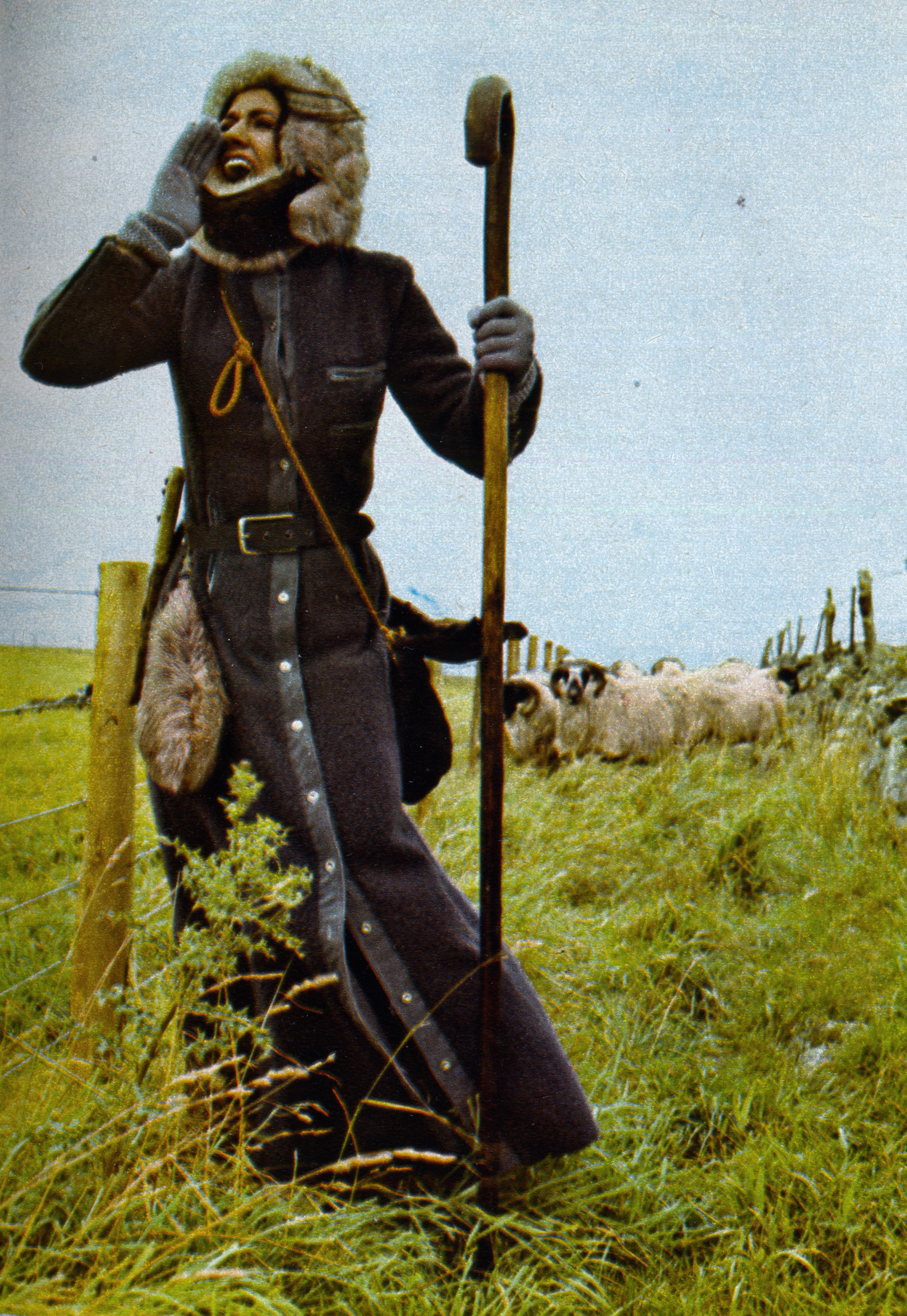
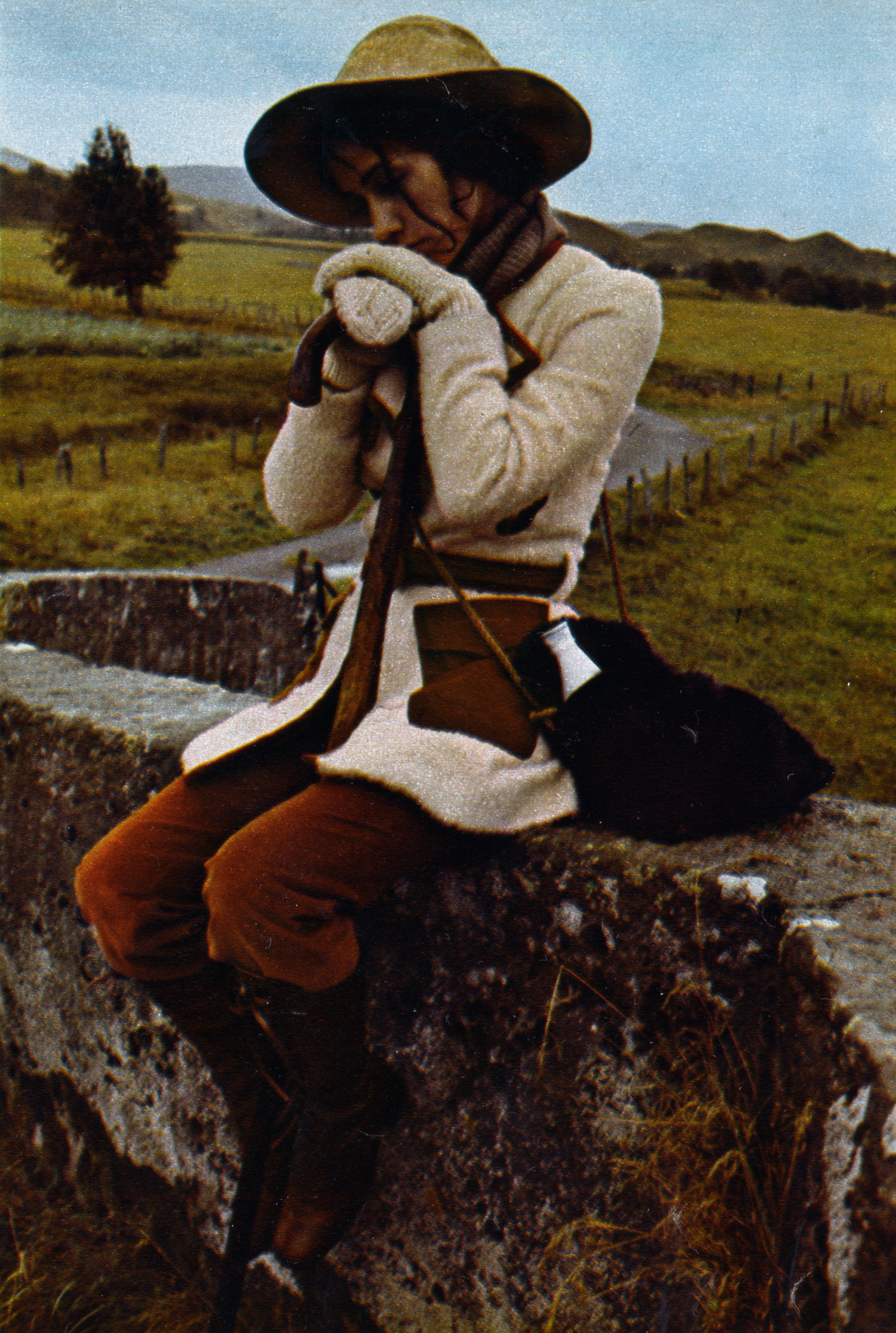
Leather and fur get more expensive every year. It’s not only the taxes and rising costs of production. It’s just that there aren’t enough good animal skins for leather around to meet the consumer demand. Furs are there in quantity for the fabulously rich. Luckily a good substitute has been found – the nylon-spun, man-made sort. Some, especially in the leather field, are so like the real thing the only way you can tell the difference is by the smell. Take the white coat on pages 46 and 47. It’s fake and costs about £50. It has a double in real fur and leather for £270. Made by the same people who have duplicated most of their collection this way and it takes an eagle eye and nose to tell the difference. Others are just furry, woolly fabrics, obviously not imitating some four-legged friend, which is one of the nicest things about them. This fur fabric is now getting the treatment it deserves. Nairn Williamson (more famous for their Vinyl floor and wall coverings) were the first to see its potential and got six designers to use their Velmar fur fabric in their winter collections. Jane Whiteside for Stirling Cooper (new label getting famous fast for their beautiful jersey co-ordinates) was the cleverest of them all. She used the best sludgy colours, mixed it with needlecord to make a group of jackets and coats to go with trousers, skirts and blouses. Borg (American originated and the pioneers in England of this deep pile fabric) has been around for a long time, mostly on the inside of duffle and raincoats but it’s on the outside as a normal fabric that it looks its best. Next winter there will be a lot more of it around, now that designers are getting less snobby about plastics. Not only is it as warm as fur, it is, of course, much cheaper and you don’t smell like a wet dog when you come in from the rain, either. So you can wear it herding sheep on lost weekends, or in town queuing for the cinema without any guilt feelings about ruining your assets.
Insert obligatory ‘I don’t agree with the thrust of the argument for fake furs as just a financial consideration here’ caveat from me, your content provider. Don’t shout at me, basically. But it’s an interesting insight into the mindset of 1970, and the proliferation of fake furs and skins at that time. It’s also a breathtakingly styled and photographed work of art from Caroline Baker and Jonvelle.
Fashion by Caroline Baker.
Photographed by Jonvelle.
Scanned from Nova, January 1970.
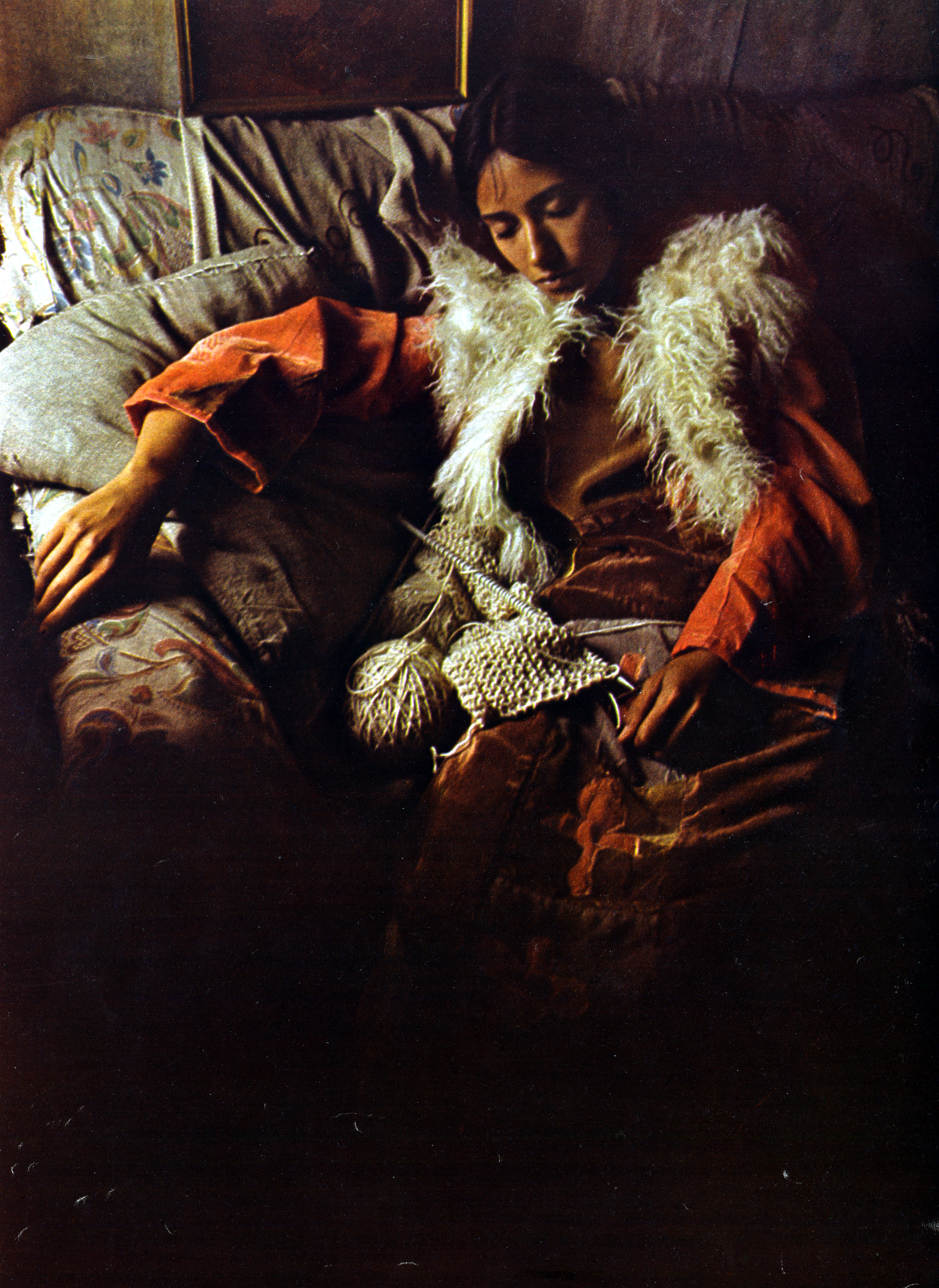

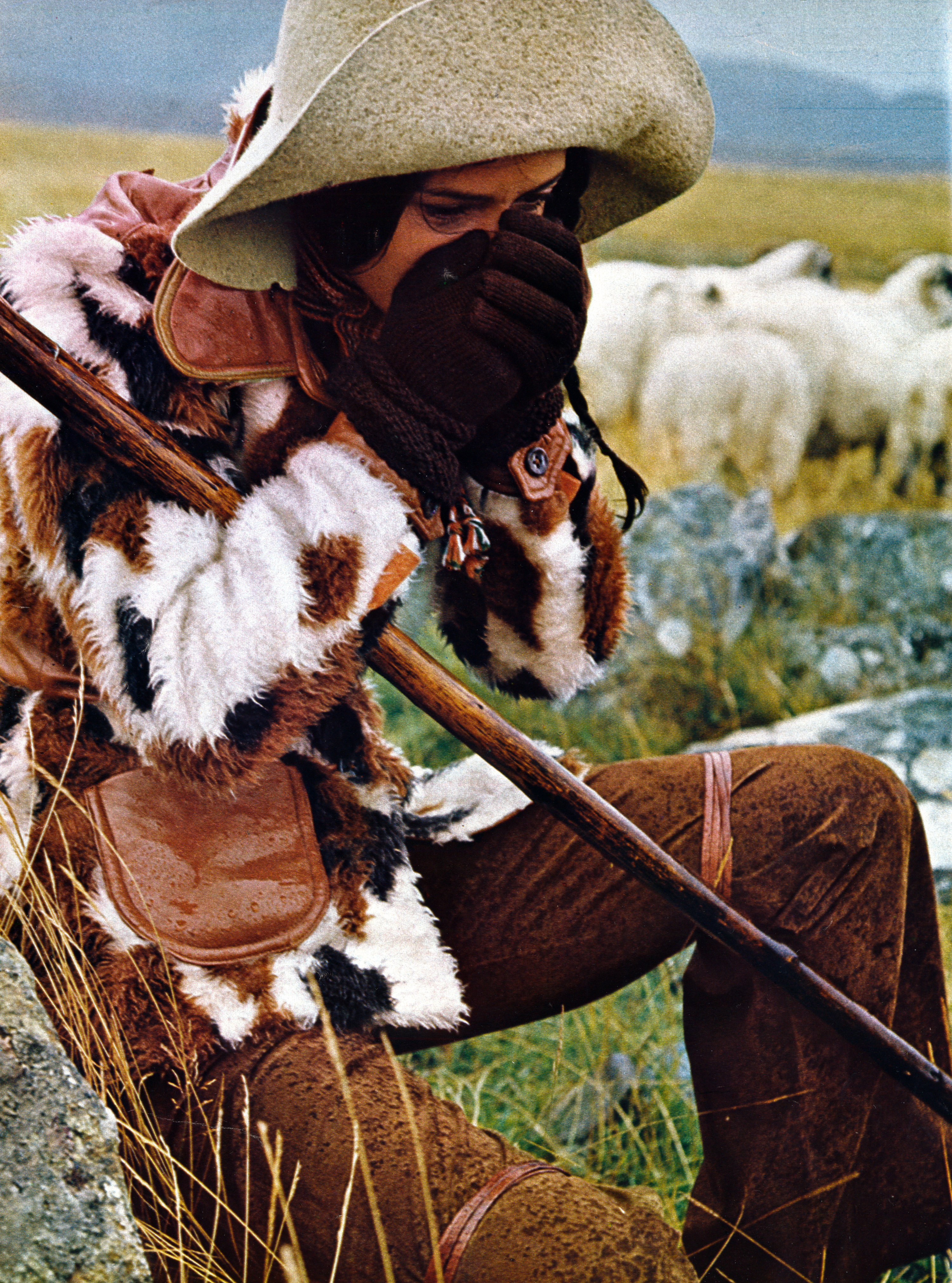
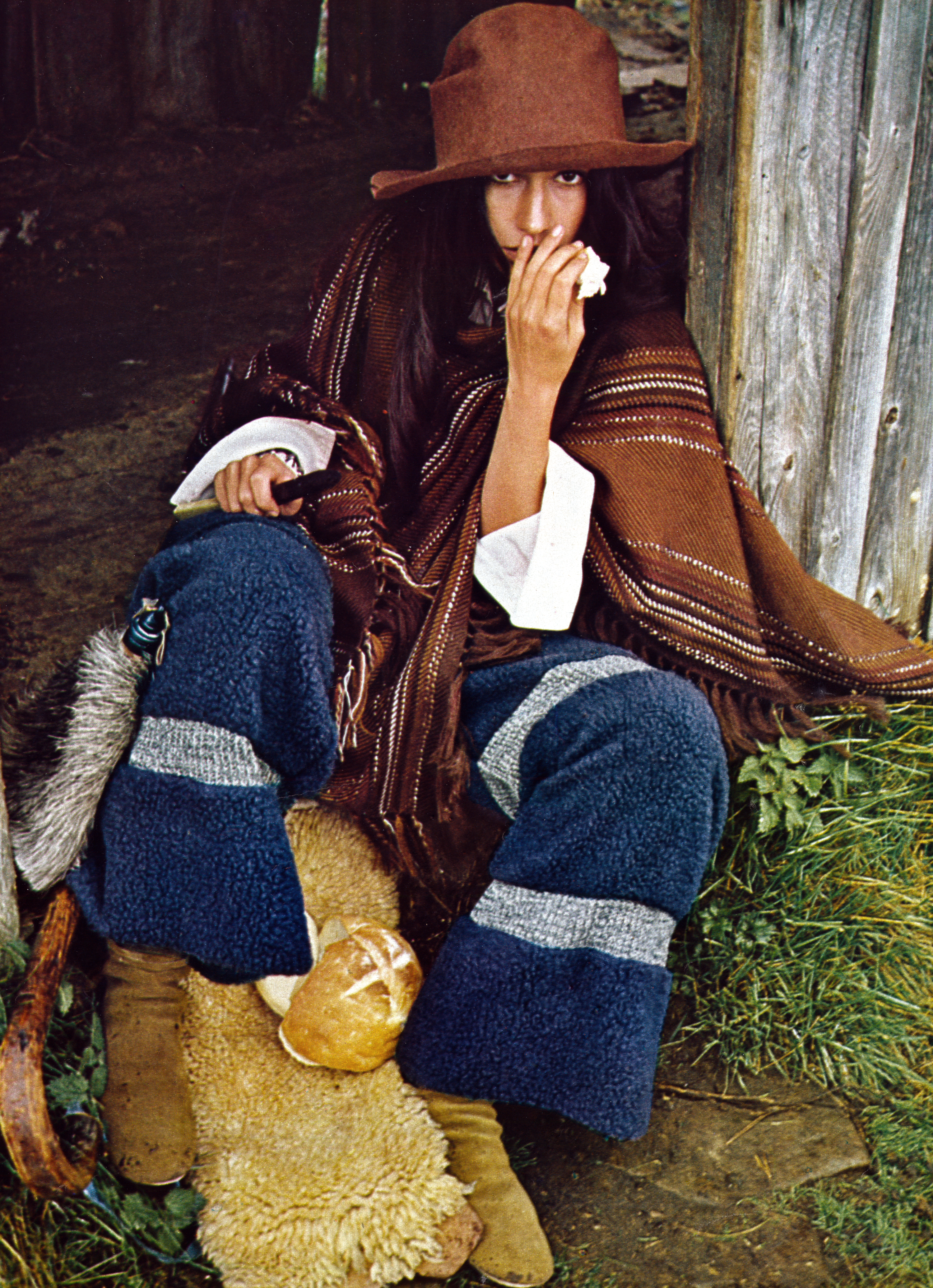
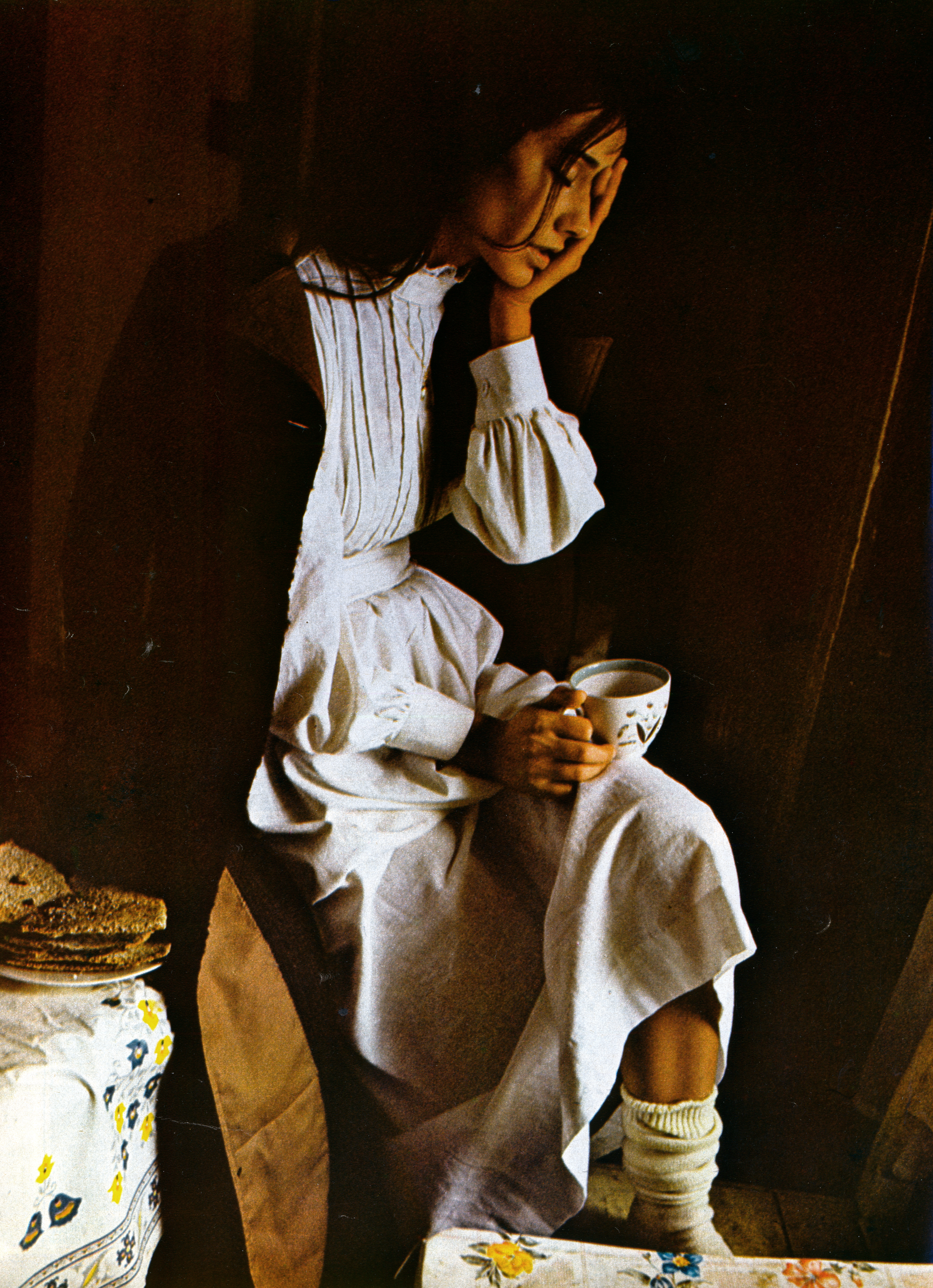


Photographed by Robin Saidman.
Scanned from Cosmopolitan, October 1979.
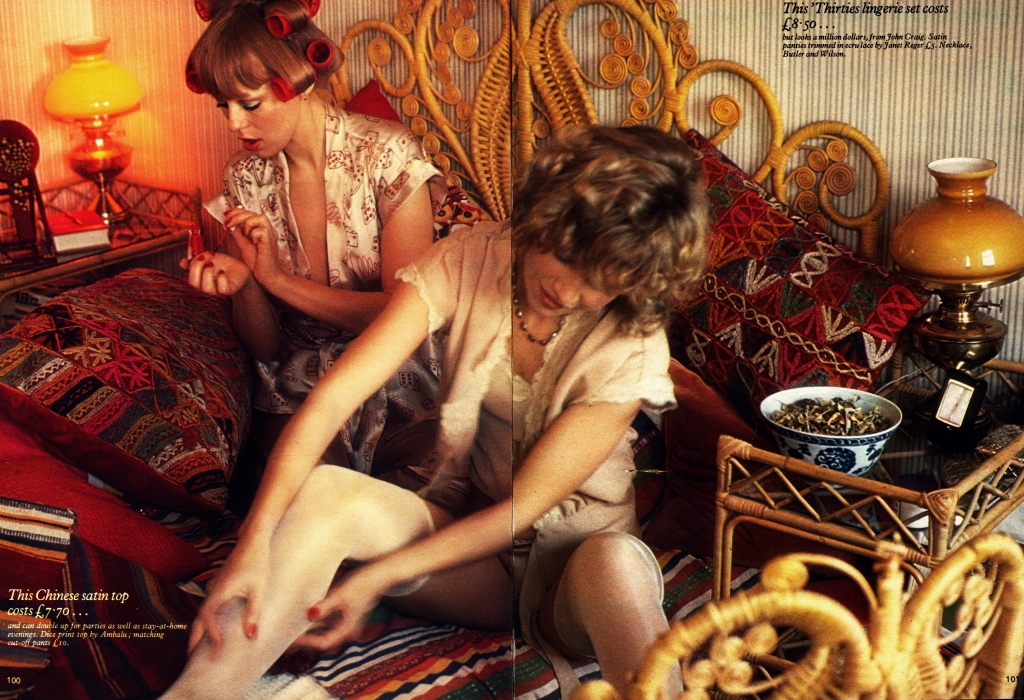
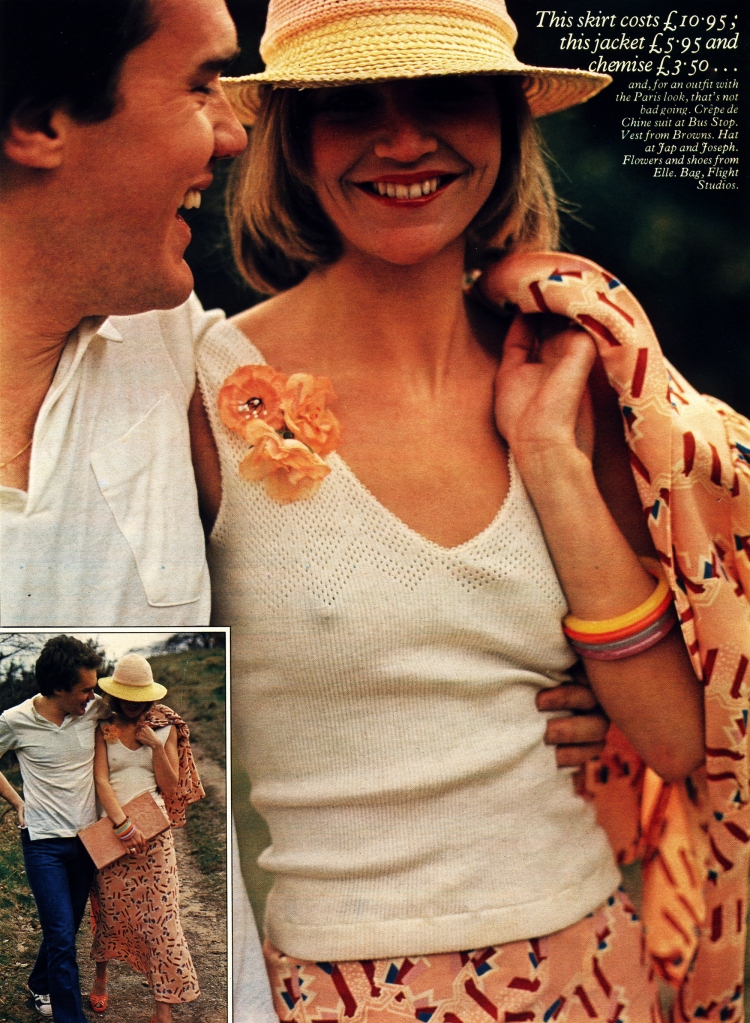
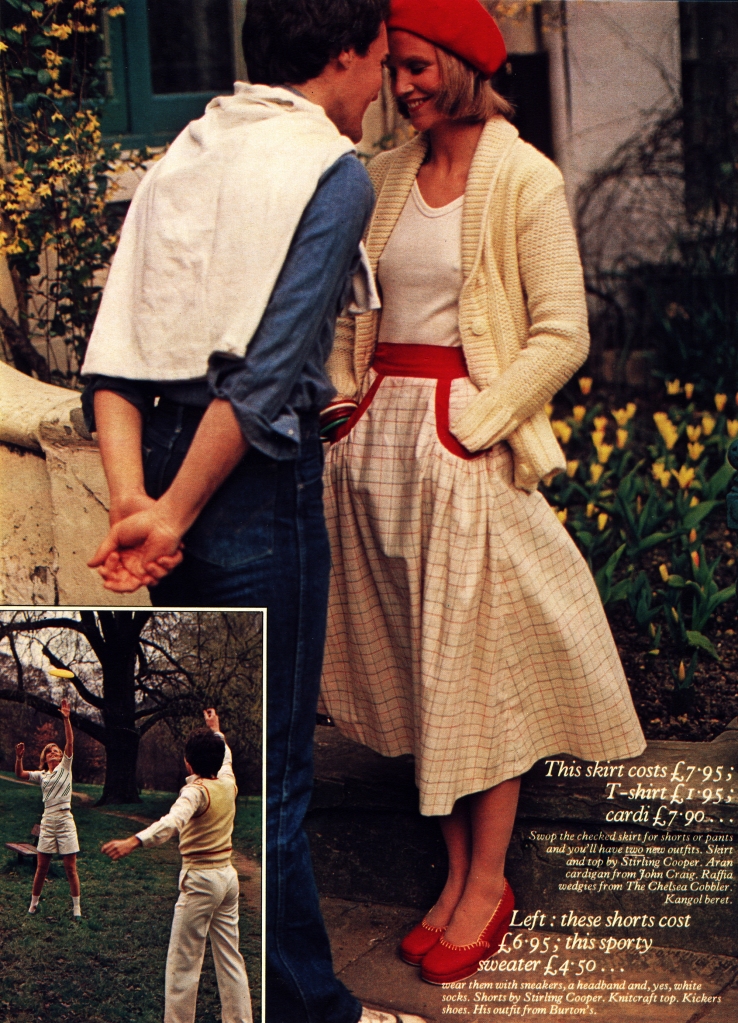
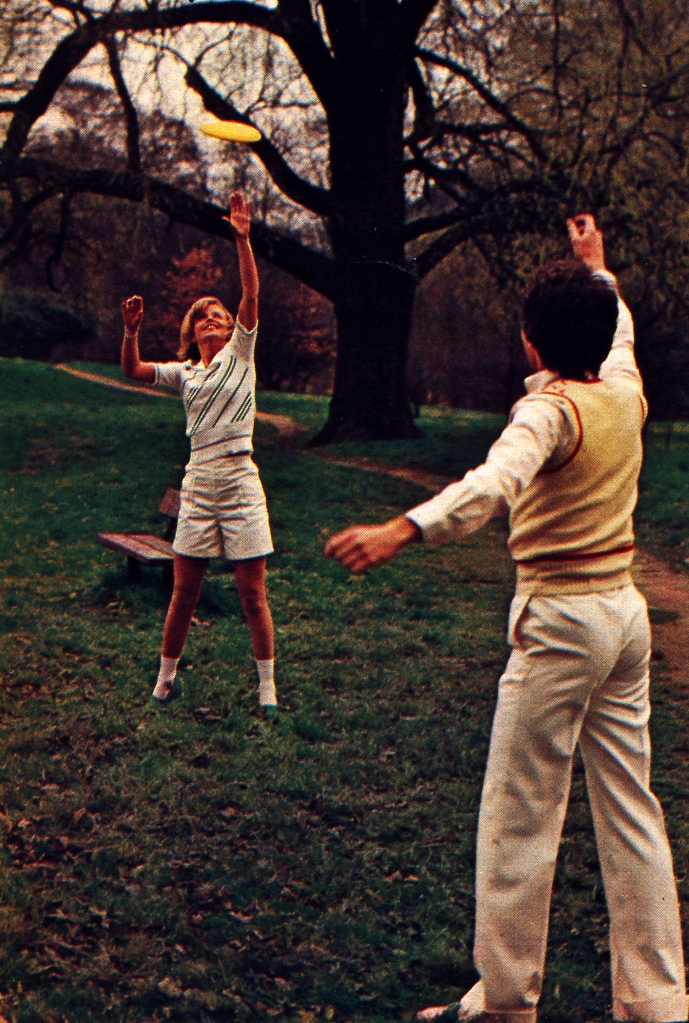
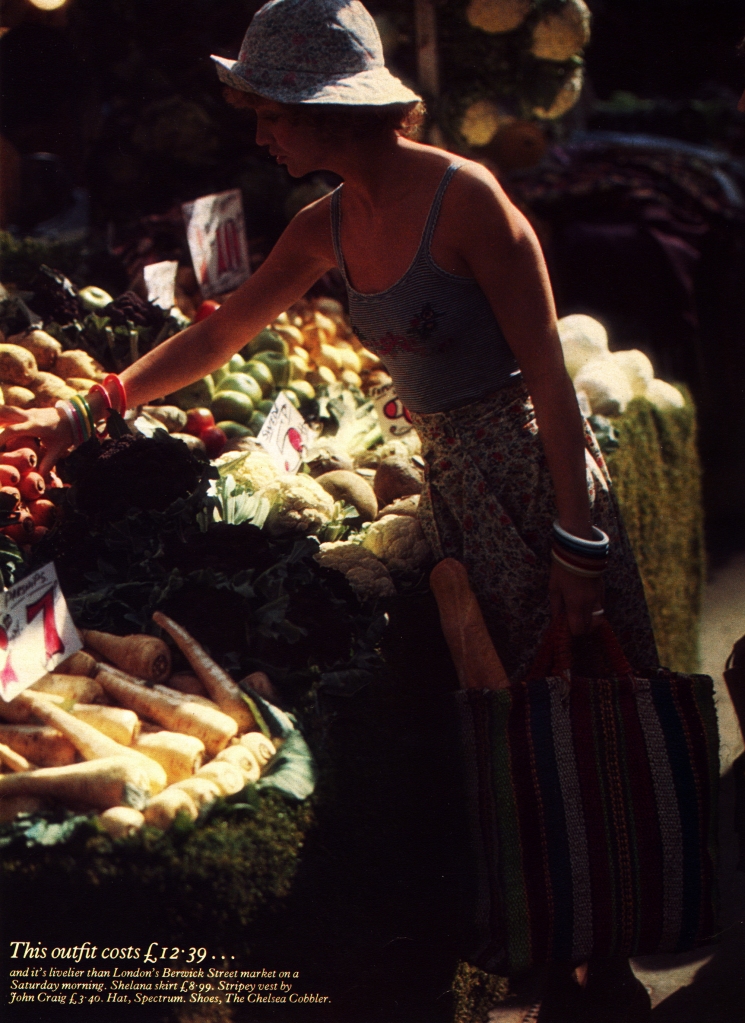
First-job salaries can present problems when you’re not used to juggling the rent around a new skirt or sweater. But there are ways—as you’ll see on these pages—of looking not just good, but positively great on a tight budget. Learn the rules of the “looking-good-on-a-little” game . . . remember that one pair of pants at £10+ will outlive two pairs that split whenever you sit down; that washable fabrics mean you’ll have no cleaning bills. Learn how to bleach and dye, starch and press properly—so you’ll be able to match vest tops and T-shirts to your new longer flowery skirts and keep them looking fresh. Invest in beautiful leather shoes: they last and look good if polished every day. Spend more on accessories —sometimes—than a new dress. Build your wardrobe around two or three colours—as crazy as you like—and find jolly extras to pull it all together. . . . This may be the summer you always wear a hat. Here is my choice of nine outfits . . . chic, very wearable and all cheap at the price. That’s fashion knowhow.
Fashion by Pattie Barron.
Photographed by Alex Chatelain.
Scanned from Cosmopolitan, July 1974.

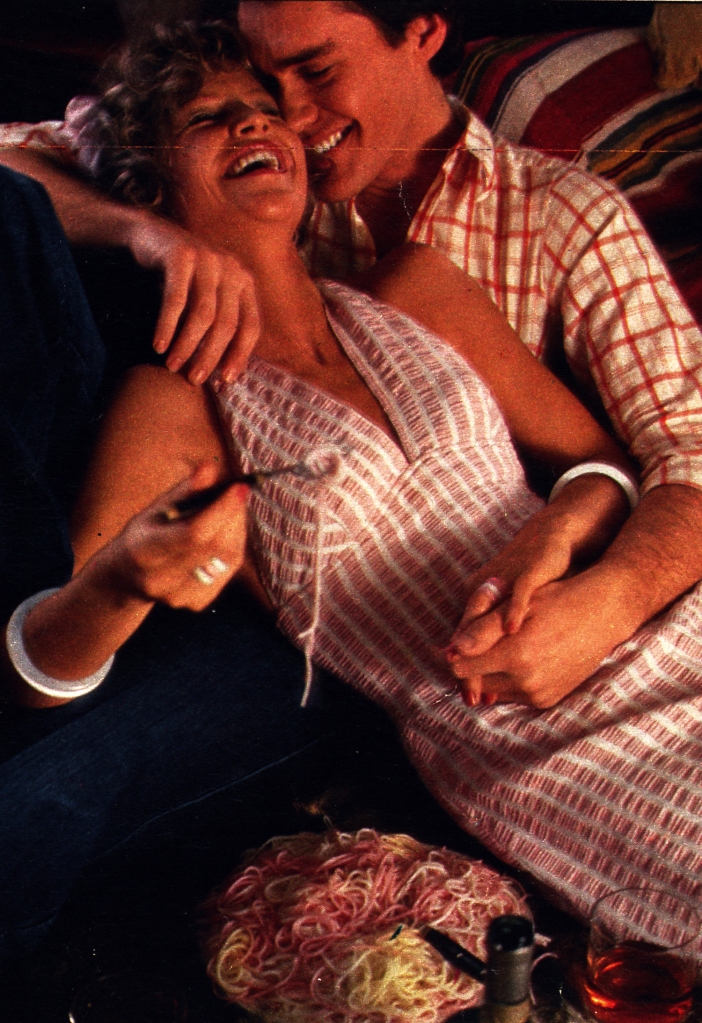
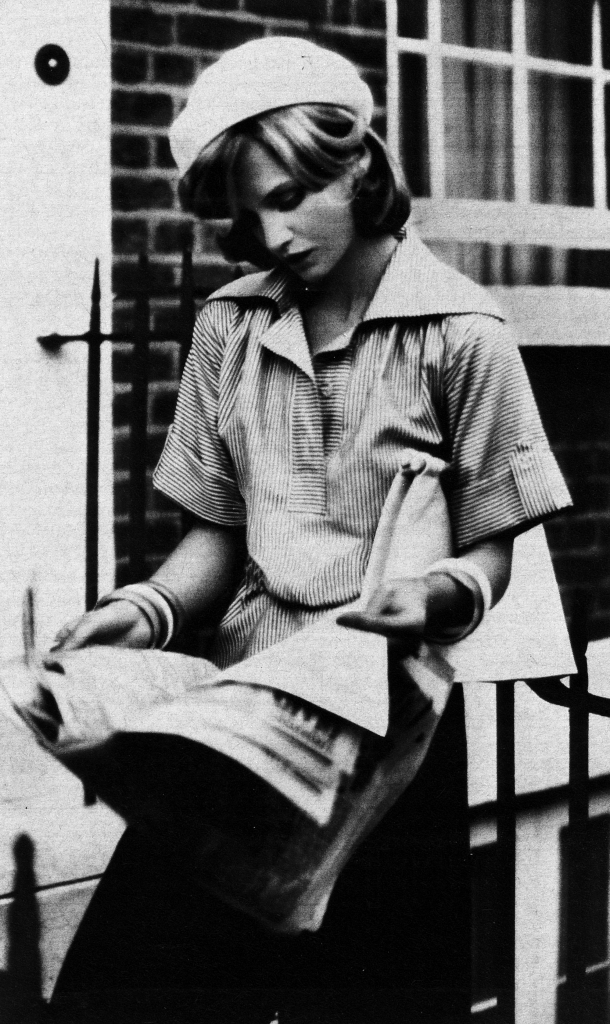
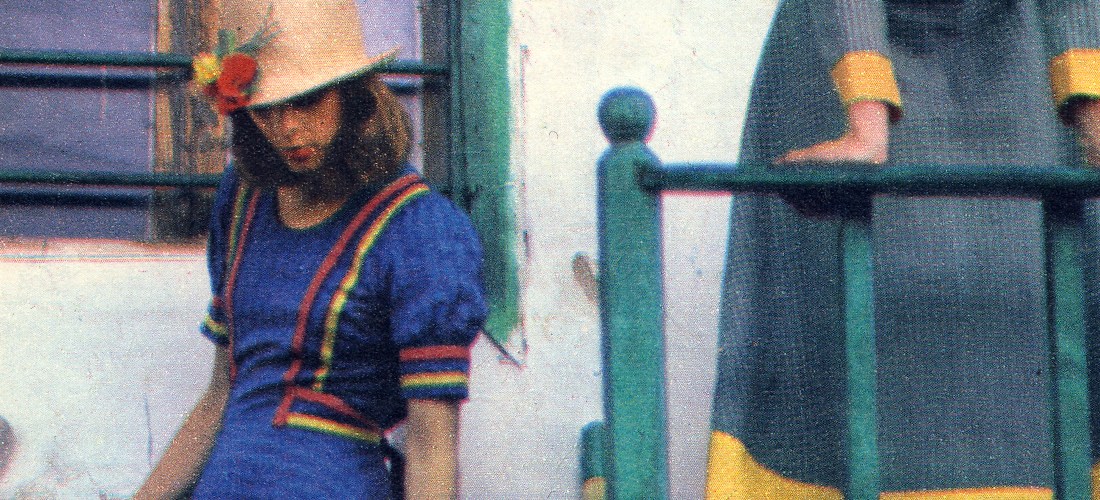
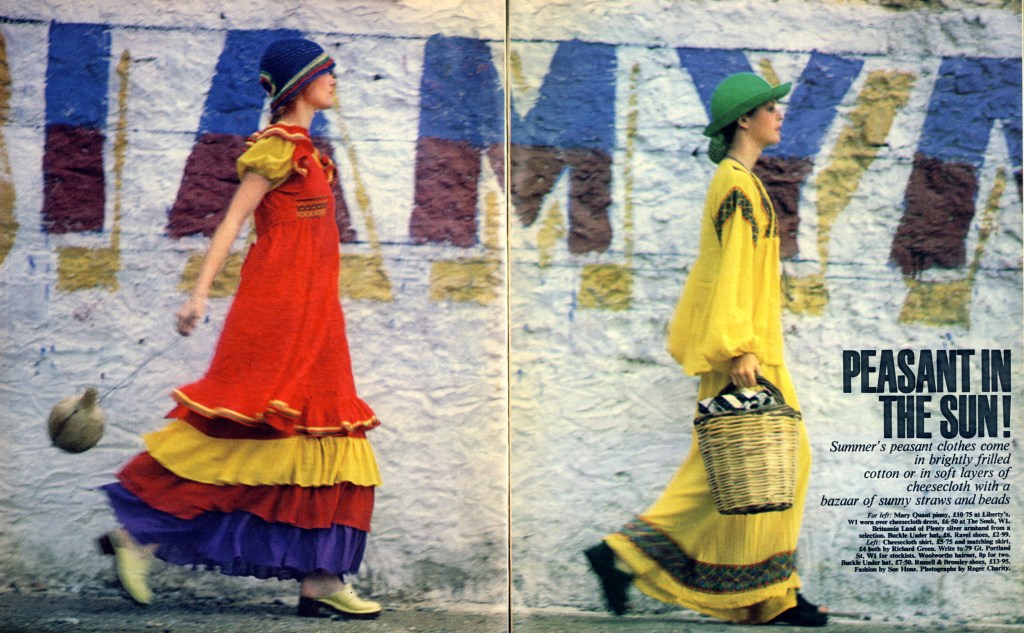
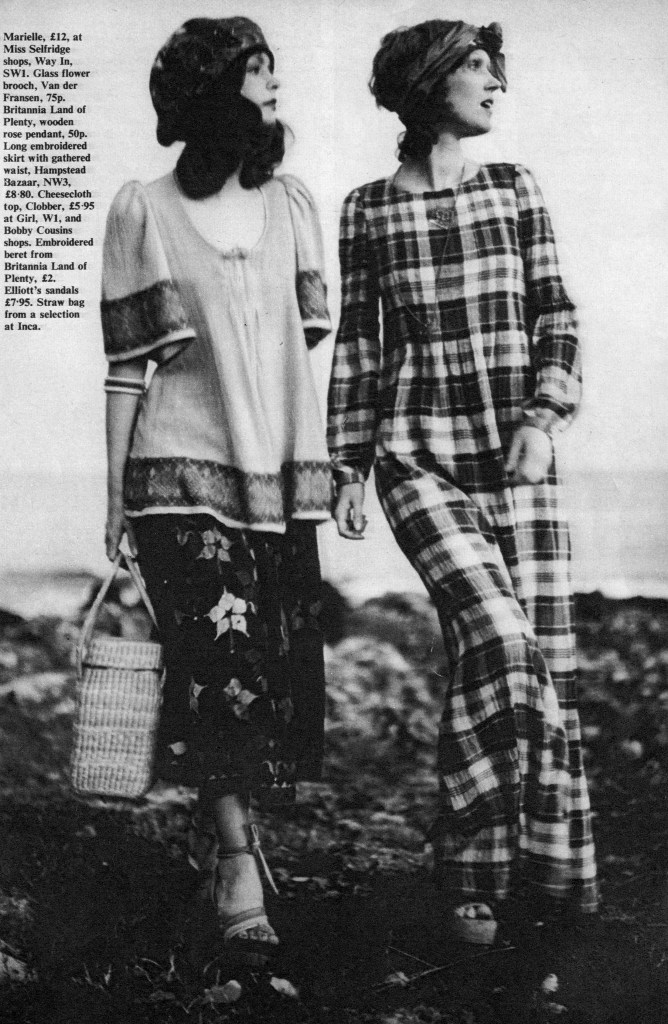
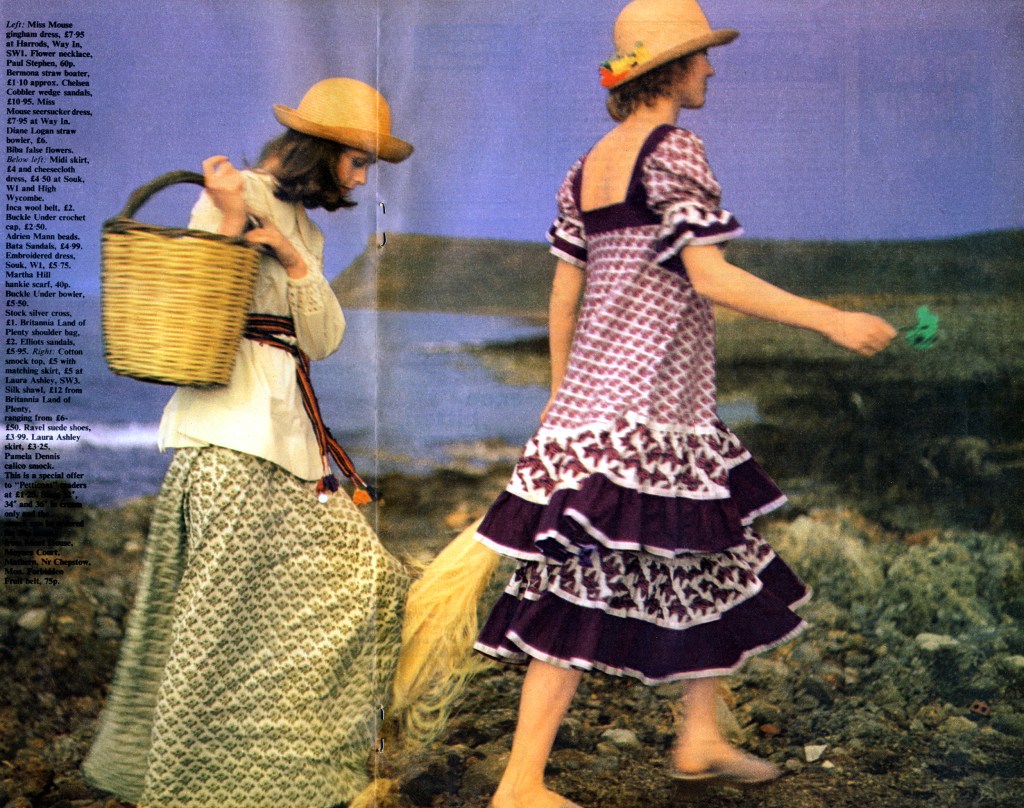
Summer’s peasant clothes come in brightly frilled cotton or in soft layers of cheesecloth with a bazaar of sunny straws and beads.
Fashion by Sue Hone.
Photographed by Roger Charity.
Scanned from Petticoat, 6th June 1972.
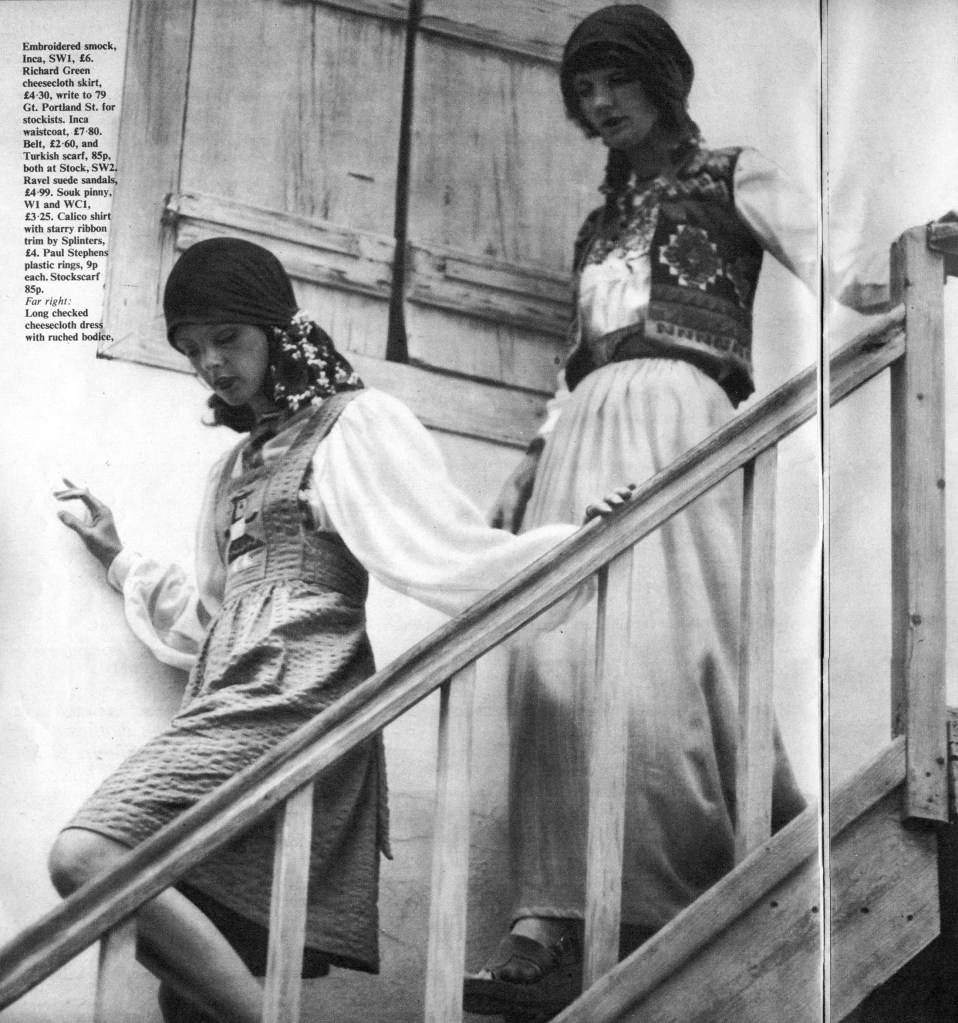
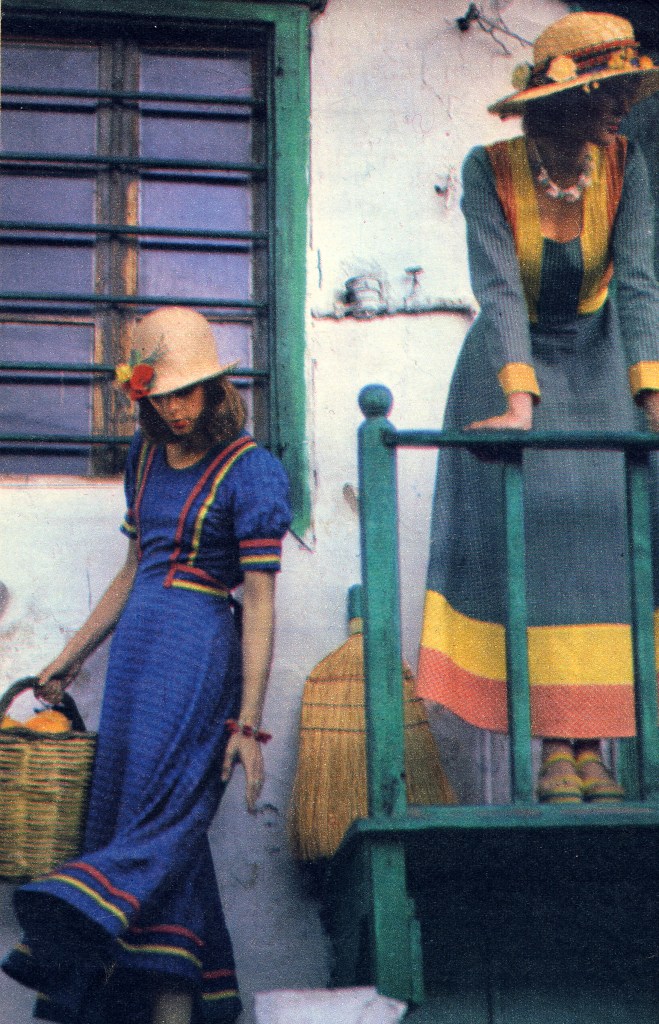
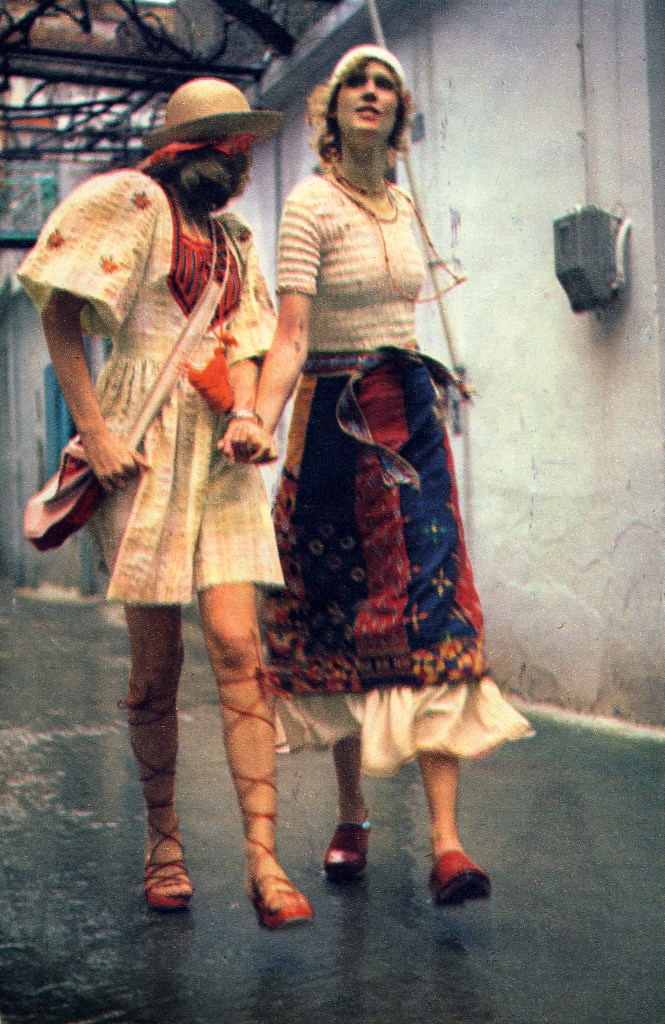
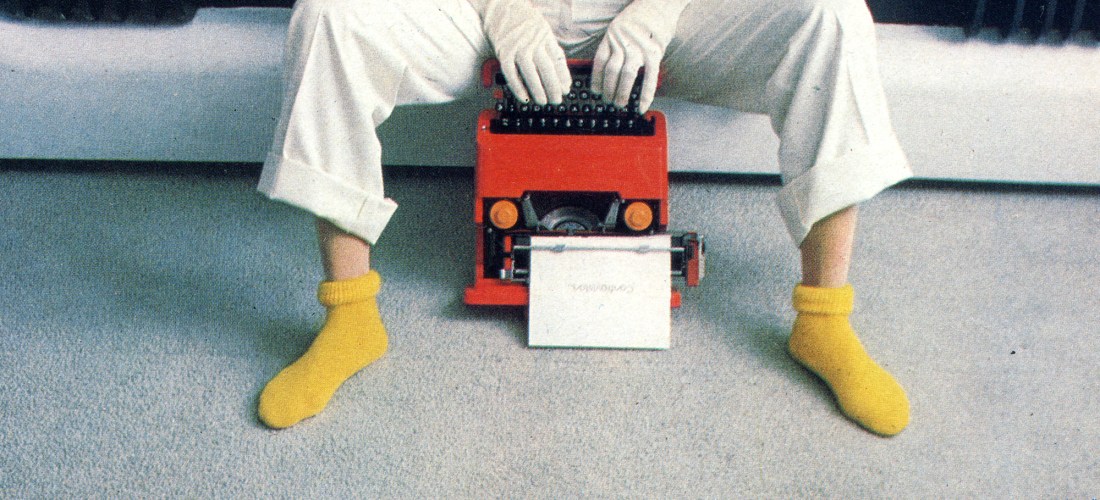
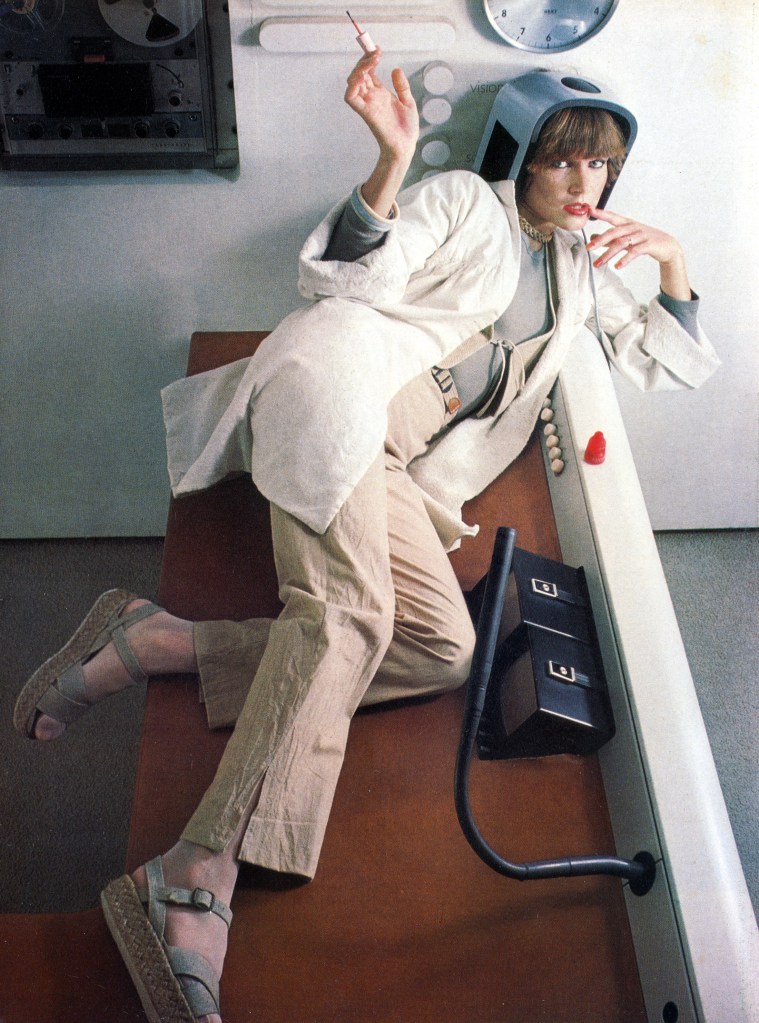
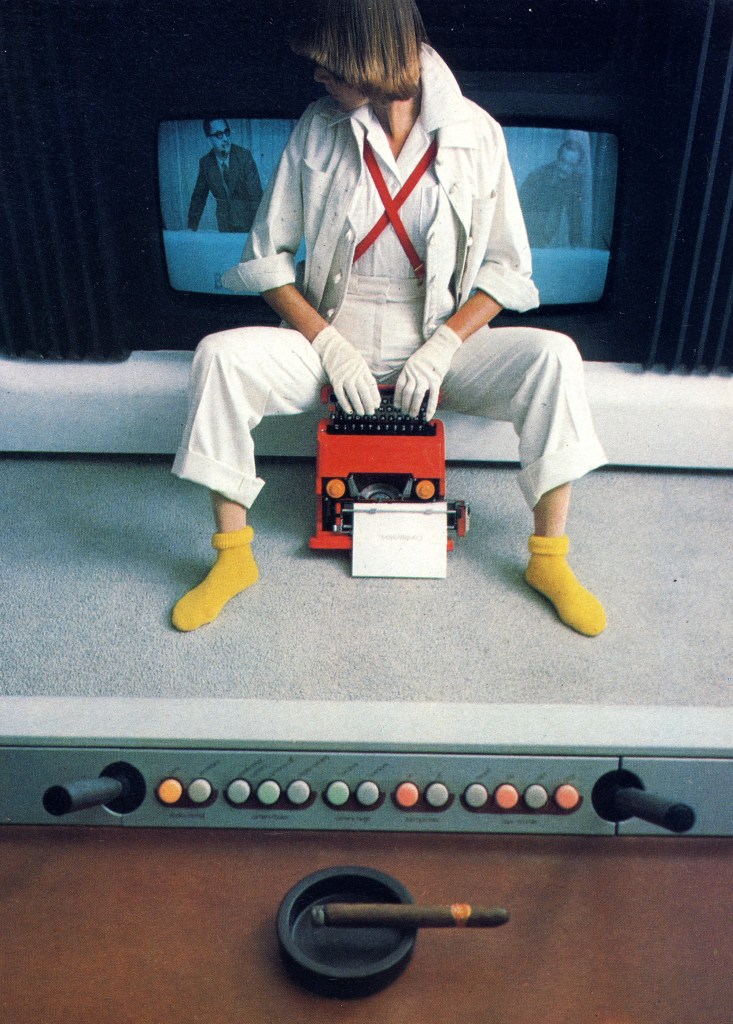
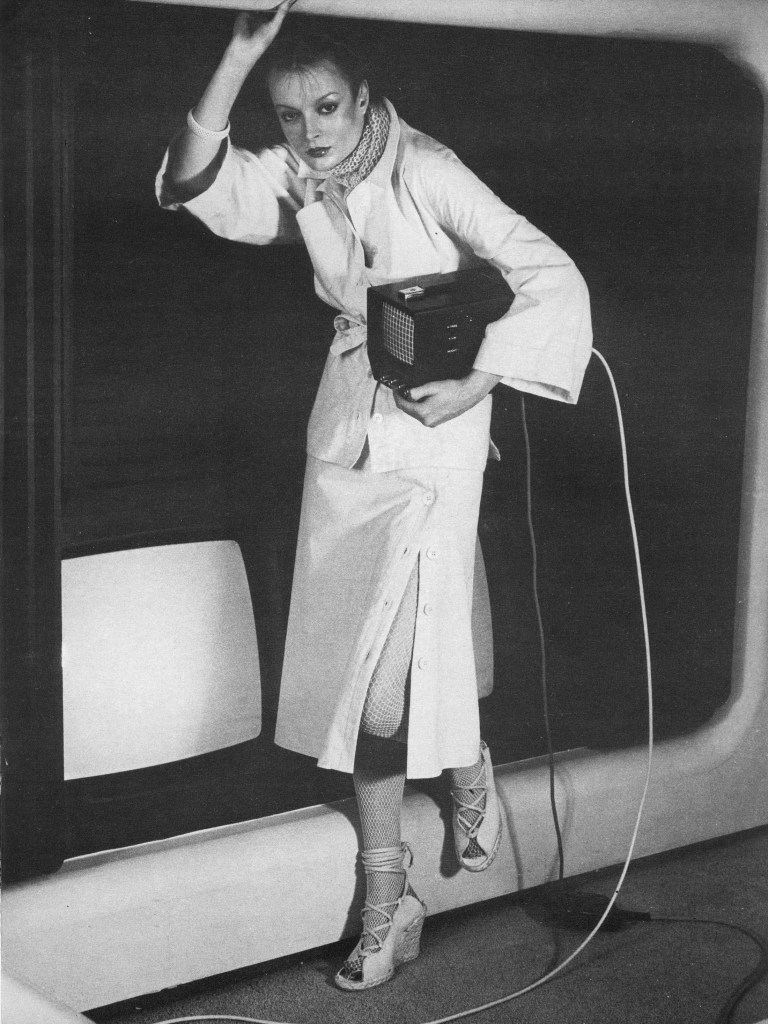
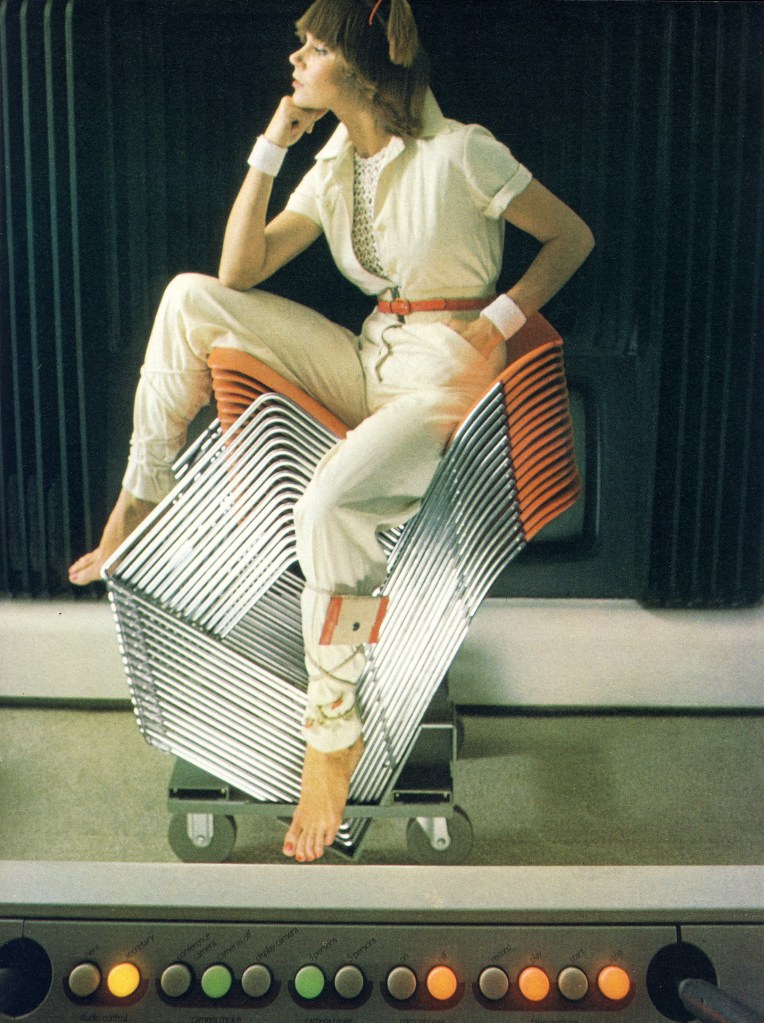
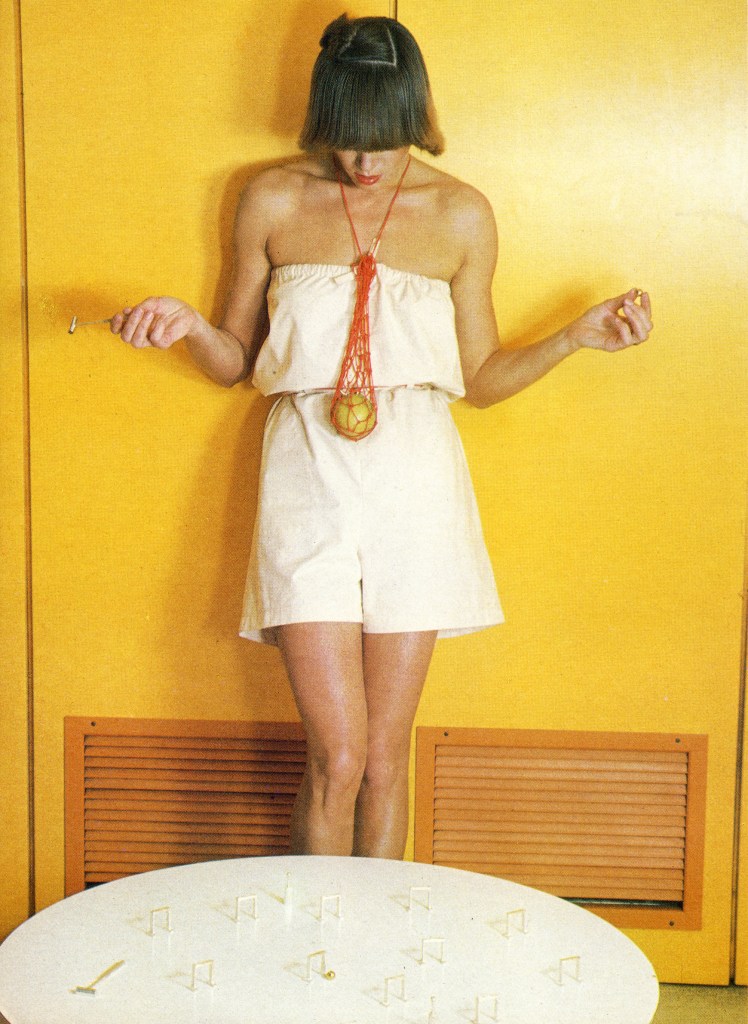
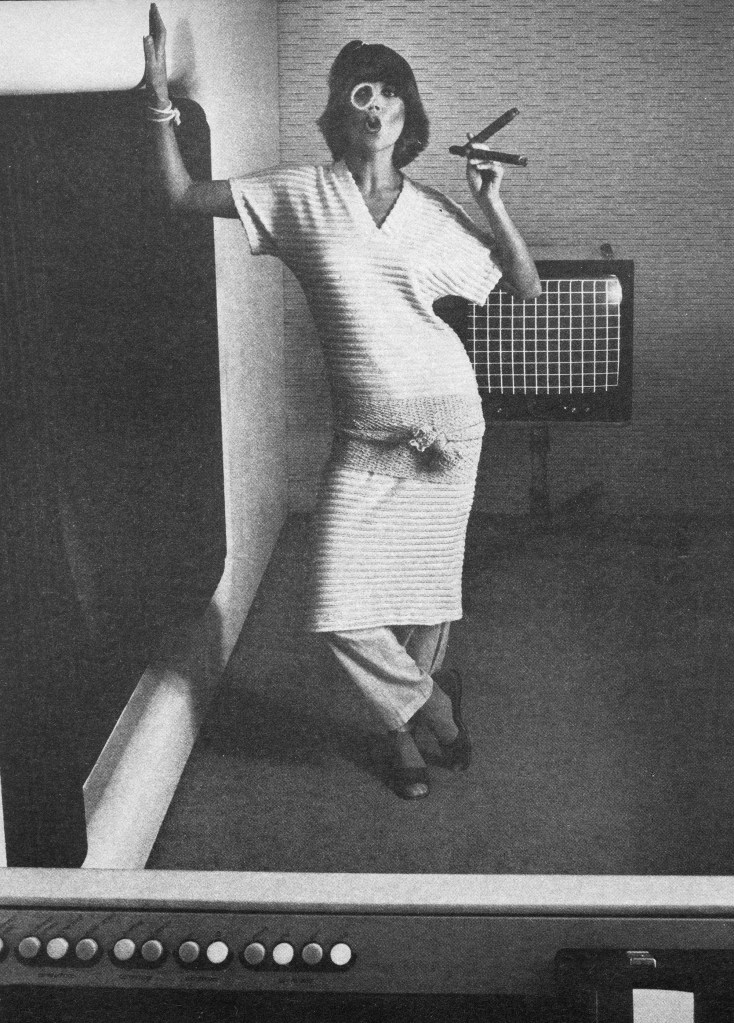
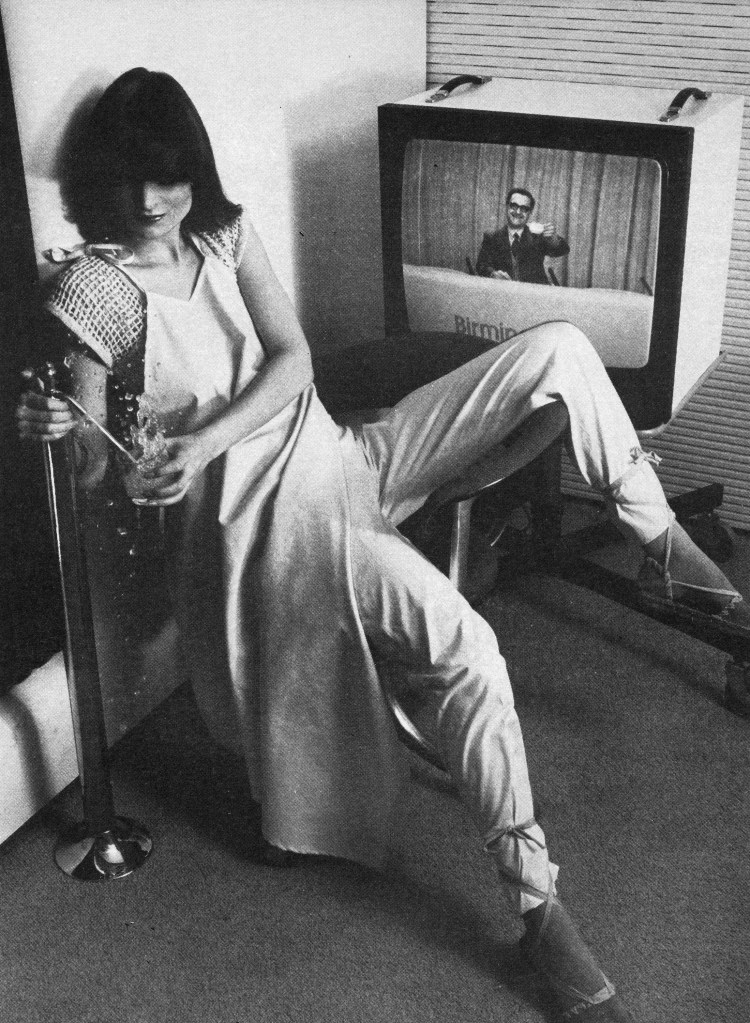
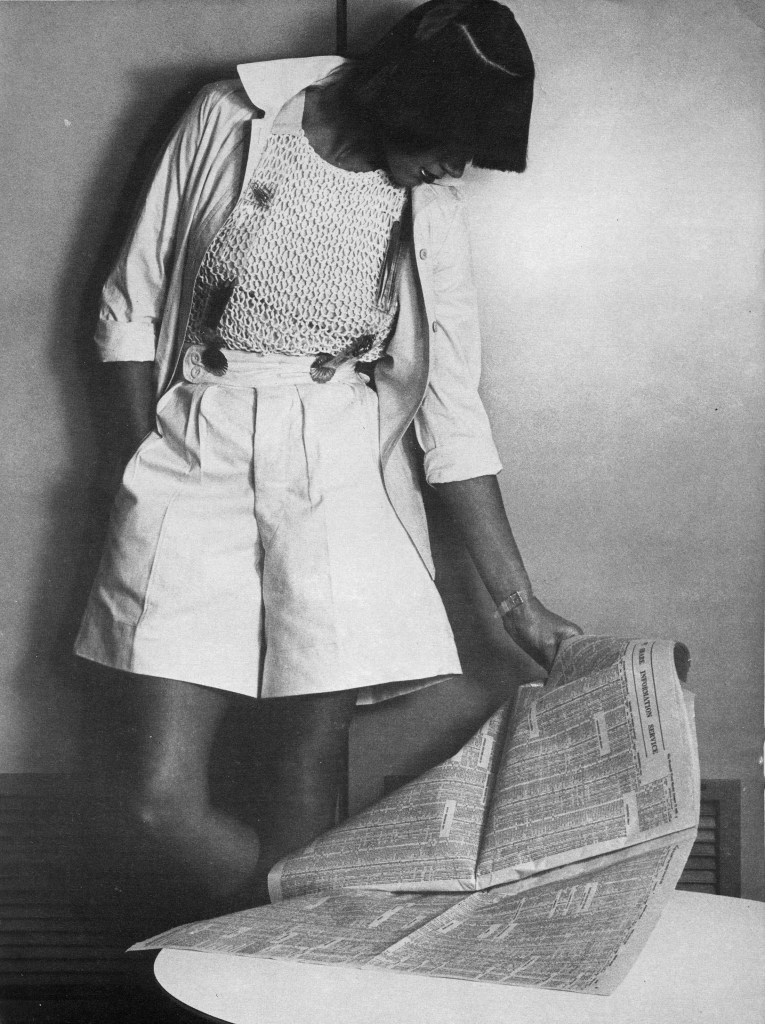
The time: mid-morning coffee-break The place: The Post Office Confravision Studios, Euston Tower* The clothes: At last, working gear (you’ll be delighted to see) to cope with both formal and permissive working environments. The fabric: calico, strong and hard-wearing, cotton-based, so it’s comfortable for over-heated offices. Add a dash of towelling, team it with crocheted string vests, scarves, tights and bags for a little wit. The colour: cream—soothing and harmonious for worn executives. Enliven it with a touch of colour here and there (and to pick you out from beige office walls — remove if you need the camouflage).
* One of five office studios provided by the Post Office for its conference-by-TV service. Designed by Kenneth Grange of Pentagram.
An incredibly apposite photoshoot featuring the Post Office’s futuristic ‘Confravision’ studios. To read an original brochure, click here.
Photographed by Andreas Heumann.
Scanned from Over 21 Magazine, April 1976.


When you think you’ve seen all there is to see about separates, spring turns around and finds a whole new way of doing things! What’s on now? Cotton and cord going to any lengths with pants… soft lawn with tiny prints for shirting and some of the very newest skirts. And we’re giving you ideas about what spring’s all about!
Always lovely to see the West Pier here in Brighton, in all its glory two years before its closure in 1975. For those not familiar with it, the West Pier has had a very sad and protracted demise since then and only the skeleton remains, stranded out at sea. Thankfully, its prettier heyday was well-documented on film and in shoots like this.
Photographed by Tony Norris.
Scanned from Petticoat, 10th March 1973.


 Liz Eggleston